
Point Pelee: Birding, Monarchs and Canada's Southern Tip
Point Pelee in practice: the shuttle to the Tip, monarch season timing, Festival of Birds dates, 2026 fees, and why free admission ended before the peak.
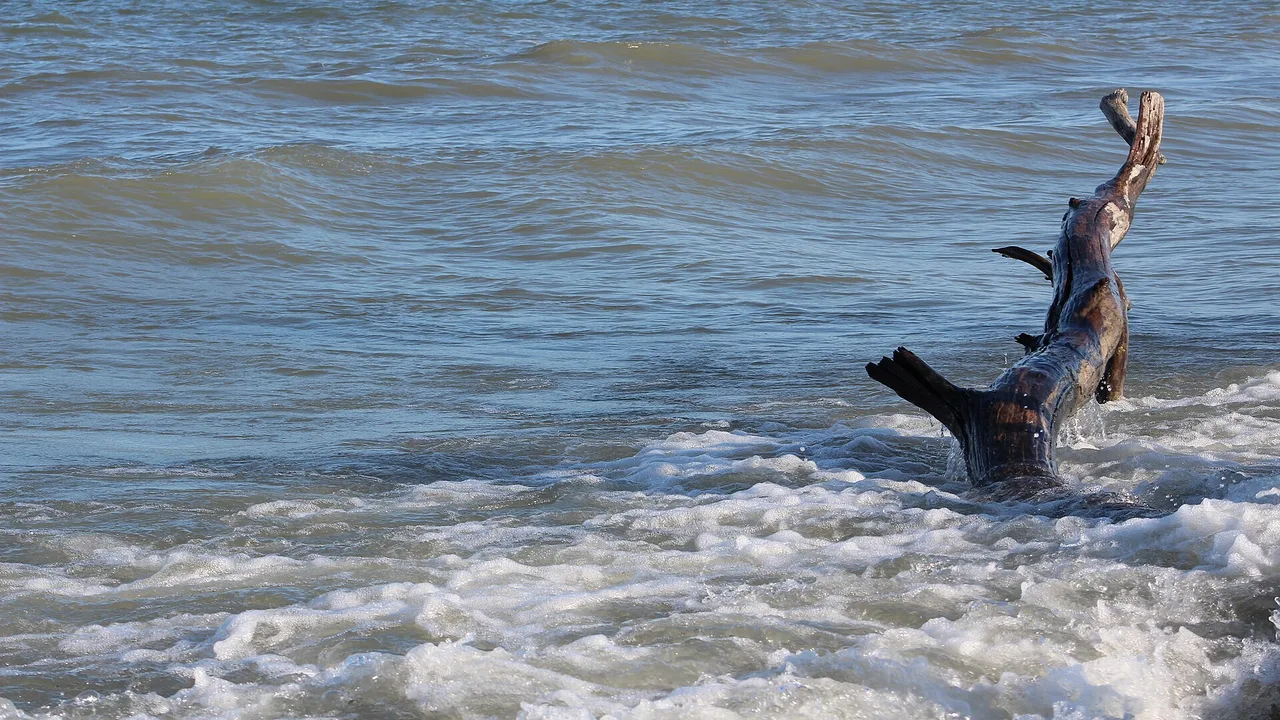
Point Pelee is two different parks depending on when you show up. In May it’s a birding funnel, with warblers stacking up along the Lake Erie shoreline because the peninsula is the last dry land before open water. From late August into October it flips to a monarch butterfly bottleneck, with the same narrowing spit of land working the same trick on insects instead of songbirds. Both shows happen at the same short strip of marsh and beach at the southernmost point of the Canadian mainland, and neither one waits for your schedule.
That timing mattered more than usual in 2026. The Canada Strong Pass made admission free from 19 June to 7 September 2026 - a dated window, not an ongoing program; from 8 September 2026 the standard fees apply again - which sounded like the obvious time to visit. But Parks Canada’s own page on the monarchs says the migration runs from late August to mid-October, with numbers building only when a cold front or headwind stalls the crossing over the lake. Free admission ended right as the season was getting started, not at its peak. If a monarch trip is the plan, you’ll be paying the regular gate fee for it, and that’s fine, it’s ten dollars.
May: the birding rush
More than 390 bird species have been recorded in the Point Pelee Birding Area, the park and the surrounding tip of the peninsula together, and Parks Canada counts the park among the best inland locations to observe bird migration. Its own explanation for that is two-part: the park sits on major migratory flyways, and it sits on the north shore of Lake Erie, which together make it what the agency calls a migrant trap. The mechanism is simple: this peninsula is the last patch of trees and cover before a long stretch of open water, so northbound songbirds pile up here to rest and feed before crossing.
The Festival of Birds runs 1 to 18 May in 2026, and Parks Canada opens the gate an hour earlier than usual for exactly that stretch, 5 am instead of 6, which tells you how seriously the park treats the crowd it draws. Warblers are the headline act, but the festival period overlaps with a broader push of songbirds working their way north, and the payoff is concentration: you don’t need to hike far to see a lot of species in a single morning.
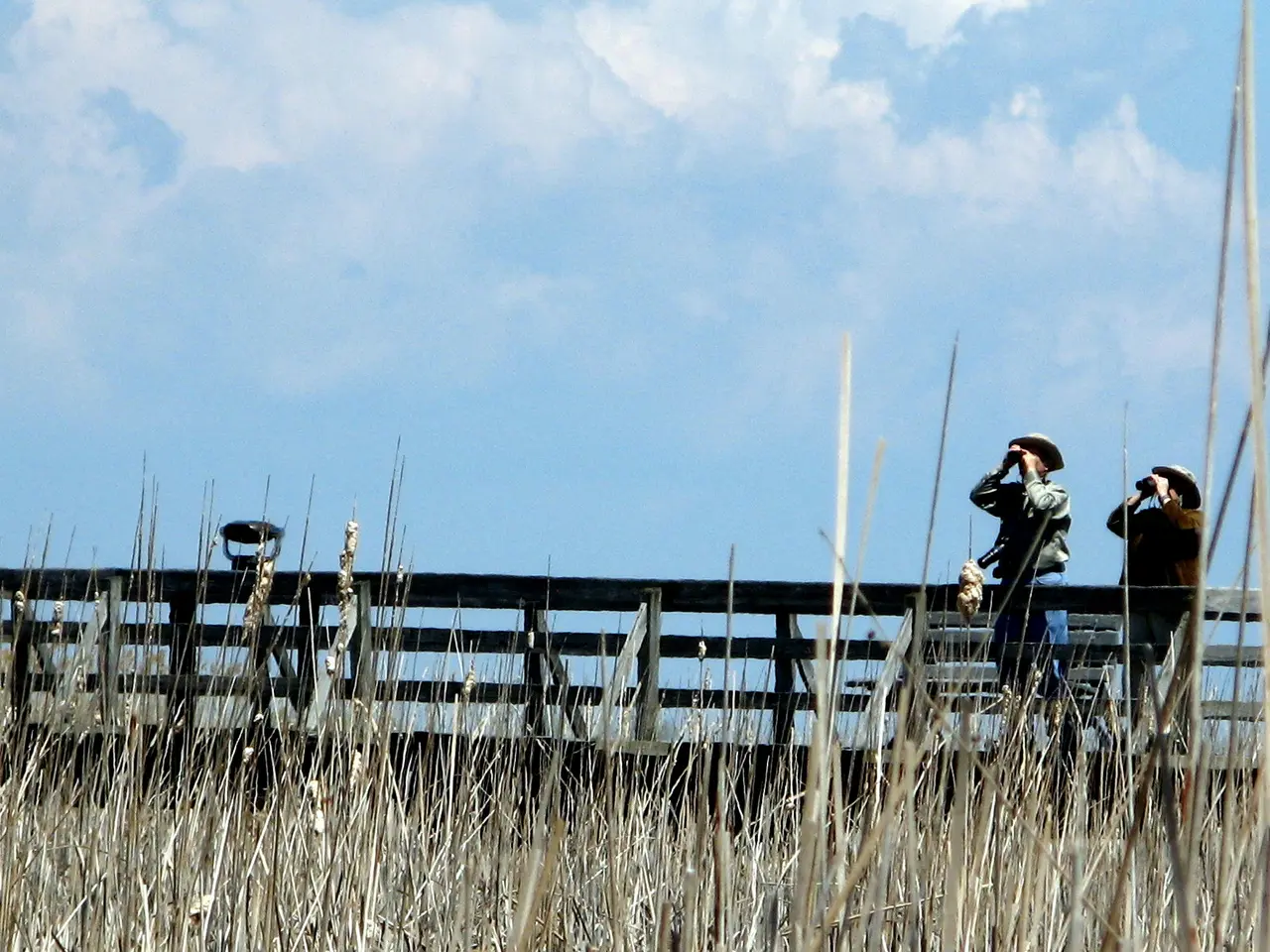
If you’re not chasing a festival schedule, the park’s own birding guidance is that there’s decent diversity here year-round. May is simply the month everyone already knows about, which means trails and parking fill early. Get there for opening for any hope of quiet.
September: the monarch bottleneck
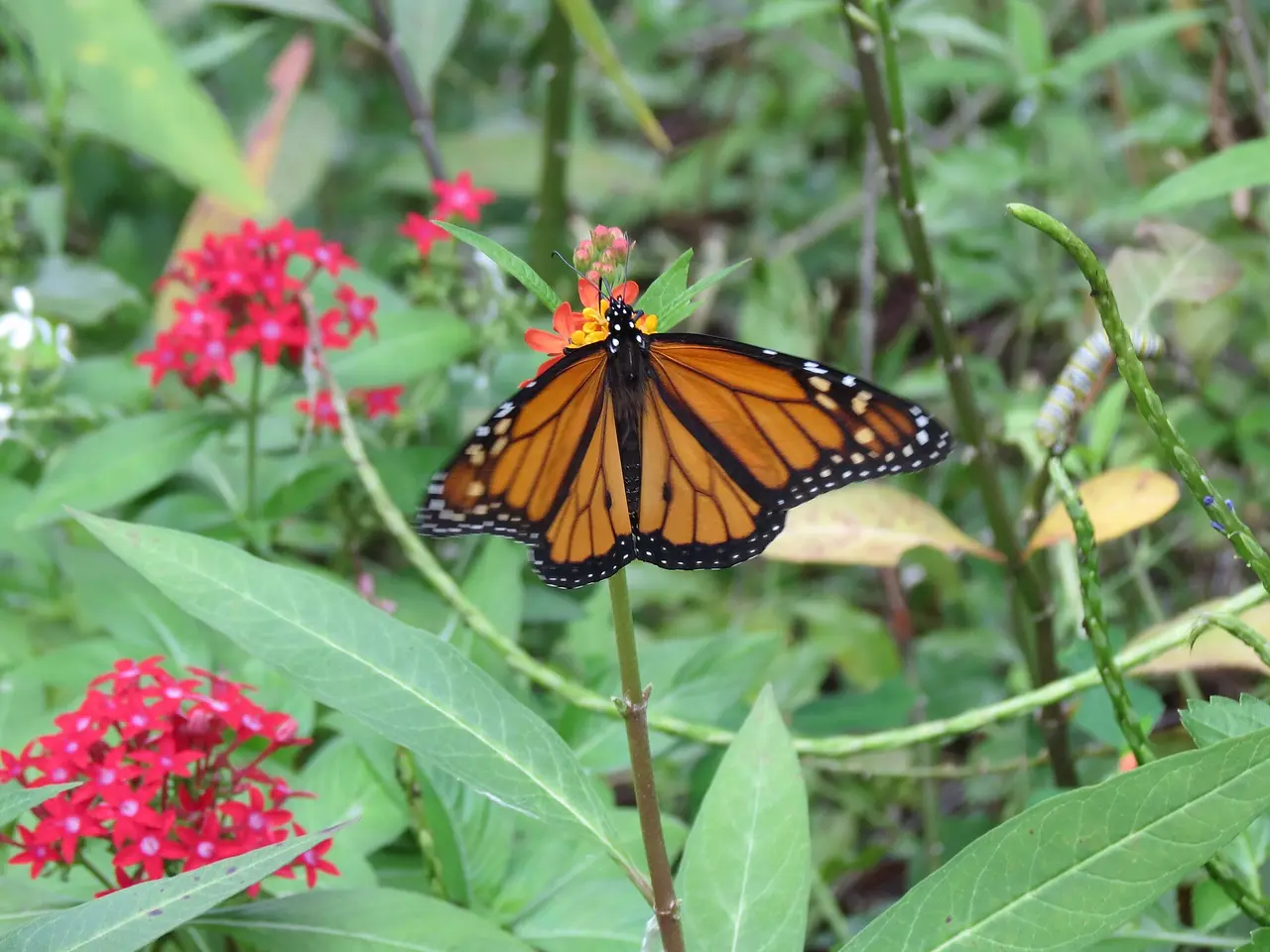
The same funnel shape that piles up warblers in spring stalls monarch butterflies in autumn, for a related reason: they won’t cross open water if they don’t have to. Parks Canada’s own explanation is that monarchs “choose the shortest points to cross the lakes,” and Point Pelee’s Tip is exactly that kind of pinch point on Lake Erie. Numbers only really build when wind, rain or temperature keep them grounded, so this isn’t a fixed date on a calendar so much as a weather-dependent pileup that can happen anywhere from late August to the middle of October.
What you’re watching, if the timing lines up, is the generation of monarchs that doesn’t reproduce at all. They emerge in late summer, put everything into fat reserves instead, and fly on to a mountain forest in central Mexico roughly 3,000 km away. Scientists have tracked this migration since 1975, when Dr. Fred Urquhart and Norah Urquhart began tagging monarchs to map the route; the park now points visitors toward Journey North, Mission Monarch and Monarch Watch for anyone who’d rather tag along as a citizen scientist than just watch. It’s worth knowing this migration has seen real, sustained declines over the past decade from habitat loss and extreme weather, which is part of why Point Pelee has been restoring savannah habitat and planting native milkweed rather than just marketing the spectacle.
The shuttle, and why your car stays behind
You can’t drive to the Tip yourself for most of the year. Parks Canada runs a free shuttle from the Visitor Centre, a 2 km, seven-minute ride, and the park’s own trail page confirms the mechanism plainly: the road out to the Tip “is closed to vehicle traffic when the shuttle is in operation,” which in 2026 runs from 3 April to 1 November. Outside that window, from early November to early April, the road reopens to private cars.
The shuttle is wheelchair and walker accessible, and if you’d rather move under your own power, the same trail page lists walking or biking the service road as the alternative while the shuttle is running - that’s exactly the window when the road is car-free. One rule has real teeth: swimming or wading at the Tip itself, and at every beach south of the Tip exhibit, is banned outright and carries a fine of up to $10,000. Parks Canada’s own reason is blunt: “the water at the tip can be very dangerous due to strong currents.” Other beaches in the park are open for swimming.
What it costs, and the week the price changes
Daily admission from April through October is $10 for an adult, $8.75 for a senior, free for anyone 17 and under, and $19.50 for a family or group of up to seven arriving in one vehicle. Rates drop slightly in the November-to-March off-season. A national Discovery Pass, the same price at every Parks Canada site, runs $83.50 for an adult - break-even against the $10 daily rate lands at roughly eight or nine visits in twelve months, so it only pays off if you’re genuinely a repeat visitor, not just planning two trips.
A guided Migration Hike runs $32.50 per person and is timed to the bird and monarch seasons; a separate Guided Freighter Canoe Excursion through the marsh runs $15 per person in a ten-person canoe with an interpreter. The departures on the park’s page are the summer spread - 11:30 am, 1:30 pm and 3:30 pm Monday to Friday, four more at weekends - and they don’t survive the season: last off-season the same page listed weekends only, and Parks Canada never prints the date it switches. Booking is by phone, not online, walk-ups take what’s left, so ring the park before you count on a paddle in monarch season. Sleeping inside the park is also an option worth knowing about: the oTENTik A-frame cabins run $147.50 a night (parking included, the daily gate fee is not), which is the one way to already be inside for a 5 am gate opening instead of driving in cold.
The date that actually matters for planning is 8 September. That’s the day after the 2026 Canada Strong Pass free window closed, and it’s also when the shuttle’s own schedule shifts - not simply shorter, as you’d expect. Weekdays stretch an hour later into the evening, a 6 pm close instead of 5. Weekends lose the two late hours, closing at 6 pm instead of 8, but they open two and a half hours earlier, at 7:30 am instead of 10, so the weekend shuttle day actually gets half an hour longer. That flips the usual advice: for first light at the Tip, a Saturday after 8 September beats a Saturday before it.
The park gate is the part that genuinely shrinks: it goes from a fixed 10 pm closing to dusk. Don’t read “dusk” as early, though. At this latitude civil twilight ends about 8:20 pm on 8 September and doesn’t slip under 8 until around the 20th, and by mid-October it’s closer to 7:15. So the first monarch weeks still give you a normal evening, and it’s the October end of the season that wants a plan. None of this is a special migration restriction; it’s the standard shoulder-season step-down that happens to land in the best weeks.
The trails beyond the boardwalk
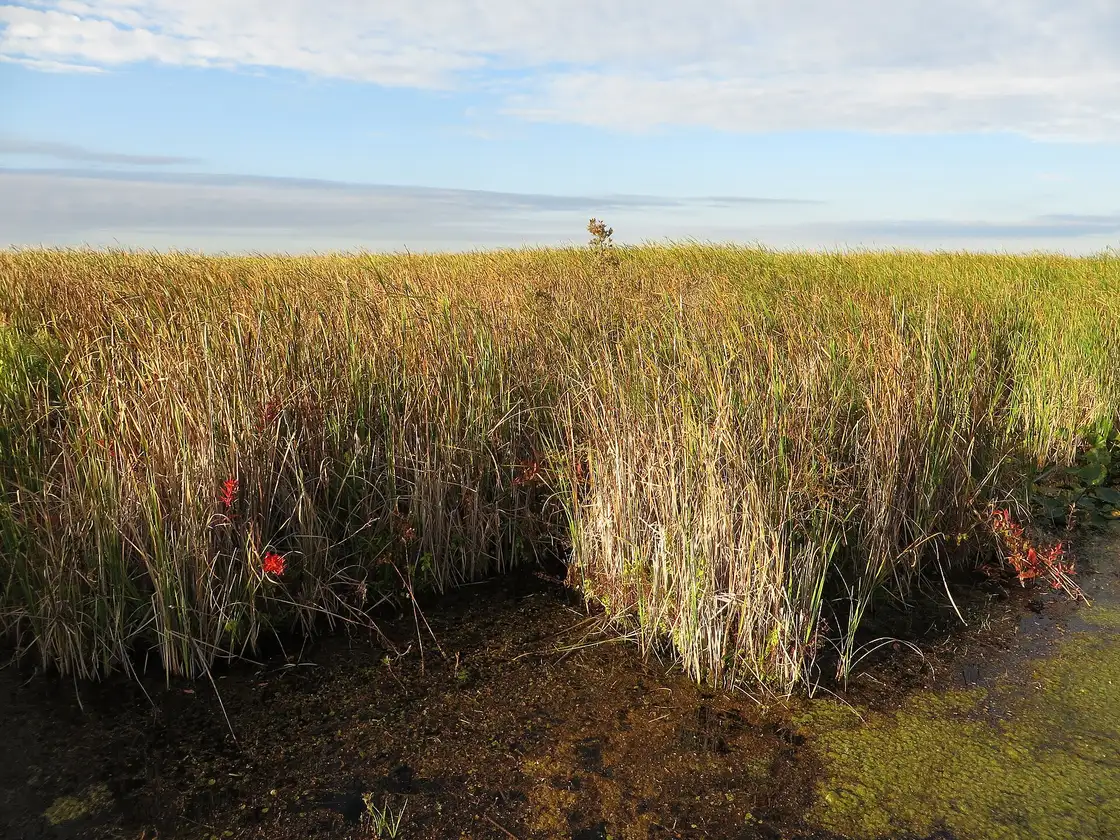
The Marsh Boardwalk is the signature walk, a 1 km loop through cattail marsh with an observation tower (the tower itself isn’t wheelchair accessible, though the boardwalk is), and it’s the best single stop for turtles and lily pads if you only have 45 minutes.
The DeLaurier Homestead & Trail (1.2 km, about 50 minutes) is the park’s human-history stop. It covers 10,000 years, from the first peoples through the homesteaders, farmers, fishermen and cottagers who worked this peninsula before it became a park in 1918. For distance, take the Chinquapin Oak Trail (4 km, about two hours), the longest loop in the park - it passes a species of oak otherwise found as far south as the cloud forests of Mexico. The Woodland Nature Trail (2.75 km) covers the oldest forest habitat in the park, with a self-guided booklet at the Visitor Centre.
Cyclists get their own network, including a 6 km Centennial trail between the entrance and the Visitor Centre. Two of the bike loops, Anders and Chinquapin Oak, close for the whole of the spring birding season, mid-April through May. Don’t plan a cycling day around them if you’re here for the festival.

Getting there, and when not to rush it
Point Pelee sits outside Leamington, Ontario, a bit over an hour east of Windsor (roughly 70 km) and about four and a half hours from Toronto (roughly 360 km) by road. Nobody publishes a fixed point-to-point time here the way Parks Canada publishes admission, but the numbers converge: free-flow routing gives 4 h 42 from Toronto, and the coach service that drives the route budgets four to four and a half hours each way.
You don’t strictly need a car, which is worth saying out loud. Parkbus runs a self-guided day trip from Toronto straight into the park - a coach from 34 Asquith Avenue by the Yonge and Bloor subway at 7:30 am, into the park around noon, out at 6:30 pm, back in the city by 11:30. That leaves five or six hours inside, enough for the Tip, the Marsh Boardwalk and a forest loop without hurrying. It’s $100 for an adult, $90 student or senior, $50 for a child, and park admission isn’t included, so you still pay at the gate or show a Discovery Pass. For 2026 the monarch-season departures are 19 and 26 September, and they don’t hang around: on 29 August the booking page was already showing the 26th as the next one available. There’s no passenger rail to Leamington, so it’s the coach or your own car. Parks Canada’s own site also carries a live notice worth checking before you leave: the Seacliff Drive East Reconstruction Project is affecting access to the park and is scheduled to run until fall 2026, so confirm the current detour with the Municipality of Leamington before you commit to a route.
Don’t try to fit Point Pelee into the last hour of a longer day. The Visitor Centre closes for the season entirely from 2 November to 31 March, and the shuttle drops back to 10 am-5 pm daily from 13 October before stopping altogether on 1 November. This park rewards an early start more than most, whether that’s a 5 am gate opening in festival season or a cold, still September morning waiting for the monarchs to decide the wind is right to cross.
Ontario’s provincial guide covers where Point Pelee fits alongside the province’s other parks and the Canada Strong Pass window; if a Discovery Pass made sense for your trip beyond this one stop, our full breakdown has the break-even math.
On the map
The map loads on click - to keep the page lightweight.
The map didn’t load. Check your connection and refresh the page.
Admission and opening hours
- Admission price
- Daily (Apr-Oct): adult $10.00, senior $8.75, youth 17 and under free, family/group (up to 7 in one vehicle) $19.50. Daily (Nov-Mar): adult $7.75, senior $6.75, family/group $15.00. Discovery Pass: adult $83.50, senior $71.50, family $167.50.
- Opening hours
- Gate 19 May-7 Sep 2026: 6 am-10 pm; 8 Sep 2026-15 Apr 2027: 7 am-dusk. Shuttle 8 Sep-12 Oct: 10 am-6 pm weekdays, 7:30 am-6 pm weekends; closed 2 Nov-31 Mar.
Canada Strong Pass gave free admission 19 June-7 September 2026; standard fees again from 8 September 2026. Prices and hours from parks.canada.ca, checked 29 August 2026 - confirm before you travel.
Details checked: August 29, 2026
Read also

National parks · 8 min read
Kluane: Icefields, Flightseeing and Mount Logan
Verified · August 28, 2026Kluane National Park 2026: Kathleen Lake trails, C$30 camping, Rocking Star flights from C$250, and Mount Logan at 5,959 m.

National parks · 7 min read
Riding Mountain National Park: Bison, Clear Lake & Highlands
Verified · August 27, 2026Riding Mountain in 2026: Lake Audy bison from your car, Clear Lake beaches, Wasagaming camping fees and the drive from Winnipeg.

National parks · 8 min read
La Mauricie National Park 2026: Parkway, Lakes & Camping
Verified · August 26, 2026La Mauricie NP: two hours from Montreal or Quebec City. 2026 gate C$10, 64 km Parkway, camping from C$33.75, Navette Nature shuttles.

National parks · 8 min read
Mount Revelstoke and Glacier: Stop on the Trans-Canada
Verified · August 24, 2026Mount Revelstoke and Glacier NP on Highway 1: the 26 km parkway, Rogers Pass trails, 2026 gate fees and why most drivers skip both parks.