Ontario Travel Guide: Where to Go and How Long
Ontario is bigger than France and Spain combined. Which trip to pick - Toronto and Niagara, the cottage country, or the parks - and when to go.
Ontario is too big to see in one trip, so the first decision is which Ontario you’re coming for. Most visitors take one of three trips: Toronto with a day at Niagara, the same run stretched east to Ottawa over a week, or the lakes and forests of the cottage country north of the city. Trying to do all of it in seven days means seeing highways, not the province - don’t try.
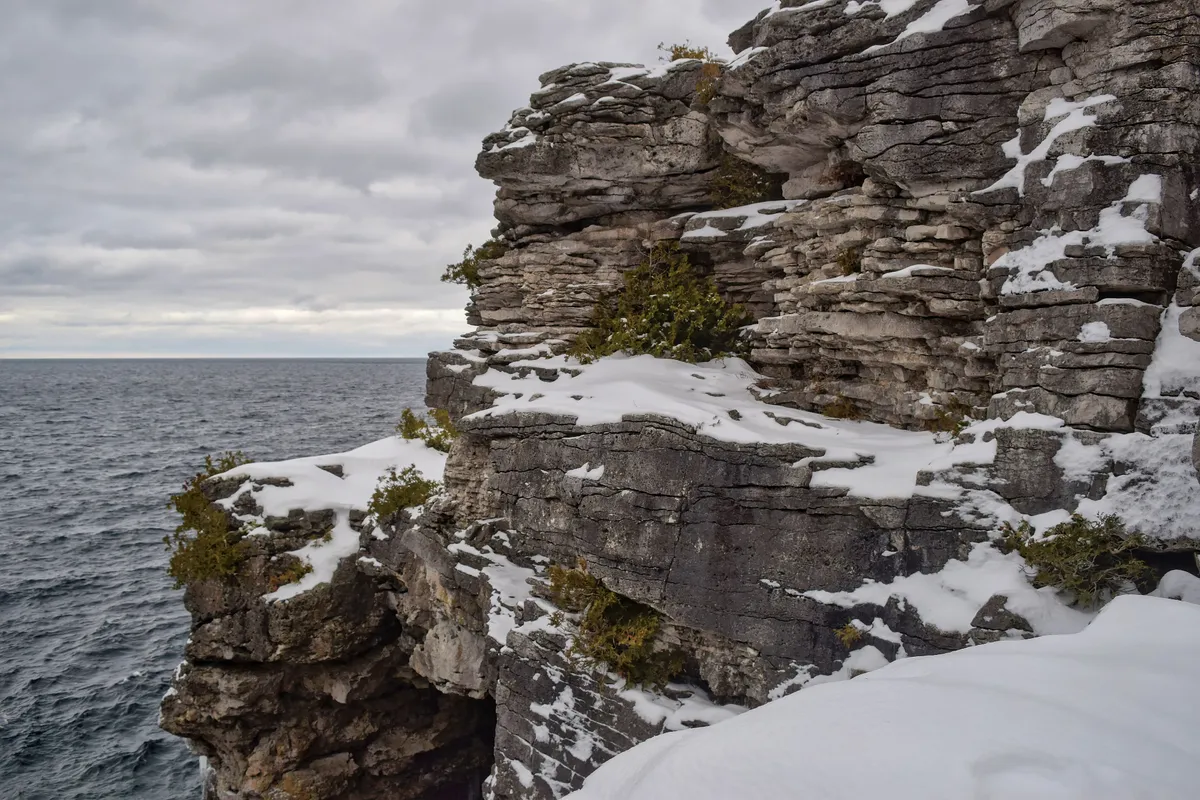
On the Georgian Bay side, Bruce Peninsula is the classic park stop.
The scale is the thing people underestimate. Ontario covers more than a million square kilometres, and the figure that makes it land is a drive time: Toronto to the far northwest of the province takes longer than Toronto to Florida. So the useful way to plan is to pick a corner and go deep, rather than draw a loop that looks tidy on a map and turns into ten hours a day behind the wheel - you’ll enjoy it more.
The scale, in numbers
The numbers are worth a moment because they shape every itinerary. The province holds more than 250,000 lakes, which the government reckons contain about a fifth of the world’s fresh water. It has more than 16.1 million people, roughly two in every five Canadians, most of them packed into the southern strip between Windsor and Ottawa. Toronto has been the capital since 1793, when the seat of government moved there from Newark, the town now called Niagara-on-the-Lake.
What that means on the ground: the south, where nearly everyone travels, is a dense band of cities, farmland and Great Lakes shoreline - that’s the Ontario most visitors actually see. Go two hours north of Toronto and it turns to rock, pine and water; go six and the roads thin out and the towns are hours apart. The parks and the cottage lakes start closer than people expect, which is the good news for a short trip.
The three trips most people actually take
Toronto and Niagara: a weekend to four days
This is the standard first visit and it works. Give Toronto two or three days for the city, then take a day for Niagara Falls, which sits about an hour and a half away by road. The catch worth knowing before you book a tour: that drive can double at rush hour or on a summer weekend, so an early start beats an organized bus tour that leaves at ten. Renting at Pearson for a Niagara day only pays if you’re not parking downtown overnight - car rental at Toronto Pearson sorts Terminal 1 versus Terminal 3 and the Viscount fleets. If you’re stacking paid Niagara Parks attractions, run the Falls Pass math before you buy. Staying overnight instead of day-tripping? Sort Fallsview versus Clifton Hill versus town before you lock a room.
Adding Ottawa: the eastern week
With a full week you can run east from Toronto along Lake Ontario to Ottawa, the national capital, breaking the drive at Kingston and the Thousand Islands. This is the trip for a first-timer who wants cities, Parliament and a sense of the country rather than wilderness. Ottawa is a genuine overnight, not a day trip - it’s about four hours from Toronto - so give it two nights at least, pick how you’ll cover Toronto to Ottawa, and choose the neighbourhood with where to stay in Ottawa before you lock the hotel.
Cottage country: Muskoka and Algonquin
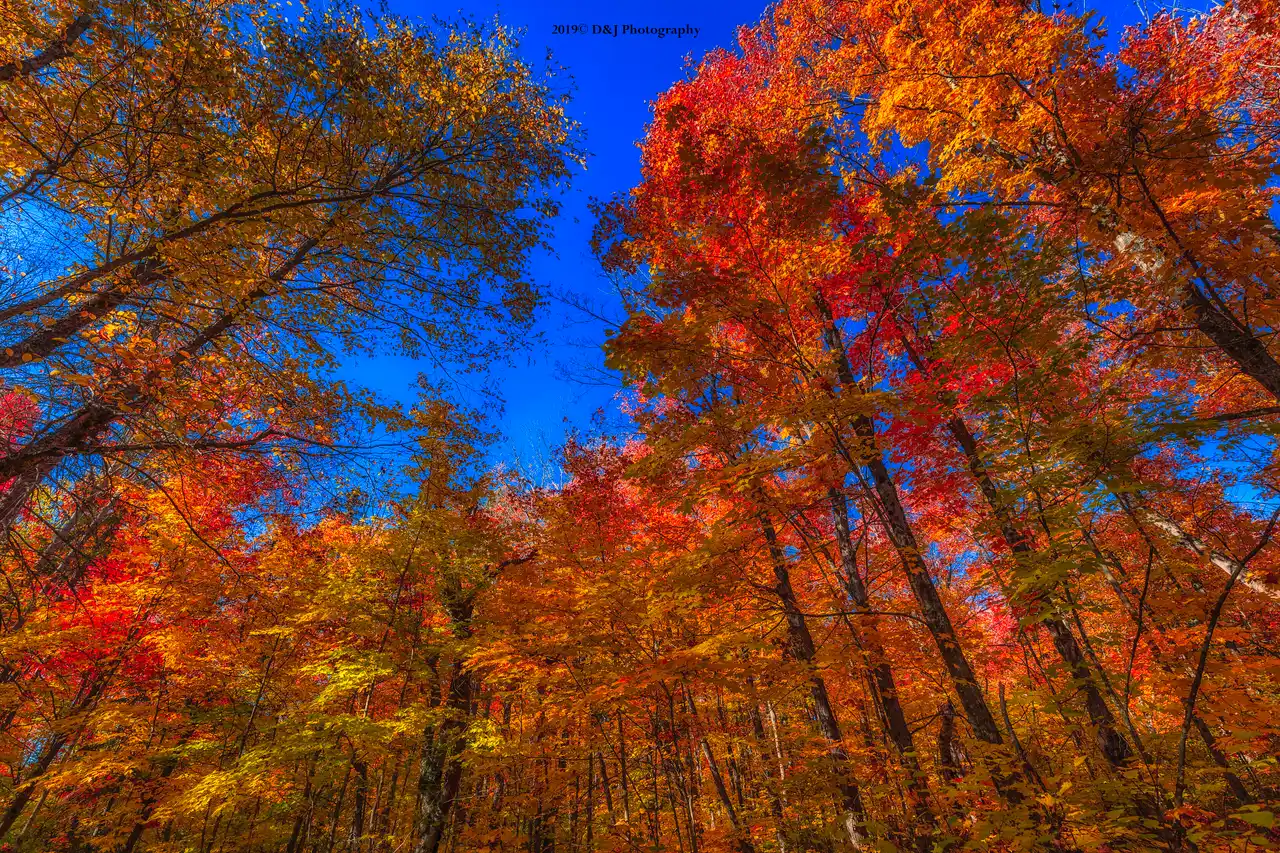
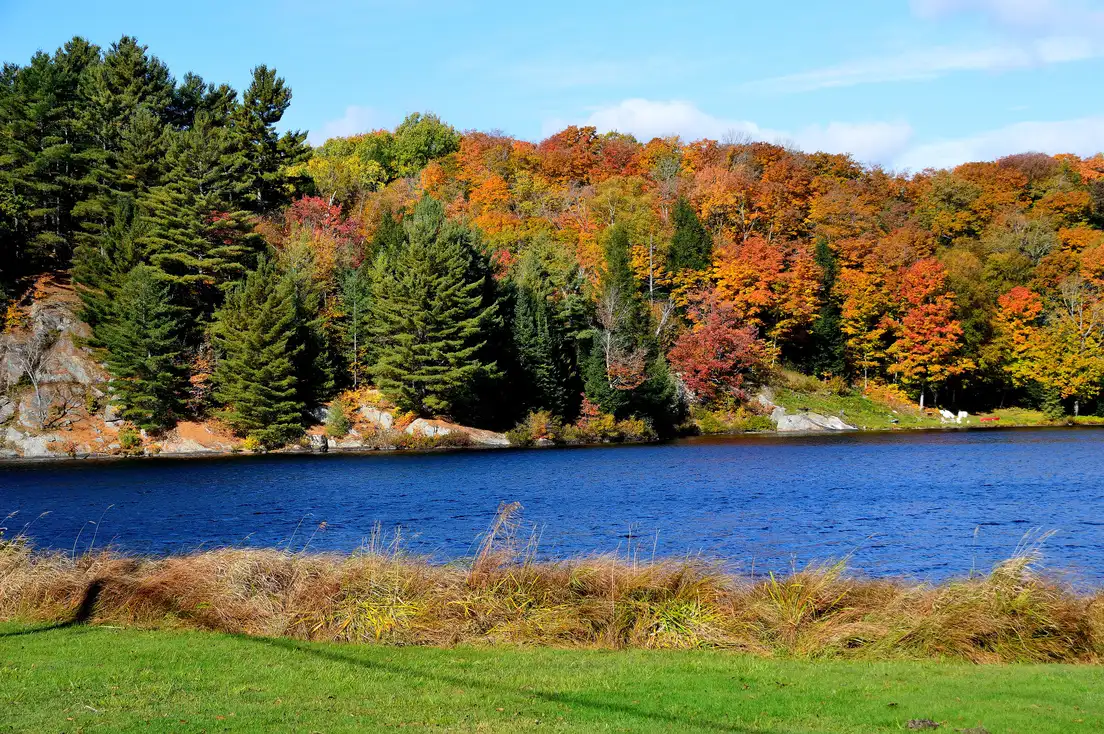
The other week-long trip skips the eastern cities entirely and heads north into the lakes. Muskoka groups six towns - Gravenhurst, Bracebridge, Huntsville and their neighbours - across a landscape the region describes as running “from the vast wilderness of Algonquin Park in the east to the rugged windswept shores of Georgian Bay in the west.” This is the Ontario of docks, canoes and pine, and it’s busiest and priciest in July and August and at its best in late September.
The parks worth the drive
Algonquin: about 7,650 square kilometres and one road through it
Algonquin is the park that defines Ontario for a lot of Canadians, and its layout is unusually simple to travel. The whole visitor side of it hangs off a 56 km stretch of Highway 60 that crosses the southern edge, with eight campgrounds, fourteen interpretive trails and the main visitor centre all along that one road. You do not need a backcountry permit to get the point of the place: a day on Highway 60, one or two of the marked trails, and a canoe rental at a lake access is a full and proper visit.
The park was established in 1893 and covers about 7,653 square kilometres (765,300 hectares), so what you see from the road is a sliver of it. For autumn colour, ignore any guide quoting fixed peak dates and check the park’s own fall colour report instead, which tracks the turn week by week and is the only thing worth planning around - our Canada fall colours guide has the details on Algonquin and where else to look.
Bruce Peninsula, the Grotto and the parking you have to book
The Bruce Peninsula reaches north between Georgian Bay and Lake Huron, and its national park holds the most photographed water in the province: the turquoise cove at the Grotto, backed by white limestone cliffs. Here is the practical part that trips people up. Getting in isn’t automatic, and it wasn’t even during the summer 2026 free-admission window.
Under the Canada Strong Pass, entry to Parks Canada sites was free from 19 June to 7 September 2026, with 25% off Parks Canada camping; from 8 September 2026 the standard fees apply again. Even inside the window the agency spelled out the limit itself: “free admission doesn’t guarantee entry. Parking fees still apply and reservations are still required.” The Grotto and Halfway Log Dump parking lots must be booked ahead through reservation.pc.gc.ca, and without that booking you are turned away at the gate. Treat the reservation, not the drive, as the thing you have to get right.
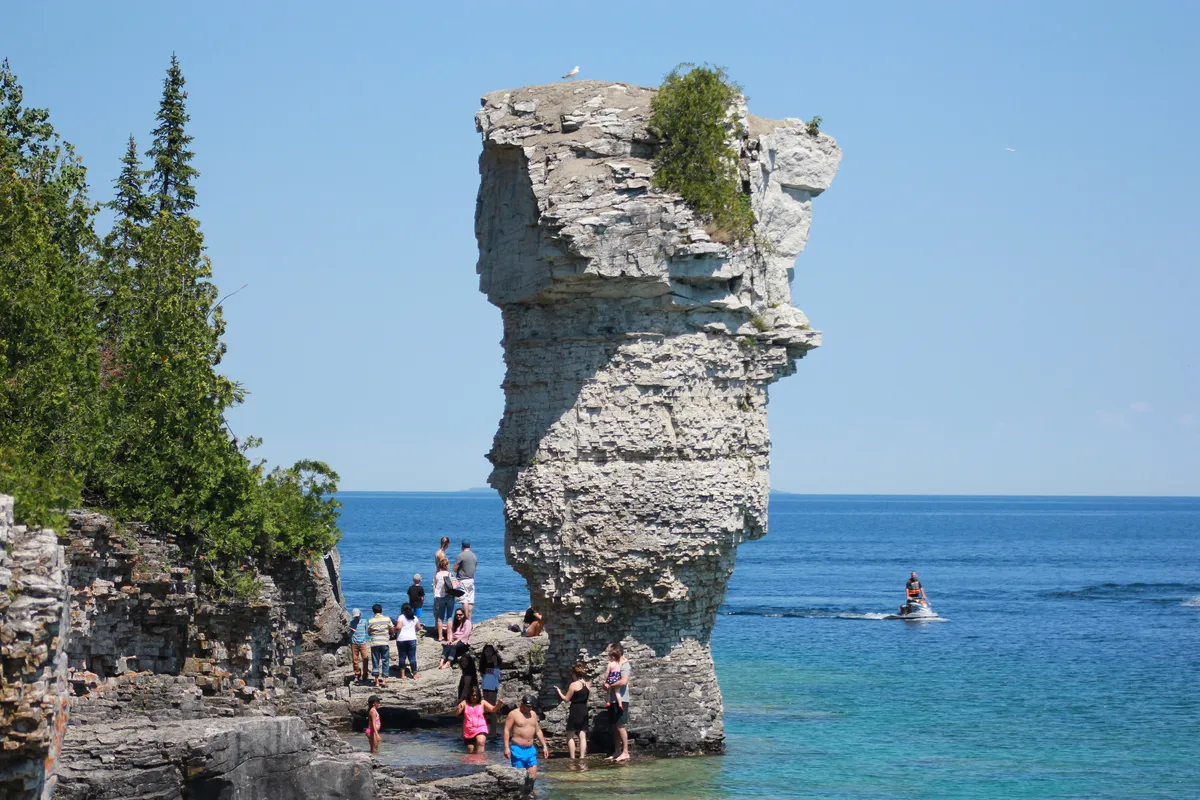
Offshore lies Fathom Five, Canada’s first national marine park, reached by tour boat from Tobermory. The draw is Flowerpot Island, where two sea stacks stand just off the shore like the rock columns they are named for.
Georgian Bay, Killarney and Manitoulin
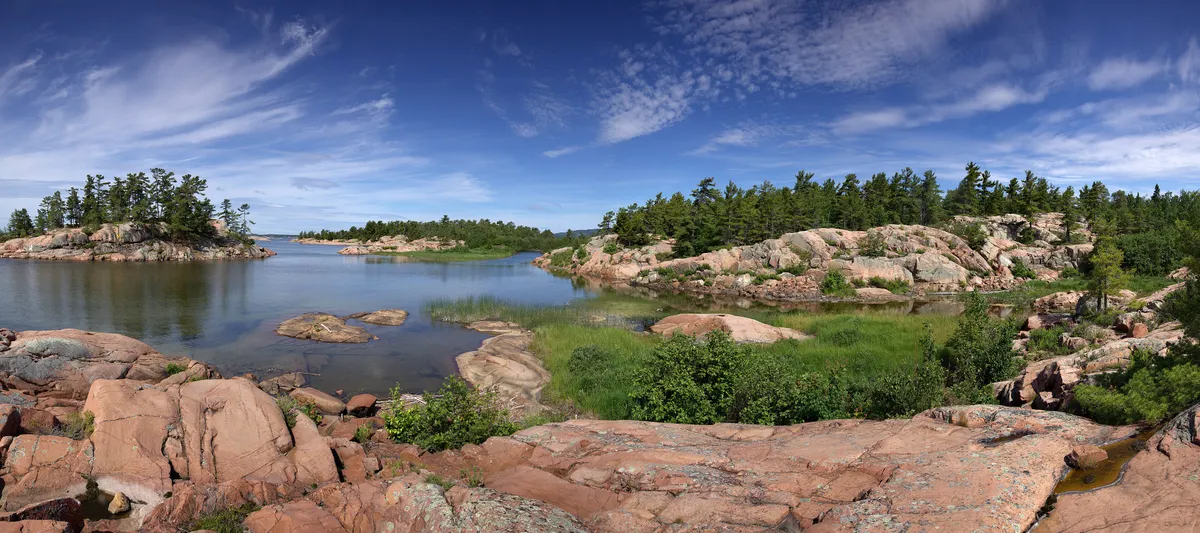
West of the Bruce, Georgian Bay is the quieter half of the province’s shoreline: pink granite, wind-bent white pines and the light that the Group of Seven painters built careers on. Killarney Provincial Park, with its white quartzite ridges above cobalt lakes, is the place to see it, and Manitoulin, the largest lake island in the world, sits just to the west with its own drives and hiking. None of this is a day trip from Toronto; it’s a base for two or three nights.
The south: Prince Edward County and Sandbanks
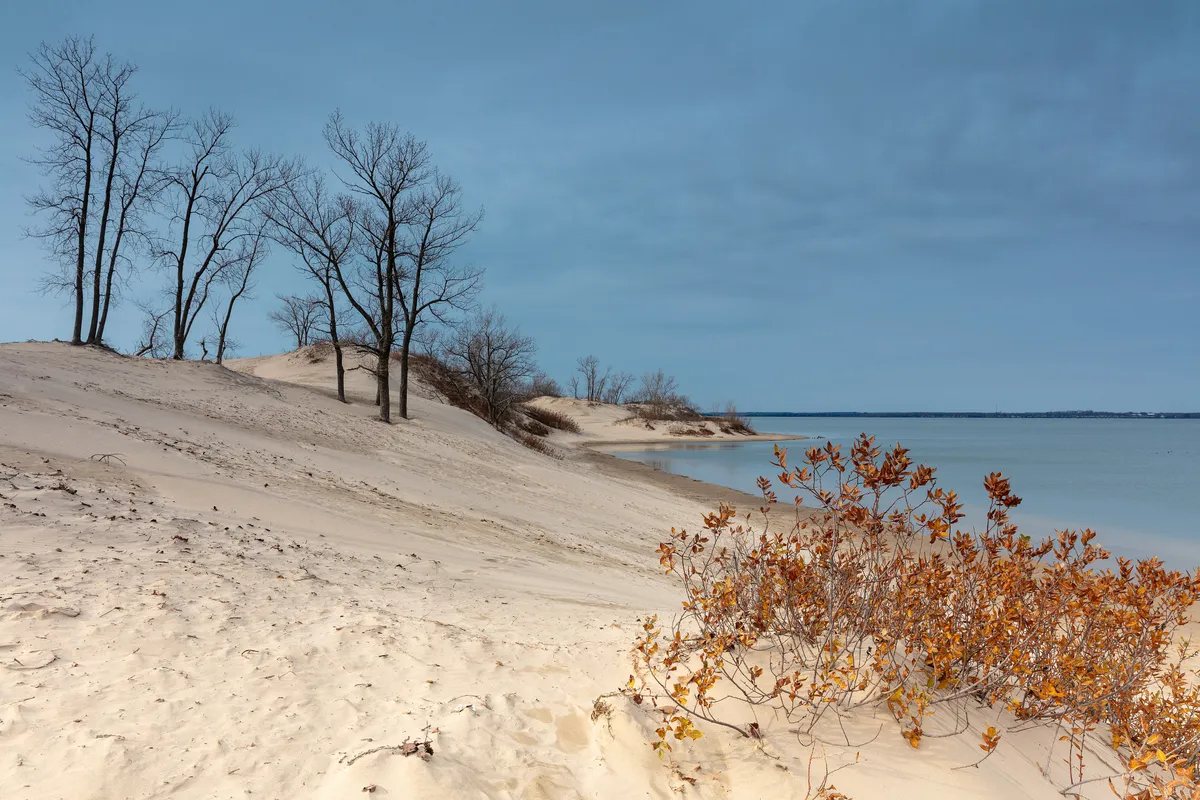
The mildest corner is the southern shore along Lake Ontario and Lake Erie, and its centrepiece is Prince Edward County, a wine-and-farm peninsula that has turned into a weekend of cellars, cider and beaches. The beach is Sandbanks Provincial Park, a rare set of freshwater dunes that fills to capacity on hot weekends, so a reservation matters. Further west, Point Pelee reaches to the southernmost tip of mainland Canada and is one of the continent’s great spring birding spots.
The east: the Thousand Islands
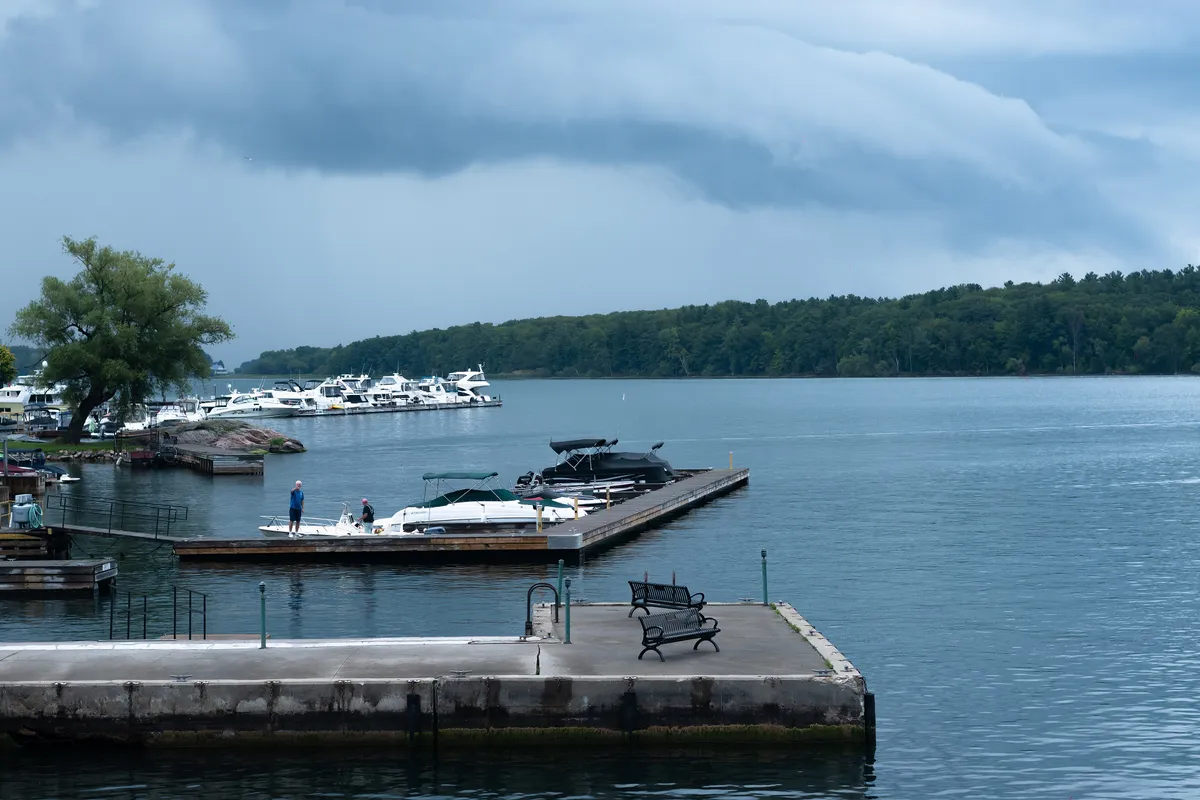
If you drive the eastern week to Ottawa, break it on the St. Lawrence River, where the water is scattered with the Thousand Islands - hundreds of them, some no bigger than a single cottage and a flagpole. Boat tours run from Gananoque and Kingston, and the river here’s the border with New York State, so half the islands you pass are American. For scenic hours versus a Boldt Castle stopover (and the passport catch), see Thousand Islands cruises.
When to visit
Late September is the one the regulars wait for. The lakes are still warm enough to swim, the summer crowds have gone, and the maples turn the whole north of the province red and gold. July and August are peak: warm, everything open, and cottage-country prices at their highest. Spring, from May, is quiet and cheap, with the birding at Point Pelee and the falls at full flow. Winter is long and genuinely cold across most of the province, which makes it the season for skating, snowshoeing and Ottawa’s canal rather than a road trip.
Getting around
Ontario rewards a car once you leave Toronto, and beyond the cities a car is close to essential: the parks, the cottage lakes and the wine country have little or no transit. Within the golden triangle of Toronto, Niagara and the west, GO Transit trains and buses cover a lot of ground, and VIA Rail runs the corridor from Windsor through Toronto to Ottawa and Montreal, which is a comfortable and often faster way to do the eastern cities without driving. If you’re renting, our guide to renting a car in Canada sets out how the winter-tire law changes at the Quebec line and the drop charge a one-way rental adds.
The Canada Strong Pass, and what it did not cover
Summer 2026 had a real saving, with one asterisk. Under the Canada Strong Pass, admission to every Parks Canada place was free from 19 June to 7 September 2026, with 25% off Parks Canada camping; from 8 September 2026 the standard fees apply again. In Ontario that covered the Bruce Peninsula, Fathom Five, Georgian Bay Islands and Point Pelee. But read what it did not do before you build a trip around any repeat: parking still costs money, and the busy sites still require a booking, so free entry to the Bruce meant nothing without a Grotto parking reservation in hand. It also did not touch the provincial parks - Algonquin, Killarney, Sandbanks - which run their own separate fees.
Read also
- The city most trips start in: things to do in Toronto
- The classic day trip: Niagara Falls on the Canadian side
- The capital, four hours east: things to do in Ottawa
- How to cover that hop: Toronto to Ottawa by train, bus, drive or fly
- Limestone stop on the way: Kingston
- Boat day on the St. Lawrence: Thousand Islands
- Every province and territory: the provinces hub
- Every national park we cover: the parks hub
On the map
The map loads on click - to keep the page lightweight.
The map didn’t load. Check your connection and refresh the page.
Read also

Provinces · 12 min read
Alberta Travel Guide: What to See and How Long
Updated · September 14, 2026Alberta beyond the Rockies: six UNESCO sites, the badlands, park fees after the 2026 free-entry window, the pass rental cars still need, and when to go.

Provinces · 9 min read
British Columbia Travel Guide: The Five Trips
Updated · September 14, 2026British Columbia is bigger than France and Germany combined: the five realistic trips, how many days each needs, the ferry to the island and when to go.

Provinces · 10 min read
Manitoba Travel Guide: Bears, Belugas and Winnipeg
Updated · July 24, 2026Why Manitoba is two trips: walkable Winnipeg and the Forks, and Churchill, the fly-in north for polar bears, belugas and the northern lights.

Provinces · 8 min read
New Brunswick Travel Guide: Fundy and Two Tongues
Updated · September 14, 2026New Brunswick, the Bay of Fundy province: Hopewell Rocks and record tides, Saint John, Fredericton and Canada's only bilingual province.