Where to Stay in Ottawa: ByWard, Centretown or Gatineau
Ottawa bases compared: ByWard for food and nights out, Centretown for quieter walks to Parliament, Gatineau for museum mornings across the river.
For a first Ottawa trip, stay in the ByWard Market if you want dinner and a late walk without thinking about transit. Choose Centretown if you sleep early and still want Parliament Hill, the Rideau Canal and the museums on foot. Book Gatineau only when the Canadian Museum of History or Quebec-side rates are the point of the stay - you’re crossing a provincial bridge every morning, and that only pays off if you planned for it.
Ottawa’s core is compact enough that the wrong neighbourhood rarely ruins a trip, but the right one saves you a C$4.10 transit tap (or a late Uber) every night. Hotel prices themselves move too fast to quote as facts here; what doesn’t move is the geography.
The short version
| Base | Who it suits | Catch |
|---|---|---|
| ByWard Market | food, nightlife, National Gallery walks | bar noise on weekend nights |
| Centretown | quieter sleep, Elgin Street, Canal paths | fewer late kitchens than ByWard |
| Gatineau (Hull) | Museum of History mornings, sometimes cheaper rooms | Quebec side: separate transit (STO), bridge crossings |
If you’re only comparing two, pick ByWard versus Centretown. Gatineau is a deliberate third choice, not a default “spillover” when Ottawa looks full. Festival weeks (Tulip Festival in mid-May, Winterlude when the canal freezes, Canada Day crowds on the Hill) push every base up at once - book the neighbourhood first, then the hotel, not the other way around.
ByWard Market: food first
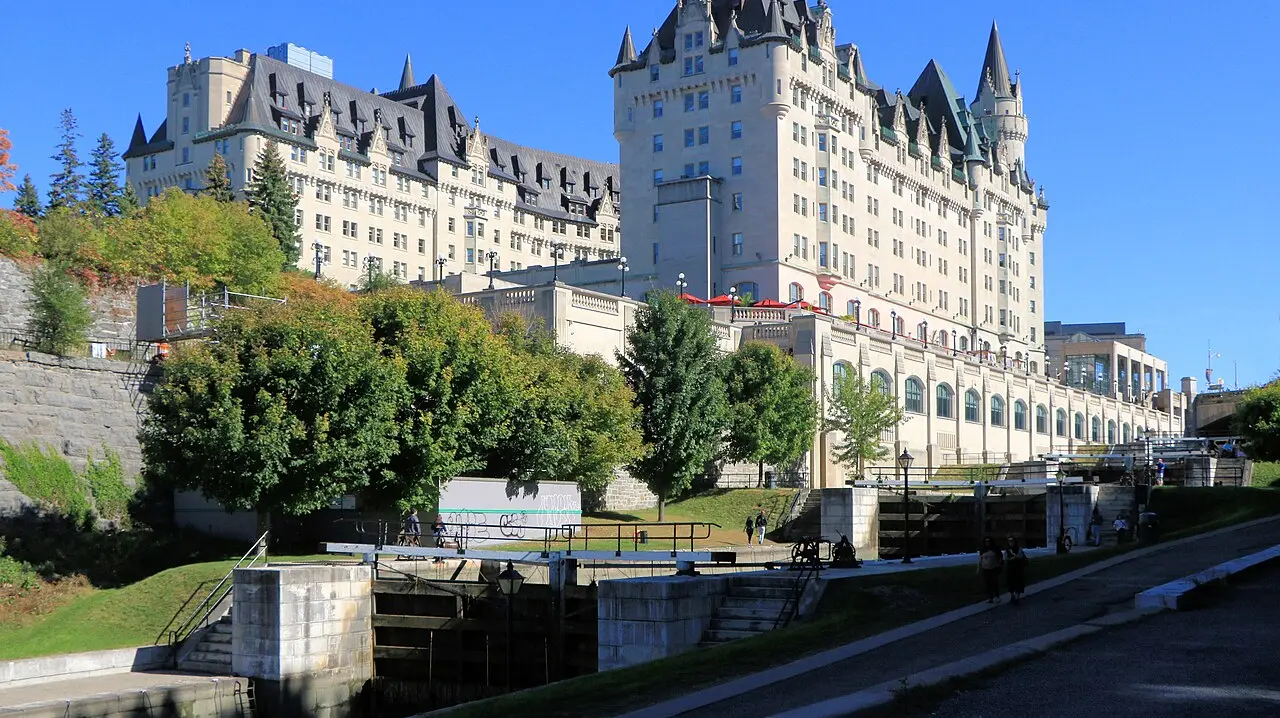
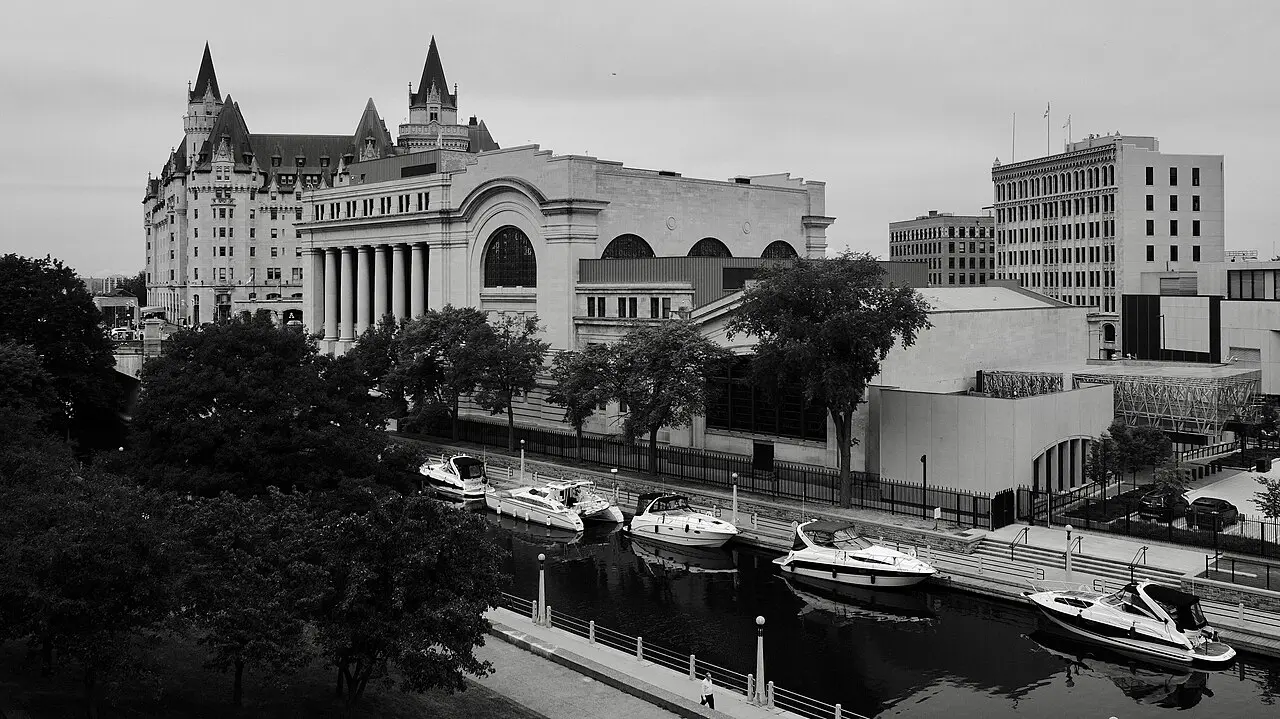
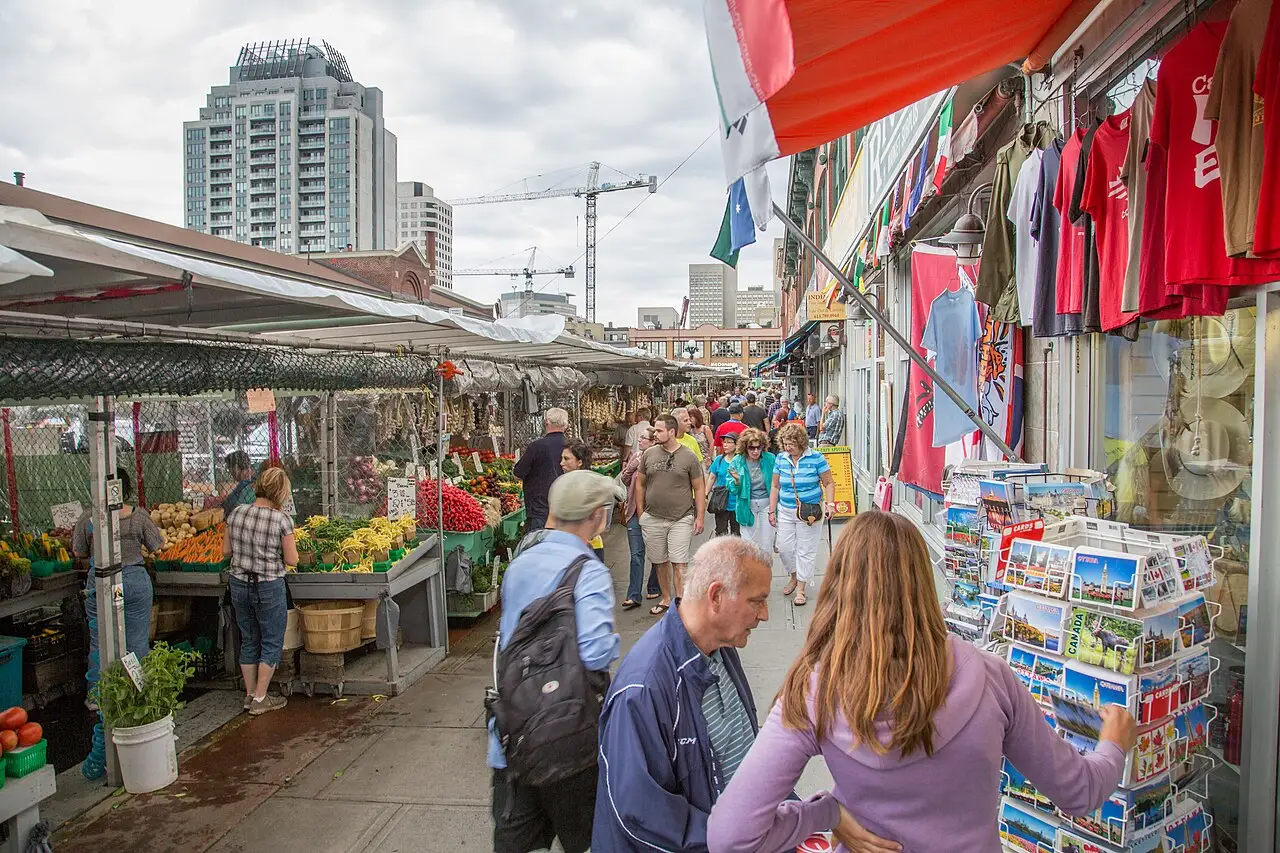
ByWard is the old market district east of the canal locks - founded in 1827, still a working market, and still the densest cluster of restaurants and bars in the capital. The indoor market building runs Sunday to Wednesday 10 am - 6 pm and Thursday to Saturday 10 am - 8 pm in summer; outdoor stalls trade Wednesday to Sunday, 11 am to 7 pm, from May to October - show up on a Monday or Tuesday and the produce tables are gone even though the shops around them stay open. Around them sit more than 500 businesses, so the neighbourhood works even after the stalls pack up.
Rideau on O-Train Line 1 is the station that drops you into this pocket. From a ByWard hotel you walk to the National Gallery, the locks and the Château Laurier end of Wellington without booking a thing. You’re also a short stroll from Rideau Centre if weather turns and you need an indoor hour. Just don’t pretend the noise isn’t part of the deal: streets that feel lively at 11 pm can feel loud at 1 am, especially on the blocks closest to the outdoor patios. Ask for a courtyard or upper-floor room if you’re a light sleeper, or accept that you’re paying for the restaurant density rather than silence.
Our Ottawa city guide covers what to do once you’ve picked the address - the only job here is choosing where you sleep.
Centretown: sleep, then walk
Centretown sits south of the parliamentary precinct, roughly around Elgin Street and the residential blocks that feed it. It’s still central - you walk to Parliament Hill, the Canal and the Canadian Museum of Nature - but the evenings are quieter than the market’s patio strips. That makes it the better base for conference travellers, families, or anyone who wants a neighbourhood cafe breakfast instead of a late last call.
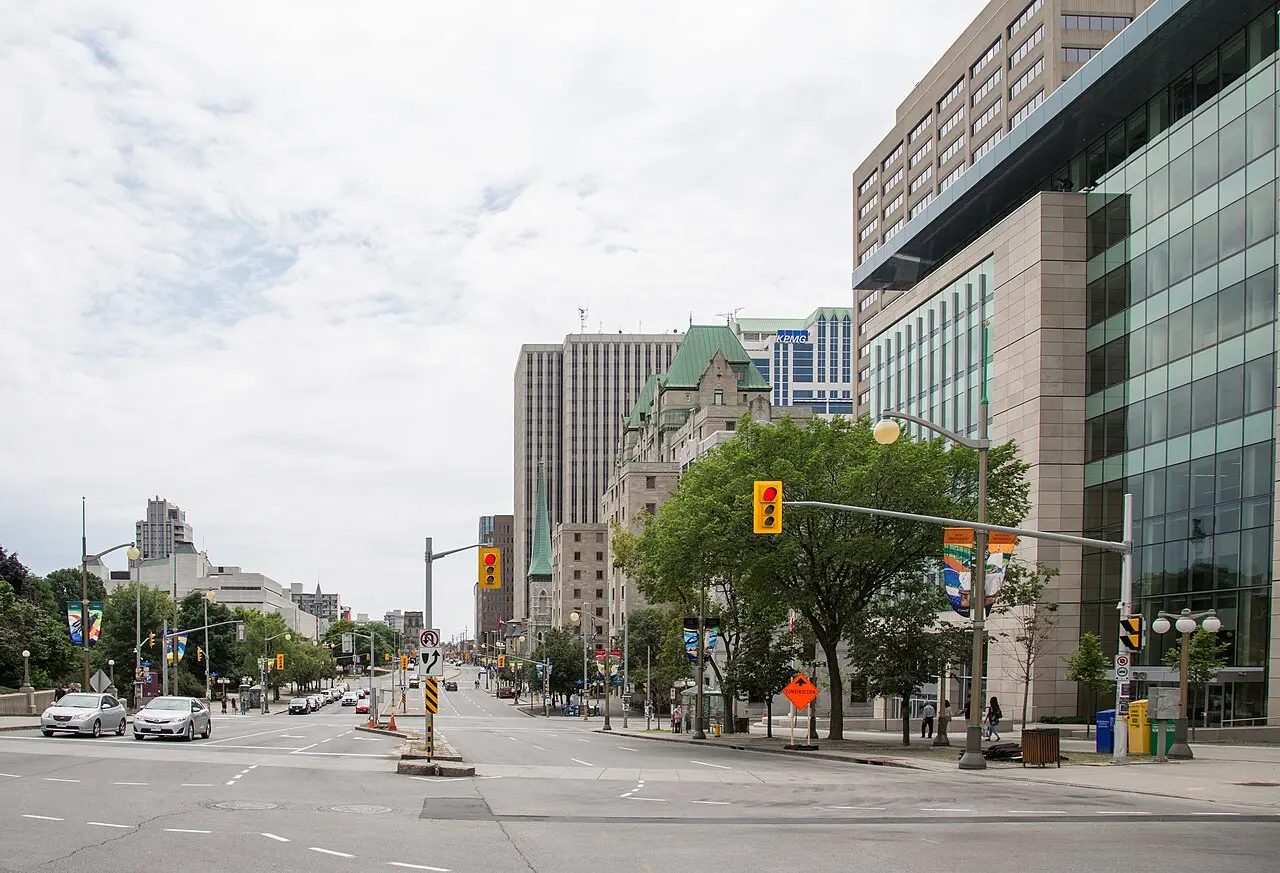
Parliament and Lyon stations cover the north edge of this zone; many Centretown hotels never need the train at all if your days stay inside the core. You’ll spend more time looking at apartment blocks and embassies than at souvenir windows, which is exactly why people who already did ByWard once often switch here on the return visit.
One planning note for 2026: Centre Block on Parliament Hill is closed for rehabilitation, so the free guided tours run from the Senate building and the West Block instead. You’re still walking to Wellington either way - Centretown and ByWard both work; you’re not locked out of the Hill by choosing quieter streets. Book the Senate or West Block tour a few days ahead regardless of which neighbourhood you land in - the free slots move fast in summer, and no address in the city puts you close enough to skip the reservation.
Gatineau: when the Quebec side makes sense
Gatineau is in Quebec. The Hull sector sits opposite downtown Ottawa, and the Canadian Museum of History is the reason most visitors cross - adult admission C$25 before tax, parking C$2 per half hour up to an C$18 daily maximum on the museum’s own schedule. Two things the price line hides: between 19 June and 7 September 2026 children entered free and youth paid half under the Canada Strong Pass (regular prices again from 8 September 2026), and the Napoleon exhibition is a separate ticket at C$30 for adults, so a family that budgets C$25 a head can be caught twice. Book that same admission online instead of at the door and the museum takes 10% off the adult price - a small saving, but one the walk-up ticket desk doesn’t offer, so it’s worth doing from the hotel room the night before rather than queuing to find out. Stay on that side if the museum is day one and you want to walk to the door before the Ottawa rush, or if a Hull hotel undercuts the ByWard quote enough to cover a few bridge crossings.
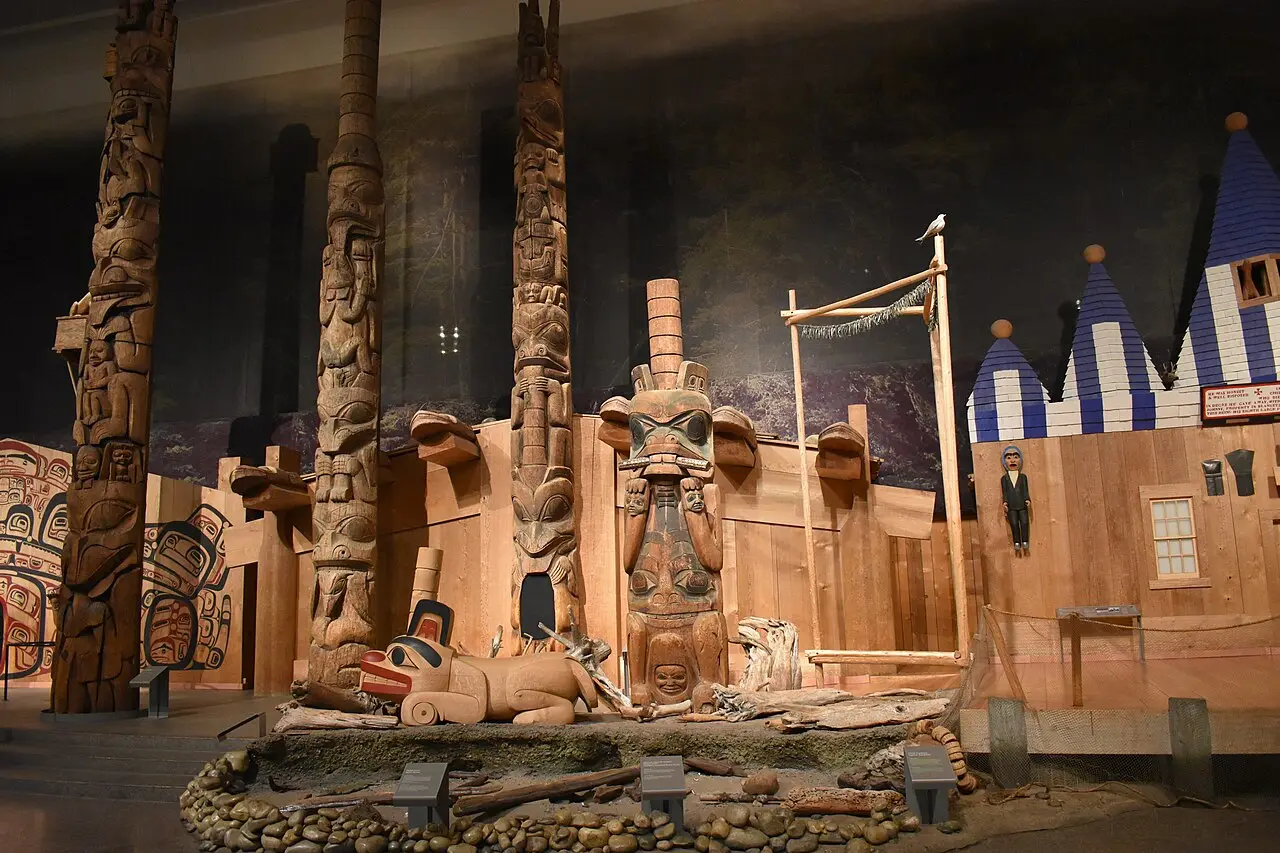
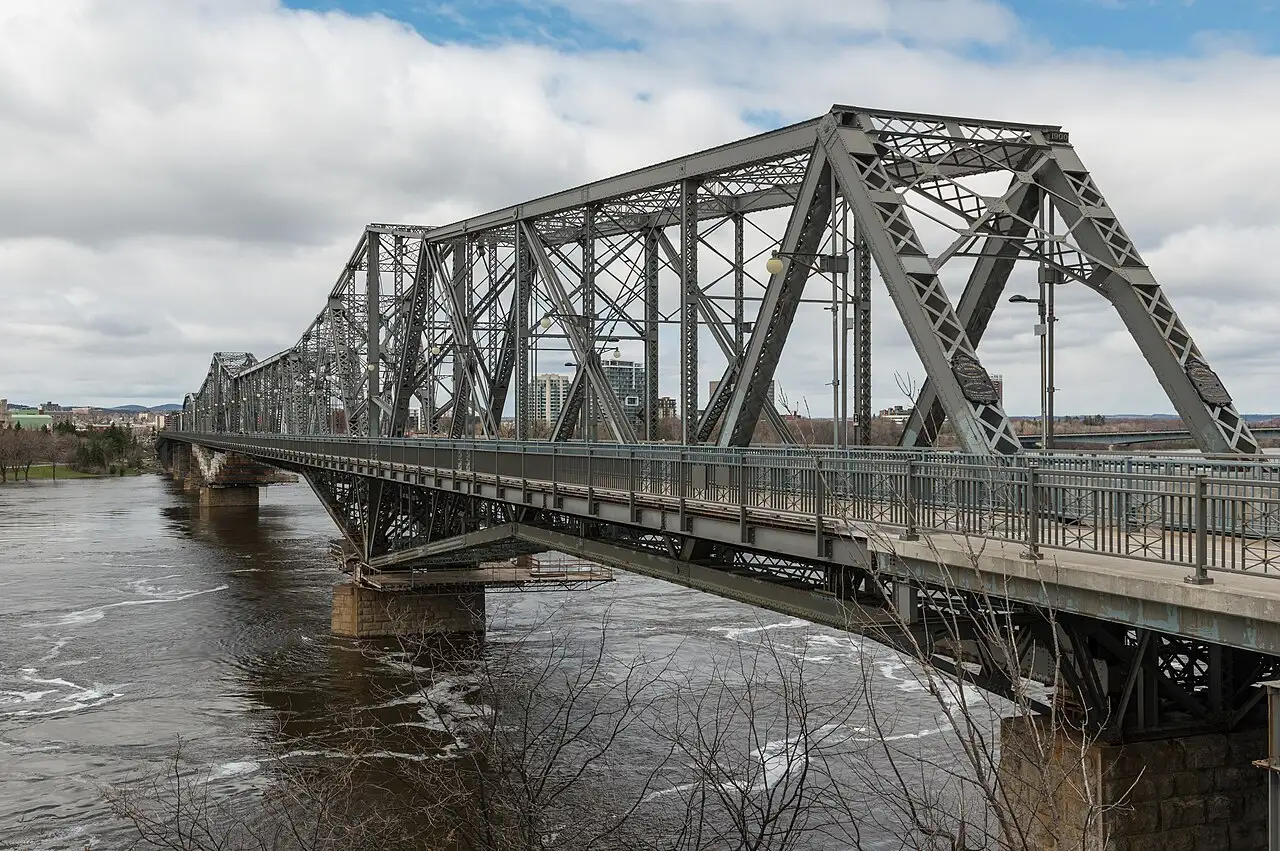
What complicates Gatineau isn’t the view, it’s the logistics. STO runs Gatineau’s buses on a fare system separate from OC Transpo. Some Ottawa buses do cross, but you shouldn’t assume one day-pass covers both cities. That same separation means OC Transpo’s transfer window doesn’t carry across the river either - a museum morning followed by an Ottawa-side lunch can mean paying twice for two short rides instead of once, so factor a second tap into the day’s transit budget rather than assuming your Ottawa fare still counts once you’ve crossed into Quebec. Winter wind on the bridges is real; summer festivals on either bank can choke the crossings at rush hour. If your itinerary is mostly Ontario-side museums and ByWard dinners, sleep in Ottawa and visit Gatineau as a day trip.
Getting around once you’re booked
You do not need a rental car for a core Ottawa stay. An adult OC Transpo ride was C$4.10 on Presto or contactless (C$4.15 cash) on the fare table OC Transpo lists as effective 1 July 2026, with a transfer window of 90 to 105 minutes and a C$12.25 daily cap on tap payments. That cap does the real work on a heavy sightseeing day - Parliament in the morning, ByWard for lunch, the War Museum in the afternoon - because a fourth or fifth tap costs nothing extra once you’ve hit it, so don’t ration bus rides to save a couple of dollars. Staying more than a few days changes the math again: the same fare table sets a monthly cap of C$138.50 on tap payments, which only pays off if you’re basing an extended trip from an Ottawa address rather than switching hotels. Fares move, so glance at octranspo.com before you budget. Children 10 and under ride free year-round; youth 13 to 18 ride free as well, and seniors ride free on Wednesdays and Sundays. Pair that with walking and you cover Parliament, ByWard, the Canal and the War Museum without ever looking for downtown parking.
For the wider province once you leave the capital, our Ontario guide maps the longer hops. Arriving from Toronto, compare train, bus, drive and flight before you assume a rental is required. Landing at YOW instead? Ottawa airport to downtown covers the O-Train transfer and taxi options. Inside the city, pick the neighbourhood that matches your evenings, then stop optimising - Ottawa rewards the people who book a walkable base and spend the leftover hour in a museum, not the ones who chase a C$20 hotel delta across a provincial bridge.
On the map
The map loads on click - to keep the page lightweight.
The map didn’t load. Check your connection and refresh the page.
Read also

Before you go · 11 min read
Canada eTA for UK Citizens: Entry Requirements
Verified · September 1, 2026UK air travellers need a CAN$7 eTA. Cost, validity, land exception, refusals and British passport types - checked on canada.ca, 1 Sep 2026.

Before you go · 9 min read
Calgary vs Vancouver: Which Airport for the Rockies
Verified · August 29, 2026Calgary puts Banff 140 km up the road; from Vancouver it's 850 km. What the drop fee, the domestic hop and the thinner route map actually cost you.

Before you go · 10 min read
Quebec City in Winter: Carnival, Ice Hotel, What to Wear
Verified · August 16, 2026Quebec City in winter: Carnival 5-14 Feb 2027, ice hotel from January, February nights -16 C, and what to pack.

Before you go · 8 min read
Canadian Rockies vs Vancouver Island: Which Trip to Take
Verified · August 14, 2026Rockies or Vancouver Island for one week: lakes and Icefields Parkway vs ferry, Victoria and Tofino - pick by trip shape, not Instagram.