Canada eTA for UK Citizens: Entry Requirements
UK air travellers need a CAN$7 eTA. Cost, validity, land exception, refusals and British passport types - checked on canada.ca, 1 Sep 2026.
If you hold a British passport and you’re flying into Canada, you need an electronic travel authorization (eTA) before the airline will let you board. It costs CAN$7, it links to the passport you used to apply, and for most people it comes back by email within minutes. Drive or sail in from the United States and that same passport usually does not need an eTA at all - only a valid passport. This page is the UK-facing cut of the rules: which British document sits on Canada’s eTA list, what the fee and validity really are, and what IRCC says when an application is refused. The country-wide map of eTA vs visa vs neither is on Canada eTA and visas.
Rules change. Every figure and eligibility line below was checked against Government of Canada pages on 1 September 2026. Before you book a non-refundable fare, re-check the official tool on canada.ca. This is practical travel guidance, not immigration advice.
Which British passport sits on the eTA list
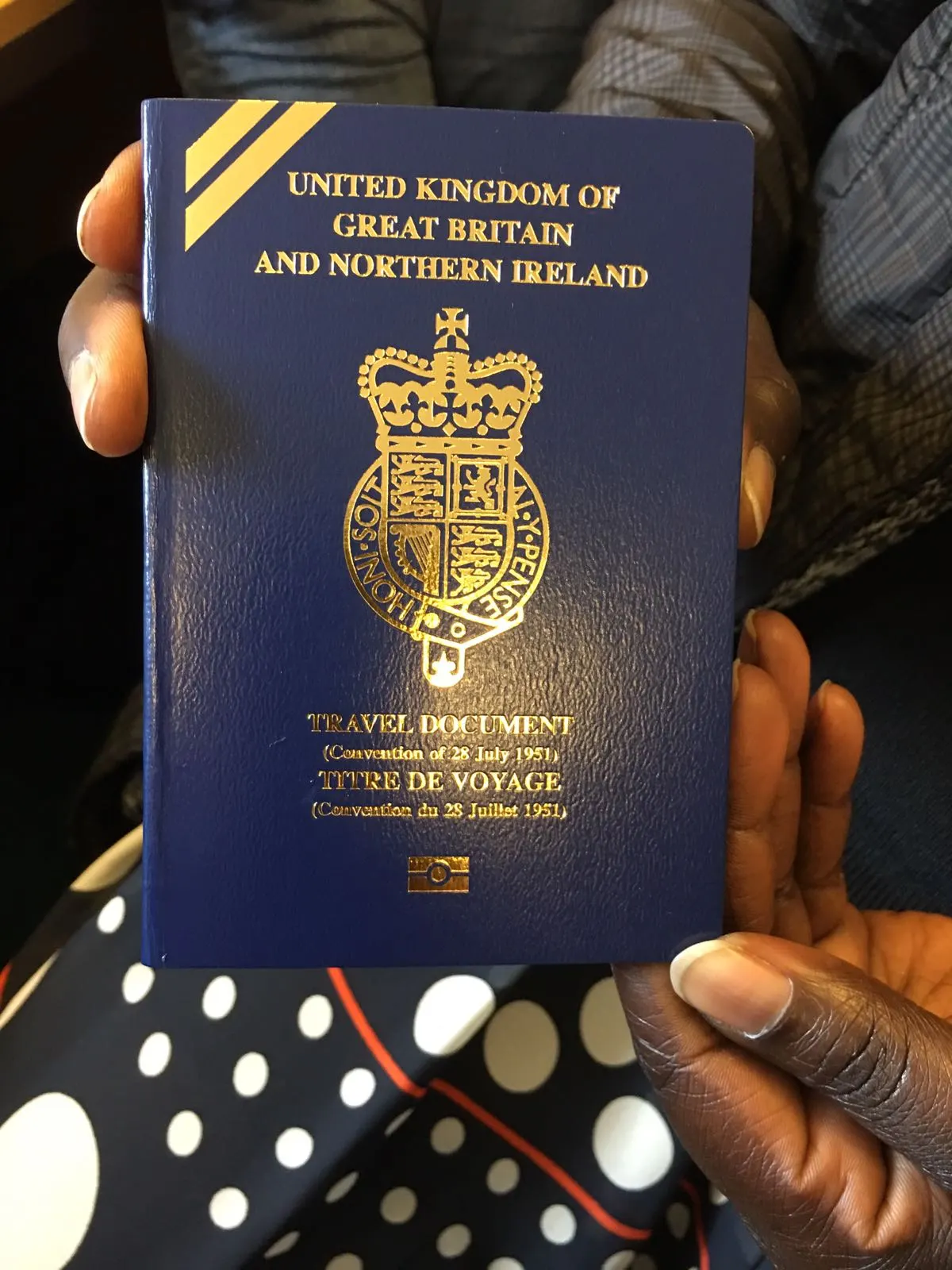
Canada does not treat every “British” travel document as identical. On the official entry-requirements page, these categories appear under travellers who need an eTA when they fly:
- British citizen
- British national overseas
- British overseas citizen (re-admissible to the United Kingdom)
- British overseas territory citizen, where citizenship comes through birth, descent, naturalization or registration in a named territory (Anguilla, Bermuda, British Virgin Islands, Cayman Islands, Falkland Islands, Gibraltar, Montserrat, Pitcairn Island, Saint Helena, Turks and Caicos Islands)
- British subject with a right of abode in the United Kingdom
If your booklet is an ordinary British citizen passport, you’re in the first line and the air-travel rule is straightforward: eTA plus that passport, no visitor visa. If you travel on a BNO booklet, an overseas-citizen document, or a territory passport from the list above, Canada still places you on the eTA-required side for flights - but the wording is specific, so match your exact status to the list instead of assuming “British” is enough.
If your status is not on that list, the answer is a visitor visa, not “nothing needed”. The exemption in the Immigration and Refugee Protection Regulations is a closed list, so absence really is the answer here: a British protected person, a British subject without the right of abode (or whose passport carries no such observation), a British overseas citizen who is not re-admissible to the UK, and a British overseas territory citizen from a territory outside the ten named above all fall outside it. Those travellers apply for a visitor visa instead, which is a longer and costlier process than the seven-dollar authorization - worth knowing before you book.
Dual Canadian-British citizens are a different case entirely. IRCC’s eligibility page says dual Canadian citizens must travel with a valid Canadian passport (with the American-Canadian exception for a US or Canadian passport). IRCC puts it flatly in its help centre: Canadian citizens, including dual citizens, cannot apply for an eTA at all. You can’t paper over Canadian citizenship with a UK eTA.
There is one way out, and it was built for exactly this passport pair. If you don’t hold a valid Canadian passport and your flight leaves in less than 10 days, you can apply for a special authorization to board. IRCC lists the conditions: no valid Canadian passport for the travel date, a flight under 10 days away, a valid passport from a visa-exempt country, and you are not a Canadian-American dual citizen - that pair has its own rule. On top of that you need one of: a previous certificate of Canadian citizenship, a Canadian passport held in the past, or citizenship granted after permanent residence. The authorization is valid for 4 days around the travel date you select, so it rescues a booked trip; it doesn’t replace the passport. Details are on IRCC’s dual Canadian citizens page.
Flying in vs arriving by land or sea
For UK travellers the split that actually changes plans is the mode of arrival.
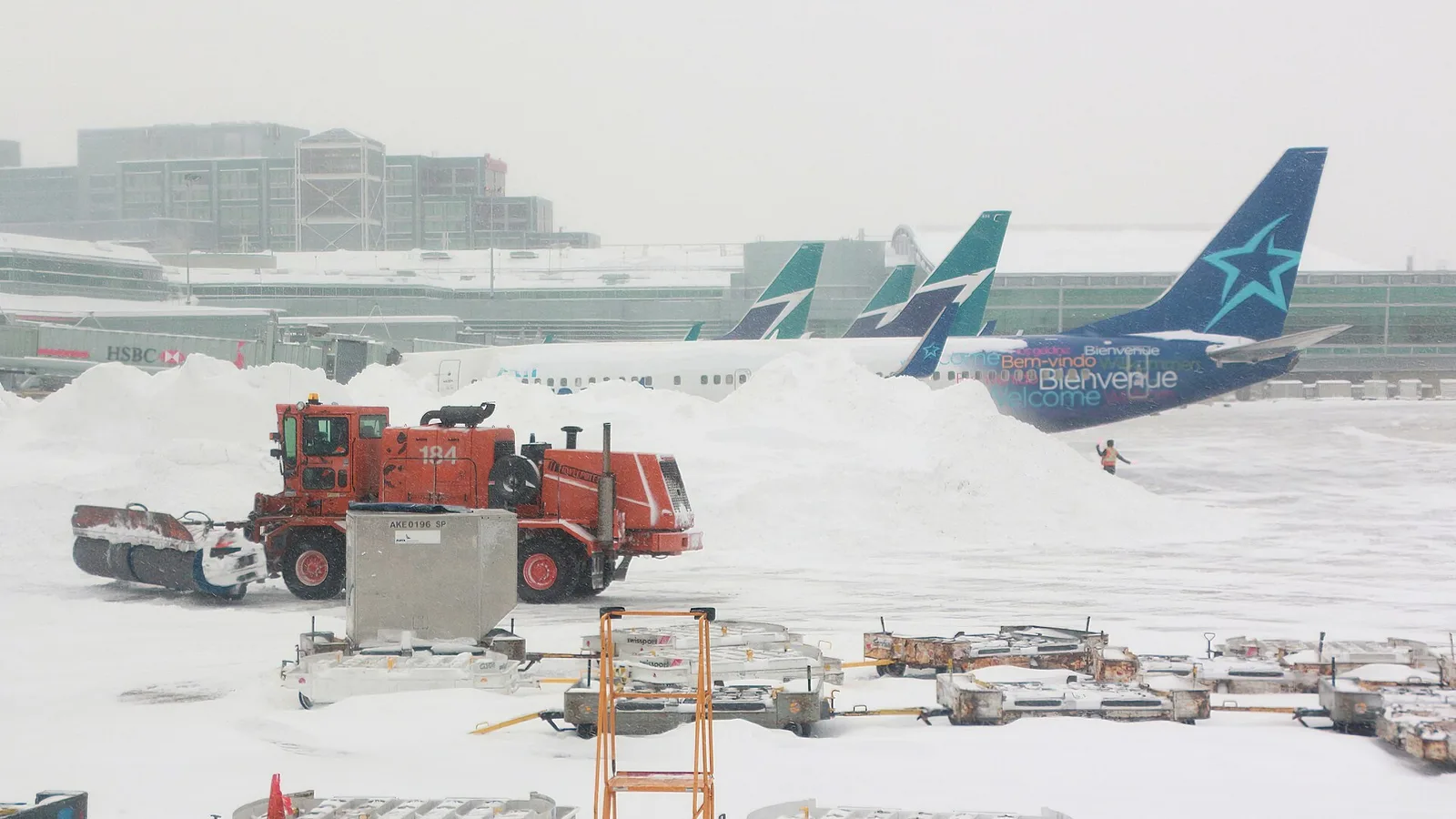
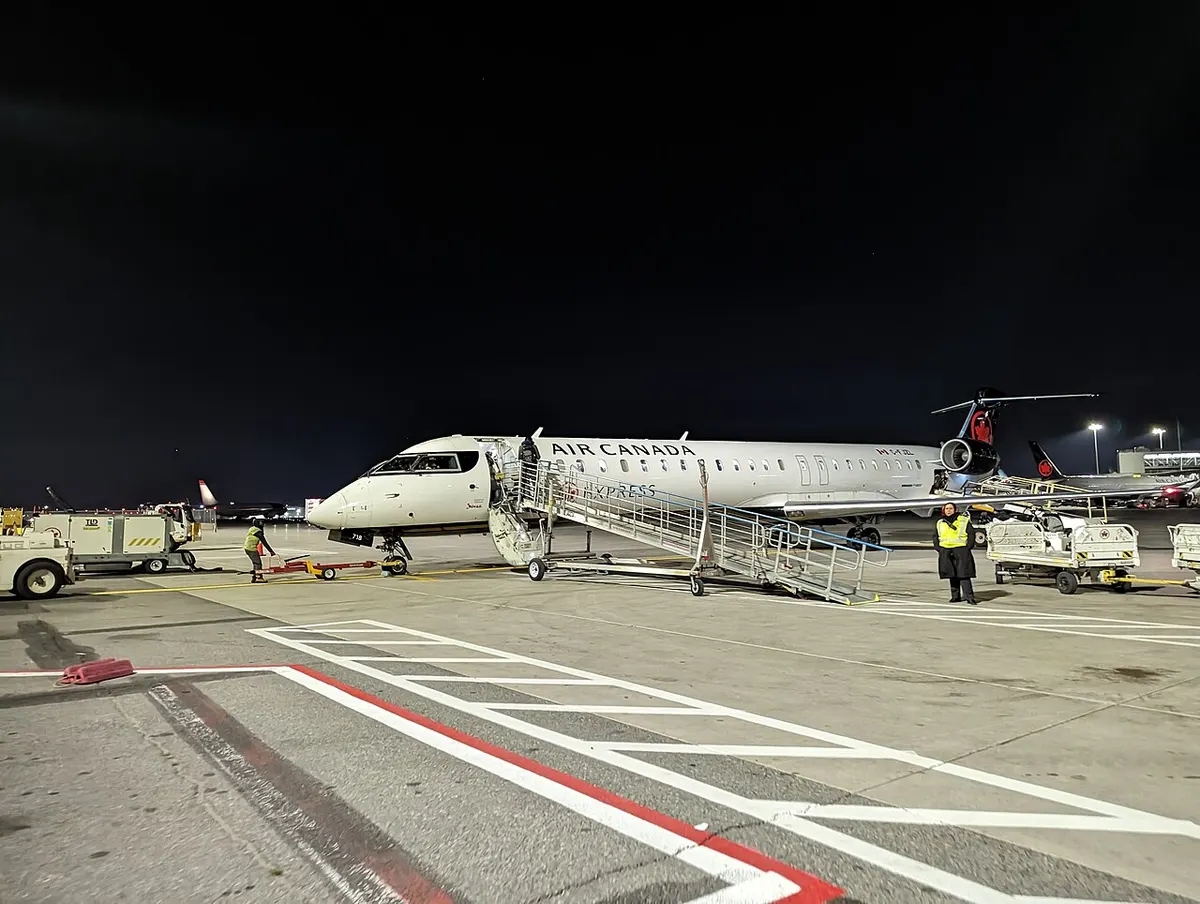
By air (including a connection that lands you at a Canadian airport): you need an eTA and a valid passport to board. No visitor visa for the categories above. Airline staff scan the passport; if there’s no valid eTA on that number, you don’t get on the plane.
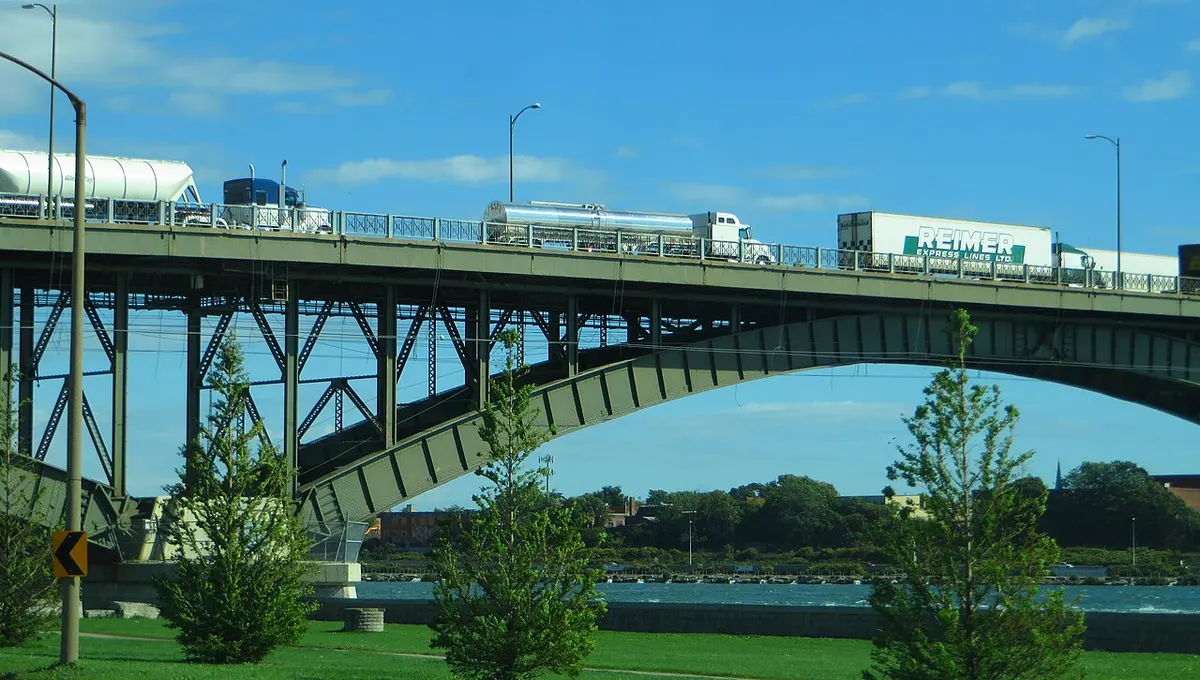
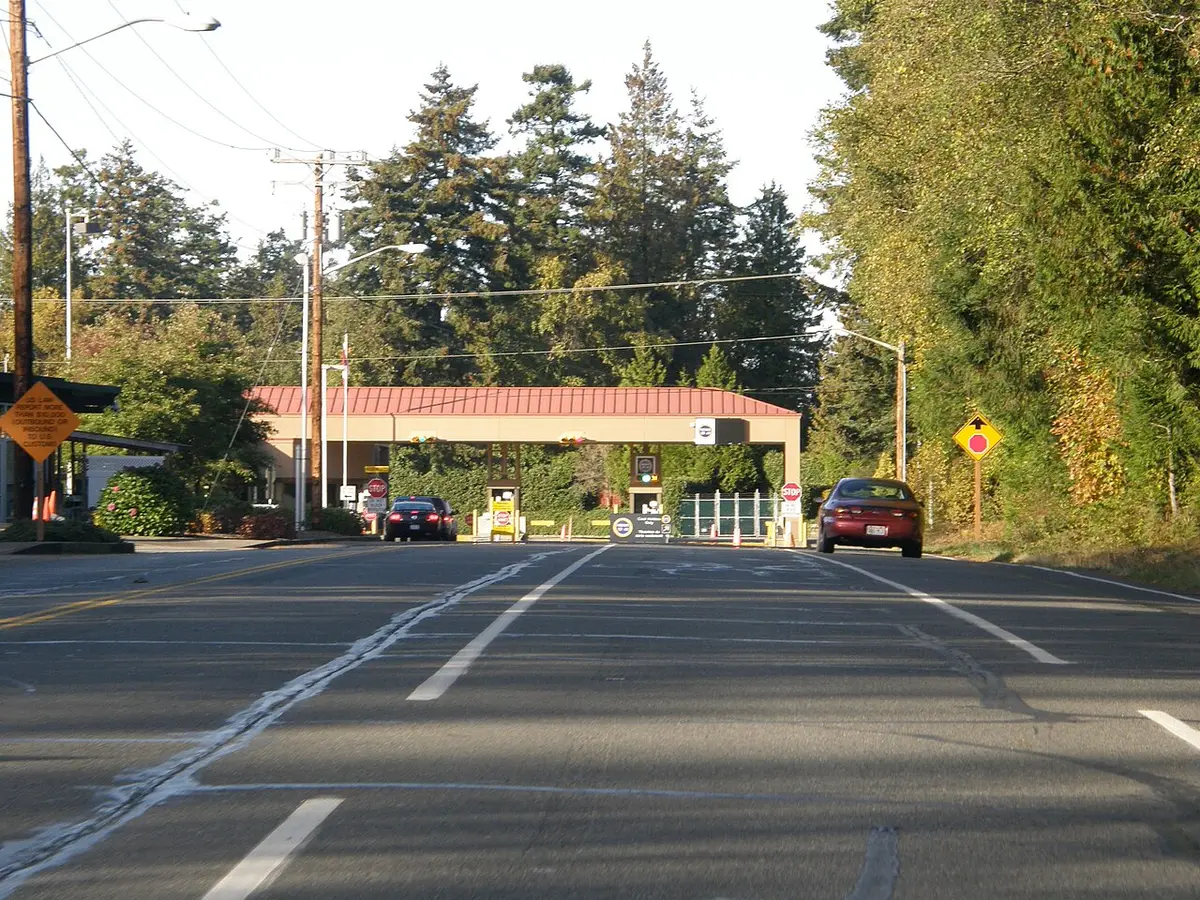
By land or sea - car, bus, train, or boat including a cruise ship - Canada says that in most cases you do not need an eTA. You still need a valid passport. The rule follows how you arrive, not where you set off from, and it has one published exception: arriving by sea directly from Saint-Pierre-et-Miquelon, cruise ships aside, does need an eTA to board. That’s the rule that catches people who fly London-New York, then drive to Toronto or Montreal: the eTA was never required for the border booth, only a passport. The same trip booked as Heathrow-Toronto needs the eTA before departure from the UK. For the booth itself, see US-Canada border crossing.
One thing an eTA never overrides: IRCC keeps a page of temporary public-health measures, and while one is running it can suspend travel documents - electronic travel authorizations included - for anyone who has been in a named country within a set window, no matter how valid the authorization is. These come and go on their own timetable, so check IRCC’s special measures page close to departure rather than trusting a rule you read months earlier.
One narrow sea exception sits on the same page: travel by sea from Saint-Pierre-et-Miquelon, and not on a cruise ship, and you do need an eTA to board. Almost no UK holiday itinerary hits that ferry, but the exception shows how tightly the rule is written around air travel.
Cost, validity and how long it takes
Anchor numbers, all from IRCC:
| Item | Official figure |
|---|---|
| Fee | CAN$7, non-refundable |
| Validity | Up to 5 years, or until the passport expires - whichever comes first |
| Stay length | Short stays, normally up to 6 months at a time, with multiple entries while the eTA is valid |
| Typical approval | Within minutes for most applicants |
| Extra documents | Email with instructions usually within 72 hours if IRCC needs more |
You’ll pay on the Government of Canada form with an accepted card (Visa, Mastercard, American Express, some prepaid and debit options, UnionPay, JCB - the apply page lists them). The card doesn’t have to be in your name; the receipt shows the cardholder.
IRCC’s own advice is to apply before you book travel. Most people are approved fast, but the long tail exists: some files take several days, and a request for supporting documents can stretch that further. Don’t leave the application to the night before a Heathrow departure - that’s how travellers end up with a paid ticket and no boarding.
After approval, check that the passport number in the email matches the booklet in your hand. A mismatch means you’ll need to apply again. Get a new passport mid-trip-planning and the old eTA dies with the old number - IRCC states that plainly.
How to apply without paying a middleman
The only official application site is on canada.ca. The fee there is CAN$7. Third-party sites that charge many times that amount are filing the same government form for a mark-up. If a page quotes any other price as “the” eTA fee, you’re not on the government site.
Practical sequence IRCC describes:
- Have your passport and payment card ready; the form cannot be saved mid-way.
- Complete the online form (English or French).
- Pay CAN$7 immediately after.
- Watch the email you gave them - approval, or a request for documents within 72 hours.
You don’t print a visa sticker. At the airport you present the same passport you used on the form. That is the document the eTA is linked to.
Refusals: what IRCC says you can and cannot do
A refused eTA is not a soft warning. IRCC’s help centre states that if your application was refused, you should not travel to Canada. Try to fly with a refused eTA and you will be prevented from boarding.
They encourage you to reapply only after you have addressed the reason(s) for the refusal. There’s no informal “appeal button” on the eTA form. The route IRCC names for reviewing the decision is a judicial review in the Federal Court of Canada, and a lawyer must apply on your behalf. That is a legal process, not a second click on the travel form.
Separately from the eTA decision, an approved eTA still does not guarantee entry. At the airport or land booth, a Canada Border Services Agency officer decides whether you’re admissible. IRCC lists basic requirements for a visit: a valid travel document, a valid eTA or visa where required, good health, no criminal or immigration-related convictions, ties that pull you home, an intention to leave at the end of the visit, and enough money for the stay. Inadmissibility can also turn on security, health or financial grounds. None of that is softened here beyond what the eligibility page already says.
What an eTA does not let you do
An eTA authorizes travel to Canada by air (or transit through a Canadian airport) for people who qualify. It does not let you work. It does not let you study at a designated learning institution. Those need a work permit or a study permit; IRCC notes that an approved work or study permit application can trigger an eTA automatically. If someone tells you to lie about your purpose of travel, treat that as a red flag - misrepresentation has serious consequences under Canadian rules, and IRCC publishes its own warnings about scams.
Stay length is “normally” up to six months per visit. “Normally” is IRCC’s word: the officer can set a shorter or longer period on arrival. Leaving when required matters; overstaying is not a paperwork footnote.
After you land: medical cover visitors pay for
Canadian public health coverage is built for residents, not tourists. A visitor pays hospital rates as a non-resident unless private travel medical insurance picks up the bill. Don’t wait until after a ski day in Banff goes wrong - price cover for the whole trip before you leave.
A phone plan that works from arrivals
UK mobile roaming into Canada is often expensive or capped. An eSIM installed at home means maps, ride-hail and the eTA approval email stay reachable when you clear arrivals.
For flights themselves, London nonstops into western Canada are covered separately on London to Vancouver flights and London to Calgary flights.
Checklist before you leave the UK
- Confirm your exact British status against Canada’s eTA-required list on canada.ca.
- If you’re flying, apply on the official site for CAN$7 and keep the approval email.
- Match the passport number on the email to the booklet you’ll carry through Heathrow or Gatwick.
- If you renew the passport, apply for a new eTA.
- If you arrive by land or sea from the US, plan on a valid passport without an eTA - then still expect questions at the booth.
- If an application was refused, do not try to board; fix the reason before any reapplication, and treat Federal Court review as a lawyer’s job.
- Re-check canada.ca close to travel - the check date on this page is 1 September 2026.
The eTA is a seven-dollar air gate, not a guarantee and not a work permit. Get it early, on the real government site, on the passport you’ll actually fly with, then move on to cities, trains and weather.
Read also

Before you go · 9 min read
Calgary vs Vancouver: Which Airport for the Rockies
Verified · August 29, 2026Calgary puts Banff 140 km up the road; from Vancouver it's 850 km. What the drop fee, the domestic hop and the thinner route map actually cost you.

Before you go · 10 min read
Quebec City in Winter: Carnival, Ice Hotel, What to Wear
Verified · August 16, 2026Quebec City in winter: Carnival 5-14 Feb 2027, ice hotel from January, February nights -16 C, and what to pack.

Before you go · 8 min read
Canadian Rockies vs Vancouver Island: Which Trip to Take
Verified · August 14, 2026Rockies or Vancouver Island for one week: lakes and Icefields Parkway vs ferry, Victoria and Tofino - pick by trip shape, not Instagram.

Before you go · 8 min read
Where to Stay in Edmonton: Downtown, Strathcona, Airport
Verified · August 14, 2026Edmonton lodging by base: downtown Ice District, Old Strathcona on Whyte, or the YEG strip - plus the 6% levy and Route 747 trap.