Crossing the US-Canada Border by Car
Documents, the cannabis rule that ends trips, ArriveCAN, NEXUS, duty-free limits and wait times for driving into Canada from the US. Verified July 2026.

The Canada Border Services Agency waved through more than 82 million travellers in 2025, and the ones whose trips went sideways almost always tripped on the same three things: the wrong document, something undeclared in the trunk, and cannabis. Get those right and a land crossing into Canada is usually a two-minute conversation through a car window. Get them wrong and you can lose your afternoon, your duty-free, or in the case of cannabis, a great deal more.
If you’re American and driving north, the single most useful habit is to cross early. CBSA says outright that early mornings are the quietest and that the Monday of a holiday long weekend is the worst time on the calendar. Everything else below is about arriving with the right papers and nothing you should not have.
What documents you actually need
US citizens. A passport is what CBSA calls the only reliable and universally accepted travel document, so bring one if you’ve it. If you do not, and you’re crossing by land rather than flying, you can present documents that together prove your full name, date of birth and citizenship. CBSA specifically names the enhanced driver’s licence (EDL) that some border states issue. One quiet gap worth knowing: CBSA’s document page doesn’t list the US passport card, so if that card is your only ID, confirm with CBSA before you rely on it at the Canadian booth.
Green card holders. Crossing by land directly from the US, US permanent residents can present the green card alone and, in Canada’s own words, don’t need to present the passport. Flying in is stricter: passport plus green card. Carry the passport either way, because you’ll want it re-entering the United States.
Everyone else. Citizens of visa-required countries need a visitor visa, and by land that visa isn’t optional or replaceable with an eTA. Who needs a visa, who needs an eTA and who needs neither is a whole subject of its own, covered in Canada eTA and visas: who needs what. UK travellers who flew into the US and then drive north usually need no eTA at the booth - the air-only rule for British passports is on Canada eTA for UK citizens: entry requirements.
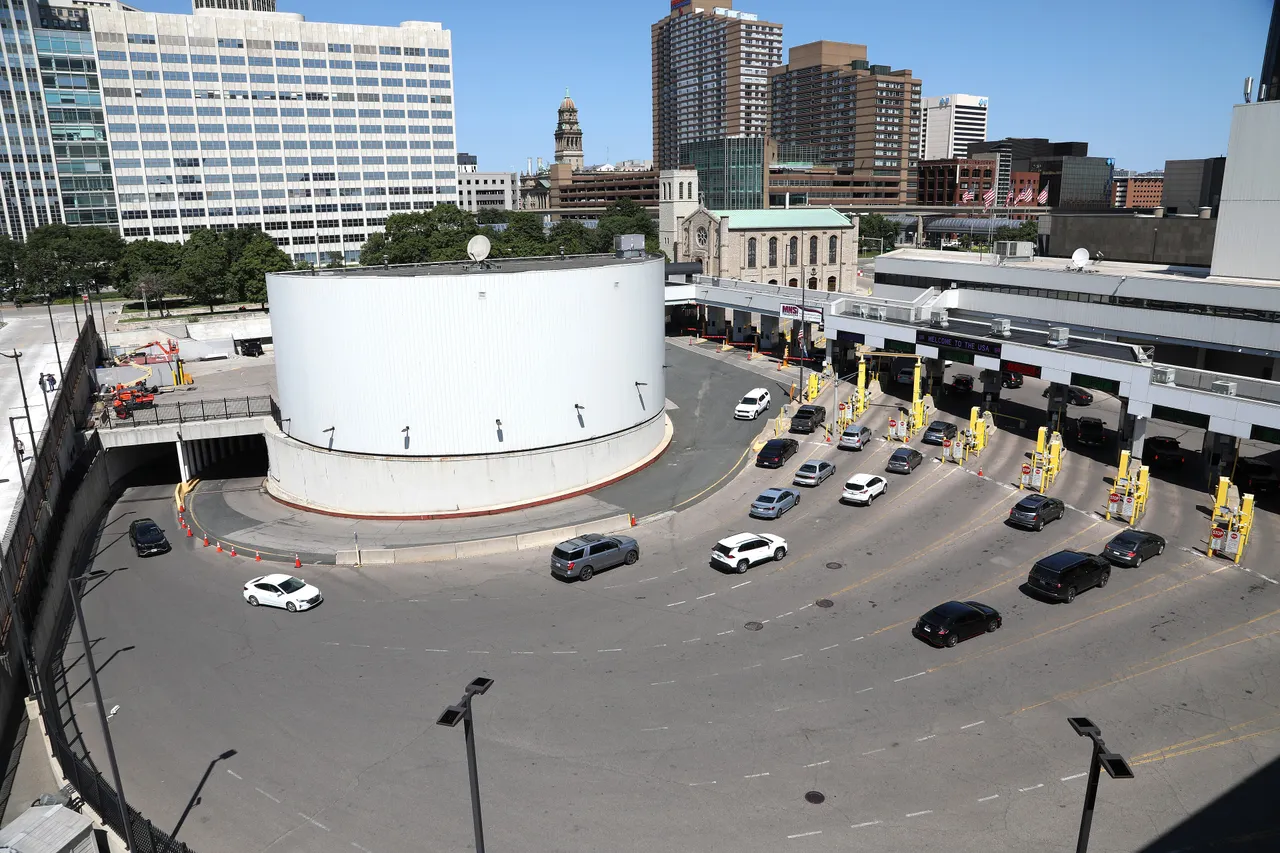
Two more document notes. Travelling with children who aren’t your own, or for whom you don’t have sole custody, CBSA asks you to bring a consent letter from the parent or guardian; it’s a strong recommendation rather than a hard legal form, but without it officers, who are always watching for missing children, will ask more questions. And remember there are two borders here: the rules going into Canada are set by CBSA, the rules coming back are set by US Customs and Border Protection, and you should check both before a round trip.
Is ArriveCAN still required in 2026?
For drivers, the short answer is no. The pandemic-era requirement is gone. What survives is a voluntary feature called Advance Declaration, which lives inside the ArriveCAN app, and it’s only for people flying into one of ten participating airports. You can fill in your customs and immigration declaration up to 72 hours before a flight and clear the airport up to 50% faster. If you are arriving in a car, it doesn’t apply to you at all, and it cannot be used at NEXUS kiosks either.
NEXUS: worth it for regular crossers
If you cross the border more than a couple of times a year, NEXUS pays for itself in saved time. It’s a joint CBSA and US Customs program for low-risk, pre-approved travellers, it costs US$120 for five years, and children under 18 are free. The catch families miss: everyone who wants to use it needs their own card, so a car full of NEXUS lanes only works if every passenger is a member. Interview wait times swing a lot, so check the program site rather than trusting a number you read somewhere.

Cannabis: the mistake that ends trips
This is the one to read twice, because it catches otherwise careful people. Taking cannabis across the Canada-US border in any form, without a permit from Health Canada, is a serious criminal offence, and it’s a crime in both directions. CBSA’s own line is blunt: “Don’t bring it in. Don’t take it out.”
Three things people assume will save them, and none of them do. It does not matter how little you carry. It doesn’t matter that you hold a medical document - a doctor’s prescription isn’t Health Canada authorization. And it does not matter that cannabis was legal where you bought it. A joint bought legally in Washington or Michigan is a federal border offence the moment you approach the line, going either way.
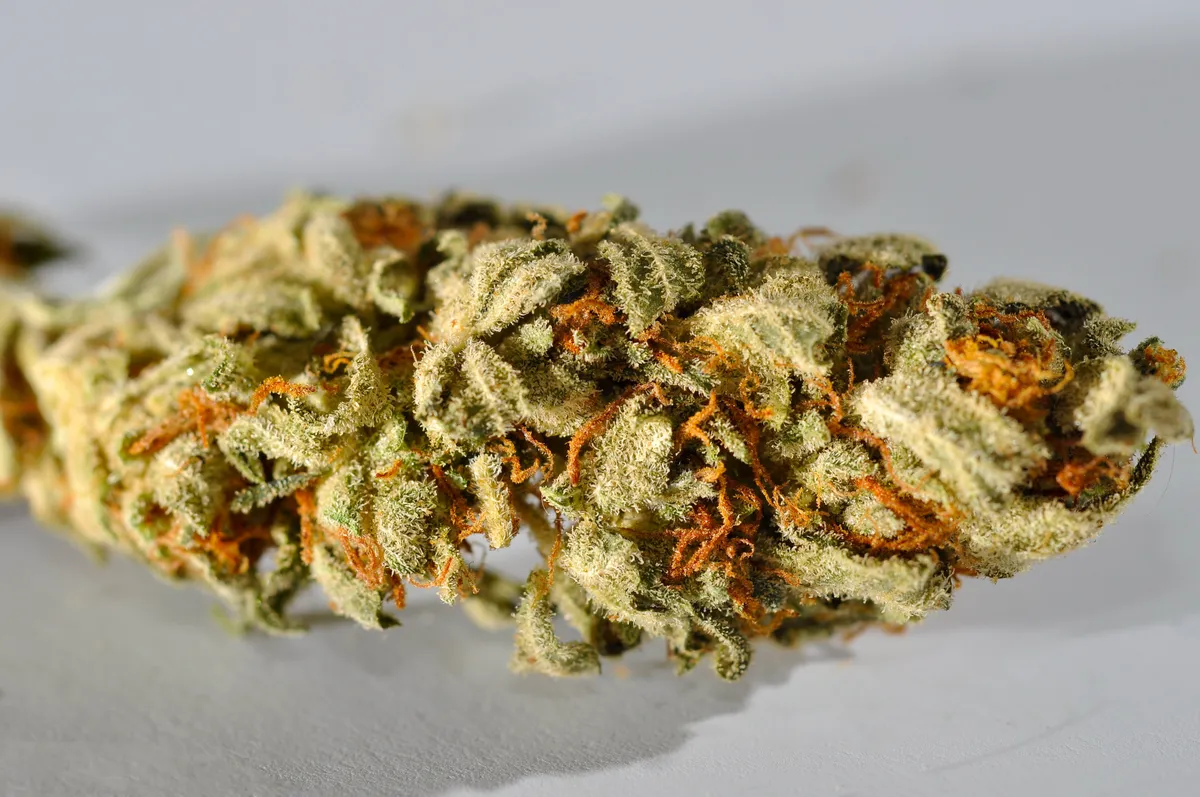
The commonest slip is CBD oil. People forget the bottle in a wash bag, and CBD and THC oils are both covered by the rule. If you do have cannabis with you in any form, you must declare it; failing to declare it can lead to arrest and prosecution, and even the paperwork penalty for non-declaration runs up to CAN$2,000. The simplest safe rule is the one CBSA prints itself: leave it at home.
What you can and cannot bring
Assuming you’re a visitor, not a returning Canadian resident, the personal allowances are generous but specific. For the fuller CBSA split between visitors and returning residents (including the CAN$200 / CAN$800 clocks), see Canada customs: what you can bring in.
Alcohol is one allowance, not a stack of them. You may bring one of: 1.5 litres of wine, 1.14 litres of spirits, 1.14 litres of wine and spirits combined, or 8.5 litres of beer, which is about a case. You don’t get all four.
Tobacco is 200 cigarettes, 50 cigars, 200 grams of loose tobacco or 200 sticks, and vaping products are capped at 12 containers and either 120 millilitres of liquid or 120 grams of solid. You must be 18 to bring tobacco or vaping products in on the personal allowance.
Gifts are duty-free up to CAN$60 each; anything over that is taxed on the excess, and tobacco, vaping products, alcohol and advertising material do not count as gifts.
Food, plants and animals all have to be declared, every time, because an undeclared apple or a bag of soil can carry pests. The penalty for not declaring runs up to CAN$1,300, which is a lot for a sandwich you forgot about.
Firearms are the easy call: leave them at home. CBSA encourages you not to travel with them at all, and if you do, the import rules are strict and entirely your responsibility.
Cash of CAN$10,000 or more, in any currency or mix of instruments, has to be declared. It’s not illegal to carry it; it’s illegal not to declare it.
Bringing your dog or cat
Canada does not quarantine imported pet dogs, which surprises people, but it does want proof of health. Cats under three months face no restrictions. Cats three months and older need a rabies vaccination, or origin in a country Canada recognizes as rabies-free, or a rabies antibody titre of at least 0.5 IU/mL. Dogs are handled in age tiers, with vaccinated-rabies proof expected for older animals. Because the exact requirement depends on species, age, country and purpose, CBSA and the Canadian Food Inspection Agency run an interactive tool that spells out your case; use it rather than a summary, and remember that getting back into the US is a separate set of CDC rules the Canadian side won’t tell you about.
Your licence, your insurance, and the “yellow card”
Your US driver’s licence is valid for driving in Canada as a visitor. Ontario, for example, lets you drive on a valid home licence for up to three months; stay longer and you need an International Driving Permit. What every province expects is what Ontario calls “proper insurance coverage” for the vehicle.
That’s where the so-called yellow card comes up. The Canadian Non-Resident Inter-Provincial Motor Vehicle Liability Insurance Card is a document your US insurer will issue free on request, and it tells Canadian police that your policy is valid in Canada. Here’s the honest version: official Canadian government pages for visitors do not call it mandatory, they simply require proper coverage. But it costs nothing to get, it settles any roadside argument, so request it from your insurer along with your policy declaration page before you leave. If you’re renting rather than driving your own car, the rules that catch foreign drivers, from winter tires to one-way fees, are in renting a car in Canada.
Wait times and the busiest crossings
CBSA publishes live wait times for the 29 busiest land crossings, updated close to real time, and it’s the only number worth trusting because it changes by the hour. Don’t plan around a wait time you read in an article, including this one. Plan around the tool, and around the two fixed facts: early mornings are quietest, holiday-Monday afternoons are worst.
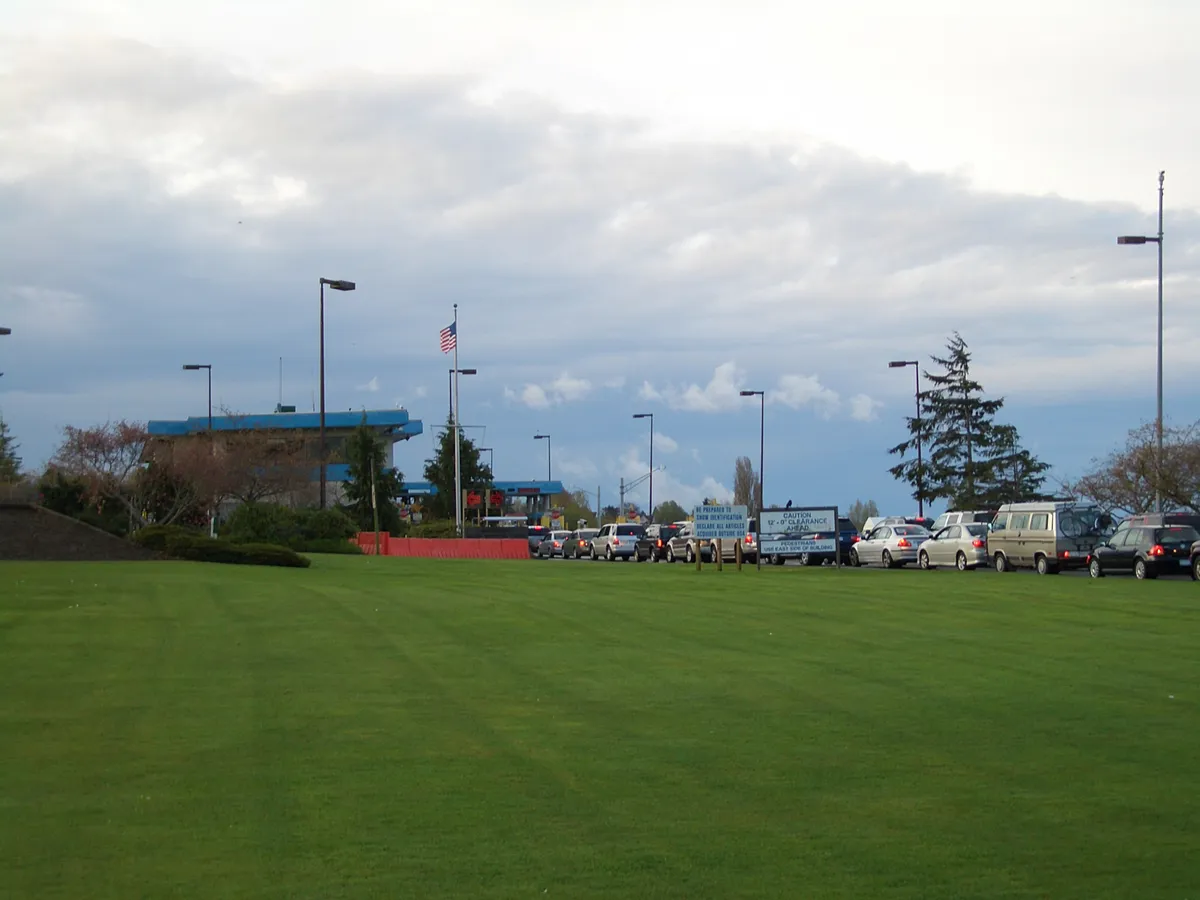
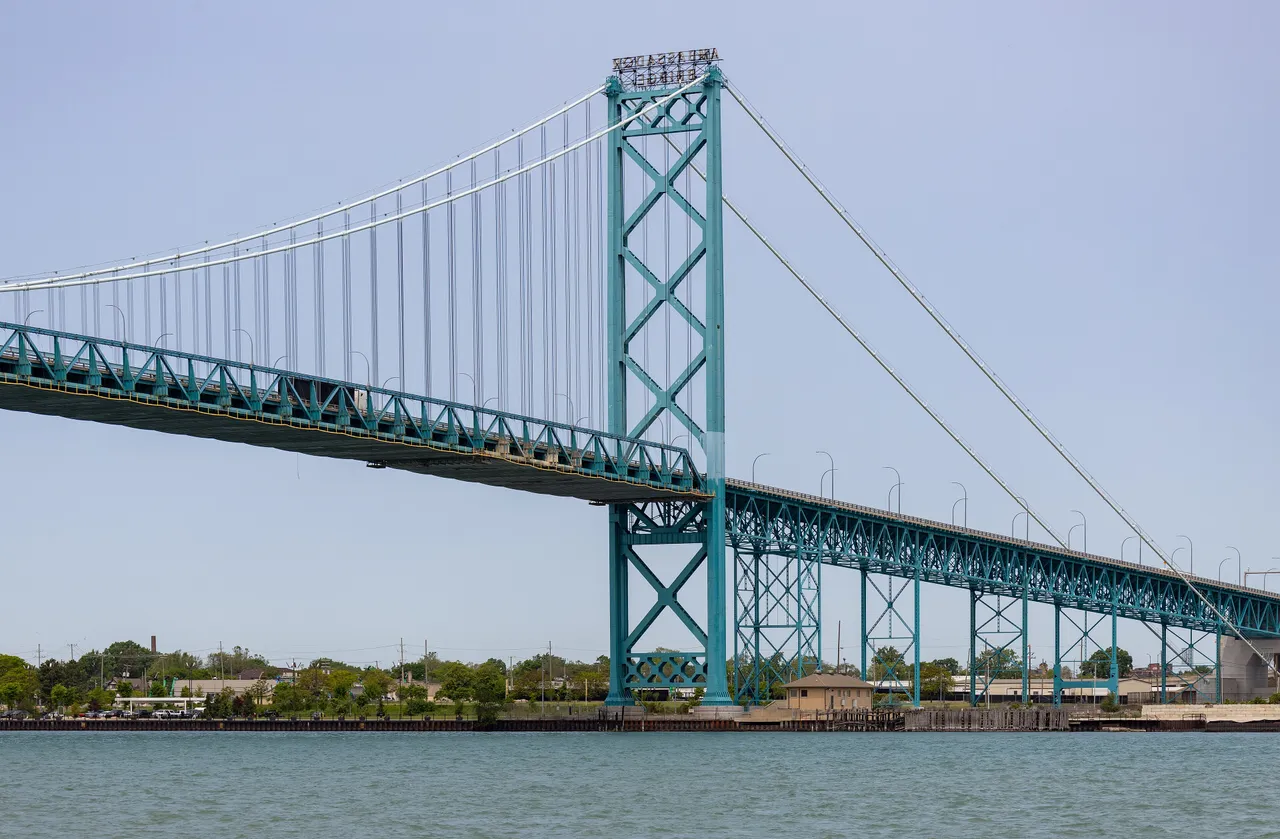
One practical trap: CBSA lists crossings by its own official port names, which aren’t the ones tourists use. The Peace Arch is Douglas. The Rainbow Bridge near Niagara Falls is Niagara Falls Rainbow Bridge. Sarnia’s Blue Water Bridge is Sarnia (Blue Water Bridge), and the main Montreal crossing is St-Bernard-de-Lacolle: Highway 15. If you can’t find your crossing on the list, it is probably filed under a name you wouldn’t guess.
Arriving by water, on the Great Lakes or the BC coast, the rule is different and stricter: all travellers entering Canada by boat must report to CBSA without delay, and what that involves varies with your route and nationality. The same seriousness applies the other way when a Canadian boat tour lands you on US soil - Heart Island’s Boldt Castle is a Port of Entry with its own hours, covered in Thousand Islands cruises and the border.
Important: Border rules, allowances, fees and program requirements change, and officers have full discretion over who and what enters Canada. Everything here is drawn from the Canada Border Services Agency, IRCC and the Canadian Food Inspection Agency and was verified on 24 July 2026. It is general travel information, not legal advice. Cannabis warning: taking cannabis across the Canada-US border in any form, including CBD and THC oils, without a Health Canada permit is a serious criminal offence in both directions, regardless of the amount, of any medical document, and of whether cannabis is legal where you started. Do not do it. Confirm your own situation before you travel, and if you are unsure what to declare, CBSA’s information line is 1-800-461-9999. Requirements for re-entering the United States are set by US Customs and Border Protection and are not covered here.
Read also
-
Northern land route and Yukon border stops: driving the Alaska Highway
-
Who can enter Canada at all, by passport: Canada eTA and visas: who needs what
-
Why your medical cover, not your car cover, is the real gap: travel insurance for a Canada trip
-
Staying connected and navigating on the road: eSIM and SIM cards for Canada
-
Winter tires, one-way fees and park passes: renting a car in Canada
Read also

Before you go · 11 min read
Canada eTA for UK Citizens: Entry Requirements
Verified · September 1, 2026UK air travellers need a CAN$7 eTA. Cost, validity, land exception, refusals and British passport types - checked on canada.ca, 1 Sep 2026.

Before you go · 9 min read
Calgary vs Vancouver: Which Airport for the Rockies
Verified · August 29, 2026Calgary puts Banff 140 km up the road; from Vancouver it's 850 km. What the drop fee, the domestic hop and the thinner route map actually cost you.

Before you go · 10 min read
Quebec City in Winter: Carnival, Ice Hotel, What to Wear
Verified · August 16, 2026Quebec City in winter: Carnival 5-14 Feb 2027, ice hotel from January, February nights -16 C, and what to pack.

Before you go · 8 min read
Canadian Rockies vs Vancouver Island: Which Trip to Take
Verified · August 14, 2026Rockies or Vancouver Island for one week: lakes and Icefields Parkway vs ferry, Victoria and Tofino - pick by trip shape, not Instagram.