Travel Insurance for a Canada Trip
Canada's health system excludes visitors by law. What a hospital night really costs a non-resident, why evacuation is the big risk, and what to insure.
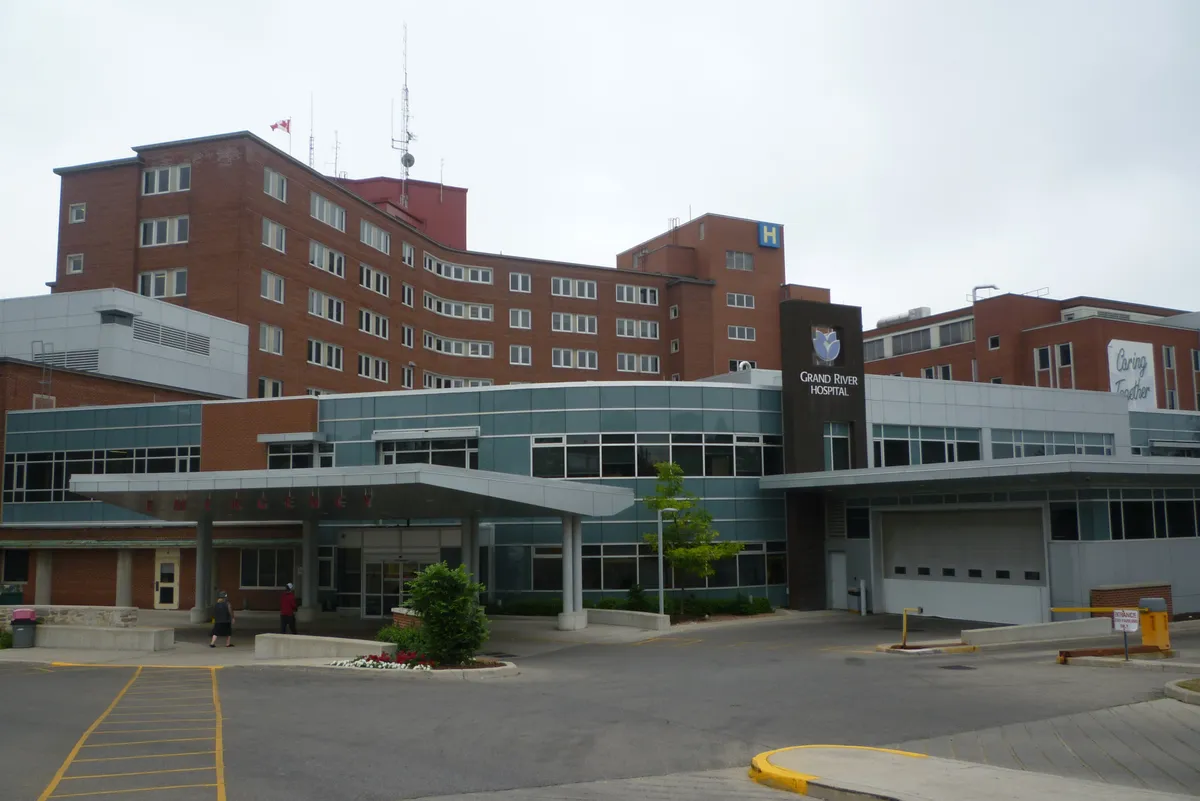
A single night in a Canadian intensive-care bed is billed to a foreign visitor at $15,642. The same night costs an uninsured Canadian $5,214, and a resident with provincial health care pays nothing. Those are the published 2026 rates at one Ottawa hospital, and they are the reason travel insurance for a Canada trip isn’t optional in any sense that matters, even though no law forces you to buy it.
What surprises people is that this isn’t a gap someone forgot to close. Canada’s health law excludes you by name. The federal Canada Health Act defines the people it covers as residents of a province, and then says in the same breath that a resident “does not include a tourist, a transient or a visitor”. You’re not underinsured as a visitor in Canada; you’re uninsured, on purpose, as a matter of statute.
The health system does not cover you, and that is written into the law
Public health care in Canada covers “insured persons”, and an insured person, by the Act’s own definition, is a resident of a province. A tourist is excluded in the text. This isn’t how a hospital happens to behave on a bad day; it is the founding statute of Canadian medicare telling you the door is closed.
The government backs this up in plainer language elsewhere. Its own guidance notes that even ambulance rides and prescription drugs are heavily subsidised for residents “but not for visitors”. And here is the tell that should settle any doubt about how real the risk is: when Canada created the super visa for the parents and grandparents of citizens, it made private medical insurance a legal condition of the visa, “as they are not eligible for provincial or territorial health care plans”. The country that runs the health system does not trust visitors to go without cover. Neither should you.
What treatment actually costs without insurance
Numbers make this concrete, so here are real ones, from published non-resident price lists at two public hospitals in a single city, Ottawa.
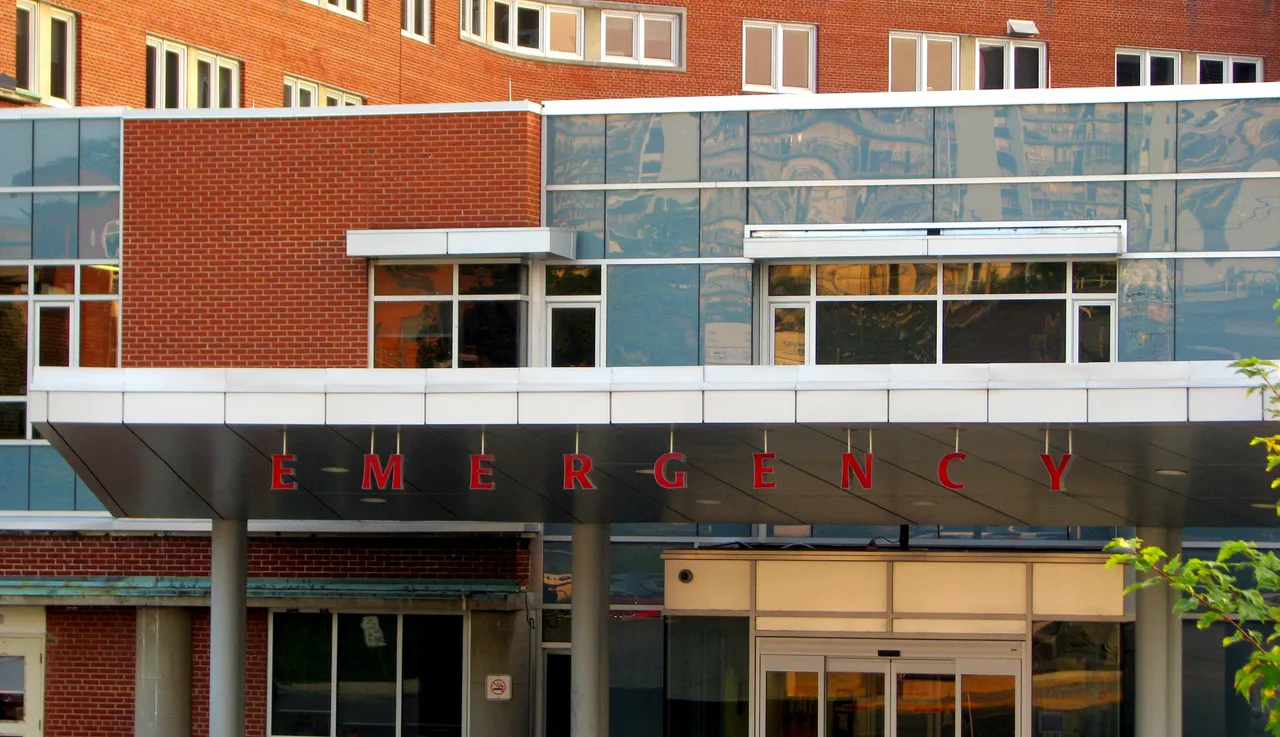
At Queensway Carleton Hospital, on rates effective 1 April 2026, a non-resident pays $1,242 just to be seen in the emergency room, $4,005 for a standard night on a ward, and $15,642 for a night in intensive care. Across town at Hopital Montfort, the same three come in at $786.60, $2,980 and $8,840.50. Two public hospitals, one city, and the ICU night varies by nearly $7,000. There’s no single Canadian price to quote; there is a range, and it is steep at both ends.
Two details that turn a big bill into a bigger one. First, at Queensway Carleton a non-resident is billed almost exactly three times what an uninsured Canadian pays for the identical service: $1,242 against $414, $15,642 against $5,214. That multiplier is deliberate pricing, not overtime. Second, Montfort prints a warning in black and white: “Physician fees are extra and are not included in the above tables.” The hospital’s number is the hospital only. The doctors bill you separately, on top.
Medical evacuation: the risk that is specific to Canada
Everywhere sells you emergency medical cover. Canada is where the evacuation line on the policy earns its place, because the country is enormous and half the good trips happen where the hospitals are not.
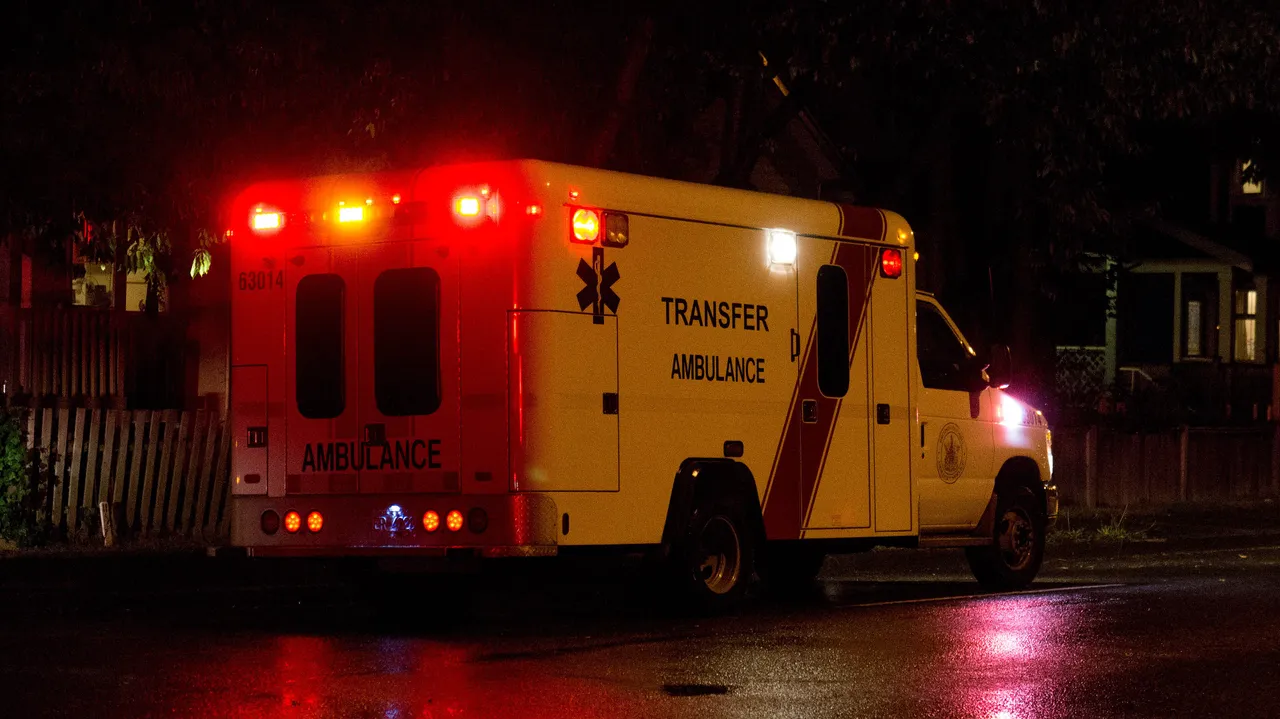
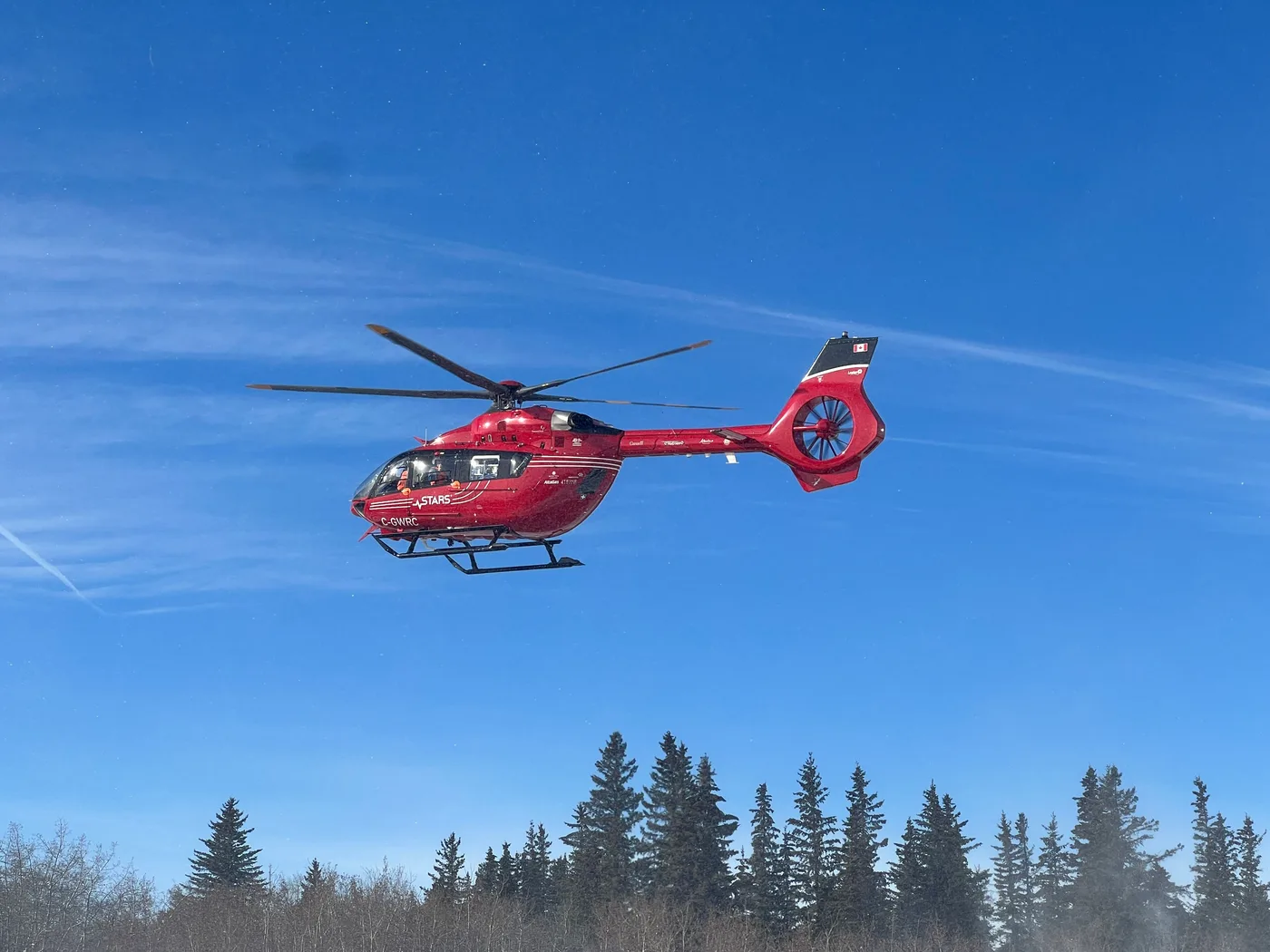
British Columbia’s ambulance service bills a non-resident $848 for a ground ambulance, against $80 for a resident. Go by air, which distance often forces, and it’s $4,394 an hour by helicopter or $6.94 a kilometre by fixed-wing plane. Do the arithmetic on a flight from the northern interior to Vancouver and the aircraft alone, before any treatment, can run past $5,000. (BC’s published ambulance rates carry a 2020 date, so read them as the order of magnitude rather than today’s exact figure, and remember every province runs its own service at its own price.)
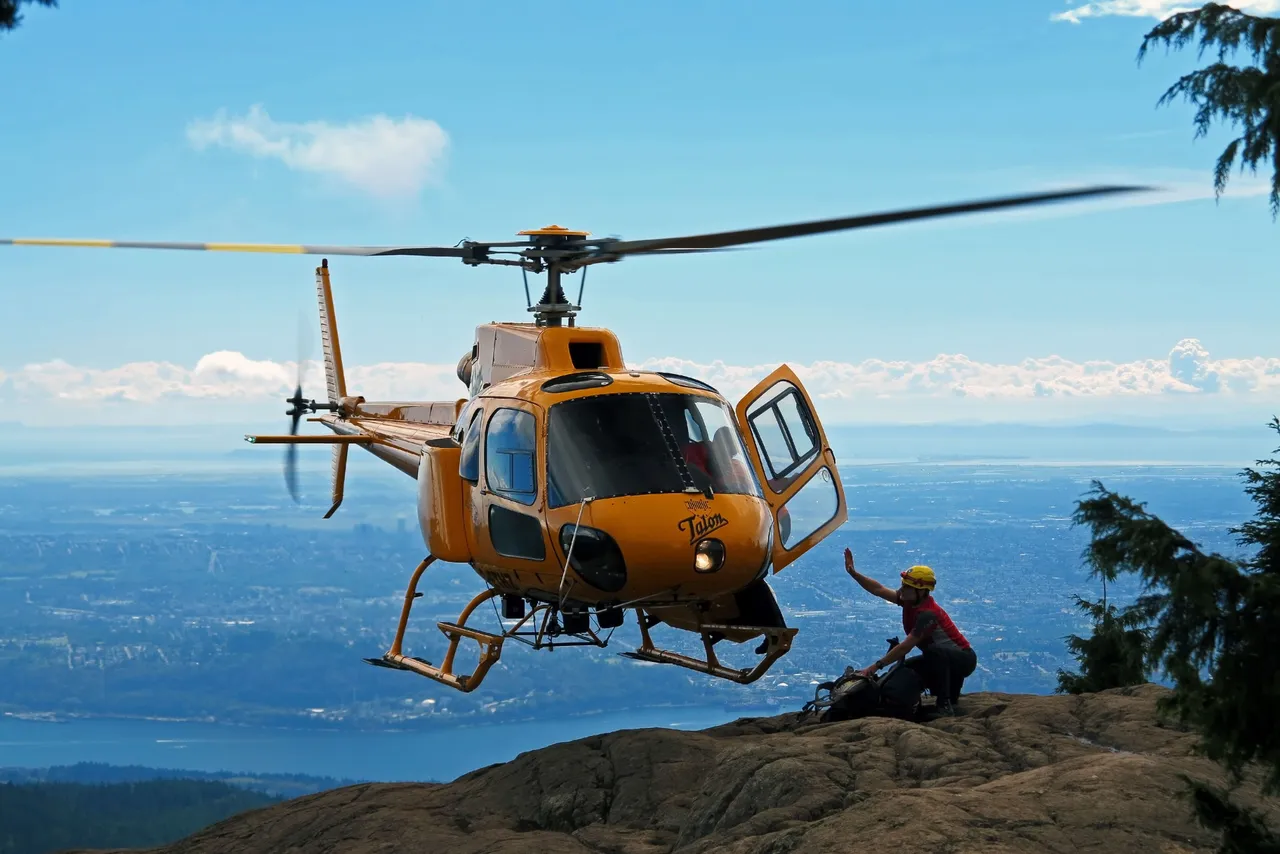
This is also why Canada’s own super visa rule demands that the required insurance cover repatriation, not just treatment. When the government sets a minimum, it insists on getting you home. That is the clearest possible signal about which risk to take seriously on a trip that touches the Rockies, the north or the coast. The remote drives that make Canada worth visiting, like the Icefields Parkway, are the same places an evacuation would start.
If you are American, do not assume your plan travels
US travellers are the most likely to arrive assuming they’re covered, and the most likely to be wrong. According to medicare.gov, Medicare generally does not pay for health care outside the United States. There are narrow exceptions, the neatest being a medical emergency while you’re driving the most direct route through Canada between Alaska and another state, but they’re exceptions, not a safety net.
Some travellers rely on a Medigap plan with a foreign-travel-emergency benefit. Medicare.gov describes that benefit as paying 80% of billed charges after a $250 yearly deductible, up to a $50,000 lifetime limit, and only for care that begins in the first 60 days of a trip. Read that lifetime cap against the Ottawa ICU rate above and it’s barely three days of intensive care, once, ever. Confirm the current terms on medicare.gov, because plan details change, but don’t mistake a Medigap rider for real travel cover.
For any private US plan, do not guess. Call your insurer and ask three specific questions: does the plan cover Canada, does it pay the hospital directly or reimburse you later, and does it include emergency evacuation. The difference between direct billing and reimbursement is the difference between showing a card and fronting $4,005 a night yourself.
What your policy needs to cover
Use Canada’s own super visa standard as the floor, because it is the one number a Canadian government body actually put in writing.
- Emergency medical and hospitalization, with CAN$100,000 as the named minimum. Given a possible $15,642 ICU night plus separate physician bills, treat $100,000 as a floor, not a target.
- Evacuation and repatriation. The Canada-specific one. Check the dollar limit on it, not just that the word appears.
- Winter sports, as a separate line if your trip includes them. Skiing and snowboarding at Whistler, Banff or Lake Louise, plus snowmobiling and anything off-piste, are classic exclusions in a basic policy.
- Pre-existing conditions, the usual source of denied claims. Most policies want a stability period; read how yours defines it.
- Trip cancellation, interruption and baggage, which are financial rather than medical risks. Keep them mentally separate so you do not confuse a lost-bag policy with a hospital one.

How to check a policy before you buy
The super visa rules double as a checklist, because they spell out what real proof of cover looks like.
Confirm the cover is issued by an actual insurer, not a broker or a claims administrator; IRCC draws that line explicitly. Make sure the policy is paid, not quoted, because a quote isn’t proof of anything. Check that it covers health care, hospitalization and repatriation, all three, and that it stays valid across each re-entry if your trip loops through the US and back. And settle the practical question early: will the insurer pay the hospital directly, or make you pay and claim it back later? At $4,005 a night, that answer matters more than the headline price. Save the 24-hour assistance number offline before you go, keep the policy document where you can show it without internet, and hold on to every receipt and discharge note, because your insurer will ask for them.
If something happens in Canada
Call 911. Emergency care will be given regardless of your insurance; nobody is turned away from an emergency room in Canada for lack of cover. The question was never whether you get treated. It’s who pays the bill afterwards, and that is the entire job of the policy in your bag. A working phone matters here, so it is worth knowing where the signal drops out before you drive into it.
Important: This article is general travel information, not insurance, medical or financial advice, and it recommends no specific policy or provider. Hospital rates, ambulance fees and insurance rules change; the Canadian hospital figures here are published rates for the 2026-27 fiscal year, verified on 24 July 2026, and they differ from one hospital and one province to the next. The figures show the scale of the risk, not a quote for your care. Coverage under any policy depends on its own terms, exclusions and your circumstances, including pre-existing conditions, so read the full wording and confirm with the insurer before you buy. If you hold US Medicare, confirm your coverage directly at medicare.gov. In an emergency in Canada, call 911.
Read also
- Who can enter, and the proof-of-funds question: Canada eTA and visas: who needs what
- Why car insurance isn’t medical insurance on a road trip: crossing the US-Canada border by car
- Keeping a working phone for the assistance line: eSIM and SIM cards for Canada
- The remote drive an evacuation would start from: Icefields Parkway
Read also

Car rental · 12 min read
Car Rental at Calgary Airport (YYC): Counters, Tires, Fees
Verified · October 22, 2026Renting a car at Calgary Airport (YYC): where the Rental Car Centre is, counter hours from 7 am, winter tire rules west of the city and return fees.

Car rental · 9 min read
Car Rental at Vancouver Airport (YVR): On-Site or Downtown
Verified · October 17, 2026Renting a car at Vancouver Airport (YVR): the eight on-site brands, off-airport shuttles, downtown branch hours and how the BC winter-tire rule works.

What to see · 10 min read
Notre-Dame Basilica Montreal: Tickets, AURA Show, Worth It?
Verified · October 17, 2026Notre-Dame Basilica in Montreal: what the day visit and the AURA light show cover, the combined ticket, Sunday hours and when a guide helps.

What to see · 9 min read
Journey Behind the Falls: Tickets, Hours and Is It Worth It
Verified · October 10, 2026Journey Behind the Falls is C$33 an adult before tax (October 2026): hours into winter, the night ticket, stairs, strollers and the 2027-28 rebuild.