
eSIM and SIM Cards for Canada
Your US plan may already include Canada, so check before buying an eSIM. When an eSIM is worth it, UK and Australia options, and where no signal reaches.
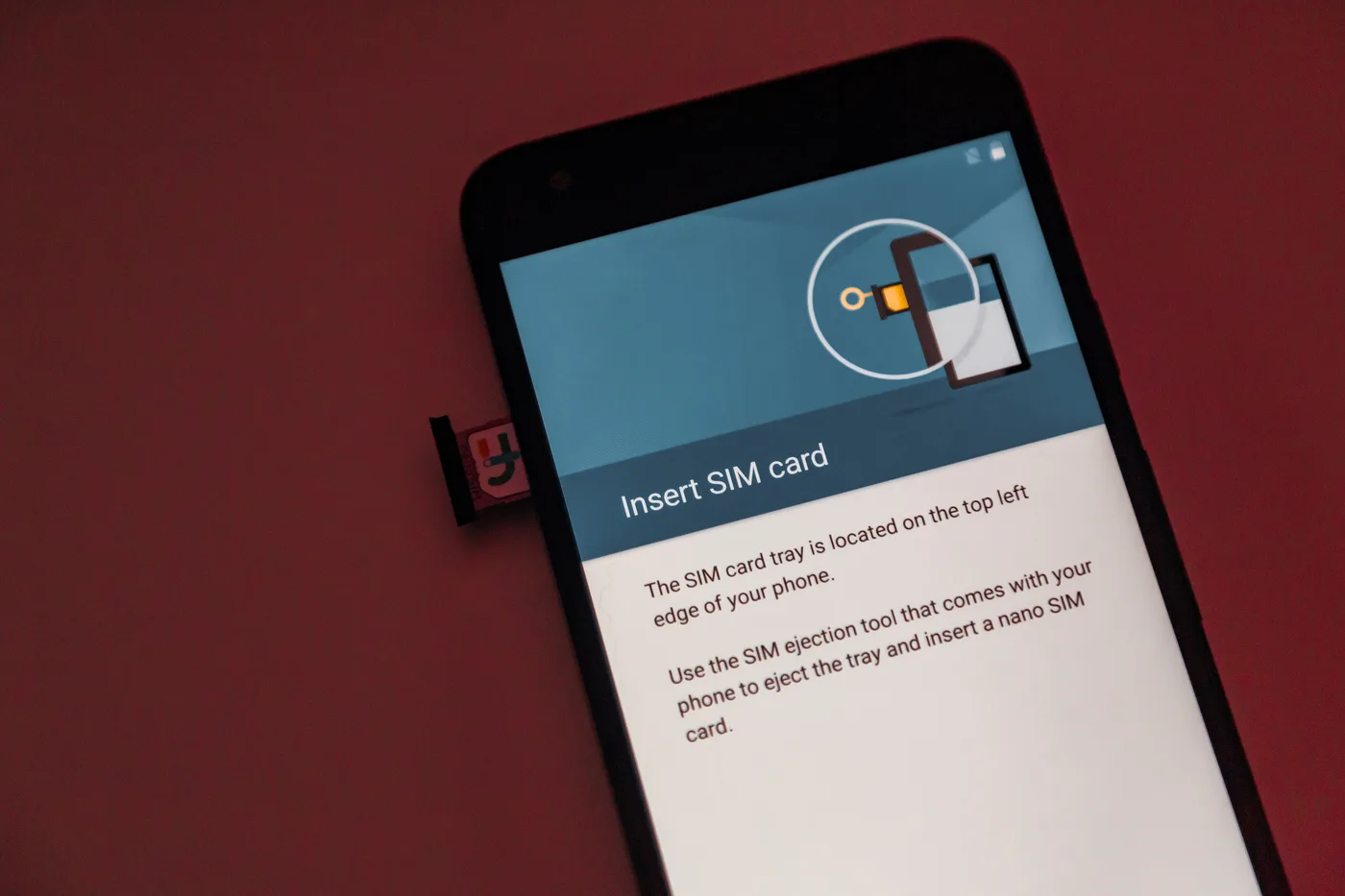
Before you buy anything for a Canada trip, open your phone plan and look for one word: Canada. If you’re on an unlimited plan with T-Mobile, Verizon or AT&T, it’s very likely already included, and the honest answer to “which eSIM do I need” is that you probably don’t need one at all. Most guides skip that line because they earn a commission on the eSIM. So check first, because for a lot of American travellers the cheapest and simplest option is the one they already carry. If the same trip also touches Europe, where an EU SIM works free across the Balkans maps which borders cost you data and which do not.
There are real reasons to buy one, and cheap or prepaid US plans, small high-speed allowances and trips from the UK or Australia are the main ones. There’s also a hard limit no eSIM can fix: on the Icefields Parkway between Banff and Jasper there’s no cell signal at all, from any network, for the whole drive. The mountains and the north aren’t a coverage problem you can buy your way out of, and that shapes the whole plan.
First, check whether you need anything at all
For the three big US carriers, Canada is usually bundled into the plans most travellers are already on, and the differences are in the fine print rather than the headline.
T-Mobile includes Canada on most of its plans, with unlimited talk, text and high-speed data up to a cap that depends on the plan, typically 5, 10 or 15 gigabytes.
Verizon includes roaming in Canada and Mexico on its Simplicity and Unlimited plans. If you’re not on one of those, Verizon’s TravelPass is US$6 a line per day, gives you unlimited data, calls and texts, and only bills on days you actually use the phone abroad.
AT&T states that every one of its Unlimited plans includes unlimited talk, text and data in and between Mexico and Canada. Off an unlimited plan, the International Day Pass is US$12 for 24 hours, again charged only on days you use it.
The catch hides in the word “unlimited”. On all three, “unlimited” means unlimited high-speed data up to a cap, and then it slows sharply, to somewhere around 128 to 256 kilobits per second on T-Mobile, or 3G speeds on Verizon after 5 GB. That reduced speed is fine for messages and maps text, but it’ll not comfortably load photo-heavy pages or stream. If your plan is a basic or entry-level one, like T-Mobile Essentials, the everyday speed can be the slow tier from the start, and that’s where an eSIM starts to earn its place.
When an eSIM is genuinely worth it
Three situations, and if none of them is you, save your money.
If you’re on a basic or prepaid US plan that doesn’t bundle Canada, a travel eSIM is usually cheaper and simpler than a per-day roaming pass over a week or more. If your plan technically includes Canada but only at 128 kbps, and you’re relying on your phone for navigation with live maps, a local data eSIM gives you usable speed where it matters. And if you’re visiting from the UK or Australia, the math is different again, because the home-carrier roaming rates below are steeper than anything a US traveller faces.
Coming from the UK
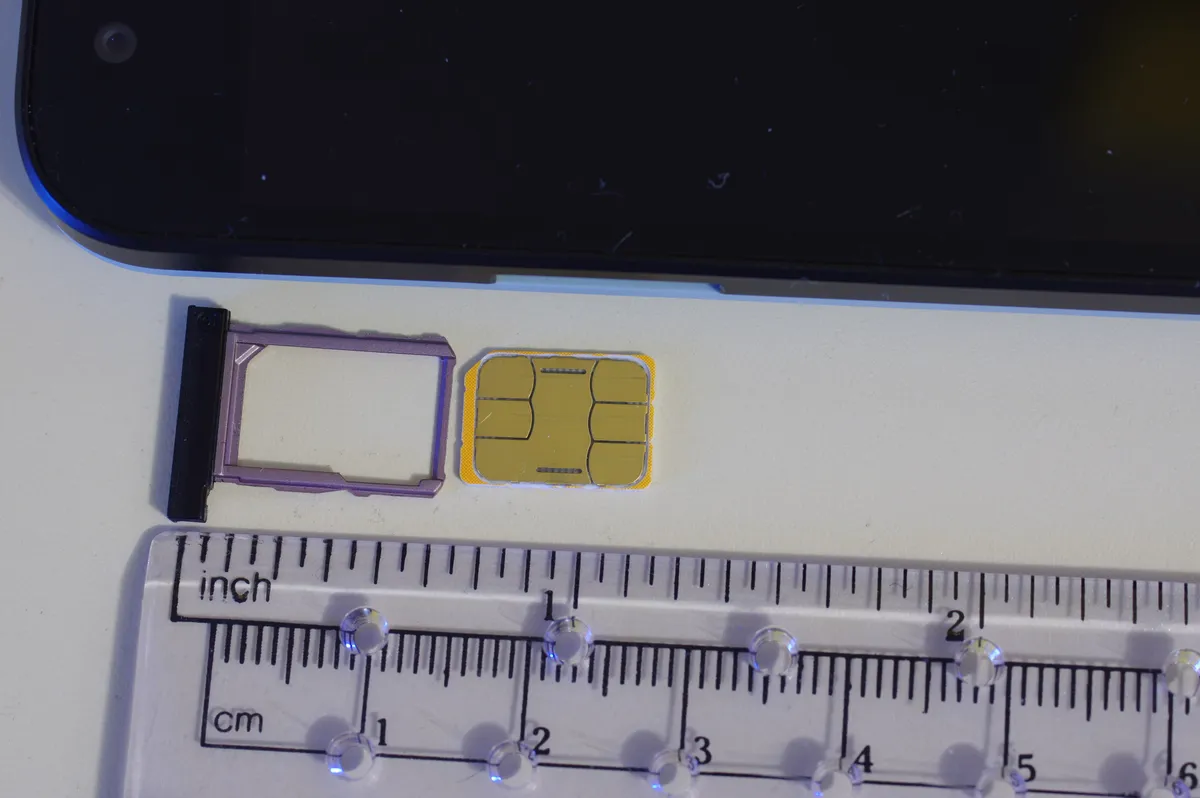
EE is the one to plan around. In Canada, EE charges GBP 2.46 a minute for calls and 98p a text, and, more to the point, it gives you no mobile data at all without a roaming pass. Land in Toronto with EE and no preparation and your phone simply has no data until you buy something. Check the current Roam Abroad Pass price on ee.co.uk before you fly, or set up an eSIM instead.
O2 is friendlier. Its Travel Bolt On is GBP 7 a day for unlimited data, texts and minutes across 27 destinations outside Europe, Canada among them, and customers on Volt, Plus or Ultimate plans get that zone, or a larger one, included at no extra cost.
Vodafone can’t be quoted with a single number, because its roaming price depends on your specific plan. Ignore the old flat daily figures that still circulate online; check your own number in Vodafone’s Roaming Charge Checker, which is the only reliable answer.
Coming from Australia
Telstra’s International Day Pass runs AUD 5 or AUD 10 a day depending on the destination, and includes unlimited standard calls and texts plus 2 GB of data a day, with excess charged at AUD 10 per 2 GB. Telstra’s own pages don’t spell out which tier Canada falls into, so confirm it in Telstra’s destination checker rather than trusting a number from a forum. For Optus and other carriers, check your specific roaming rate for Canada directly before you decide; the point is simply to know it before you land, not after.
Buying a Canadian SIM or eSIM once you arrive
Canada doesn’t really sell “tourist SIMs” as a distinct product the way some countries do. The market runs on ordinary prepaid plans and newcomer sections instead. Fido, a prepaid brand of Rogers, is the most accessible, with no credit check and no contract.
The practical trap is delivery. Order a physical SIM online in Canada and it comes by mail; Public Mobile, for one, quotes anywhere from 10 business days to three weeks. For a trip of a week or two that’s useless. So the two options that actually work are an eSIM, which activates the moment you buy it, or buying a physical SIM in person at a carrier store once you’re in Canada. Don’t count on picking one up at the airport unless you’ve confirmed a specific shop is there.
Where there is no signal at all
This is the section the eSIM sellers leave out, and it’s the one that matters most for a Canadian trip, because it’s backed by Parks Canada rather than marketing.

The Icefields Parkway has no cell coverage along its whole length. Most of Jasper National Park has none. Banff’s coverage is limited and unpredictable, working in some roadside spots and not others. Moraine Lake has no signal at all. The crucial thing to understand is that an eSIM gives you access to a Canadian network where one exists; on the Icefields Parkway there’s no network for anyone, so no SIM or eSIM makes a difference. This is a coverage fact, not a plan you can upgrade.

Two practical habits follow. Download offline maps for your route before you leave the last town with signal, so navigation keeps working with the phone in airplane mode. And for the backcountry, take Parks Canada’s own advice: a satellite messenger such as a SPOT or Garmin inReach, or a satellite phone, is often the only thing that works, and you should learn to use it before you go rather than in an emergency. A phone isn’t a safety plan in the Canadian wilderness, and it’s worth building a real one alongside your travel insurance.
Will your phone even take an eSIM?
Two checks save most of the grief. First, whether the phone supports eSIM: on almost any phone you can dial *#06# and look for an EID number, and if one appears, you’ll know the phone has eSIM hardware. Confirm the exact model on Apple’s or Google’s official support pages rather than a list you found somewhere.
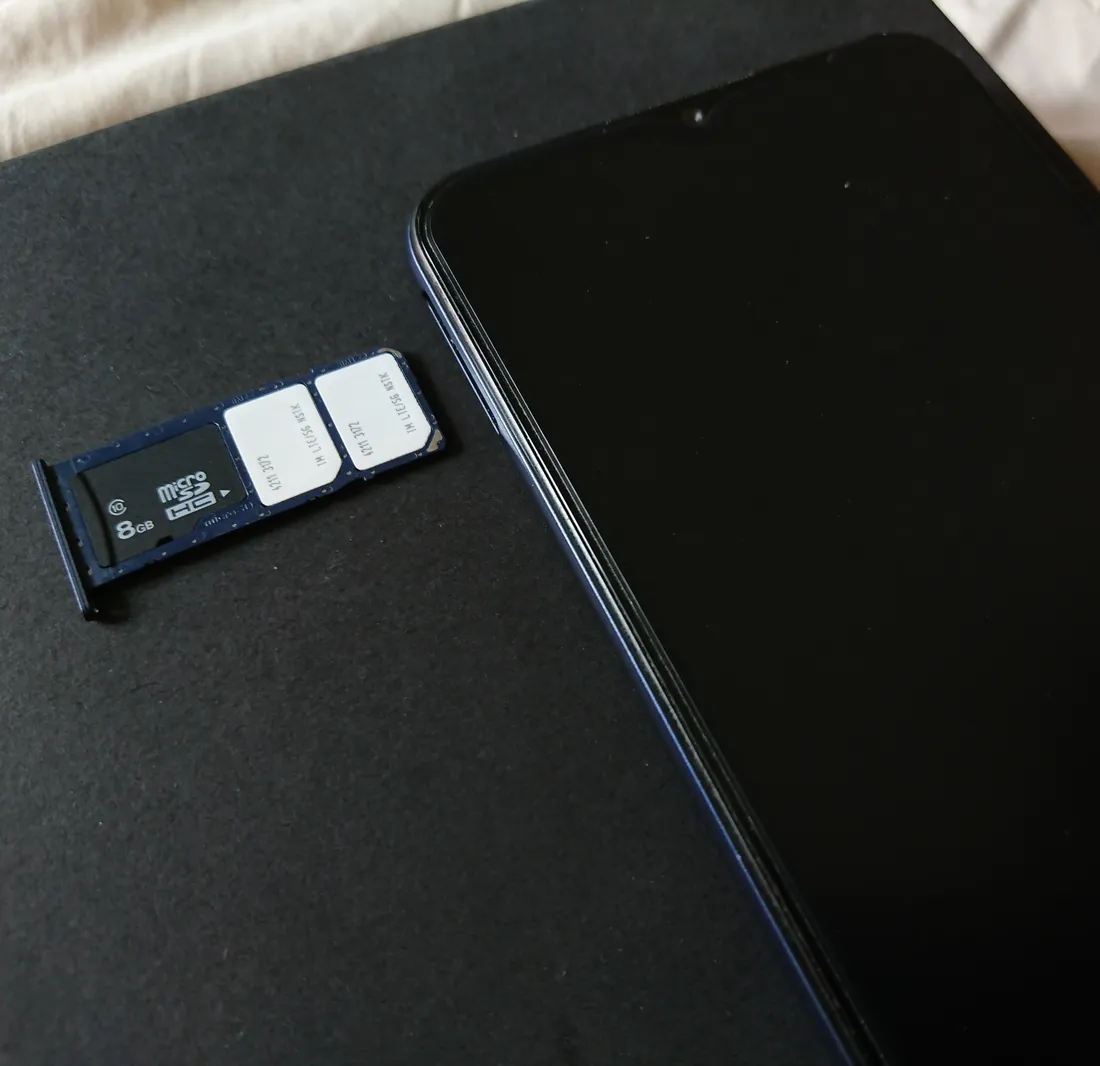
Second, and the one that quietly ruins people’s plans: the phone must be free of a carrier lock. An eSIM is useless on a handset still tied to a carrier, so don’t wait until the airport - check that your provider has released it before you travel. Two more tips worth the minute: you can run a data eSIM for Canada while keeping your home SIM active for banking texts and other two-factor codes, and you should install the eSIM at home on Wi-Fi, since activating it needs an internet connection you might not have on arrival.
A note on prices: every carrier price here was taken from the operators’ own pages and verified on 24 July 2026. Mobile pricing changes often, plan names change, and what is included depends on your exact plan. Treat these figures as the shape of the market, not a quote, and check your own plan with your carrier before you travel, including whether Canada is already included. Coverage warning: mobile coverage in Canada’s national parks, mountains and northern regions is limited or absent whatever SIM or eSIM you use, and Parks Canada advises that a satellite device is often the only thing that works in the backcountry. Do not rely on a phone as your safety plan.
Read also
- Navigation and staying reachable on the drive: crossing the US-Canada border by car
- Why a working phone matters for the assistance line: travel insurance for a Canada trip
- The drive with no signal for its whole length: Icefields Parkway
- Before you go, who needs an eTA to fly in: Canada eTA and visas: who needs what
Read also

Before you go · 11 min read
Canada eTA for UK Citizens: Entry Requirements
Verified · September 1, 2026UK air travellers need a CAN$7 eTA. Cost, validity, land exception, refusals and British passport types - checked on canada.ca, 1 Sep 2026.

Before you go · 9 min read
Calgary vs Vancouver: Which Airport for the Rockies
Verified · August 29, 2026Calgary puts Banff 140 km up the road; from Vancouver it's 850 km. What the drop fee, the domestic hop and the thinner route map actually cost you.

Before you go · 10 min read
Quebec City in Winter: Carnival, Ice Hotel, What to Wear
Verified · August 16, 2026Quebec City in winter: Carnival 5-14 Feb 2027, ice hotel from January, February nights -16 C, and what to pack.

Before you go · 8 min read
Canadian Rockies vs Vancouver Island: Which Trip to Take
Verified · August 14, 2026Rockies or Vancouver Island for one week: lakes and Icefields Parkway vs ferry, Victoria and Tofino - pick by trip shape, not Instagram.