Canada Customs: What You Can Bring In
CBSA rules for visitors and returning residents: alcohol and tobacco limits, personal exemptions, food, cash and cannabis. Verified 13 Aug 2026.
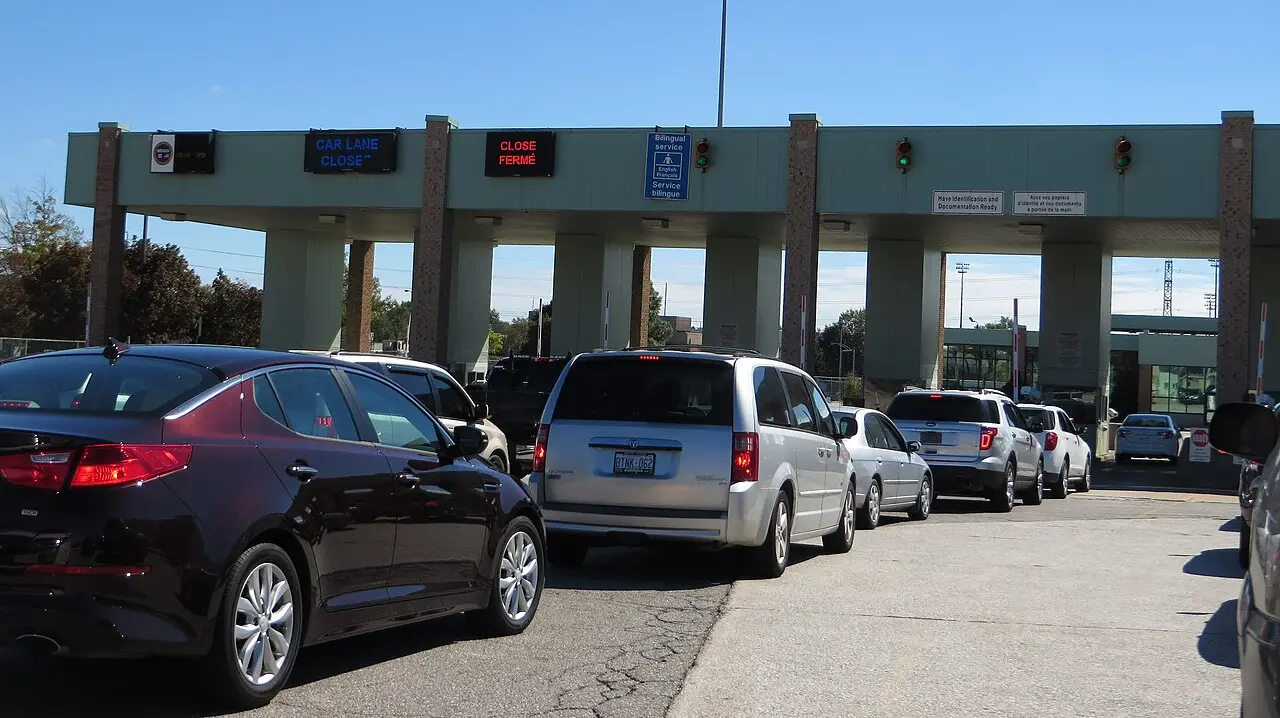
Disclaimer: This page summarizes public Canada Border Services Agency (CBSA) and Travel.gc.ca guidance checked on 13 August 2026. It is not legal advice and it is not stronger than the original pages. A border services officer decides what enters, what is dutiable and what is seized. Before you travel, read the live pages on cbsa-asfc.gc.ca and travel.gc.ca - rules change.
What you can bring into Canada depends on who you are more than on the suitcase. Visitors (non-residents) get duty-free personal gear they will take home again, plus tight alcohol and tobacco quantity limits. Returning Canadian residents get time-based personal exemptions (CAN$200 after 24 hours, CAN$800 after 48 hours or seven days) that visitors simply do not have. Mix those two rulebooks and you will misread the booth conversation.
If you’re unsure whether something counts, CBSA’s own advice is blunt: declare it. Officers would rather talk through a sandwich than find an undeclared one.
Visitors: personal gear that goes home with you
CBSA lets visitors bring ordinary personal goods for their own use without duty or tax, as long as you declare them and take them back out when you leave. The agency’s examples include clothing, camping and sports equipment, cameras, personal computers and devices, and your own vehicle, boat or aircraft.
Those goods cannot be used by a Canadian resident, used for a Canadian business, given as a gift to someone who lives here, or left behind in Canada. If that is your real plan, say so - you may owe duty or tax instead of getting the free temporary admission.
An officer can also ask for a security deposit and issue a temporary admission permit. Keep the paperwork; you reclaim the deposit when you exit with the same goods.
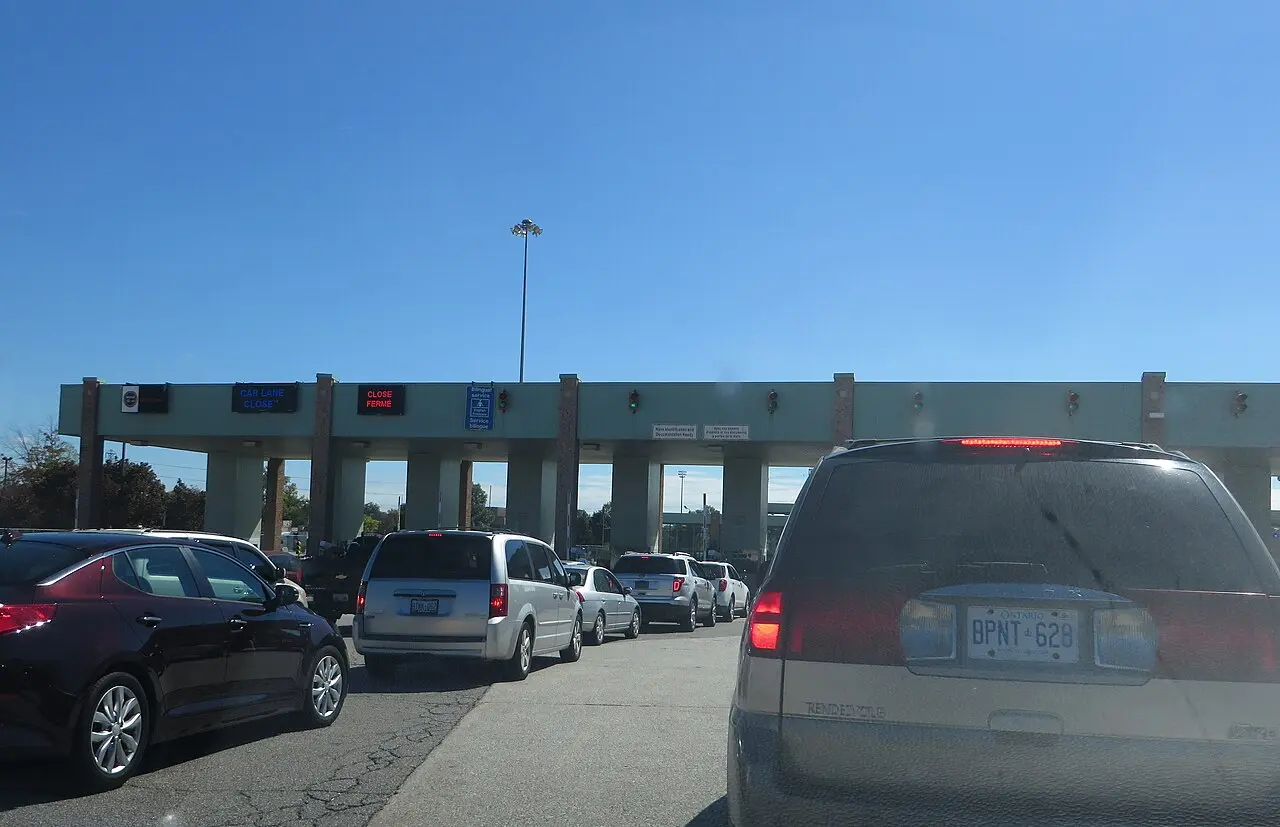
Alcohol, tobacco and vaping: one basket, not four
Non-residents and temporary residents must declare alcohol, tobacco and vaping products. Quantity limits are an or, not an and.
Alcohol - you may bring one of:
| Choice | Limit |
|---|---|
| Wine | 1.5 litres |
| Spirits | 1.14 litres |
| Wine and spirits combined | 1.14 litres |
| Beer or ale | 8.5 litres |
Tobacco and vaping limits (you can bring the tobacco set as listed on the visitor page):
- 200 cigarettes
- 50 cigars
- 200 grams of manufactured tobacco
- 200 tobacco sticks
- up to 12 vaping containers, with a maximum of 120 millilitres liquid or 120 grams solid
Minimum ages matter at the province of entry: alcohol is 18 in Alberta, Manitoba and Quebec and 19 elsewhere; tobacco and vaping require 18 anywhere in Canada. CBSA also says you should be prepared to pay duties and taxes on these products even when you stay inside the quantity limits - the officer will ask why you’re visiting and how long you’re staying. Amounts above the limits may need a provincial or territorial liquor permit.
Returning residents who have been away 48 hours or more can include the same alcohol quantities inside a personal exemption when the other exemption rules are met. Coolers follow the base drink (beer cooler = beer; wine cooler = wine).
Returning residents: the clock is the exemption
Personal exemptions are for Canadian residents returning from a trip, former residents coming back to live, and temporary residents returning from travel outside Canada. Children can have their own exemption for goods for the child’s use.
CBSA is explicit that same-day cross-border shoppers do not get personal exemptions.
| Time outside Canada | Exemption | Alcohol / tobacco in the exemption? |
|---|---|---|
| Less than 24 hours (same-day) | None | No exemption |
| 24 hours or more | Up to CAN$200 | No - and if goods exceed $200 you cannot claim this exemption at all |
| 48 hours or more | Up to CAN$800 | Yes, within alcohol/tobacco limits |
| 7 days or more | Up to CAN$800 | Yes, but alcohol/tobacco must arrive with you; other goods may follow |
You cannot combine your exemption with someone else’s, and you cannot stack a 48-hour and a 7-day exemption into CAN$1,600. Report values in Canadian dollars. Goods in the 24-hour and 48-hour exemptions must be with you on arrival; for the 7-day exemption, goods other than alcohol and tobacco may be shipped later if you still report them when you arrive. That’s the part travellers miss when they try to ship everything home ahead of the flight and still claim a short-trip exemption at the booth.
You’ll want the stamped packages if you’re counting tobacco or vaping toward a resident exemption. For stamped cigarettes, manufactured tobacco, tobacco sticks and vaping products claimed duty-free inside a resident exemption, CBSA wants packages marked “duty paid Canada droit acquitté” (the marking used at duty-free shops). Unstamped product can trigger a special duty and faces a separate five-unit import limit - read the alcohol and tobacco limits page before you rely on a carton bought abroad.
Gifts
Visitors may bring gifts if they declare them. Each gift under CAN$60 is free of duty and taxes, but gifts cannot be tobacco, vaping products, alcoholic beverages or advertising matter. Above $60, you pay applicable duty and/or tax on the amount over $60 (CBSA’s example: a $200 gift means duty/tax on $140). Don’t wrap gifts tightly before the booth - officers may need to open them.
Travel.gc.ca also notes that while you’re abroad you can send gifts worth no more than Can$60 to someone in Canada free of duty and taxes; those sent gifts are not part of a traveller’s personal exemption and still cannot be tobacco or alcohol. You’ll still declare what you carry in your own bags separately from anything you mailed.
Food, plants, animals - declare all of it
Every food, plant and animal product must be declared, including pets. CBSA warns that undeclared items can be seized and that penalties can reach $1,300. This page does not list which cheeses or meats are allowed - that list is CFIA territory and changes. Don’t guess from a grocery receipt or a two-year-old blog post. If it’s edible, plant-based or animal-based, say it out loud at the booth.
Cash: CAN$10,000 is a reporting line, not a ban
There is no legal maximum on how much money you may bring in or take out. There is a reporting rule: currency or monetary instruments valued at CAN$10,000 or more (any mix of currencies, cheques, traveller’s cheques, stocks, bonds and similar) must be declared. That applies whether the money is yours or you’re carrying it for someone else.
Cannabis: leave it on the side you’re on
Bringing cannabis across the Canadian border without Health Canada authorization is treated as a serious offence. Legal status in a US state or in a Canadian province does not create a border exception. This article will not walk through penalties case by case; for the land-crossing version of the same rule, read Crossing the US-Canada border by car. The safe summary that matches CBSA messaging is: don’t bring it in, don’t take it out, and if somehow you have it, declare it rather than hoping the bag stays closed.
Restricted goods beyond this page
Firearms, weapons, explosives, certain consumer products, cultural property and other controlled items have their own CBSA and partner-agency rules. If your trip involves a hunting rifle, a drone edge case, or a commercial sample, start on CBSA’s restricted and prohibited goods pages rather than extrapolating from alcohol limits. I am not sure of any single 2026 firearm importation checklist beyond “check CBSA firearms guidance before you pack” - so that is left as a pointer, not a how-to.
How this fits with visas and the land border
Customs is not the same as immigration status. Who needs an eTA, a visitor visa, or neither is covered in Canada eTA and visas. Document checks, NEXUS and wait times for drivers are in the US-Canada border crossing guide. Use this page for the suitcase; use those pages for the passport.

Before you reach the booth
- Decide whether you are a visitor or a returning resident - the exemption tables are different
- Count alcohol as one category, not a shopping list
- Put food and plant products where you can point to them
- Know whether you are carrying CAN$10,000+ in any form
- Leave cannabis where it is legal to possess without crossing a border
- When in doubt, declare
Rules above were checked against CBSA and Travel.gc.ca on 13 August 2026. If an official page and this summary disagree tomorrow, the official page wins.
Read also

Before you go · 11 min read
Canada eTA for UK Citizens: Entry Requirements
Verified · September 1, 2026UK air travellers need a CAN$7 eTA. Cost, validity, land exception, refusals and British passport types - checked on canada.ca, 1 Sep 2026.

Before you go · 9 min read
Calgary vs Vancouver: Which Airport for the Rockies
Verified · August 29, 2026Calgary puts Banff 140 km up the road; from Vancouver it's 850 km. What the drop fee, the domestic hop and the thinner route map actually cost you.

Before you go · 10 min read
Quebec City in Winter: Carnival, Ice Hotel, What to Wear
Verified · August 16, 2026Quebec City in winter: Carnival 5-14 Feb 2027, ice hotel from January, February nights -16 C, and what to pack.

Before you go · 8 min read
Canadian Rockies vs Vancouver Island: Which Trip to Take
Verified · August 14, 2026Rockies or Vancouver Island for one week: lakes and Icefields Parkway vs ferry, Victoria and Tofino - pick by trip shape, not Instagram.