
Renting a Car in Canada: What Foreign Drivers Need to Know
Renting a car in Canada as a visitor: three winter-tire rulebooks, one-way drop fees, age and licence rules, and the park passes nobody warns you about.
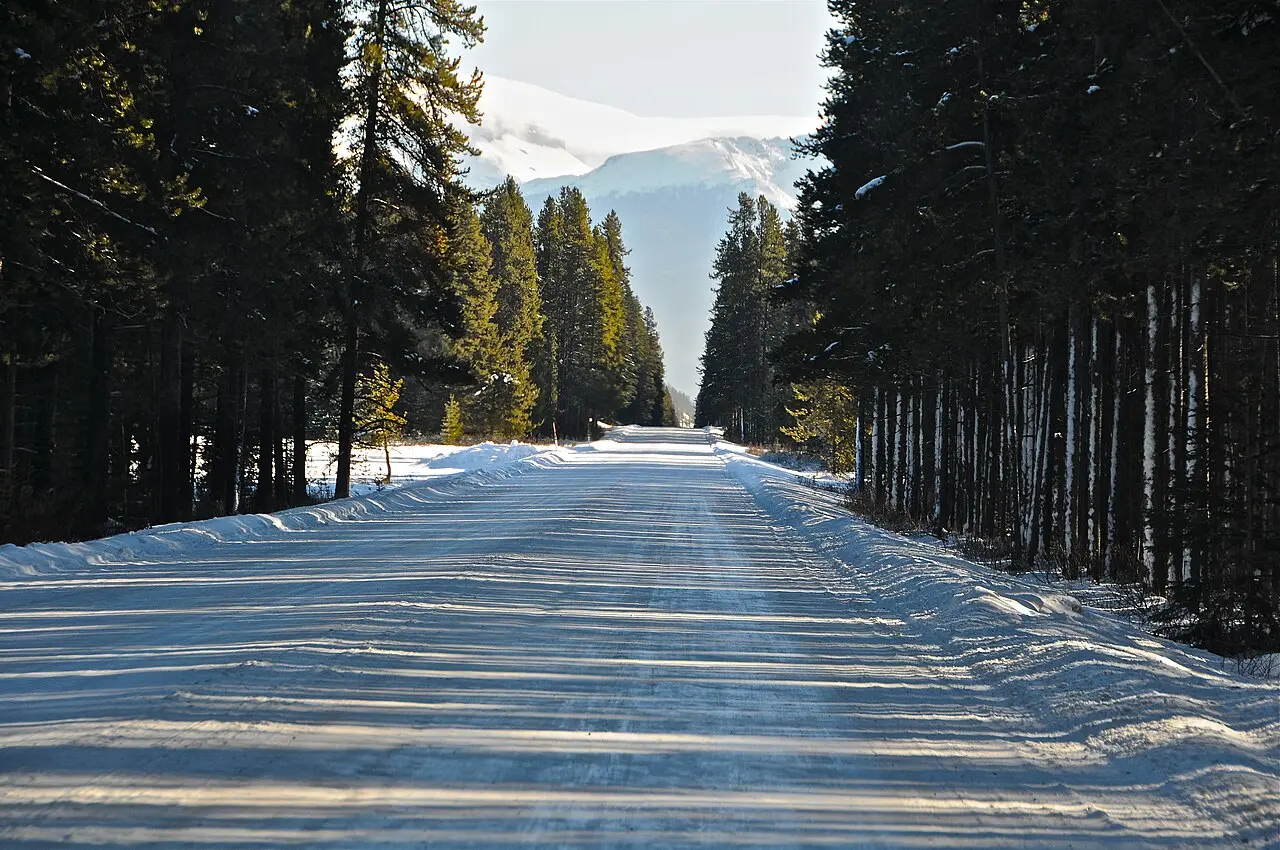
For most of Canada the honest answer is yes, rent a car, because the country’s best driving is the reason people come and the transit alternative barely exists once you leave a downtown. The three things that catch foreign drivers out aren’t the ones the rental ads mention: winter tires follow three different laws depending on where you are, one-way rentals carry a drop fee nobody quotes until you book, and a national park pass won’t let you park in the provincial mountains next door.
Start with the winter-tire trap, because it’s the one that costs money. A tire that’s perfectly legal to rent and drive in British Columbia is illegal in Quebec, and the rental desk won’t always tell you which one is bolted to the car. There’s no single national rule to memorise, which is exactly why visitors get it wrong.
Do you actually need a car?
A car is essential for the trips worth taking. The Canadian Rockies road trip, the Icefields Parkway, the Cabot Trail and almost any national park assume you’re driving, and the distances are large enough that skipping the car means skipping the country.
A car is a liability in exactly three places: downtown Toronto, Montreal and Vancouver, where parking is expensive, one-way streets are hostile and transit actually works. The efficient plan for a mixed trip is to explore the cities without a car and pick up the rental on the day you leave for the mountains. Doing that from Calgary alone saves two nights of hotel parking. Landing at YYZ and driving out the same day is the exception - car rental at Toronto Pearson covers on-site garage counters versus the Viscount near-airport fleets, and car rental at Vancouver Airport compares the YVR parkade counters with a downtown pickup.
What you need to rent
The minimum age is 21 almost everywhere, the exception being Saskatchewan at 18. Drivers aged 21 to 24 pay a daily young-driver surcharge; the majors don’t publish it, so treat any figure you see online as a guess and get it in your own quote. An additional driver on an Avis rental costs C$13 a day, C$91 a week, capped at C$182 for the rental. A spouse or domestic partner skips the requirement to show their own card, but the driver fee itself still applies to them unless the booking runs through a corporate account.
On licences, a valid licence from most countries lets a visitor drive in Canada for up to a year, and in Alberta that’s stated plainly. Get an International Driving Permit as well if your licence isn’t in English or French. The catch that strands people: an IDP is only valid alongside your original licence, and the CAA is the only body in Canada that issues one, so you can’t get it after you land. Buy it at home before you fly.
Bring a credit card in the main driver’s name for the deposit. Many desks refuse debit cards outright, and the ones that accept debit often run a credit check or block a larger hold, so this isn’t the place to improvise at the counter.
Winter tires: three rulebooks in one country
This is the part worth reading twice, because the rules don’t agree with each other and the fines land on the driver, not the rental company.
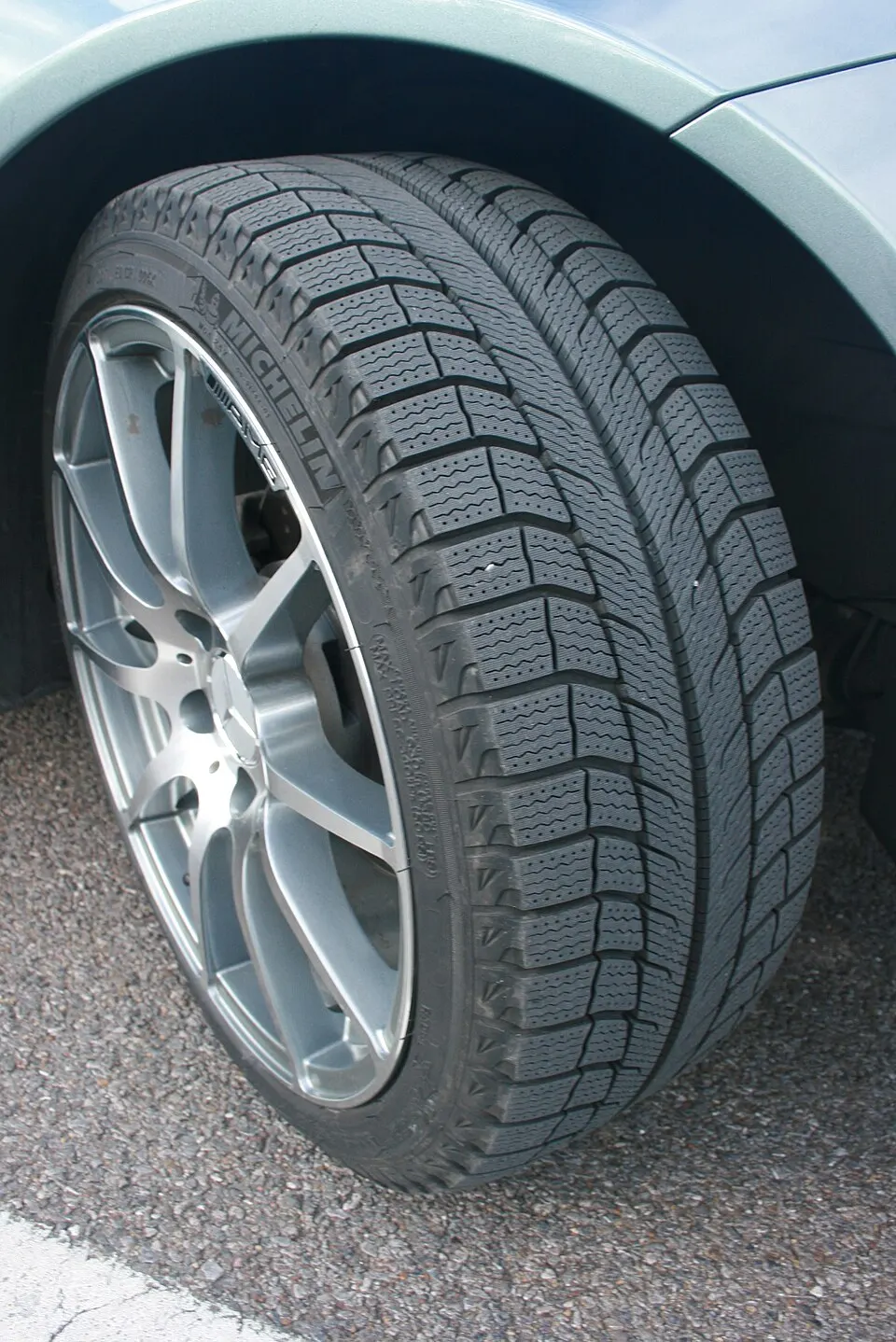
Quebec is the strict one. From 1 December to 15 March every car registered in Quebec must have winter tires, rentals included, and only the alpine symbol or studs count; a plain M+S marking hasn’t been enough since 2014. The fine is C$200 to C$300. The detail that trips up road-trippers: the law is tied to where the car is registered, not where it’s driving. Rent in Montreal and the winter tires are the company’s problem to solve. Drive a car rented in Ontario across the border into Quebec in January and the Quebec law doesn’t apply to you at all, though the ice on the road is unmoved by that technicality, and your insurer may have views if you crash on summer rubber.
British Columbia works the other way. The rule follows designated routes marked with signs and runs 1 October to 30 April on most of them, including the mountain highways; only a limited set of lower-elevation routes end on 31 March. Here a plain M+S marking is enough, along with at least 3.5 mm of tread. The passenger-car fine is C$121. Most rentals in BC come on M+S all-season tires that meet this minimum, which is why a BC rental is legal in BC and would be illegal the moment it crossed into Quebec.
The Icefields Parkway has its own calendar again. Parks Canada requires snow tires or chains from 1 November to 31 March, or whenever else snow or ice covers the road, accepts either the snowflake or M+S symbol, and its Banff driving page says snow tires or chains are required by law there, though it publishes no fine. Four-wheel drive isn’t required by law; a front-wheel-drive car on proper winter tires is fine, and an all-wheel-drive car on summer tires isn’t.
Everywhere else, including Alberta and Ontario, there’s no winter-tire law at all. That’s not the same as safe. The road doesn’t check your paperwork before it ices over.
How to read a sidewall
Two markings matter, and they’re not equal. M+S (mud and snow) is a tread-pattern claim moulded into the rubber and is the minimum BC accepts. The three-peak mountain snowflake, the alpine symbol, means the tire actually passed a snow-traction test, and it’s what Quebec demands.

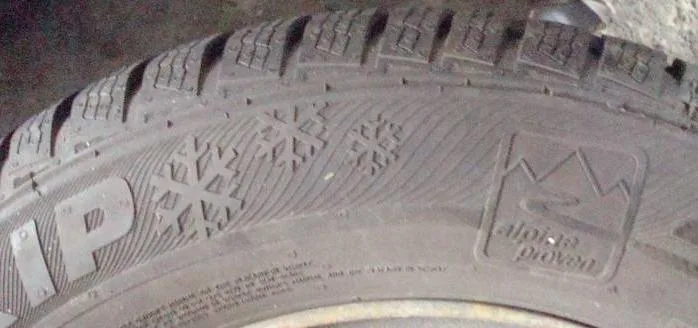
If you’re renting in winter and driving into Quebec or up the parkway, ask what’s fitted before you sign, and go and look. It takes a minute and it’s the one check that carries a fine.
| Where | Season | Accepted marking | Passenger fine |
|---|---|---|---|
| Quebec | 1 Dec - 15 Mar | Snowflake or studs only | C$200-C$300 |
| British Columbia | 1 Oct - 30 Apr (most; select lower routes 31 Mar) | M+S or snowflake, 3.5 mm tread | C$121 |
| Icefields Parkway | 1 Nov - 31 Mar (and any time snow or ice covers the road) | Snowflake or M+S, or chains | None published |
| Alberta, Ontario, rest | No law | - | - |
One-way rentals and the drop fee
Picking the car up in one city and dropping it in another is the natural shape of a Canadian trip, and it usually costs extra. The drop fee pays to get the car back to its home fleet, and its size depends on the pickup point, the return point, the season and even which office inside a city you use. Some rentals swap it for a per-kilometre charge instead. Motorhome firms are far more open about this - their published one-way fees can differ by hundreds of dollars depending on which direction you drive, as our RV rental guide sets out.
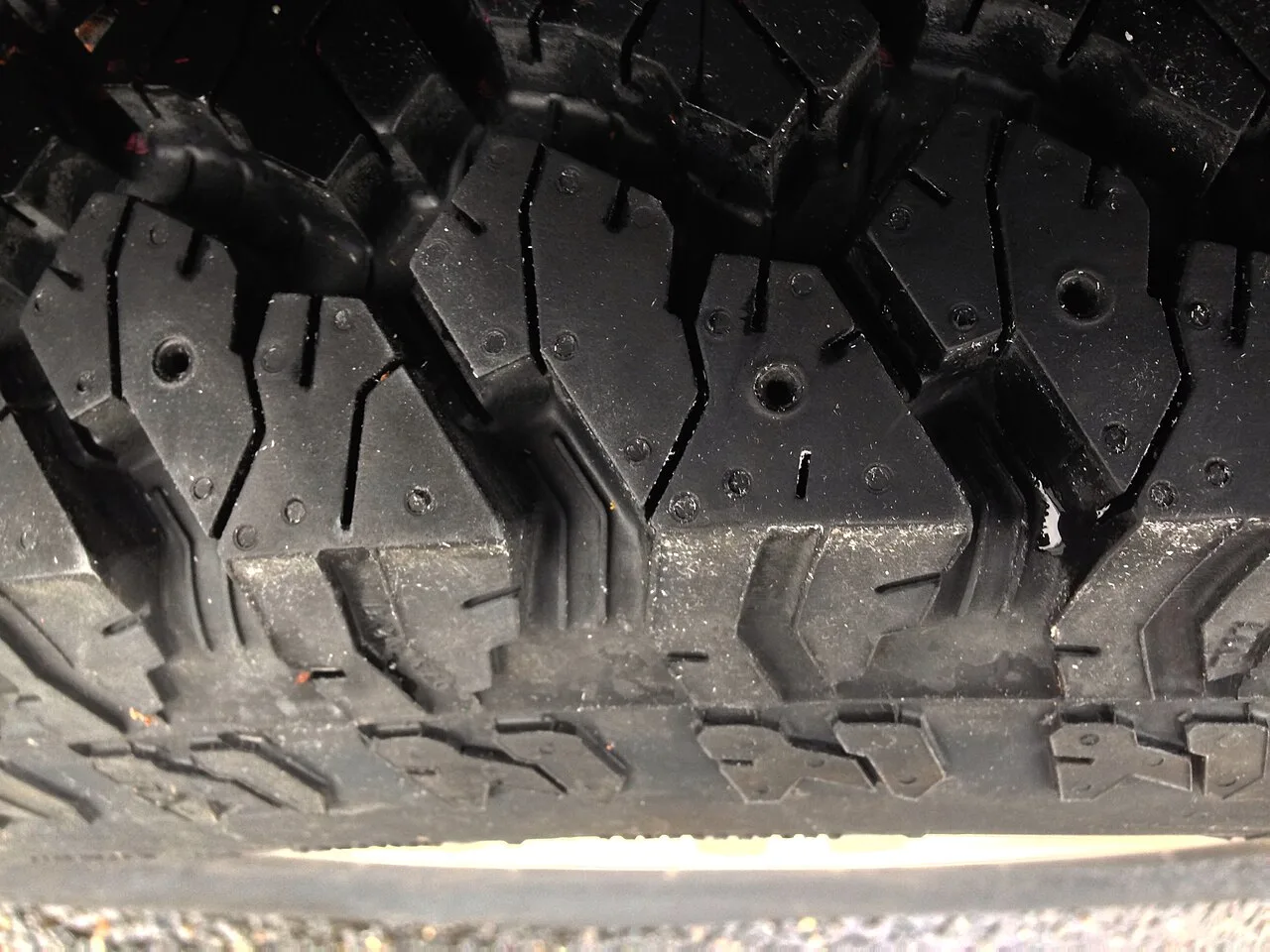
For Calgary to Vancouver, the popular one-way route out of the Rockies, none of Enterprise, National, Avis or Budget publish a fixed price on their own consumer sites, and the figures that circulate on comparison blogs are stale guesses. Hertz is the one exception, but only inside the rate sheet it issues to package-tour resellers rather than its retail booking flow. Price it yourself: run the exact same dates through two or three companies, compare airport-to-airport against downtown-to-downtown, and check whether the quote has quietly replaced the drop fee with a distance cap. Whatever number comes back is disclosed at booking and written into the contract, so get it in the confirmation before you pay. One thing to ignore: the claim that you can’t rent between Alberta and BC in winter. There’s no primary source for it. Our one-way car rental guide goes deeper on this exact route, including exactly what Hertz’s own rate sheet charges and the airport-to-airport trick National offers.
Insurance, and why your card may not be enough
Rental insurance in Canada is the usual tangle of collision damage waivers, deductibles and what your home policy or credit card already covers. Two things are worth knowing before the counter upsell. A credit card that includes rental cover often excludes certain vehicle classes and long rentals, and it typically pays only after your own insurer, so it’s not the blanket many people assume. And the waiver the desk sells reduces your liability but rarely erases the deductible. Read what your card actually covers before you travel, in writing, rather than deciding under pressure at pickup.
Fees and passes nobody warns you about
A national park pass is C$12.25 an adult per day; in 2026 admission was waived for everyone from 19 June to 7 September under the Canada Strong Pass and is charged again from 8 September 2026. The free window covered admission, not parking - you pay to leave the car at Lake Louise either way.
The pass that catches Calgary drivers is provincial, and it’s aimed squarely at your kind of vehicle. Kananaskis Country and the Bow Valley corridor, which you cross on the way to Banff, sit outside the national park, so a Parks Canada pass buys you nothing there. Parking needs a Kananaskis Conservation Pass at C$15 a day or C$90 a year, and here’s the part that stings a renter: the pass is tied to the plate rather than the driver, so a rental isn’t exempt, cameras read the plate in the trailhead lots, and getting caught without one is C$150 plus a 20% surcharge on the car you hand back. You can register the plate online up to 11:59 pm on the day itself, the escape hatch if you only find out at the trailhead. Our Alberta guide and the where-to-stay-in-Banff notes both cover where this bites.
Ontario has toll roads, most notably Highway 407 around Toronto, which bills by camera to the vehicle; on a rental that becomes an administration fee plus the toll weeks later, so know before you use one.
Driving in Canada: the practical differences
The real hazard is distance. Canadian maps flatten drives that take a full day, and the speed limit inside a national park is 90 km/h, lower where animals cross. Plan legs by hours, not by how short the line looks on a screen.
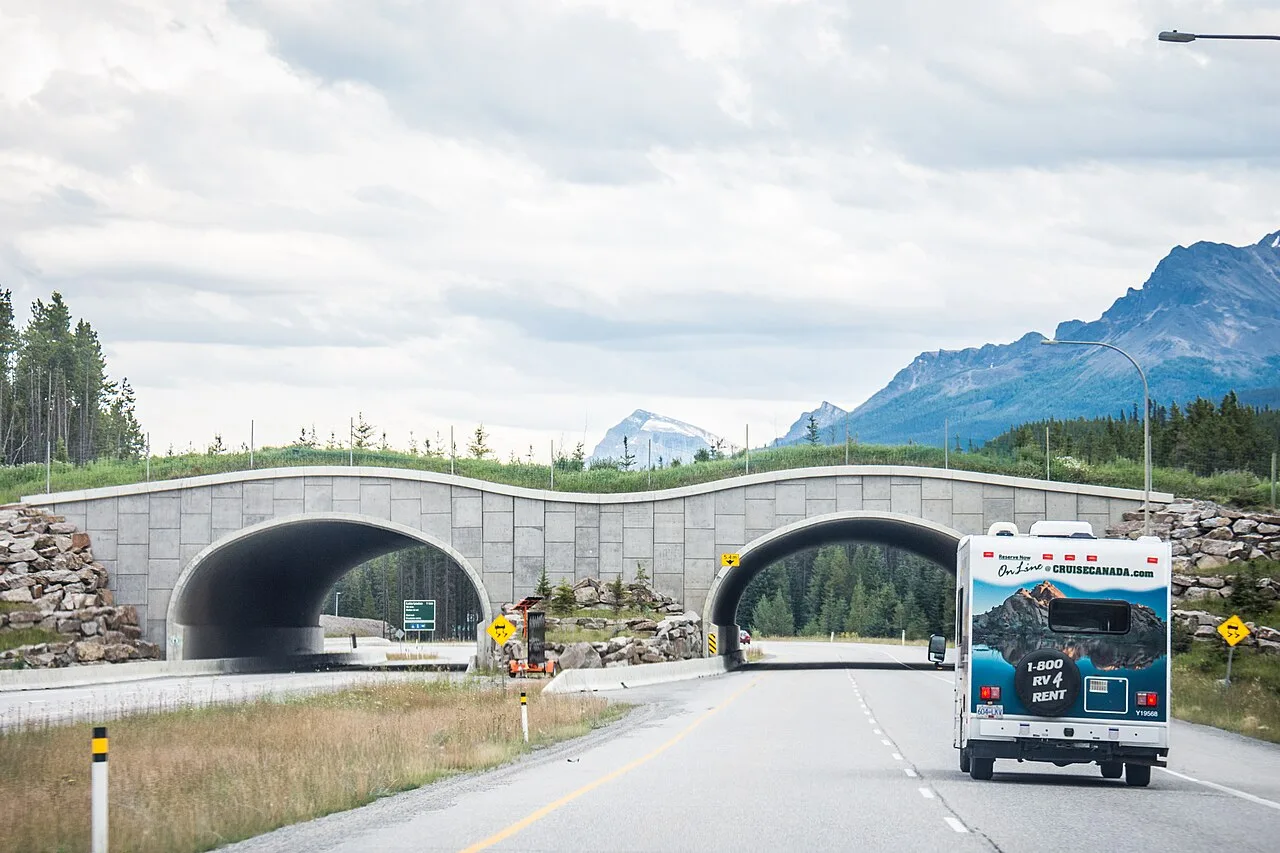
Wildlife on the road is normal, not rare. Elk and bighorn sheep stand on the verge, and stopping in a driving lane to photograph them is how collisions happen. And when the brief warns of no services, take it at face value: in winter the Icefields Parkway has no fuel, no food and no phone signal for its whole length, so fill up and download an offline map before you leave the last town.
Read also
- Park gates after the rental desk: Parks Canada Discovery Pass
- Pick the arrival city first: which Canadian airport
- Landing from London: London to Vancouver flights
- After pickup: driving in Canada - licence windows, distances and winter tires
- The drive these rules are written for: Canadian Rockies in 7 days
- The parkway with the winter-tire rule: Icefields Parkway
- Where the Kananaskis pass bites: Alberta travel guide
- Parking and passes at the mountains: where to stay in Banff
- The city most people rent from: things to do in Calgary
Read also

Car rental · 12 min read
Car Rental at Calgary Airport (YYC): Counters, Tires, Fees
Verified · October 22, 2026Renting a car at Calgary Airport (YYC): where the Rental Car Centre is, counter hours from 7 am, winter tire rules west of the city and return fees.

Car rental · 9 min read
Car Rental at Vancouver Airport (YVR): On-Site or Downtown
Verified · October 17, 2026Renting a car at Vancouver Airport (YVR): the eight on-site brands, off-airport shuttles, downtown branch hours and how the BC winter-tire rule works.

Car rental · 9 min read
Car Rental at Toronto Pearson (YYZ): Terminal 1 vs 3
Verified · September 3, 2026YYZ car rental: on-site counters in both garage Level 1s, Terminal Link to Viscount for off-airport fleets, and when to skip the car.

Car rental · 13 min read
One-Way Car Rental in Canada: The Calgary-Vancouver Drop Fee
Verified · August 22, 2026One-way Calgary to Vancouver: the one operator that actually publishes a drop fee, the Alberta-BC winter myth, and the BC tire rule the route crosses into.