
RV Rental in Canada: Costs, One-Way Routes & Tips
What an RV rental in Canada really costs: the C$7,500 deposit, kilometre packages, one-way fees that flip by direction, and the arrival-day trap.
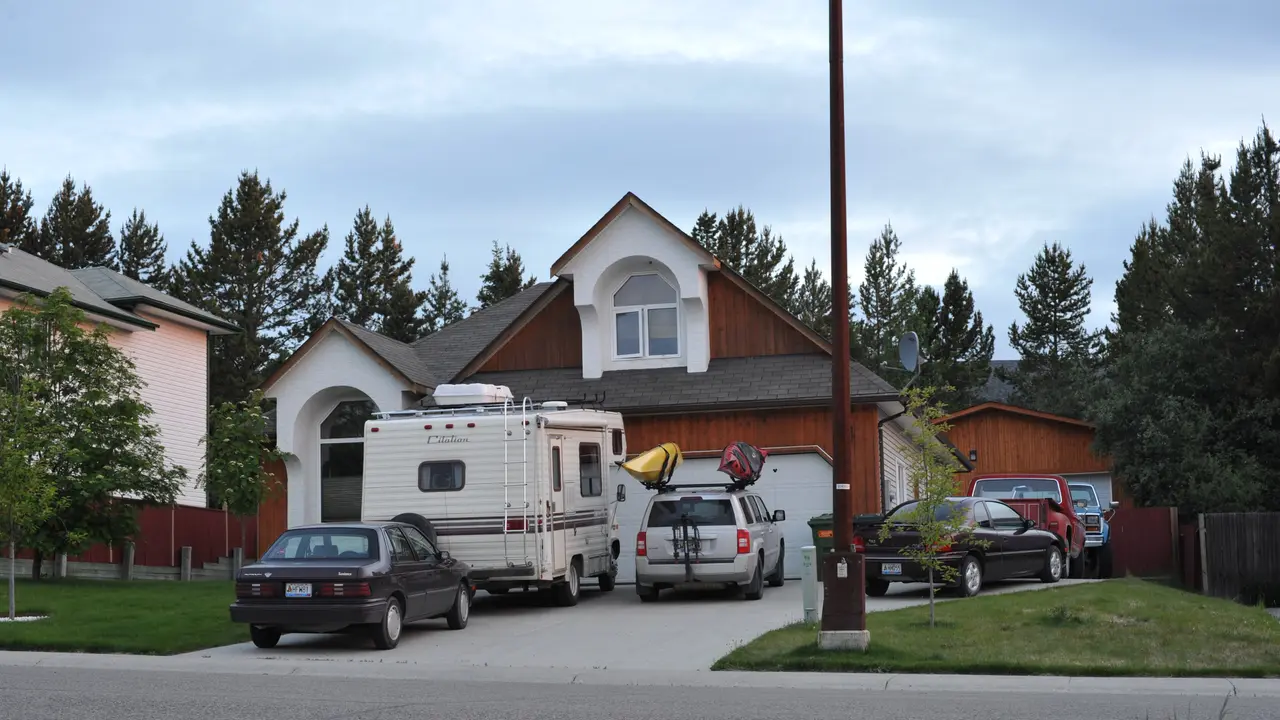
An RV in Canada isn’t a cheap hotel on wheels. Before you have driven a metre you will have authorised a C$7,500 hold on your credit card, paid a mandatory C$100 preparation fee, agreed to a five-night minimum and bought kilometres like phone data. Do it anyway if the Rockies or the Yukon are the point of the trip; skip it if you mostly want Vancouver and Victoria.
Canada’s big operators publish their terms in full, which most countries’ RV firms don’t, so you can price the trip to the dollar before booking. All figures below are Fraserway RV’s published 2026 terms, checked on 1 August 2026. CanaDream runs the same seven cities on a similar structure, but its price tables didn’t render for us, so we’ve not quoted it. Confirm current terms before you pay.
The deposit is the real barrier
More first-time RV plans die on this number than on any other, and it’s rarely on the booking page you land on.
The default security deposit is C$7,500 plus tax on a major credit card at departure, matching a collision deductible of C$7,500 per occurrence. That’s a hold, not a charge, but it has to fit inside your card limit alongside the rest of your vacation spending, and a lot of travel cards simply won’t take it.
Ask when it comes off, because the answer isn’t “when I hand the keys back”. The deposit is withheld until a complete accident report has been submitted, regardless of coverage and regardless of fault, and after an accident it stays put until the insurer decides liability. Fraserway also states that card holds expire on the issuer’s timetable, not its own. Budget for the money being unavailable past the end of your trip.
Two published add-ons move it:
| Nightly | Cap | Your deductible | Deposit at pick-up | |
|---|---|---|---|---|
| No add-on | - | - | C$7,500 | C$7,500 + tax |
| CDR | C$32 | C$960 | C$750 | C$750 + tax |
| CDR + CDW | +C$15 | +C$450 | C$0 | C$100 |
On a 14-night rental that’s C$448 plus C$210, so about C$658 to take a C$7,500 hold down to C$100 and your exposure to nothing. The caps matter on longer trips: at 30 nights you pay the C$960 and C$450 maximums and the per-night cost drops sharply.
One-way routes: the fee depends on which way you point
Pick the direction of your route deliberately and you’ll save more than any discount code ever gives you.
Fraserway publishes its one-way fees, and they are wildly asymmetric:
| Route | Fee |
|---|---|
| Vancouver → Calgary or Edmonton | C$650 |
| Calgary or Edmonton → Vancouver | C$1,200 |
| Calgary → Edmonton | C$400 |
| Edmonton → Calgary | No fee |
| Edmonton ↔ Whitehorse | C$1,500 |
| Halifax ↔ Toronto | C$1,200 |
| Montreal ↔ Halifax | C$1,200 |
| Montreal ↔ Toronto | C$1,200 |
The same stretch of Highway 1 between Vancouver and Calgary costs C$650 driving east and C$1,200 driving west. Edmonton to Calgary is free; Calgary to Edmonton is C$400 for the identical 300 km.
None of that is about distance. It’s fleet repositioning: the depot short of vehicles effectively pays you to bring one. Since Calgary and Vancouver both have long-haul flights, a Rockies trip usually works either way round - so fly into Vancouver, drive east, drop in Calgary and pocket C$550.
The eastern one-ways carry a clause that rarely comes up at the counter. Fraserway forbids leaving the vehicle unattended in Montreal, Quebec City, Ottawa or New York City because of theft risk, and breaking that rule voids the CDR and CDW agreements, leaving you liable for the whole vehicle. Awkward, on a route whose point is stopping in Montreal and Quebec City. Plan those legs around campgrounds and supervised lots, not street parking outside a restaurant.
The same logic explains relocation specials. CanaDream says it needs vehicles moved between its seven locations and offers “heavily discounted” one-ways when it does. The conditions are real - full payment up front, no refund if you cancel, “very limited” availability - so it suits flexible travellers, not fixed annual leave. If your dates can move by a week, check that page first.
Kilometres: buy them, don’t guess
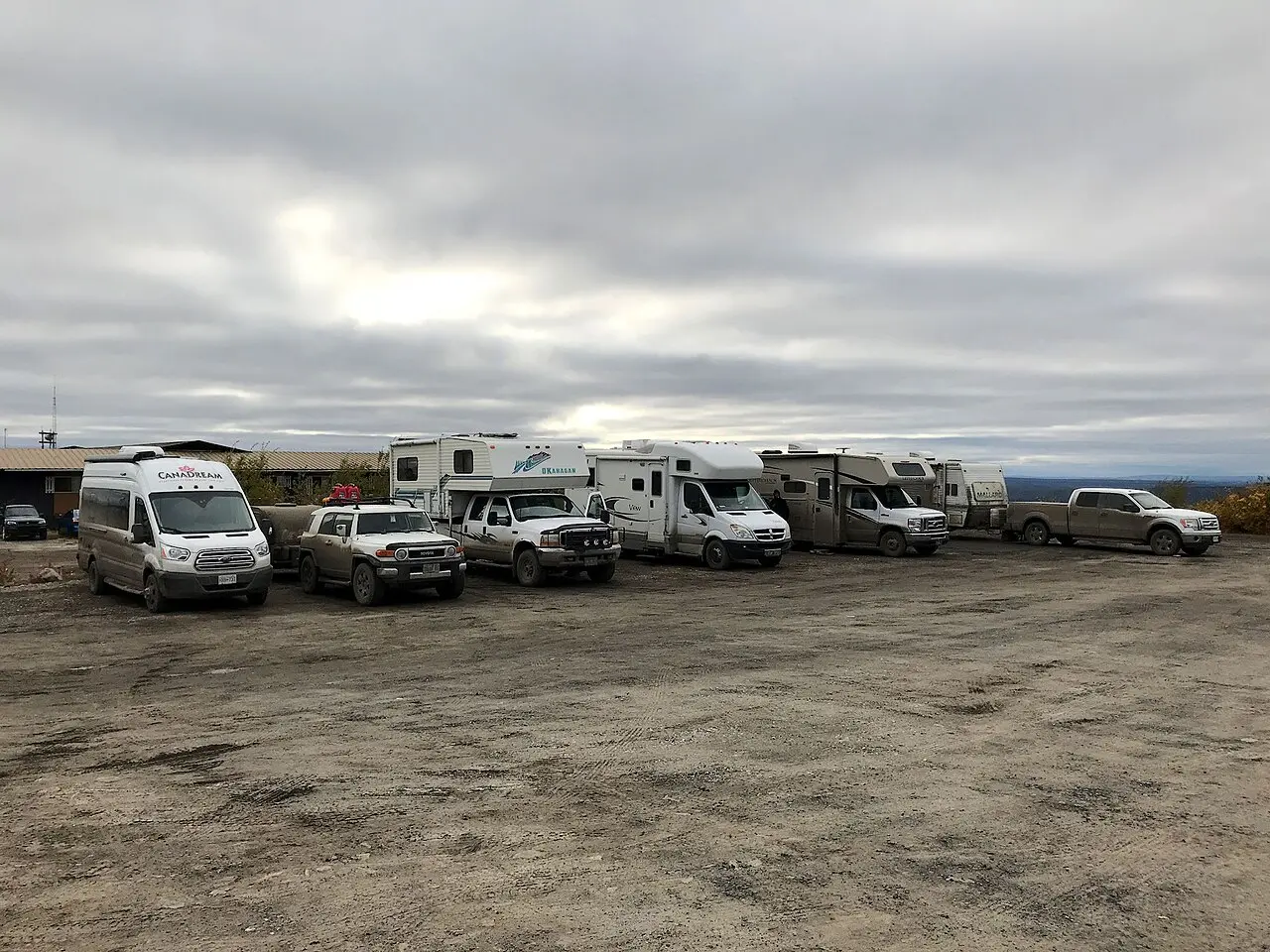
Canadian RVs don’t come with unlimited mileage as standard. You pre-buy kilometre packages, and anything beyond them is charged after the fact.
- 100 km: C$43 (2026) / C$45 (2027)
- 500 km: C$210 / C$219
- 1,000 km: C$399 / C$411
- Excess beyond what you bought: C$0.45 per km plus tax
- Unlimited: C$99 per night, on top of the nightly rental rate, with a 14-night floor - under 14 nights you still pay the C$1,386 minimum
Unused kilometres are non-refundable, but the excess rate of C$0.45 is barely above the C$0.40 inside a 1,000 km package, so overshooting isn’t the disaster it looks. Under-buying on purpose and paying the excess costs about 12% more per kilometre and nothing in stranded prepayment.
The unlimited package is where people lose money, and the 14-night floor is why: a seven-night rental pays the same C$1,386 as a full two weeks, which at package rates would have bought roughly 3,400 to 3,500 km. So ask one question: will you drive 3,500 km?
- Vancouver, Rockies and back over two weeks: typically 2,000-2,500 km. Packages win comfortably, as they do on any one-way Rockies run.
- Toronto to Halifax and back, or anything crossing the Prairies: over. Unlimited starts to make sense.
- Anything with the Yukon in it: unlimited, without thinking about it - but check your vehicle type is even allowed up there (see below).
The rule that catches long-haul flyers
Reading this in London, Sydney, Frankfurt or Singapore? This paragraph changes your itinerary.
Fraserway will not release a vehicle on your arrival day if your total flight time, connections included, exceeds six hours: “It is required that you stay at a hotel for the first night.” Pick-up runs 08:30 to 15:00 anyway, so even a morning arrival from the eastern US is tight once you’ve cleared customs and reached a depot that sits in a suburb, not at the terminal.
Budget the hotel night, and budget it near the depot rather than downtown. On the way back, note the return window: 08:30 to 11:30, inspection ready. A late-morning return and an afternoon flight is doable. An early flight isn’t, which means a second hotel night at the end for most transatlantic itineraries.
What else lands on the bill
- Preparation fee C$100, mandatory, per reservation. Hoses, levelling blocks, a full propane tank, toilet chemicals, a power cord and two rolls of biodegradable toilet paper.
- Convenience kit C$100 per person, not per vehicle - bedding, towels, kitchen gear, tools. Two adults C$200, four C$400; children 12 and under free once every adult has paid. The kitchen kit alone is C$80 and that one is per rental, so a couple bringing their own bedding pay C$80 rather than C$200. Without one or the other there’s no crockery on board.
- Child seats C$80 each, boosters C$30, per rental.
- Tax varies by pick-up depot: 5% in Calgary, Edmonton and Whitehorse, 12% in Vancouver, 13% in Toronto, 14% in Halifax, 14.975% in Montreal. On a C$5,000 rental that is a C$500 spread for identical driving.
- Booking deposit C$750 plus tax to confirm, balance due 30 days before departure. No cash.
- Cancellation is stiff: C$100 once confirmed, C$500 from 15-30 days out, 50% of the nightly rate inside 14 days. Moving dates into the next calendar year counts as a cancellation.
Rules that surprise people
Your licence must be a physical card. Digital and mobile licences are refused at pick-up - a real risk for drivers from US and Australian states that have gone app-first. Minimum age 21, no upper limit. A licence not in the Latin alphabet needs an International Driving Permit alongside it, and an IDP is never valid on its own.
No towing, for insurance reasons - no boat, no second car.
The restricted-road list isn’t a ban, and that makes it more dangerous, not less. Read clause 22 of the rental agreement carefully, because it does not say you’ll pay a bigger deductible. It says: “Driving in any restricted area will void all insurance- and CDR/CDW coverage, and the renter will be fully responsible for all costs including repair, recovery and towing.”
There’s no ceiling on that. It isn’t C$7,500 and it isn’t the deposit you paid. Roll a motorhome on the Canol Road and you owe the value of the motorhome plus whatever it costs to drag it off a Yukon gravel road, and the cover you bought at C$32 a night stops existing the moment you turn onto it. This is the single most expensive mistake available on an RV trip.
The named roads: in the Yukon, the Canol Road north of Ross River, the Aishihik Lake Road and the Nahanni Range Road, all “not covered by CDR/CDW”. In BC, Highway 20 between Anahim Lake and Bella Coola is closed to the largest motorhomes and the Dease Lake to Telegraph Creek road is truck-campers-only. The promise of a replacement vehicle also lapses on any of them. Fraserway can add roads without notice, so check the current list rather than this article before a northern trip.
The Dempster isn’t on that list. The northern guidelines put you at a maximum of 60 km/h on it and suggest four-wheel drive - but read that carefully, because the 4x4 instructions sit under a heading reading “For Truck Campers only”, and a Class C motorhome has no four-wheel drive to engage. Absolute rule: no off-road, no forestry or logging roads, ever.
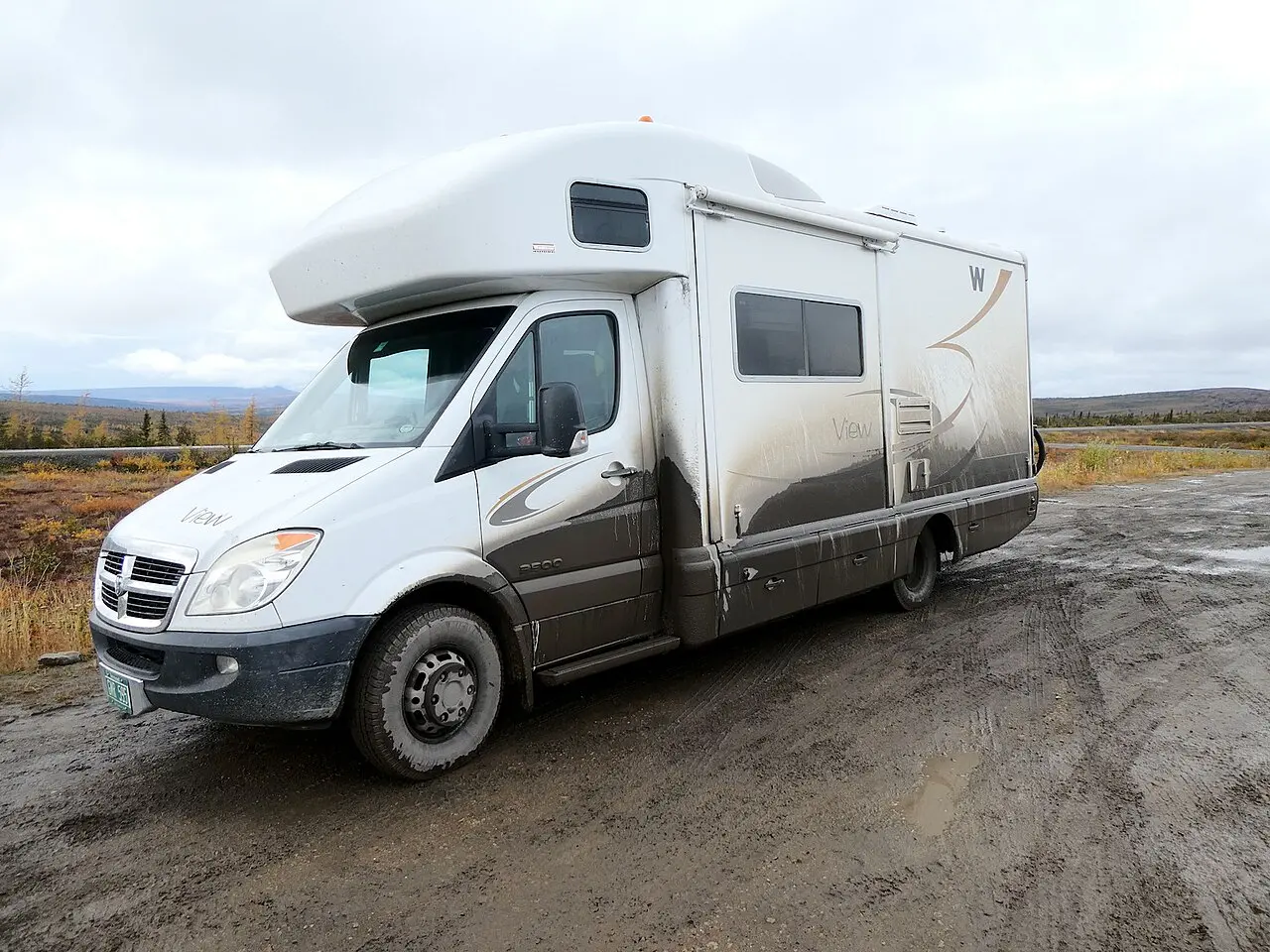
Some vehicles are barred from the north entirely. Van Conversions and B+ Premium models “may not be driven to the Yukon, the Northwest Territories, or the provinces of Newfoundland and Labrador”. Separately, Fraserway isn’t obliged to deliver a replacement vehicle to the Yukon, NWT, Nunavut, Newfoundland, Labrador or Alaska for a Van Conversion, a C-Large motorhome or anything over 26 feet. The neat campervan that looks perfect for a Yukon trip is the one model you can’t take there; the big motorhome you can take is the one nobody will come and rescue.
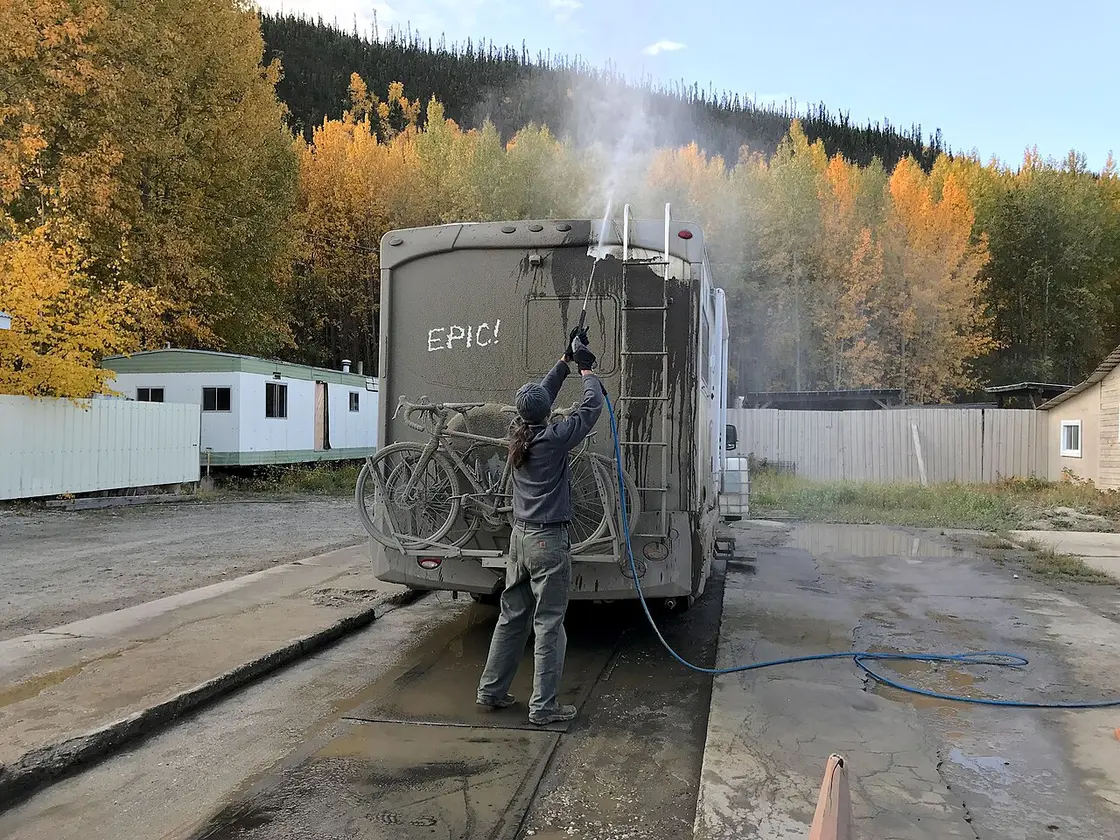
Winter rentals are a different product. From 1 October to 30 April vehicles may be winterized on the forecast, and a winterized RV has no fresh water on board - you depend on campgrounds with hookups and washrooms open year-round. Fraserway also states its vehicles come without winter tires or chains, only M+S tires on Class C motorhomes. Parks Canada requires snow tires or chains on the Icefields Parkway from 1 November to 1 April, so that pairing needs a conversation with the depot, not an assumption.
Book the campsite before the RV
The vehicle is the easy part. Parks Canada sites in Banff and Jasper sell out within minutes of the reservation window opening, months before your trip; the date is published each winter, so set a reminder and be online for it. Private and municipal campgrounds fill later and are the realistic fallback. Our camping in Canada guide covers the booking windows park by park.
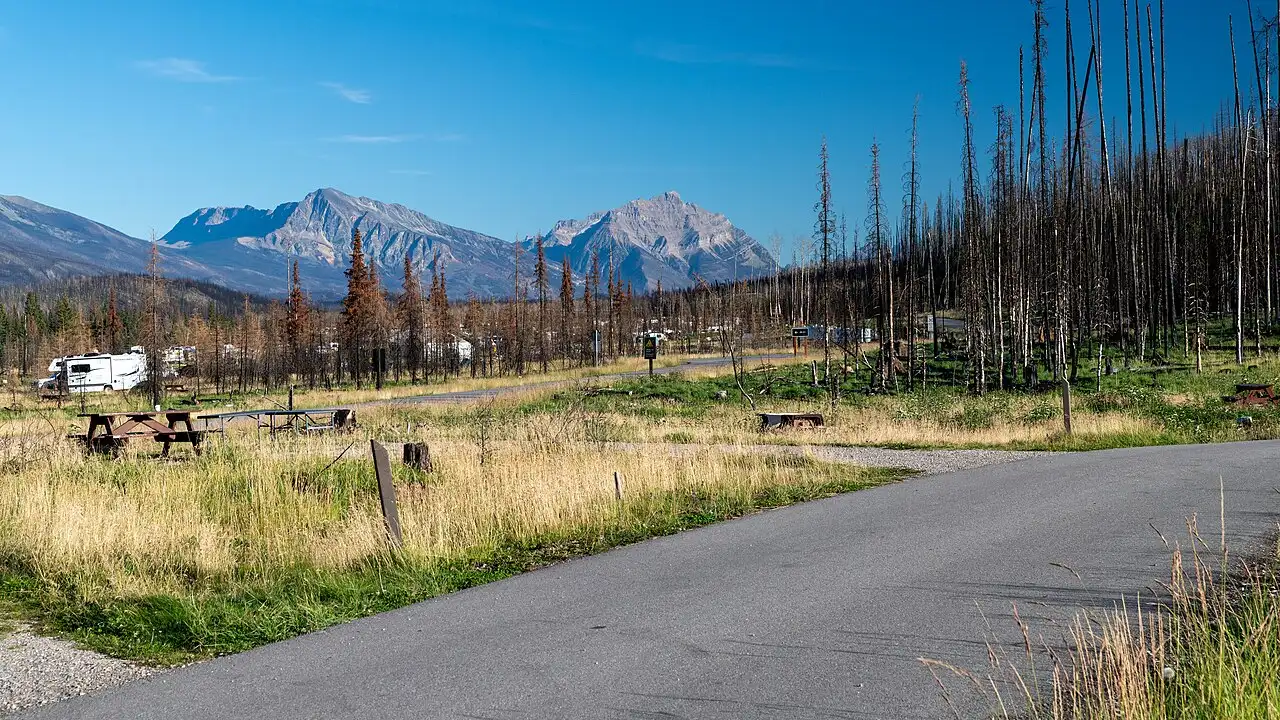
Jasper needs a specific warning: frontcountry campgrounds are back to about 77% of pre-wildfire capacity after the 2024 fire, with backcountry fully restored. Fewer serviced sites against the same demand doesn’t reward spontaneity. An RV that can’t get a serviced site is just an expensive van, so book the nights you care about first and the vehicle around them.
Is it actually worth it?
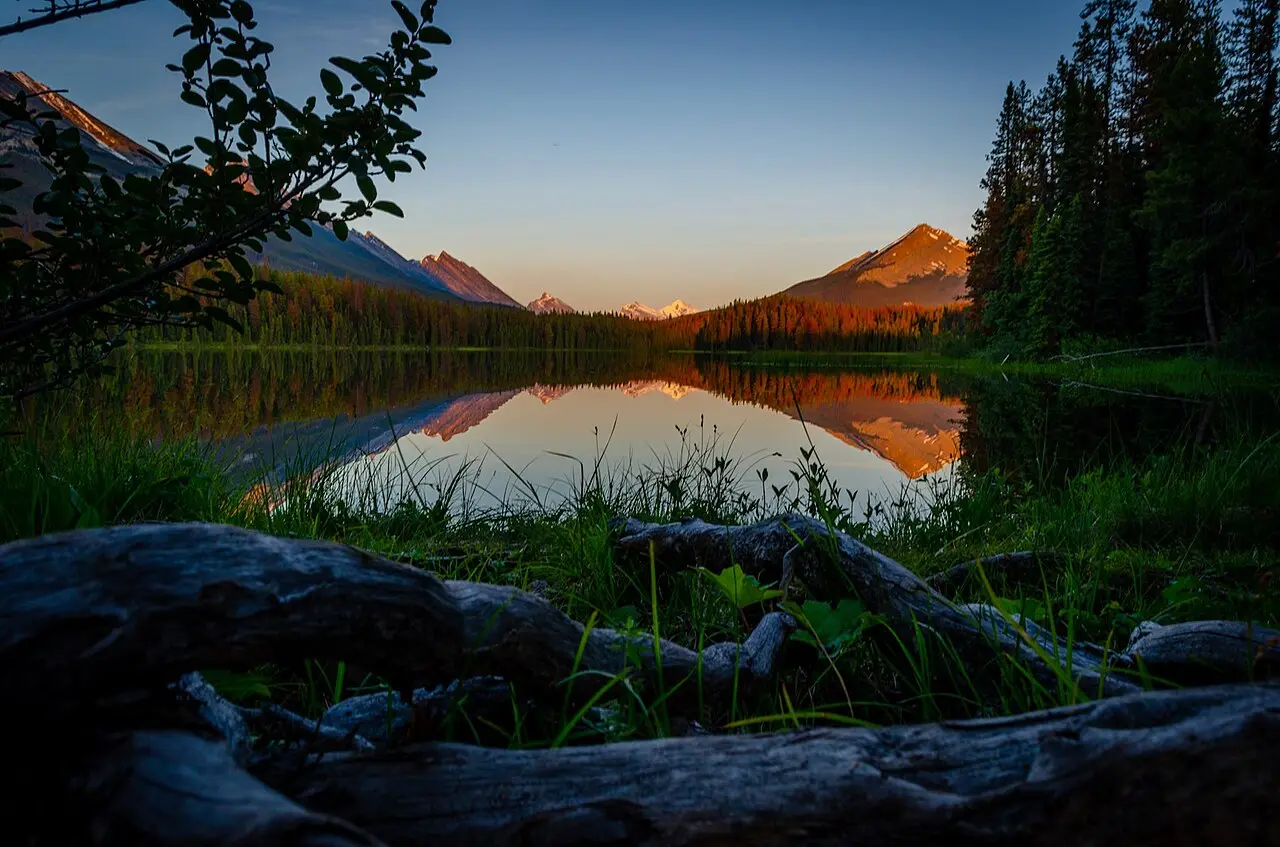
Add up the fixed costs before you look at a nightly rate. Two weeks from Vancouver with CDR, a 1,000 km package, the prep fee and two convenience kits already reaches the low four figures, with the nightly rate on top. Against that you save on hotels and restaurants, and you wake up at Honeymoon Lake instead of driving to it.
An RV earns its keep when the trip is properly mobile: the Rockies loop, the Cabot Trail, Newfoundland, the Yukon. It doesn’t for city-hopping, for trips under a week (the five-night minimum and the fixed fees dominate), or for anyone unhappy about reversing a seven-metre vehicle into a treed site at dusk.
Two of those come with a vehicle catch. Newfoundland and the Yukon are where the fleet is most restricted - no Van Conversions or B+ Premium models at all, no obligation to rescue anything over 26 feet, and a “not recommended” flag on Newfoundland above 27 feet. If the north is the trip, have that conversation with the depot before you pay a deposit. Our Yukon guide covers what the driving up there’s like.
If none of that appeals, the math usually favours a car and hotels - our guide to renting a car in Canada has the licence rules, winter tire law and drop fees, and the Canada trip cost breakdown puts both options side by side. If a one-way Calgary-to-Vancouver run is the plan either way, our one-way car rental guide breaks down why the fee runs higher in one direction than the other, the same asymmetry Fraserway prices openly above.
Admission and opening hours
- Admission price
- Fraserway RV published add-ons 2026: security deposit C$7,500 + tax at departure, reduced to C$750 with CDR at C$32 per night (max C$960) and to C$100 with CDW at C$15 per night (max C$450). Kilometre packages C$43 per 100 km, C$210 per 500 km, C$399 per 1,000 km; excess C$0.45 per km + tax; unlimited C$99 per night, minimum C$1,386. Mandatory preparation fee C$100 per reservation; convenience kit C$100 per person; kitchen kit C$80 per rental. Booking deposit C$750 + tax.
- Opening hours
- Pick-up 08:30-15:00, return 08:30-11:30 inspection ready. Minimum rental five nights, minimum booking notice five business days.
Nightly rental rates are dynamic and are not quoted here. All figures from operator pages checked 1 August 2026 - confirm current terms with the operator before booking.
Details checked: August 1, 2026
Read also

Car rental · 9 min read
Car Rental at Toronto Pearson (YYZ): Terminal 1 vs 3
Verified · September 3, 2026YYZ car rental: on-site counters in both garage Level 1s, Terminal Link to Viscount for off-airport fleets, and when to skip the car.

Car rental · 12 min read
One-Way Car Rental in Canada: The Calgary-Vancouver Drop Fee
Verified · August 22, 2026One-way Calgary to Vancouver: the one operator that actually publishes a drop fee, the Alberta-BC winter myth, and the BC tire rule the route crosses into.

Car rental · 11 min read
Renting a Car in Canada: What Foreign Drivers Need to Know
Updated · September 2, 2026Renting a car in Canada as a visitor: three winter-tire rulebooks, one-way drop fees, age and licence rules, and the park passes nobody warns you about.

What to see · 13 min read
Skylon Tower: Tickets, Observation Deck and Dining
Verified · October 3, 2026Skylon Tower from C$18 per adult online before tax (October 2026): deck or dinner, day or night, and when eating upstairs beats buying the ride.