Niagara Falls (Canada Side): Complete Guide
The Canadian side of Niagara Falls with 2026 prices: which side wins, the free viewpoints, what the attractions cost, and whether the pass is worth it.
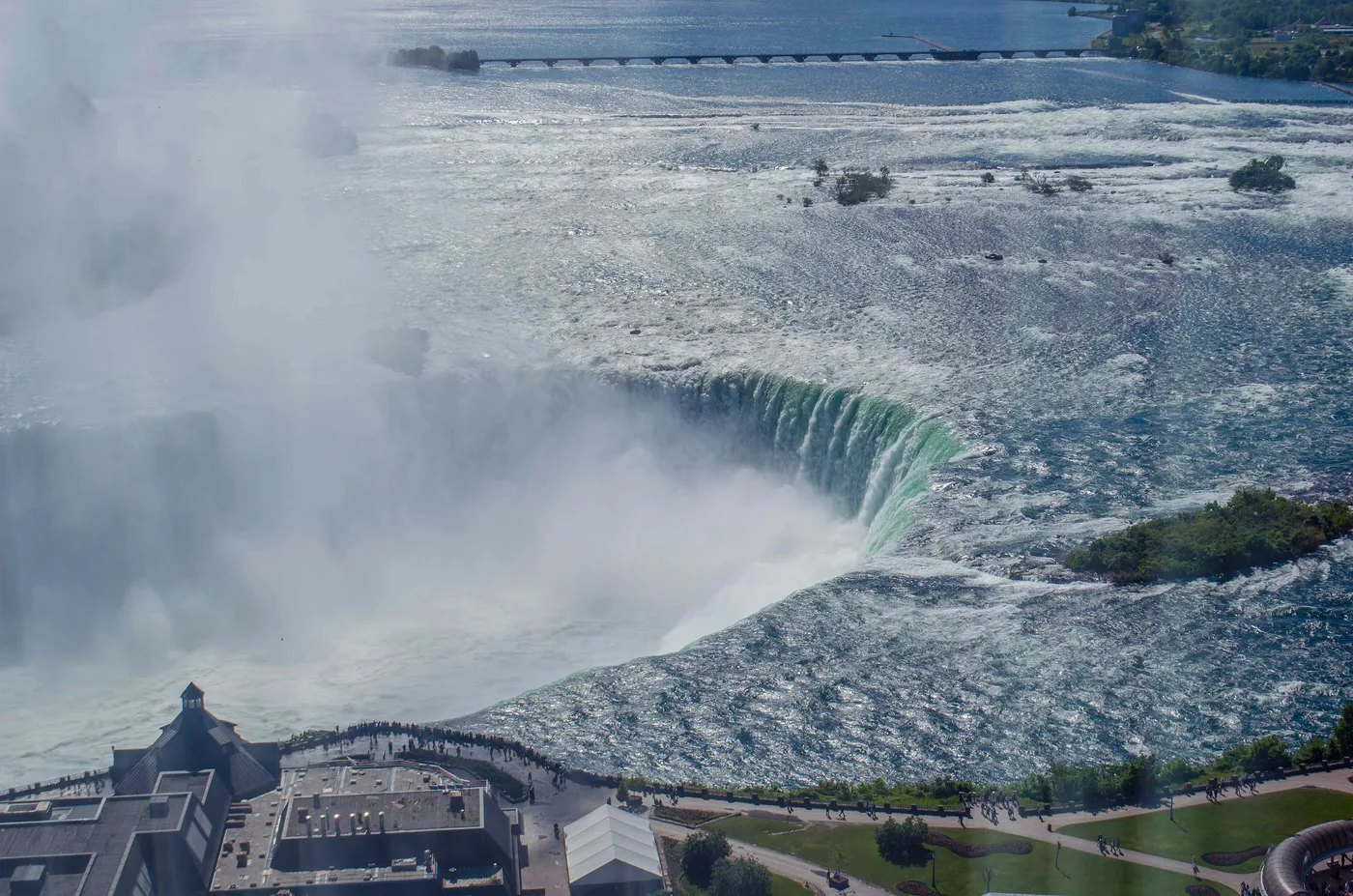
The single best thing at Niagara Falls costs nothing: standing at Table Rock, right on the lip of the Horseshoe, close enough to be soaked by the spray. Everything else - the boat, the tunnels, the tower, the pass - is an add-on to that free view, and the job of this guide is to tell you which add-ons are worth the money. Every Niagara Parks price below was checked on 24 July 2026 and, in their own words, excludes the 13% tax.
Many Ontario loops pair Niagara with Bruce Peninsula.
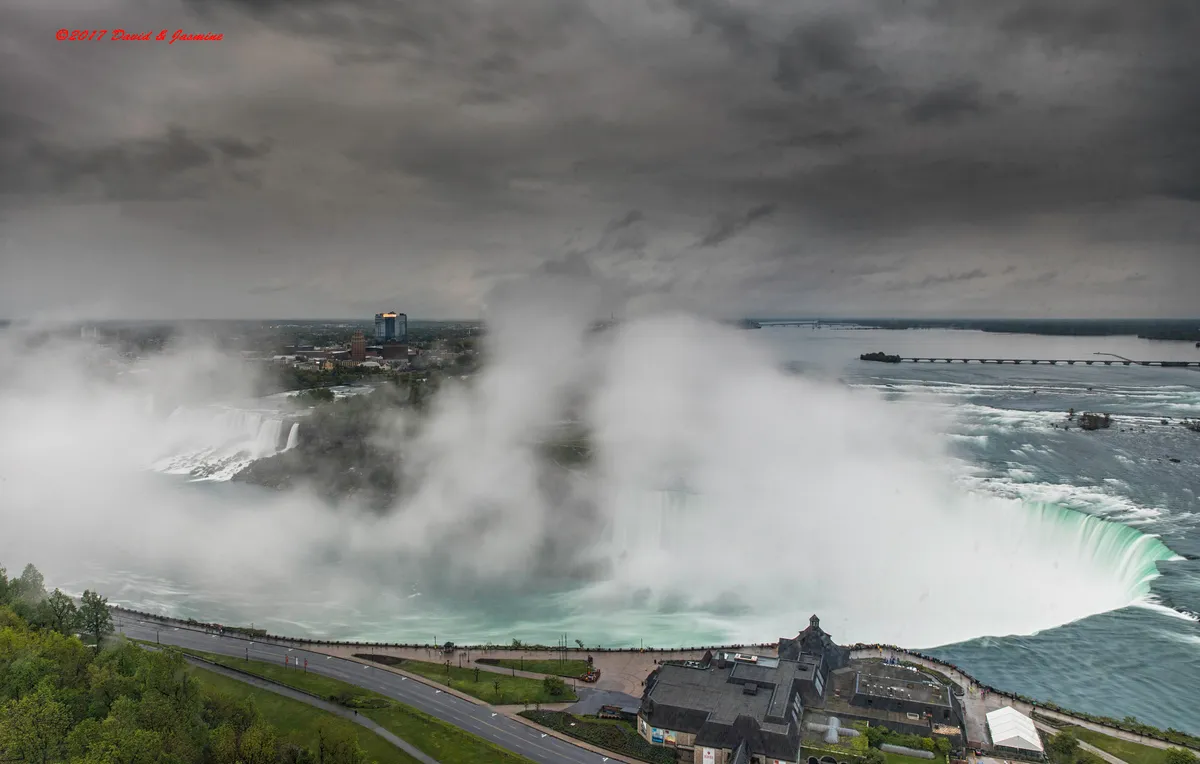
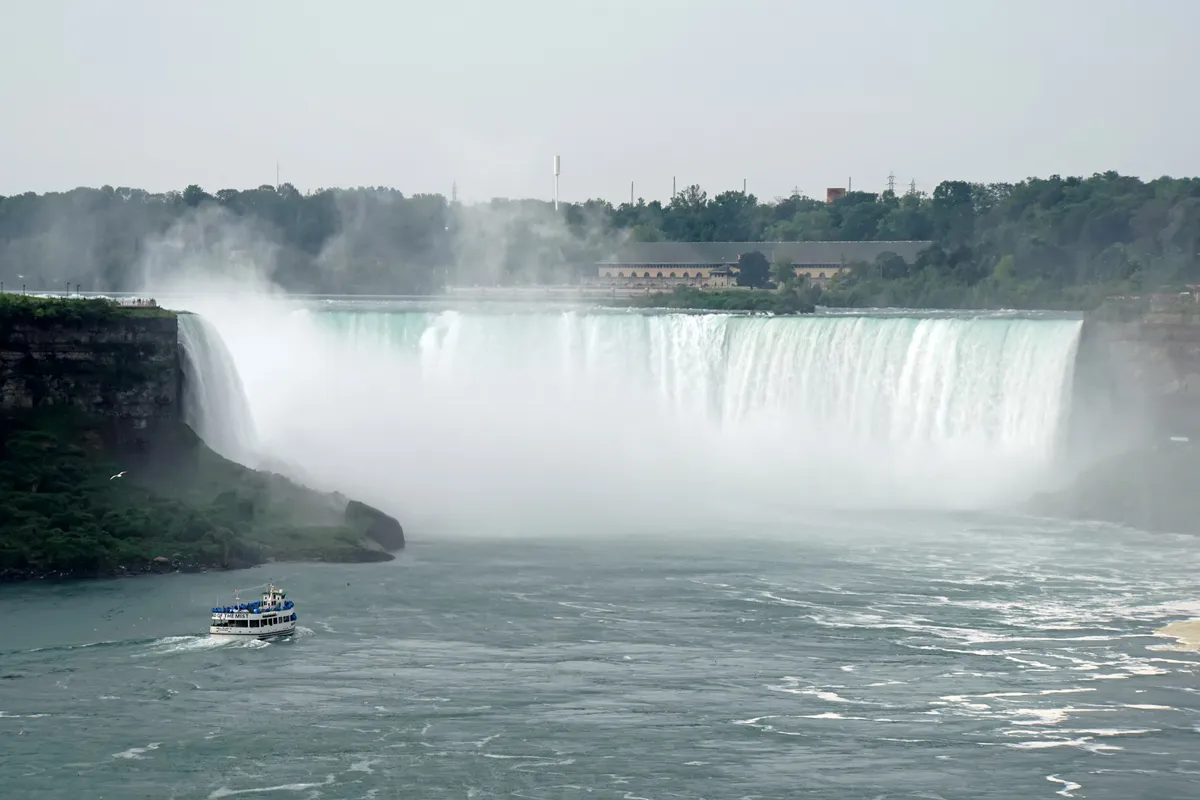
The question people actually ask is which side is better, Canadian or American, and the answer is not just marketing. The Horseshoe Falls curves toward the Ontario shore, so the Canadian side gives you the wide, straight-on view of all three falls at once. The American side puts you closer to the water but looks at the Horseshoe side-on. If you are only doing one, and you’re reading a guide about Canada, the Canadian side is the better single choice for the view.
Canadian side or American side, honestly
Break it down and the trade is clear. The Canadian side wins on the panorama and on infrastructure: the falls face you, and behind them sits a full tourist town of hotels with views, a transit system, and one ticketing system across the attractions. The American side wins on getting close to the water - its Prospect Point and Cave of the Winds put you nearer the flow - and on the cost of entering the park itself, which is a state park rather than a strip of paid rides.
The catch is the border. Crossing between the two sides on the Rainbow Bridge is an international crossing with full documents each way, so switching sides in one day means budgeting time and paperwork for it. The rules and fees change and are a matter for official sources, so check the trip-planning guides before you count on walking across for lunch.
The falls themselves: where to stand
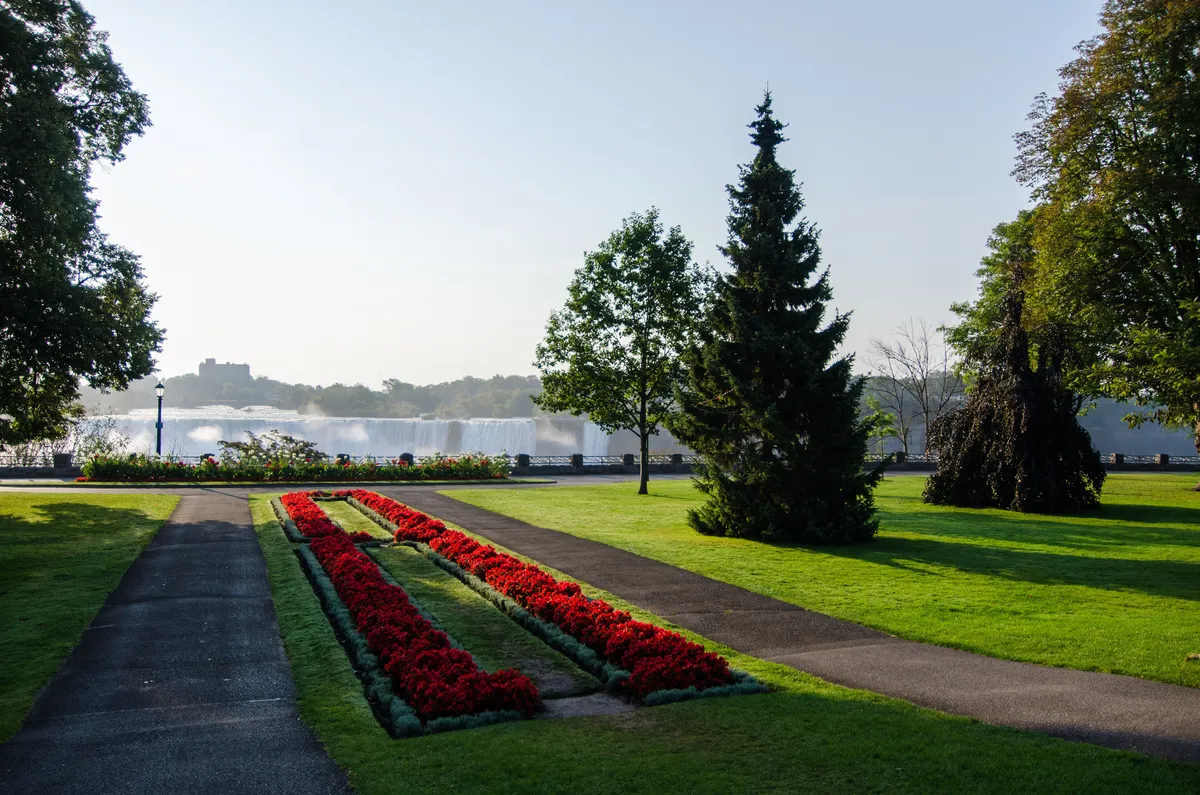
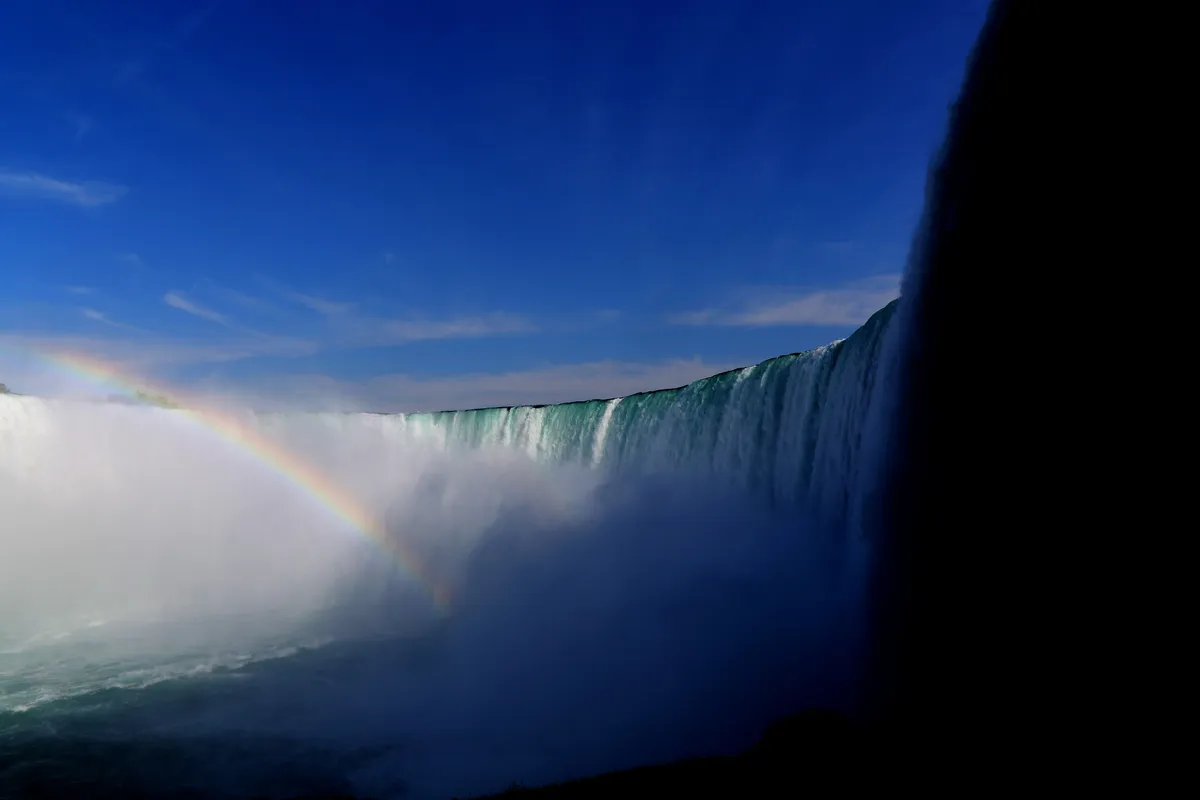
You don’t need a ticket to see the falls well. Table Rock is the balcony right beside the Horseshoe, and Queen Victoria Park runs along the gorge with lawns and paths and the classic wide view. Both are free, both are floodlit at night, and both are where the fireworks are watched from. Start here before you spend anything.
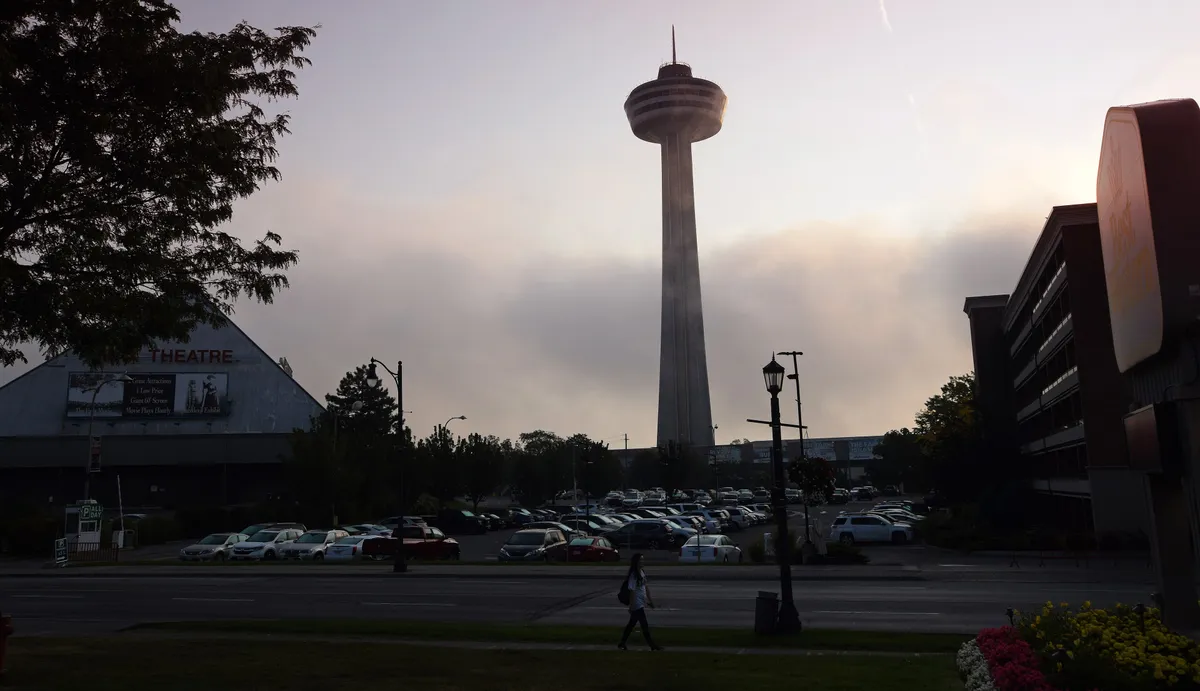
For height, the Skylon Tower stands 775 feet above the falls, its yellow exterior elevator climbing in 52 seconds. It’s the aerial view; whether it is worth the ticket depends on how much the top-down angle matters to you, given the free views are already excellent.
The paid attractions, and what they cost
Two attractions are the ones worth planning around, and they do different things. Journey Behind the Falls takes you 125 feet down through 130-year-old tunnels to portals directly behind the sheet of water and a deck at its foot. It runs year-round and costs C$33 for an adult, C$21.50 for a child 3-12, before tax.
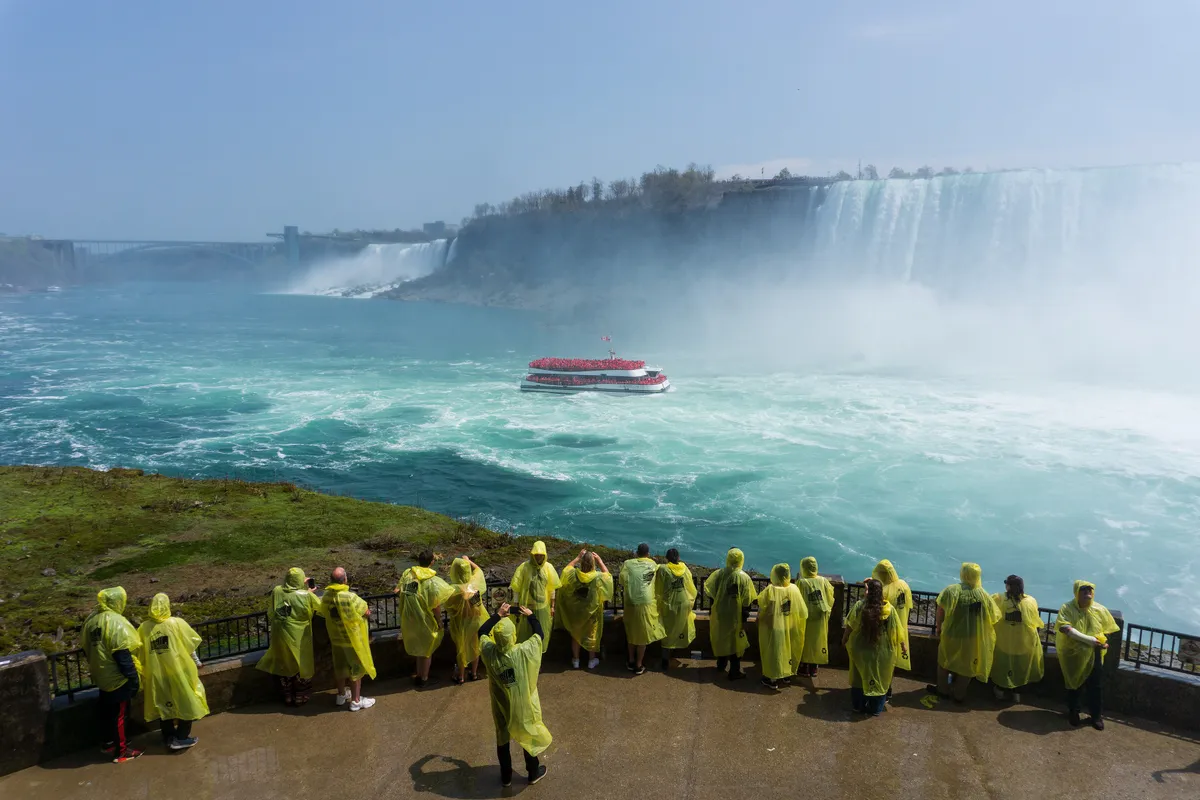
The other is the boat. Niagara City Cruises (the operator formerly called Hornblower) runs from May to November - the 2026 season opened on 1 May after an icy winter pushed the usual spring start later - and costs C$47.95 for an adult, C$32.95 for a child, poncho included. It sails to the American and Bridal Veil falls and then into the churning cloud of spray at the foot of the Horseshoe. It’s loud, wet and the single most memorable thing on the Canadian side. Timed tickets, boarding, mist kit and the American Maid of the Mist comparison are in our Niagara Falls boat tour guide.
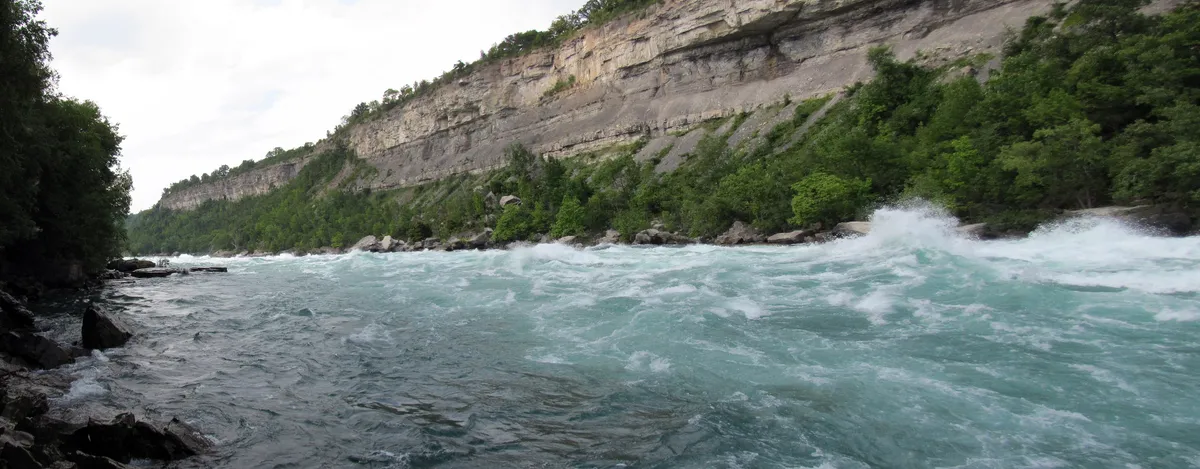
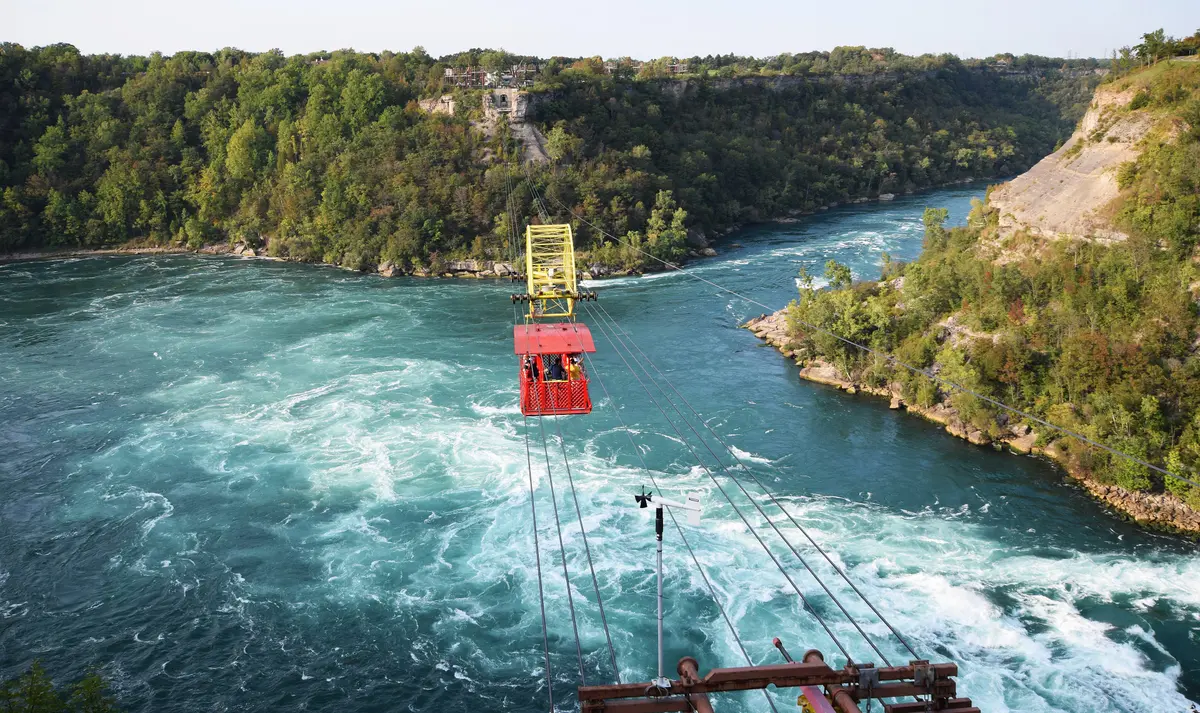
Further up the gorge, the smaller attractions - the White Water Walk boardwalk beside the rapids, the antique Whirlpool Aero Car cable car over the whirlpool, and the Butterfly Conservatory - are pleasant but not essential, and their individual prices are not published on the Niagara Parks page, so treat them as pass extras rather than must-buys.
Is the Niagara Falls Pass worth it?
Niagara Parks sells three day passes for the season, which in 2026 covers 20 April to 1 November: Classic C$89, Plus C$109, Premium C$129. They bundle attractions with free Park and Ride parking at Rapidsview and at least two days of WEGO transit, and Niagara Parks advertises savings of up to 52% on the Premium. Outside that window the day passes aren’t valid, and each season’s dates and prices go up on niagaraparks.com, so check there before you build a late-autumn or winter visit around a pass.
Here’s the trap to avoid. The cheapest pass, the Classic C$89, doesn’t include the boat cruise - and the cruise is the thing most people come for. Do the arithmetic yourself: Journey Behind the Falls (C$33) plus the cruise (C$47.95) is C$80.95 before tax for just those two, so a pass only pays off if you’ll genuinely use three or four attractions plus the parking and transit. For one big day of the two headline experiences, buying them separately is often the cleaner choice. The full single-ticket math, tier-by-tier, is in our Niagara Falls Pass guide.
Getting around: WEGO and the parking
The town is strung along the gorge, and the WEGO bus is how you cover it: C$16 for 24 hours (adult, 13 and over), C$20 for 48, with children aged 3 to 12 paying C$12 and C$16 and children aged 2 and under free, all tax included (as of 19 October 2026; fares can change, so check before you go). The Blue Line links the falls attractions and the Orange Line shuttles up to Niagara-on-the-Lake, both meeting at Table Rock. One note that catches people using older guides: the old Red Line is no longer WEGO - since September 2024 it has been a regular Niagara Region Transit route (116/216).
Fireworks and the illuminated falls
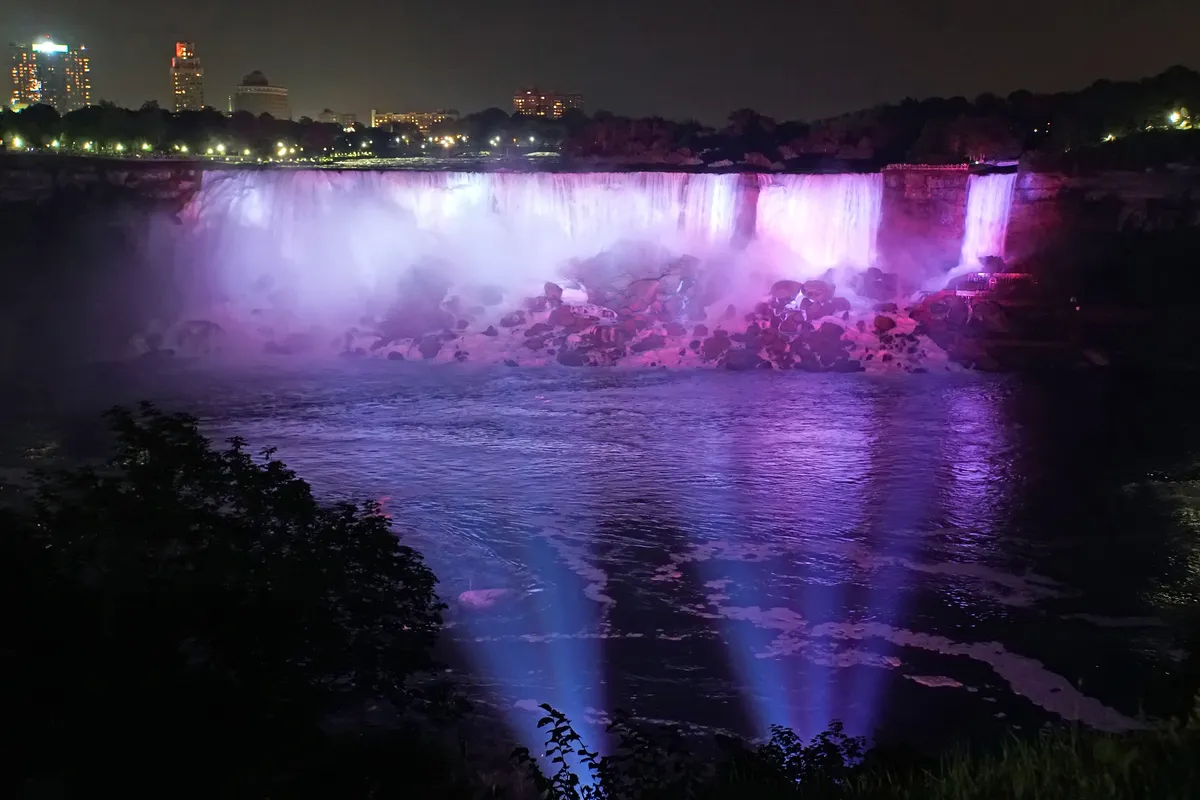
The falls are floodlit in colour every evening, year-round, and the timing shifts with the season. On top of that, a summer fireworks series runs nightly at 10 pm for five minutes through the warm months; the 2026 run covered 15 May to 12 October 2026, and after that the winter series takes over, Friday and Saturday evenings at 8 pm from November into December, with longer shows on New Year’s Eve. It’s all free to watch from Queen Victoria Park, Table Rock or the promenade - you only pay if you want to see it from a tower or a boat.
Clifton Hill: what it is and whether you need it
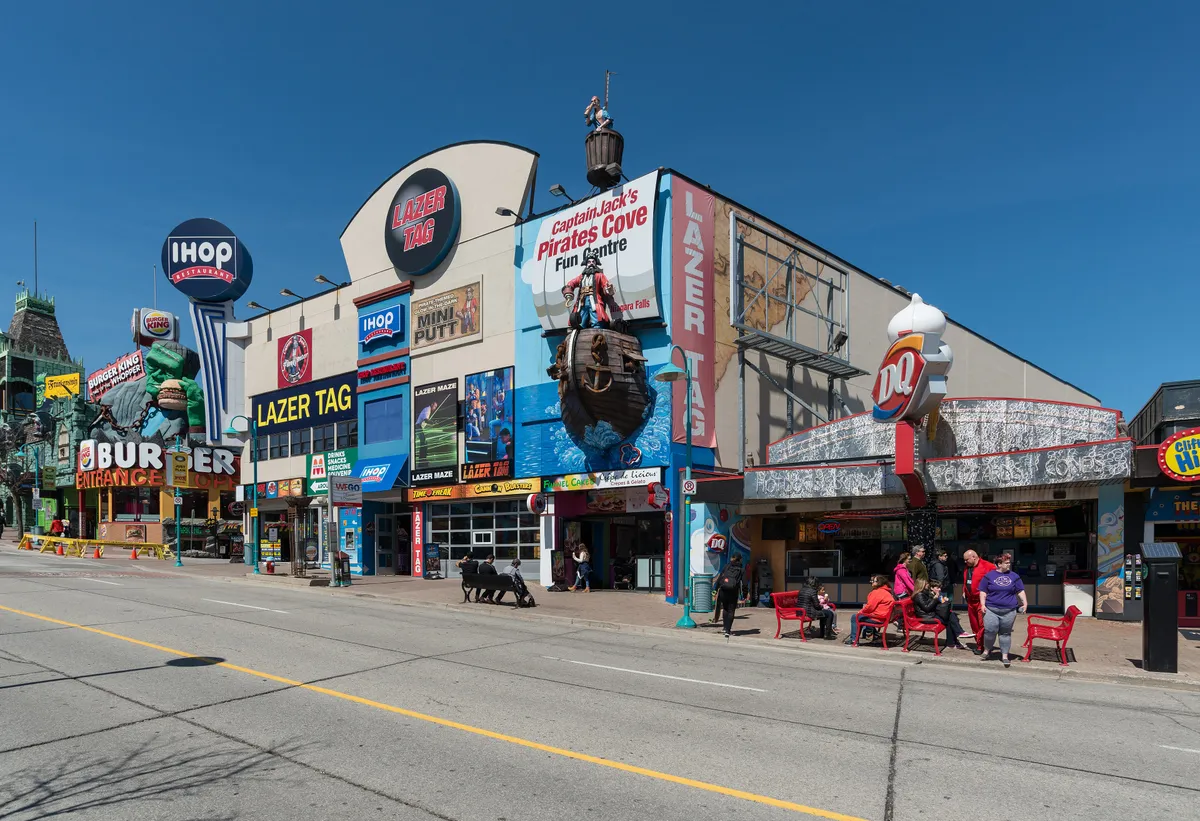
Uphill from the falls, Clifton Hill is a strip of wax museums, arcades, a Ferris wheel and fudge shops - loud, neon and frankly a tourist trap, which isn’t the same as saying skip it. With children it’s a fun hour; without them, one walk up and down is plenty. Clifton Hill’s own site priced its Ferris wheel, the Niagara SkyWheel, at C$15 per adult plus HST on 3 October 2026, and a six-attraction Fun Pass at C$34.95 plus tax; beyond those, go in knowing you’ll pay per ride and per attraction.
Getting there from Toronto
Niagara is the classic day trip from Toronto, about an hour and a half by road, though that can double on a summer weekend. GO Transit runs trains and buses year-round, seven days a week, with under-12s free and combined GO+WEGO tickets that also cover the local shuttle, which spares you the traffic and the C$30-ish parking. By air, Toronto Pearson is 127 km away, Hamilton is under an hour, and Buffalo is about 45 minutes but on the US side of the border. If you’re choosing between GO, VIA, a coach, driving and a guided tour, we compare every option with times and parking costs in Toronto to Niagara Falls: day trip options.
Beyond the falls
Most day-trippers never leave the cataract, which is a shame. Upstream, the Niagara Parkway runs along the river past the Niagara Glen, where trails drop into the gorge, all the way to Niagara-on-the-Lake, a preserved 19th-century town that’s also the heart of Ontario wine country. If you have a second day, this quiet stretch is a better use of it than a second lap of Clifton Hill.
When to visit
Late spring to early autumn is the full experience: the cruise runs, the fireworks are nightly, and the falls are at their loudest. Summer weekends are the most crowded, so a weekday is worth it. Winter turns the spray to ice sculpture around the gorge and the falls are still lit, but the boat is closed and the town is quiet. September is the pick of the year, with the cruise still running and the crowds thinning.
What a day at Niagara costs
The math is friendly here. The falls and the fireworks are free, WEGO for the day is C$16, and the two headline attractions come to about C$81 before tax if you do both. A frugal visit - the free viewpoints, the fireworks, and one paid experience - runs roughly C$50 a person; a full day of the boat, the tunnels and the transit lands nearer C$100. Add the tax, and skip the pass unless you’ll really use it.
Read also
- Where to sleep: Fallsview, Clifton Hill or town
- Where most Niagara day trips start: things to do in Toronto
- The province around it: Ontario travel guide
- The eastern capital: things to do in Ottawa
- Trip planning and border basics: the planning hub
On the map
The map loads on click - to keep the page lightweight.
The map didn’t load. Check your connection and refresh the page.
Admission and opening hours
- Admission price
- Seeing the falls from Table Rock and Queen Victoria Park is free. Paid Niagara Parks attractions checked 24 July 2026, before 13% HST: Journey Behind the Falls C$33 adult, Niagara City Cruises C$47.95 adult (May-November 2026). Day passes C$89 / C$109 / C$129. WEGO transit C$16 for 24 hours. Checked 3 October 2026: Skylon Tower deck C$18 per adult (13+) bought online on skylon.com, taxes added at checkout; Niagara SkyWheel on Clifton Hill C$15 per adult plus HST.
- Opening hours
- Journey Behind the Falls year-round; Niagara City Cruises May to November 2026 (season opened 1 May after an icy winter delayed the usual spring start). Summer fireworks nightly at 10 pm, 15 May - 12 October 2026; then the winter series, Friday and Saturday evenings at 8 pm from November into December. The falls are illuminated every evening, timing by season.
Niagara Parks prices are in Canadian dollars and exclude 13% HST. Checked 24 July 2026 on niagaraparks.com and niagarafallstourism.com.
Details checked: July 24, 2026
Read also

Cities · 11 min read
Regina: Legislature, RCMP Heritage Centre and Prairie Base
Verified · August 29, 2026Wascana Centre, the Legislature, the Mounties' only training depot and a free T. rex - what Regina actually rewards, plus the road to Saskatoon.

Cities · 10 min read
Whitehorse: Yukon Base for Aurora, Rivers and the Klondike
Verified · August 28, 2026Whitehorse in 2026: SS Klondike grounds open but boat closed, MacBride C$12, Beringia C$6, Miles Canyon and aurora season.

Cities · 9 min read
Things to Do in Saskatoon: River Valley, Wanuskewin & Skies
Verified · August 27, 2026Saskatoon in practice: Meewasin trails, Wanuskewin bison, Remai Modern by donation, and a prairie day trip to Riding Mountain.

Cities · 9 min read
Lunenburg: UNESCO Old Town Guide
Updated · September 2, 2026Old Town Lunenburg from Halifax: UNESCO grid of 1753, painted harbour, Fisheries Museum prices, Bluenose II, and when an overnight beats a day trip.