
Whitehorse: Yukon Base for Aurora, Rivers and the Klondike
Whitehorse in 2026: SS Klondike grounds open but boat closed, MacBride C$12, Beringia C$6, Miles Canyon and aurora season.
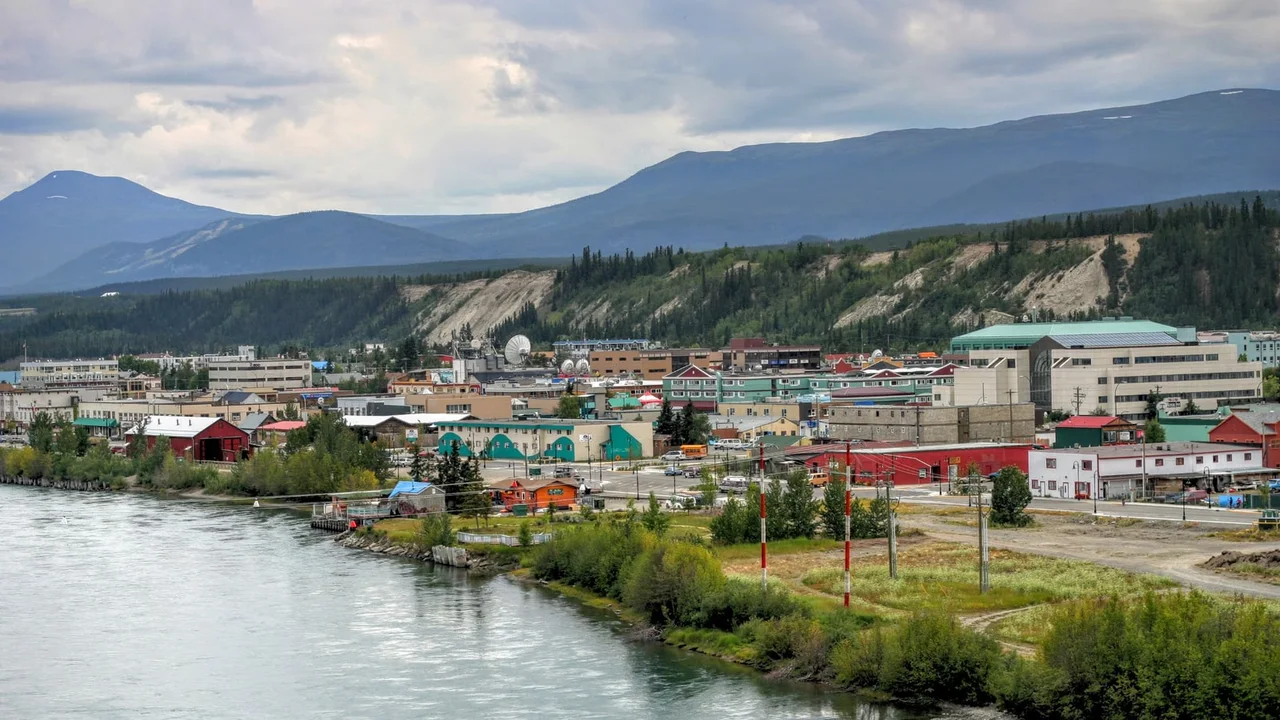
Whitehorse is the Yukon’s capital and logistics hub: 28,201 people inside city limits at the 2021 census, roughly 70% of the territory. You land here for groceries, a mechanic, a hotel bed and a night of darkness long enough for the aurora - then you drive out toward Kluane, Dawson or the Alaska border. Treat the city as a base with a river through the middle, not a theme park with a single headline attraction.
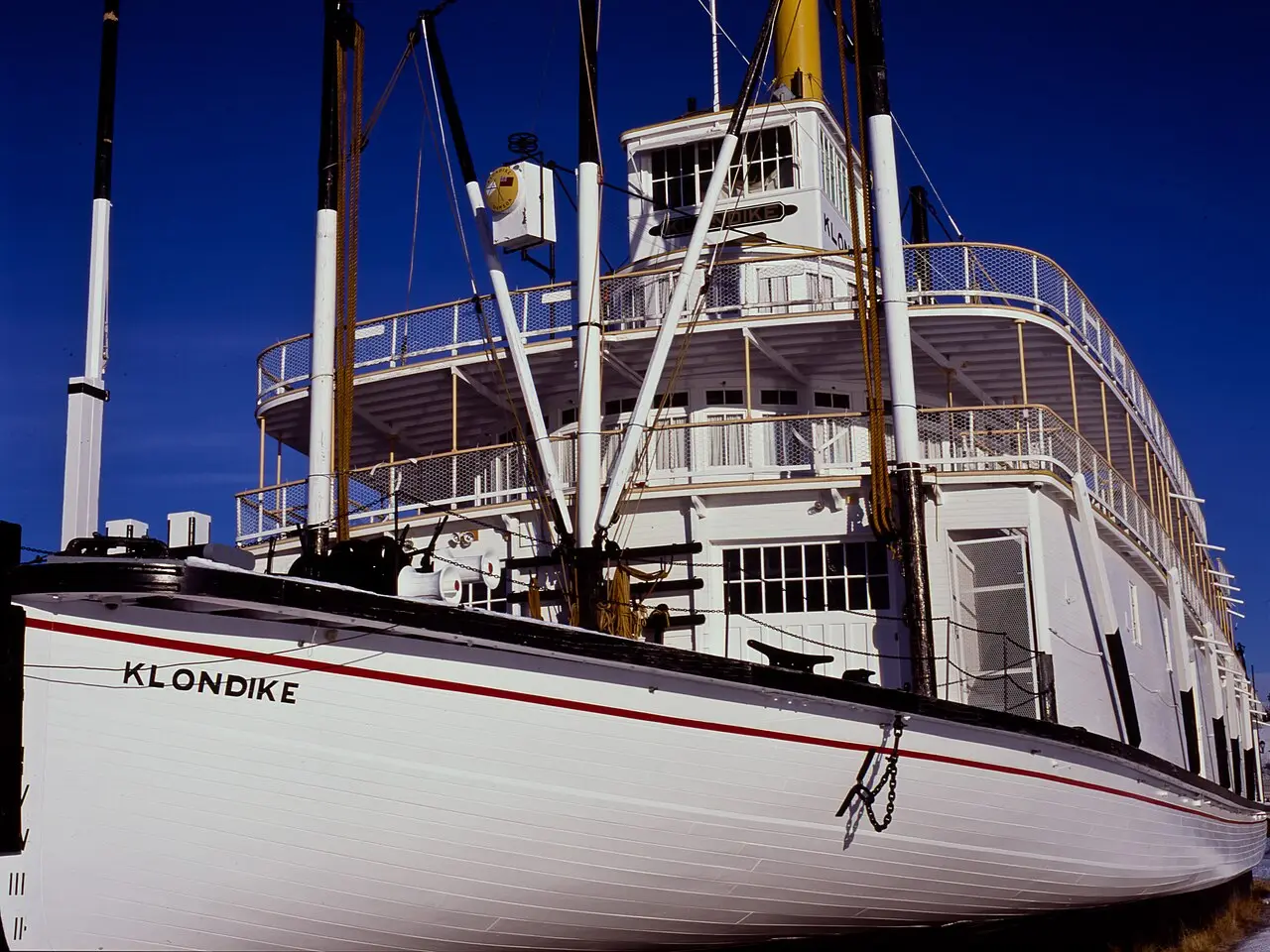
Two 2026 caveats up front. The SS Klondike sternwheeler’s boat and buildings are closed for the whole season; the grounds stay open. And aurora tourism is a winter product with cloudy nights - book the hotel either way, not the lights as a guarantee.
The river that built the town
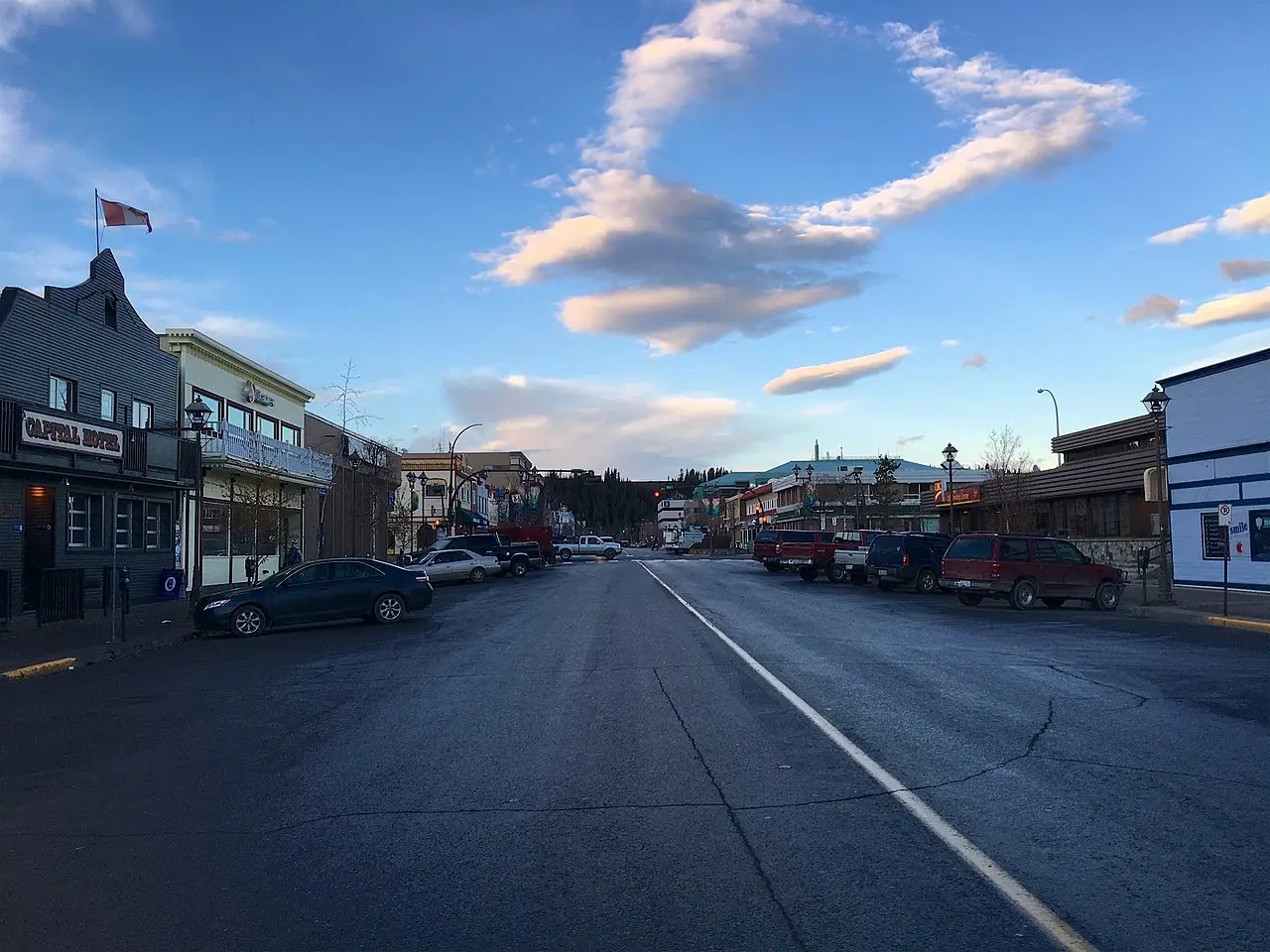
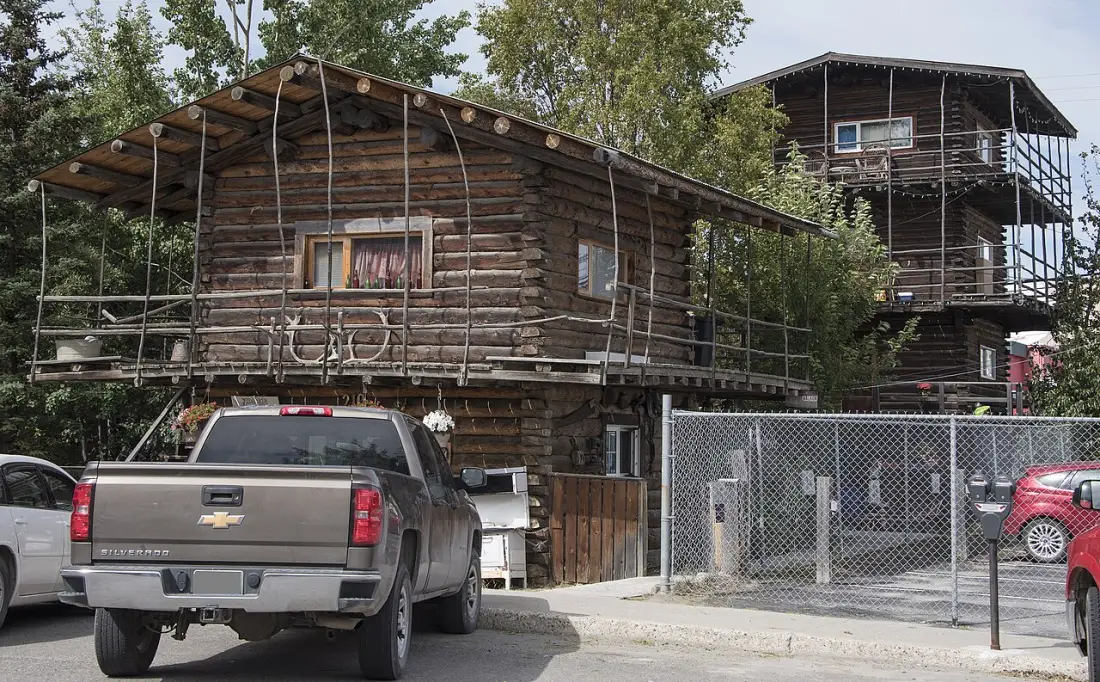
Whitehorse grew where the Yukon River was navigable after the Miles Canyon and White Horse Rapids blocked gold-rush boats. Sternwheelers turned here; later the Alaska Highway and the Klondike Highway made it the territorial capital (1 April 1953, moved from Dawson City). The name locked as Whitehorse in 1957. You still feel that river logic: downtown hugs the waterfront, and every long drive - south to Skagway, west to Kluane, north toward Dawson - starts from the same small grid.
SS Klondike: look, don’t board (2026)
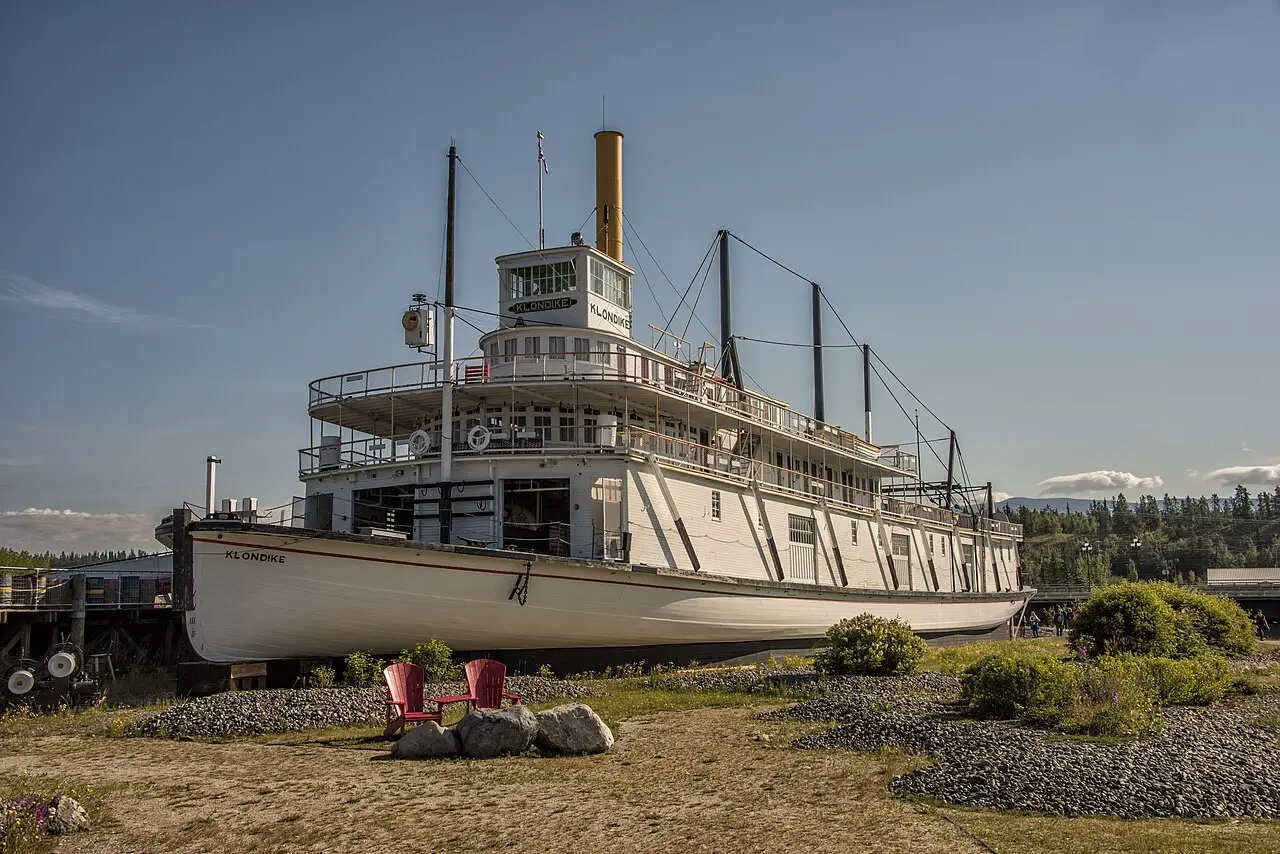
The SS Klondike National Historic Site is the postcard sternwheeler on the riverbank. In 2026 Parks Canada closed the boat and buildings for the season; you can still walk the grounds, read the outdoor panels and use the Parks Canada guided-tour app. Staff answers live at the Yukon Visitor Information Centre, 100 Hanson Street, not on the boat. Don’t build a morning around an on-board tour that isn’t running.
Miles Canyon: the half-day that feels wild
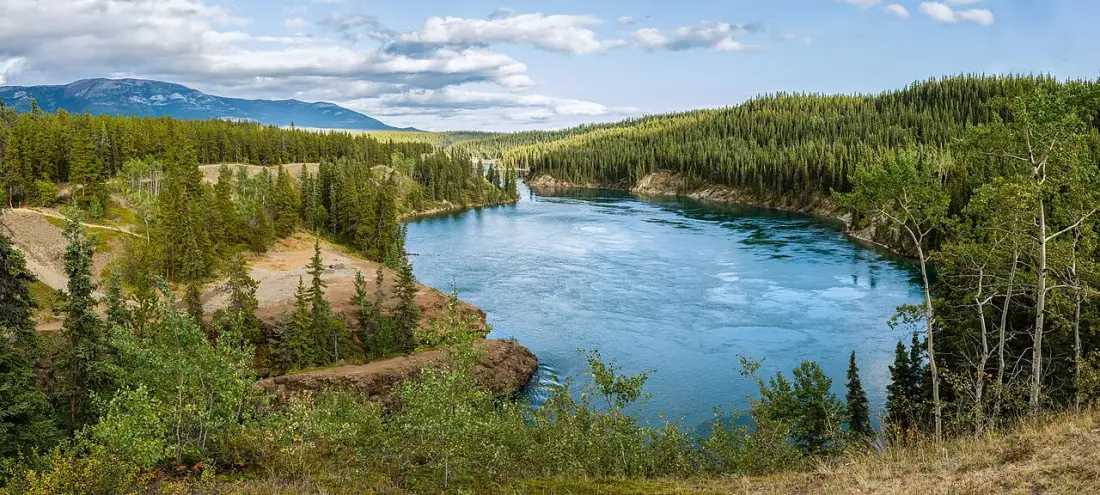
Miles Canyon sits just upstream of town - a basalt gorge where the Yukon River once terrified stampeders. Trails and viewpoints are an easy drive or bike from downtown, and it’s the outdoor counterweight to the museum morning. Bring layers; the wind in the canyon doesn’t care what the Main Street thermometer said. In summer the path can be dusty and crowded at the first lookout, so walk a little farther along the rim for quieter views of the basalt walls and the green water below. In shoulder season you may have the boardwalk to yourself, which is when the place feels closest to the gold-rush obstacle it used to be.
If you only have ninety minutes, park near the canyon trailhead, walk to the first two viewpoints, and turn back before the light dies. If you have a full afternoon, pair the canyon with a short drive toward Marsh Lake and watch how quickly the city drops away into spruce and open water. That contrast - compact downtown, then empty country ten minutes out - is Whitehorse’s real geography lesson.
Museums that earn a rainy afternoon
MacBride Museum of Yukon History downtown is the clearest short course on gold rush, First Nations and the highway era. It is open all year, and as of early September the operator has switched to fall hours: Tuesday to Saturday, 9:30 am to 5:00 pm - summer added Monday, so a Monday visit no longer works; adults pay C$12, seniors/students/youth C$11, and children under 12 enter free with a paying adult. It’s the right stop when the Klondike is closed and you still want the story indoors.
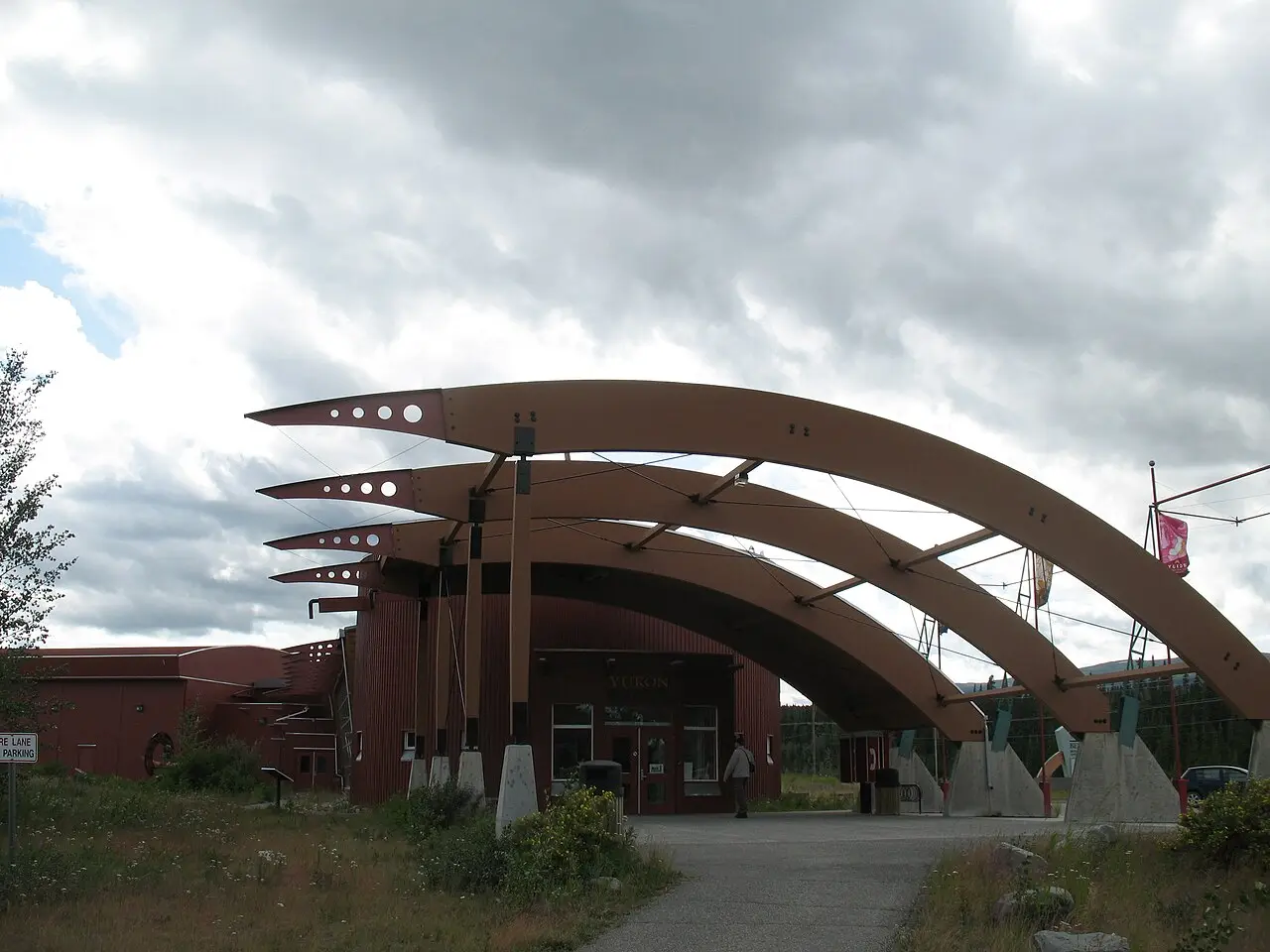
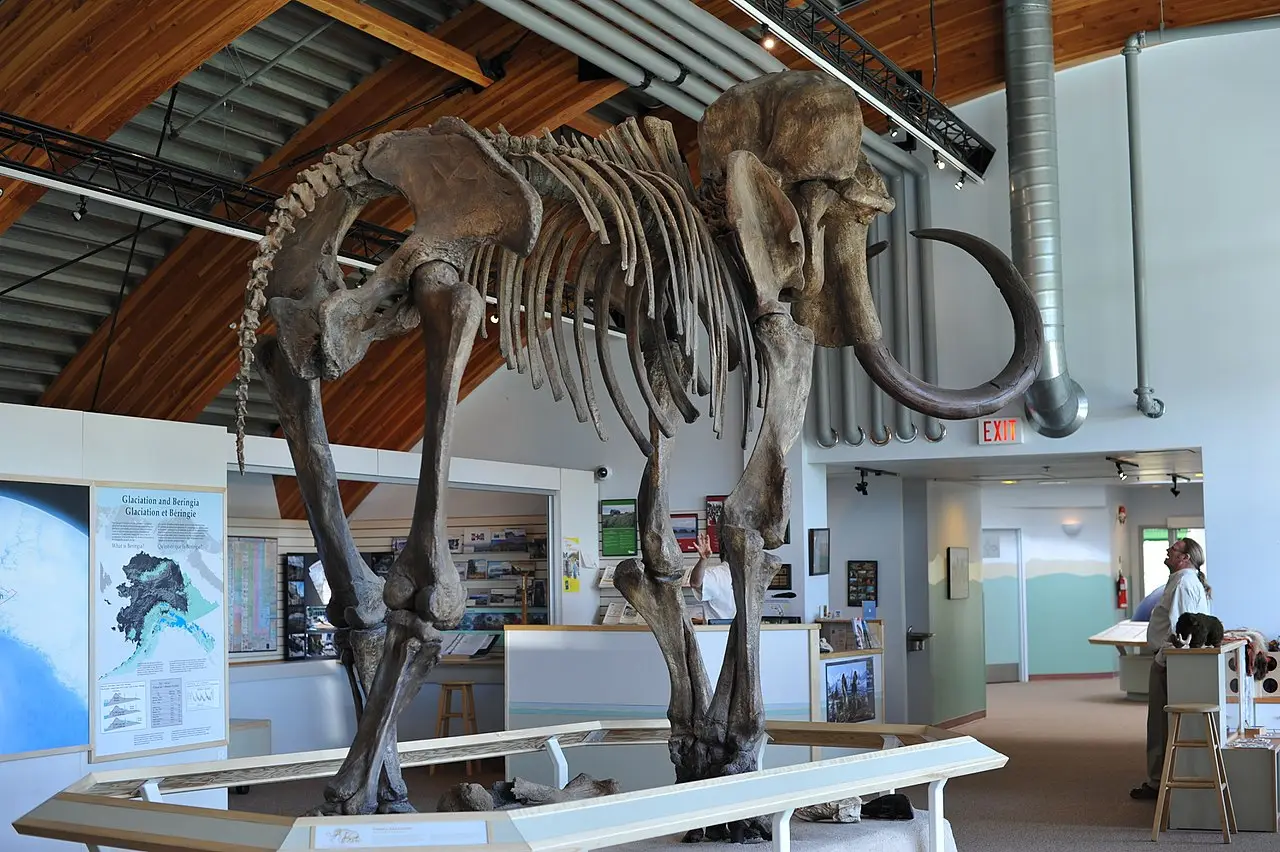
Out by the Alaska Highway corridor, the Yukon Beringia Interpretive Centre covers Ice Age Yukon - mammoths, Beringia, the dry steppe that wasn’t ice. Summer hours run 5 May to 26 September 2026: Tuesday to Saturday 10:00 am to 5:00 pm, closed Sunday and Monday; in winter the centre keeps shorter published hours, so check before you walk over. Winter flips that around: from October the centre runs Saturday, Sunday and Monday, 12:00 to 5:00 pm, and it is Tuesday to Friday that go dark - worth knowing, because aurora season is exactly when you’d be here. It also closes 21 April to 4 May between the two schedules. Admission is C$6 adult / C$5 senior, and regular rates put children and teens 4+ at C$4. Under the Canada Strong Pass (19 June-7 September 2026) children and teens were free and young adults 18-24 paid C$3; from 8 September 2026 the regular rates apply again. A combo ticket with the neighbouring Yukon Transportation Museum is C$12 - but check the calendar before you count on it. That museum runs Wednesday to Sunday in summer (mid-May to end of August) and Saturday, Sunday, Monday through the off-season, so the two overlap only Wednesday to Saturday in summer and, from September, on Saturdays alone.
Aurora season is the other product
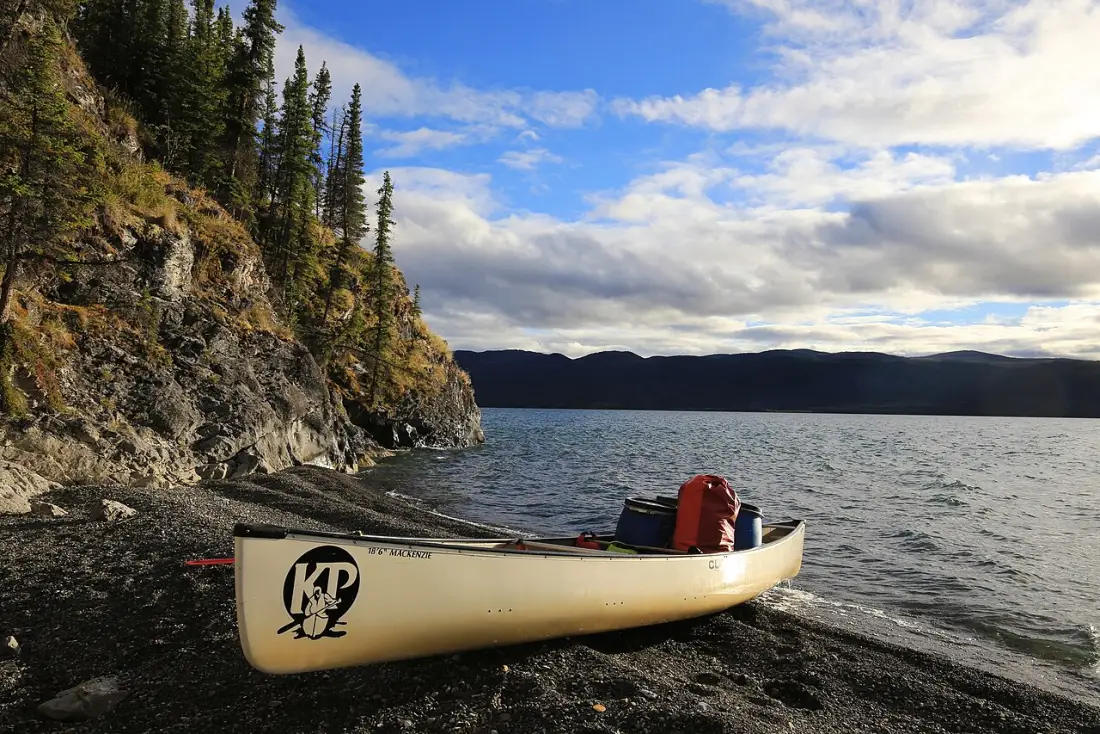
Travel Yukon puts the aurora window at roughly mid-August to mid-April. Whitehorse sits under the auroral oval, but city lights still wash the sky - guided tours drive 20 to 30 minutes out to darker sites, and locals use spots like Miles Canyon, Marsh Lake or Fish Lake Road. Clear, cold, moonless nights help; solar storms help more. For the national picture and other Canadian viewing regions, see Northern Lights in Canada.
Book at least three nights in aurora season when the lights are your main reason for coming. One clear night is luck; three nights is a plan - don’t cut it shorter if the lights are why you flew. Operators cancel or reshuffle when cloud locks the sky, so a flexible evening schedule matters more than a fixed dinner reservation. Dress for standing still outdoors: layered merino or synthetic base, insulating mid-layer, windproof shell, and mittens rather than fashion gloves. Camera batteries die in the cold - keep spares inside a jacket pocket.
Summer visitors still get something northern: midnight-adjacent daylight in June, and the chance to stack Whitehorse with a Kluane day. Winter visitors should budget for cancelled aurora nights and have MacBride, Beringia and a hot meal as Plan B. Shoulder weeks in late August and September often mix short aurora windows with still-open museums and milder nights - a useful compromise when you refuse a deep-freeze trip but still want a chance at green sky.
Day trips that justify the rental car
Kluane National Park is about 160 kilometres west - Kathleen Lake, Thechàl Dhâl sheep viewing, or a flightseeing slot when weather allows. Details live on the Kluane park page. The Alaska Highway itself runs through and past town; Whitehorse is the only real city overnight on the Canadian half of that drive. The broader territory story - Dawson, Dempster, Emerald Lake - sits in the Yukon travel guide.
Closer loops work when you’ve got a spare afternoon: Carcross and Emerald Lake on the South Klondike Highway (about 75 km), or a slow drive along the Alaska Highway corridor just to learn how quickly services thin out. Those short runs teach the same lesson as a longer Yukon itinerary - fill the tank in Whitehorse, download offline maps, and treat every open pump after that as optional luck.
Getting around without a big-city transit map
Downtown is walkable for museums, the waterfront and restaurants. Beyond that grid you need a car, a tour van or a long taxi bill. City buses exist, but they aren’t a substitute for airport-to-Kluane logistics. Winter driving means ice, limited daylight and sudden whiteouts on the highway approaches - you’ll want winter tires and common sense, and rental companies expect both. Summer brings RV traffic and busy weekends when hotel parking fills early.
Erik Nielsen Whitehorse International Airport (YXY) sits a short drive from downtown. Arrive, pick up the car, and do groceries before you leave town for Kluane or Dawson - that shopping stop isn’t optional romance; that’s how you avoid highway convenience-store prices for everything from water to bear spray. Car rentals matter more here than in southern Canadian cities: there’s no dense transit network to Kluane or Dawson, and taxis don’t replace a week of highway driving. Fill the tank in town before any long northbound or westbound day - remote pumps are fewer and dearer once you leave the city limits.
Where to sleep and how long to stay
Two nights covers museums, Miles Canyon and a buffer for weather. Three nights makes sense in aurora season or when you’re slotting Kluane flightseeing. Downtown puts you near MacBride and restaurants; highway-side lodgings sit closer to Beringia and the airport. Summer weekends and equinox aurora weeks fill first - compare rooms early.
Whitehorse works when you stop expecting a big-city checklist and start using it as the northern depot it actually is - river history by day, dark skies by night, and every serious Yukon road trip beginning at the same fuel pumps. Spend the first evening walking the waterfront so the geography sticks, then spend the second day either in the museums or on the canyon trail, depending on the weather you’ll actually get.
On the map
The map loads on click - to keep the page lightweight.
The map didn’t load. Check your connection and refresh the page.
Admission and opening hours
- Admission price
- MacBride Museum downtown adult C$12, senior/student/youth C$11, children under 12 free with paying adult. Yukon Beringia Interpretive Centre adult C$6, senior C$5; under the Canada Strong Pass 19 June-7 September 2026 children/teens were free and young adults 18-24 C$3, regular rates again from 8 September 2026. SS Klondike boat and buildings closed for 2026 season; grounds open. Waterfront trolley C$3 per person, all ages - but the operator has posted that the 2026 trolley season has ended.
- Opening hours
- MacBride downtown is open all year and now on fall hours, Tuesday-Saturday 9:30 am-5:00 pm; summer hours added Monday. Beringia summer 5 May-26 September 2026: Tuesday-Saturday 10:00 am-5:00 pm; closed Sunday-Monday and 21 April-4 May 2026; winter hours are shorter and published separately. SS Klondike grounds open; boat closed all 2026. Aurora season typically mid-August to mid-April.
Museum prices and SS Klondike 2026 closure from operator/Parks Canada pages checked 28 August 2026. Confirm hours the week you arrive.
Details checked: August 28, 2026
Read also

Cities · 11 min read
Regina: Legislature, RCMP Heritage Centre and Prairie Base
Verified · August 29, 2026Wascana Centre, the Legislature, the Mounties' only training depot and a free T. rex - what Regina actually rewards, plus the road to Saskatoon.

Cities · 9 min read
Things to Do in Saskatoon: River Valley, Wanuskewin & Skies
Verified · August 27, 2026Saskatoon in practice: Meewasin trails, Wanuskewin bison, Remai Modern by donation, and a prairie day trip to Riding Mountain.

Cities · 9 min read
Lunenburg: UNESCO Old Town Guide
Updated · September 2, 2026Old Town Lunenburg from Halifax: UNESCO grid of 1753, painted harbour, Fisheries Museum prices, Bluenose II, and when an overnight beats a day trip.

Cities · 9 min read
St. John's, Newfoundland: Signal Hill and Icebergs
Updated · September 3, 2026St. John's in two or three days: Signal Hill, the Battery, iceberg season on the Avalon, Cape Spear and George Street - plus how to arrive via Halifax.