
Things to Do in Toronto: A Local Guide
Toronto with current 2026 prices: the CN Tower tiers, the island ferry, the TTC fares people get wrong, free museum nights and what to skip.
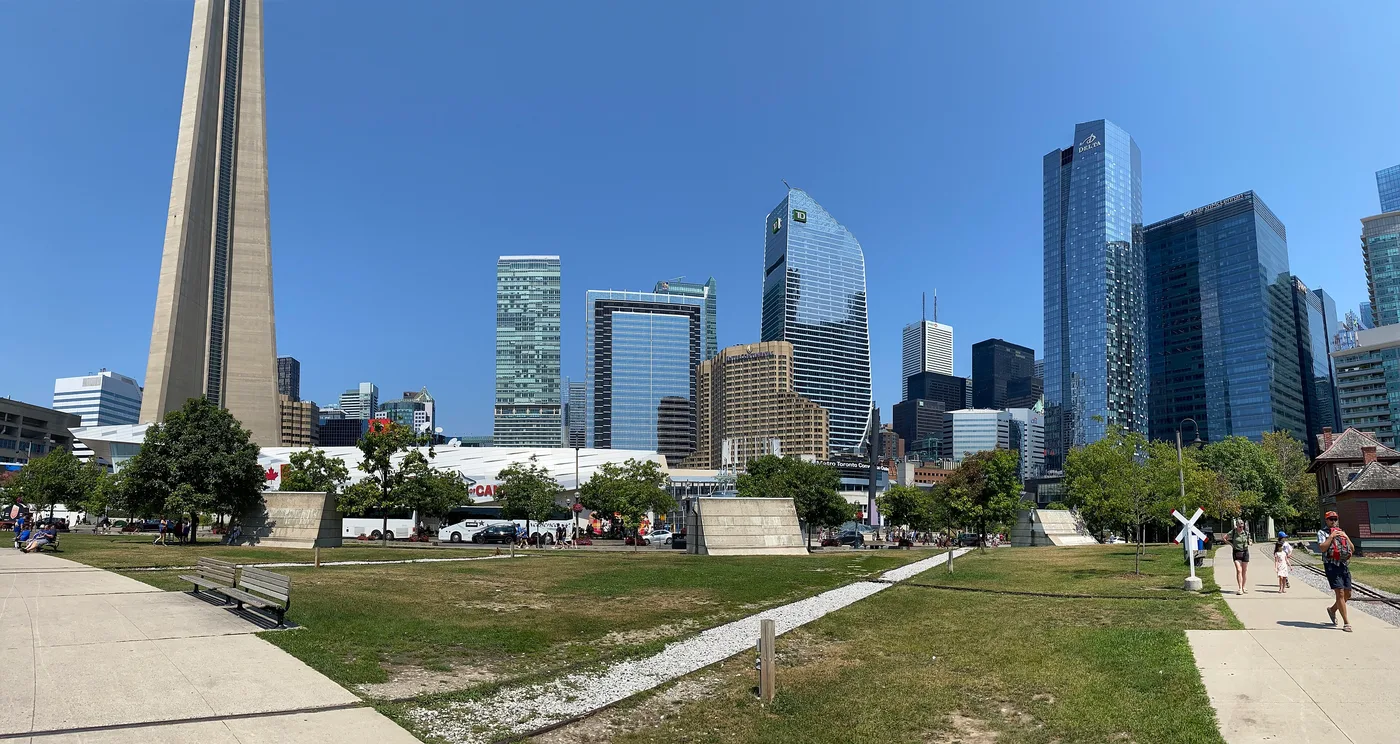
Toronto is big, flat and best taken in pieces, so pick a spine and walk it: the CN Tower and the harbour, a ferry to the islands for the view back, and two or three neighbourhoods reached by streetcar. Tap a contactless card or buy a PRESTO before you do anything else, because it’s cheaper than cash and gives you a free transfer. Every price below was checked against the operator’s own page on 24 July 2026, because Toronto’s are a moving target and half the guides online are quoting last year’s.
For the overnight rail corridor east, see Toronto to Quebec City.
A word on timing, because 2026 has been an odd year here. Toronto hosted six World Cup matches and a fan festival through June and into July, all of it finished by 19 July, and the main thing it left behind is a warning: summer hotel rates were inflated well past normal, so don’t judge what a room costs by what you see for August. On the good-news side, the city drew a record 28.2 million visitors in 2025, which means the transit, the museums and the restaurant scene are all running at full strength.
The CN Tower: which ticket to buy
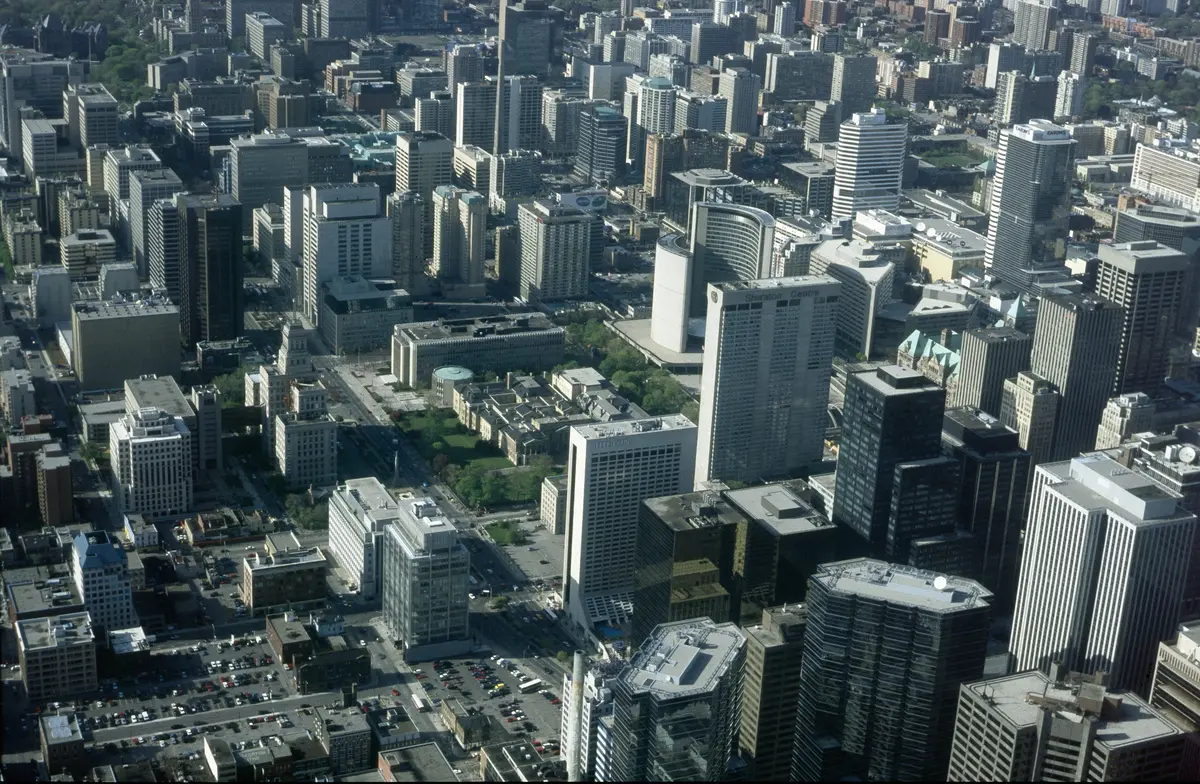
The tower is the one view everyone wants, and the ticket tiers run from a C$47 general admission that already includes the glass floor up to a C$199 EdgeWalk around the outside rim. Our CN Tower tickets guide breaks down which tier is worth the extra money, what EdgeWalk actually buys, and the highest wine cellar in the world sitting a few floors below the restaurant.
The Toronto Islands: the city’s best view is from the water
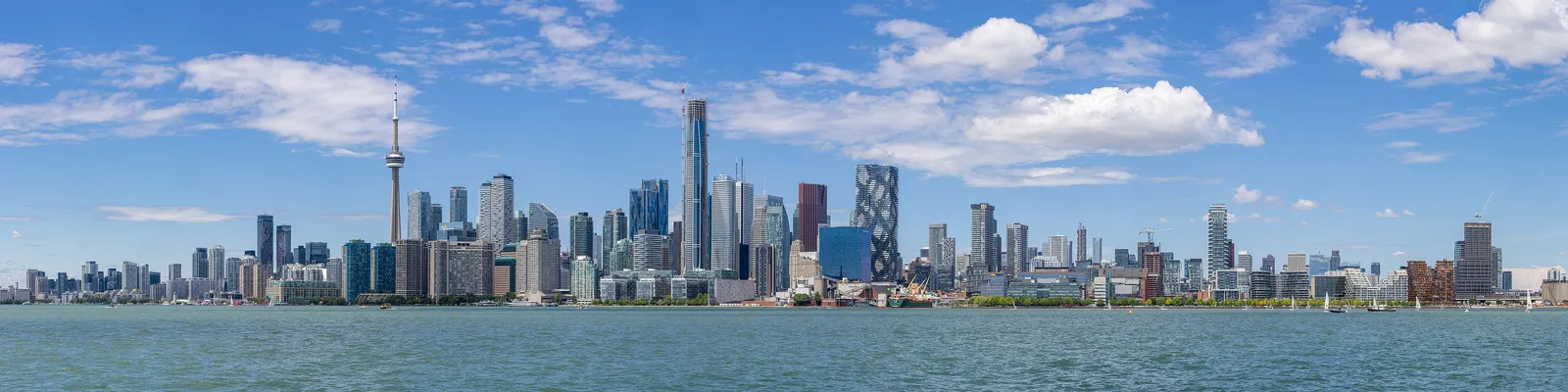
The finest thing you can do in Toronto costs C$9.57. The ferry to the Toronto Islands is a short hop across the harbour, and the skyline from the water, or from the island lawns, is the postcard the tower can’t give you because the tower is in it.
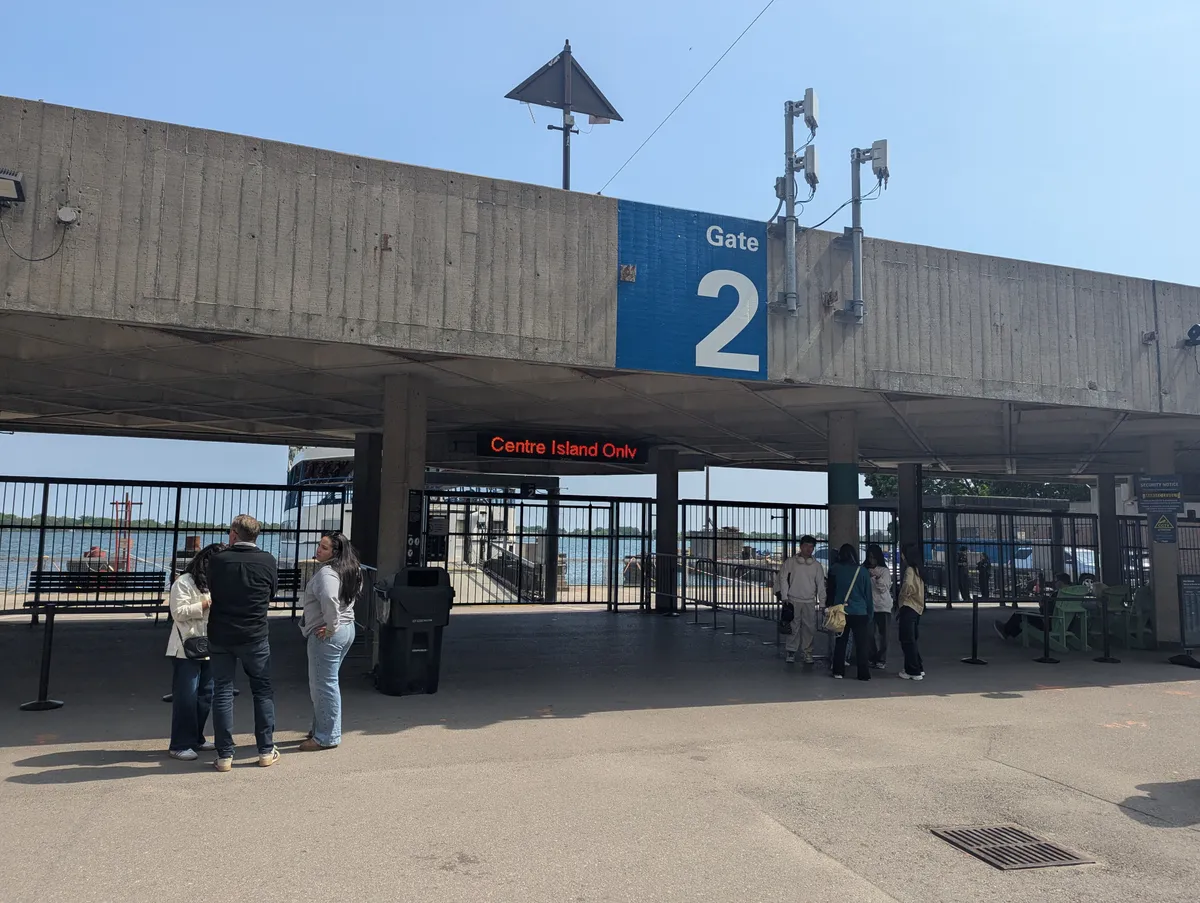
Two things save you grief. First, the ferry leaves from the Jack Layton Ferry Terminal at 9 Queens Quay West, and in summer the City itself warns the queue there can top 30 to 60 minutes, so don’t go at midday - early or late. Second, buy your ticket online: an online ticket is valid any day to the end of the year, while one bought at the terminal window is only good that day.
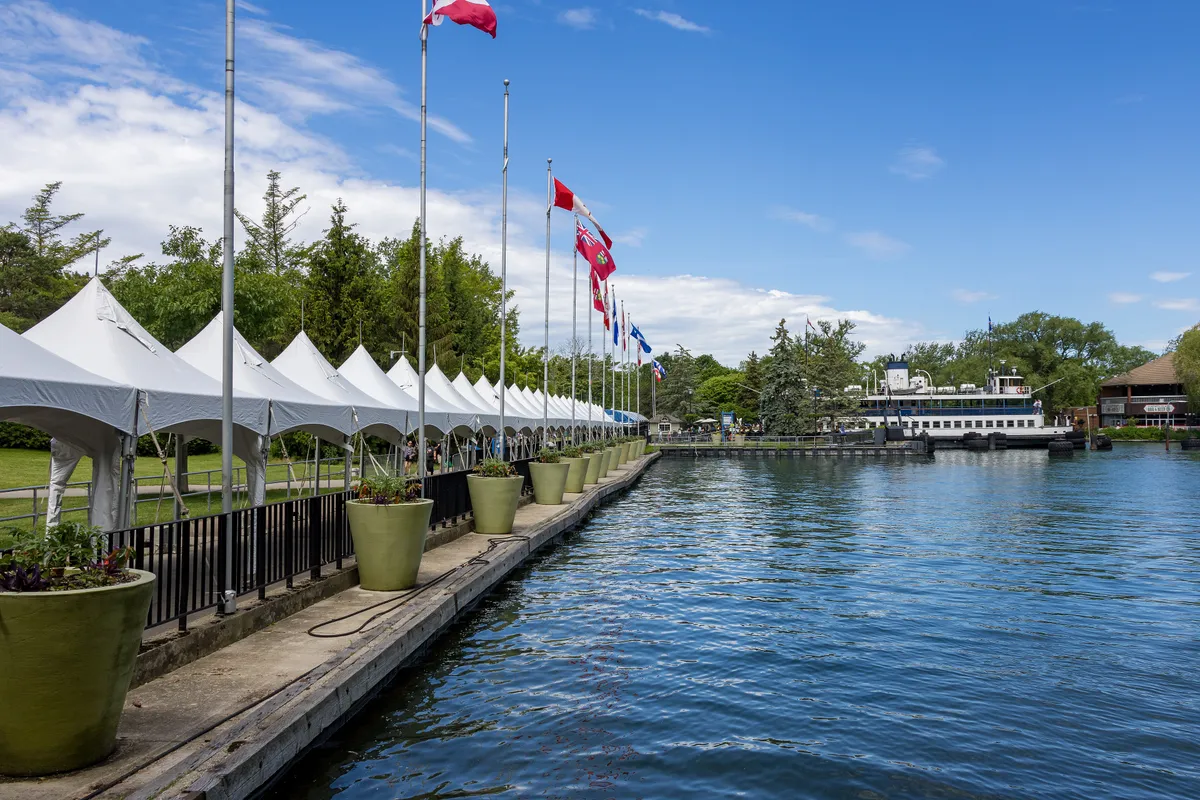
Three ferries serve three landings. Centre Island is the busy family end, with Centreville amusement park and the formal gardens. Ward’s Island is residential and calm, with the best skyline benches. Hanlan’s Point has the beach, including the clothing-optional stretch. Walk between them on the boardwalk and you’ll catch a different ferry back. Our full Toronto Islands guide breaks down which island suits which afternoon and how the ferry actually works.
The old city on foot: the market and the Distillery
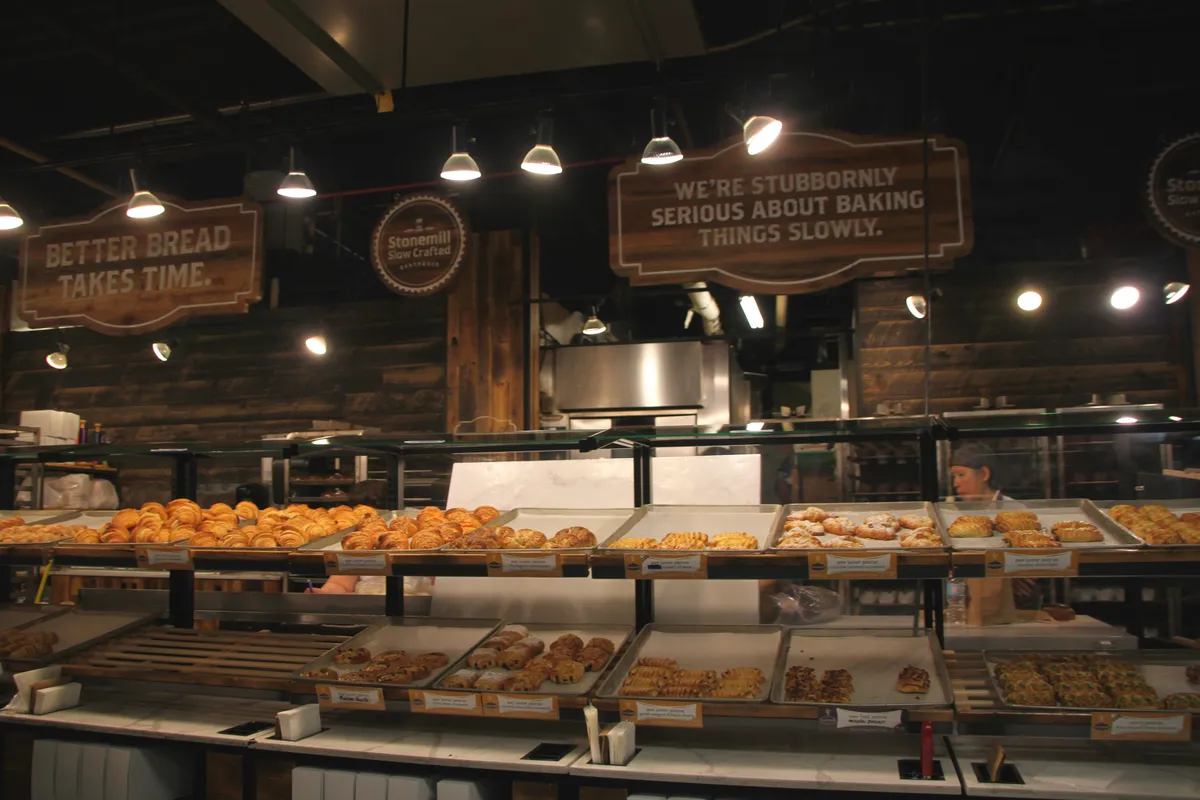
Two neighbouring stops make the best walking morning in the city, and both are free to enter - that’s the easy half-day. The St. Lawrence Market has traded on Front Street East for generations; go for a peameal-bacon sandwich and the food stalls, but check the day - the South Market is closed on Mondays, and the separate Saturday farmers’ market runs from 5 am. You won’t find that Saturday market on a Monday either. The market is on our where to eat in Toronto list.
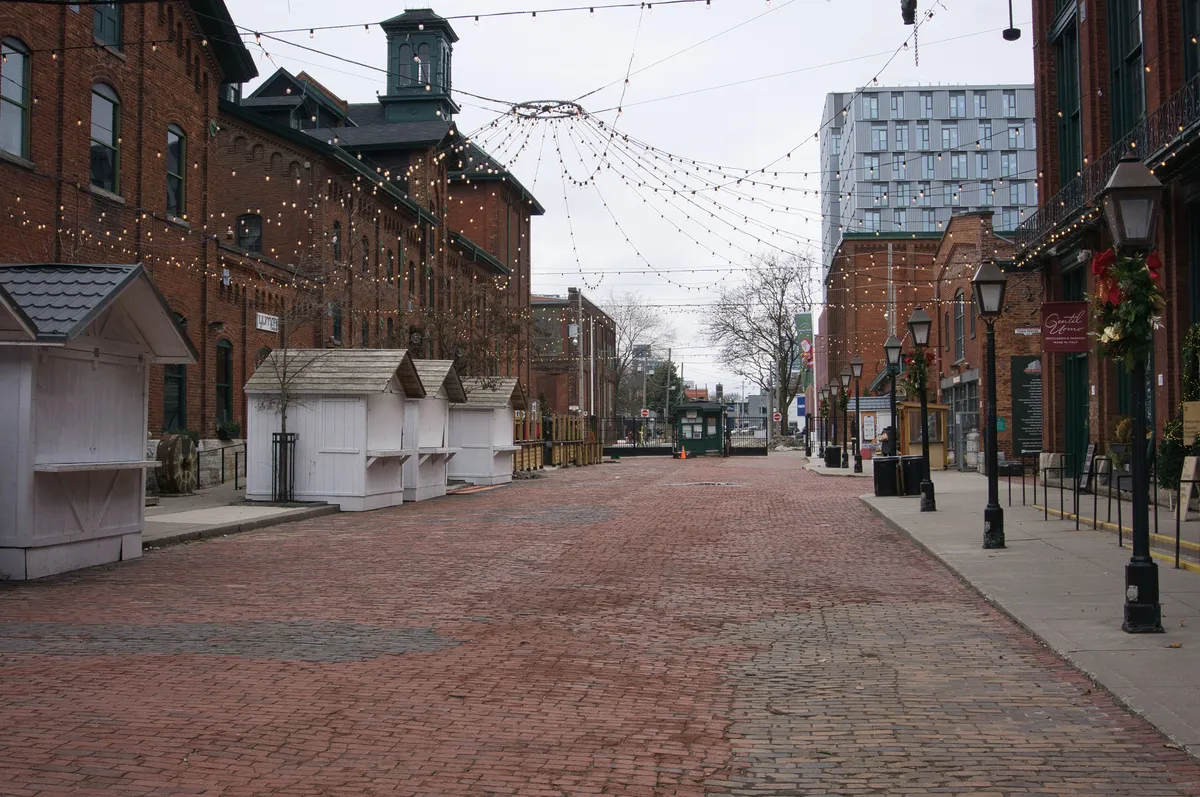
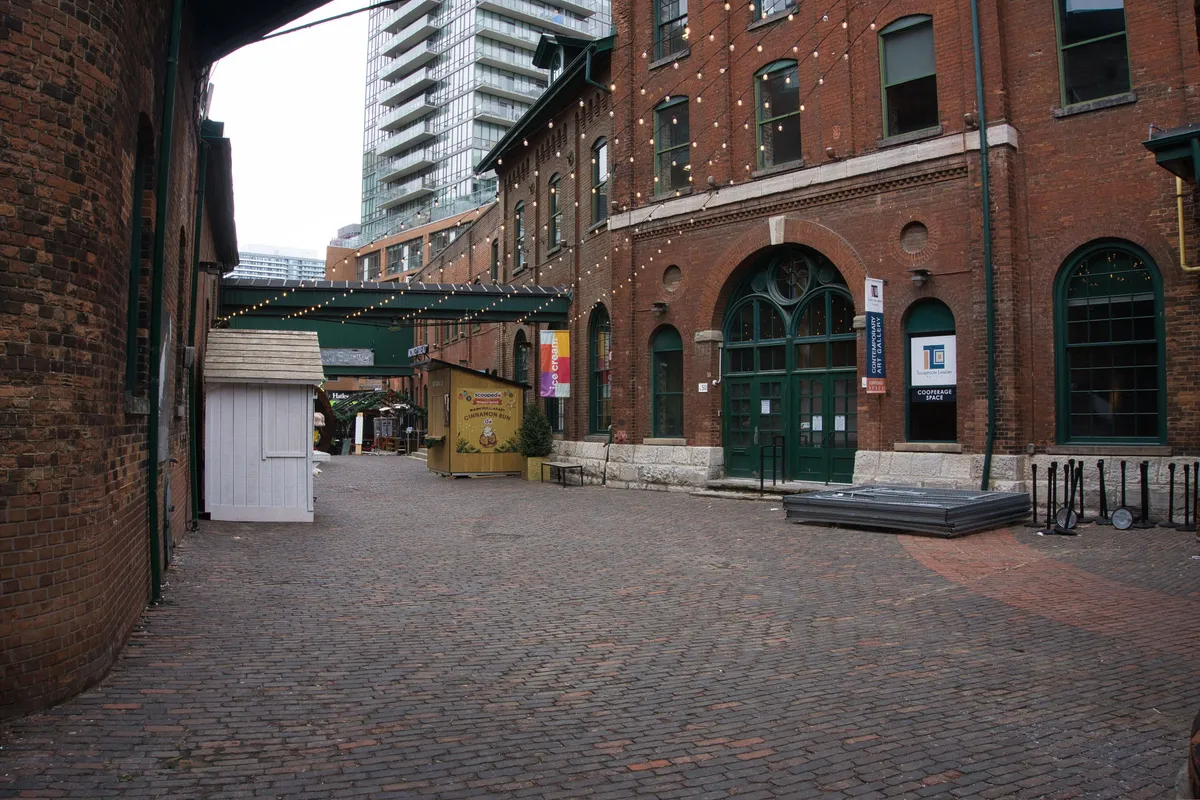
East of there, the Distillery Historic District is a pedestrian block of Victorian brick warehouses, once the largest distillery in the British Empire and now full of galleries, cafes and design shops. It’s free to walk and open 364 days a year; the shopping is expensive, the wandering isn’t, and in December it holds the city’s best Christmas market.
Neighbourhoods worth the streetcar ride
Toronto is a city of neighbourhoods, and two are worth going out of your way for. Kensington Market is a few blocks of vintage shops, produce stalls, taco counters and murals west of Chinatown - scruffy, cheap and the antidote to the glass downtown.
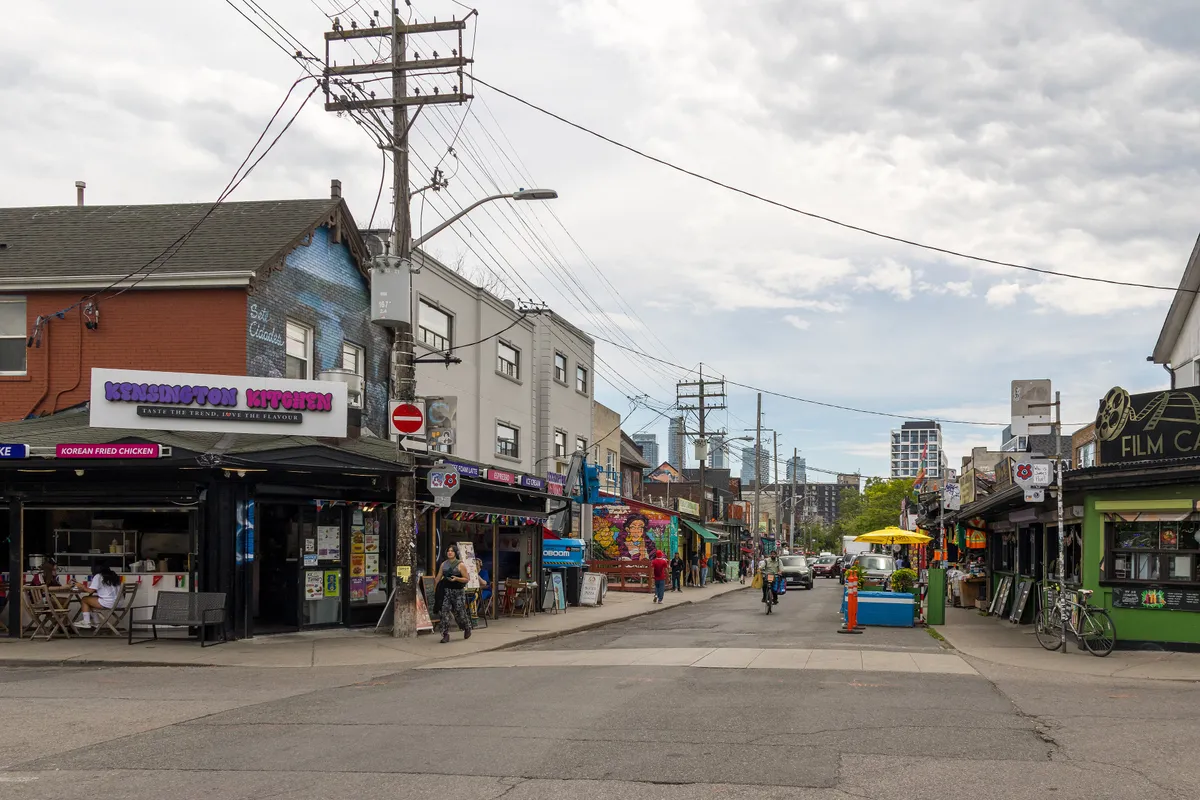
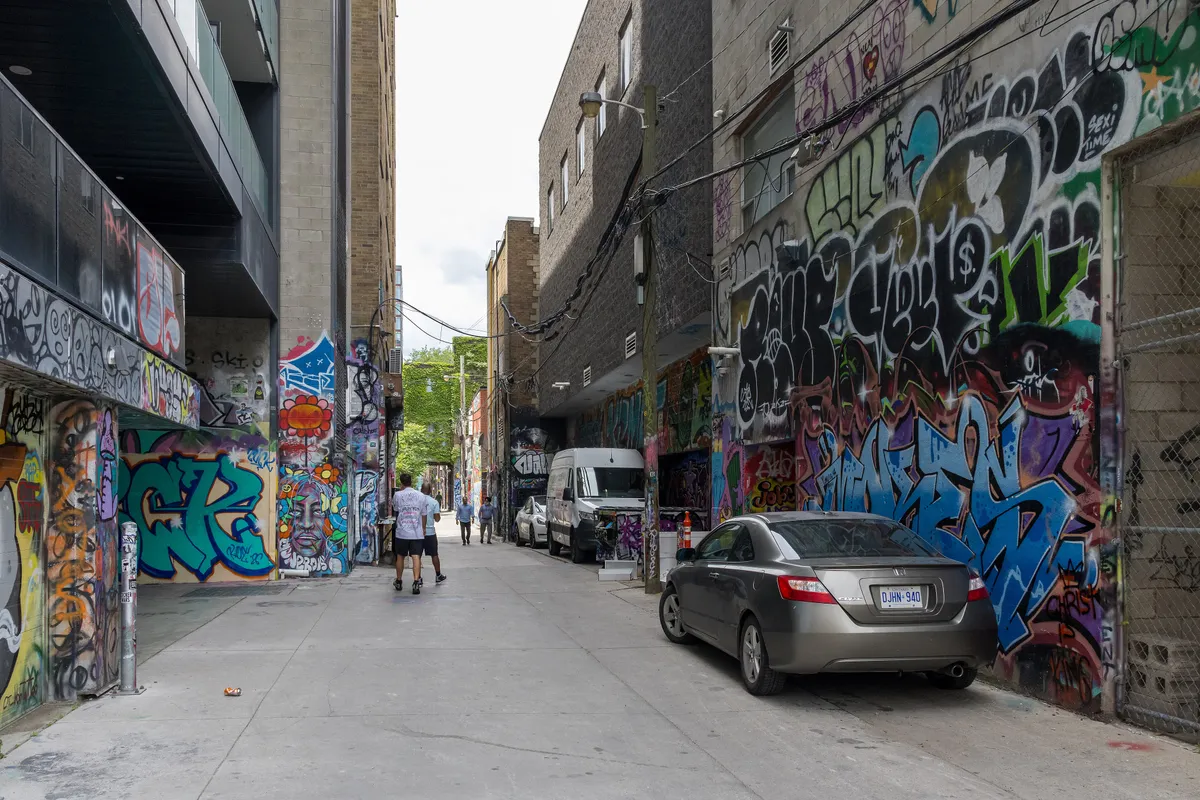
South of it, off Queen West, Graffiti Alley runs a full block behind the shops, its walls repainted so often it’s never the same twice. Queen West itself is the shopping-and-bars strip, Chinatown stacks up along Spadina Avenue, and Yorkville, once the 1960s bohemian quarter, is now the luxury-boutique end of town - pleasant to look at, quick to leave.
Nathan Phillips Square, and a name to know
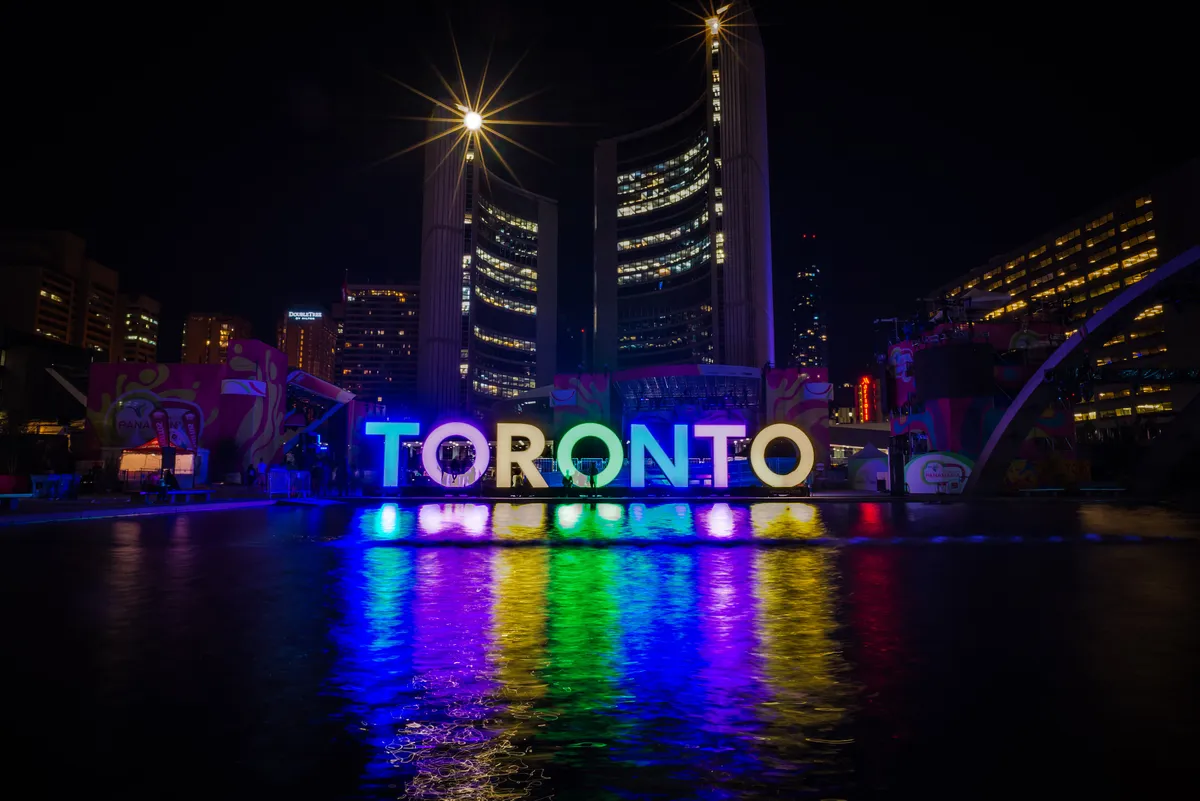
In front of City Hall, Nathan Phillips Square has the big TORONTO sign that everyone photographs, a reflecting pool that becomes a skating rink in winter, and it costs nothing. One local note that trips up visitors with older maps: the square a few blocks east, long called Yonge-Dundas Square, was renamed Sankofa Square in 2025, so that’s the name on the signs now.
Museums and rainy-day plans
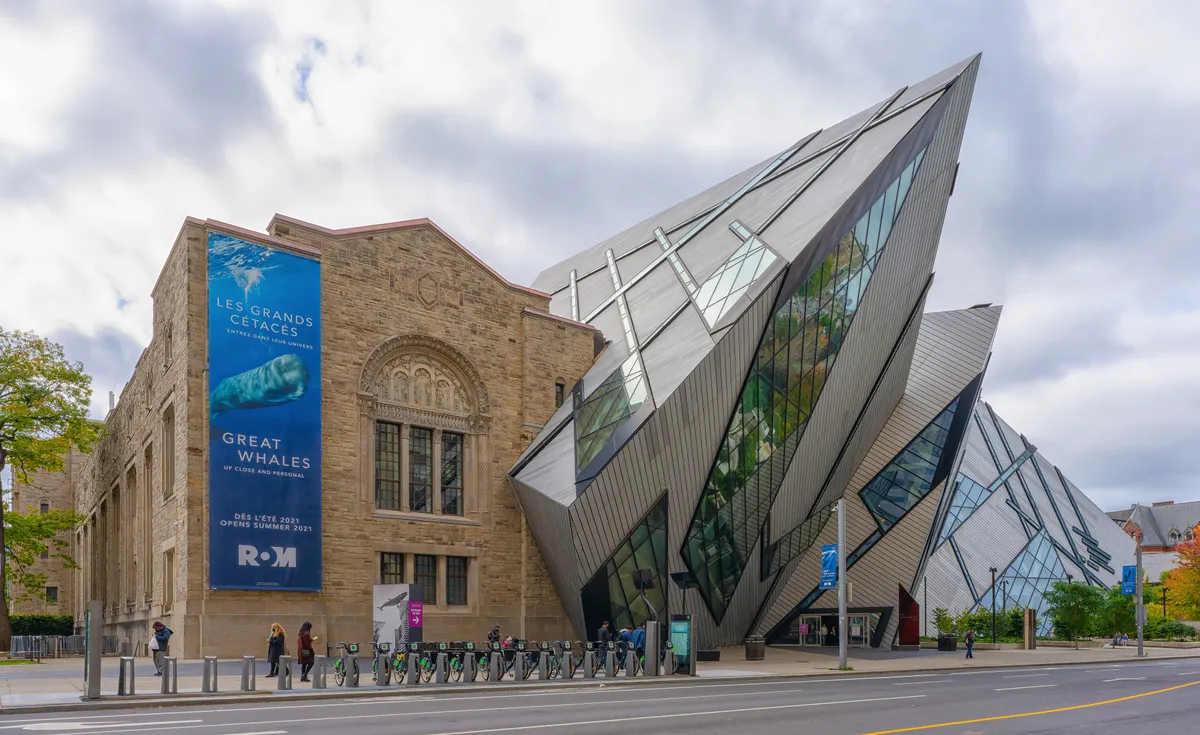
Toronto’s museums are strong and its free evenings are worth planning around. The Royal Ontario Museum, at 100 Queen’s Park, is the big natural-history-and-culture collection under a jagged glass “crystal”; it runs a third-Tuesday-of-the-month free evening, staying open until 8:30 pm that day.
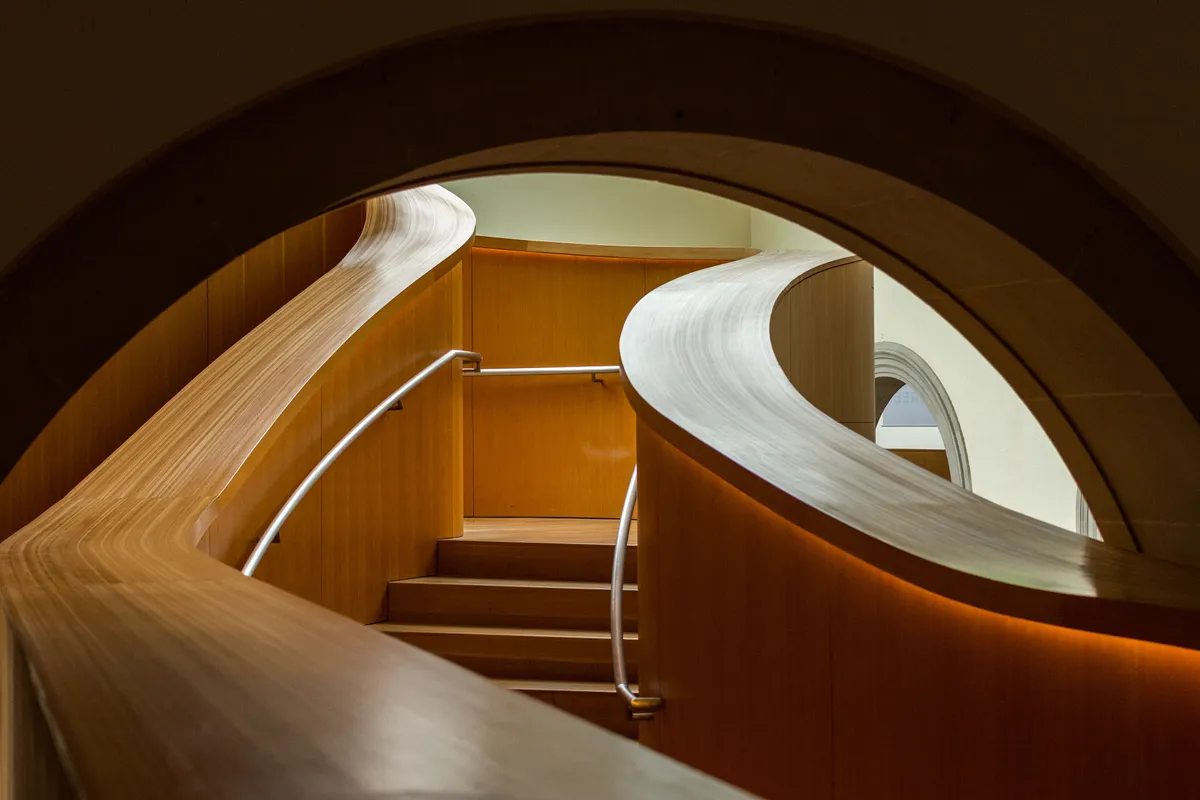
The Art Gallery of Ontario is C$30 for an adult, but here’s the local trick: an Annual Pass is C$40, ten dollars more than a single ticket for a whole year of visits, and the AGO is free to every Ontario resident 25 and under and free to everyone on the first Wednesday evening.
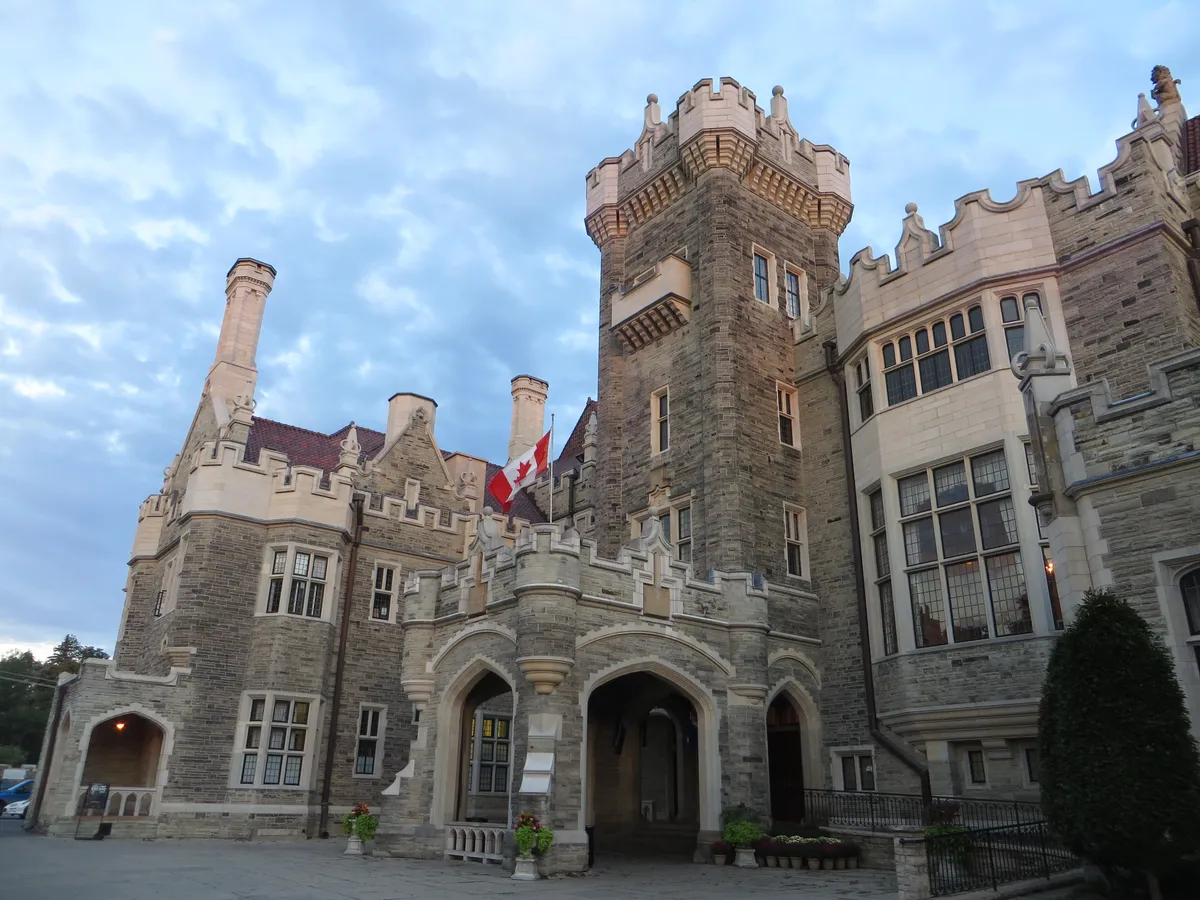
One correction to older guides: the Ontario Science Centre has moved. It no longer sits on Don Mills Road but runs at Harbourfront Centre on the lakefront, with a flat C$15 ticket, tax included (under the Canada Strong Pass, 19 June to 7 September 2026, it was free for under-18s). For a fortress on a hill, Casa Loma (daily 9:30 am to 5 pm, timed tickets online) is the other reliable rainy-day pick.
Green space and the lakefront
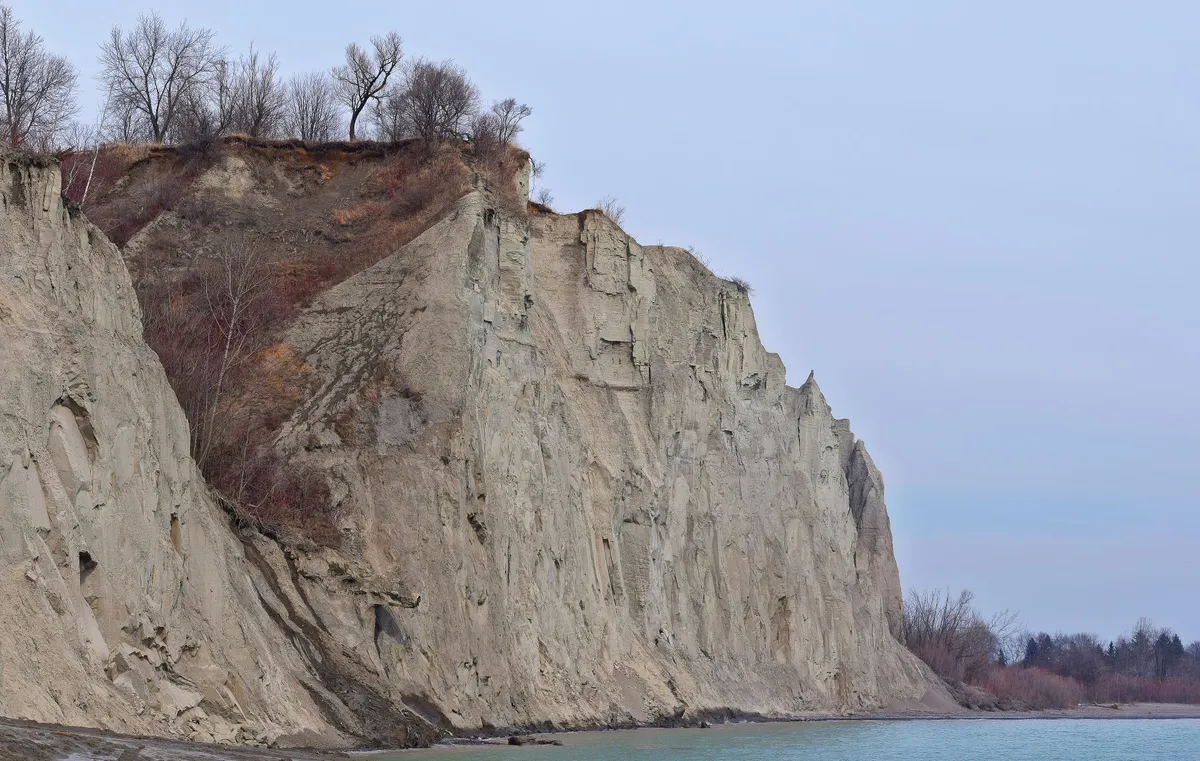
For a break from the pavement, High Park in the west is the big one, with trails, a free zoo and the cherry blossom that briefly takes over the city each spring. East of downtown, the Scarborough Bluffs are the surprise: pale cliffs up to about 90 m (300 feet) high dropping to Lake Ontario, with a park and beach at their foot, and almost no visitors know they’re there.
Getting around: TTC, PRESTO and the airport train
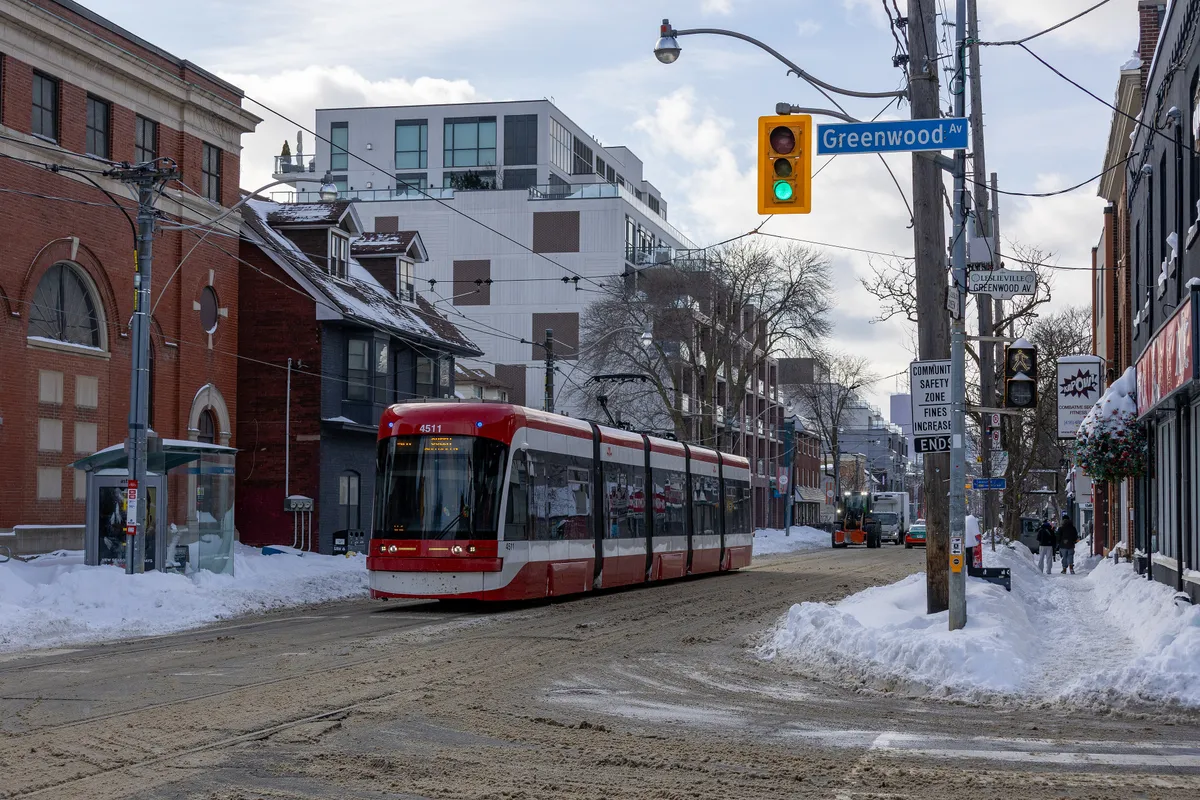
Toronto’s transit is a subway, streetcars and buses run by the TTC, and one small fare rule quietly costs cash-payers money. An adult fare is C$3.30 by PRESTO or contactless card and C$3.35 in cash - but cash doesn’t include the two-hour transfer that the tapped fares give you automatically. Pay by card and one fare covers a two-hour round of trips; pay cash and every leg costs again. Children 12 and under ride free on everything.
| Adult fare | PRESTO / contactless | Cash |
|---|---|---|
| Single | C$3.30 | C$3.35 |
| Two-hour transfer | included | not included |
| Day Pass | C$13.50 | - |
| Children 12 and under | free | free |
Two changes worth knowing: most monthly passes were discontinued on 31 August 2026 and monthly fare capping took their place, so short-stay visitors need not think about passes at all. From the airport, the UP Express train runs Pearson to downtown Union Station in 28 minutes for C$9.25 if you tap a PRESTO or contactless card and C$12.35 on a printed ticket (C$24.70 return), free for under-12s - far cheaper than a taxi for one or two people. Our guide to Toronto airport to downtown weighs it against the TTC, the flat-rate taxis and the night buses.
The day trip everyone takes: Niagara Falls
The classic escape is Niagara Falls, about an hour and a half away. GO Transit trains and buses run there year-round, seven days a week, with under-12s free and combined GO+WEGO tickets that cover the local shuttle at the falls. Driving is quicker off-peak but the same run can double on a summer weekend, so the train saves you the traffic and the parking.
When to visit
Late spring and September are the sweet spots: warm, walkable and without the July humidity or the August crowds. Summer is festival season and patio season but sticky, and in 2026 it was distorted by the World Cup. Autumn is crisp and clear. Winter is cold and grey, but the museums, the PATH walkways underground and the skating rink at Nathan Phillips Square make it workable.
What to skip
A few honest cuts. If you’ve done the CN Tower, you don’t also need a second paid observation deck. Ripley’s Aquarium at the tower’s foot is fun with children but pricey; if the budget is tight, the C$9.57 island ferry gives you a better hour for a fifth of the price. And don’t build a day around the old Ontario Science Centre address - it has moved to Harbourfront. Spend what you save on a meal in Kensington or Chinatown.
What a day in Toronto costs
Rough arithmetic on proven numbers. Transit for the day is C$13.50 on a Day Pass or two tapped fares, one paid attraction runs C$15 to C$47, and a good casual lunch is C$15 to C$25. A frugal but full day - ferry, a market lunch, a couple of neighbourhoods and a free museum evening - can come in under C$40 a person. On hotels, note the tax: the city’s Municipal Accommodation Tax is 6%, back to its permanent rate since 1 August 2026 - the 8.5% you may still see quoted was a temporary top-up that ended that day.
Read also
- Fly into YYZ or look wider: which Canadian airport
- The province around the city: Ontario travel guide
- The day trip in full: Niagara Falls on the Canadian side
- Getting there, option by option: Toronto to Niagara Falls day trip
- East to the capital: Toronto to Ottawa by train, bus, drive or fly
- The capital, four hours east: things to do in Ottawa
- Every city we cover: the cities hub
On the map
The map loads on click - to keep the page lightweight.
The map didn’t load. Check your connection and refresh the page.
Admission and opening hours
- Admission price
- Much of Toronto is free to walk: the islands view, Kensington, the Distillery, Nathan Phillips Square, the lakefront. Paid highlights checked 24 July 2026: CN Tower timed admission C$47 adult, Ontario Science Centre C$15 (tax in), AGO C$30 (or C$40 for an annual pass), island ferry round-trip C$9.57 adult. ROM, Casa Loma and Ripley's sell timed tickets by date and are not quoted.
- Opening hours
- St. Lawrence Market South building Tue-Fri 9 am - 7 pm, Sat 7 am - 5 pm, Sun 10 am - 5 pm, closed Monday. Casa Loma daily 9:30 am - 5 pm. Distillery District open 364 days a year. AGO First Wednesday evening free.
Prices from each operators own site, checked 24 July 2026. TTC fares are ttc.ca. Summer 2026 hotel rates were a World Cup peak and are not typical.
Details checked: July 24, 2026
Read also

Cities · 11 min read
Regina: Legislature, RCMP Heritage Centre and Prairie Base
Verified · August 29, 2026Wascana Centre, the Legislature, the Mounties' only training depot and a free T. rex - what Regina actually rewards, plus the road to Saskatoon.

Cities · 10 min read
Whitehorse: Yukon Base for Aurora, Rivers and the Klondike
Verified · August 28, 2026Whitehorse in 2026: SS Klondike grounds open but boat closed, MacBride C$12, Beringia C$6, Miles Canyon and aurora season.

Cities · 9 min read
Things to Do in Saskatoon: River Valley, Wanuskewin & Skies
Verified · August 27, 2026Saskatoon in practice: Meewasin trails, Wanuskewin bison, Remai Modern by donation, and a prairie day trip to Riding Mountain.

Cities · 9 min read
Lunenburg: UNESCO Old Town Guide
Updated · September 2, 2026Old Town Lunenburg from Halifax: UNESCO grid of 1753, painted harbour, Fisheries Museum prices, Bluenose II, and when an overnight beats a day trip.