
London to Calgary Flights: The Rockies Shortcut
Air Canada and WestJet fly London Heathrow to Calgary nonstop. What the schedule looks like, how fares move, and why this ticket fits a Banff-first trip.
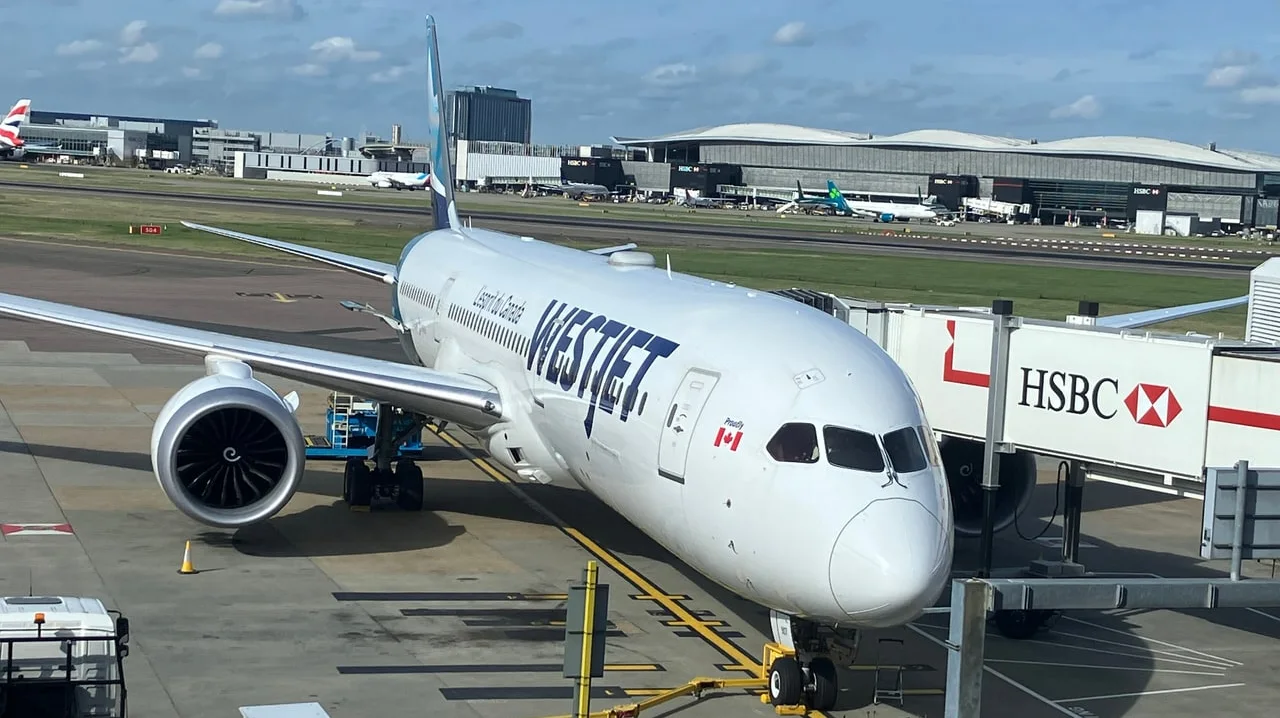
London to Calgary nonstop runs about 8 hours 50 minutes to 9 hours 35 minutes in the air, covering roughly 7,010 kilometres from Heathrow. Air Canada and WestJet are the only two carriers on the city pair, splitting two flights a day between them year-round, and British Airways has never put its own metal on this route. This page works out what that ticket costs, when Air Canada’s winter timetable shifts the departure time, and how the Calgary landing sets up the drive to Banff. Calgary vs Vancouver for the Rockies is the decision that comes before this one - which airport fits the trip. Once Calgary has won that argument, this page is the ticket that gets you there.
Every fare figure below came off an aggregator on one specific afternoon, and this corridor moves fast enough that the number will have shifted by the time you read it. Treat it as a shape, not a quote - what’s cheap relative to what, and roughly when - and reprice on Air Canada’s or WestJet’s own site before committing to a date.
Two nonstops, two brands
Only two airlines put metal on Heathrow-Calgary nonstop: Air Canada (AC851) and WestJet (WS1). FlightConnections still counted 14 outbound flights a week on a recheck dated 11 September 2026, same as two weeks earlier - an average of two a day, Heathrow departures bunched between 10:15 and 14:50. Vancouver’s corridor runs a third carrier and, through summer, a second London airport; Calgary gets neither, so two seats a day is close to a hard ceiling here, not a starting point.
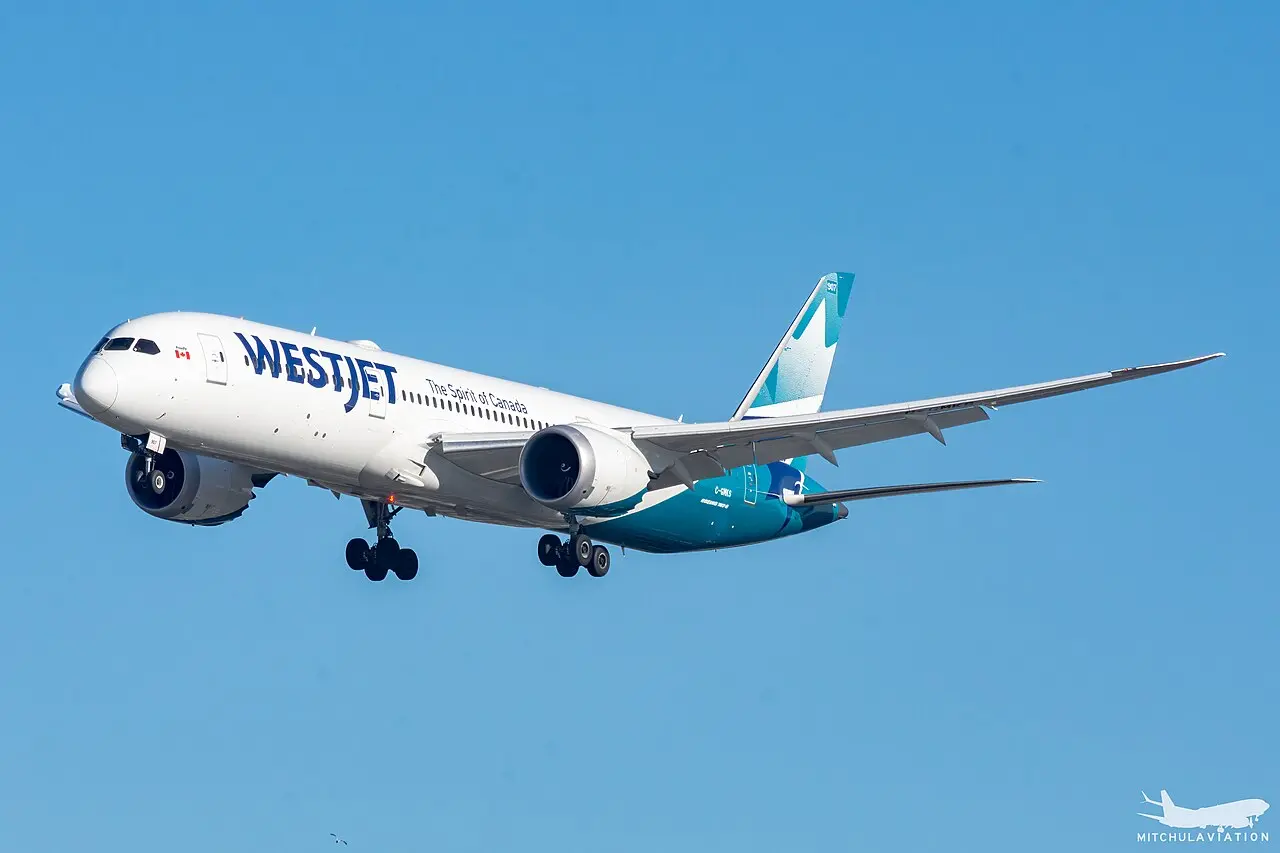
Air Canada’s own seasonal timetable has AC851 leaving Heathrow at 10:15 and landing Calgary at 12:50 on an Airbus A330-300 through 24 October 2026 - the 9h35 block once you count the seven-hour gap between British and Mountain summer time. From 25 October 2026 the same flight number drops to a 13:25 departure, mostly landing 16:55, with a run of dates swapped onto a Boeing 777-300ER that lands a little earlier at 16:25 - holding through 27 March 2027, when the 10:15 slot returns from 28 March 2027. WestJet shifts WS1 around the same calendar boundary too, historically landing low-to-mid afternoon either way - book off the live calendar tool, not this paragraph, since swap dates move year to year.
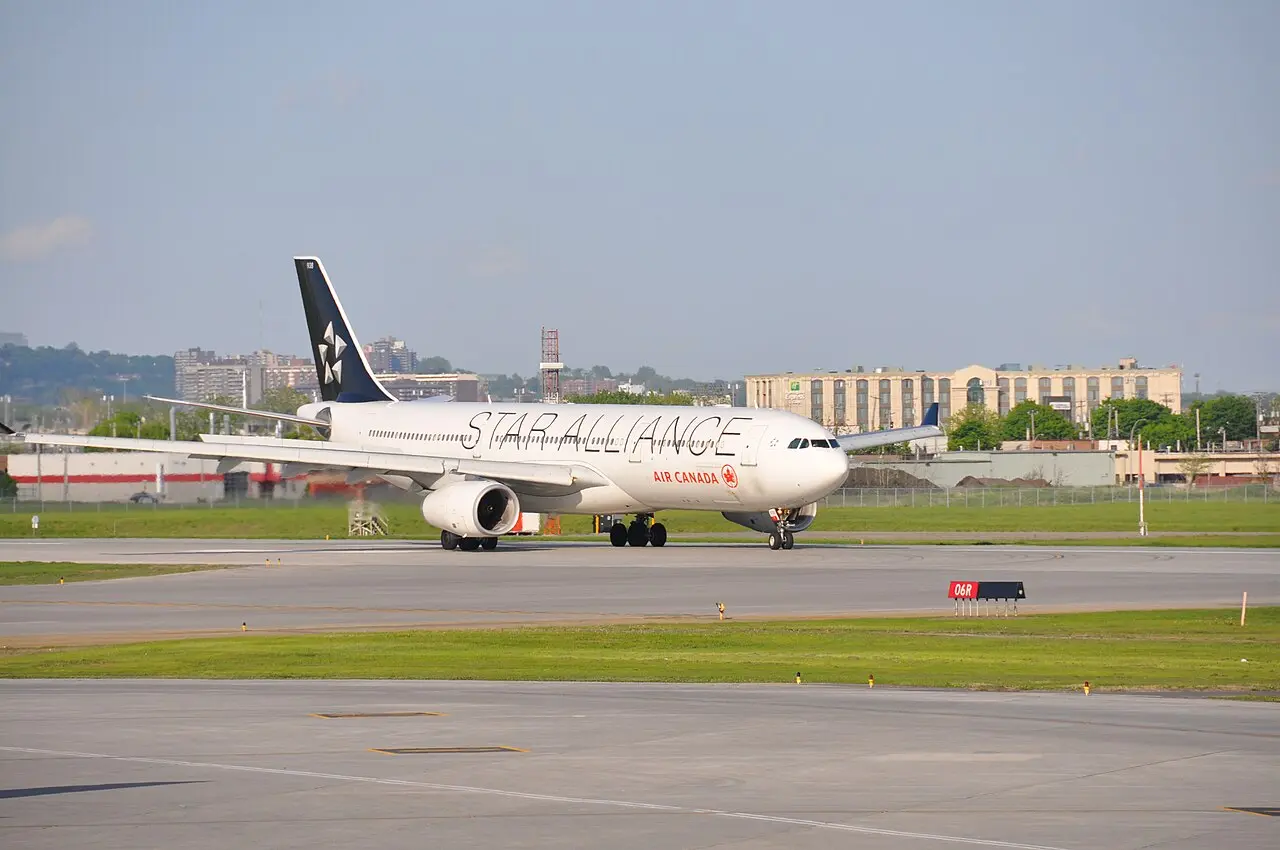
If skis or a snowboard are travelling with you, the two carriers aren’t equal. Air Canada carries a full ski or snowboard set, plus a boot bag, at no extra charge and on top of your normal checked-baggage allowance, on any Canada-Europe flight - including this one - on every fare except Economy Basic. WestJet has no equivalent perk on this route: a ski bag is simply your one standard checked piece, oversize fee waived, but extra-piece and overweight charges still apply. On a two-person, two-ski-bag Banff trip, that difference alone can cover a hotel night.
British Airways still doesn’t fly this route nonstop. Any BA-ticketed itinerary into YYC connects somewhere, usually through another Canadian or US hub, so don’t assume the Heathrow-Vancouver BA metal carries over here - it doesn’t. Skiers connecting on BA metal should check that airline’s own sports-equipment fee separately - it isn’t Air Canada’s Canada-Europe perk above.
| Carrier | Typical flight | Shape | Best for |
|---|---|---|---|
| Air Canada AC851 | Morning Heathrow in summer, 13:25 from 25 Oct 2026 | Star Alliance nonstop, often A330, free ski allowance | Aeroplan redemptions; same-day Banff push only off the summer arrival |
| WestJet WS1 | Afternoon Heathrow | Home-hub nonstop, usually 787-9 | WestJet Rewards, arriving into WestJet’s own YYC base |
| One-stop via Toronto, Montreal or Vancouver | Domestic leg adds 1h30-4h45 | No guaranteed discount - reprice | Flexible dates when both nonstops are sold out |
| Fly to Vancouver instead | Separate route | Longer Rockies transfer | BC-first trips - not a Calgary substitute |
Banff and Canmore run out of beds long before Heathrow runs out of seats, especially through ski season and Stampede fortnight - lock the room first and let the flight follow whatever calendar that creates. A cut-rate fare into Toronto is no saving at all if the only bed left in the Bow Valley that night is an emergency-rate one.
What fares usually look like
Demand decides this fare far more than distance does. Ski season fills Banff-bound seats from November, Stampede’s ten days each July are the single tightest week of the year for both flights and hotel rooms, and ordinary Rockies hiking traffic keeps things firm from June into September. Airlines still need bodies through a quiet December-to-February Bow Valley, so that’s where the real discounting happens.
Checking Cheapflights on the afternoon of 31 August 2026 put a round-trip “deal found” banner at £434 on an Air Canada nonstop. Its cheapest one-way figure that day, £328, isn’t a real floor for this route - it’s tied to a single user’s search in the previous 72 hours, out of Stansted, on a two-stop, 33-hour-45 itinerary. More useful is the page’s own planning benchmark: anything at £491 or under counts as a good round trip. Zoomed out to monthly averages, November reads £372 (the cheapest month on that page) against £843 in August (the priciest). One aggregator, one day - not a promise that November repeats at £372, and no licence to print a lower headline figure.
Christmas week and the Stampede fortnight are the two spikes worth planning around - the 2027 edition runs 9-18 July, and every hotel bed in the city goes with it. Ski season proper starts in November and runs a steadier, lower curve than summer right up until the February half-terms push it up again. The workable middle usually turns up in the shoulder pockets - late September into October, then again March into April - late enough in the day to still reach Banff on arrival, without carrying August’s price tag.
A one-way fare runs its own curve - budgeting it at half of what the return costs is a reliable way to be wrong. A midweek departure shows up in the aggregator’s own tips more often than a Friday night does - not a law of anything, just another lever when two otherwise identical AC and WestJet options sit side by side.
How far ahead to book this route
On this city pair, Cheapflights’ own tip points at roughly three weeks out (23 days in its FAQ, 24 in its summary banner) as the point where leisure fares stop looking panicked - shorter than the ten-week window often quoted for London-Vancouver, and it tracks with a thinner two-flight-a-day market: there just isn’t a deep pool of leftover seats to wait out. Inside a week you’re down to whatever’s unsold - survivable in January, expensive in July.
Two habits matter more than date-picking folklore here. Price both carriers’ own sites directly rather than one aggregator banner, since a “good deal” tag is a screen-scrape that can miss a seat sale either airline is running that week. And once a return prices somewhere inside the usual band for whichever month you’re flying - down near the November-style average, up toward the August peak - buy it rather than hold out for a rock-bottom July nonstop that mostly exists in hindsight.
Award space runs on its own clock. Aeroplan on AC851 and WestJet Rewards on WS1 both lose their cheapest seats on peak Saturdays well before the cash fare climbs, so start watching the day the schedule opens rather than when the price drops. WS1 is worth flagging for points chasers specifically: it’s WestJet’s only European nonstop out of its own home base, since every other transatlantic route in the airline’s network flies from Halifax or St. John’s instead.
One-stop options: Toronto, Montreal or Vancouver
Nonstop isn’t always cheapest, and it isn’t always available on your date - three Air Canada domestic hubs can plug the gap, and they’re not interchangeable.
Toronto Pearson is the connection Cheapflights tracks most often on this corridor - 32% of one-stop LON-YYC itineraries by its own routing note. It’s also the deepest onward schedule of the three: Air Canada, WestJet, Porter and Flair combine for roughly 24 YYZ-YYC departures a day, average flight time about 4h30. That density is the real argument for Toronto over the alternatives below - if the first flight runs late, there’s almost always another domestic seat within the hour.
Vancouver doesn’t show up in the Cheapflights routing note, but it’s worth pricing anyway: the YVR-YYC hop is barely 1h30, and at roughly 25 flights a day it’s both faster and busier than the Toronto option. A misconnect here costs a fraction of the day a Toronto or Montreal misconnect would.
Montreal is the thin one. YUL-YYC covers similar ground to the Toronto leg, around 4h40, but only about 6 times a day - fewer rebooking options if the transatlantic leg runs late, so it only pays when the fare gap rewards it.
Via a US hub means clearing US preclearance or transit formalities and going through security twice, stacked on top of the domestic-length legs above. Price the full itinerary before assuming it beats the nonstop, because it usually doesn’t once the extra hours are valued honestly.
Open-jaw into YYC and out of YVR, or the other way round, is the standard Rockies-plus-coast move - and the one place Calgary’s missing coastline matters, since any ocean leg has to route through Vancouver regardless. Price the multi-city total against two separate return tickets; the open-jaw usually wins once the alternative is a one-way rental drop fee or an awkward domestic reposition.
After you clear YYC
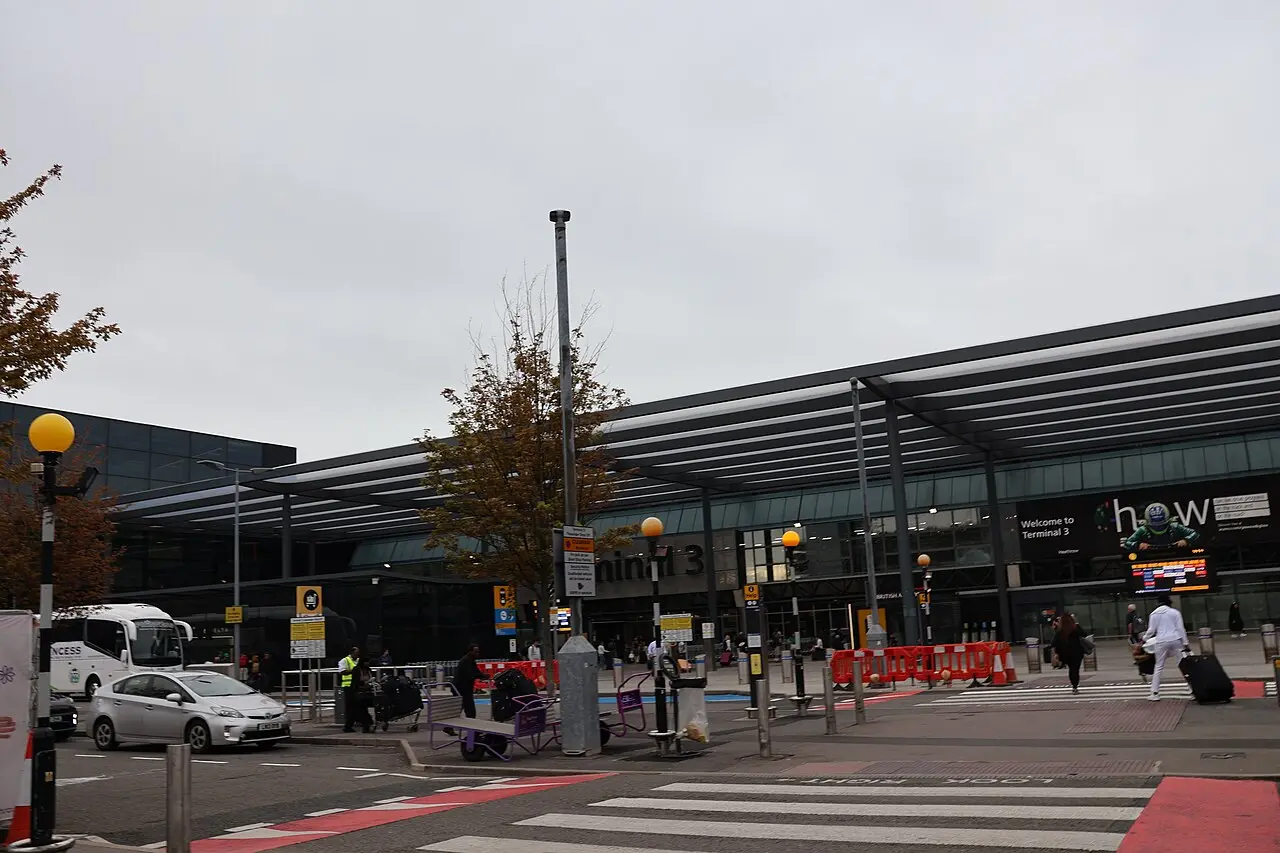
Calgary International sits on the city’s northeast edge, and there’s no direct train downtown - the CTrain never reaches the terminal. The default cheap run into the city is Calgary Transit Route 300; the default mountain run is a rental, shuttle or private ride west on the Trans-Canada. Full timings and current fares live on Calgary airport to downtown - budget real transfer time, not zero, after nine-plus hours westbound.
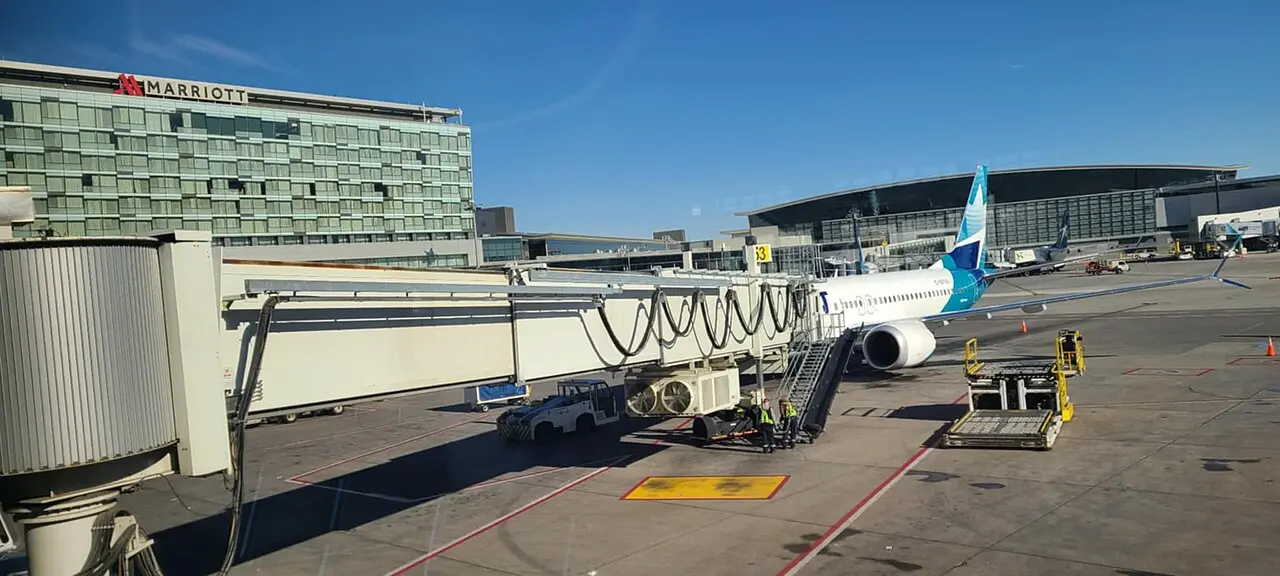
Banff sits about 140 kilometres and roughly ninety minutes west of the terminal on a clear road - reaching it on arrival day comes down to season, not airline. Off the 10:15 summer slot, AC851 is on the ground by 12:50 with the whole afternoon ahead. Off the winter 13:25 departure, the timetable has you landing around 16:55 (WestJet’s WS1 typically later again) - ninety minutes of mountain road left in the dark, so plan a Calgary night and drive out after breakfast instead. Shuttle-versus-rental detail lives on Calgary to Banff; a rental at YYC earns its keep once you’re driving to the mountains that day, though downtown itself doesn’t need one for a single night. Compare totals on renting a car in Canada before adding the desk fee to your ticket.

One thing every UK arrival has to clear regardless of carrier: an approved eTA, CAN$7, tied to the passport you fly on. Apply well before the airport, not at it - refusals, dual citizens and what counts as a valid British passport type are kept current on Canada eTA for UK citizens.
Match the flight to Calgary’s calendar
Calgary’s fare curve tracks what’s happening in the mountains, not a generic summer-peak pattern, so it’s worth booking against the season rather than the calendar month.
| Season | What’s driving demand | What it means for this ticket |
|---|---|---|
| Ski, November-April | Lake Louise, Sunshine and Norquay; Lake Louise’s own season runs 6 November to 2 May | Steadier fares than summer, with spikes around Christmas/New Year and February half-terms; skis fly free on Air Canada |
| Stampede fortnight, 9-18 July 2027 | Ten days that fill every bed in the city at once | The single hardest week of the year to find a seat and a room together |
| Summer minus Stampede, June-September | Rockies hiking, the Icefields Parkway, warm-weather peak demand | High and steady, but not Stampede-high |
| Shoulder, late Sept-Oct and Mar-Apr | Fewer crowds, less predictable weather | The softest fares on the whole route |
Still weighing Calgary against Vancouver? Settle that first on Calgary vs Vancouver - this page only covers the ticket once Calgary’s already won. If the plan is the coast - Whistler, the Island, a ferry - Alberta doesn’t have one to offer, and the ticket you want is London to Vancouver, not this one.
Two carriers, one route, and a mountain range ninety minutes past the terminal - that’s the whole pitch. Match the season to the trip, book off the live calendar rather than the numbers on this page, and put whatever the fare saves you into the Banff nights, where it shows.
Read also

Transport · 13 min read
Toronto to Montreal: Train, Bus, Flight or Drive
Verified · September 5, 2026Toronto-Montreal 2026: VIA averages 5h13 over 538 km, Megabus runs 8-13 coaches a day from Union, about 545 km to drive, or a 1h20 flight to YUL.

Transport · 9 min read
Ottawa Airport to Downtown: Line 4, Bus 105 and Taxi
Verified · September 4, 2026YOW to downtown: O-Train Line 4 plus Line 2 for C$4.10, Route 105 around the clock, and Ottawa metered taxi rates with the airport pickup fee.

Transport · 10 min read
London to Vancouver Flights 2026: Airlines and Fares
Verified · August 30, 2026Nonstop London-Vancouver runs on BA and Air Canada from Heathrow and Gatwick. What moves the fare, when it softens, and when to book.

Transport · 9 min read
Edmonton Airport to Downtown: Bus 747, Taxi & Rideshare
Verified · August 27, 2026YEG to downtown Edmonton: Route 747 for C$6 (no ETS transfers), flat taxi C$62, and where Uber picks up: Door 10.