Algonquin Park: Canoe Routes and Moose
Algonquin splits into Highway 60 moose days and 2,000 km of canoe routes inland. Day-use C$21, backcountry fees and booking rules checked 13 Aug 2026.
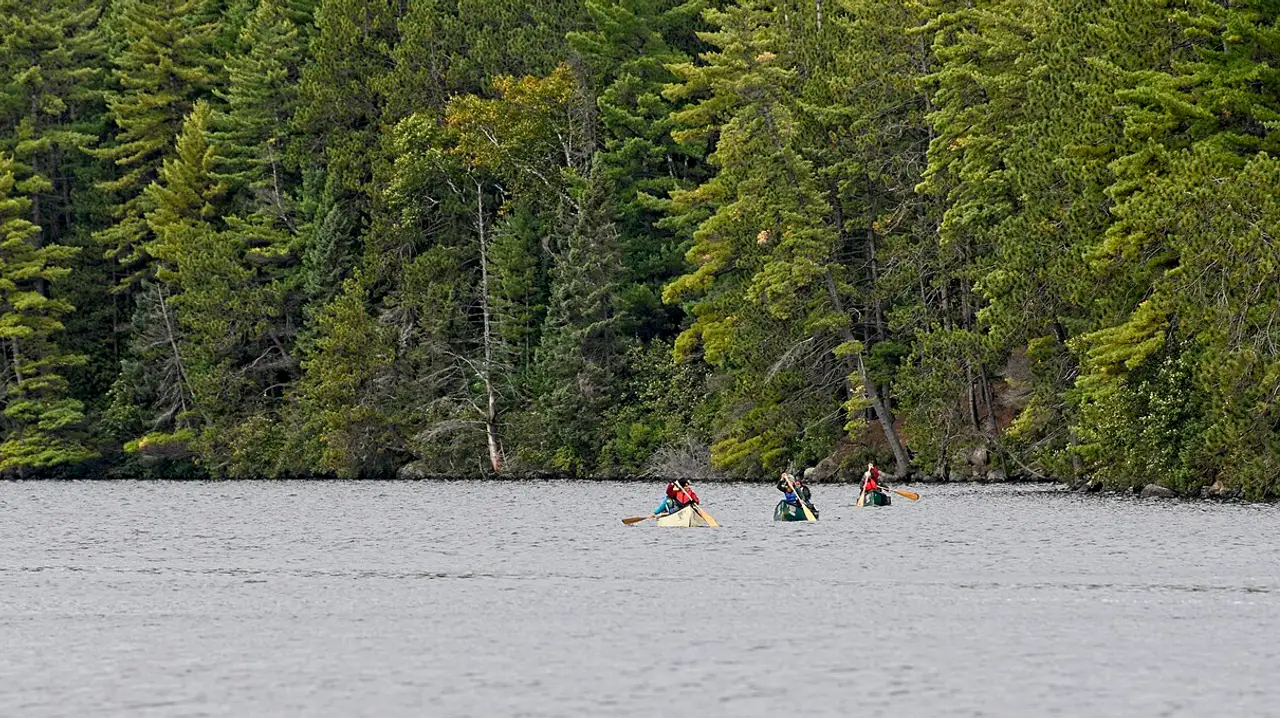
Algonquin is really two parks sharing one permit system. Along Highway 60 you get about 56 kilometres of campgrounds, short interpretive trails, museums and the moose traffic that makes May mornings famous. Inland you’ll find a different animal entirely: more than 2,000 kilometres of canoe routes across a park Ontario Parks lists at 772,300 hectares. Pick the corridor for a day or two with a car. Pick the interior when you want nights that start with a lake reservation, not a trailhead parking lot. Fees and booking rules below were checked on 13 August 2026 against Ontario Parks and the Friends of Algonquin Park; treat them as perishable.
The Highway 60 corridor
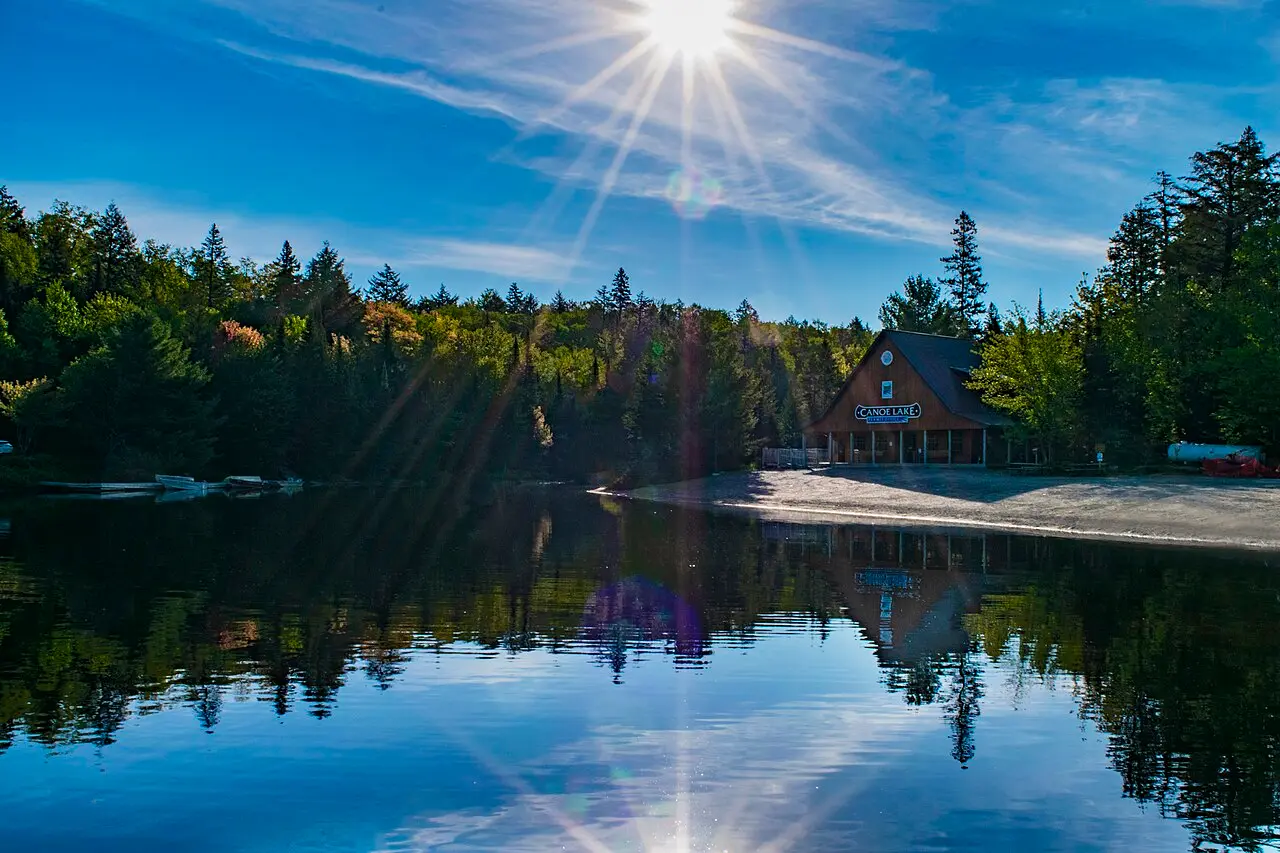
This is the Algonquin most first-timers actually use. Ontario Parks strings the visitor kit along that southern highway strip: eight car campgrounds, 14 interpretive trails, the Visitor Centre, Logging Museum and Art Centre. You can build a full day without ever loading a canoe - a dawn wildlife drive, a boardwalk trail after breakfast, a museum hour when the rain starts, then another slow pass for moose before dark.
The corridor still asks for planning. Capacity is limited by entry area, and a Daily Vehicle Permit is required the moment you stop for a trail, toilet, picnic ground or museum. Through-driving between Oxtongue Lake and Whitney on Highway 60 itself doesn’t need a permit. The practical test is simple: if you leave the pavement for a park facility, you’ll need the permit booked first.
Wider southern Ontario context lives in the Ontario province guide. If you’re already chaining Bruce or cottage country into the same week, keep Algonquin as its own overnight block rather than a drive-by checkbox - the dawn moose window is the whole point of sleeping nearby.
Day-use permits: the C$21 rule
For Highway 60 day visits, the Friends of Algonquin Park list a Daily Vehicle Permit at C$21.00 per vehicle per day, taxes included. It covers one vehicle and everyone in it (up to 14 people) and runs 7:00 a.m. to 10:00 p.m. on the date you book. That matches Ontario Parks’ 2026 DU4 regular day-use total of C$21.00.
Book it online up to five days ahead (sales open at 7:00 a.m.) or call 1-888-668-7275 between 7:00 a.m. and 9:00 p.m. You must choose an entry point - for the classic strip that’s Highway 60 Corridor. Permits are non-refundable, subject to capacity, and not sold in person. Seasonal permit holders still need to reserve a date online to guarantee entry when the park is busy.
That last point is the one that wrecks summer Saturdays. Showing up at the East or West Gate with a credit card and optimism isn’t the plan anymore. Buy the date before you leave Huntsville.
Moose on the corridor, not deep inland
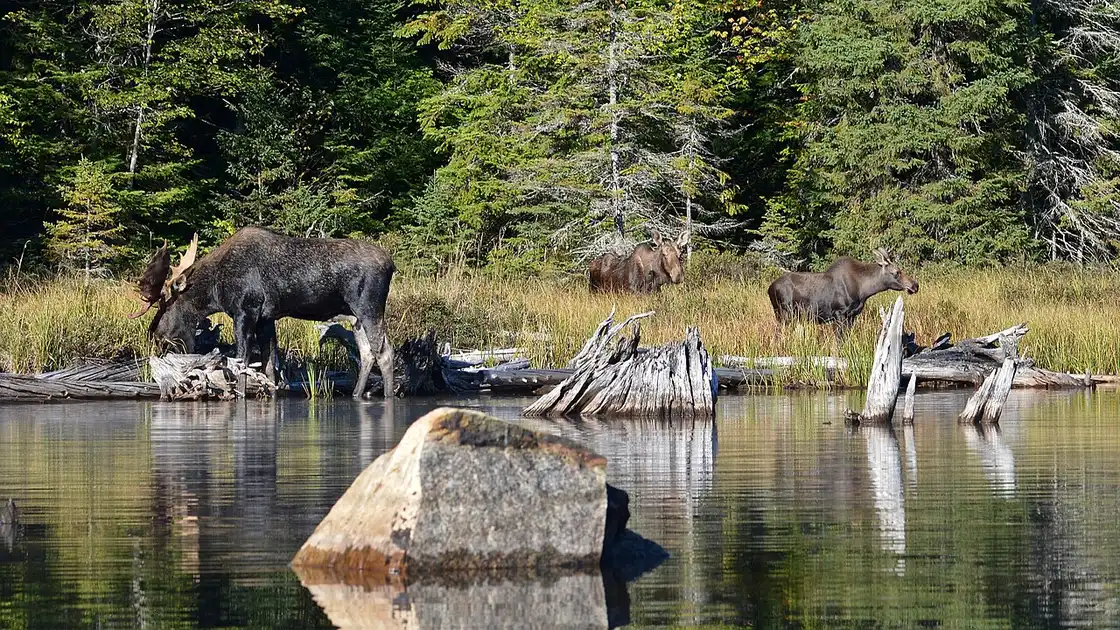
Friends of Algonquin Park are blunt about where the animals actually turn up: far more wildlife is seen along Highway 60 each year than in the whole backcountry. Moose are drawn to the highway at certain times of year, and the advice is old-school and still right - go in the evening, or better, at dawn and the two or three hours after. Take binoculars. Favour low wet ground: Beaver Pond Trail, the Spruce Bog Boardwalk, and especially Mizzy Lake Trail.
Spring is the cheat code. After winter road salt, moose work the ditches for sodium. Friends say a leisurely May morning or evening drive can turn up half a dozen or more. That doesn’t mean stop in the travel lane. Pull fully onto the shoulder, use hazards, watch traffic if you leave the car, and if a moose flattens its ears along its body, you’re too close - back away. Reduce speed when the light is low - dawn and dusk are when corridor wildlife and cars share the same strip of pavement.
If autumn colour is your hook instead of moose, Algonquin publishes a fall colour report rather than a single peak week - our Canada fall colours guide puts that corridor into the wider national timing picture.
Interior canoe routes: the other Algonquin
The paddle network is why people say the park’s name with a different tone of voice. Friends put the route system at over 2,000 kilometres of canoe routes. You’ll plan with the Official Canoe Routes Map, pick access points, and book lake- or zone-specific nights. Within that lake or zone, individual campsites are still first-come, first-served - the reservation buys you the right to camp in that unit, not a named tent pad with a pin.
Reservations open up to five months before arrival, online or by phone, with full payment due at booking. Maximum party size is nine people per site. Maximum stay on any one backcountry site is 16 consecutive nights. Carry a digital or printed confirmation; you don’t pick up a paper permit as a second step if the reservation is already paid.
Backcountry fees (taxes included, Friends of Algonquin Park) run:
| Age | Per person per night |
|---|---|
| 6-17 | C$5.65 |
| 18-64 | C$12.43 |
| 65+ | C$9.94 |
An Additional Vehicle Permit is C$14.13 per vehicle per night if more than one car is tied to the permit. Ontario Parks also charges a non-refundable reservation fee on top - confirm the current amount in the booking cart, because the dollar figure was not listed on the fee pages checked for this article.
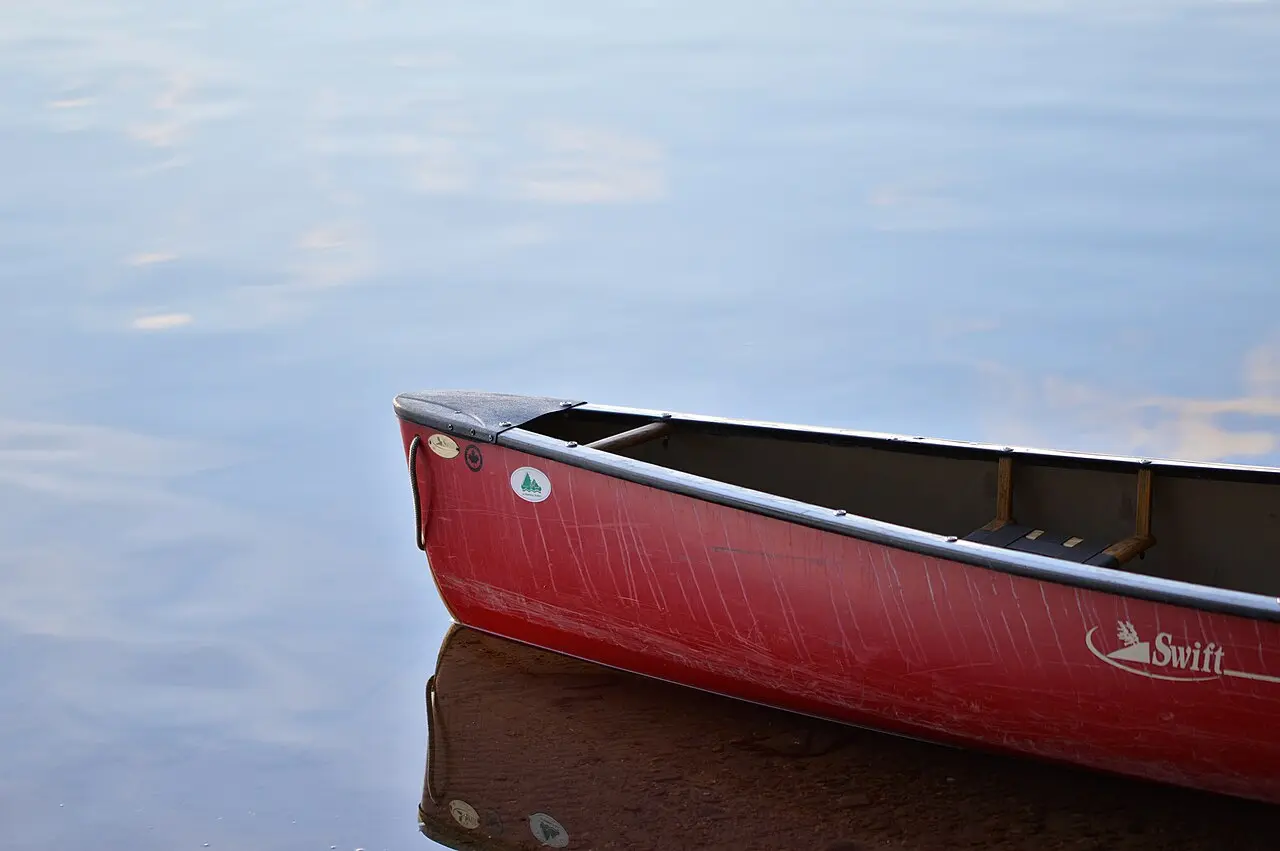
Two seasonal traps matter more than gear debates. From 1 April, backcountry camping stays closed until ice-out and conditions allow Ontario Parks to reopen reservations - you can’t treat early April as a normal shoulder. From 1 December to 31 March, winter protocol applies: different zone rules, and summer shoreline campsites are off limits. Check the live reservation calendar before you tell friends you’re “doing Algonquin in April.”
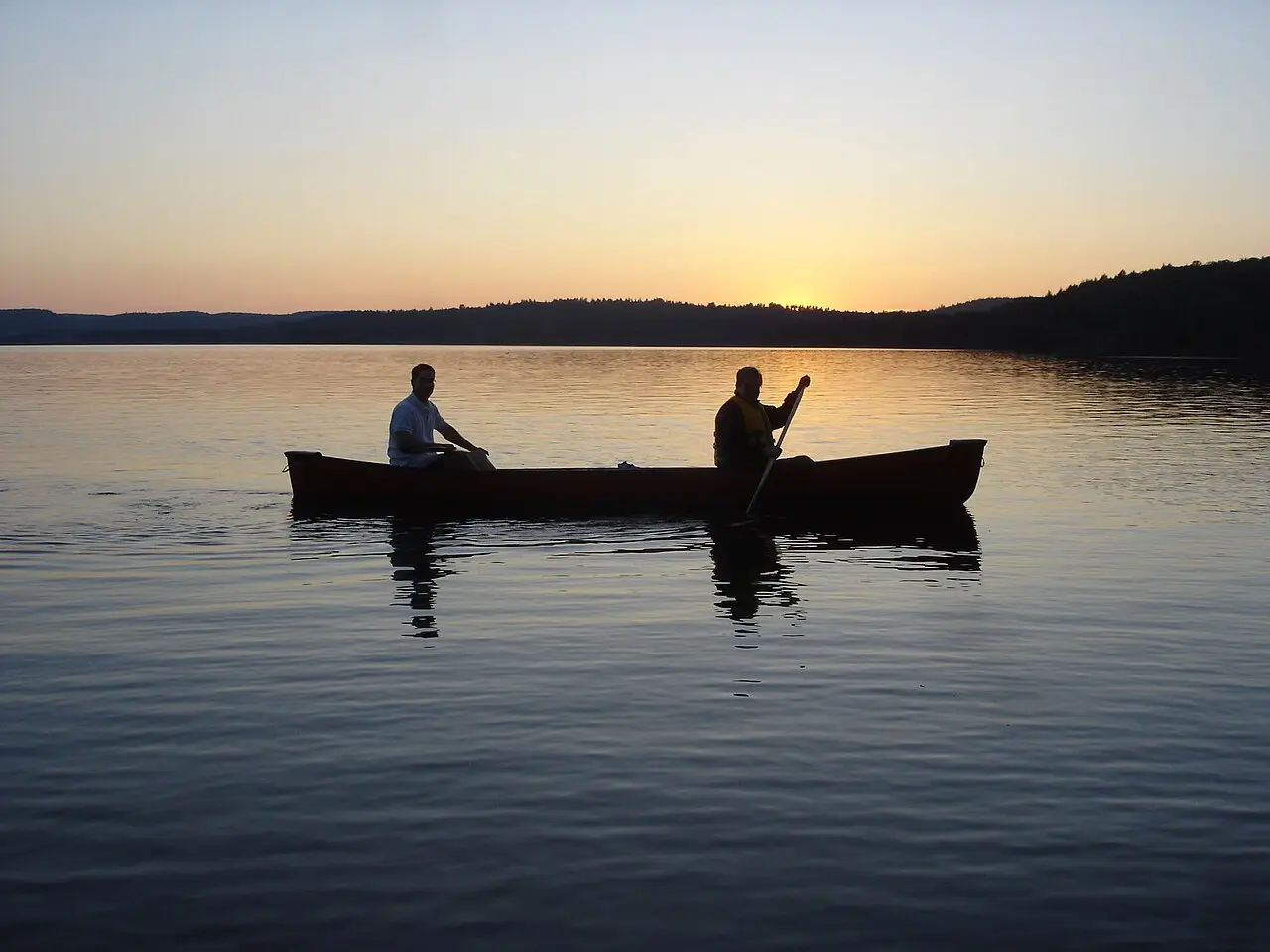
Car camping on the strip vs going inland
If you want tents without portages, the Highway 60 campgrounds are the product: Tea Lake, Canisbay, Mew Lake, Lake of Two Rivers, Pog Lake, Kearney Lake, Raccoon Lake and Rock Lake, plus quieter options at Kiosk, Brent and Achray off the main strip. Seasons differ - in 2026, for example, Lake of Two Rivers is listed 8 May to 25 October, while Mew Lake and day-use areas run year-round.
Nightly car-camping prices aren’t one park-wide number. Ontario Parks prices developed sites by fee level (AA through C on the 2026 table), and the level depends on the campground and services. Book on reservations.ontarioparks.ca and trust the cart for the exact total, the same way you’d for any other Ontario Parks site. Our camping in Canada guide covers the national reservation habits; Algonquin still wants its own corridor vs backcountry decision before you open the calendar.
The honest split: car camping buys you dawn moose drives and short trails with a cooler in the trunk. Backcountry buys silence and route craft. Mixing both in one short trip usually means you don’t do either well.
Where to base: Whitney or Huntsville
Sleeping inside a reserved campsite is cleanest if you can get one. If the corridor grid is full, Whitney (east gate side) and Huntsville (west approach) are the usual overflow towns. Dawn moose runs punish anyone still drinking coffee in Toronto at 5:30 a.m. - the drive from the GTA is a morning of its own. A room outside the gates the night before is often the difference between “we saw a moose” and “we saw brake lights.” It’s dull advice until you’ve burned a May sunrise on Highway 400.
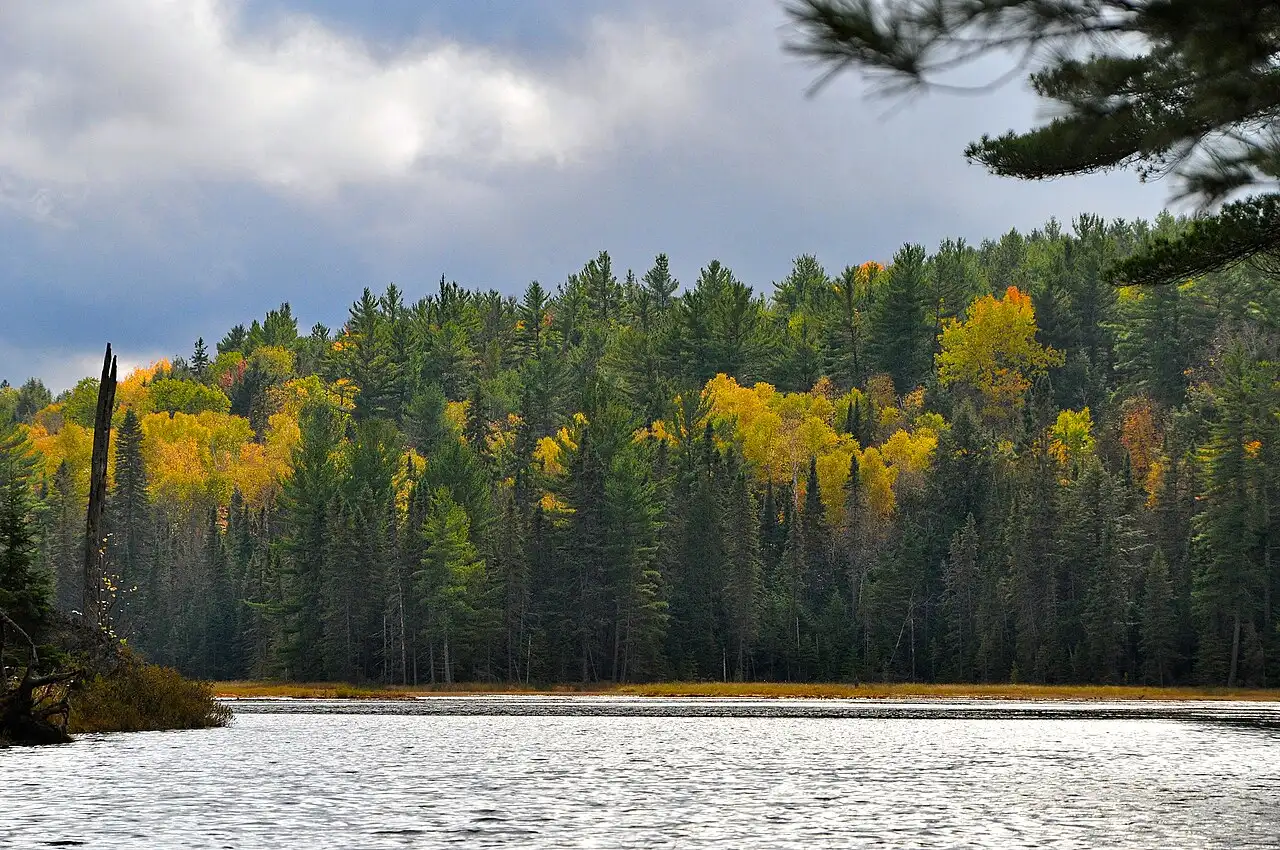
For month-by-month weather logic across the country, use best time to visit Canada. For Algonquin specifically: May-June for roadside moose, July-August for swimming and full canoe access after ice-out, September-October for colour and cooler paddling, winter for the smaller set of year-round corridor options if you are equipped for it.
Quick decision
- One day from the GTA or Muskoka: book the Highway 60 Daily Vehicle Permit, leave early, do a wildlife drive plus one short trail, accept that you may not see a moose.
- Two or three nights with a car: reserve a corridor campground, keep one dawn free of agenda, add the Visitor Centre when weather turns.
- True canoe trip: buy the Official Canoe Routes Map first, then reserve lakes or zones five months out, then rent boats and barrels from an outfitter near your access point.
Algonquin rewards the version of the trip you actually booked. The corridor is not a consolation prize for people who “could not get into the backcountry,” and the interior is not a harder day hike. They are different parks that happen to share a name on the highway signs.
On the map
The map loads on click - to keep the page lightweight.
The map didn’t load. Check your connection and refresh the page.
Admission and opening hours
- Admission price
- Highway 60 Daily Vehicle Permit C$21.00 per vehicle per day (incl. HST), valid 7:00 a.m. to 10:00 p.m.; book online up to 5 days ahead. Backcountry camping (incl. HST): youth 6-17 C$5.65, adult 18-64 C$12.43, senior 65+ C$9.94 per person per night, plus a non-refundable reservation fee. Car-camping rates follow Ontario Parks fee levels - confirm on the reservation site.
- Opening hours
- Day-use areas open year-round; corridor campground seasons vary (example 2026: Lake of Two Rivers 8 May-25 Oct; Mew Lake year-round). Backcountry camping closed from 1 April until ice-out allows reopening. Confirm live capacity before travel.
A Daily Vehicle Permit is required if you stop for trails, toilets, picnic grounds or museums. Through-driving on Highway 60 between Oxtongue Lake and Whitney does not need a permit. Rules and fees change - confirm at ontarioparks.ca.
Details checked: August 13, 2026
Read also

National parks · 11 min read
Point Pelee: Birding, Monarchs and Canada's Southern Tip
Verified · August 29, 2026Point Pelee in practice: the shuttle to the Tip, monarch season timing, Festival of Birds dates, 2026 fees, and why free admission ended before the peak.

National parks · 8 min read
Kluane: Icefields, Flightseeing and Mount Logan
Verified · August 28, 2026Kluane National Park 2026: Kathleen Lake trails, C$30 camping, Rocking Star flights from C$250, and Mount Logan at 5,959 m.

National parks · 7 min read
Riding Mountain National Park: Bison, Clear Lake & Highlands
Verified · August 27, 2026Riding Mountain in 2026: Lake Audy bison from your car, Clear Lake beaches, Wasagaming camping fees and the drive from Winnipeg.

National parks · 8 min read
La Mauricie National Park 2026: Parkway, Lakes & Camping
Verified · August 26, 2026La Mauricie NP: two hours from Montreal or Quebec City. 2026 gate C$10, 64 km Parkway, camping from C$33.75, Navette Nature shuttles.