Manitoba Travel Guide: Bears, Belugas and Winnipeg
Why Manitoba is two trips: walkable Winnipeg and the Forks, and Churchill, the fly-in north for polar bears, belugas and the northern lights.
Manitoba is really two trips wearing one licence plate. In the south, Winnipeg is an easy long weekend: the Forks, the Canadian Museum for Human Rights and a food scene that punches above the city’s size. About a thousand kilometres north, on the shore of Hudson Bay, Churchill is a different country, a subarctic town you reach only by plane or train because no road runs that far. The trick to Manitoba is that the north works by season: fall buys polar bears, summer buys beluga whales, winter buys the aurora, and you choose your month around the animal you came for.
Start with the fact most guides bury. You can’t drive to Churchill. Travel Manitoba puts it plainly - there are no roads to the town, so getting there’s a flight from Winnipeg or a multi-day ride on the VIA Rail “Hudson Bay” train. That one detail changes how you plan. Churchill isn’t a place you swing by on a road trip; it’s a trip you book, budget for, and build around the calendar.
Churchill: which season buys which animal
Churchill sells itself as “the polar bear capital of the world,” and for once the town earns the slogan. What makes it rare isn’t one animal but three, each with its own window, so the first question isn’t where to go but when.
Polar bears in the fall
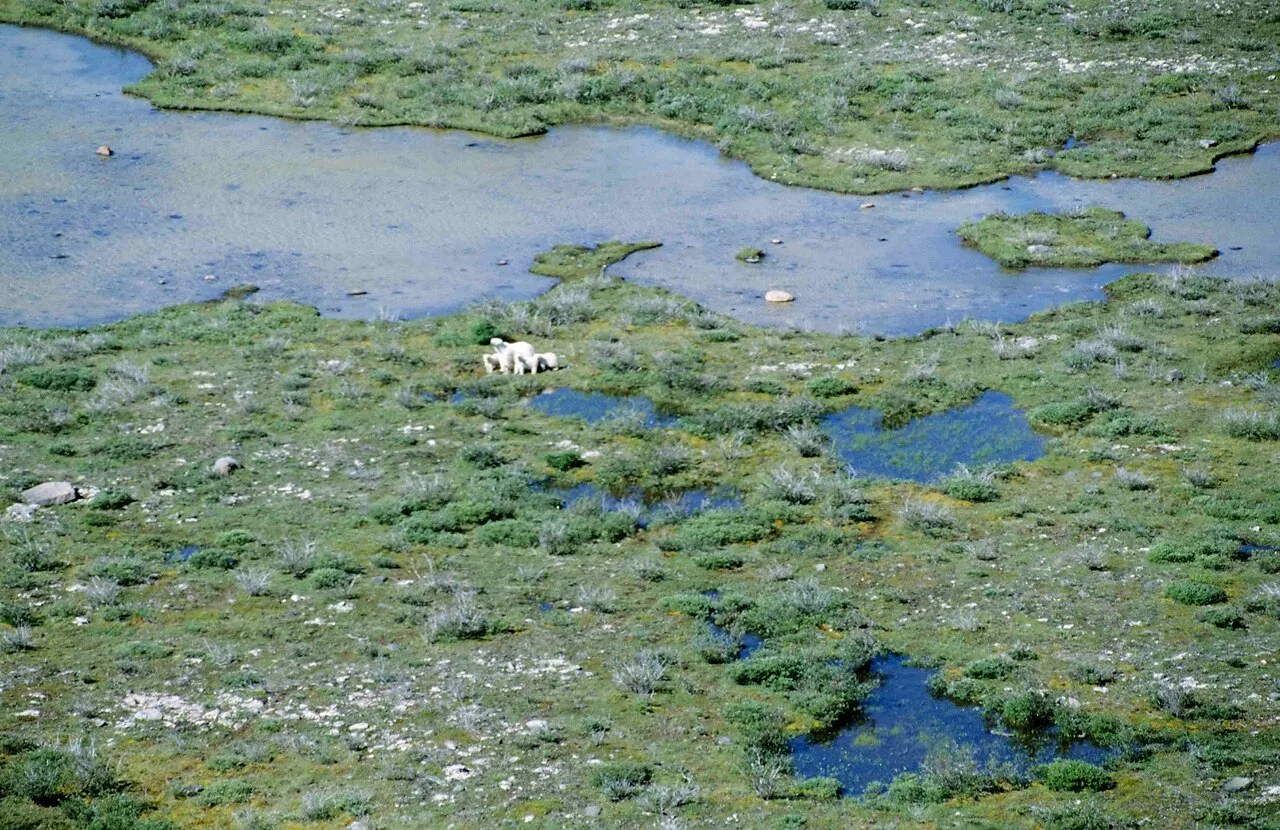
October and November are prime bear season. As the days shorten, polar bears gather along the coast of Hudson Bay, waiting for the sea ice to re-form so they can head out to hunt seals, and Churchill sits right on their path. Viewing is from purpose-built Tundra Buggies, high-clearance vehicles that keep you safely above an animal that’s genuinely dangerous on foot; our guide to Churchill’s polar bears has the operators, the 2026 day rates and how far ahead the beds go. South of town, Wapusk National Park protects one of the world’s largest polar bear maternity denning areas; it’s tour-access only and logged just 78 visits in 2024-25, a number that tells you everything about how remote this coast is.
Beluga whales in summer
Come back in June, July or August and the same water is full of whales. Travel Manitoba counts over 57,000 beluga whales moving into Hudson Bay each summer, with about 4,000 of them crowding into the warmer, food-rich Churchill River Estuary. They’re curious, pale and small as whales go, and you can watch them from a boat, a kayak, or by getting in the water to snorkel alongside them. Nobody can promise a sighting on a given day, but summer is the season the belugas are there in numbers. How the estuary compares with the boats on the Pacific, the St Lawrence and the Bay of Fundy - on price as much as on odds - is in whale watching in Canada.
Northern lights in winter
Churchill sits under the auroral oval, and the tourism board reckons the lights are visible up to 300 nights a year, with the display at its best in February and March. That makes deep winter the third Churchill season, paired with dog-sledding and a cold that’s not to be underestimated. The physics, the packing list and the tour-versus-DIY question all belong in our northern lights in Canada guide, so this page just tells you the season and sends you there.
Getting to Churchill: there is no road
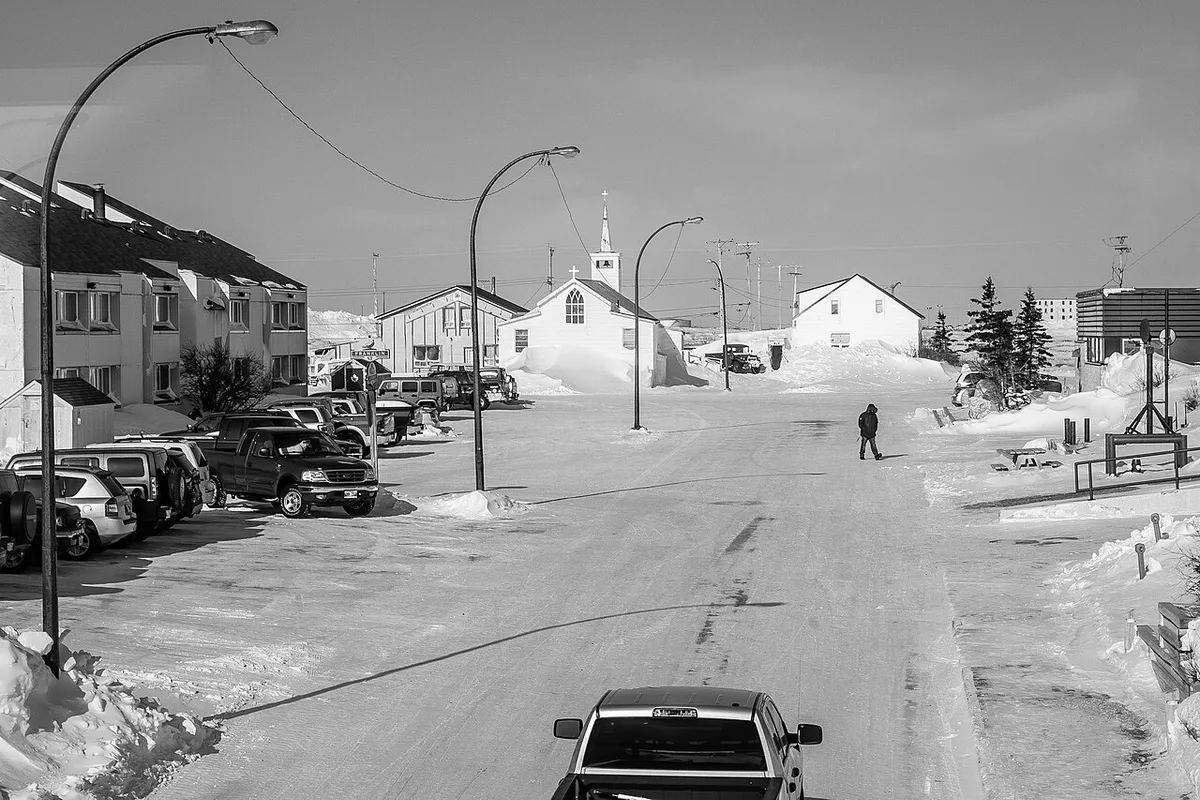
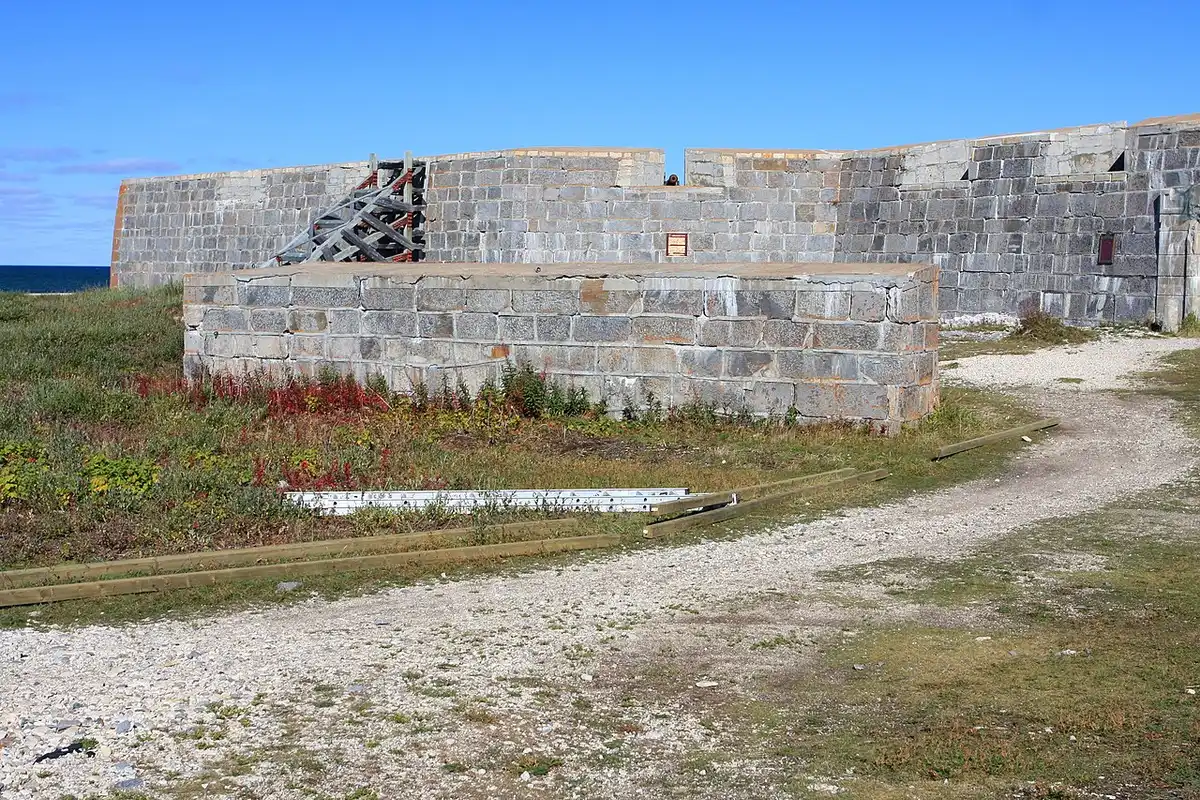
Worth repeating, because it’s the single most useful thing to know. You reach Churchill by air, on regional flights from Winnipeg, or overland on the VIA Rail “Hudson Bay” train, a scenic but slow multi-day run through The Pas and Thompson (check the current schedule at viarail.ca before you plan around it, because the line has had disruptions in the past). Once you’re there, the town itself is small and walkable, and a short boat trip reaches Prince of Wales Fort, a squat 18th-century stone fort guarding the river mouth.
Winnipeg: the easy half of the province
If Churchill is the expedition, Winnipeg is the weekend. The provincial capital sits near the longitudinal centre of the country, a full day’s drive from almost anywhere, which is exactly why you’ll want a couple of unhurried days rather than a fuel stop.
The Forks
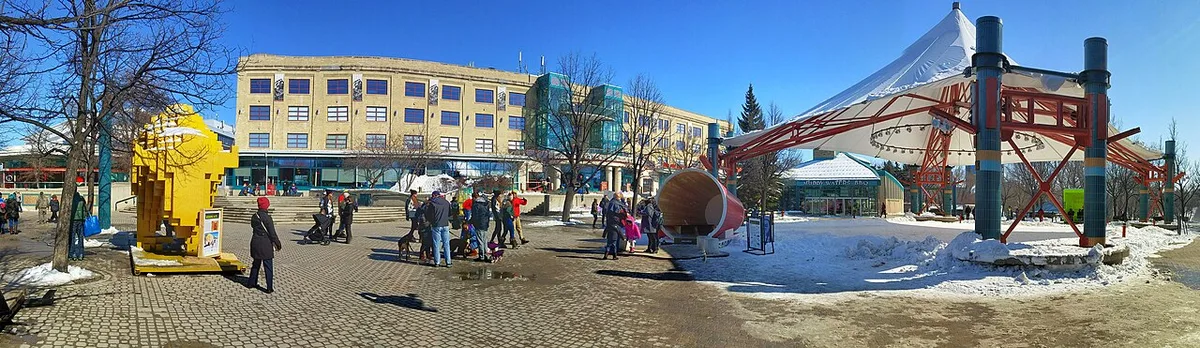
Everything in Winnipeg orbits the Forks, the point where the Red and Assiniboine rivers meet. People have gathered here for roughly six thousand years, and the site is now a National Historic Site turned riverfront market, park and food hall - that’s the city’s living room. In winter the rivers freeze into one of the longest skating trails anywhere, and the whole thing becomes an outdoor rink you can glide to lunch on. For opening hours, admission prices and the shape of a two-day visit, see things to do in Winnipeg.
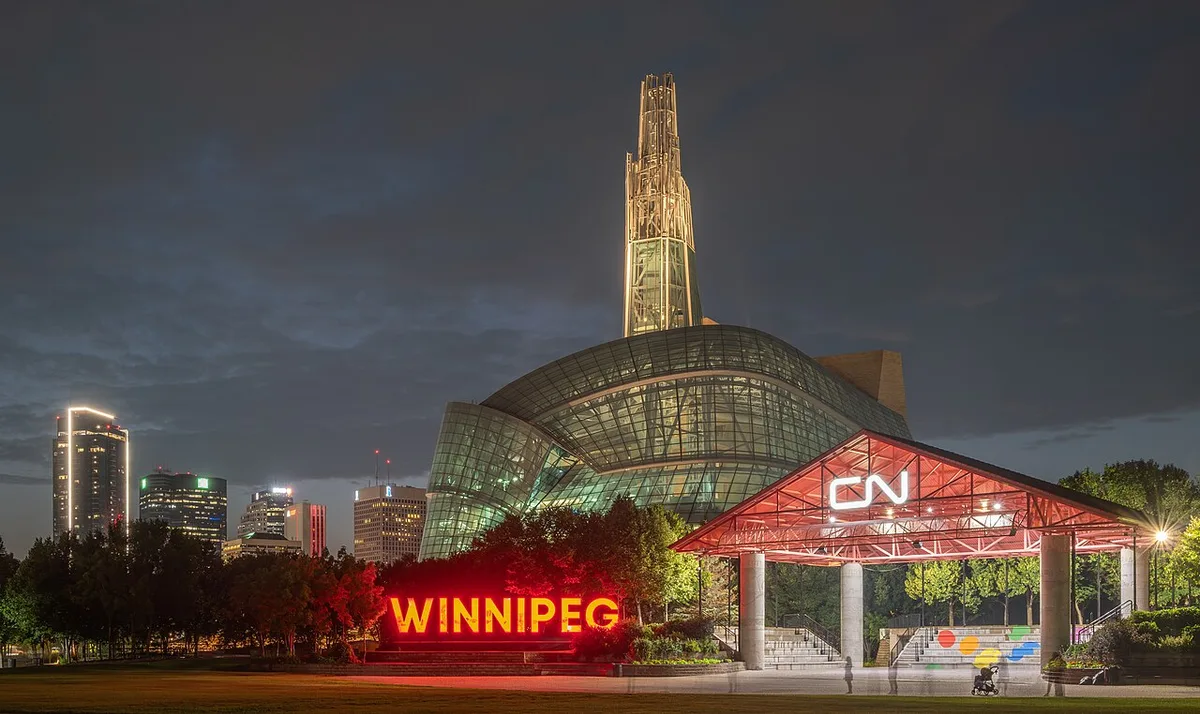
The Canadian Museum for Human Rights
Rising over the Forks is the building that put Winnipeg on the cultural map - you won’t miss it. The Canadian Museum for Human Rights opened on 19 September 2014 as the first national museum in Canada built outside the Ottawa-Gatineau capital region, and the first museum anywhere in the world devoted entirely to human rights. Antoine Predock’s design, all stone roots and a glass Tower of Hope, is worth the visit before you even go inside; the galleries themselves ramp upward through alabaster-lit walkways and are heavy, deliberate and moving.
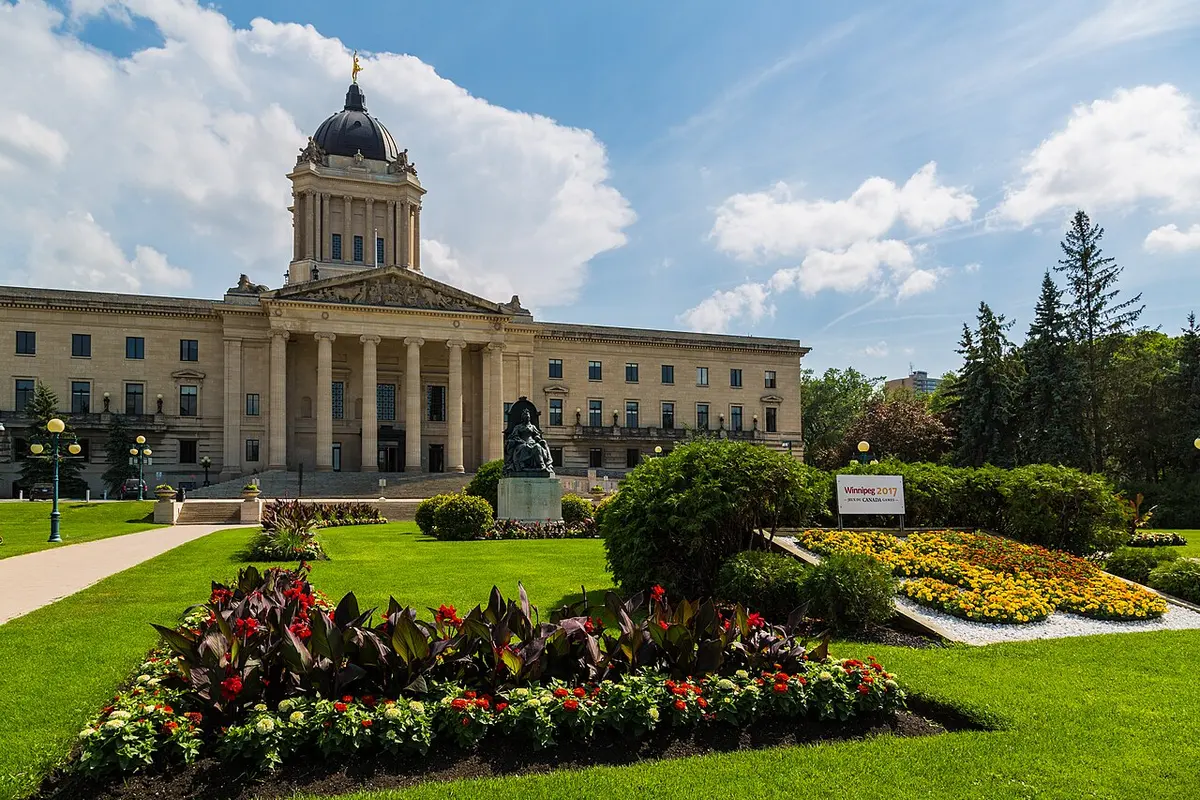
The legislature and the Exchange District
A few minutes away, the Manitoba Legislative Building is a grand piece of neoclassical stone crowned by the gilded Golden Boy, and it hides more oddball symbolism than any government building should; guided “hermetic code” tours have become a small local cult - you’ll hear about them if you ask. North of it, the Exchange District keeps twenty blocks of century-old warehouses that now hold restaurants, coffee roasters and theatres, and it’s the part of town most likely to surprise you.
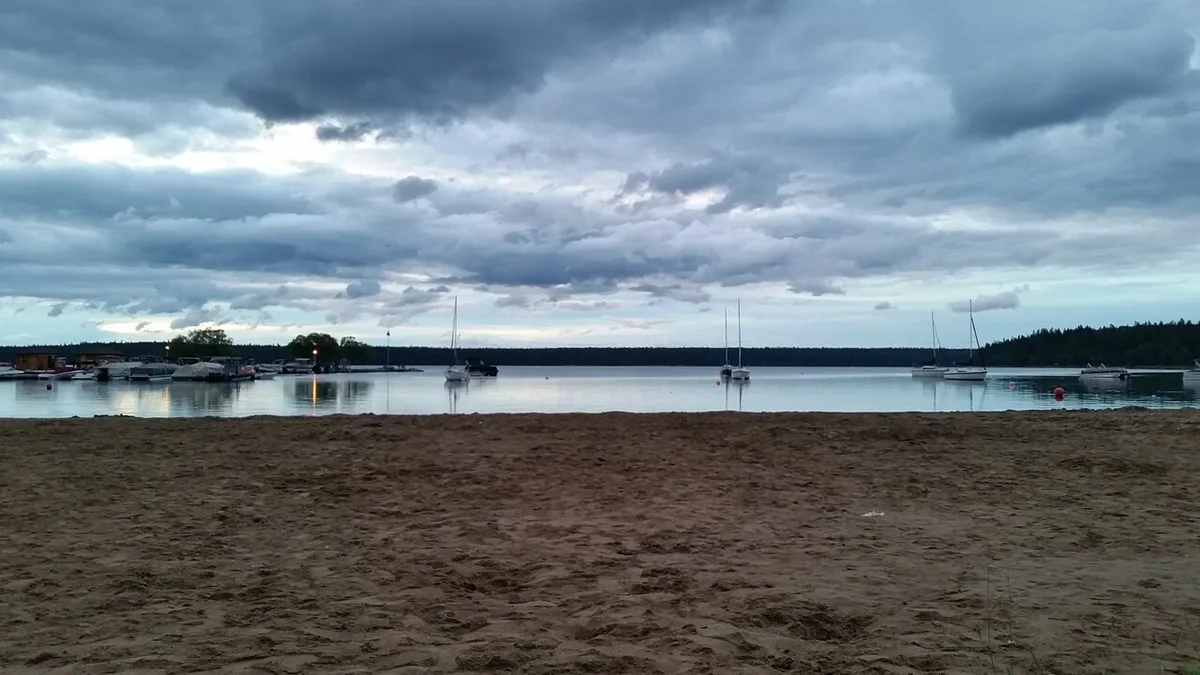
Beyond the cities: Riding Mountain and the prairie
Full park guide: Riding Mountain National Park - bison loop, Clear Lake and Wasagaming.
Between the two Manitobas lies a lot of open country, and one park makes the case for stopping. Riding Mountain National Park is a forested highland that rises abruptly off the flat farmland along the Manitoba Escarpment, a green island of lakes, bison and hiking with the resort town of Wasagaming on Clear Lake at its heart. It’s genuinely popular, drawing 348,111 visits in 2024-25, and set against Wapusk’s 78 it neatly frames the whole province: one park you can drive to on a whim, another you can barely reach at all.
When to visit, and what it costs
Season and goal are the same question here. Summer (June to August) is Winnipeg’s festival stretch and the belugas’ window, with long northern daylight up on the bay. Fall (October and November) is polar bear season and little else. Winter is brutally cold but buys two things nowhere else does: the Forks skating trail in the south and, up north, the aurora.
Budget follows the same split. Winnipeg is an ordinary city break: normal flights, normal hotels, a weekend you can do on a modest budget. Churchill is the opposite. Because you can only fly or take the train, and because the wildlife is seen on guided Tundra Buggy or boat tours, a few days on Hudson Bay runs into the thousands and books up months ahead. Treat them as two separate budgets and you’ll not be surprised.
A Churchill wildlife calendar
The honest one-page version of when to go for what. Bears, belugas and the aurora don’t overlap, so the calendar is the plan.
| Months | The headline draw | Notes |
|---|---|---|
| June to August | Beluga whales | Peak numbers in the Churchill River Estuary; long daylight and summer wildflowers |
| Late August to September | Aurora shoulder, last belugas | The dark returns and the first bears start to gather on the coast |
| October to November | Polar bears | Prime bear season along Hudson Bay; viewing from Tundra Buggies |
| December to March | Northern lights | Best in February and March; deep cold, see the aurora guide |
Before you go
Whether you need an eTA or a visa to enter Canada depends on your nationality, and the rules change, so check the official source rather than a guidebook; our Canada eTA and visas guide points you at it. For the drivable south, our guide to renting a car in Canada covers the winter-tire and one-way rules. And because a remote-north trip is exactly the kind where a cancelled flight or a medical problem gets expensive fast, it is worth reading up on travel insurance for Canada before you commit to Churchill. On the tundra itself, take the bear safety seriously: viewing is guided for a reason, and wandering off on your own is how people get hurt.
Read also
- Tours, season and what a buggy day costs: Churchill polar bears
- Two easy days in the capital: things to do in Winnipeg
- Belugas, orcas and the coasts compared: whale watching in Canada
- The prairie neighbour and its dark skies: Saskatchewan travel guide
- The big province to the east: Ontario travel guide
- Where and when to see the lights: northern lights in Canada
- Every province and territory: the provinces hub
On the map
The map loads on click - to keep the page lightweight.
The map didn’t load. Check your connection and refresh the page.
Read also

Provinces · 12 min read
Alberta Travel Guide: What to See and How Long
Updated · September 14, 2026Alberta beyond the Rockies: six UNESCO sites, the badlands, park fees after the 2026 free-entry window, the pass rental cars still need, and when to go.

Provinces · 9 min read
British Columbia Travel Guide: The Five Trips
Updated · September 14, 2026British Columbia is bigger than France and Germany combined: the five realistic trips, how many days each needs, the ferry to the island and when to go.

Provinces · 8 min read
New Brunswick Travel Guide: Fundy and Two Tongues
Updated · September 14, 2026New Brunswick, the Bay of Fundy province: Hopewell Rocks and record tides, Saint John, Fredericton and Canada's only bilingual province.

Provinces · 9 min read
Newfoundland and Labrador Travel Guide
Updated · September 14, 2026Newfoundland and Labrador in 7 to 10 days: St. John's, Gros Morne's mantle rock, the Vikings at L'Anse aux Meadows, icebergs and whales.