Saskatchewan Travel Guide: Big Skies and Deep Time
Saskatchewan is not just the drive to the mountains: some of Canada's darkest night skies, 6,000 years at Wanuskewin, and two river cities.
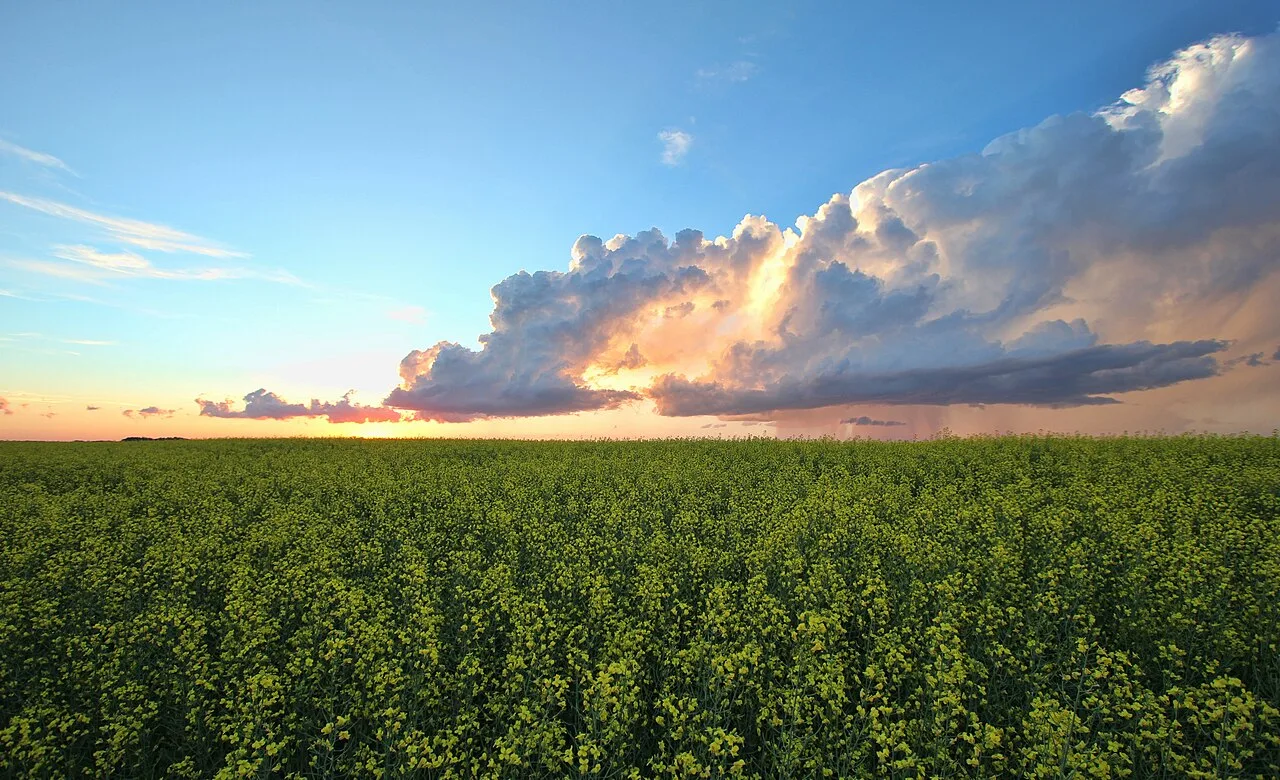
Saskatchewan is the province outsiders write off as the flat, empty drive between the lakes of the east and the mountains of the west. That reputation gets it exactly backwards. The flatness is the attraction: it produces the biggest skies and some of the darkest nights in settled Canada, and the land that looks empty holds the longest continuous human record on the northern plains. Two river cities, two big parks, and one enormous sky over all of it.
The provincial slogan, “Land of Living Skies,” reads like tourism-board filler until you actually stand under one. With almost nothing vertical to block the view, the weather becomes the scenery: thunderheads you can watch build fifty kilometres off, sunsets that run the whole width of the horizon, and after dark a spill of stars that city dwellers rarely see. Once you accept that looking up is the point, the rest of the province falls into place.
Grasslands and the darkest nights
Down near the Montana border, Grasslands National Park is where the sky argument is settled. In 2009 it was named a Royal Astronomical Society of Canada Dark-Sky Preserve, and Parks Canada calls it one of the darkest in the country, with skies rated close to Bortle Class 1, the blackest end of the scale. On a clear, moonless night the Milky Way throws a shadow. That it drew only 18,468 visits in 2024-25 is part of the appeal: it’s genuinely remote, and remoteness is what keeps the dark dark.
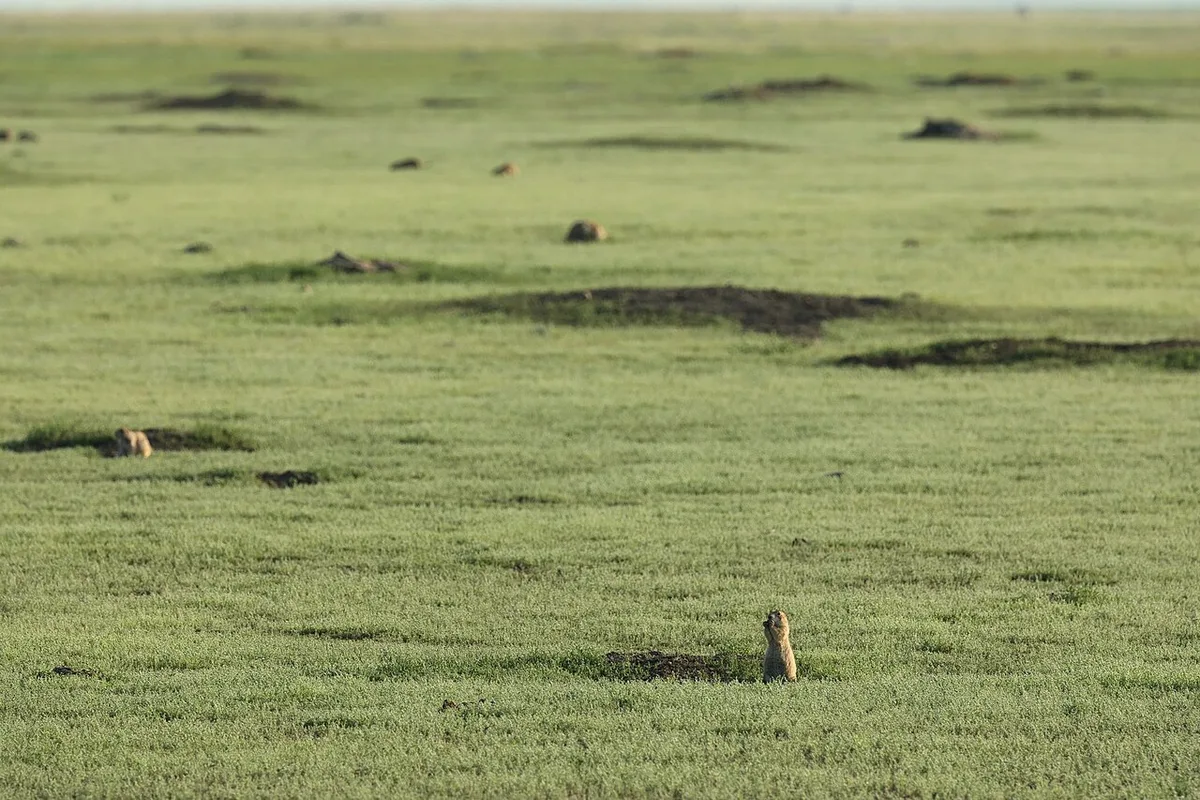
The park is more than its ceiling. It protects a rare stretch of unploughed mixed-grass prairie, reintroduced plains bison, and the only black-tailed prairie dog colonies in Canada, whose “towns” are oddly compelling to watch. The land itself breaks into badlands and buttes, with 70 Mile Butte and the Frenchman River valley the landmarks people photograph.
Deep time at Wanuskewin
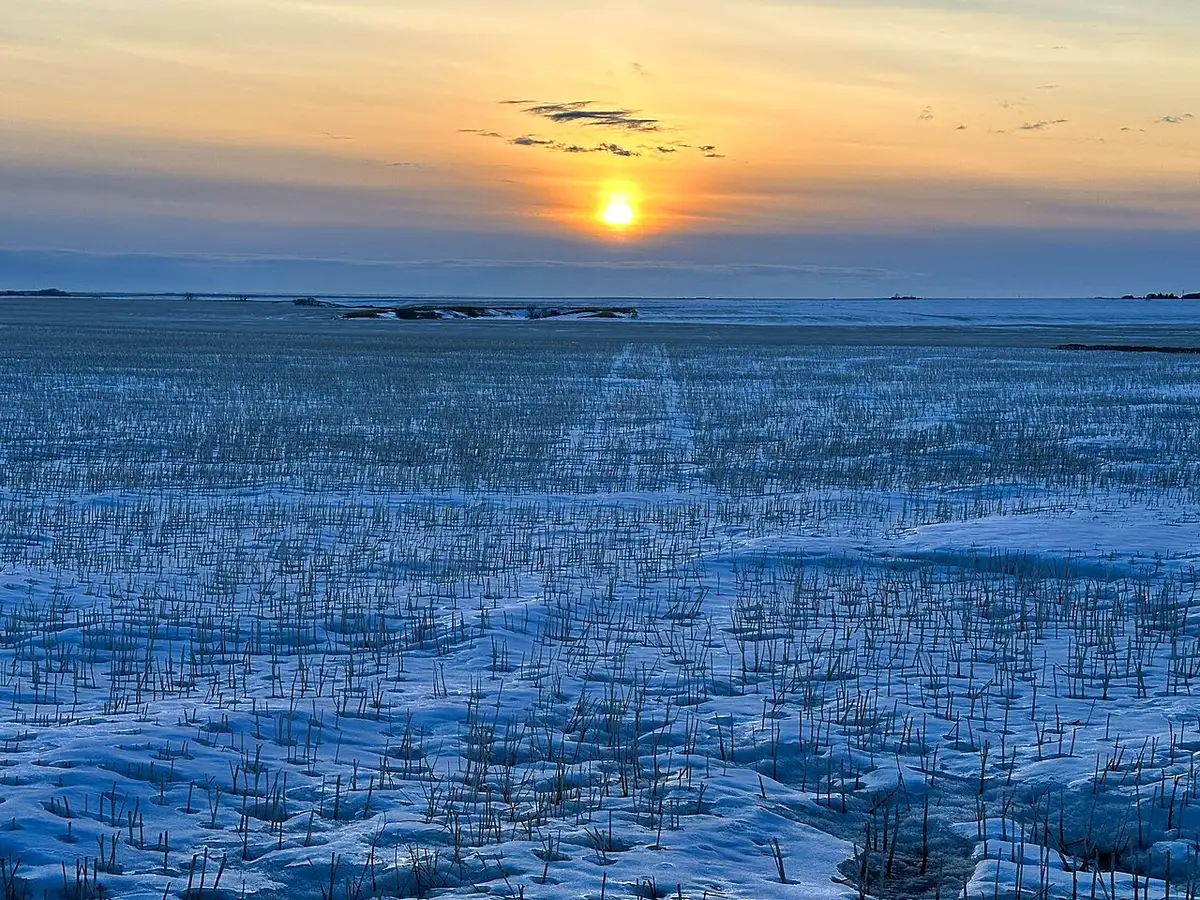
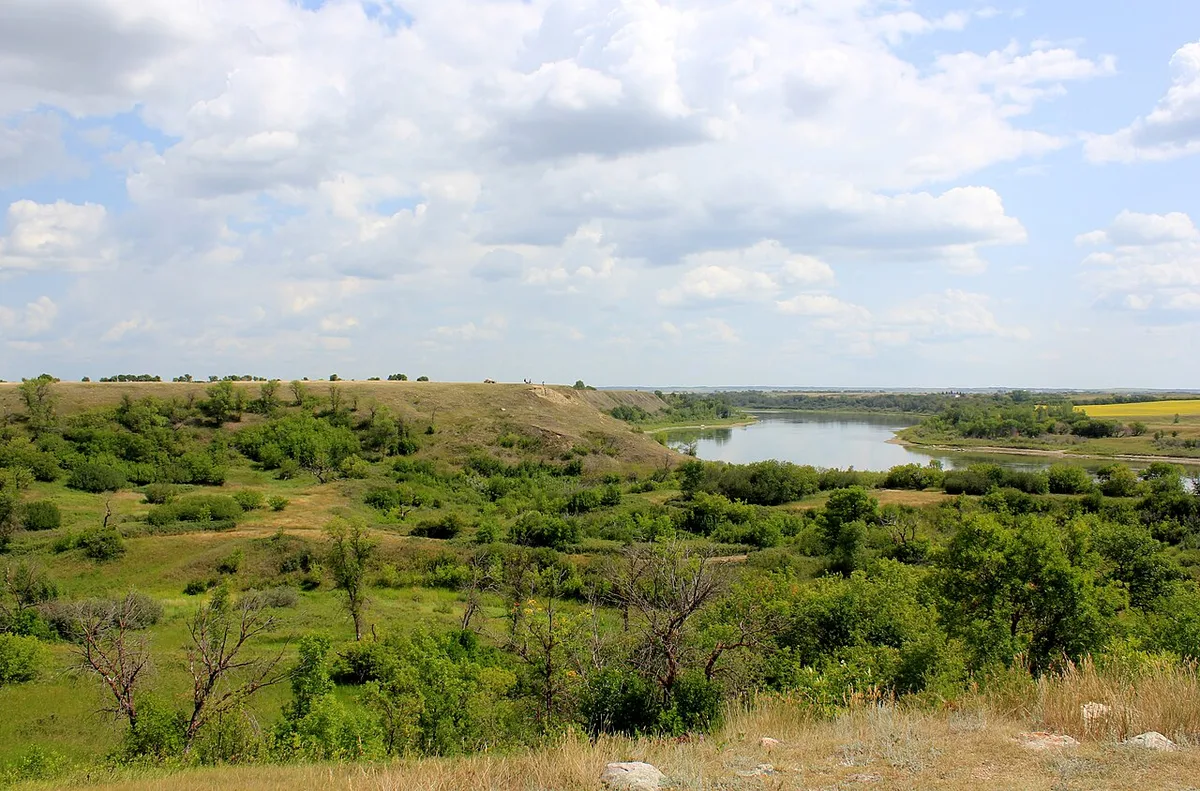
Our Saskatoon city guide covers the river valley and Wanuskewin in detail. If Grasslands is about looking up, Wanuskewin Heritage Park, just north of Saskatoon, is about looking back - that’s the complementary half-day. People have gathered on this bend of the South Saskatchewan River for more than 6,000 years, without a break, and the site holds the longest-running archaeological dig in Canada. Across the grass and coulees are 19 pre-contact archaeological sites, two bison jumps, tipi rings, and the northernmost recorded medicine wheel.
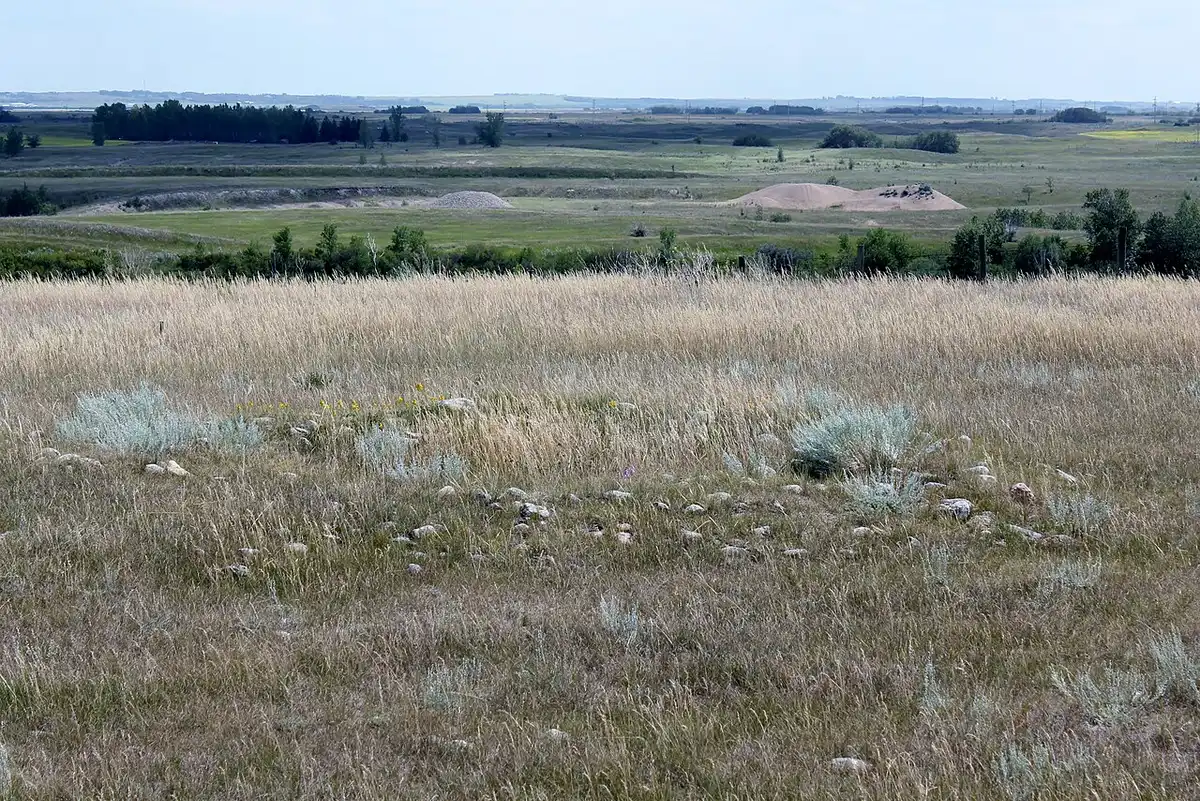
The living part of the story is the best part - you’ll feel it on a guided walk. In 2019 plains bison were brought back to Wanuskewin, and as the herd wallowed and grazed it exposed ground that had not seen daylight in centuries, including petroglyphs roughly a thousand years old and the tool used to carve them. Wanuskewin is a National Historic Site and sits on Canada’s tentative UNESCO World Heritage list; if the bid succeeds it would become Saskatchewan’s first World Heritage Site. Go with time for a guided walk rather than a quick loop - don’t rush the site.
Saskatoon or Regina: picking a base
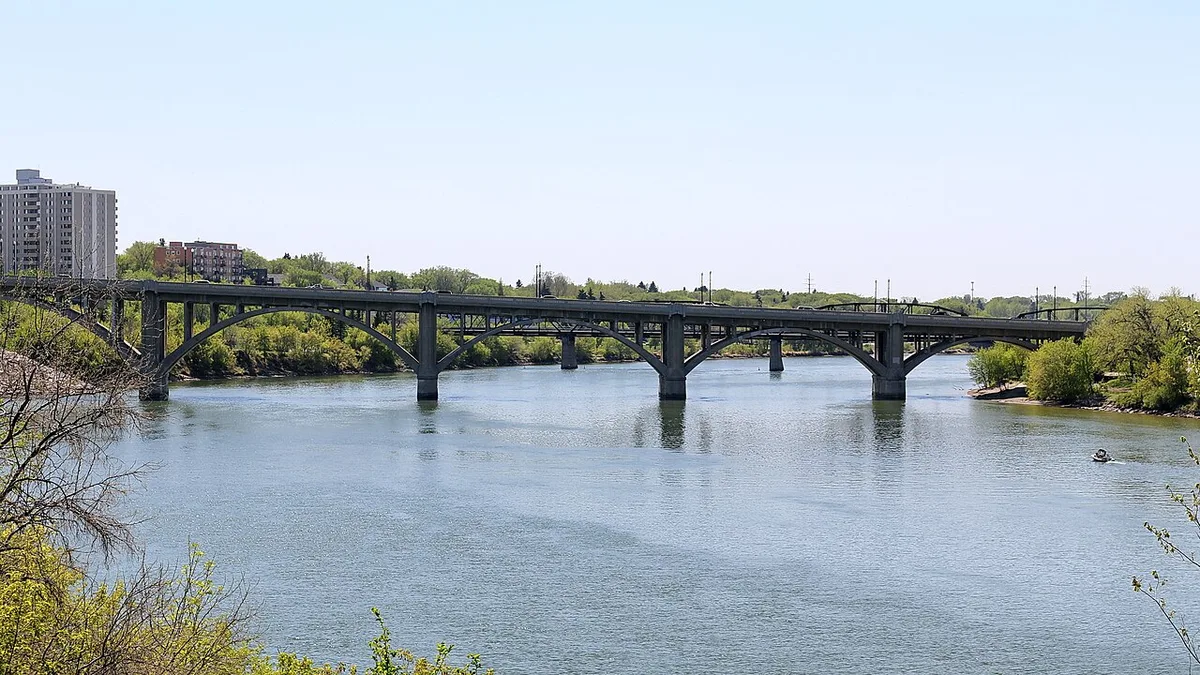
The province has two mid-sized cities, and which one you fly into shapes the trip - you’ll want to pick before you book. Saskatoon is the one on the water, strung along the South Saskatchewan River with the graceful Broadway Bridge, the riverbank Meewasin trails, and a genuinely good food scene built partly on the local Saskatoon berry. It’s the practical base for Wanuskewin and for Prince Albert National Park to the north.
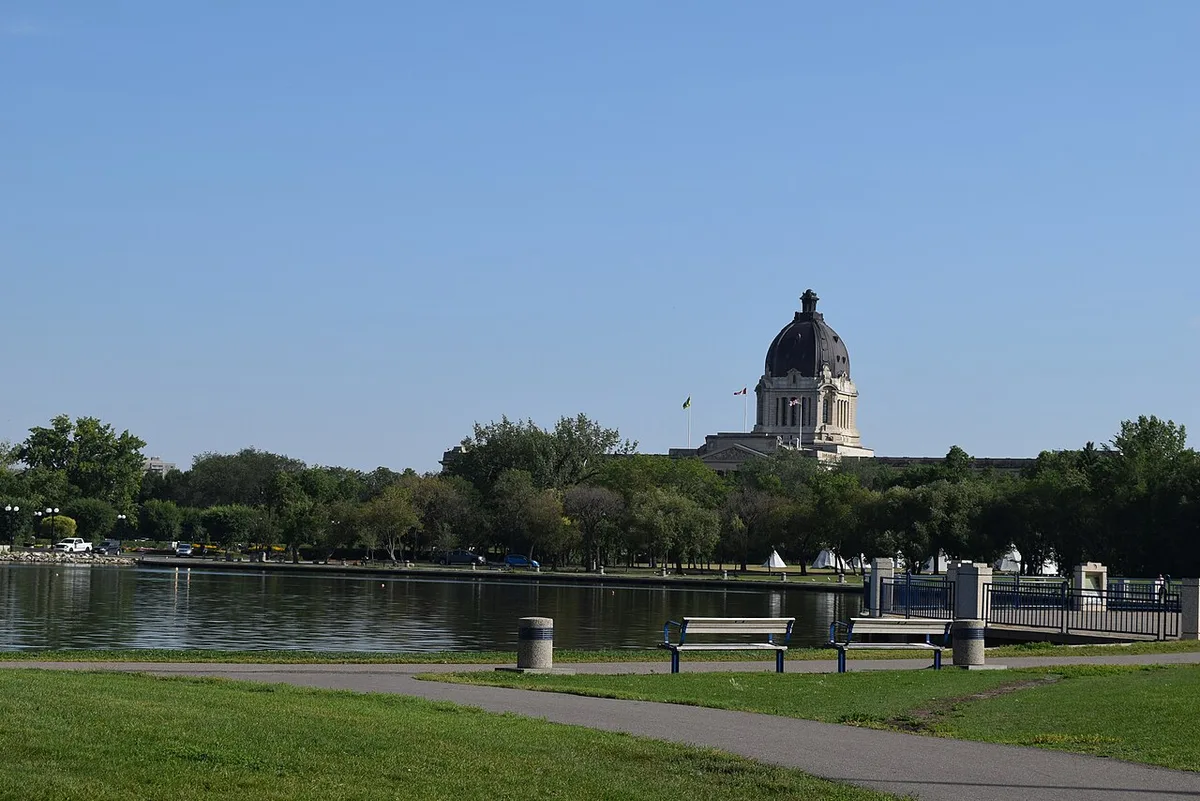
Regina, the capital, is the base for the south. Its centrepiece is Wascana Centre, a big urban park wrapped around Wascana Lake with the Saskatchewan Legislative Building on the far shore. Regina is also the home of the RCMP: Depot Division is the force’s only cadet academy and its oldest division, training members here since 1885, and the RCMP Heritage Centre next door tells that story. The daily Sergeant Major’s Parade is a training exercise, and the public only sees it on the Heritage Centre’s seasonal Depot trolley tours, which run June to August; Depot’s four free Sunset Ceremonies are held in July, and the RCMP National Memorial Service falls on the second Sunday of September.
The other park: Prince Albert and the boreal forest
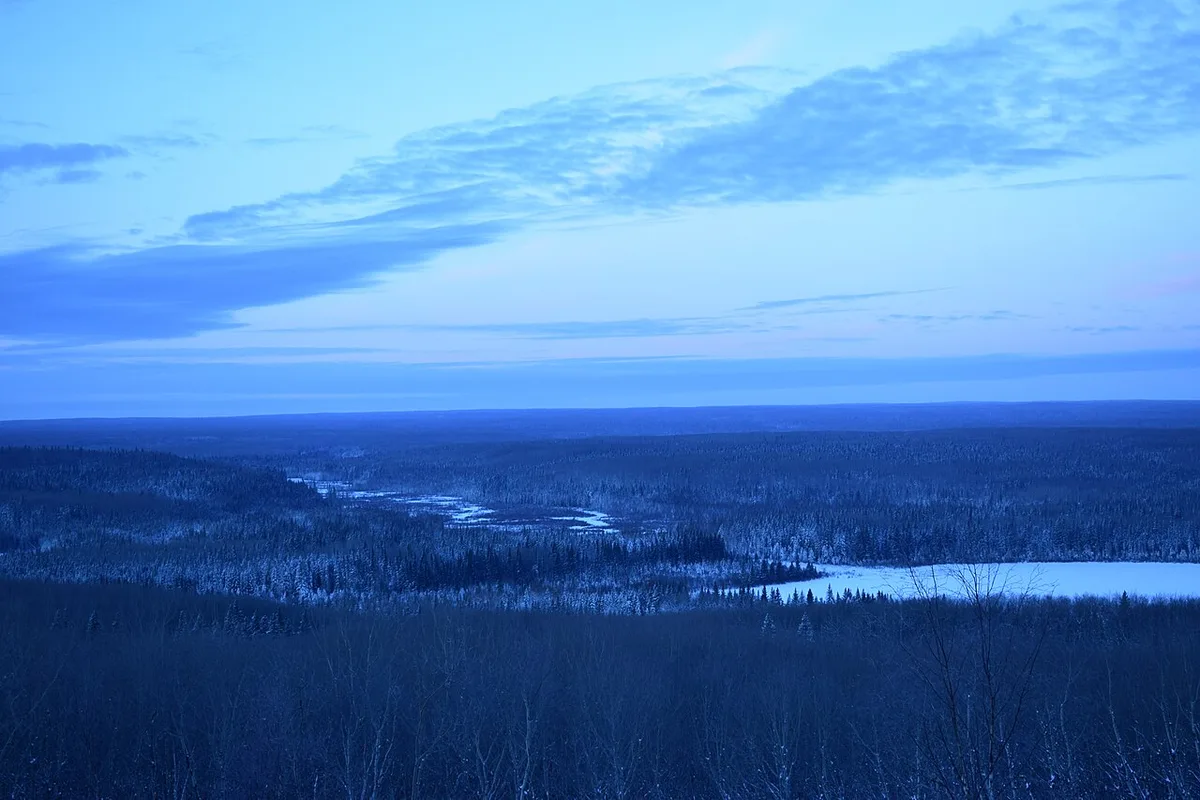
North of the grain belt the prairie gives out and the boreal forest takes over, and with it comes Prince Albert National Park, the busier of the province’s two parks at 290,403 visits in 2024-25. The resort town of Waskesiu on Waskesiu Lake is the hub for swimming, canoeing and easy trails, and there’s a free-roaming bison herd on the fescue grasslands in the park’s south-west.
The park’s romantic pull is Grey Owl’s cabin at Ajawaan Lake, the remote homestead of the Englishman who reinvented himself as an Indigenous conservationist and became one of the world’s first celebrity environmentalists. Reaching it’s a serious backcountry paddle-and-hike, not an afternoon stroll, so treat it as a full expedition and confirm the current route before you set out.
When to go, and how far things are
Summer (June to August) is the season: warm days, the parks open, festivals in both cities and long northern light that lingers past ten at night. September brings the harvest gold and thinner crowds. Winter is real prairie cold, the kind that keeps the air crystal-clear, which is exactly why some of the finest stargazing nights come in the freeze.
One honest warning: this is a road-trip province and the distances are real. Regina to Grasslands is about three and a half hours of open highway, some 335 km, and Saskatoon to Prince Albert National Park is closer to two. Nothing here’s a quick day trip from the airport, so budget the driving and read our guide to renting a car in Canada if you’re pairing Saskatchewan with Alberta and the Rockies to the west.
How to actually stargaze at Grasslands
A Dark-Sky Preserve isn’t a light switch; a bad night wastes the drive. Four things make or break it:
- Time it to a new moon. A full moon washes out even a Bortle 1 sky, so check the lunar calendar before the dark sky itself.
- Check the cloud forecast. The blackest preserve in the country is useless under an overcast, and prairie weather turns fast.
- Let your eyes adapt. Give it 20 to 30 minutes with no phone screen, use a red light only, and the Milky Way, not the aurora, is the target here; the northern lights this far south need a strong storm, which our northern lights in Canada guide explains.
- Use the park’s programs. Grasslands runs astronomy events in season across both the East and West Blocks; confirm the current schedule with Parks Canada before you plan a night around one.
Before you go
Entry rules depend on your nationality and they change, so confirm whether you need an eTA or a visa at the official source, which our Canada eTA and visas guide links to. Summer brings mosquitoes to the river valleys and the boreal north, so pack accordingly. And if you’re chasing the dark sky, remember that the best nights are cold ones even in the shoulder seasons; dress for an hour of standing still in the open long after the sun is down.
Read also
- The prairie neighbour with the Churchill wildlife: Manitoba travel guide
- West to the mountains: Alberta travel guide
- When darkness turns to colour: northern lights in Canada
- Every province and territory: the provinces hub
On the map
The map loads on click - to keep the page lightweight.
The map didn’t load. Check your connection and refresh the page.
Read also

Provinces · 12 min read
Alberta Travel Guide: What to See and How Long
Updated · September 14, 2026Alberta beyond the Rockies: six UNESCO sites, the badlands, park fees after the 2026 free-entry window, the pass rental cars still need, and when to go.

Provinces · 9 min read
British Columbia Travel Guide: The Five Trips
Updated · September 14, 2026British Columbia is bigger than France and Germany combined: the five realistic trips, how many days each needs, the ferry to the island and when to go.

Provinces · 10 min read
Manitoba Travel Guide: Bears, Belugas and Winnipeg
Updated · July 24, 2026Why Manitoba is two trips: walkable Winnipeg and the Forks, and Churchill, the fly-in north for polar bears, belugas and the northern lights.

Provinces · 8 min read
New Brunswick Travel Guide: Fundy and Two Tongues
Updated · September 14, 2026New Brunswick, the Bay of Fundy province: Hopewell Rocks and record tides, Saint John, Fredericton and Canada's only bilingual province.