Whale Watching in Canada: Where, When & How to Choose
Where to see whales in Canada and when: Victoria, Tofino, Tadoussac, the Bay of Fundy and Churchill belugas, with 2026 prices and the guarantee catch.
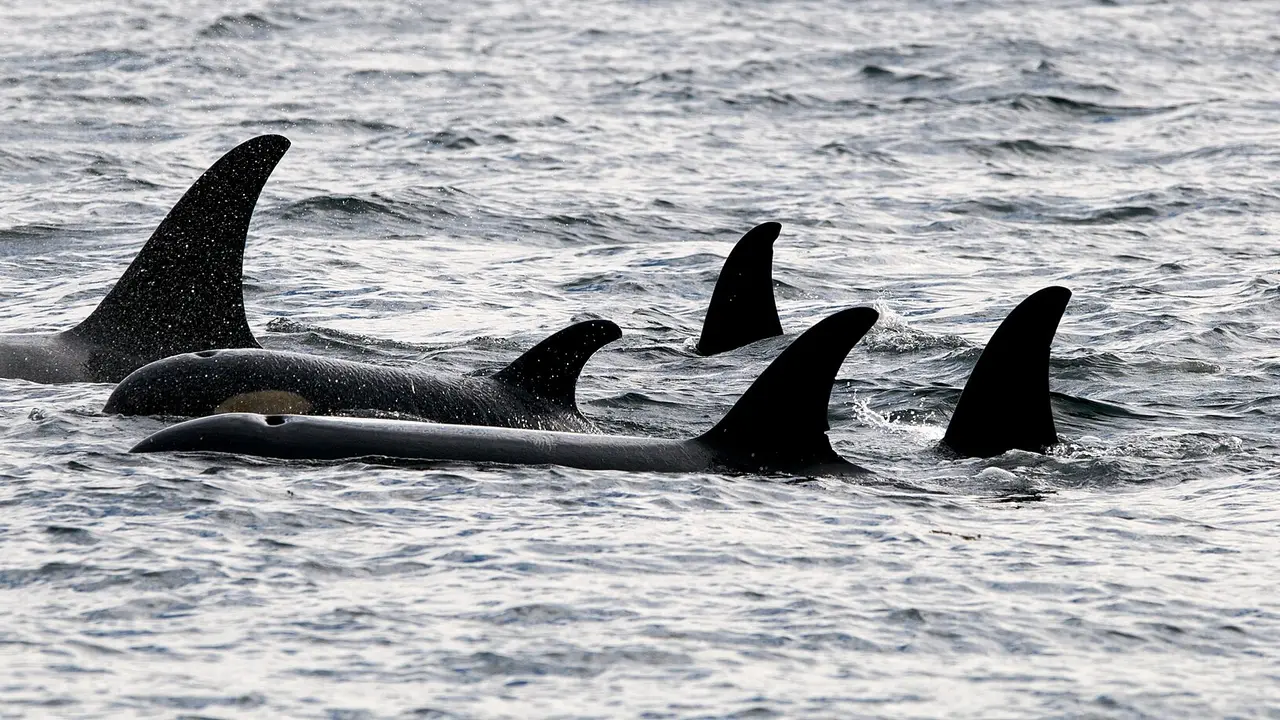
Six parts of Canada put whales within a boat ride of a town you can sleep in, and the month you can travel usually picks one for you. Boats run all year off southern Vancouver Island, Tofino gets the grey whale migration from February into May, Newfoundland’s humpbacks peak in late June and July, the Bay of Fundy peaks in August, Tadoussac sails from May to the start of November, and Churchill’s belugas are a July and August affair. Budget roughly C$99 to C$200 per adult for a three-hour trip, and treat every “guaranteed sightings” badge as a voucher for a second trip rather than your money back.
The guarantee is where the disappointment lives. Operators quote success rates from 95 per cent up and they’re broadly honest about them, but what you get when a sailing blanks is another sailing rather than your money, and its value depends entirely on whether you’ll ever stand on that wharf again. Build a spare day into the plan and the whole thing stops being a gamble.
Where the whales are, region by region
Victoria and the Salish Sea
Boats leave the Inner Harbour all year. The winter timetable is thin and about C$20 cheaper; the fleet fills out from May to October, when almost everyone comes. The mixed bag is the appeal: transient (Bigg’s) killer whales, humpbacks that have come back to these waters in numbers, minke, and the occasional grey passing through. It suits you if you’re already in the city and want a half-day on the water without organizing anything else, and our Victoria guide has the ferry over from the mainland. Nowhere else on this list folds so easily into a trip you were making anyway.
Tofino and the open Pacific
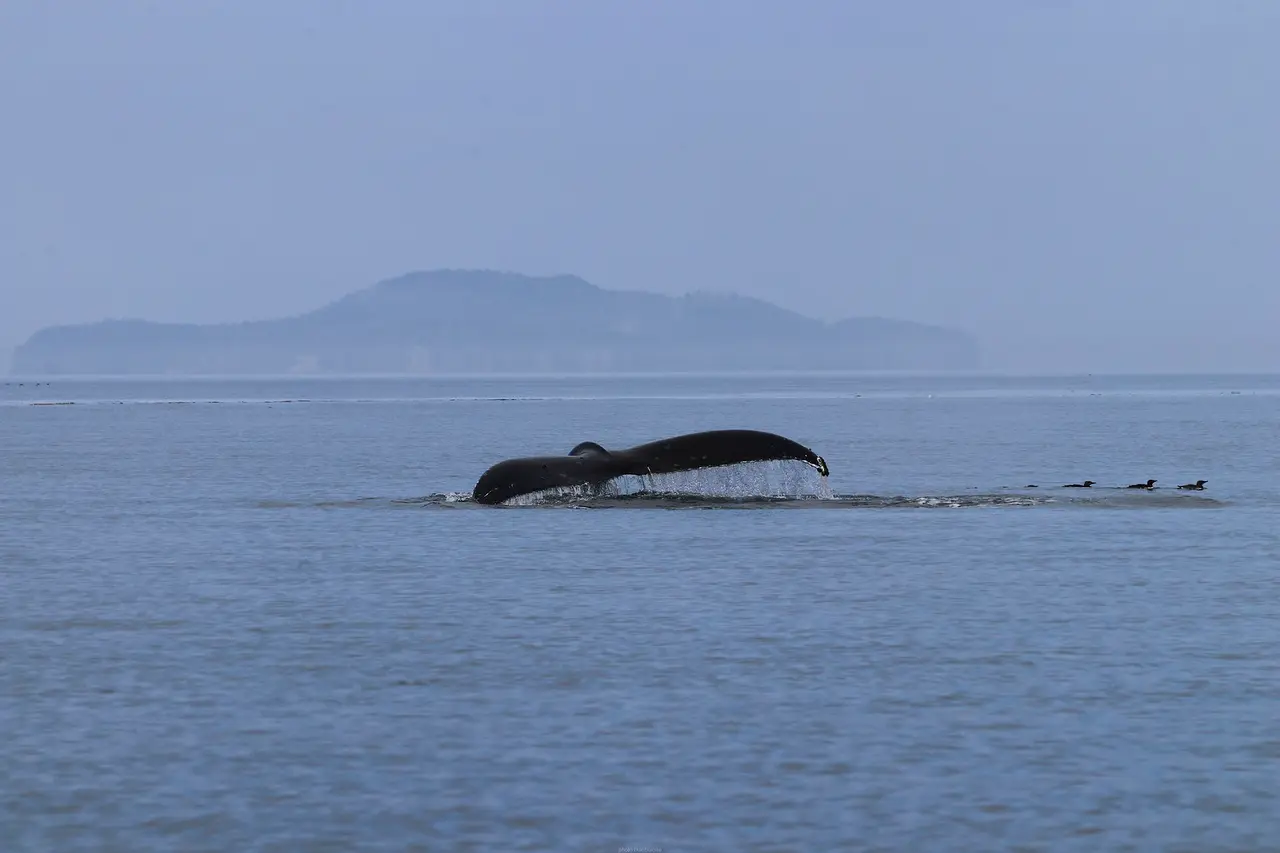
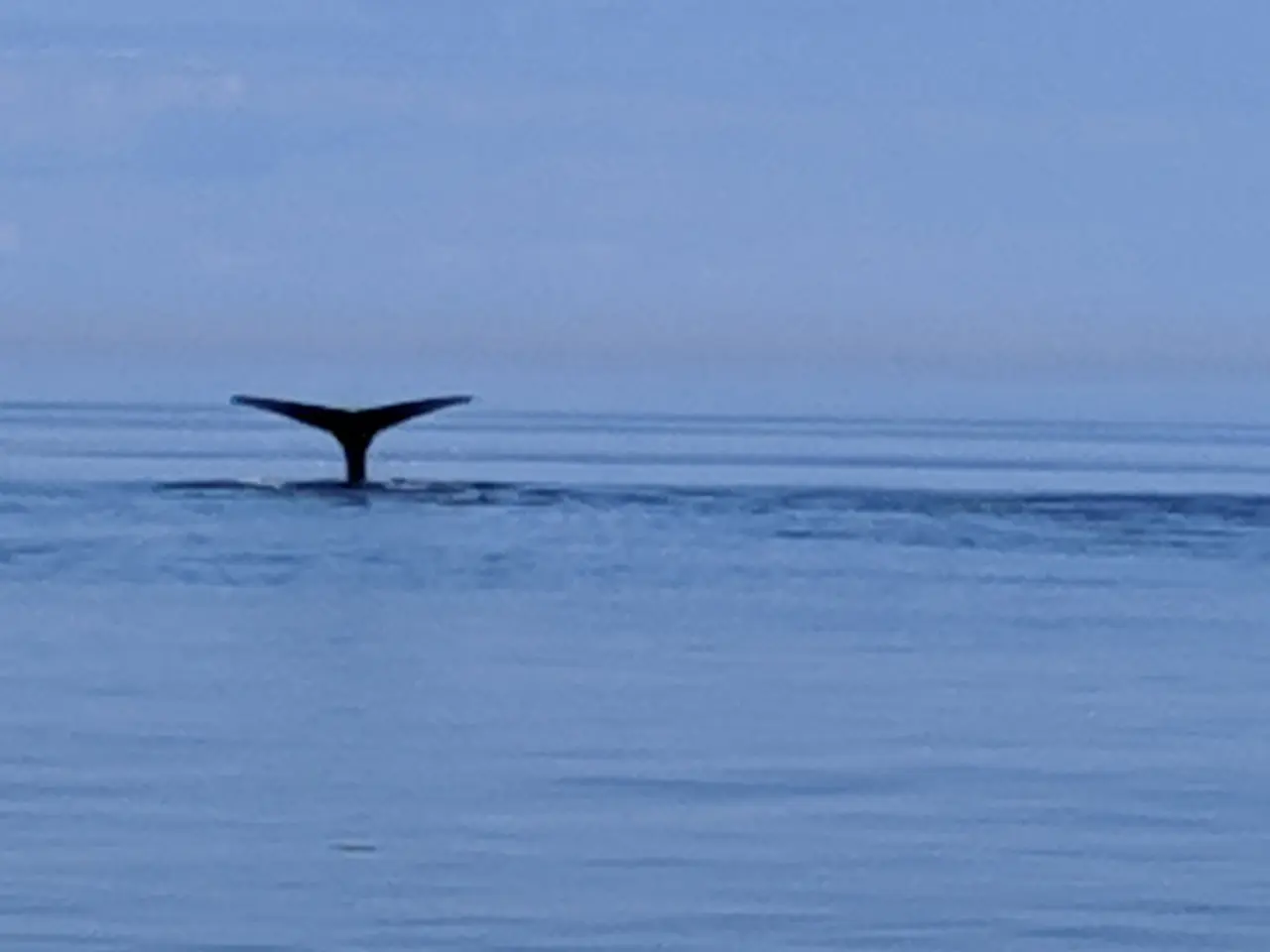
The west coast of the island is the wild option, and it has one thing nowhere else in the country has: the grey whale migration. Greys pass Tofino and Ucluelet from February into May on their way north, humpbacks take over from June to September, and Jamie’s Whaling Station sails from February through to October. The two towns mark the migration with the Pacific Rim Whale Festival, 14 to 21 March in 2026 and 13 to 20 March in 2027. Getting there’s the catch. Highway 4 across the island is a slow mountain road, and the Pacific Rim and Tofino guide sets out how long it really takes. Plan this as a Vancouver Island trip rather than a day out of Victoria, and the greys stop being a bonus and become the reason you drove.
Tadoussac and the St Lawrence
Quebec’s advantage is fresh water meeting salt. Where the Saguenay Fjord empties into the St Lawrence, cold, plankton-heavy water pulls in minke, fin and humpback whales, and the beluga population that lives there year round. Croisières AML sails from Tadoussac and Baie-Sainte-Catherine through the whale season - 9 May to 1 November in 2026, nothing outside it - three departures a day, about three hours each, and at C$134.99 per adult before tax it sits between the cheap Fundy boats and the pricier Pacific ones. The Quebec guide puts the village into a wider drive, which is how it deserves to be taken: Tadoussac alone is a half-day, the north shore beyond it a week. Cliffs, ferries and shore lookouts without booking a whale boat are in Saguenay Fjord.
The Bay of Fundy
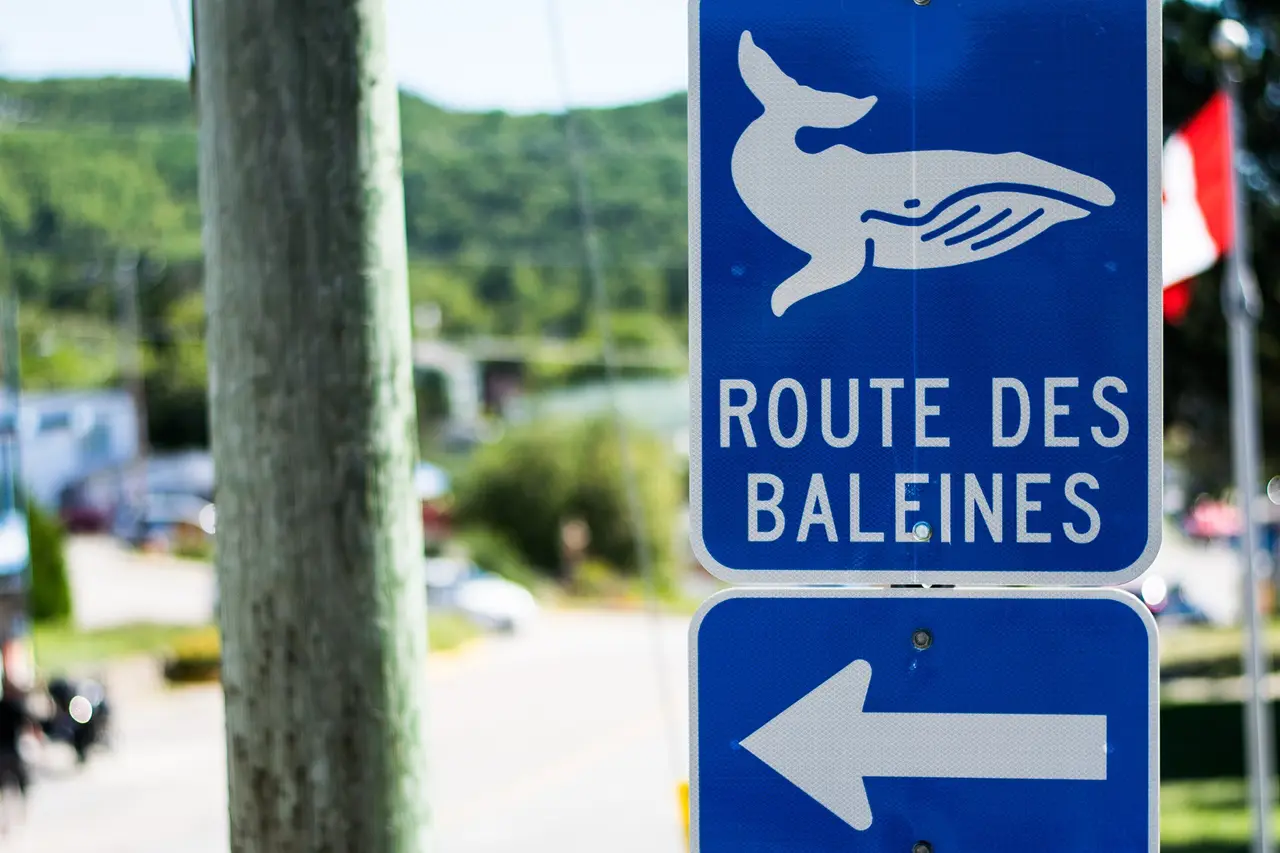
New Brunswick is where the numbers get friendly. Tourism New Brunswick puts the season from the end of May to early October and names August as the best month, with July and September behind it; up to a dozen species use the bay in summer, most often minke, humpback and finback, and, rarely, the North Atlantic right whale, one of the most endangered large whales in the world. Tours leave from St Andrews, which needs no ferry and is an easy drive from Saint John, and from Grand Manan and Campobello, where a ferry becomes part of the day. The tides do the work here - our New Brunswick guide has the mechanics, and the Hopewell Rocks tide guide is the place to time an ocean-floor walk on the same coast - and they’re the reason a bay this far north feeds this many animals.
Churchill and the belugas
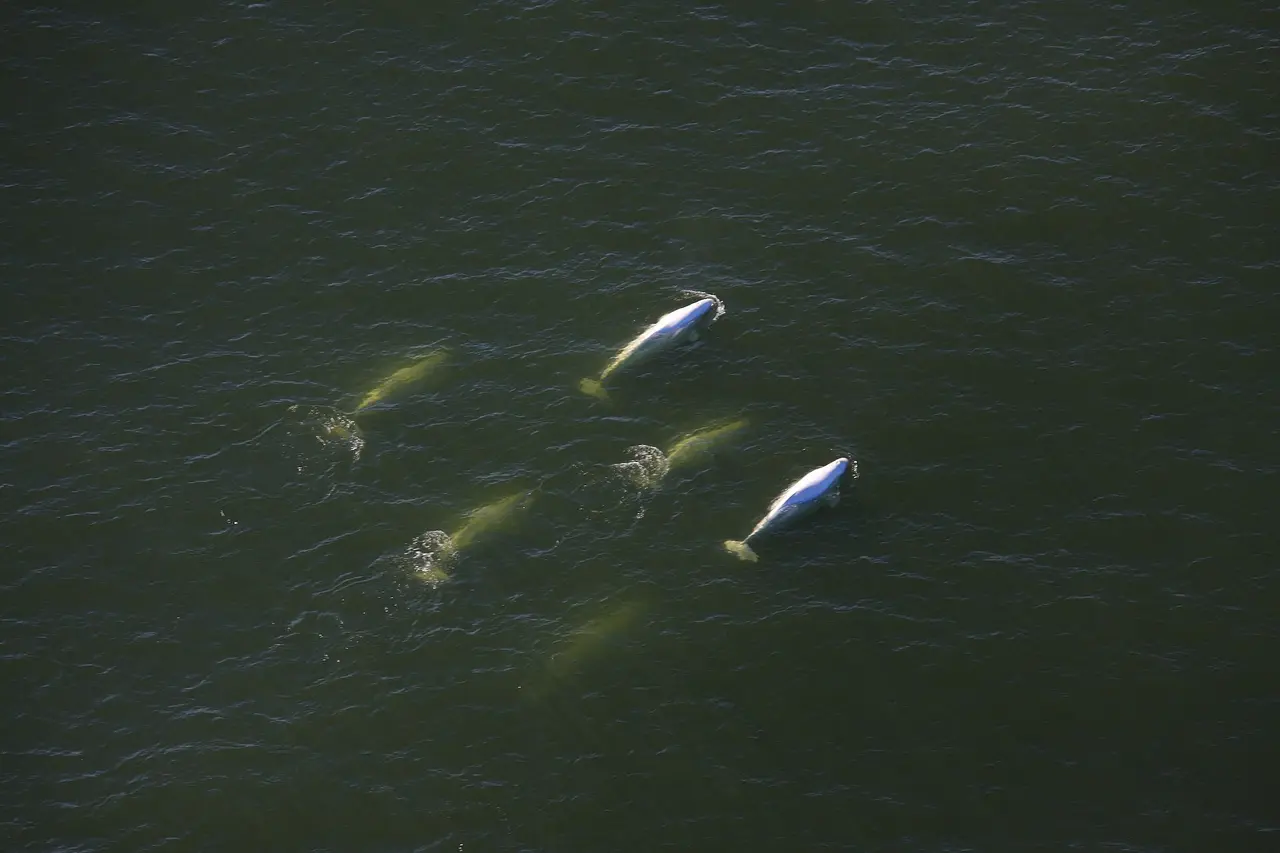
The odd one out, and the most reliable. Travel Manitoba counts over 57,000 belugas moving into Hudson Bay each summer, about 4,000 of them crowding into the warm, food-rich Churchill River Estuary, and local operators run boats, Zodiacs, kayaks and paddleboards among them in July and August. You can hear them through the hull. The complication is that Churchill has no road: you’re flying or taking the train from Winnipeg, which turns a boat trip into a whole trip, and the arithmetic of getting there’s worked out in our guide to Churchill’s polar bears, the same town in its other season. That expense is also why nobody up here feels short-changed by an hour of grey water. You didn’t come for the afternoon.
Newfoundland, the one nobody plans around
The province hosts the world’s largest population of feeding humpbacks, present roughly May to September and peaking in late June and July when the capelin roll in. A single boat out of Bay Bulls can turn up whales, puffins and icebergs on the same run, and the Newfoundland and Labrador guide has the detail. It’s the only place on this page where the whale might be the third-best thing you see that morning.
Month by month
| Month | Best bet | Notes |
|---|---|---|
| February to May | Tofino, Ucluelet | Grey whale migration north; festival in mid-March |
| May to June | Tadoussac, Victoria | Seasons open; Newfoundland humpbacks arrive; Fundy still slow |
| July to August | Churchill, Fundy, Newfoundland, BC | Belugas in the estuary; August is Fundy’s month |
| September to October | Victoria, Tadoussac, Fundy | Fewer boats, cooler water, Fundy tails off in October |
| November to April | Victoria | The only year-round option; winter fares are lower |
What a boat actually costs
These are the operators’ own posted 2026 rates, checked on 28 July 2026. Most exclude tax and all move season to season, so read them as the shape of the market rather than a quote.
| Where | Operator | Adult, 2026 | Trip |
|---|---|---|---|
| St Andrews, NB | Quoddy Link Marine | C$99 + tax (C$89 in late June) | Power catamaran, afternoon |
| Tadoussac, QC | Croisières AML | from C$134.99 | About 3 h, three departures a day |
| Victoria, BC | Eagle Wing Tours | C$179 (May to November) | Semi-covered catamaran, 3.5-4+ h |
| Victoria, BC | Prince of Whales | C$189-199 + tax | Catamaran 3-4 h, Zodiac 3-3.5 h |
| Tofino, BC | Jamie’s Whaling Station | from C$179-200 | Zodiac or covered cruiser, 2.5-3 h |
| Churchill, MB | Sea North Tours | C$180 + GST | Beluga boat plus the fort, 2.5-3 h |
The gap is the story. A Fundy ticket costs about half a Pacific one for the same three hours on the water, because the run out is shorter, the season is compressed and the market is smaller. If the wildlife matters more to you than the coastline does, the Maritimes are the value play, and it’s cheaper again with children: Quoddy Link posts its youth fare, ages 5 to 14, at C$79 against the C$99 adult, and a child aged 1 to 4 goes for C$69. Eagle Wing advertises discounted senior, youth and child rates in Victoria without publishing the amounts, so ask when you book.
The “guaranteed sightings” small print
Every big operator advertises a guarantee, and no two mean the same thing. Prince of Whales calls its version industry-best and says it’ll never expire: no whales on the first trip, another free adventure whenever you’re next in Victoria. Jamie’s issues a raincheck ticket, and its wording is the most generous on this page - the tickets “NEVER expire” and can be used “on the same day, in the same year, or in 25 years from your original departure”, though only on the tour you originally booked, with a 25 per cent gift-shop discount offered instead to people who know they won’t be back. Croisières AML is the strict one: a free pass for a second boat tour if the captain rules that nothing was sighted, one request per reservation, not valid on its Zodiac cruises, and it has to be used the same season unless you sailed on or after 1 October.
Notice what none of them is: a refund. Two of the three will still honour a ticket in a decade, which sounds generous until you read it the other way around. The guarantee quietly assumes you’ll be standing in Tofino or Victoria again one day, and most people flying in for two weeks won’t be. So book the sailing for the first full day of your stay, where a blank trip can be redeemed later the same week, and read the cancellation window separately: a rough-sea cancellation and a no-whale sailing are handled by different policies. Quoddy Link’s own rates page puts the honest version in one line: its ideal guest is someone who appreciates the wild for what it is, unpredictable. Believe that rather than the badge.
The 1,000-metre rule that changed BC trips
Anyone booking off southern Vancouver Island on the strength of an old photo of resident orcas needs an update. Under a Transport Canada interim order in force from 1 June 2026 to 31 May 2027, vessels must stay 1,000 metres from Southern Resident killer whales in southern BC coastal waters between Campbell River and just north of Ucluelet, and the federal government has pre-published amendments to make that distance permanent. Elsewhere the baseline holds: 100 m from whales, dolphins and porpoises, 200 m if they’re resting or with a calf, 200 m from other killer whales in the Pacific, and 400 m from at-risk species in the St Lawrence Estuary, the belugas included.
In practice a Victoria or Tofino boat now works humpbacks, Bigg’s killer whales and minke, and gives the resident pods a wide berth. Two speed-restricted zones near Swiftsure Bank and the Nitinat River mouth also cap vessels at 10 knots from 1 June to 30 November, so the offshore ground takes longer to cover than it used to. None of this makes the outing worse. It does make that marketing photo of an orca beside the rail a historical document.
Zodiac or covered boat
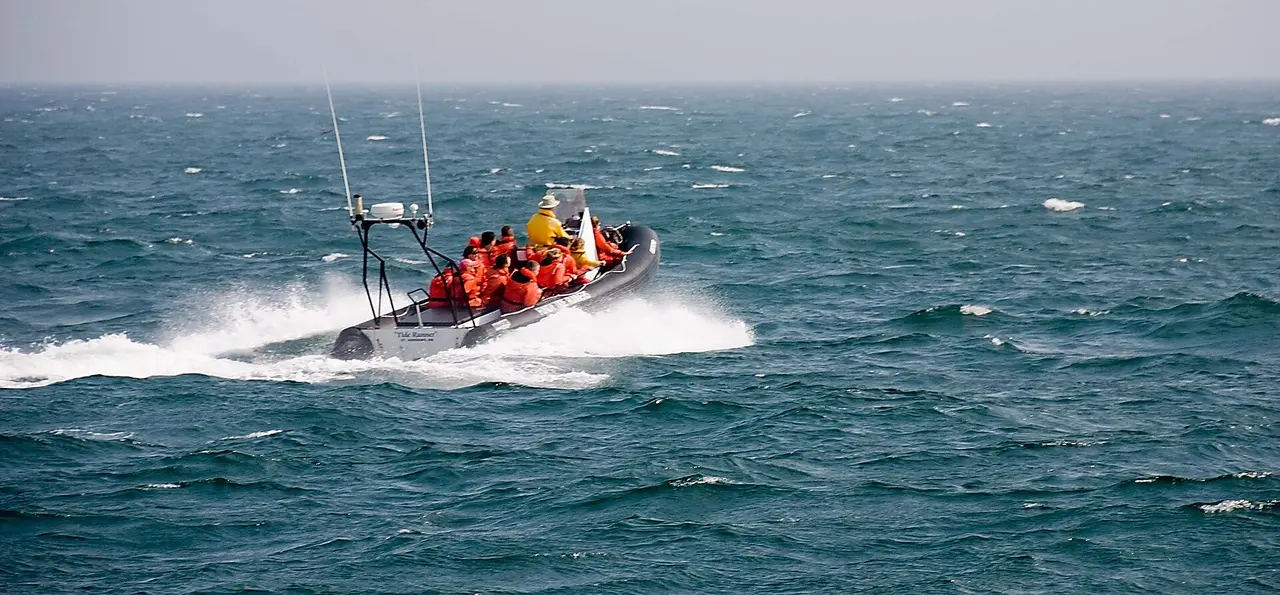
This is a comfort decision, not a money decision, and the pricing proves it: in Tofino the Zodiac is the cheaper ticket, in Victoria it’s the more expensive one. A Zodiac sits low, moves fast, covers more water and puts you at eye level with a fluke; it also has no washroom, no shelter and no way to warm up, and a bad chop will finish the outing for a small child or anyone with a bad back. A catamaran or cruiser gives you a heated cabin, a washroom, a naturalist on a microphone and several viewing levels, and it’ll feel slower.
So: covered boat with small children or older parents, on a poor forecast, or on anything over about three hours. Zodiac if you’ve done this before and want the water in your face. Either way dress as though it’s ten degrees colder than the shore, and take a seasickness tablet an hour before departure rather than at the wharf.
Ferries, parking and departure times
A few details that only surface once you’ve done this a couple of times. Day-tripping to Tadoussac from Montreal or Quebec City, book the departure from Baie-Sainte-Catherine instead: same operator, same water, and it skips the Saguenay ferry queue, which runs long on August weekends. In St Andrews, all parking is on the street and free, but the town clogs in July and Quoddy Link asks you to check in 30 minutes before departure or risk losing the seat. In Churchill, book flights, rooms and boats together and early, because there’s very little of any of them, and Sea North needs a minimum of four guests to sail, which matters if you’re travelling as a couple in early July.
Whichever coast you pick, take the morning sailing. The afternoon wind builds the chop almost everywhere on this list.
Read also
- The island capital and its Inner Harbour sailings: Victoria travel guide
- The Pacific side and its grey whales: Pacific Rim and Tofino
- Where whales are the reason to leave the cities: Quebec travel guide
- Tides, ferries and the Fundy coast: New Brunswick travel guide
- Belugas, bears and the aurora in one town: Manitoba travel guide
- The other half of the Churchill calendar: Churchill polar bears
- Which month suits your whole trip: best time to visit Canada
Read also

Entertainment · 12 min read
Epic vs Ikon in Canada: Which Pass Covers Your Mountain
Verified · September 3, 2026Epic vs Ikon for a Canada ski trip: Whistler on Epic, Banff and Revelstoke on Ikon, current prices and the 7 September Epic increase.

Entertainment · 11 min read
Calgary Stampede: Tickets, Dates and Where to Stay
Verified · August 22, 2026Next Stampede is 9-18 July 2027: how tickets actually work, where hotels fill first, and when to skip town for Banff instead.

Entertainment · 12 min read
Skiing in Canada: Whistler, Banff & the Best Resorts
Verified · August 2, 2026Whistler, the Banff three, Revelstoke, Tremblant and Le Massif compared: terrain, snow, how they sell tickets and which one fits the trip you can take.

Entertainment · 9 min read
Northern Lights in Canada: Where and When
Updated · July 24, 2026Where and when to see the northern lights in Canada: Yellowknife, Whitehorse, Churchill and Jasper, the honest odds, the cold, and how many nights to book.