Victoria Travel Guide: BC's Island Capital
How to visit Victoria BC: the ferry or floatplane over, the Inner Harbour on foot, Butchart Gardens 2026 prices, whale season and how long to stay.
Victoria is British Columbia’s capital, and the first thing worth knowing is that you can’t drive there. It sits at the southern tip of Vancouver Island, so you arrive by ferry or by floatplane, and most visitors come over from Vancouver for one rushed day when the city really wants a night. Give it that night and Victoria becomes what it actually is: a walkable harbour town of gardens, old stone and afternoon tea, slower and greener than the mainland it faces.
The trip has a simple shape once you accept the water. Almost everything famous rings the Inner Harbour and you can walk it in a day: the domed Parliament, the ivy-covered Empress, a serious museum and the oldest Chinatown in the country. The two things people remember most, though, sit outside town and need a bus, a car or a tour - the Butchart Gardens and a boat out to the whales. Sort the crossing, book a room near the harbour, and you barely touch a car after that.
Getting to Victoria: there is no bridge
Victoria is “near Vancouver” the way an island is near a coast - true on a map, and a real journey in practice. The standard route is BC Ferries from Tsawwassen, south of Vancouver, to Swartz Bay: about an hour and thirty-five minutes on the water, then a half-hour drive down the peninsula into town. Our Vancouver to Victoria transport guide compares ferry, floatplane and coach fares if you are still choosing how to cross. Foot passengers can do the whole thing car-free on a connecting bus, and that’s often the smart move, because a car earns its keep on the day trips rather than in the compact centre. The fares, sailings and reservation rules live in our British Columbia guide; the short version is to book ahead for summer weekends and holiday Mondays, when the boats fill.
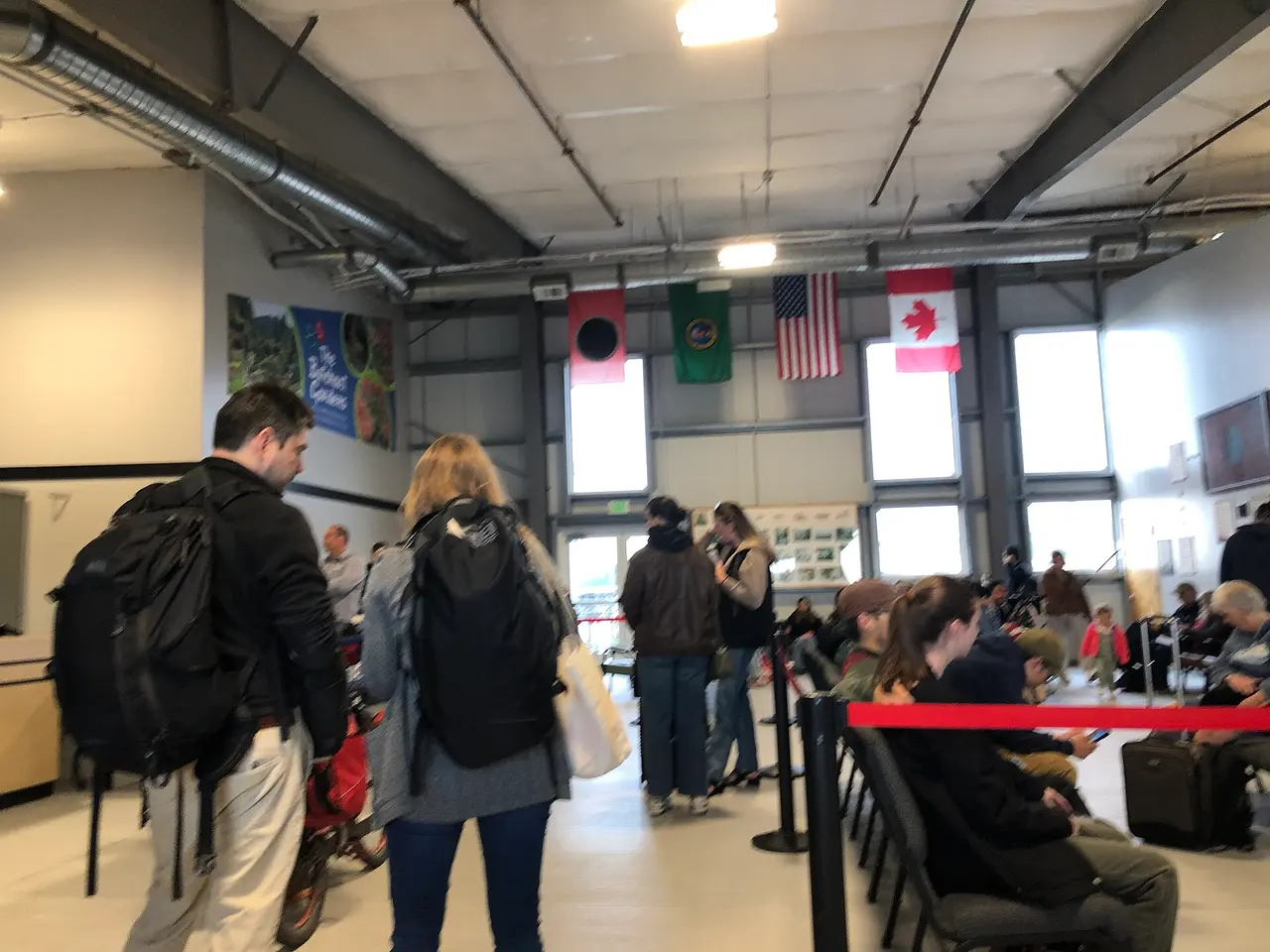
The faster and far prettier option is to fly. Harbour Air floatplanes lift off the water in downtown Vancouver and land right in Victoria’s Inner Harbour in about thirty-five minutes, taxiing up to the seawall a two-minute walk from the Empress. Helijet runs a helicopter between the two downtowns as well. Neither is cheap, but a floatplane over the Gulf Islands is one of those splurges that turns the transport into the highlight of the day. To island-hop rather than fly straight to Victoria, our Gulf Islands ferry loop guide covers Salt Spring, Galiano and the slow BC Ferries schedule from Tsawwassen or Swartz Bay.
The Inner Harbour on foot
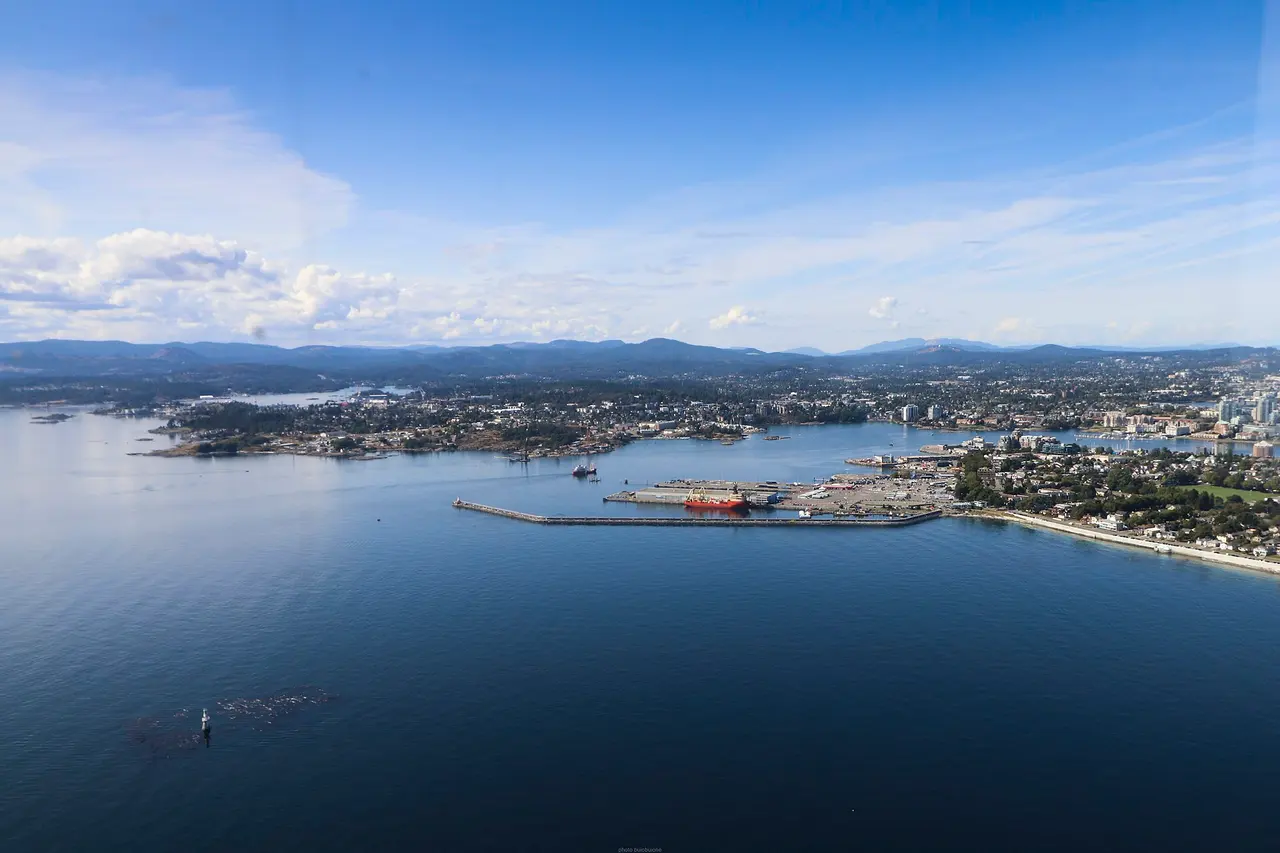
The Inner Harbour is the reason to base yourself downtown. It’s a working seaplane-and-ferry basin wrapped by the city’s grandest buildings, and on a summer evening it fills with buskers, harbour ferries the size of bathtubs, and the floodlit outline of the legislature reflected in the water.
Parliament and the Empress
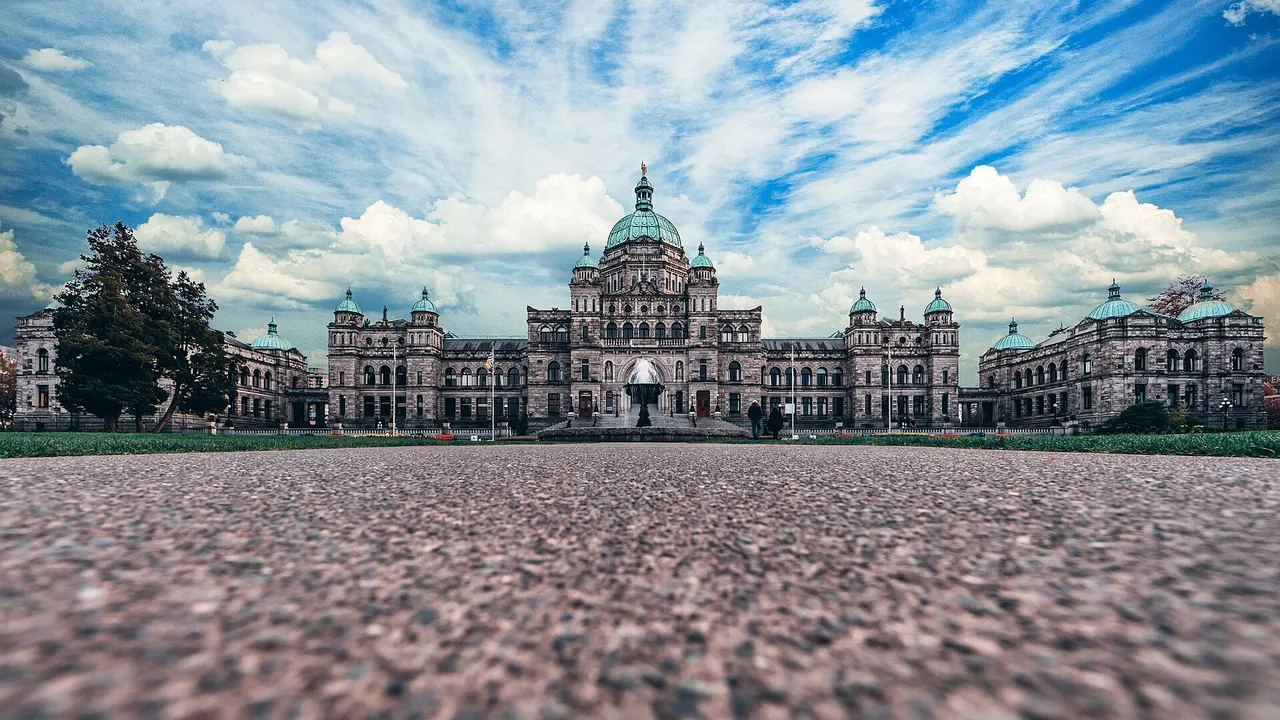
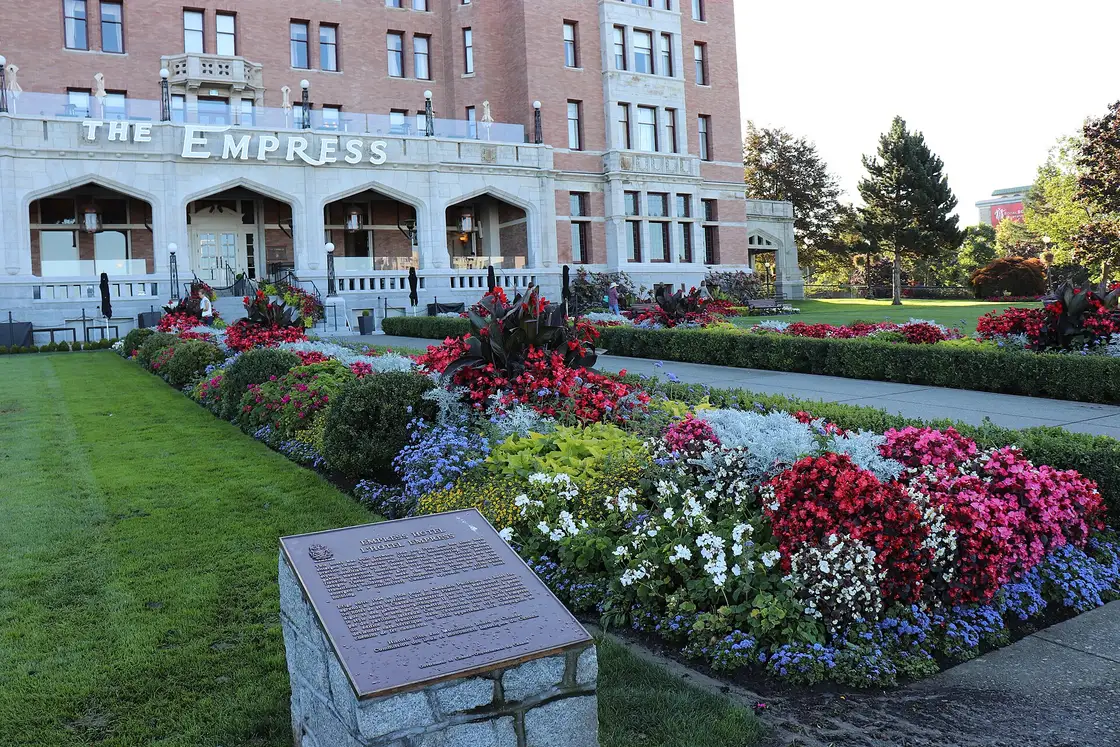
The British Columbia Parliament Buildings are the domed, grey-stone seat of the provincial legislature, finished in the 1890s and traced at night by thousands of small lights. You can walk the grounds freely and, when the legislature allows, join a free guided tour inside - worth checking the day’s schedule rather than banking on it. Across the water sits the Fairmont Empress, a 1908 chateau hotel gone green with ivy, still serving the afternoon tea that made its name. That tea is a genuine splurge and needs booking ahead; if the price makes you wince, the lobby and gardens cost nothing to wander.
The Royal BC Museum
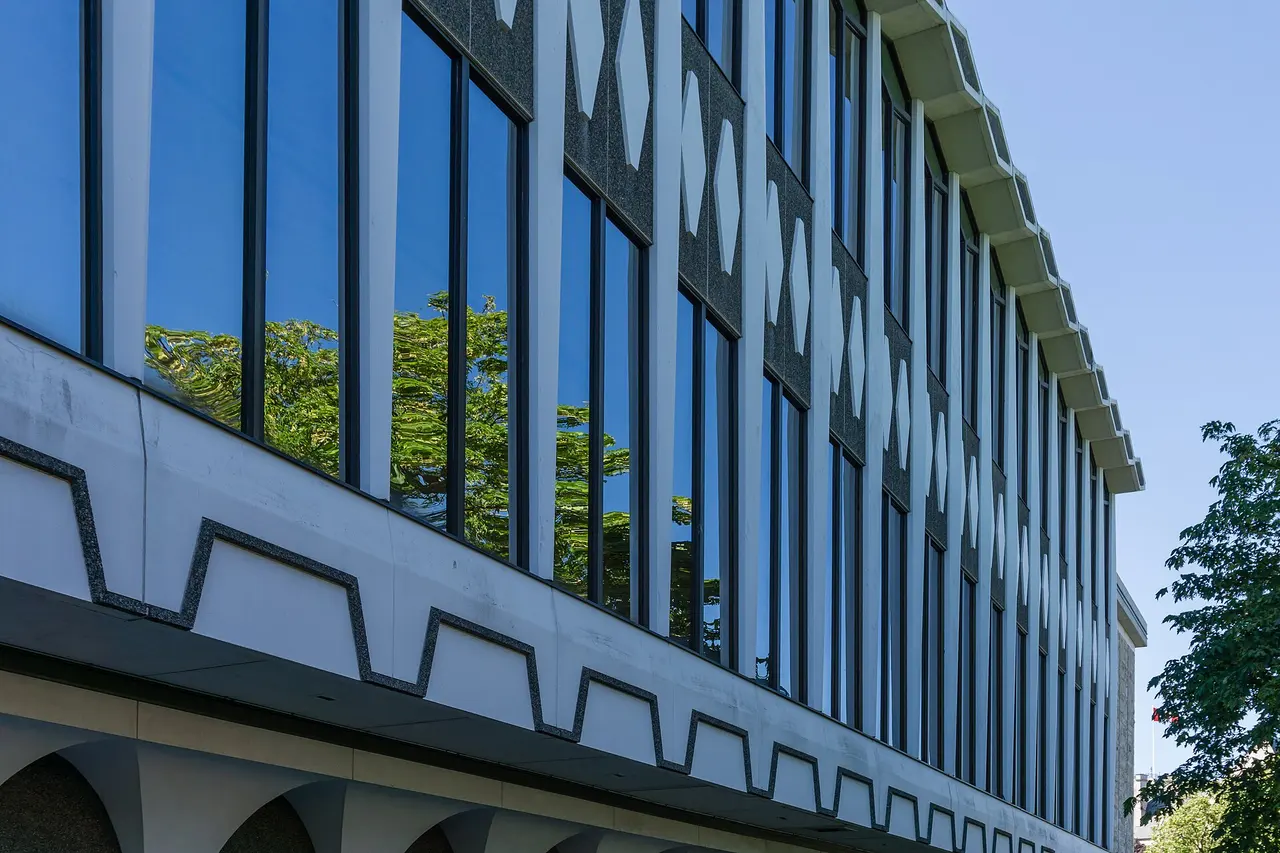
A block along the harbour, the Royal BC Museum is the province’s flagship and the one indoor stop I wouldn’t skip. Its strengths are the natural-history galleries and, above all, the First Peoples collections, which handle the coast’s Indigenous cultures with more weight than the usual glass-case treatment. Check what’s open before you go, because the museum has been reworking parts of the building and the line-up shifts.
Chinatown and Fan Tan Alley
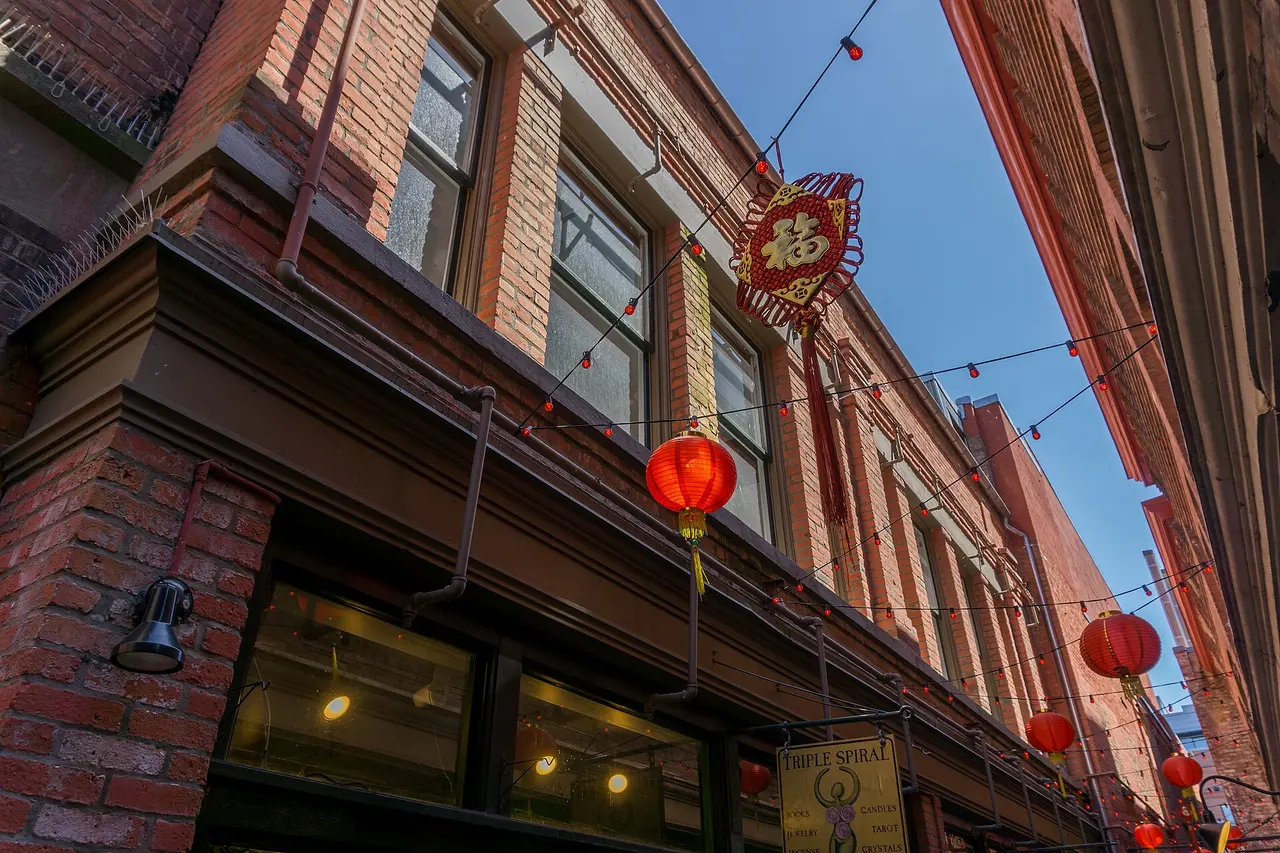
Two blocks north of the harbour, Victoria’s Chinatown is the oldest in Canada, grown out of the 1850s Fraser River gold rush and marked by the painted Gate of Harmonious Interest on Fisgard Street. Duck off it into Fan Tan Alley, a passage so tight in places that two people can’t pass shoulder to shoulder; it’s regularly called the narrowest commercial street in Canada. Once a run of gambling dens, it now hides tiny shops and a record store, and it threads through to Pandora Avenue on the far side.
Two half-days worth leaving downtown for
The Butchart Gardens
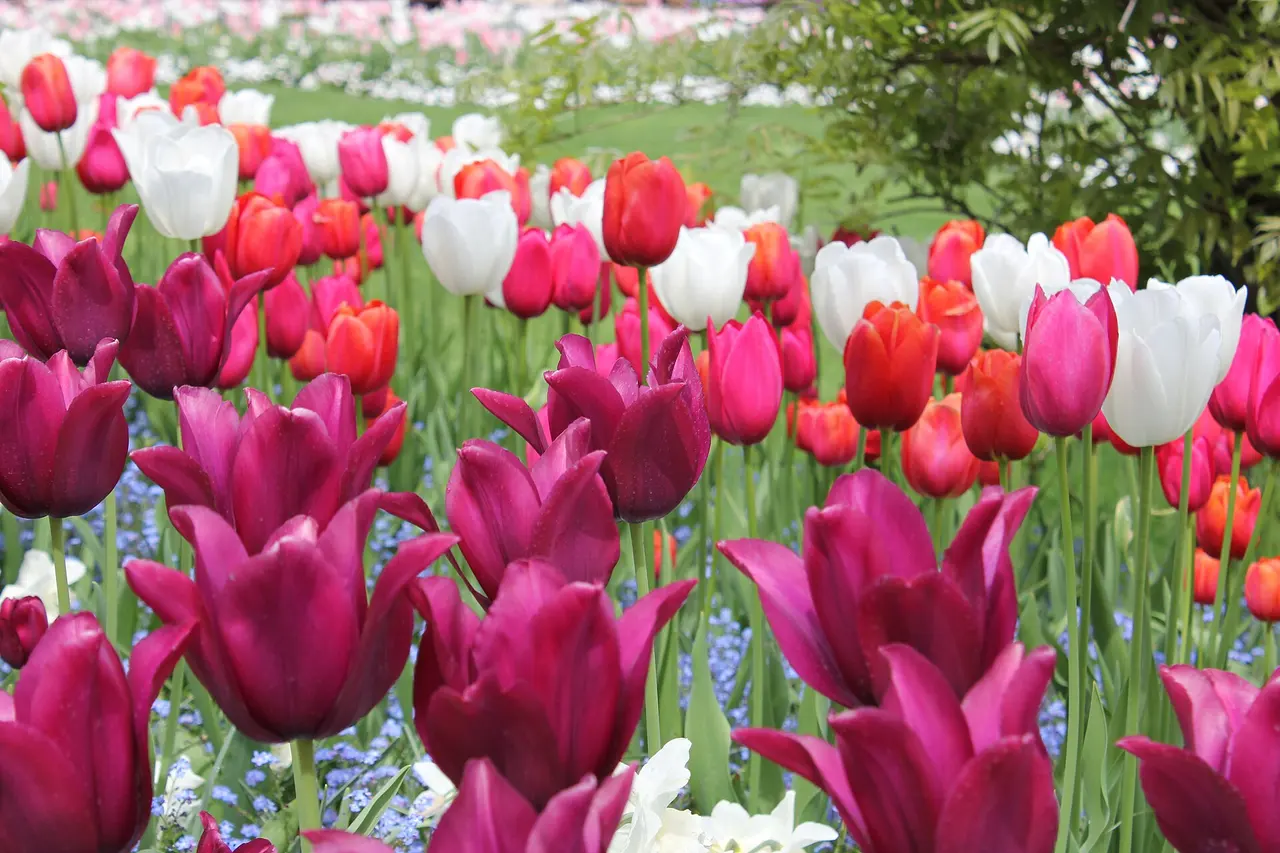
The Butchart Gardens are the single most-visited thing in the region: a former limestone quarry at Brentwood Bay, about twenty-five minutes north of downtown, turned into a Sunken Garden plus formal Rose, Japanese and Italian gardens. This isn’t a walkable side trip; you drive, take the number 75 bus, or join a tour. Our Butchart Gardens tickets guide has the current season-by-season prices, the bus fare from downtown, and when the Night Illuminations and Saturday fireworks run.
Whale watching
Victoria is one of the best places in Canada to go looking for whales, and the only one where boats run all year. The main season is roughly April to October, with orcas most reliable from May on, plus humpbacks and the odd minke; a couple of operators keep sailing through the winter at lower fares, and our guide to whale watching in Canada compares the prices and the sightings guarantees coast by coast. A word on the marketing: no operator can promise a sighting, whatever the billboards say, so treat it as a wildlife outing rather than a guaranteed show. You’ll choose between a covered cruiser and an open inflatable Zodiac; the Zodiac is colder, wetter and more fun, and not the one to pick with small children.
Parks, castles and the coast
Beacon Hill Park and the Dallas Road walk
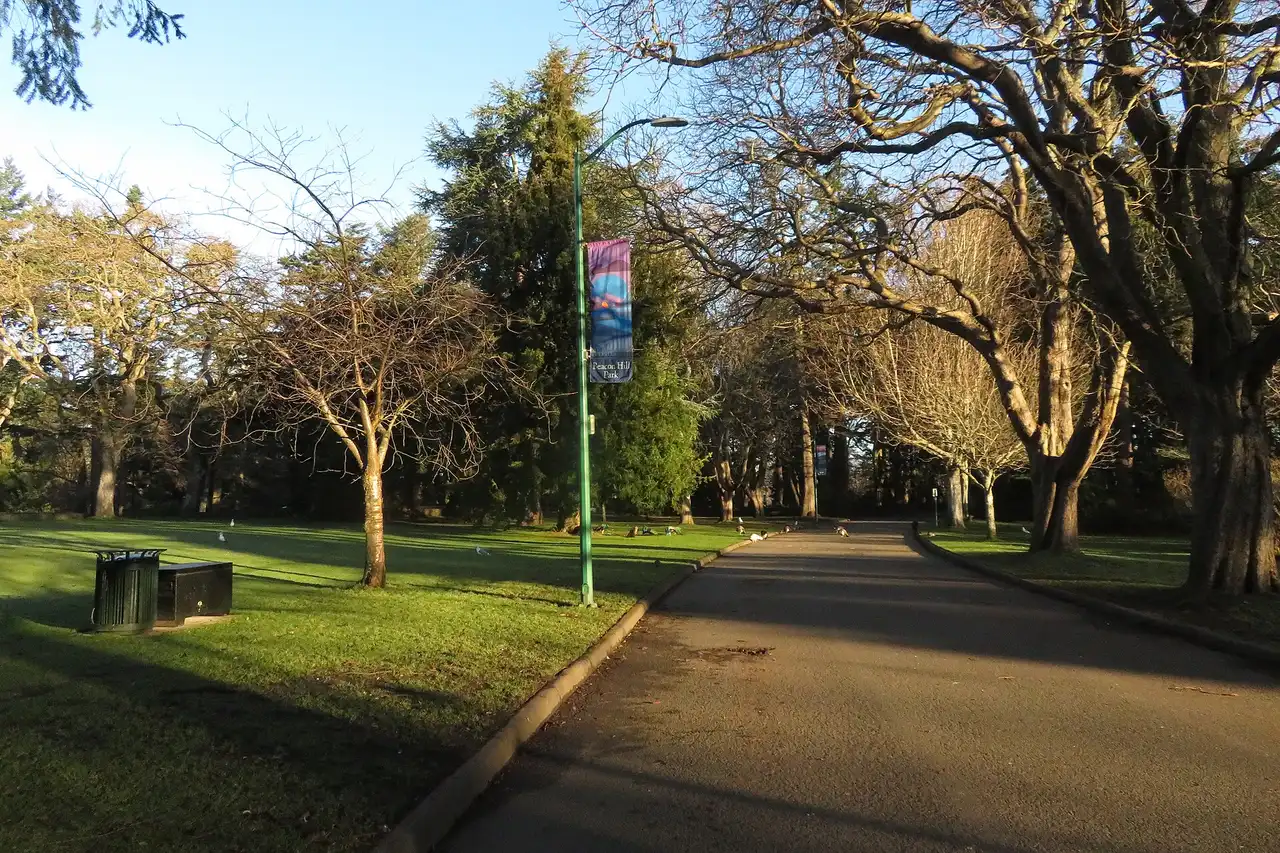
A ten-minute stroll south of the Empress, Beacon Hill Park is Victoria’s back garden: manicured beds, a small petting farm that keeps children busy, and a story pole that was once the tallest free-standing totem pole in the world. At its seaward edge you’ll reach Mile 0 of the Trans-Canada Highway, the official start of the road that runs all the way to Newfoundland, and the start of the Dallas Road clifftop walk, where locals fly kites over the Strait of Juan de Fuca with the Olympic Mountains of Washington State floating across the water.
Craigdarroch Castle and the waterfront
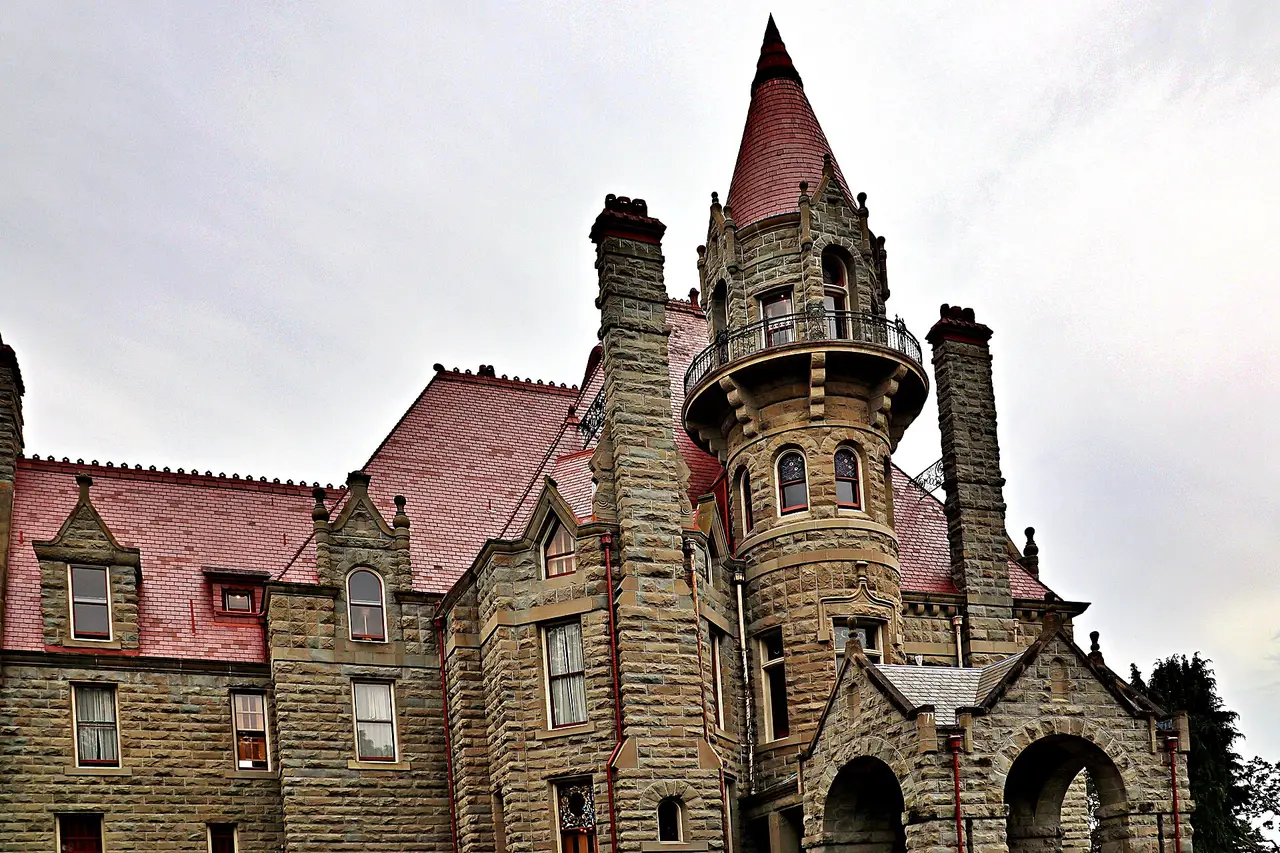
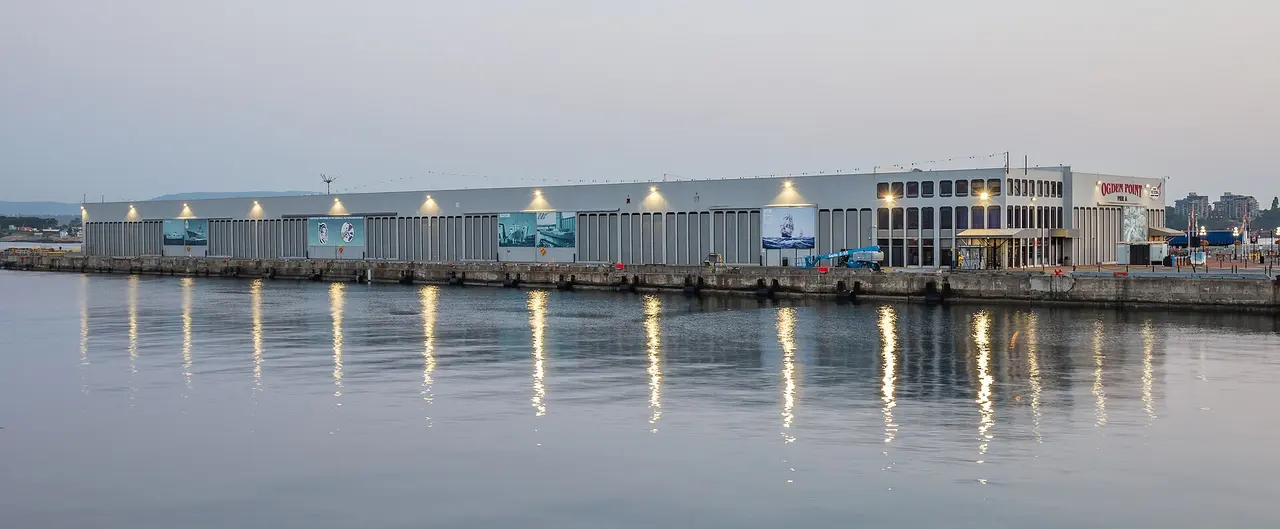
Uphill in the Rockland neighbourhood, Craigdarroch Castle is a turreted 1890s mansion built on a coal fortune, now a museum you tour for its stained glass and restored Victorian rooms. Back at the water, Fisherman’s Wharf is a cluster of brightly painted float homes and seafood kiosks; order fish and chips and you’ll have harbour seals loitering for scraps. Round the point, the Ogden Point breakwater gives you a long, blustery walk out to a lighthouse, past the terminal where the cruise ships tie up.
How many days, and how Victoria fits a BC trip
You can “do” Victoria as a day trip from Vancouver, and thousands of people do, but the math is unkind: two ferry crossings eat five hours and you never see the city without its daytrippers. One night fixes most of that - that’s the move if you can spare it. It buys you a quiet morning on the harbour before the eleven o’clock crowd lands, an unhurried afternoon at Butchart, and a lit-up legislature after dark. Two nights lets you add the whales or a slow bike ride out to the Saanich Peninsula wineries without watching the clock.
The city also has a rare gift: weather that barely stops it. Victoria has the mildest big-city climate in Canada, wet but rarely freezing, so an off-season visit still works - the gardens keep going and you won’t pay peak rates. It slots naturally into a wider trip, too. Pair it with a few days in Vancouver, then treat the island as its own chapter: our Vancouver Island in 7 days itinerary starts right here and runs to the wild Pacific coast at Pacific Rim and the surf town of Tofino, a long but spectacular drive to the west, and if the mountains are calling instead, Whistler is the classic add-on back on the mainland.
One last practical note. Whether you need a visa or an eTA to enter Canada depends on your nationality and changes from time to time, so read the current rules in our Canada eTA and visa guide and confirm against the official government source before you book. Everything else here - the ferry, the gardens, the tea - is simpler than it looks, once you’ve made peace with the fact that the last stretch of the journey is over water.
On the map
The map loads on click - to keep the page lightweight.
The map didn’t load. Check your connection and refresh the page.
Admission and opening hours
- Admission price
- The Inner Harbour core is free to walk. The Butchart Gardens, summer 2026 (1 June - 15 September): adult 18+ C$44.25, youth 13-17 C$22.13, child 5-12 C$5.00, tax included; rates step down in autumn and winter. Royal BC Museum and Craigdarroch Castle charge separate admission.
- Opening hours
- A year-round city with Canada's mildest big-city climate. Butchart Gardens opens daily; summer Saturday-night fireworks run July to September. Whale-watching tours peak roughly April to October, and a couple of operators sail through the winter.
Butchart prices from butchartgardens.com, tax included, checked 24 July 2026 and change by season. Ferry and whale-tour details change - confirm before you travel.
Details checked: July 24, 2026
Read also

Cities · 11 min read
Regina: Legislature, RCMP Heritage Centre and Prairie Base
Verified · August 29, 2026Wascana Centre, the Legislature, the Mounties' only training depot and a free T. rex - what Regina actually rewards, plus the road to Saskatoon.

Cities · 10 min read
Whitehorse: Yukon Base for Aurora, Rivers and the Klondike
Verified · August 28, 2026Whitehorse in 2026: SS Klondike grounds open but boat closed, MacBride C$12, Beringia C$6, Miles Canyon and aurora season.

Cities · 9 min read
Things to Do in Saskatoon: River Valley, Wanuskewin & Skies
Verified · August 27, 2026Saskatoon in practice: Meewasin trails, Wanuskewin bison, Remai Modern by donation, and a prairie day trip to Riding Mountain.

Cities · 9 min read
Lunenburg: UNESCO Old Town Guide
Updated · September 2, 2026Old Town Lunenburg from Halifax: UNESCO grid of 1753, painted harbour, Fisheries Museum prices, Bluenose II, and when an overnight beats a day trip.