Things to Do in Vancouver
What to do in Vancouver, with current 2026 prices: Stanley Park, Granville Island, the North Shore, Gastown, the transit fares and what to skip.
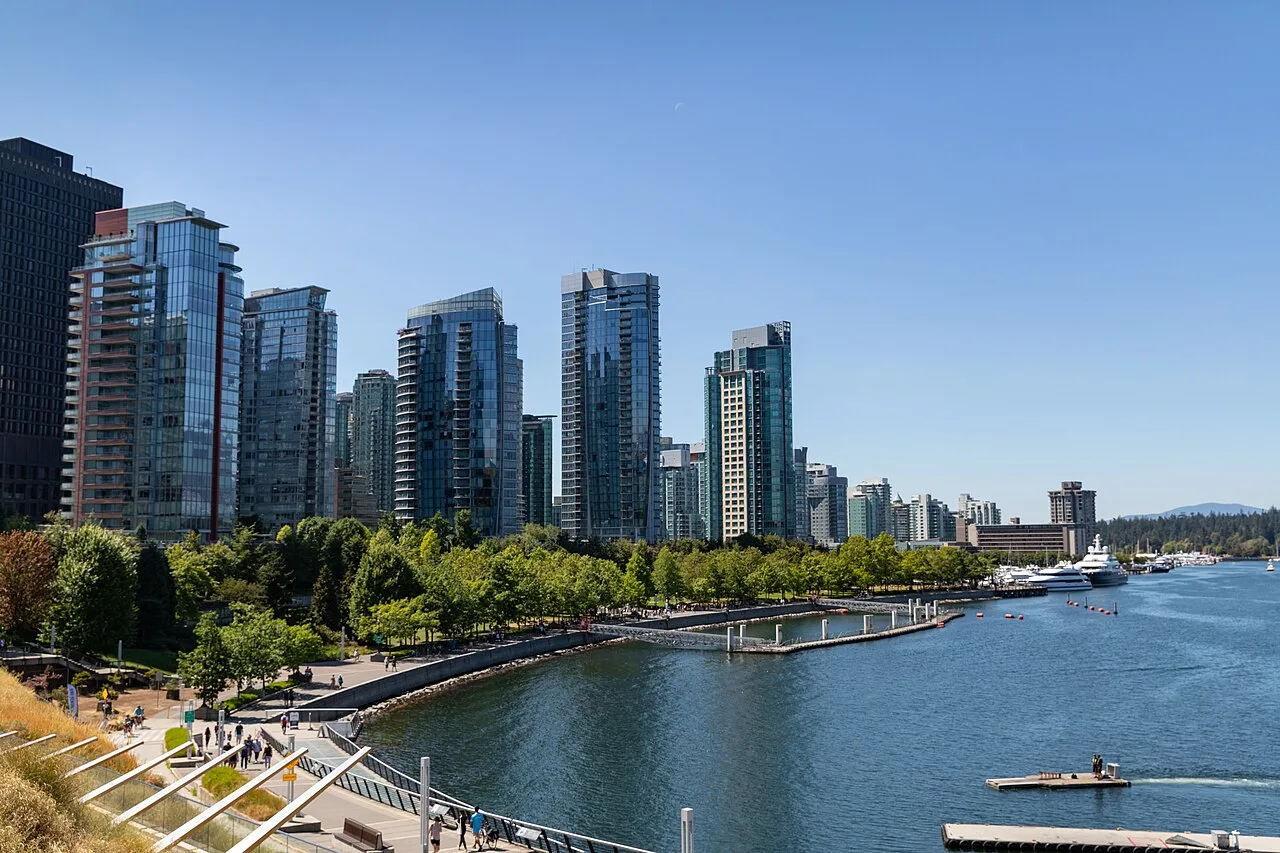
Vancouver is a city you can walk out of and into a rainforest by lunchtime, which is the whole point of it. Start with Stanley Park, because it’s the one thing nobody should skip, then give a full day to the North Shore mountains across the harbour and a half day to Granville Island. Buy a Compass card at the airport before anything else: it’s cheaper than tapping a credit card on every trip, and it saves you working out the zones in the rain.
One planning note before the sights: in Vancouver the weather matters more than the calendar. It rains here about 169 days a year, most of them between November and March, so the season you pick shapes a trip more than any single event does. The one date-bound caveat is hotels: summer 2026 rates were pushed well above normal by the World Cup at BC Place, which wrapped up on 7 July, so ignore them as a guide to what a room really costs. Every price below comes from each operator’s own site, checked on 24 July 2026.
Stanley Park: the one thing you cannot skip
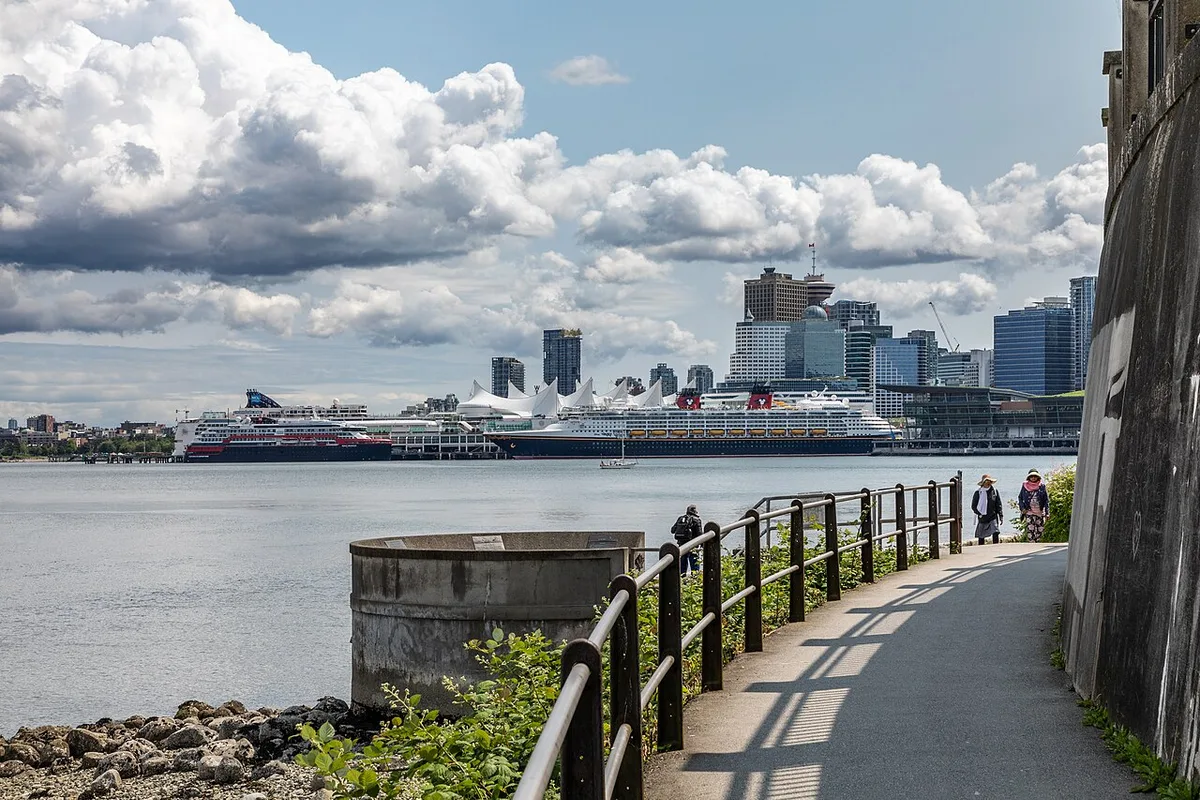
Stanley Park is 400 hectares of temperate rainforest wrapped by the sea, larger than New York’s Central Park and laid out in 1888. The way to see it’s the Seawall, a 9 km paved path right at the waterline that circles the whole park. Our Stanley Park guide covers the loop, the bike direction and the parking. On foot it’s two to three hours; by bike it’s about one, and bikes go one way, counterclockwise, which is worth knowing before you set off into oncoming traffic.
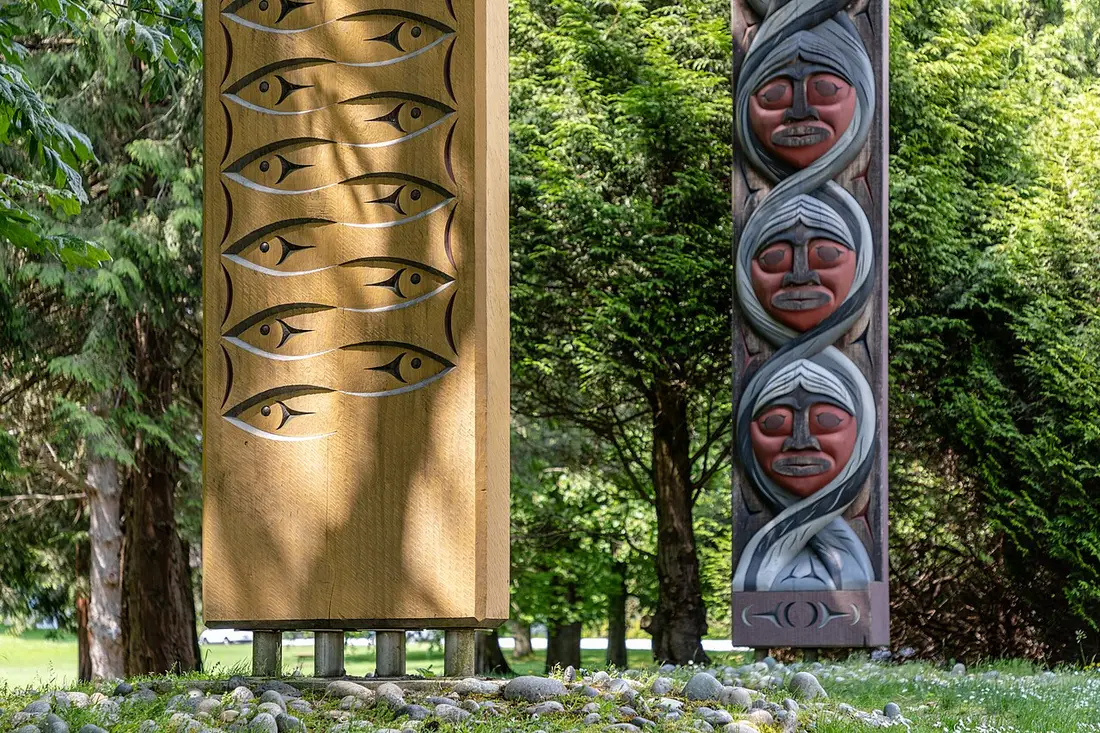
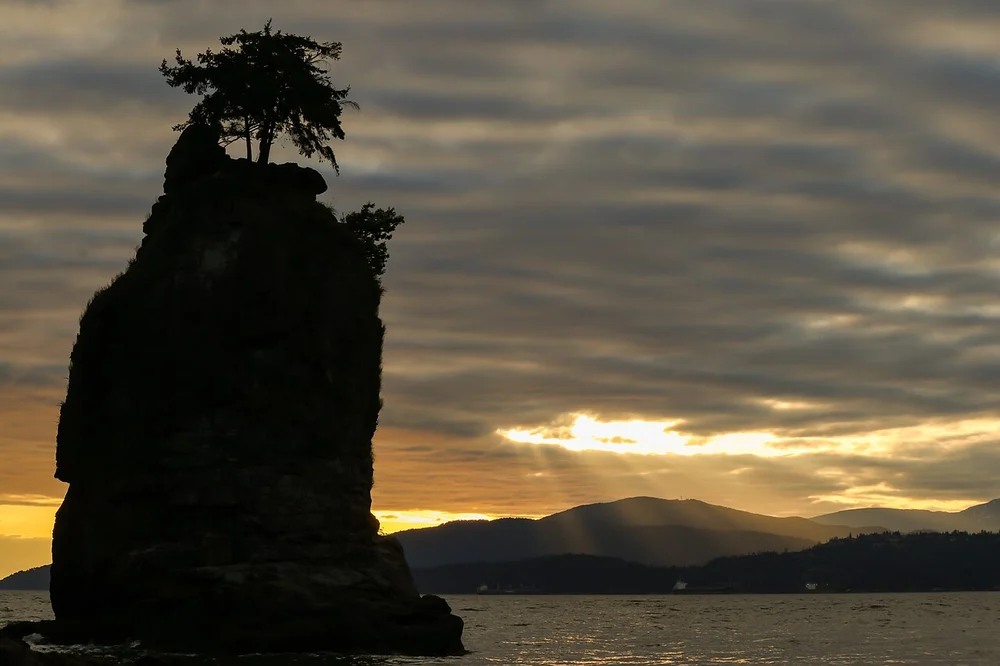
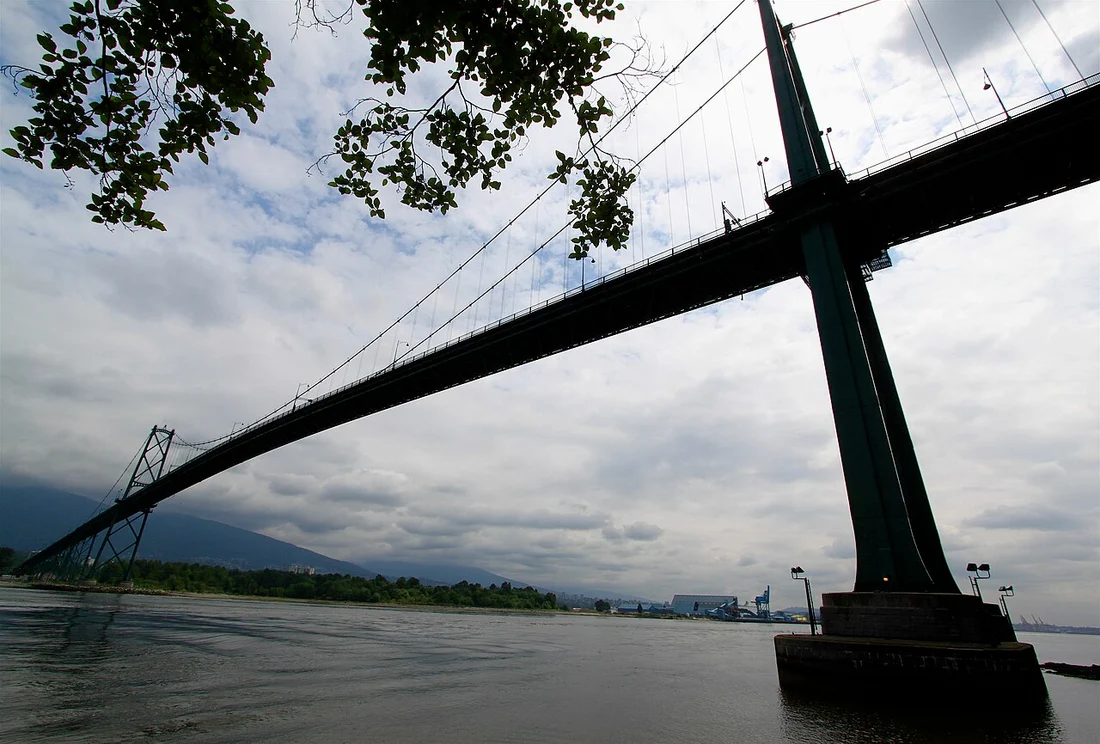
Three stops earn the walk. The totem poles at Brockton Point, carved in the styles of several First Nations, stand on the eastern shore and are one of the most photographed sights in the city. Prospect Point looks straight up at the Lions Gate Bridge. And Siwash Rock, a sea stack with a single tree growing out of it, carries a Squamish legend that’s worth reading before you go.
The park itself is free. The only cost is parking, charged by the hour and busiest in summer, so the sane approach is transit or a bike rather than circling for a space.
Granville Island and the Public Market
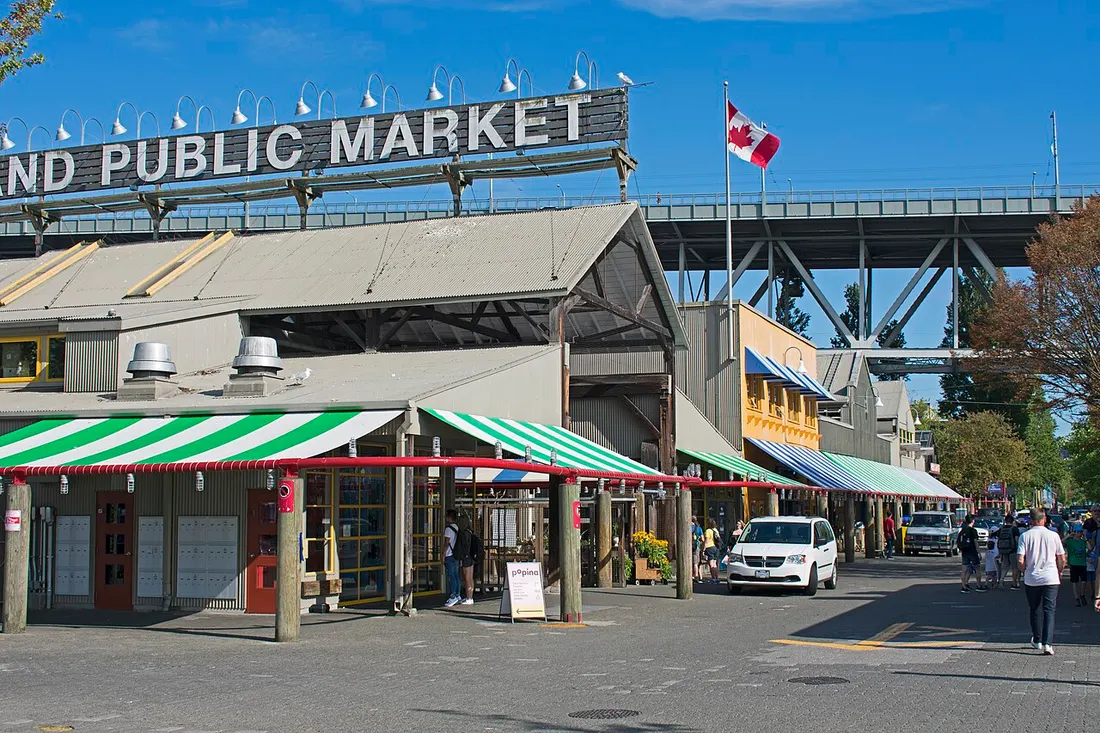
Under the Granville Bridge, on a peninsula that’s federal land rather than part of the city, Granville Island packs 300-odd businesses into an old industrial yard. The heart of it’s the Public Market, open since 1979, a hall of independent food stalls that’s genuinely good rather than a tourist trap wearing the costume of one. Lee’s Donuts trades inside that hall and is on our where to eat in Vancouver list.
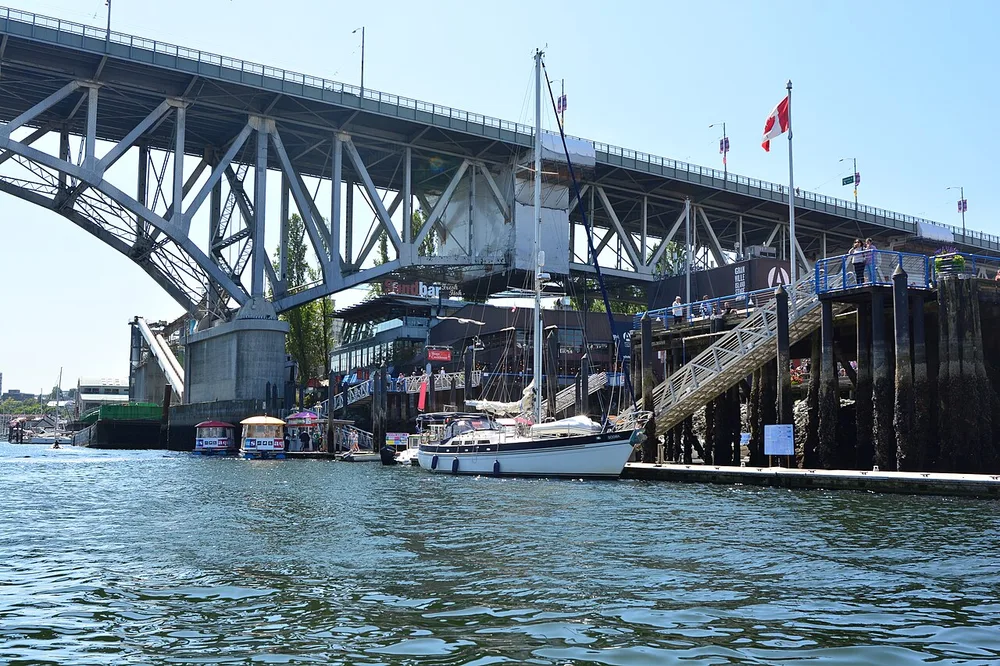
The best way to arrive is the Aquabus, one of the tiny rainbow ferries that potter across False Creek every few minutes from Yaletown and the foot of Hornby Street. It’s a two-minute crossing and half the fun of the visit.
The North Shore: Capilano, Lynn Canyon and Grouse Mountain
Across the harbour, the North Shore mountains are the day trip that defines a Vancouver visit, and there’s a clever way to do it and an expensive way.
The famous stop is the Capilano Suspension Bridge Park, where a footbridge sways 70 m above a canyon, joined by the cantilevered Cliffwalk and the Treetops walkways. It runs 8:30 am to 8 pm in summer, and a free seasonal shuttle goes from Canada Place. An adult ticket is C$75 before GST, and booking an arrival after 5 pm between mid-May and early September takes 25% off it.
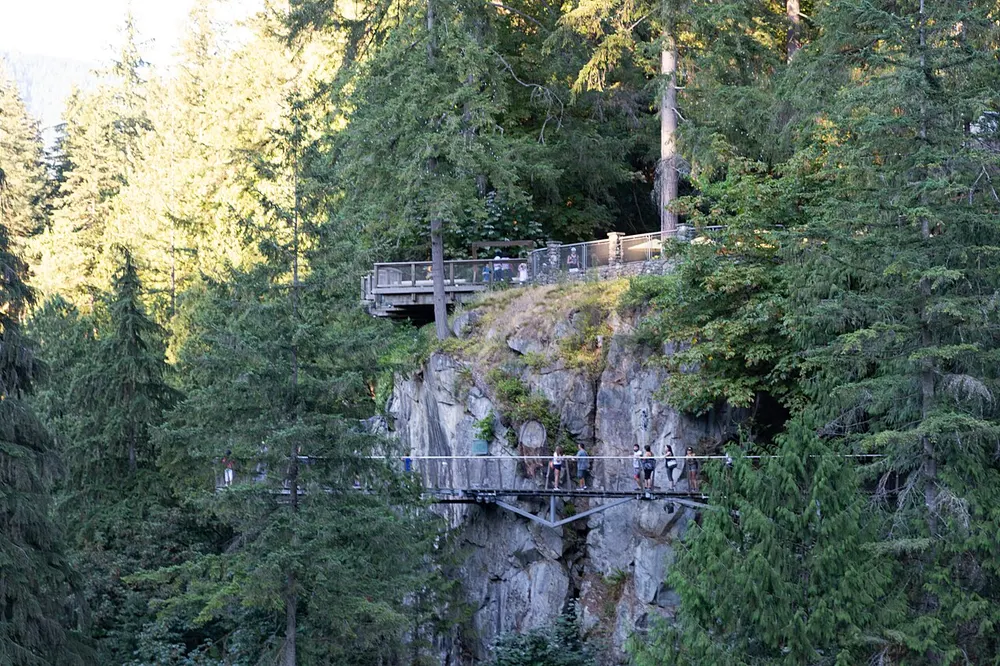
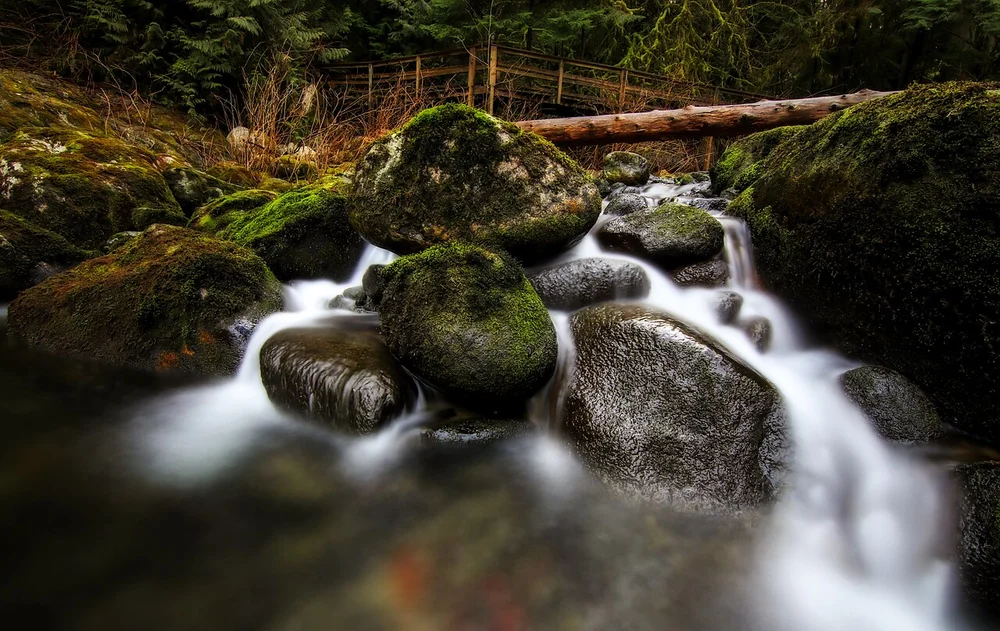
Here’s the alternative nobody at Capilano will mention. Lynn Canyon Park, a few minutes east, has its own suspension bridge 50 m above a canyon, a swimming hole and forest trails, and it’s free. It’s smaller and rawer, with no Treetops and no gift shop, and for a family it saves a serious amount of money. Parking, the 228 and the honest comparison with Capilano’s ticket are on the Lynn page.
Above both, Grouse Mountain runs a gondola to a summit with a lumberjack show, grizzly bears in a habitat and a view back over the whole city. Adult admission is C$89 (grousemountain.com, checked 24 July 2026). The famous free option is the Grouse Grind, the trail straight up: 2.5 km, 800 m of ascent, 2,830 steps and no shame in taking the gondola down. What that C$89 includes, the C$20 download if you hiked, and when cloud wastes the fare are on the Grouse page.
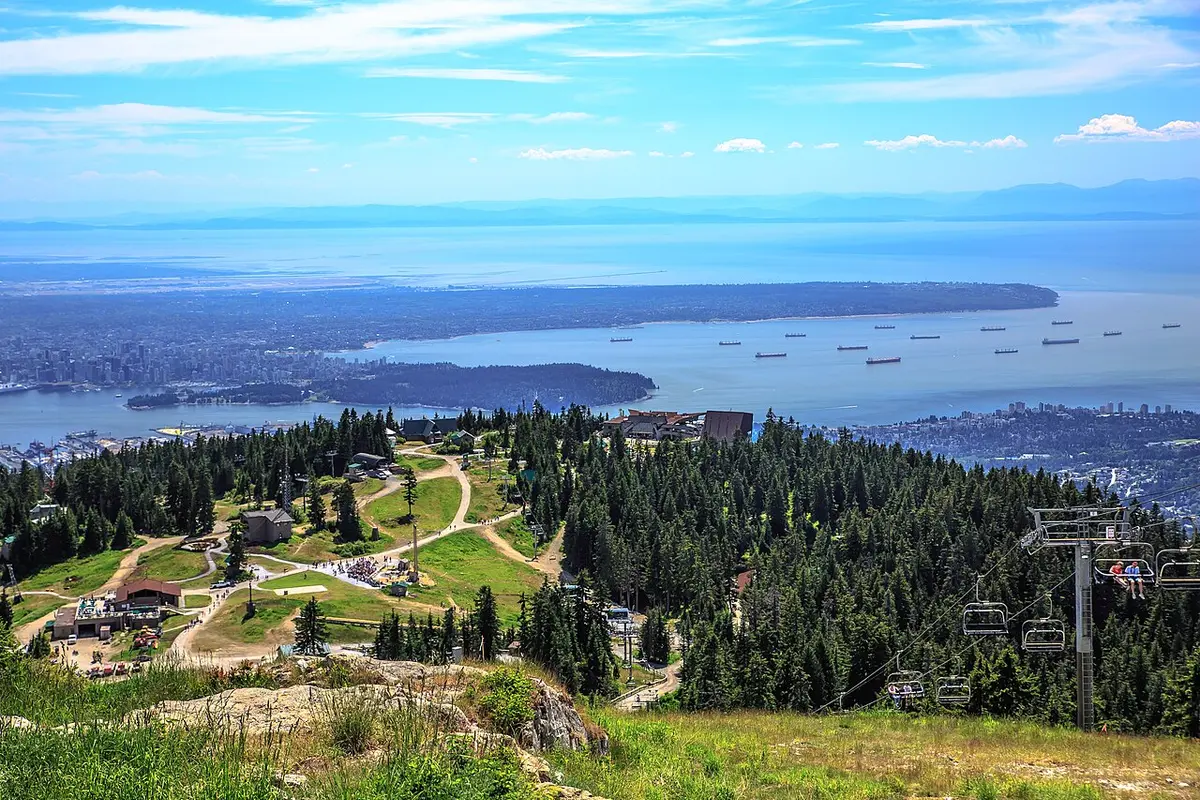
The efficient way to do all this without a car is the SeaBus from downtown to Lonsdale Quay, then a bus up the mountain, all on one Compass fare.
Gastown, Chinatown and downtown on foot
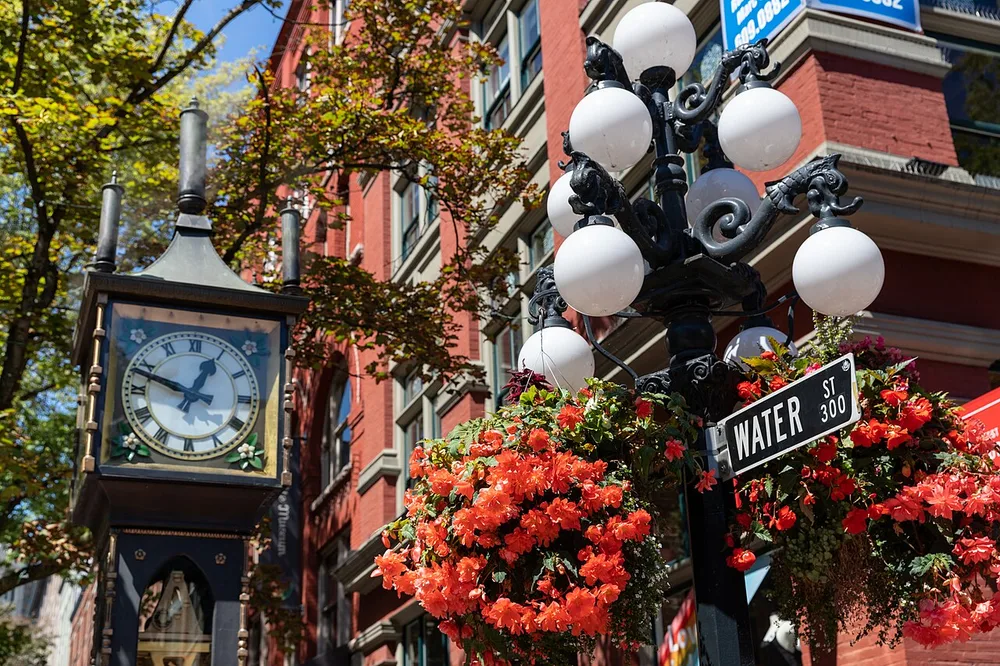
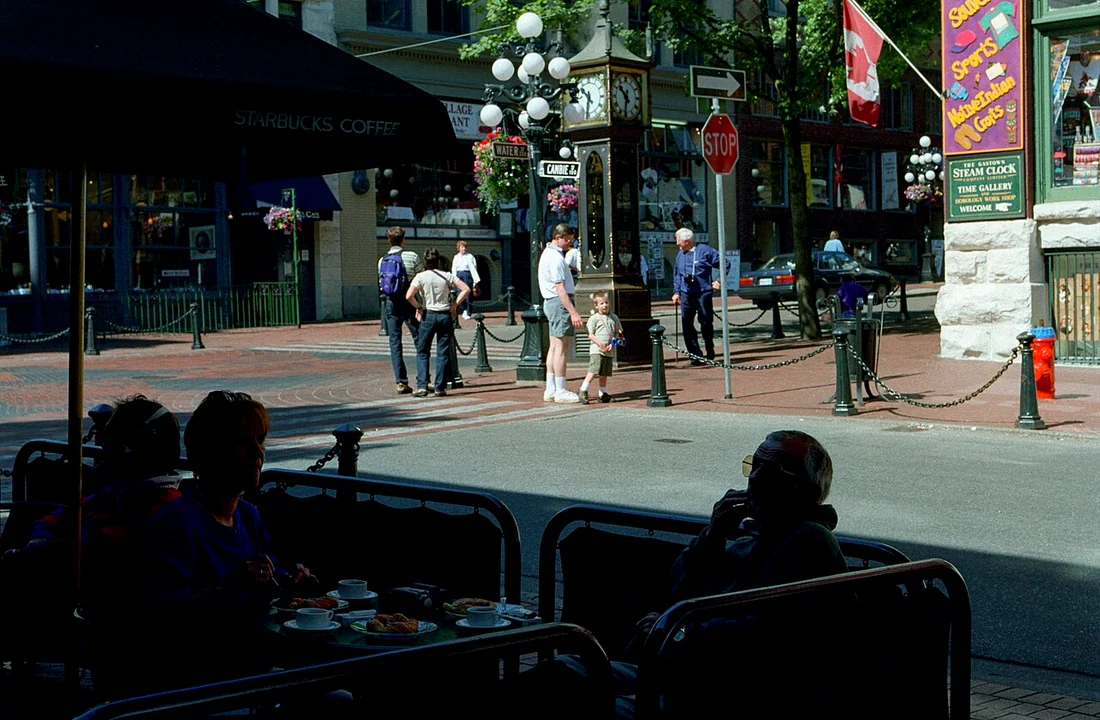
Gastown is the oldest part of the city, cobblestones and cast-iron and converted warehouses full of restaurants. Its most photographed object is the Steam Clock, and a bit of candour helps here: the steam is a gimmick added in 1977, and the clock is actually electric, with the steam driving only the whistles. It’s a two-minute photo, not a destination.
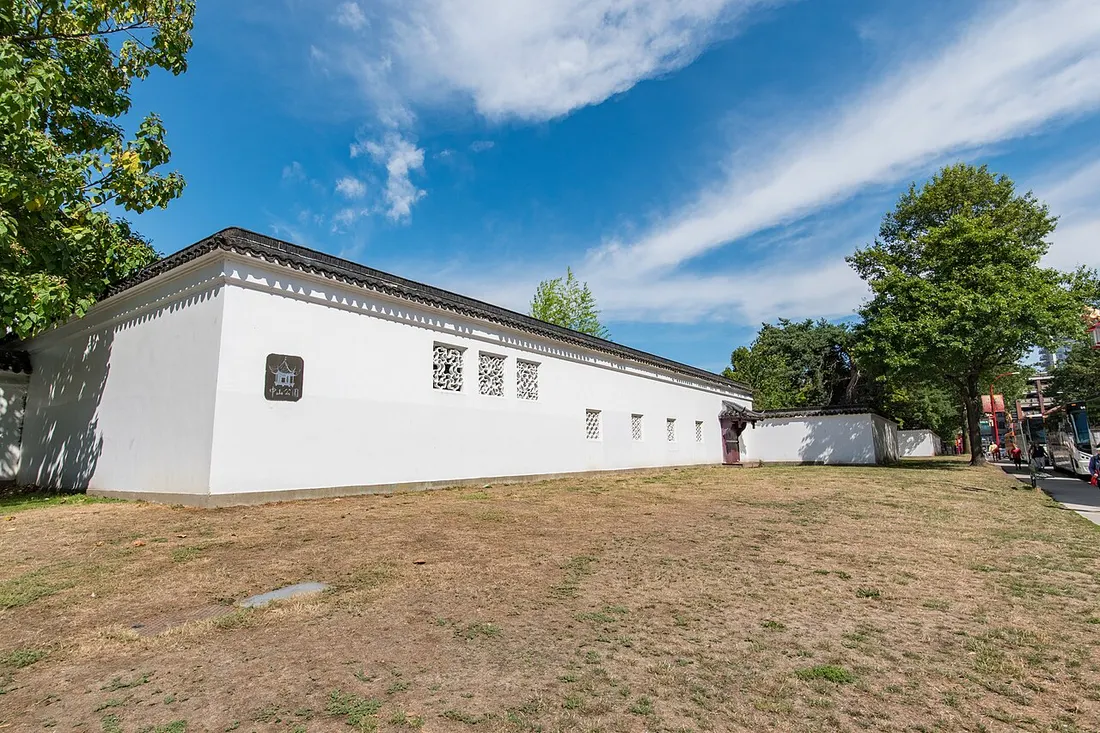
South of Gastown, Chinatown holds the Dr. Sun Yat-Sen Classical Chinese Garden, a walled classical garden built by artisans from Suzhou and a genuinely calm half hour off the street.
A quick, plain note on the streets between them. The Downtown Eastside, along East Hastings past Gastown, is the sharp edge of an overlapping housing, mental-health and drug crisis, and it’s where the cheapest downtown hotels sit. The people there are in genuine trouble, not on show for anyone. By day it’s somewhere you pass through; after dark it’s not a place to arrive with luggage, so knowing where it starts saves you both a jolt and a bad room booking.
Museums and rainy-day plans
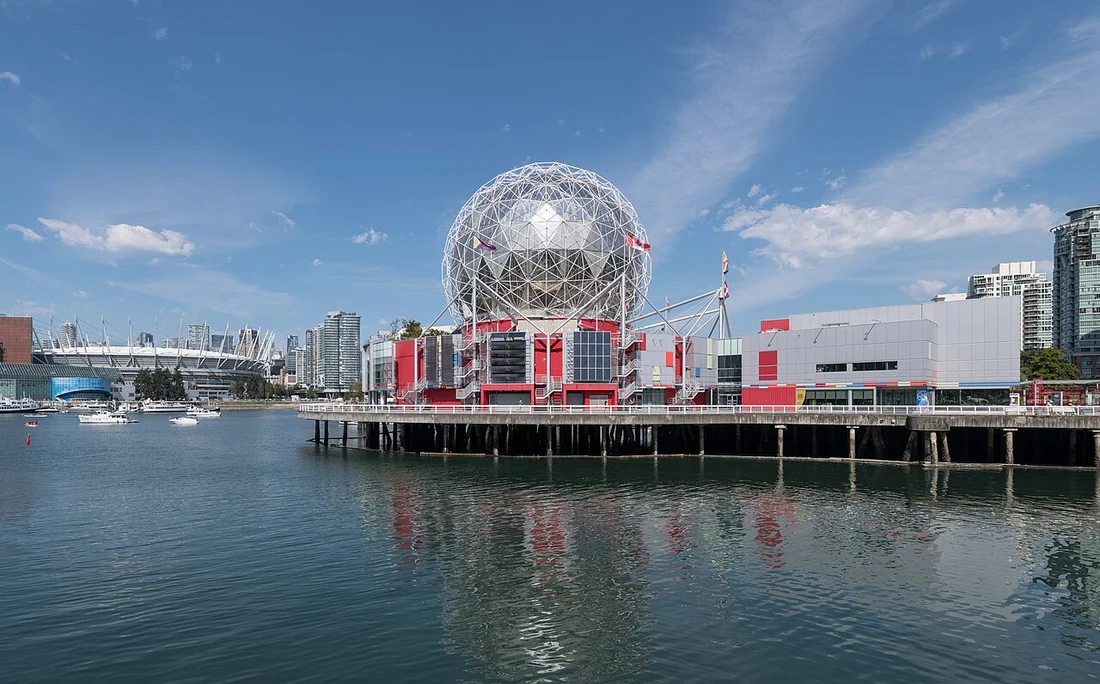
This is a wet city, about 169.5 days of rain a year, so a rainy-day list isn’t optional. The Vancouver Art Gallery is central and free on the first Friday evening of the month, 4 to 8 pm, otherwise C$35 for a non-BC visitor. The Museum of Anthropology at UBC, worth the trip for its Northwest Coast collection, is C$26 and half price after 5 pm on Thursdays. For families, Science World in its geodesic dome at the end of False Creek sells timed tickets that change by date.
Beaches and the water
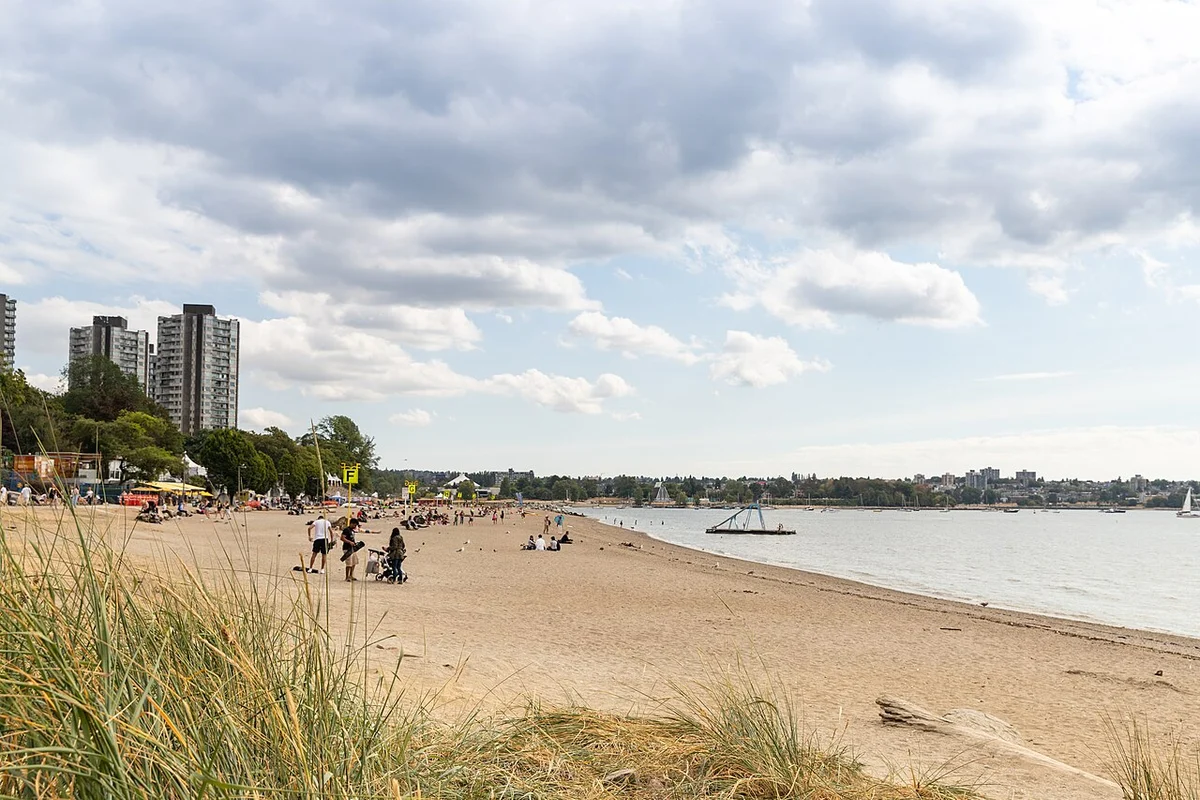
For a Pacific city, Vancouver’s beaches are close and used. English Bay and Sunset Beach are a walk from downtown, Kitsilano sits across the bridge with the best skyline view, and all of them work for a sunset even when the water is too cold to swim. Whale-watching tours run from April to October, and a floatplane sightseeing flight off the harbour is the splurge worth making if you’ve got the budget.
Day trips
Whistler is the big one, about 127 km up the Sea to Sky Highway, one of the most scenic drives in the country, passing Shannon Falls and Squamish - you’ll want a full day for it. Break it at the Sea to Sky Gondola, where an adult ticket is C$73.95 booked online. How you cover those kilometres - Skylynx coach, hotel-drop shuttle from YVR, or a rental - is spelled out in Vancouver to Whistler. Victoria is the other, reached by a BC Ferries crossing of 1 h 35 min or a floatplane in about half an hour, and it needs a full day at least. The British Columbia guide lays out both as proper trips rather than rushed afternoons.
Getting around: TransLink, Compass and the airport fare
Vancouver’s transit is genuinely good, and the SkyTrain reaches the airport, but two fare quirks catch visitors - don’t learn them at the tap gate. First, paying with a Compass card’s stored value is cheaper than tapping a contactless card: C$2.85 against C$3.50 for a single-zone adult trip. Second, every bus trip is one zone no matter how far it goes, and children 12 and under ride free on everything.
| Adult fare | Compass stored value | Contactless or cash |
|---|---|---|
| 1 zone | C$2.85 | C$3.50 |
| 2 zones | C$4.20 | C$5.10 |
| 3 zones | C$5.40 | C$6.70 |
| DayPass | C$12.55 | C$12.55 |
The airport has a sting: a YVR AddFare of C$6.50 is added to any trip leaving the airport stations by SkyTrain. A Monthly Pass covers it; a DayPass doesn’t. If you’re heading downtown from YVR with luggage as a pair, do the sum against a taxi before you tap in. A car, incidentally, is a liability downtown and only pays off for the day trips, which is where our guide to renting a car in Canada comes in.
When to visit, and what to skip
July to September is the dry, warm window and the busy one. Spring brings the cherry blossom, late March into April, when the city plants tens of thousands of trees into a show. Winter is mild, grey and wet, and the ski hills on the North Shore open twenty minutes from downtown.
Three things you can safely skip. The Steam Clock as anything more than a photo. The Vancouver Lookout tower if you’re already going up Grouse, which gives you the same view with a mountain under it. And Capilano if the budget is tight, because Lynn Canyon does the same job for nothing.
Read also
- The province it anchors: British Columbia travel guide
- Which neighbourhood to book: where to stay in Vancouver
- Flying in from Heathrow: flights from London to Vancouver
- For the day trips you need wheels for: renting a car in Canada
On the map
The map loads on click - to keep the page lightweight.
The map didn’t load. Check your connection and refresh the page.
Admission and opening hours
- Admission price
- Much of Vancouver is free: Stanley Park, the Seawall, the beaches, Gastown and Lynn Canyon. Paid highlights checked 24 July 2026: Grouse Mountain C$89 adult, Museum of Anthropology C$26, Vancouver Art Gallery C$35 non-BC (free first Friday evenings), Sea to Sky Gondola C$73.95 adult online. Capilano Suspension Bridge Park C$75 adult before GST (checked 26 July 2026), 25% less after 5 pm in summer.
- Opening hours
- Capilano 8:30 am - 8 pm 16 May - 7 September 2026. Grouse Mountain and the Seawall open year-round. Richmond Night Market weekends, 24 April - 20 September 2026, then closed until the next season.
Prices from each operators own site, checked 24 July 2026, and change by season and date. Transit fares are TransLink, effective 1 July 2026.
Details checked: July 24, 2026
Read also

Cities · 11 min read
Regina: Legislature, RCMP Heritage Centre and Prairie Base
Verified · August 29, 2026Wascana Centre, the Legislature, the Mounties' only training depot and a free T. rex - what Regina actually rewards, plus the road to Saskatoon.

Cities · 10 min read
Whitehorse: Yukon Base for Aurora, Rivers and the Klondike
Verified · August 28, 2026Whitehorse in 2026: SS Klondike grounds open but boat closed, MacBride C$12, Beringia C$6, Miles Canyon and aurora season.

Cities · 9 min read
Things to Do in Saskatoon: River Valley, Wanuskewin & Skies
Verified · August 27, 2026Saskatoon in practice: Meewasin trails, Wanuskewin bison, Remai Modern by donation, and a prairie day trip to Riding Mountain.

Cities · 9 min read
Lunenburg: UNESCO Old Town Guide
Updated · September 2, 2026Old Town Lunenburg from Halifax: UNESCO grid of 1753, painted harbour, Fisheries Museum prices, Bluenose II, and when an overnight beats a day trip.