
Where to Stay in Vancouver: Best Neighbourhoods
Where to stay in Vancouver: the best neighbourhoods for a first visit, an honest word on the Downtown Eastside, hotel taxes and short-term rental rules.
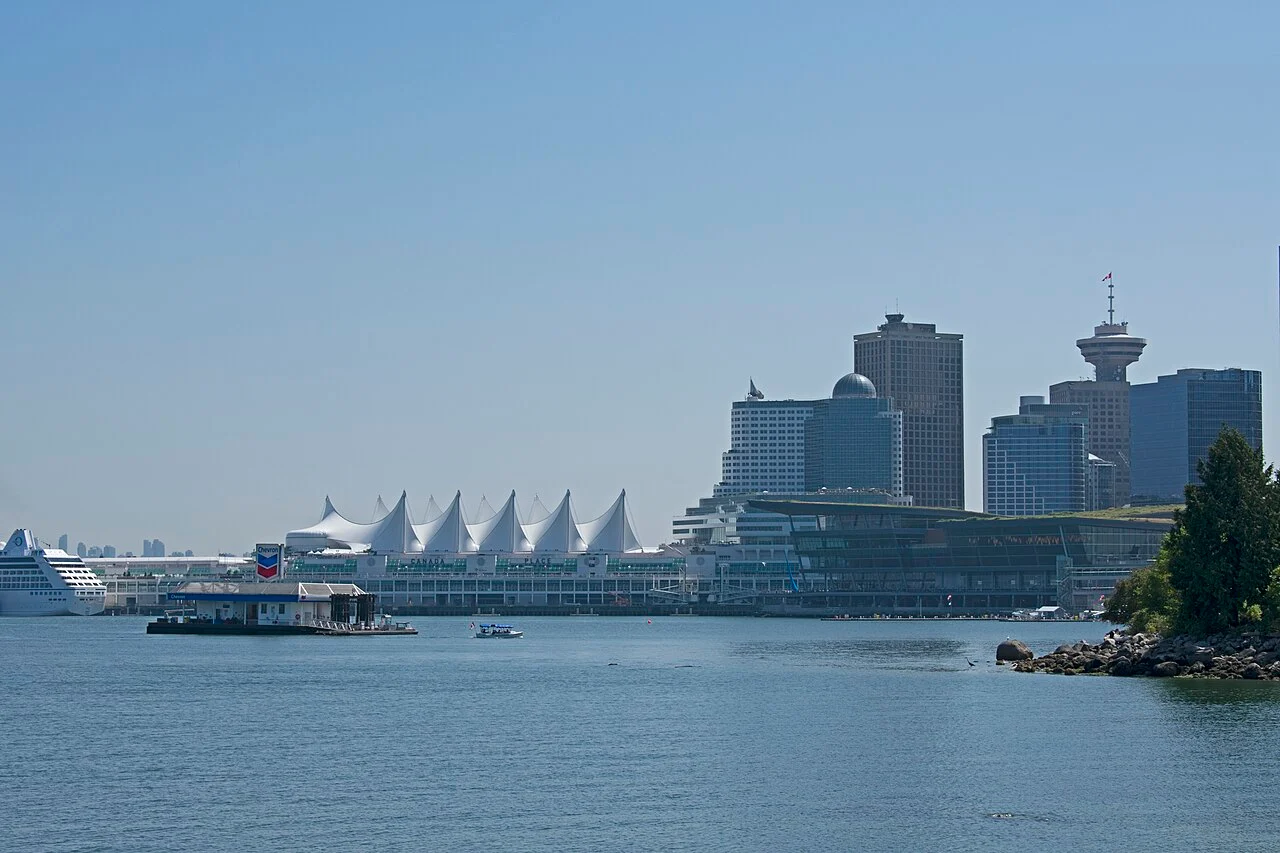
For a first visit to Vancouver, stay Downtown, in Coal Harbour or the West End. All three put you within walking distance of the harbour, Stanley Park and the Seawall, they sit in a single transit zone, and they take the guesswork out of a short trip. Yaletown and Gastown work too if you want dining and character over convenience, and Kitsilano suits a beach vacation. The airport and the eastern suburbs are cheaper for a reason, and the reason is usually a longer commute. Our Vancouver eating list leans across False Creek toward Granville Island.
Here’s the thing other guides tend to skate over. The cheapest downtown hotels are cheap because of where they sit, on the eastern edge that runs into the Downtown Eastside, and there are two costs that never show in the nightly rate: a stack of accommodation taxes, and short-term rental rules strict enough to make some listings you’ll see online illegal. Both are worth understanding before you book.
Quick answer: which area fits which traveller
| Area | Best for | Price | The catch |
|---|---|---|---|
| Downtown / Coal Harbour | first visit, no car | $$$ | eastern edge runs into the DTES |
| West End | quieter, beaches, Stanley Park | $$-$$$ | fewer big-chain hotels |
| Yaletown | dining and the waterfront | $$$ | little that’s cheap |
| Gastown | character and nightlife | $$ | the DTES is a block east |
| Kitsilano | beach and families | $$ | across the bridge from the sights |
| Near airport (Richmond) | early flights, a car | $-$$ | an AddFare on every city trip |
| Mount Pleasant / Commercial Drive | budget, local feel | $-$$ | mostly rentals, transit to the centre |
The price tiers are deliberately relative. Vancouver room rates swing hard by season, and the summer of 2026 was distorted by the World Cup, so any fixed figure would mislead more than it helps.
Downtown and Coal Harbour: the default first-time choice
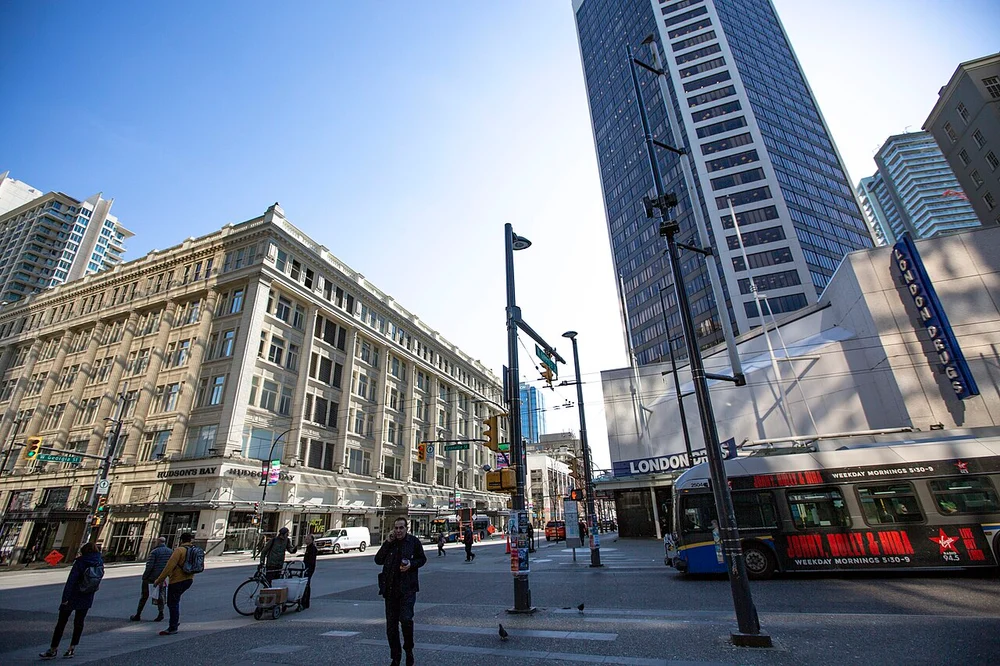
This is the safe pick, and for a two or three-night trip it’s the right one. From Coal Harbour and the downtown core you can walk to Canada Place, the start of the Seawall and Stanley Park, and the free shuttle to the Capilano Suspension Bridge leaves from Canada Place. It’s a single transit zone, so getting anywhere costs the base fare.
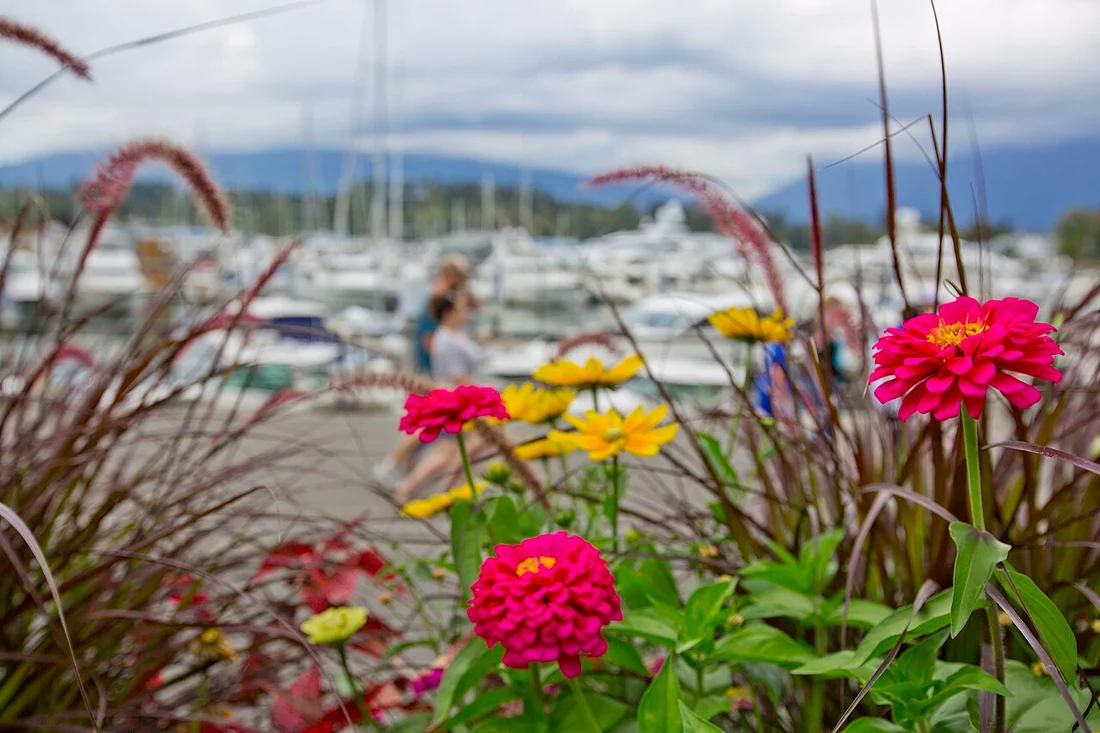
It’s the most expensive base, and parking is charged on top, so it suits people arriving without a car. The one caveat is geography: downtown stretches east into rougher streets, so read the exact block, not just the neighbourhood name, before you book a bargain.
The West End: the quiet side of downtown
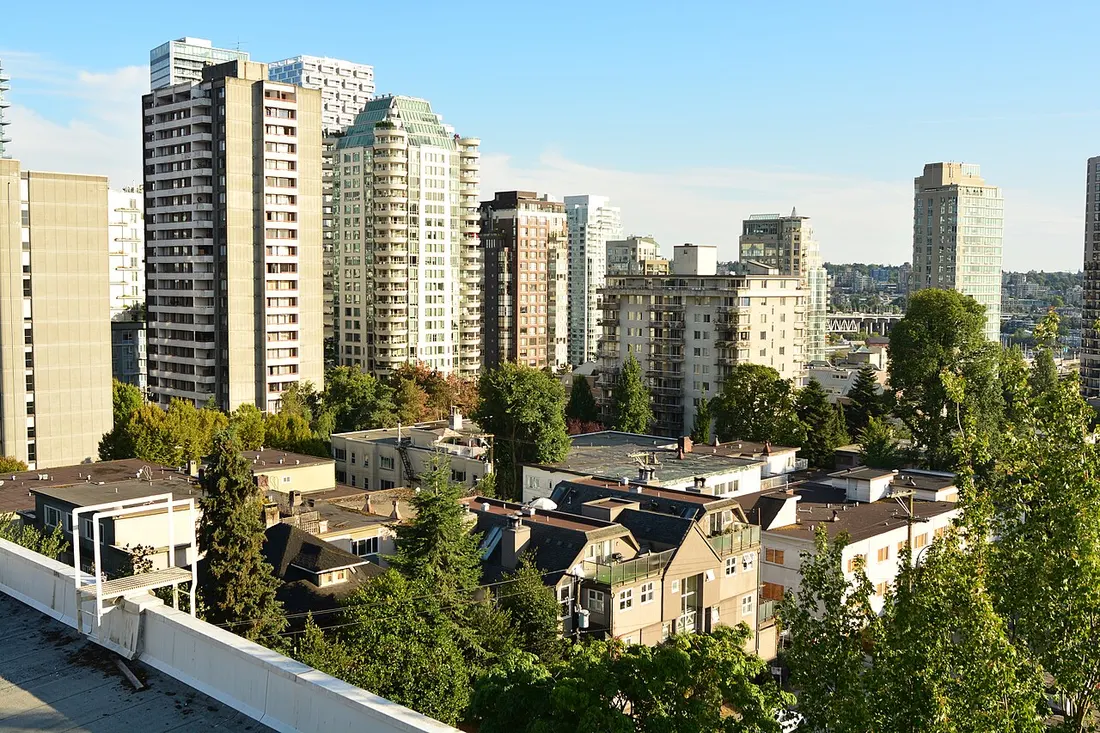
Pressed between the downtown towers and Stanley Park, the West End is residential, walkable and a little cheaper, with Davie and Denman streets full of places to eat and English Bay at the bottom of the hill. It trades some chain-hotel choice for apartment-style stays and a calmer evening, and for couples or families who want Stanley Park on their doorstep it’s the best value in the core.
Yaletown and Gastown
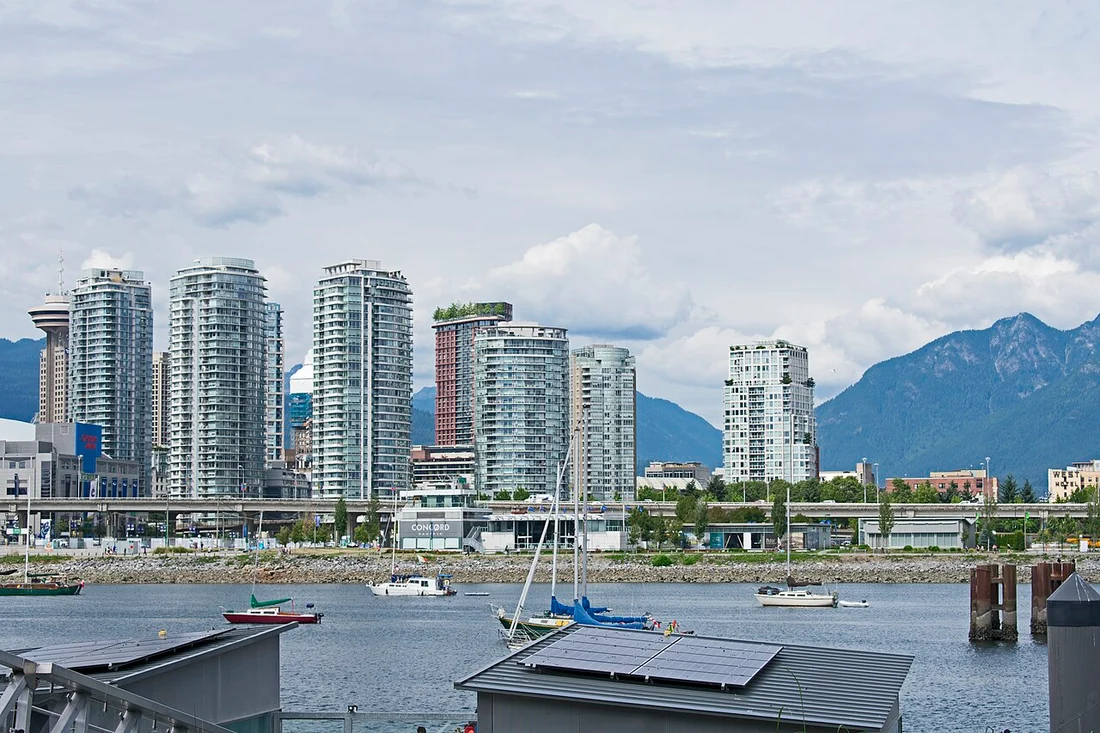
Yaletown is the polished former warehouse district on False Creek, heavy on restaurants and rooftop bars, with the Aquabus at the bottom of the street for Granville Island. It’s firmly in the top price tier and short on budget rooms.
Gastown is the one to choose with a caveat you should hear plainly. It has the cobblestones, the best bars and the most character in the city, but its eastern edge is a single block from the Downtown Eastside, so here more than anywhere you book by the street rather than the name. Get the western end and it’s superb; drift east and the experience changes fast.
Kitsilano and across the water
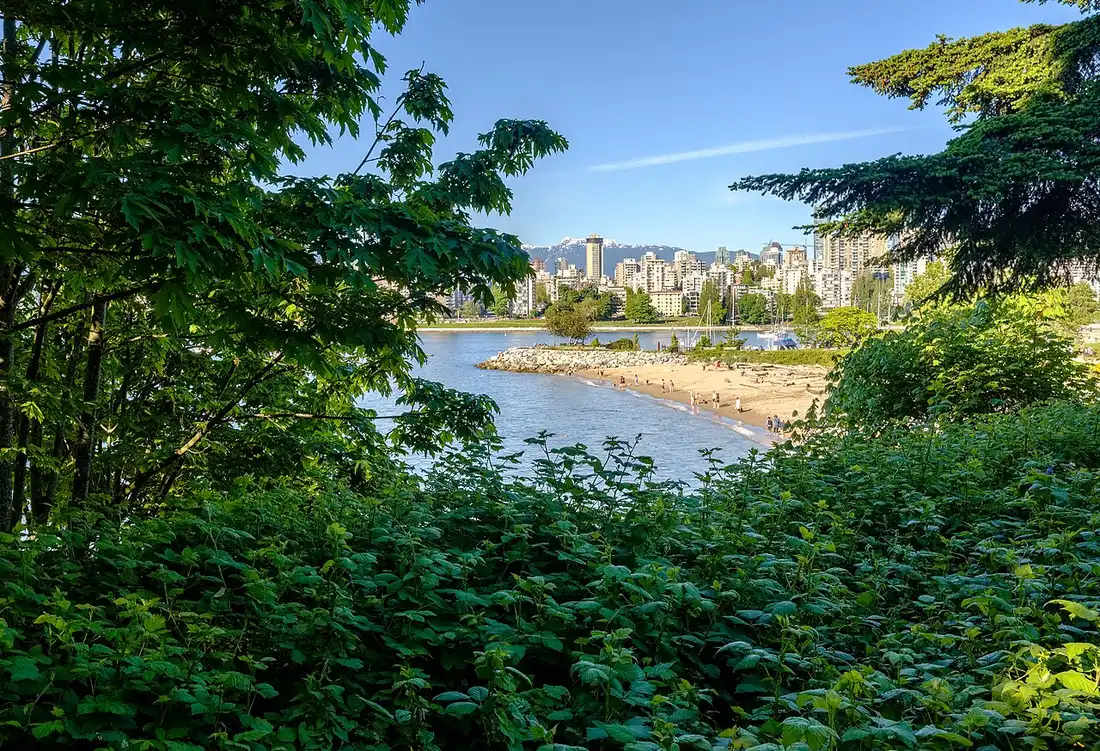
Kitsilano, across the Burrard Bridge, is the beach neighbourhood: Kits Beach, the best skyline view in the city, and a slower, greener feel. The trade is distance, most of the big sights are a bus ride away, which suits a longer or a family stay more than a two-night dash.
Near the airport, and the eastern neighbourhoods
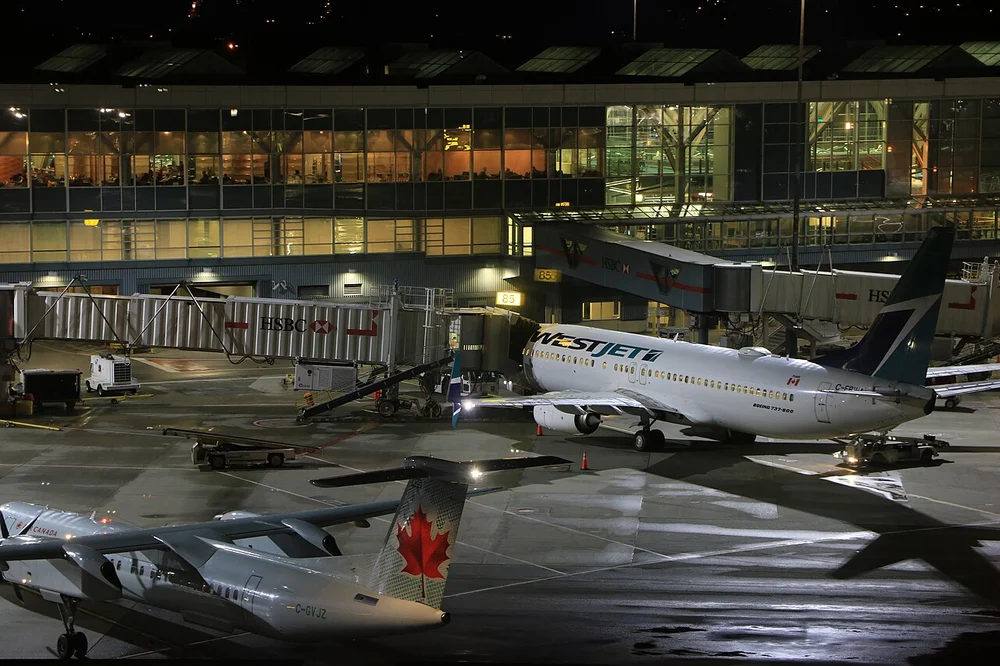
Hotels in Richmond near the airport make sense for an early flight, a late arrival or a trip built around a car, and they are cheaper. The hidden cost is the YVR AddFare of C$6.50, added to every SkyTrain trip leaving the airport, which a DayPass does not cover; stay out here and each visit into the city carries that surcharge on top of the fare. Our guide to getting from Vancouver Airport to downtown breaks down the SkyTrain fare and the flat-rate taxi if you’re weighing an airport hotel against a central one.
For a longer or more local stay, Mount Pleasant and Commercial Drive are cheaper and full of independent cafes and murals, though they lean toward rentals over hotels. North Vancouver puts Grouse, Lynn Canyon and Deep Cove on your doorstep and the SeaBus into downtown, with the catch that the SeaBus does not run through the night.
A straight word about the Downtown Eastside
The Downtown Eastside, centred on East Hastings just past Gastown, is the visible edge of an overlapping housing, mental-health and drug crisis. In 2025 it accounted for roughly 27% of Vancouver’s violent crime while holding about 3% of the population, and it has some of the highest pedestrian-injury rates in the province. Against that, the city as a whole reached a 23-year low for violent crime, so this is a concentrated problem, not a city-wide one.
The point for a visitor is narrow and practical. This is where the cheapest downtown rooms are, the discount is the address, and by night it’s not a place to arrive with a suitcase. These are people living in real hardship, not a spectacle, and the respectful and sensible thing is the same thing: know where the area is, and choose your street accordingly.
What a Vancouver hotel bill actually looks like
The rate you see isn’t the rate you pay, and Vancouver stacks more taxes on a room than most cities. Four separate charges land on the bill:
| Tax | Rate |
|---|---|
| Provincial sales tax on accommodation | 8% |
| Municipal and Regional District Tax | 3% |
| Major Events MRDT (Vancouver, to 31 January 2030) | 2.5% |
| Federal GST | 5% |
Each is itemised separately. Because the provincial accommodation taxes already exceed 12%, the federal GST is charged on a base that includes them, so the total is a bit more than simply adding the numbers: expect roughly 18 to 19% on top of the advertised rate. The 2.5% Major Events tax is the newest, introduced in 2023 to help fund the 2026 World Cup and set to run until 2030.
Short-term rentals: the rules that make some listings illegal
Vancouver has tightened short-term rentals hard, and it matters to guests because a listing that breaks the rules can vanish before you arrive. British Columbia now applies a principal-residence requirement and demands a provincial registration number in every listing. The City of Vancouver adds its own business licence, whose number must also appear. In practice a legal listing shows both numbers; if a place can’t show them, treat that as a red flag rather than a bargain. Airbnb isn’t banned here, but it’s limited to hosts renting the home they actually live in.
Getting around from where you stay, and when to book
Wherever you land, downtown and the West End are a single transit zone, so a central base saves money on every trip as well as time. An airport stay adds the AddFare; a North Shore stay leans on the SeaBus and its overnight gap.
On timing, treat 2026’s summer figures with suspicion. Downtown occupancy ran about 76% over the first half of the year, and June rates spiked with the World Cup to an average well above normal before the tournament ended on 7 July. For a future trip, book shoulder-season, ignore the 2026 peak entirely, and compare a central room including all those taxes against a cheaper one plus daily transit before you decide. Our guide to things to do in Vancouver covers the sights each area puts you near, and the British Columbia guide sets the city in the wider province.
Read also
- Everything to do once you have a base: things to do in Vancouver
- The province around the city: British Columbia travel guide
- Whether you need a car at all here: renting a car in Canada
On the map
The map loads on click - to keep the page lightweight.
The map didn’t load. Check your connection and refresh the page.
Read also

Before you go · 11 min read
Canada eTA for UK Citizens: Entry Requirements
Verified · September 1, 2026UK air travellers need a CAN$7 eTA. Cost, validity, land exception, refusals and British passport types - checked on canada.ca, 1 Sep 2026.

Before you go · 9 min read
Calgary vs Vancouver: Which Airport for the Rockies
Verified · August 29, 2026Calgary puts Banff 140 km up the road; from Vancouver it's 850 km. What the drop fee, the domestic hop and the thinner route map actually cost you.

Before you go · 10 min read
Quebec City in Winter: Carnival, Ice Hotel, What to Wear
Verified · August 16, 2026Quebec City in winter: Carnival 5-14 Feb 2027, ice hotel from January, February nights -16 C, and what to pack.

Before you go · 8 min read
Canadian Rockies vs Vancouver Island: Which Trip to Take
Verified · August 14, 2026Rockies or Vancouver Island for one week: lakes and Icefields Parkway vs ferry, Victoria and Tofino - pick by trip shape, not Instagram.