
Vancouver Airport (YVR) to Downtown: Canada Line & Taxi
How to get from Vancouver Airport (YVR) to downtown: the Canada Line SkyTrain, taxi zone fares, private transfers and the YVR AddFare in 2026.
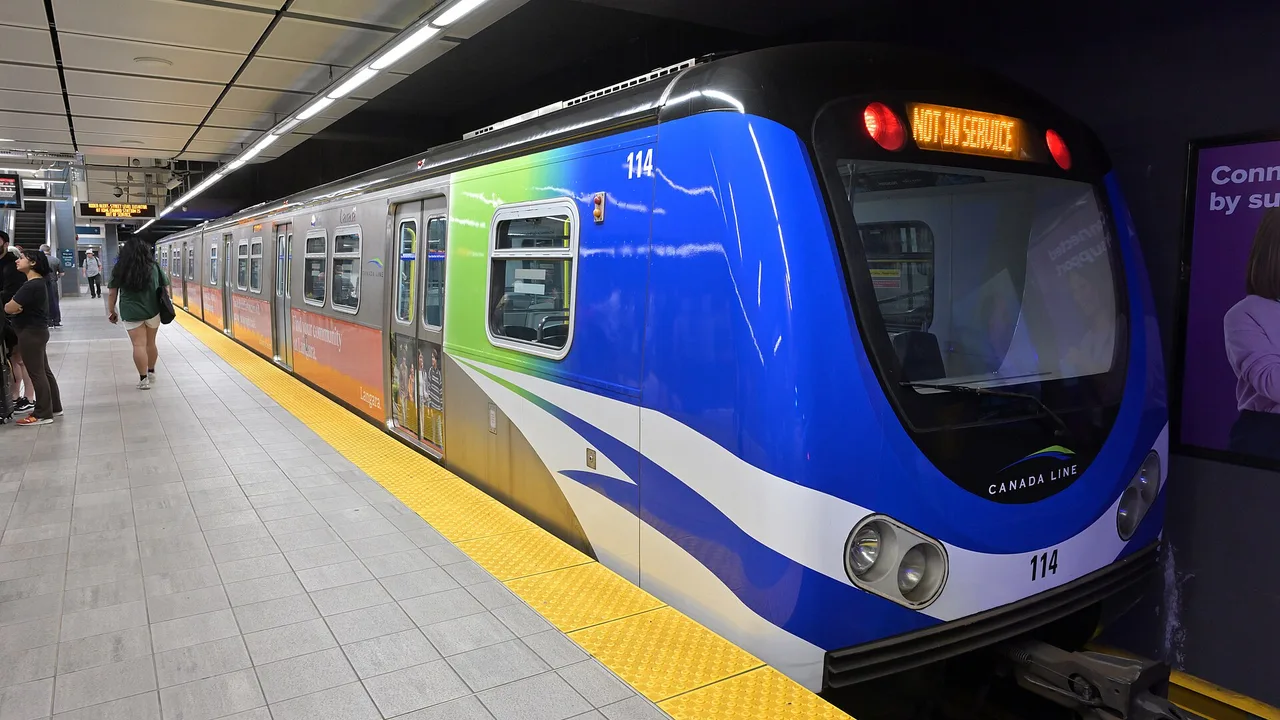
The fastest and cheapest way from Vancouver International Airport to downtown is the Canada Line SkyTrain, which reaches Waterfront station in about 25 minutes for roughly C$10 to C$11 once the airport surcharge is added. A flat-rate taxi to the downtown core costs about C$46 whatever the traffic, ride-hailing and pre-booked private transfers sit in between, and a rental car only makes sense if you’re heading out of the city rather than into it. For most people arriving with normal luggage, the train wins on both time and money.
There’s one catch that makes the train less of a steal than the base fare suggests, and it is worth knowing before you tap in. Leaving the airport adds a C$6.50 YVR AddFare on top of the normal fare, a surcharge that only applies to trips out of YVR and not to trips back to it. That is why, with two or more people and a pile of luggage, the fixed taxi fare can quietly match the train once you add up the tickets and the surcharge.
The options at a glance
| Option | Time to downtown | Cost | Best for |
|---|---|---|---|
| Canada Line SkyTrain | ~25 min | ~C$10-12 adult | most people, solo and couples |
| Taxi (flat zone fare) | ~25-30 min | ~C$46 to the core | groups, luggage, late arrivals |
| Ride-hail (Uber / Lyft) | ~25-30 min | variable, surge | when it is cheaper than a taxi |
| Private transfer | ~25-30 min | fixed, booked ahead | meet-and-greet, no fuss |
| Rental car | ~30 min | rate plus parking | only if leaving the city |
The times are similar because everything covers the same distance; the real difference is cost, luggage and how much you want to think on arrival.
The Canada Line: the default choice
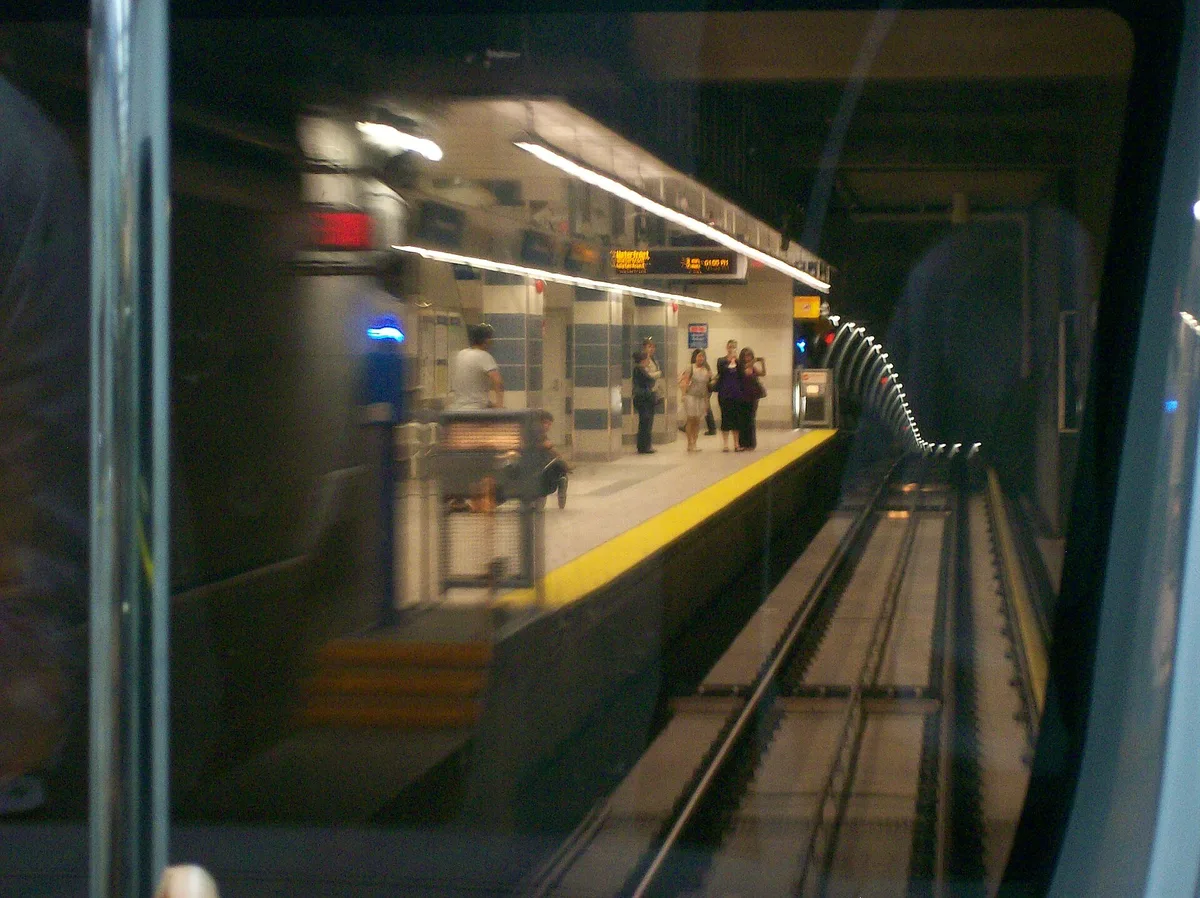
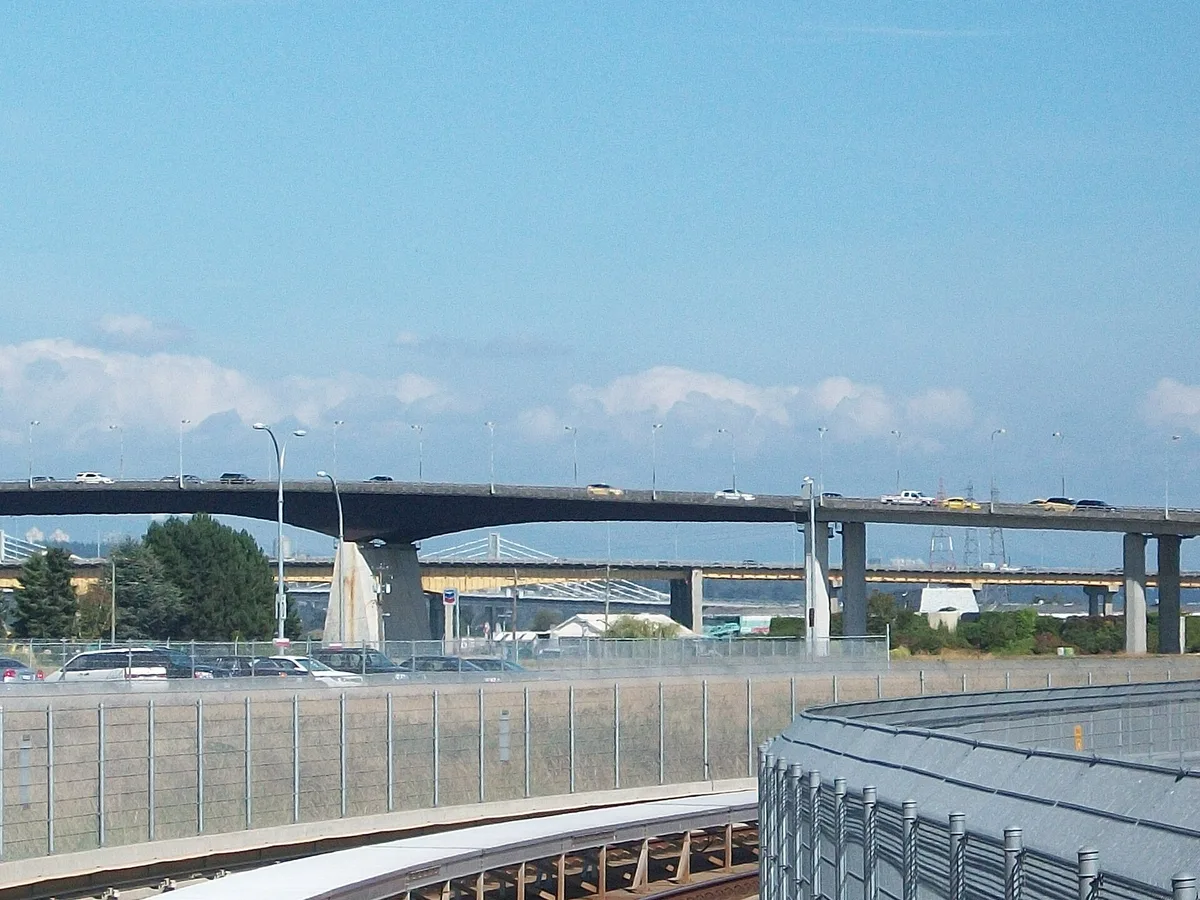
The Canada Line is the airport branch of Vancouver’s SkyTrain, and it’s genuinely good: driverless, frequent and above ground for the pretty part where it crosses the Fraser River. The station sits right in the terminal, a short covered walk from arrivals, and trains leave every six to seven minutes at peak and about every ten off-peak. Waterfront station, the downtown end of the line, drops you at the harbour beside Gastown and the SeaBus, and most central hotels are a short walk or one connection from there.
Now the fare, because Vancouver’s zones trip people up. The airport is in Zone 2 and downtown is Zone 1, so a weekday daytime trip is a two-zone fare, about C$4.20 on a Compass card’s stored value or C$5.10 tapping a contactless card. After 6:30 p.m. on weekdays and all weekend, every trip drops to a single zone, around C$2.85 or C$3.50. On top of that comes the C$6.50 YVR AddFare, so an adult reaches downtown for roughly C$10.70 to C$11.60 in the daytime and a little less in the evening. Two quirks are worth pocketing: the DayPass does not waive the AddFare, and children 12 and under ride free, which makes the train an easy win for families.
Buy or load a Compass card at the machines by the station rather than tapping a credit card, since the stored-value fare is cheaper, and remember the surcharge runs one way. Coming back to catch a flight, there’s no AddFare at all.
Taxis: a flat fare, no surprises
Taxis wait outside arrivals, and the thing that makes them predictable is that airport trips run on fixed zone flat rates set by the provincial Passenger Transportation Board, not the meter. To the downtown core, the Canada Place zone, that flat fare works out to about C$46: a C$39.90 base, plus 5% GST, plus a flat C$4 Passenger Load Charge that YVR builds into every airport taxi trip. It doesn’t move with traffic or the time of day, and closer parts of Vancouver cost less. One charge people mix up: that C$4 load charge already sits inside every flat fare, so it’s not the same as the separate C$4 premium location charge, which is added only when your destination lies outside the Richmond and Vancouver flat-fare zones.

The important detail is that the flat fare is per trip, not per person. On the train, four people pay four fares plus four surcharges; in a taxi they split one fixed fare. So the taxi is often the smarter call for a family or a group of friends, for a very late arrival when you would rather not work out zones, or when you’re staying somewhere the train doesn’t reach cleanly. The exact fare depends on which zone your hotel sits in, so it’s fair to confirm it with the driver before you set off.
Ride-hail and private transfers
Uber and Lyft both operate at YVR, with a marked pickup area you walk to rather than a curbside hail. Pricing is dynamic, so a ride-hail trip can undercut the taxi at a quiet hour and cost more than it during a surge; it is worth a quick check of the app against the C$46 taxi benchmark before you commit. There’s no fixed fare to quote, which is exactly the point of it.
A pre-booked private transfer is the third path, and it does one job well: certainty. You get a fixed price agreed in advance and a driver waiting with your name at arrivals, which takes the friction out of a red-eye landing, a big group, or a first trip where you would rather not negotiate anything in a new city. It costs more than the train and usually more than a taxi, and it buys you a smooth arrival.
Renting a car: only if you are leaving the city
The rental desks are on-airport, so picking up a car at YVR is easy, but the question is whether you should. Downtown Vancouver is a place where a car is a liability: parking is dear, the streets are one-way and slow, and the transit and the walking are good enough that most visitors never miss it. A rental earns its keep only if your trip runs out of the city, up the Sea to Sky Highway to Whistler, over to Vancouver Island, or into the Okanagan. If that’s you, our guide to renting a car in Canada covers the winter-tire rules and the one-way drop fees that catch people out. Heading to the mountains in summer rather than ski season? Pair that with Whistler in summer for Bike Park and gondola costs.
So which should you take?
Travelling solo or as a couple with normal bags, take the Canada Line: it is the cheapest, it’s quick, and it avoids the arrivals taxi queue. Landing as a family or a group, do the sum on the flat taxi fare, because one fixed fare split four ways usually beats four train tickets with four surcharges. Arriving very late, jet-lagged or with a mountain of luggage, a private transfer or a taxi is worth the extra for a door-to-door ride. And only rent a car at the airport if the car is for getting out of Vancouver, not around it.
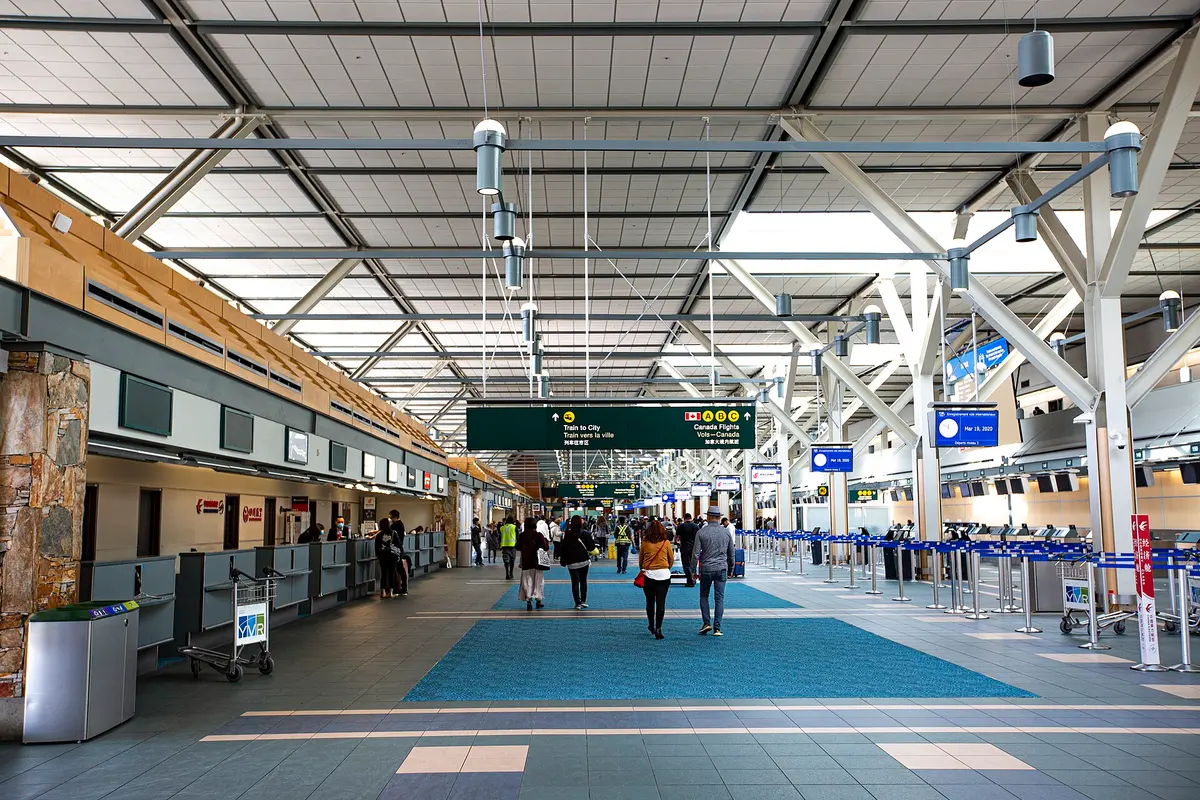
Getting from downtown to your hotel
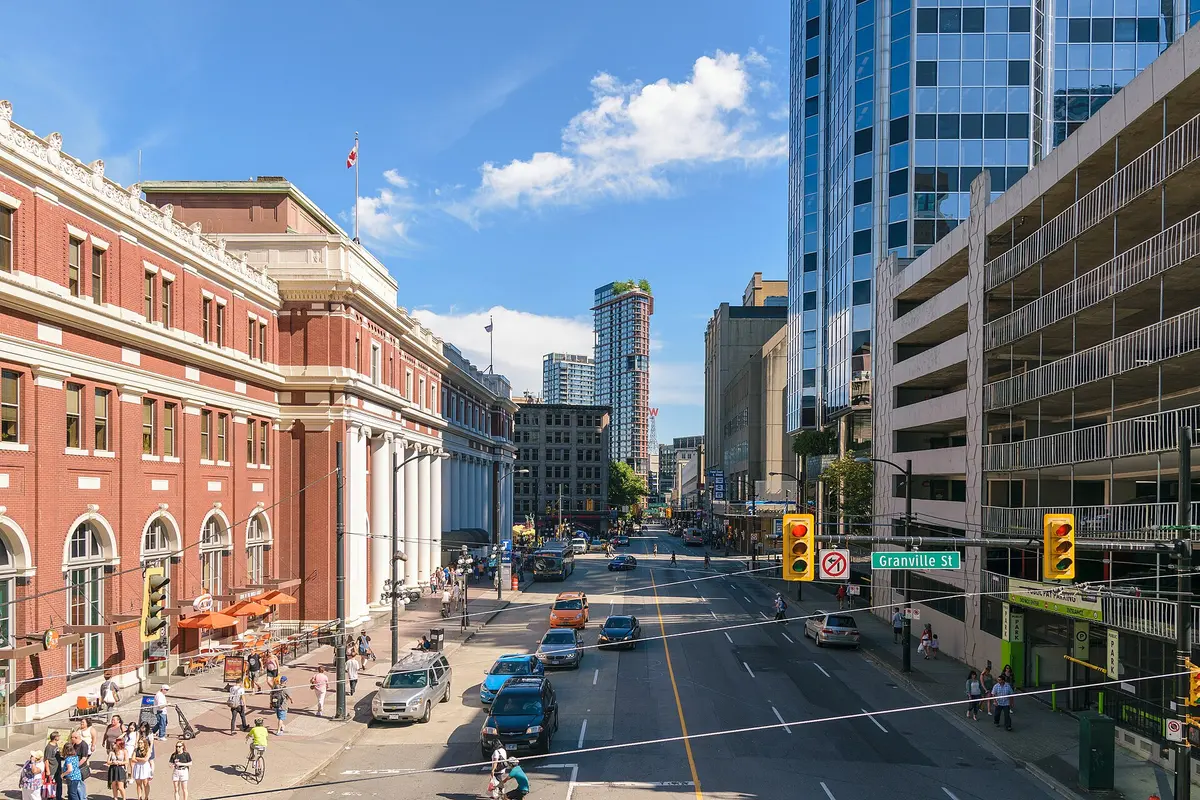
Where you are staying changes the last step. A central base near Waterfront, Gastown or the harbour is a short walk or one connection from the end of the line, which is one more reason a downtown hotel is worth it on a short trip. If you’re staying near the airport in Richmond instead, remember that the AddFare lands on every trip you make into the city from the airport stations, not just the first, which our guide to where to stay in Vancouver weighs up against the cheaper room rates out there. Once you have a base, things to do in Vancouver covers what each neighbourhood puts on your doorstep.
Read also
- Picking a neighbourhood and the airport AddFare trap: where to stay in Vancouver
- What to do once you’re in town: things to do in Vancouver
- The same question at the other big hubs: which airport to fly into Canada
- Whether you need a car here at all: renting a car in Canada
- The wider province and its distances: British Columbia travel guide
On the map
The map loads on click - to keep the page lightweight.
The map didn’t load. Check your connection and refresh the page.
Read also

Transport · 13 min read
Toronto to Montreal: Train, Bus, Flight or Drive
Verified · September 5, 2026Toronto-Montreal 2026: VIA averages 5h13 over 538 km, Megabus runs 8-13 coaches a day from Union, about 545 km to drive, or a 1h20 flight to YUL.

Transport · 9 min read
Ottawa Airport to Downtown: Line 4, Bus 105 and Taxi
Verified · September 4, 2026YOW to downtown: O-Train Line 4 plus Line 2 for C$4.10, Route 105 around the clock, and Ottawa metered taxi rates with the airport pickup fee.

Transport · 12 min read
London to Calgary Flights: The Rockies Shortcut
Verified · August 31, 2026Air Canada and WestJet fly London Heathrow to Calgary nonstop. What the schedule looks like, how fares move, and why this ticket fits a Banff-first trip.

Transport · 10 min read
London to Vancouver Flights 2026: Airlines and Fares
Verified · August 30, 2026Nonstop London-Vancouver runs on BA and Air Canada from Heathrow and Gatwick. What moves the fare, when it softens, and when to book.