
Stanley Park: Seawall, Totems and How Long You Need
Stanley Park needs 2-3 hours for the 9 km seawall on foot - bike direction, totems, free vs paid stops, and what to skip.
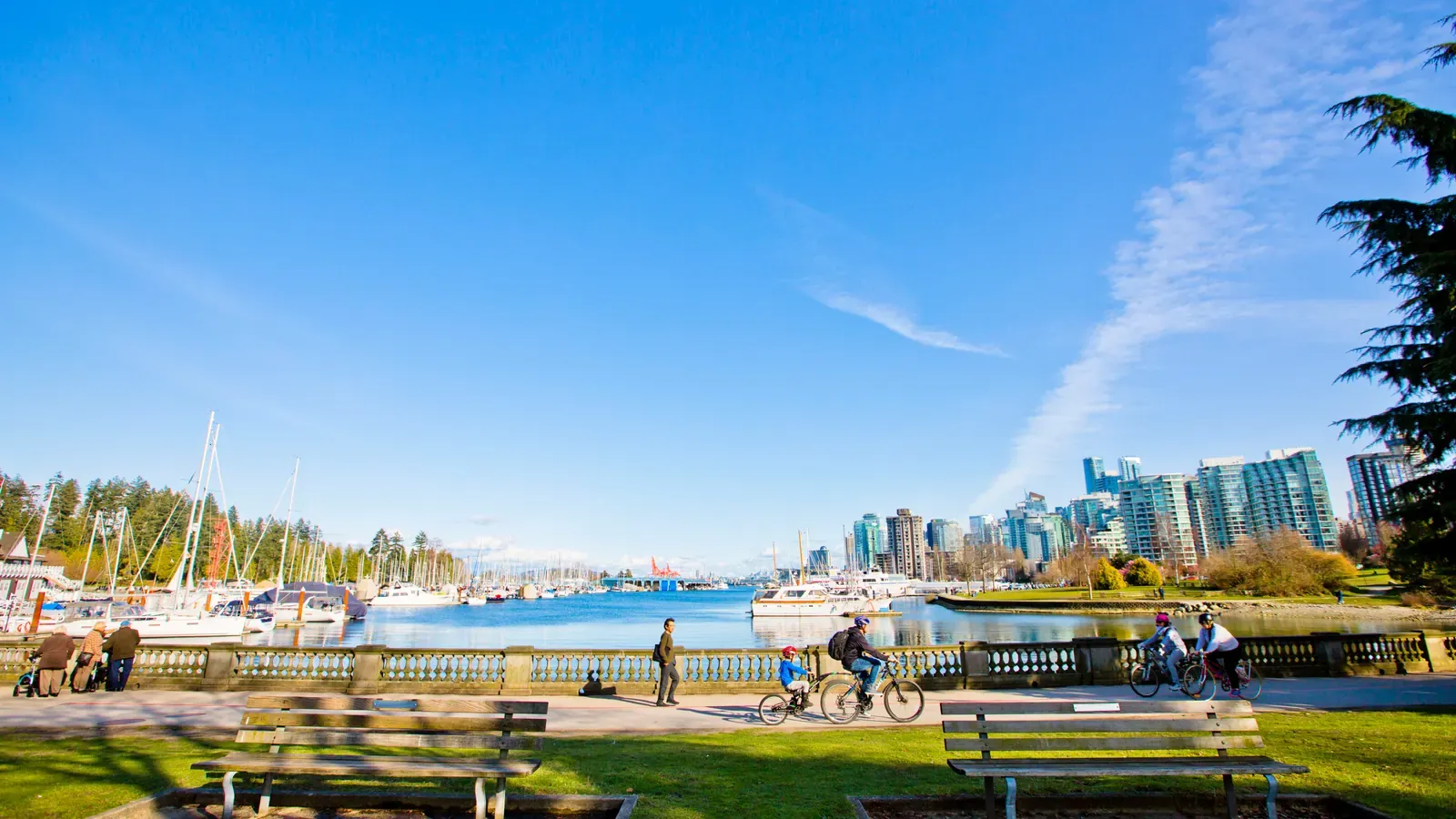
Pick your clock before you enter Stanley Park. A focused 90 minutes covers Brockton Point’s totem poles plus a harbour stretch of the seawall. A half day adds Prospect Point, a beach stop and lunch without rushing. The full 9 km seawall loop takes about 2-3 hours on foot or roughly 1 hour by bike, according to the City of Vancouver’s own map guide - and that lap time assumes you are not queueing for photos every 200 metres on a sunny Saturday.
The city-day that wraps the park with Granville Island and the North Shore lives in the Vancouver city guide. Here you’re picking a clock and a lane.
Ninety minutes, half day, or the whole loop
Ninety minutes works if you start at the Coal Harbour / Canada Place end, walk out to the totem poles at Brockton Point and turn back along the same water (on a bike you cannot double back - wheels go one way only, see below). You’ll see freighters, the skyline and the poles. You won’t finish the peninsula.
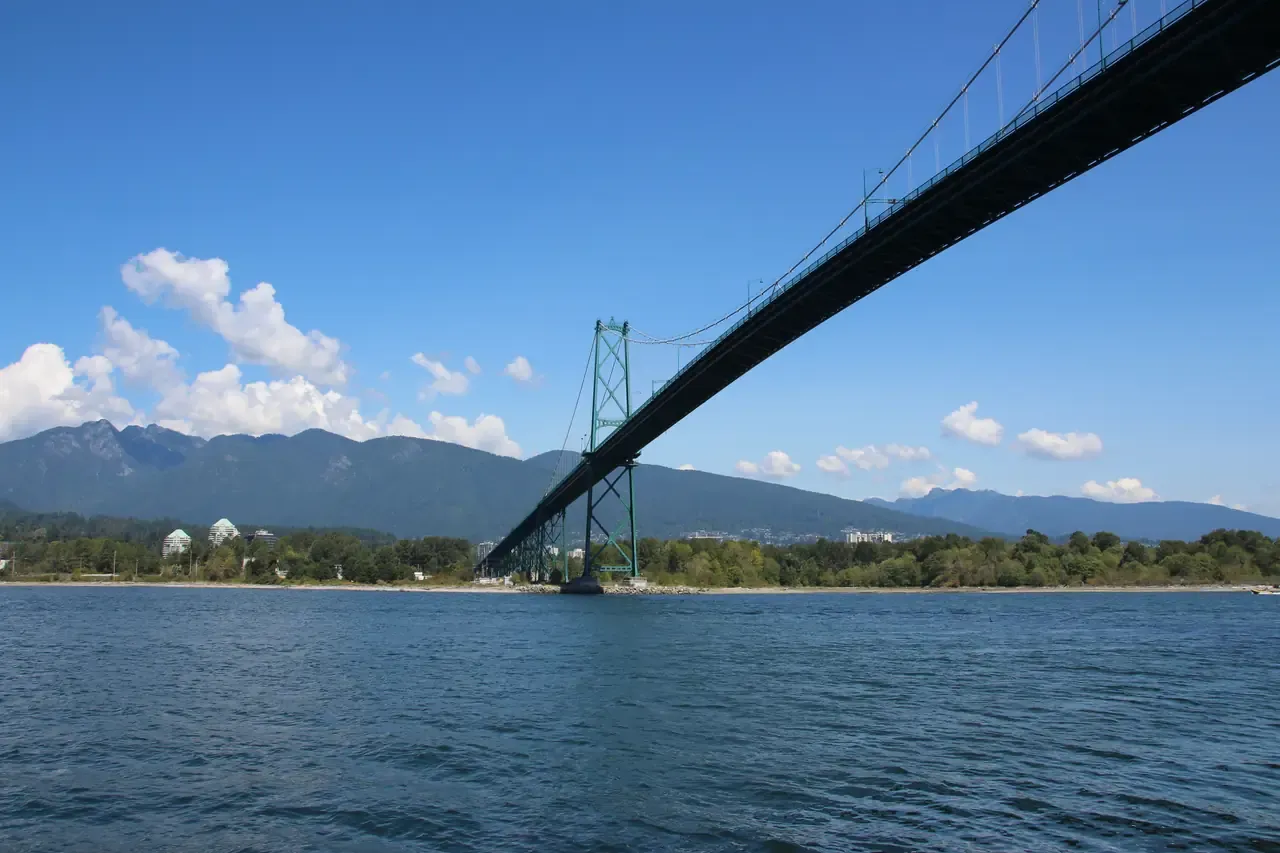
Half a day (about four hours) is the sweet spot for most first visits: seawall out past Brockton, up toward Prospect Point for the Lions Gate view, then either continue toward Third Beach or cut inland on a forest path and exit toward English Bay. If you still have legs after the waterline, Destination Vancouver’s inland example is a roughly 6 km rainforest loop past gardens and Beaver Lake toward Third Beach - quieter than the seawall, still free, and a way to cut the peninsula without riding the full 9 km. Build in a food stop; summer food trucks and the Prospect Point / Brockton snack counters are part of the city’s own visitor map, not a side quest.
Full seawall lap is the clear half-day fitness version. The City map guide calls the loop 9 km. Walkers get two to three hours, cyclists about one. Add photo stops and it stretches. Pairing the full loop with the Vancouver Aquarium the same morning is how people burn out - the aquarium alone wants 90 minutes to two hours for most guests.
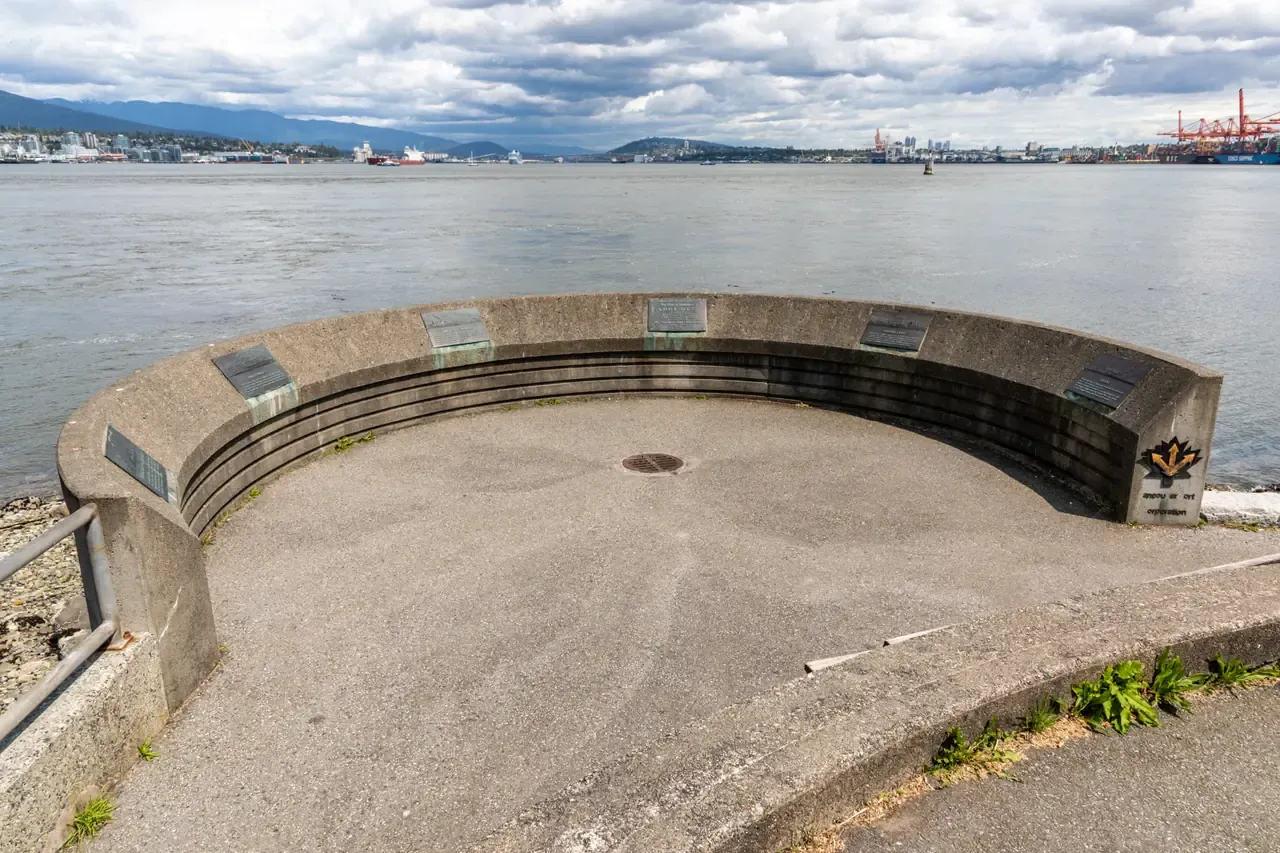
The park itself is about 400 hectares, open 6 a.m. to 10 p.m. unless a notice says otherwise. That closing hour matters more than tourists expect: you can finish a dusk seawall walk, but you shouldn’t plan a midnight picnic and assume the park is a 24-hour free-for-all.
Seawall traffic: counter-clockwise for wheels
The seawall is paved and mostly flat, with separated sides - pedestrians on one, cyclists and inline skaters on the other. Wheels travel counter-clockwise around the park. That rule isn’t a suggestion. Riding clockwise means you’re the wrong-way traffic everyone else is trying to avoid, and on a busy afternoon you’ll create the kind of near-miss that ruins someone’s vacation video.
Walkers can reverse or out-and-back without drama. Cyclists who want an early exit use the inland roads and trails marked on the City map rather than fighting the one-way lane. Some busy pinch points have historically required cyclists to dismount and walk through pedestrian clusters; watch the signs on the day you ride rather than assuming a clear sprint the whole way.
Free spine, paid pockets
Walking or cycling the seawall costs nothing. The totem poles at Brockton Point are outdoors and free. Inland trails - the City guide tallies about 27 km of paths through forest that still holds trees exceeding 50 metres - are free too. That free spine is the park.
What costs money sits as pockets on top of it:
- Pay parking year-round. Buy at the meters; daily passes can move between lots, hourly tickets stay near the machine you used. At the totem poles area, The Teahouse, Prospect Point and Brockton Point, the City says parking is hourly only - no day rate. Live dollar amounts live on EasyPark; they change, so this guide does not invent a number.
- Vancouver Aquarium, Canada’s largest aquarium, sits inside the park with timed tickets. Adult ages 13-64 run C$41.95 to C$57.95 plus tax depending on the date (plan-ahead pricing on vanaqua.org, checked 18 August 2026). Under-3s are free. Door sales are limited; a sold-out slot means you reschedule, not that you argue your way in. Most visits run 90 minutes to two hours - budget that before you add a seawall lap. From May 2026 the aquarium is cashless at the door, which is a small thing until you’re holding only bills.
- Gift shops and snack counters at Prospect Point and Brockton are optional spend, not entry fees.
If your afternoon is already spoken for on the North Shore - say Grouse Mountain or Capilano - keep Stanley Park on the free spine and skip the aquarium that day. Trying to force both into one calendar block is how people remember neither.
Brockton Point totems without rushing them
The poles at Brockton Point are the stop almost every first-timer photographs, and for good reason: they sit on the eastern shore where cruise ships and freighters slide past downtown. They are First Nations works displayed in a public park setting - treat the site as a place to read the plaques and give people room, not as a backdrop for a five-second selfie sprint.
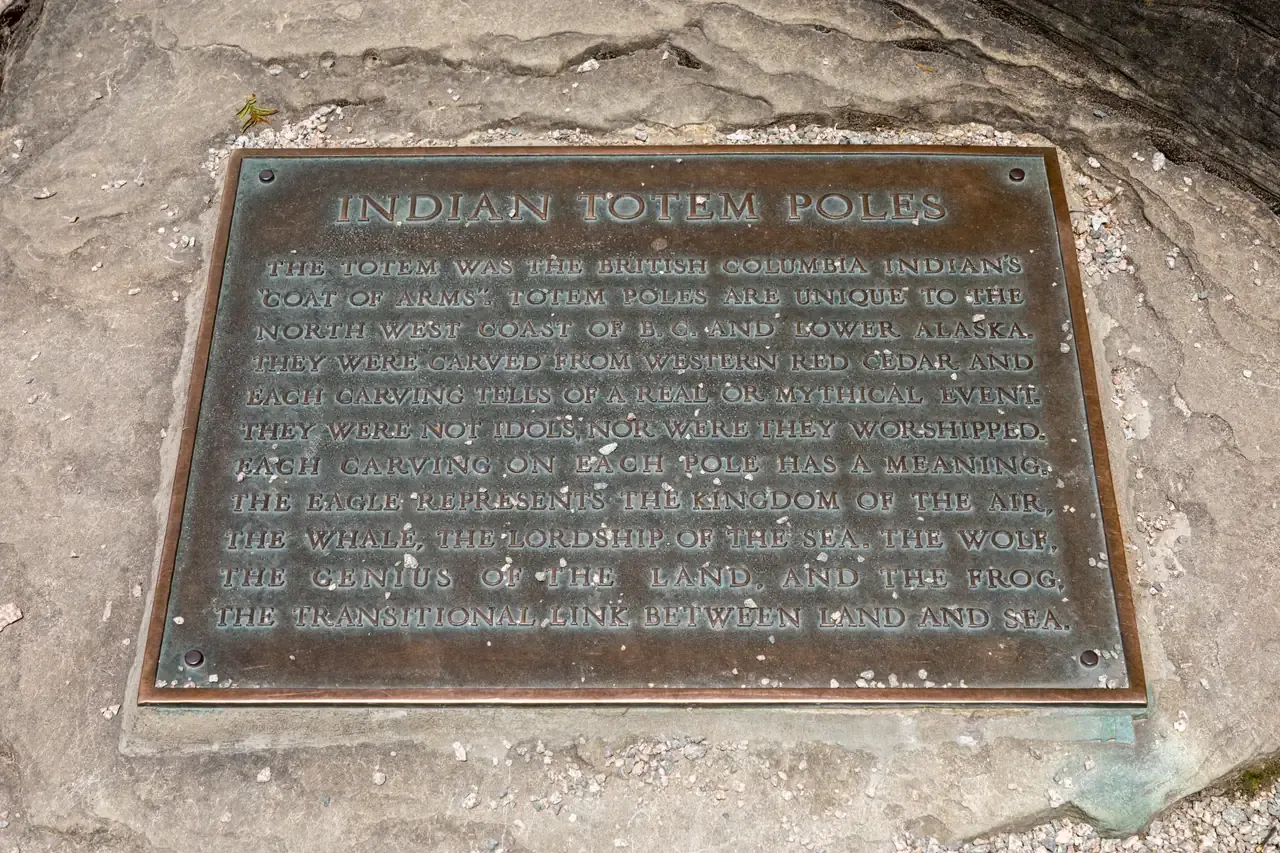
Ten unhurried minutes here beats thirty minutes of shuffling for the same angle. If you’re on a bike, lock up properly and walk into the clearing; riding through the crowd is the fastest way to earn dirty looks.
Bikes: one way only
Rentals cluster just outside the park on Denman Street near Georgia and further along Davie Street, which is exactly where the City of Vancouver points visitors. Helmets are the law in BC for riders of every age, not a shop upsell, so expect the rental to include one and wear it. You don’t need a mountain bike; the seawall is flat pavement.
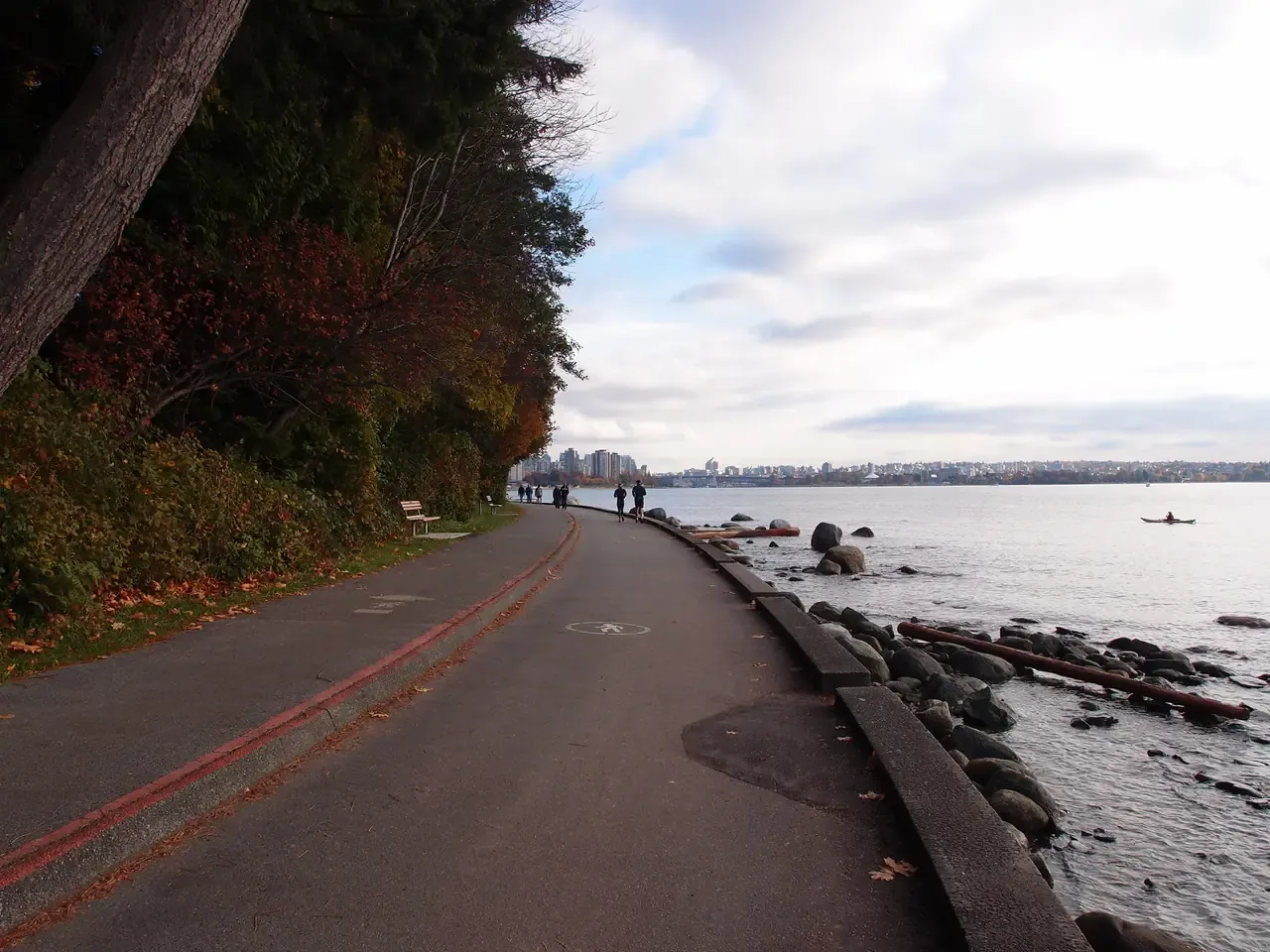
Start the loop with the one-way rule already in your head. Coal Harbour toward Brockton toward Prospect toward Third Beach toward English Bay is the flow. Fighting that flow on two wheels is the main way visitors turn a calm hour into a stressful one. If someone in your group isn’t confident on a bike, walk the harbour section together and save the rental money - the views don’t require speed.
When you should cut something
Short on time? Cut in this order:
- Skip the aquarium unless it was the reason you came - it’s the paid block that eats 90-120 minutes and wants a timed ticket you may not have.
- Skip the full 9 km if weather is sideways rain; do Brockton out-and-back and keep your socks dry.
- Skip driving into the park if it’s a summer weekend afternoon - park or transit at the edge and walk in. Circling for hourly spaces at Brockton is a miserable use of a Vancouver day.
- Skip stacking Grouse the same morning unless you started at dawn; the mountain wants its own half day.
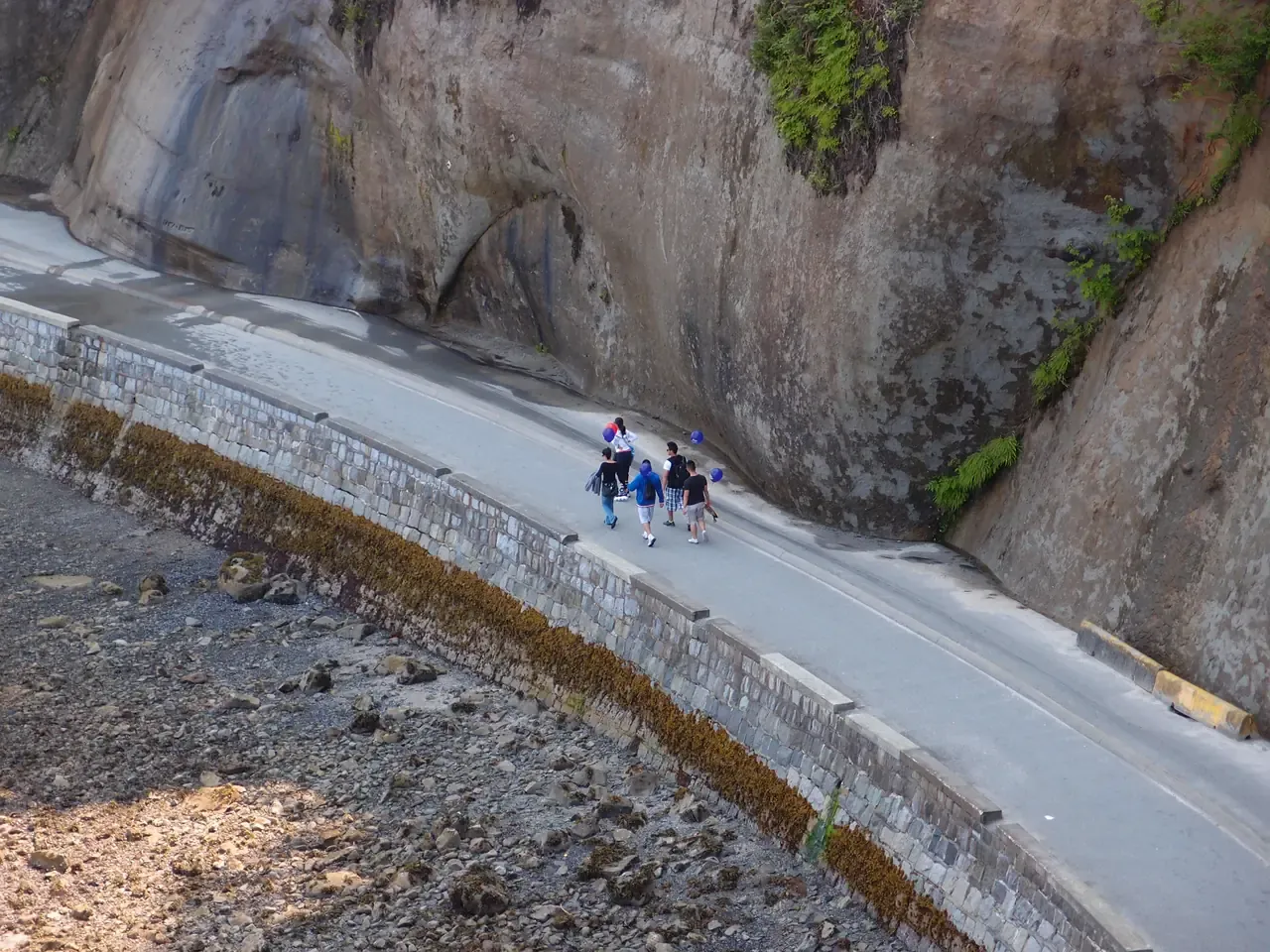
What you should not cut is the five minutes it takes to confirm bike direction and parking rules before you start. The last kilometre in the wrong lane is how a calm hour turns sour.
On the map
The map loads on click - to keep the page lightweight.
The map didn’t load. Check your connection and refresh the page.
Admission and opening hours
- Admission price
- Entering Stanley Park is free. Pay parking is in effect year-round (hourly or daily passes; some lots hourly-only) - live rates on EasyPark, not printed here. Vancouver Aquarium inside the park: adult ages 13-64 C$41.95-C$57.95 + tax with dynamic plan-ahead pricing (vanaqua.org, checked 18 August 2026).
- Opening hours
- City of Vancouver: park open 6 a.m. to 10 p.m. unless otherwise posted; washrooms dawn to dusk. Seawall path is used from early morning; Aquarium timed tickets and hours are separate - check vanaqua.org for your date.
Bikes and inline skates travel counter-clockwise on the seawall cycle lane. Pedestrians use the separated walking side. Do not invent a clockwise bike loop.
Details checked: August 18, 2026
Read also

What to see · 10 min read
Notre-Dame Basilica Montreal: Tickets, AURA Show, Worth It?
Verified · October 17, 2026Notre-Dame Basilica in Montreal: what the day visit and the AURA light show cover, the combined ticket, Sunday hours and when a guide helps.

What to see · 9 min read
Journey Behind the Falls: Tickets, Hours and Is It Worth It
Verified · October 10, 2026Journey Behind the Falls is C$33 an adult before tax (October 2026): hours into winter, the night ticket, stairs, strollers and the 2027-28 rebuild.

What to see · 14 min read
Skylon Tower: Tickets, Observation Deck and Dining
Verified · October 3, 2026Skylon Tower from C$18 per adult online before tax (October 2026): deck or dinner, day or night, and when eating upstairs beats buying the ride.

What to see · 13 min read
Jasper SkyTram: Tickets, Season and the Summit Trail
Verified · October 2, 2026Is the Jasper SkyTram worth it? Seven minutes up to 2,263 m, the 1.4 km summit trail, cloud and cold at the top, and how the 2026 season ends.