Skiing in Canada: Whistler, Banff & the Best Resorts
Whistler, the Banff three, Revelstoke, Tremblant and Le Massif compared: terrain, snow, how they sell tickets and which one fits the trip you can take.
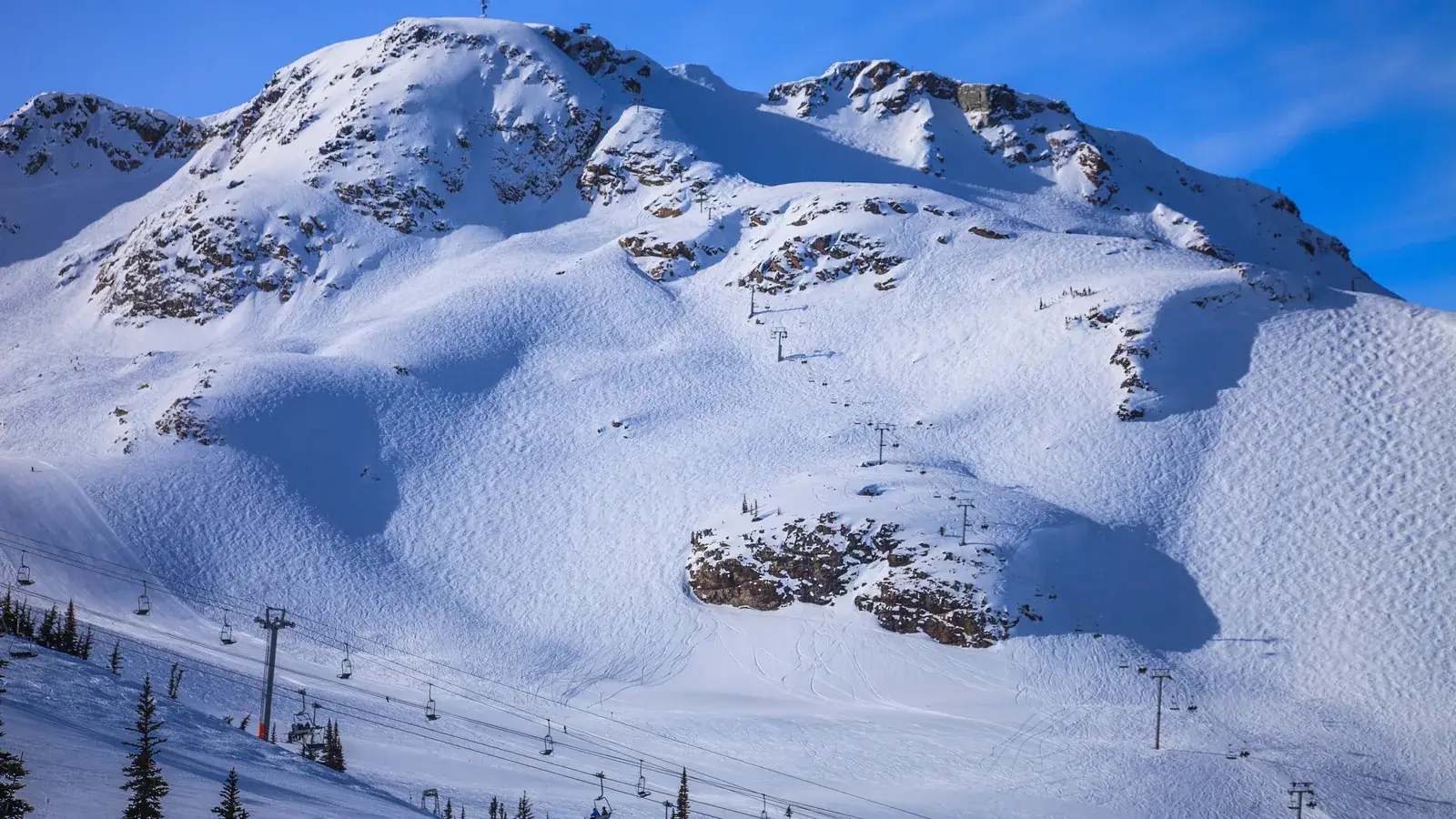
Canada gives you four very different ski trips, and it’s less about which mountain is “best” than about which compromise you want. Whistler Blackcomb is the biggest resort in North America and the easiest to reach from an international flight. The three hills above Banff give you a real town, dry cold and one ticket for all of them. Revelstoke has the longest descent on the continent and the fewest people on it. And the eastern hills, Tremblant and Le Massif, are small in vertical but strong in everything that surrounds the skiing.
Snow quality is the fault line running under all of it. The coast gets enormous volumes of heavy snow and can be raining in the village while it dumps up top; the interior and the Rockies get less of it, drier and colder; the east makes most of its own and skis fast and firm. Where you land on that trade-off decides more than any trail count.
The five names, side by side
| Resort | Terrain | Vertical | Getting there | The pitch |
|---|---|---|---|---|
| Whistler Blackcomb, BC | ~8,171 acres, 200+ runs | Two linked mountains | 120 km from Vancouver, 1.5-2 h | Biggest in North America, best village |
| Lake Louise, AB | 4,200 acres | Whitehorn Mountain | ~55 km from Banff town | Long runs, big back bowls, the longest published season |
| Banff Sunshine, AB | High, above the treeline | Continental divide | ~20 km from Banff town | All-natural snow, longest Rockies season |
| Revelstoke, BC | 3,121 acres, 75 runs | 1,713 m | Trans-Canada, long drive from any airport | Biggest vertical in North America, 10.5 m of snow |
| Mont Tremblant, QC | 762+ acres | 645 m | 125 km from Montreal, ~1.5 h | The east’s best-run resort village |
Whistler Blackcomb: the default, and what it costs you
Two mountains, roughly 8,171 acres, more than 200 marked runs, sixteen alpine bowls and three glaciers, joined at altitude by the Peak 2 Peak Gondola. Whistler is the largest ski resort in North America by most measures and has the greatest uphill lift capacity of any of them, which is the statistic that actually matters on a busy Saturday.
The price of all that’s company. Attendance often passes two million visitors a year, the village fills, and the lift queues at Whistler Village Gondola on a February weekend are why locals drive to Creekside instead. The other honest caveat is coastal weather: the village sits low, and a warm system can put rain on the bottom third of the mountain while the alpine’s having a great day. Check the freezing level, not just the snow total.
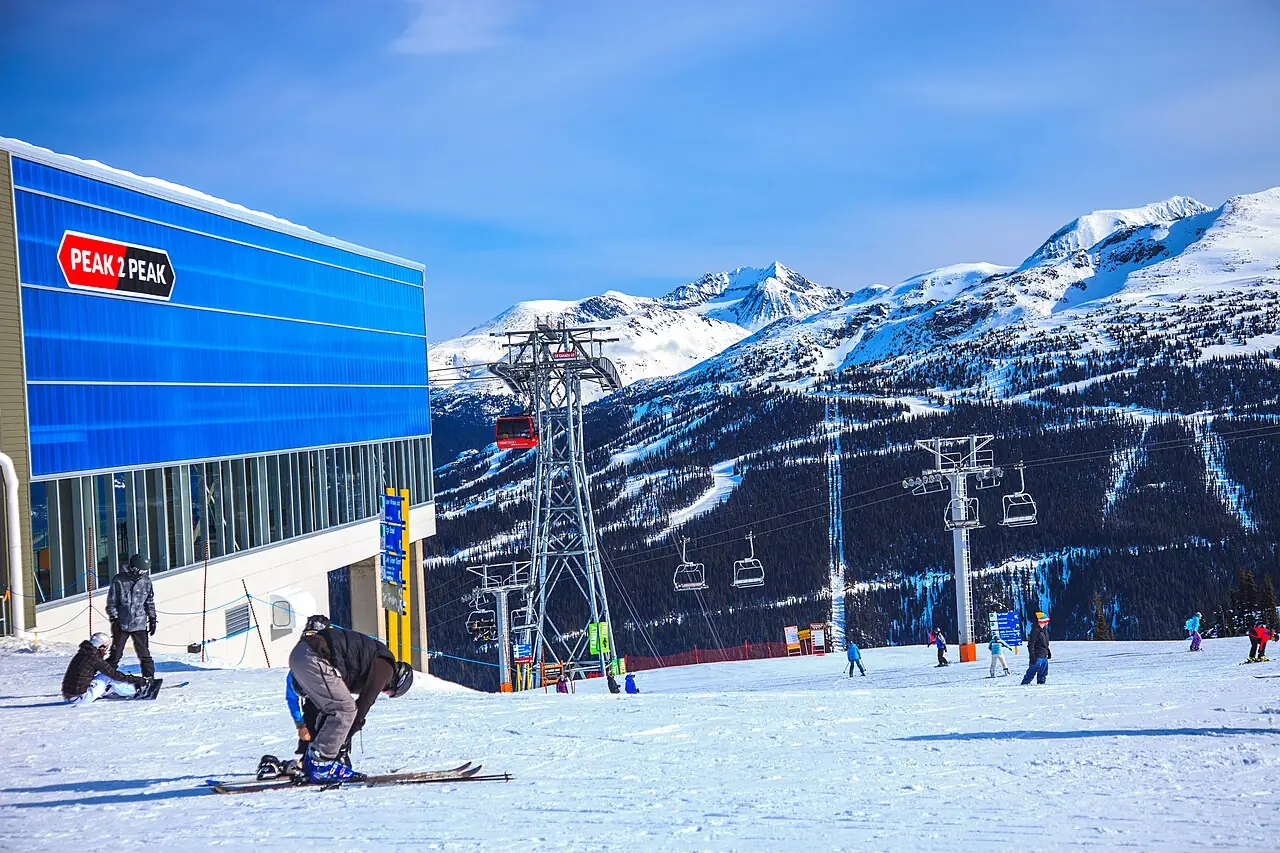
Getting there’s the easy part: 120 km from Vancouver, an hour and a half to two hours up Highway 99, with shuttles running all winter. If you drive it yourself, British Columbia requires winter tires on that road from 1 October to 31 March and the fine is C$121, so confirm what your rental is wearing. The resort’s own guide, summer included, is our Whistler travel guide.
The Banff three: one ticket, three characters
Lake Louise, Banff Sunshine and Mt Norquay sit inside a national park within 55 km of each other and sell a joint SkiBig3 ticket. They aren’t interchangeable.
Lake Louise is the big one at 4,200 acres, with long groomers on the front and serious terrain on the back side. For three decades it opened the World Cup speed season, and Lindsey Vonn won 18 of her 82 World Cup races here, on the downhill and the super-G alike, until FIS pulled the men’s races off the calendar in 2023 over what Alpine Canada called a challenging economic model. The pitch is still there without the grandstands. Its published 2026/27 season runs 6 November to 2 May, unusually long, though every resort moves opening day on the snowpack.
Sunshine sits on the continental divide and is “famous for its all natural snow” in its own words, meaning almost nothing here’s manufactured. It’s high, it’s above the treeline, it holds snow into spring, and it’s the only one of the three with ski-in lodging. Norquay is the small one ten minutes from Banff Avenue, and it’s the one visitors skip and shouldn’t: half-day and night sessions make it the answer when someone in the group doesn’t ski all day.
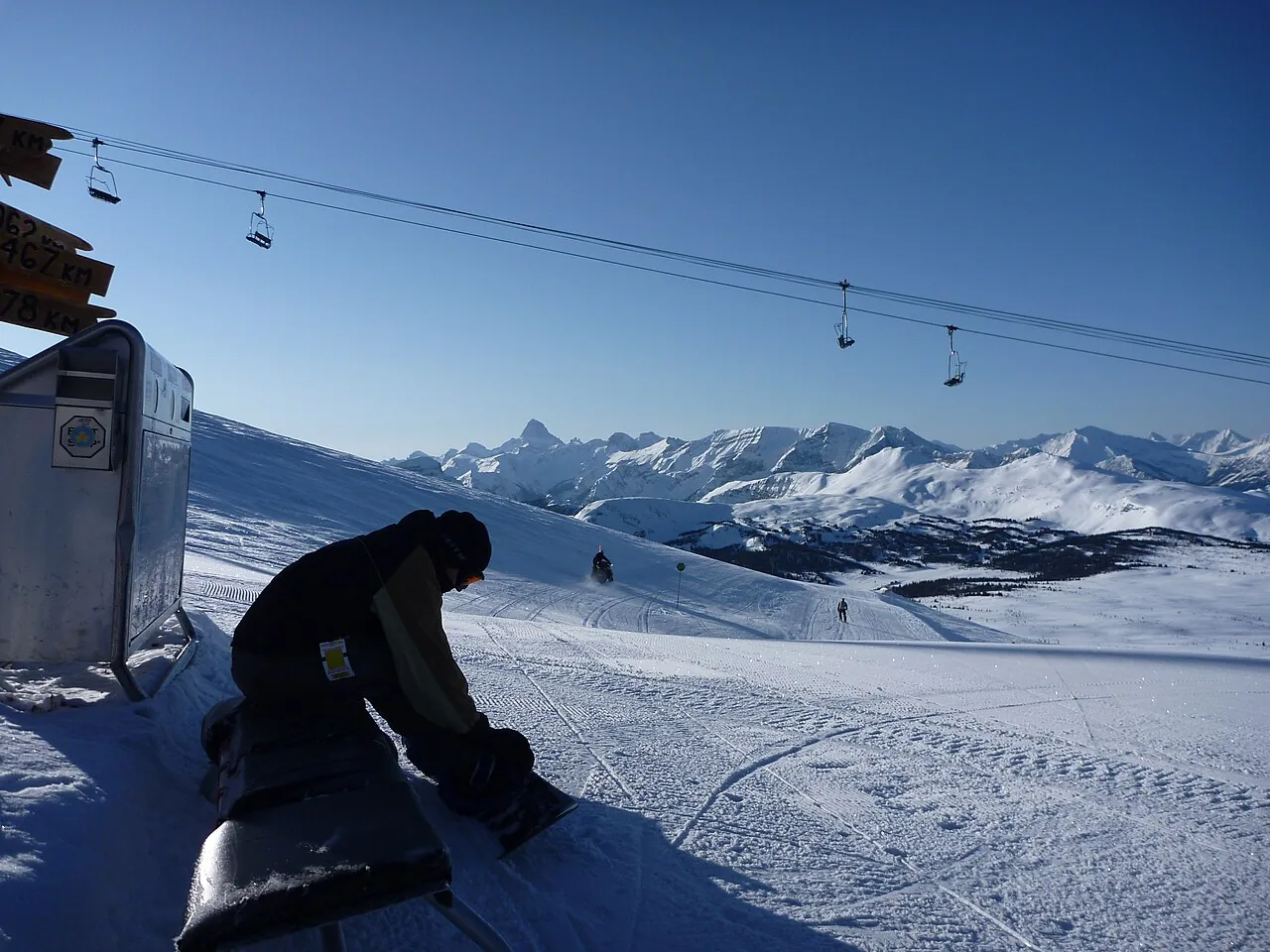
The Rockies advantage is the town. Banff is a working townsite with restaurants, hot springs and a bus network, so a ski week doesn’t strand you in a condominium lobby at 4 pm. In summer the same corridor becomes a road-trip spine - Western Canada in 10 days runs Banff and Jasper before dropping into the Okanagan - but the winter version of this page stays on the lifts. A non-skiing day still works, and you can reach the hills without a car: the Banff Airporter runs from Calgary for C$88.90 one way and Roam’s 8X gets you to Lake Louise for C$12.50. Everything about a winter week there’s in Banff in winter, and the park itself is covered in our Banff National Park guide.
Revelstoke: the most skiing, the fewest people
The numbers are absurd for a resort this quiet: a 1,713 m vertical descent, the biggest in North America, 3,121 acres, a longest run of 15.2 km, four alpine bowls and an average of 10.5 m of snow a year. On paper it beats everything else in the country on the metrics skiers actually care about.
The catches are real, and they’re the reason it stays quiet. The lift network is small for the size of the mountain, so a powder day means a long ride up and a queue at one gondola. The town is a highway town with a modest ski village attached, not a resort village, and it’s a long drive from any airport. If you’re a strong skier who came to ski hard and doesn’t care about après, that trade is a bargain. If you’re bringing beginners or non-skiers, it isn’t.
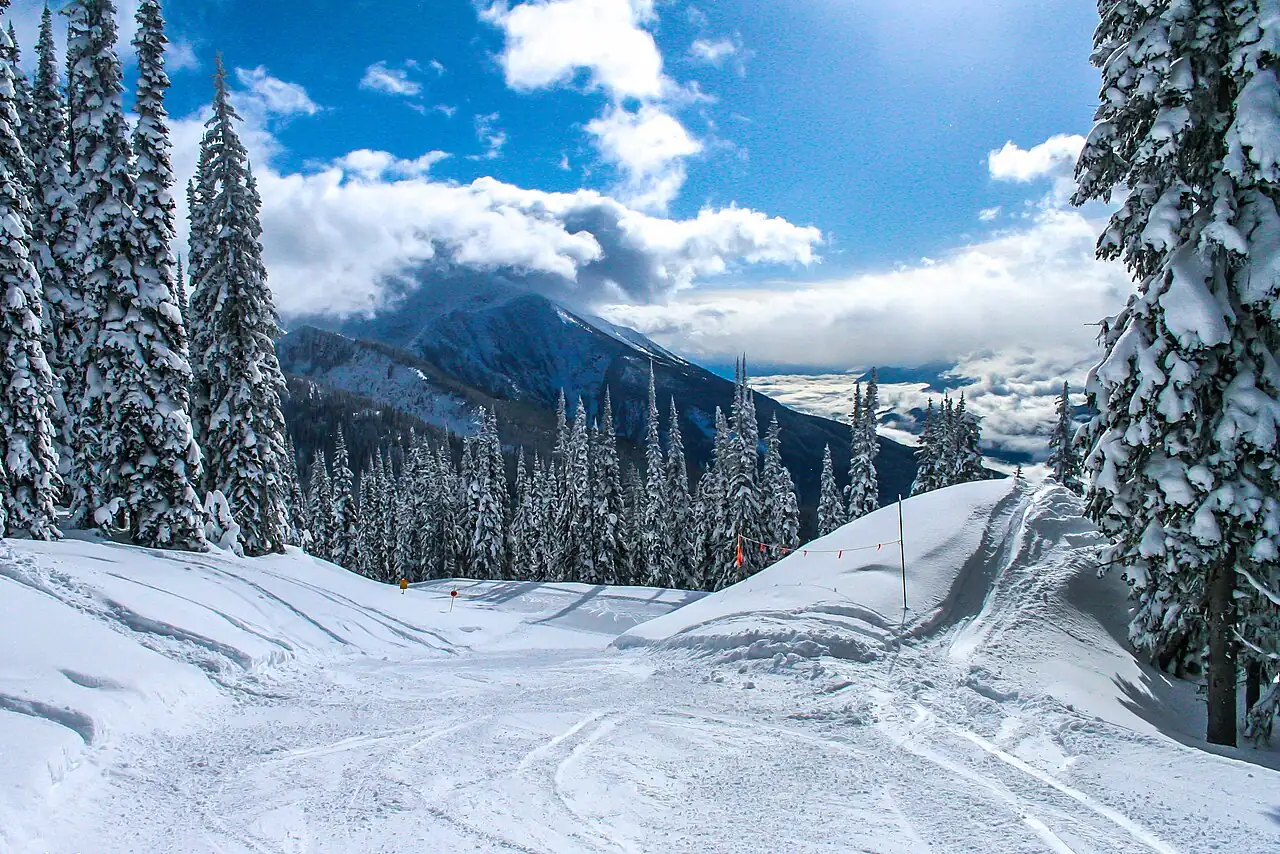
Interior BC has a whole family of these: Sun Peaks is the second-largest ski area in the country at 4,400 acres with an 896 m vertical and 6 m of snow a year, and Kicking Horse, Fernie, Red and Whitewater trade lift infrastructure for terrain and quiet in the same way.
The two Okanagan hills belong in that list for a different reason: access. Big White publishes a 777 m vertical, 119 marked trails and 7.5 m of snow a year, plus the largest night-skiing area in western Canada, and it sits 56 km southeast of Kelowna - Highway 33, then Big White Road, about 55 minutes on the airport shuttle. SilverStar, 22 km above Vernon and roughly 65 km from the same airport, is the quieter one, as well known for the cross-country trails it shares with the neighbouring Sovereign Lake centre as for its downhill. Neither will out-ski Revelstoke, but you can land a scheduled flight at lunchtime and be on snow before the lifts close, and the drive in runs through wine country. Our Okanagan Valley guide covers the wine side of that same drive.
The east: smaller hills, better weekends
Skiing in Quebec and Ontario is a different sport played on the same equipment. Verticals are well under half of what the west offers, the snow is largely manufactured and groomed hard, and the cold has an edge to it that catches western skiers out.
Mont Tremblant is the flagship: about 125 km northwest of Montreal, an hour and a half from a major international airport, with a summit at 875 m, a 645 m vertical drop over 762 acres of terrain and a pedestrian village that has been ranked the best in eastern North America for years. It also inherited Canada’s World Cup weekend, taking the women’s giant slalom races in December 2023 after the Lake Louise program collapsed. You’re not coming here for the vertical. You’re coming because you can fly to Montreal, eat well, and be on snow before lunch the next day. Shuttle and bus options from the city are in Montreal to Mont-Tremblant; the full picture - the three sectors, what to book, and the summer gondola when you are not skiing - is in Mont-Tremblant.
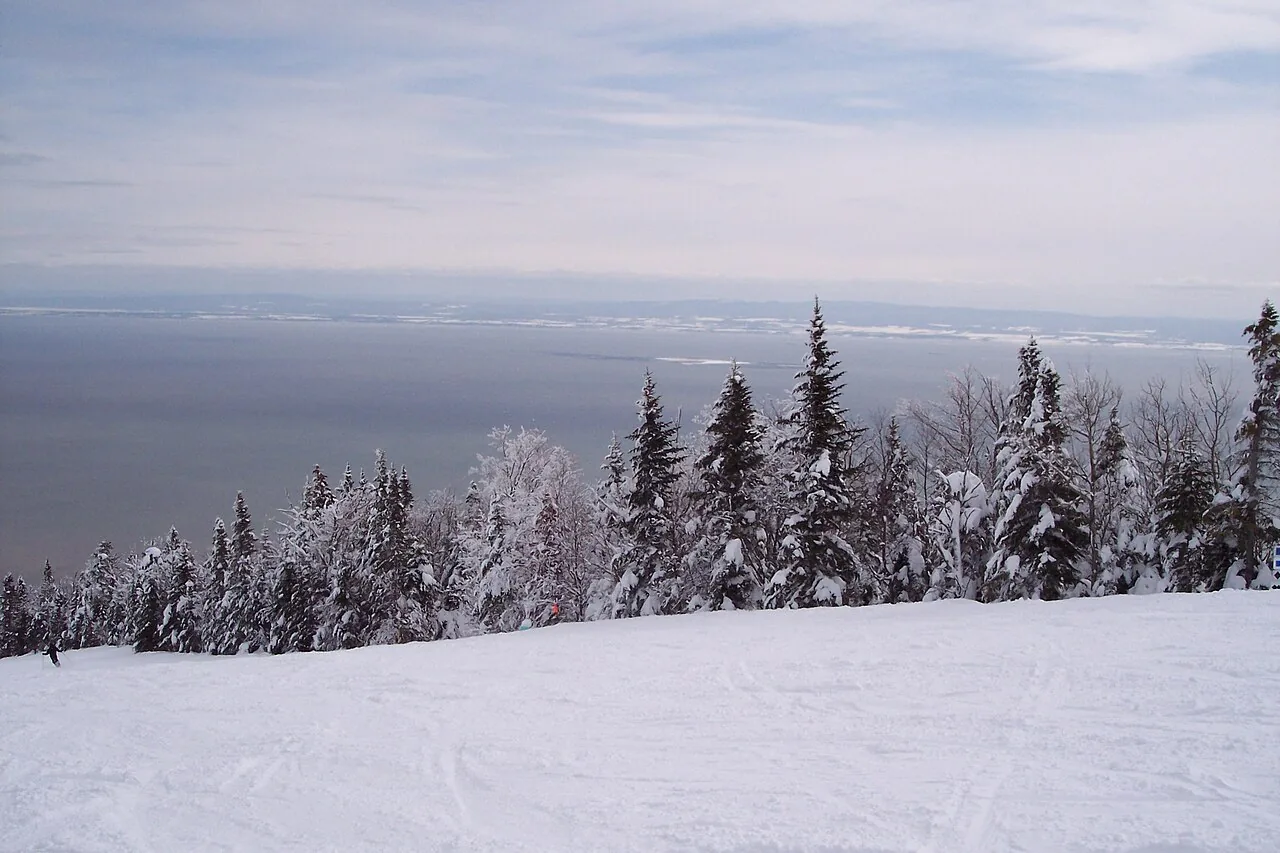
The one eastern hill that surprises people is Le Massif de Charlevoix, 90 km northeast of Quebec City. Its 770 m vertical is the highest in eastern Canada, it averages 645 cm of snow, and you ski toward the St Lawrence River with the water filling the whole view ahead of you. It’s also built upside down, with access from the summit as well as the base. The catch is the same geography: the base is near sea level, so it can be melting down there in April while the summit still holds two metres.
Slopeside or in town
Slopeside costs more and saves you the morning. In town costs less and gives you somewhere to be at 7 pm. The pattern by resort is clear enough: Whistler’s village is genuinely slopeside and car-free, so paying for it buys you real convenience. In Banff, the ski-in option exists only at Sunshine, and most people stay in Banff town or Canmore and ride shuttles, which works better than it sounds because the buses are frequent. Revelstoke splits between a small base village and the town below. Tremblant’s village is the product, and staying outside it costs you the atmosphere you came for.
Whatever you choose, book it before the lift tickets. Ski-season rooms in the mountain towns are the first thing to sell out and the last thing to get cheaper. Holiday weeks and the February school break price higher than anything summer throws at these valleys. Our Banff accommodation guide breaks that decision down for the Rockies specifically.
About prices, and why you won’t find them here
Canadian resorts have almost entirely stopped publishing a flat day rate. SkiBig3, which covers the Banff three, puts a different price on every date of the season and sells blocks of anything from one day to thirteen, with age bands on top; the only permanent promise on the page is “save up to 25% when you purchase online”. Whistler sits under Vail’s Epic Pass, most of the other big names run deals with Ikon and Mountain Collective, and every one of those products is reissued each season with different terms. For the 26/27 Epic versus Ikon money and which Canadian mountains sit on which pass, use Epic vs Ikon in Canada.
So the practical rules, rather than numbers:
- Buy online, never at the window. The walk-up rate is the worst rate at every resort in the country.
- Buy in late summer if your dates are fixed. Early-season windows are real and dated: on 2 August 2026, SkiBig3 was running a lift-ticket offer that expired on 8 August and a 26/27 early-bird pass sale ending 31 August.
- Do the pass arithmetic if you’re skiing eight days or more. At that length a season pass or a multi-resort pass often beats day tickets, which isn’t intuitive for a two-week visitor.
- Check the current terms before you commit. Whatever a guide tells you about a pass, including this one, is a season out of date the moment the resorts republish.
Timing, in one screen
December is cold, short on daylight and expensive over the holidays, and coverage in the east is still filling in. January is the best snow month in the interior and the north Rockies, and the quietest at the big western resorts. February brings the most reliable base everywhere and the biggest crowds, thanks to school breaks on both sides of the border. Late March and April is the value window: spring light, softer snow, long days, and Lake Louise scheduled to run to 2 May. Whistler’s spring is a genuine season of its own.
For how ski season fits with everything else the country does between November and April, see Canada in winter.
The two decisions that matter more than the resort
The first is when, because it moves both the price and the snow. Late April in the Rockies or on the coast costs a fraction of mid-February and skis far better than visitors expect. If your leave dates are fixed to the school calendar, accept the crowd and book early rather than hunting for a quieter hill that also has good February snow.
The second is how you buy the skiing, because that’s where visitors lose the most money. Every resort here now prices by date and rewards buying ahead, and the gap between a walk-up ticket and the same ticket bought in August is larger than the gap between two resorts. Pick the mountain that fits your group, then treat the ticket like an airfare: the earlier you commit, the less it costs.
Read also

Entertainment · 12 min read
Epic vs Ikon in Canada: Which Pass Covers Your Mountain
Verified · September 3, 2026Epic vs Ikon for a Canada ski trip: Whistler on Epic, Banff and Revelstoke on Ikon, current prices and the 7 September Epic increase.

Entertainment · 11 min read
Calgary Stampede: Tickets, Dates and Where to Stay
Verified · August 22, 2026Next Stampede is 9-18 July 2027: how tickets actually work, where hotels fill first, and when to skip town for Banff instead.

Entertainment · 13 min read
Whale Watching in Canada: Where, When & How to Choose
Verified · July 31, 2026Where to see whales in Canada and when: Victoria, Tofino, Tadoussac, the Bay of Fundy and Churchill belugas, with 2026 prices and the guarantee catch.

Entertainment · 9 min read
Northern Lights in Canada: Where and When
Updated · July 24, 2026Where and when to see the northern lights in Canada: Yellowknife, Whitehorse, Churchill and Jasper, the honest odds, the cold, and how many nights to book.