Canada in Winter: What to Expect & Where to Go
What a Canadian winter is really like: January highs from +7 °C in Vancouver to -22 °C in Yellowknife, what freezes when, tire laws and the best month.
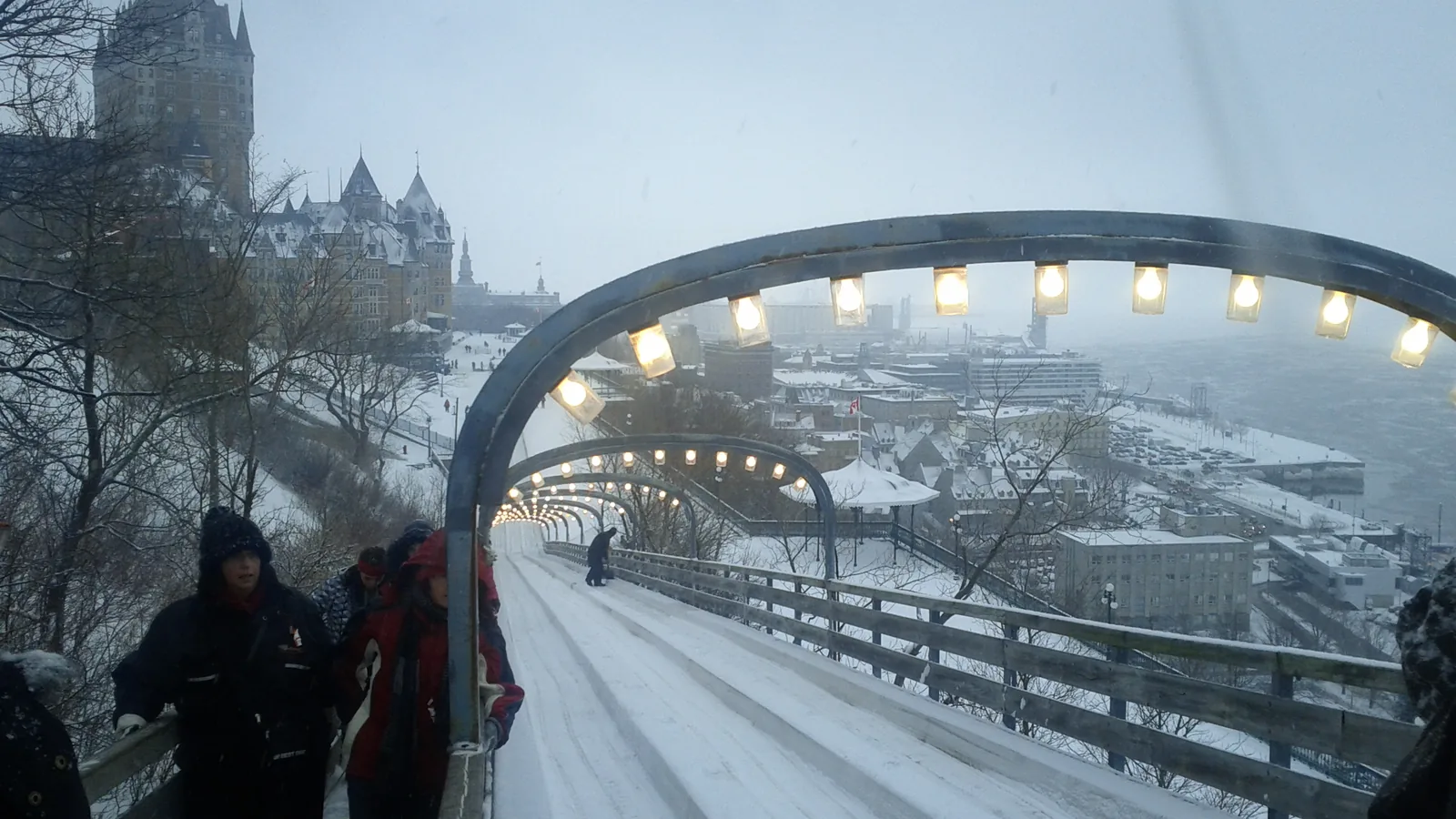
Winter here runs from about December to March, and there is no single answer to what it feels like, because the country runs five different winters at once. A January day in Vancouver averages +6.8 °C and rain. The same day in Yellowknife averages -21.6 °C and sunshine. Between them sit the ski Rockies, the storm-fed cities of the east and the flat, dry, startling cold of the prairies. Pick the right one and this is the cheapest and emptiest season Canada has; pick blind and you’ll spend a week indoors watching sleet slide down a window.
The first decision isn’t a packing list. It’s which temperature band you want to stand in, because that choice sets everything else: what you can do outdoors, how long the light lasts, and how much of your budget disappears into a hotel.
Five winters, one country
| Where | Jan average high | Jan average low | Snow a year | What the season is for |
|---|---|---|---|---|
| Vancouver | +6.8 °C | +1.4 °C | 37 cm | Rain downtown, deep snow 30 minutes above it |
| Toronto | -0.3 °C | -6.7 °C | 122 cm | City winter, lake squalls, short days |
| Banff | -3.5 °C | -13.5 °C | 184 cm | Skiing, frozen canyons, hot springs |
| Winnipeg | -11.4 °C | -21.2 °C | 126 cm | Prairie cold at full strength, river-ice festivals |
| Yellowknife | -21.6 °C | -29.4 °C | 155 cm | Aurora, and about five hours of daylight |
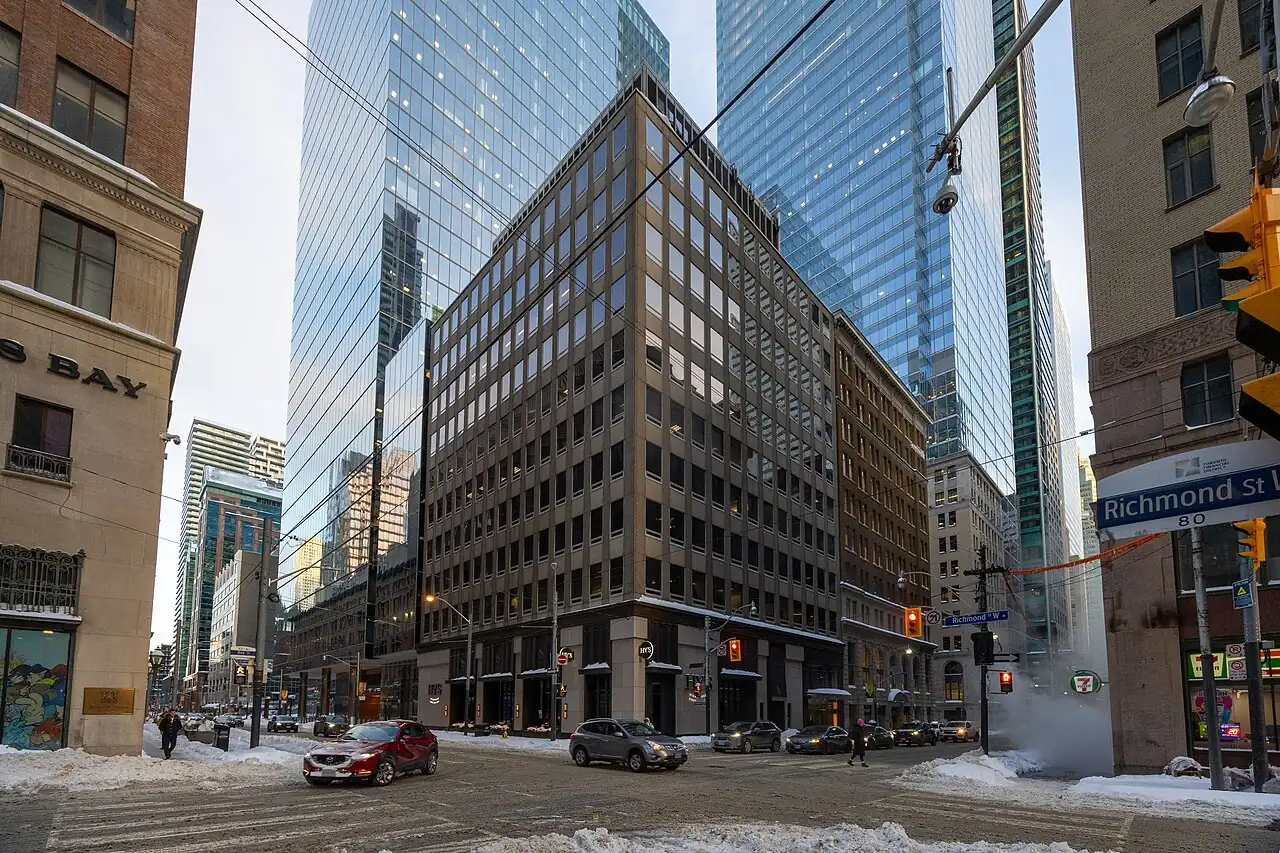
Two things in that table catch people out. Toronto is the first, and the answer to its cold under a roof is the CN Tower observation level: the city looks ordinary on paper and behaves unruly in practice, because the lakes manufacture their own snow and can bury one suburb while downtown stays clear. Vancouver’s mild number is the other trap: +2 °C with rain and a wind off the water is more miserable than -20 °C on a dry, still prairie morning, and the visitors who suffer most are usually the ones who booked the mildest city and packed for it.
Winnipeg’s January record low is -44.4 °C. That’s not a normal week, but it is a real one. Southern Alberta gets the opposite freak event: a chinook wind can push Calgary’s temperature up 20 °C or more in a matter of hours, and one winter day in three there is a chinook day. The same wind reaches into the mountains in a milder form - a chinook week in Banff pushes the valley floor above freezing and turns it to slush.
The daylight arithmetic nobody mentions
At the December solstice, Toronto gets about 8 hours 55 minutes of daylight, Winnipeg about 8 hours 5 minutes, Whitehorse about 5 hours 40 minutes and Yellowknife about 5 hours. Across the southern cities the sun is down before 5 pm through December and into mid-January.
That reshapes a trip more than the cold does, especially in the north: in Yellowknife or Whitehorse, outdoor plans have to live between roughly 10 am and 3 pm, which is fine for a short excursion and awkward for anything longer. Further south the window is wider but still closes early, so a 4:30 pm sunset in Toronto or Winnipeg just means dinner starts early rather than the day ending. Cities absorb the dark better than landscapes do. And up north the long night is the entire product: those five-hour days are exactly why aurora season works, which our northern lights guide covers by place, month and realistic odds.
Never build a trip around something that has to freeze first
The Rideau Canal Skateway in Ottawa is the clearest example in the country. It runs 7.8 km, the National Capital Commission calls it the world’s largest skating rink, and it costs nothing: when it’s open, it’s open 24 hours a day, seven days a week.
The catch sits in that “when”. The 2026 season was a good one. It opened on 31 December 2025 with a 3.4 km stretch, ran for 56 days and took more than a million visits before closing on 4 March. Even in a good year it shut on 16 February when the weather turned mild, then reopened two days later. Three winters earlier it didn’t open at all: the 2023 season was cancelled by warm, wet weather, and by the time skates touched the ice again in January 2024 it had been nearly 700 days. The NCC now works with Carleton University on adapting the operation to a warming climate, which tells you which way the odds are moving.
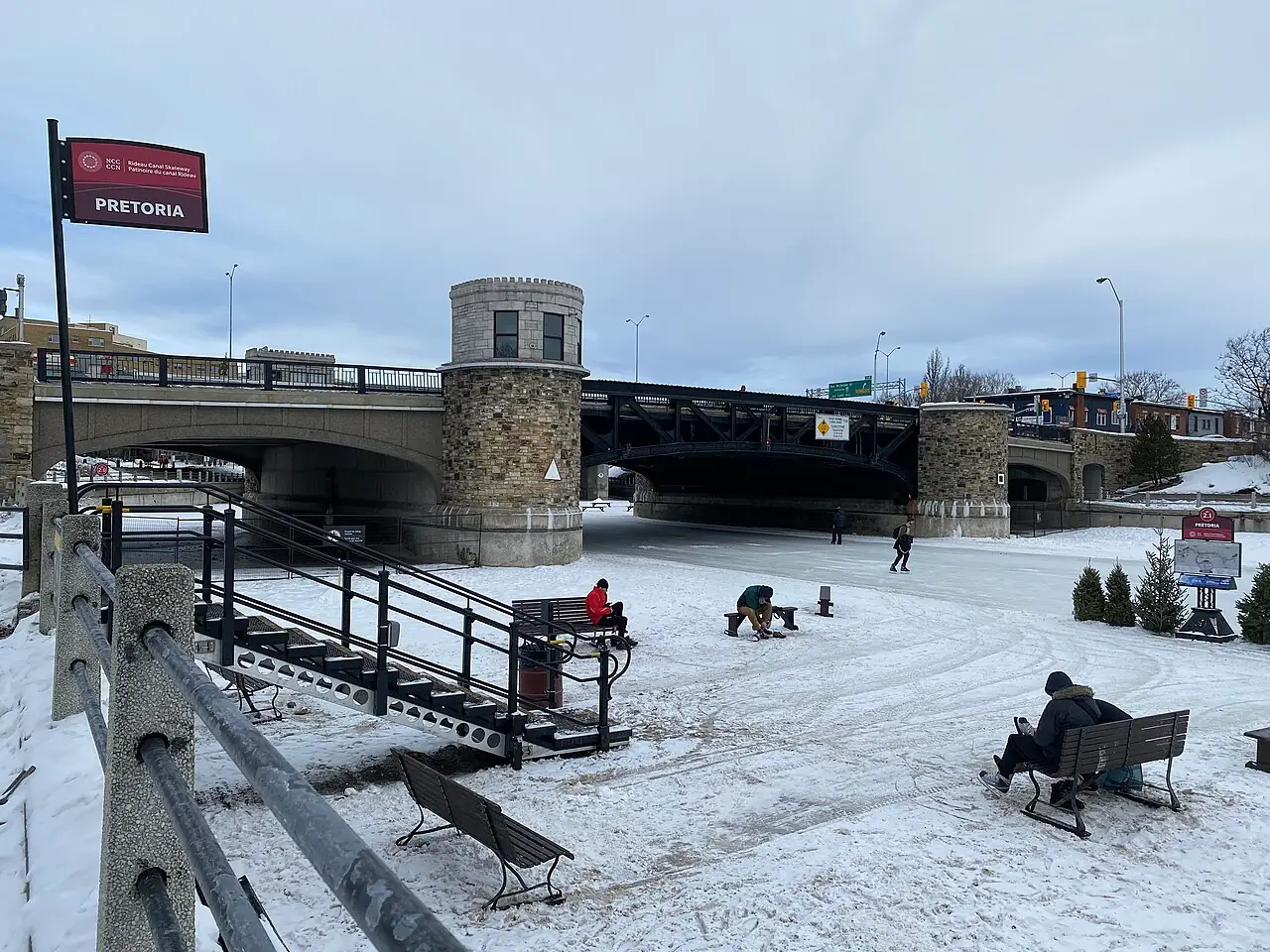
The same logic covers river skating trails, ice roads and outdoor rinks anywhere south of the treeline. Book the trip for the city, the mountain or the festival, and treat the ice as a bonus that may or may not land. In August 2026 Ottawa Tourism was still listing the Skateway as “Winter 2027, dates to be announced”, which is the honest state of it. What the capital does with the rest of a cold week is in our Ottawa guide.
Dates you can actually book around
Three fixed points survive a bad winter, because they’re built rather than frozen into existence.
- Quebec Winter Carnival, 5 to 14 February 2027. Ten days of ice sculpture, night parades and an ice palace, in the one Canadian city that looks like a postcard under snow. It calls itself the world’s largest winter carnival and it is genuinely enormous.
- Winterlude, Ottawa and Gatineau, the first three weekends of February. Free to enter, with a handful of ticketed events, running since 1979, split between the Crystal Garden sculptures in Confederation Park and the snow slides at Jacques-Cartier Park across the river. The 2026 edition ran 30 January to 16 February; the 2027 dates were not out as of August 2026.
- Hôtel de Glace at Village Vacances Valcartier, just outside Quebec City, the only ice hotel in North America. It rebuilds from scratch every year and reopens in January 2027. A day pass is C$34.99 online for anyone 1.32 m and over against C$41.99 at the door, taxes on top, and the evening pass is C$24.99 online. You don’t have to sleep in it, and most people shouldn’t. How the week actually works in one city - pass, ice hotel, February cold and what to wear - is in Quebec City in winter.
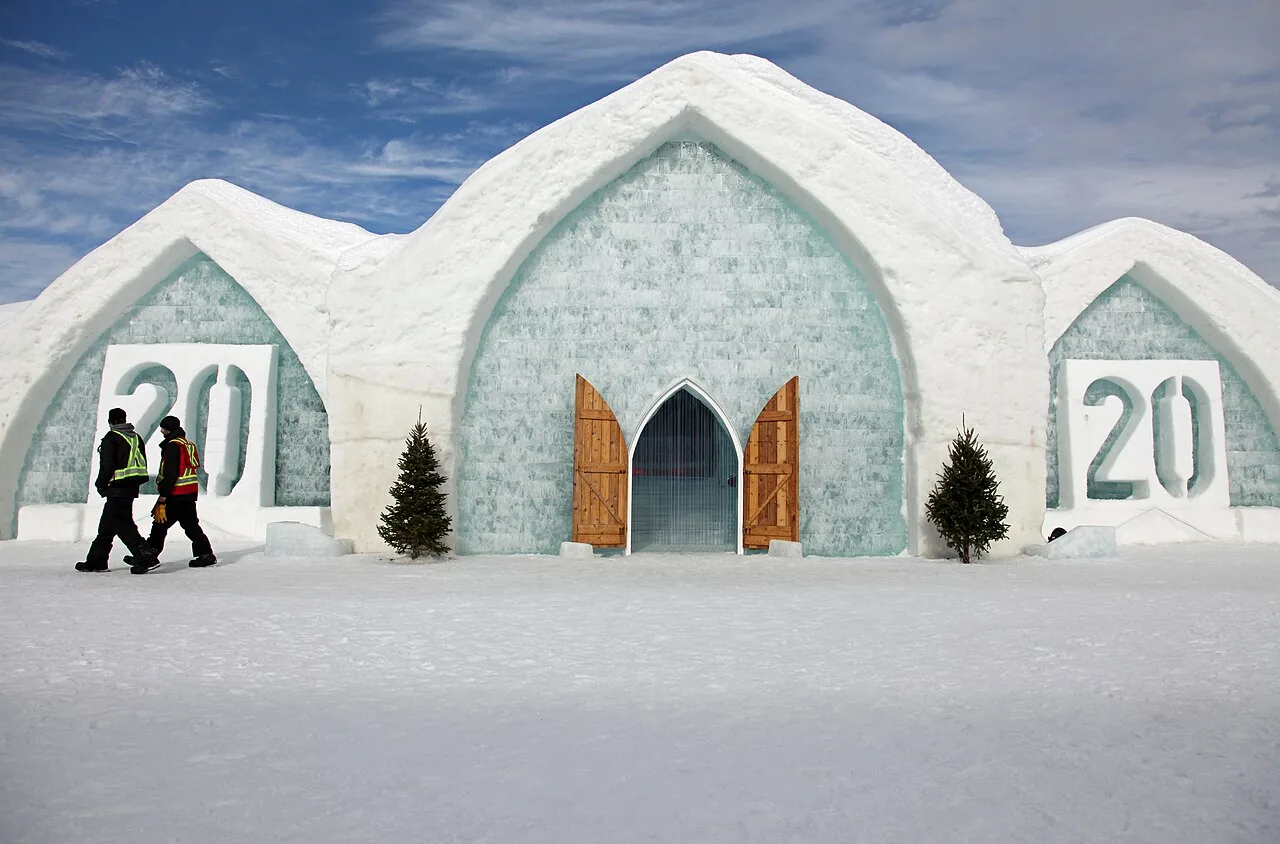
Cities are the winter bargain, ski towns are not
Canada runs two separate winter hotel markets and they move in opposite directions. In Banff, Whistler, Mont-Tremblant and Lake Louise, a bed over the holidays or in school-break February costs more than the same bed in peak August, and the good ones are gone months ahead. In Toronto, Montreal, Halifax and Vancouver, those same weeks are quiet, and January into early February is the softest stretch on the calendar outside a festival weekend.
So the booking strategy splits in two. Mountain rooms need booking early, ideally six months out for the holidays. City rooms can wait, and a February city break is one of the few times you’ll get a good Canadian downtown room at a price that feels like a mistake in your favour.
One winter cost people forget: park entry does not stop in the cold. Banff charges C$12.25 per adult per day and C$24.50 for a carful of family, and the Canada Strong Pass free windows of 12 December 2025 to 15 January 2026 and 19 June to 7 September 2026 have ended, so budget a February trip at full price. The rest of the arithmetic is in our Canada trip cost breakdown.
Skiing, without repeating ourselves
The season is longer than most visitors assume. Lake Louise publishes 2026/27 as 6 November to 2 May, Whistler Blackcomb is the largest resort in North America at roughly 8,171 acres, and mid-April still skis on full lifts, in long daylight, without the February queues.
Lift pricing moves every season and most resorts now sell by date rather than at a flat day rate, so check current pricing rather than trusting a number you read in a guide. The resort-by-resort comparison is in our skiing in Canada guide, and the Rockies version of a winter week, ice walks and hot springs included, is in Banff in winter.
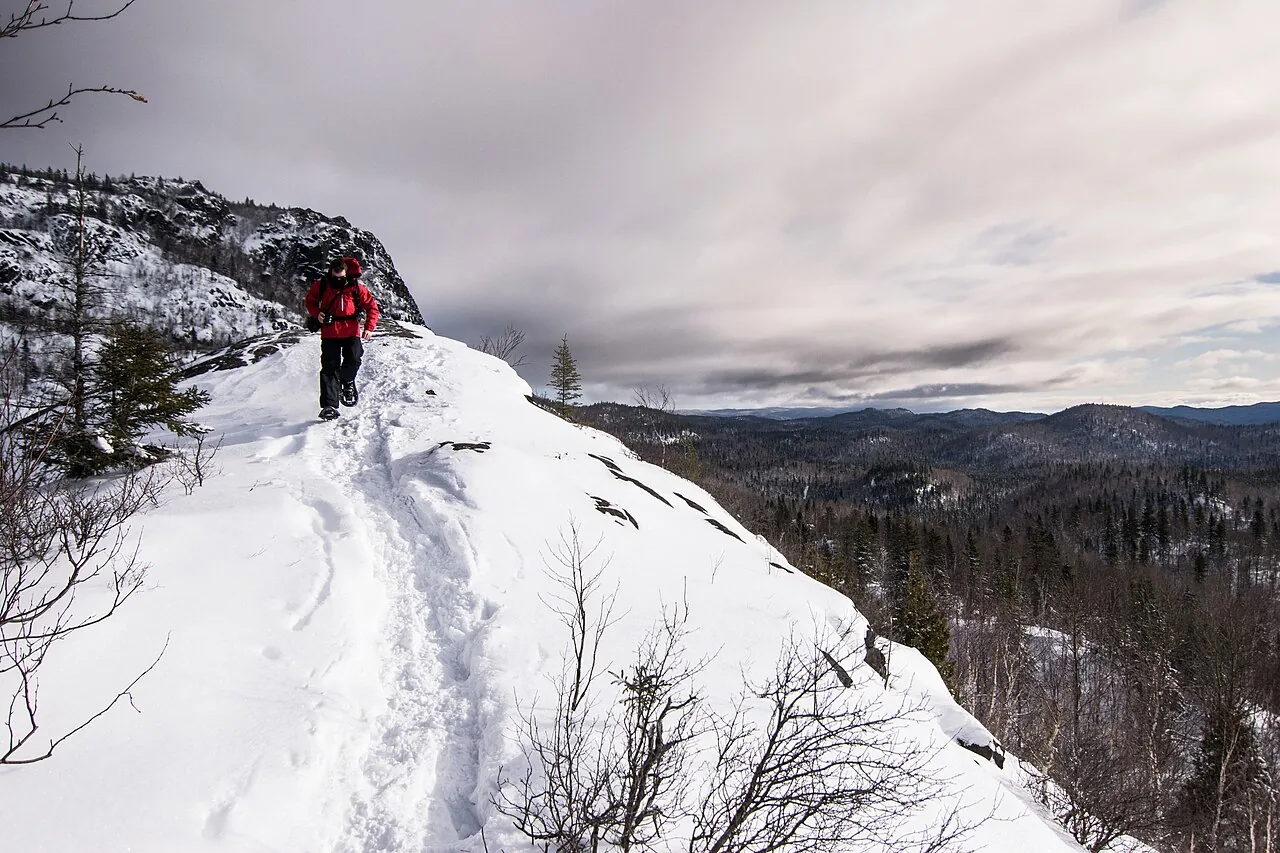
If you don’t ski, the cheap end of a Canadian winter is better than the expensive end. A day on snowshoes costs about what lunch does and takes no technique whatsoever. Nordic trails are groomed and mostly free. Skating happens on lakes, canals and neighbourhood rinks. And hot springs, from Banff to the Kootenays to the Yukon, are the correct answer to the coldest afternoon of the trip.
Driving: three rulebooks and one whiteout
Winter tire law isn’t national, which catches out anyone who assumes a rental is legal wherever they drive it.
- Quebec: mandatory from 1 December to 15 March on every Quebec-registered vehicle, rentals picked up in the province included. Only the alpine three-peak snowflake or studs count, and turning up on all-seasons costs C$200 to C$300.
- British Columbia: required on most designated routes from 1 October to 30 April; the Sea-to-Sky to Whistler is one of the routes on the shorter calendar instead, 1 October to 31 March. An M+S marking is enough here, with at least 3.5 mm of tread; the fine is C$121.
- Icefields Parkway: Parks Canada wants snow tires or chains from 1 November to 1 April, and there’s no fuel on that road in winter.
Ontario and Alberta, meanwhile, have no winter tire law at all, which is not the same thing as no winter. Confirm proper tires in writing when you book anywhere you plan to drive in snow. Our car rental guide has the markings, the fines and the one-way fees in full.
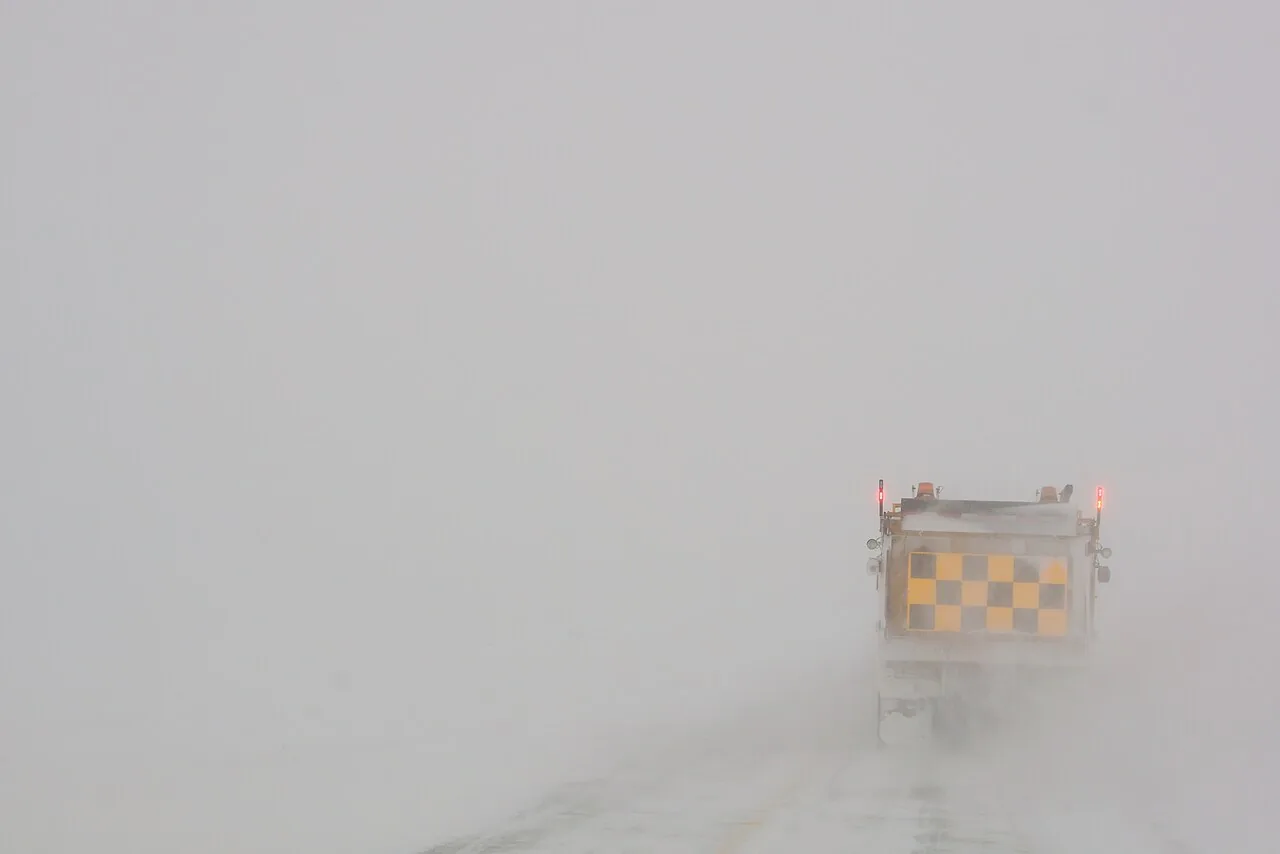
The other rule is scheduling. A storm that closes the Trans-Canada for six hours or strands a day of flights at Pearson is a normal January event rather than a catastrophe, so leave a buffer day before an international flight home. Trains get their own winter delays, but the rail routes at least don’t ask you to drive in it.
What to wear, and what visitors get wrong
Layers, obviously. Less obviously: nothing cotton against your skin, because it holds sweat and then chills you. A proper toque, not a fashion beanie. Mitts beat gloves by a wide margin at -20 °C. Boots chosen for cold rating and grip rather than looks, because sidewalks in every Canadian city polish themselves into ice by mid-morning.
Then the part nobody warns you about: Canadian interiors are kept hot. You’ll walk into a museum or a restaurant dressed for -25 °C and spend the next hour carrying an armful of clothing, so bring a coat that packs down and layers you can shed in seconds.
Don’t buy an expedition parka for one week either. Aurora operators in Yellowknife and Whitehorse rent full arctic suits and boots, ski hills rent everything, and both cost less than the jacket you’d wear twice.
Month by month
- November: cheapest and least reliable. Mountains are opening, cities are grey and wet, nothing has frozen properly yet.
- December: festive and expensive in the mountains, beautiful in Quebec City, and the shortest days of the year. That 31 December canal opening was early by local standards.
- January: the coldest and quietest month. Best value in cities, hardest cold on the prairies and in the north, longest aurora nights.
- February: the strongest month overall. Carnival, Winterlude, the most dependable ice, the best snowpack in the east, and rates that stay sane outside the school break.
- March: spring skiing with proper daylight. Southern ice gets unreliable, and March break fills family destinations mid-month.
- April: mud season in the cities, but the Rockies keep skiing into May.
The full year-round comparison, in case winter turns out not to be the answer, is in our guide to the best time to visit Canada.
Pick your winter
If you don’t much like being cold: Vancouver as a base, with a couple of days up the Sea-to-Sky to Whistler. A mild coastal city, serious snow two hours away, and no week of -25 °C.
If you want the postcard: Quebec City in February, ideally over Carnival, with Montreal or Ottawa attached by train. Snowy old stone, an ice hotel up the road, and a city built to be walked in the cold. The city-level version of that week is Quebec City in winter.
If you want the country that only exists in winter: Yellowknife or Whitehorse, for aurora, five-hour days and a cold that differs in kind rather than degree. Rent the parka, book at least three nights, and read the northern lights guide first.
Whichever you choose, plan around the shape of the season rather than the temperature. Built attractions and fixed dates are safe to book; anything that has to freeze first is a bonus.
Read also

Before you go · 11 min read
Canada eTA for UK Citizens: Entry Requirements
Verified · September 1, 2026UK air travellers need a CAN$7 eTA. Cost, validity, land exception, refusals and British passport types - checked on canada.ca, 1 Sep 2026.

Before you go · 9 min read
Calgary vs Vancouver: Which Airport for the Rockies
Verified · August 29, 2026Calgary puts Banff 140 km up the road; from Vancouver it's 850 km. What the drop fee, the domestic hop and the thinner route map actually cost you.

Before you go · 10 min read
Quebec City in Winter: Carnival, Ice Hotel, What to Wear
Verified · August 16, 2026Quebec City in winter: Carnival 5-14 Feb 2027, ice hotel from January, February nights -16 C, and what to pack.

Before you go · 8 min read
Canadian Rockies vs Vancouver Island: Which Trip to Take
Verified · August 14, 2026Rockies or Vancouver Island for one week: lakes and Icefields Parkway vs ferry, Victoria and Tofino - pick by trip shape, not Instagram.