
Canada by Train: VIA Rail Routes, Fares & The Canadian
What VIA Rail really costs and takes: the Corridor, the four nights of The Canadian, the Churchill train, class-by-class fares and the fare traps.
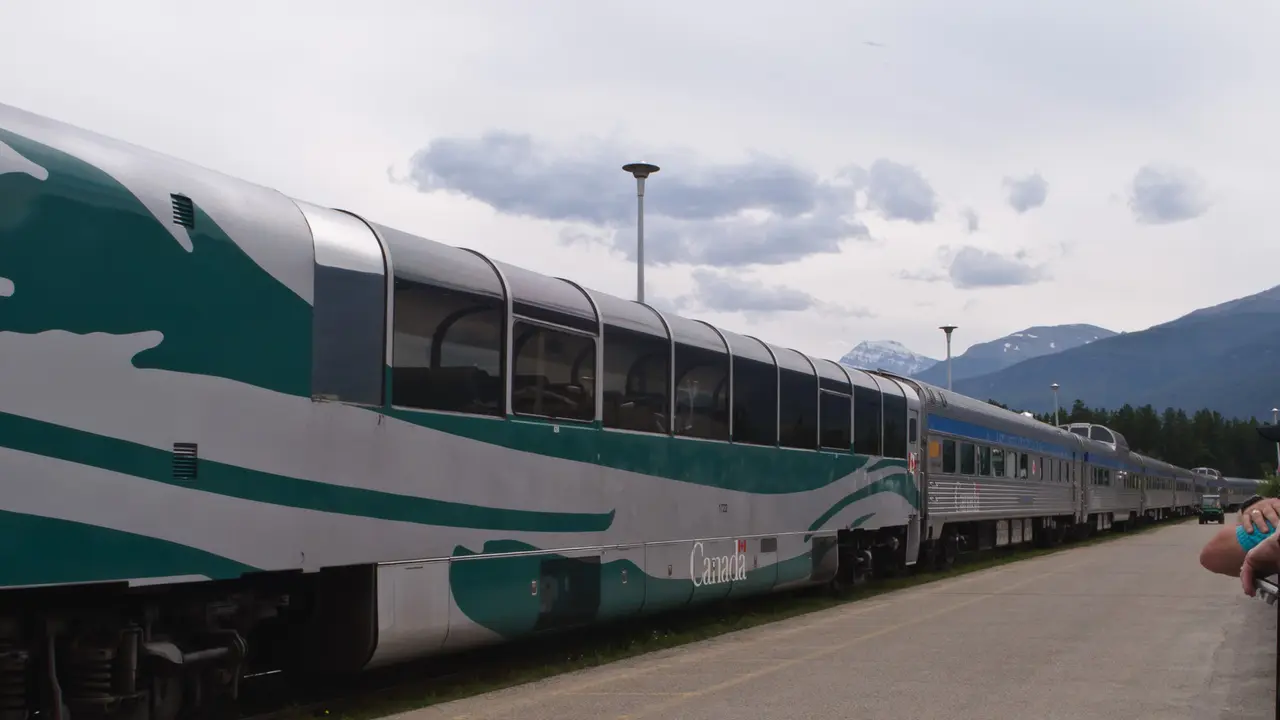
Canada by train means two very different things. In the Quebec City to Windsor corridor, VIA Rail is a proper transport network: 40 departures a week between Toronto and Montreal, 54 between Toronto and Ottawa, downtown to downtown in about five hours - and downtown Toronto means near the CN Tower and EdgeWalk. Everywhere else it’s a long-distance experience sold by the night, and The Canadian across the country is four nights and 4,406 kilometres of it, with two departures a week and fares that start at C$514 in a seat and pass C$7,500 a head in Prestige.
The single biggest lever on what you pay isn’t the day you book, it’s the month you travel. VIA publishes its long-distance fares in seasonal blocks, and the same upper berth from Toronto to Vancouver starts at C$1,750 in the summer block and C$1,083 in the winter one that opens on 1 November 2026. The Economy seat, meanwhile, starts at C$514 in both. Ride the sleeper in the last week of October and you’re paying summer money for a berth that costs about 38% less in February.
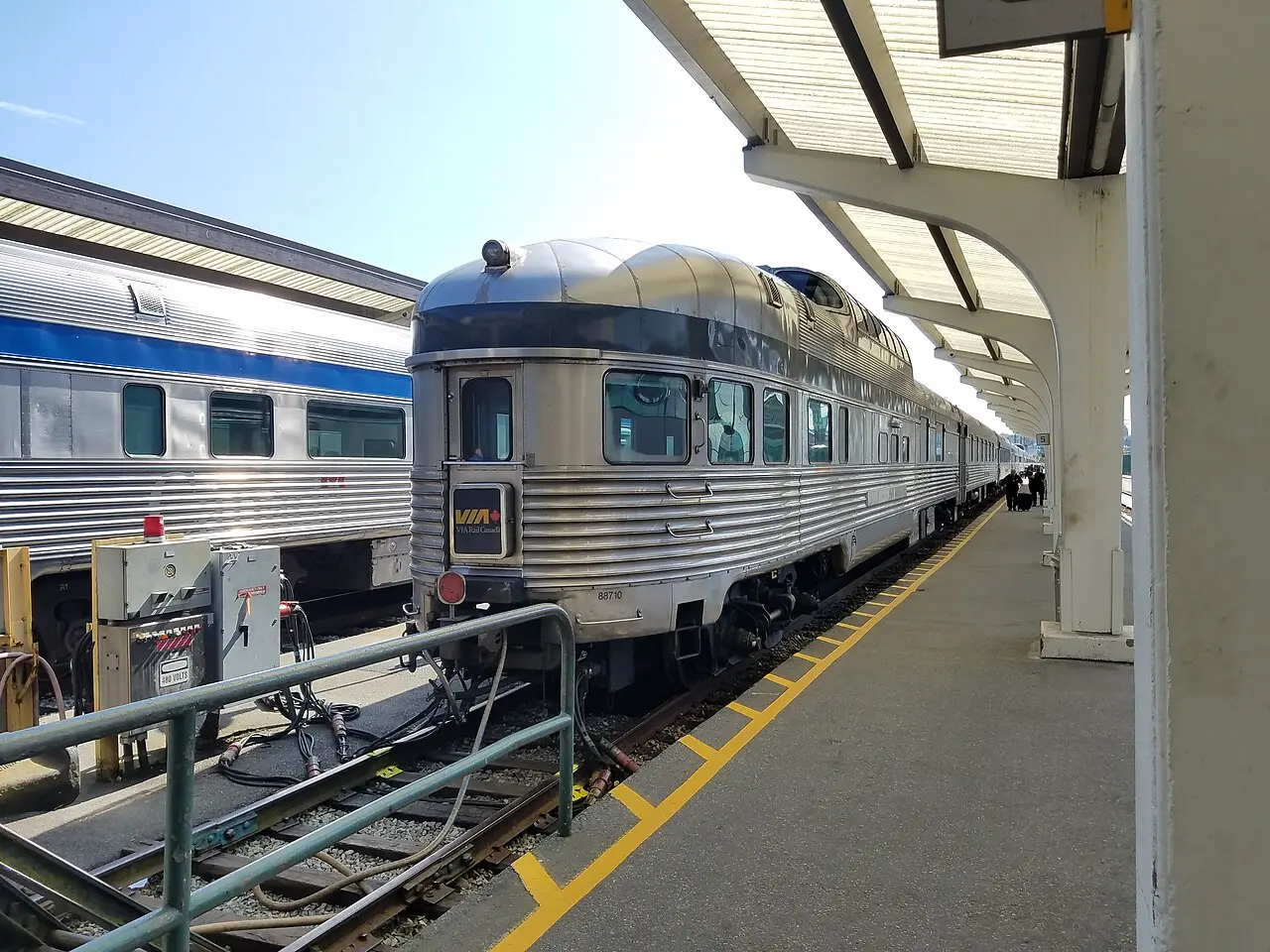
The routes, with the numbers VIA publishes
| Route | Time | Distance | Departures a week |
|---|---|---|---|
| Toronto - Ottawa | 4h 32m average | 444 km | 54 |
| Toronto - Montreal | 5h 13m average | 538 km | 40 |
| Montreal - Quebec City | 3h 26m average | 270 km | 34 |
| Halifax - Montreal (The Ocean) | 23h 23m | 1,352 km | 3 |
| Winnipeg - Churchill | 1d 20h 55m | 1,694 km | 2 |
| Jasper - Prince Rupert (Skeena) | 1d 10h 40m | 1,177 km | 3 |
| Vancouver - Toronto (The Canadian) | 3d 20h 29m | 4,406 km | 2 |
Notice that VIA quotes an average duration rather than a single scheduled time. That’s the honest signal in the whole table: outside the Corridor, the timetable is a plan rather than a promise, and long-distance arrivals drift. Nobody should book a same-day international flight off the back of a four-night train.
The Corridor: the part that behaves like a train service
Between Quebec City and Windsor, the train is simply the sensible way to travel. Toronto to Ottawa is scheduled at about four and a half hours with 54 departures a week; Toronto to Montreal at a bit over five hours with 40; Montreal to Quebec City at three and a half with 34. You board at Union, Ottawa, Gare Centrale or Gare du Palais, all of them downtown, and you get off downtown. For the Toronto-Ottawa choice against bus, drive and flight, see Toronto to Ottawa. Connecting off a flight, the UP Express feeds Union in 28 minutes, and our guide to Toronto airport to downtown sets it against the taxis and the TTC.
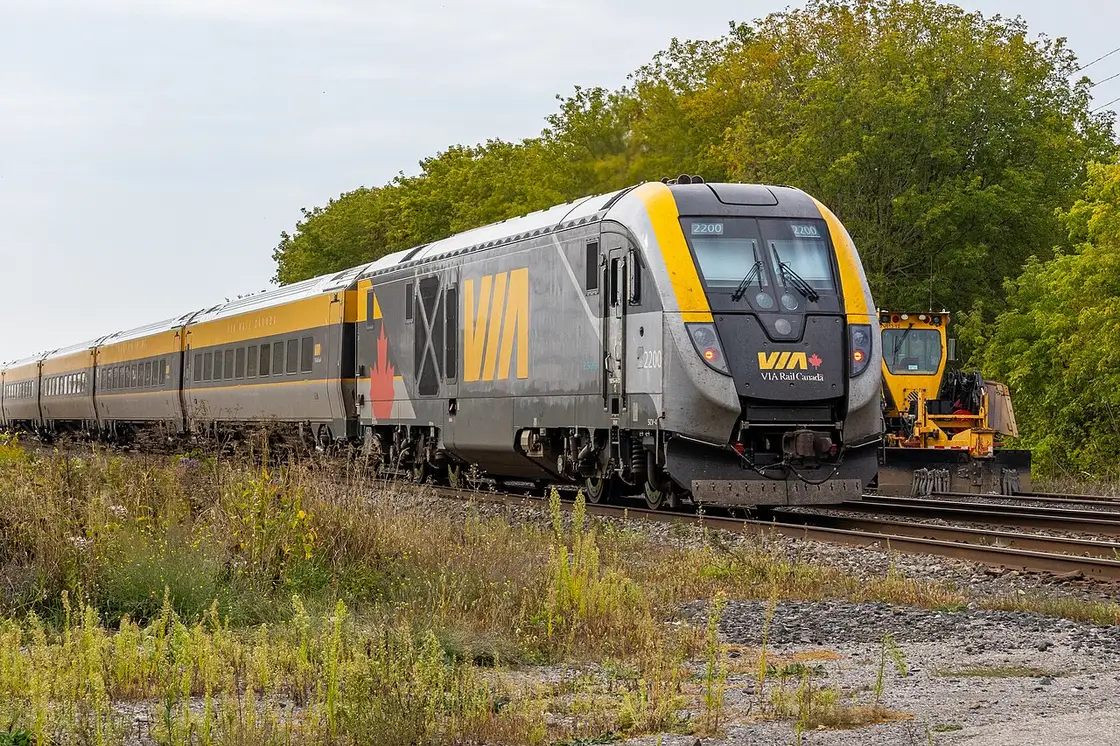
Compare that with flying Toronto to Montreal. The flight itself is short, and then you add the trip to Pearson, security, boarding, the wait for bags and the ride from Trudeau into town. The train doesn’t need to beat the plane in the air to win the door-to-door race, which is why business travellers who could expense a flight sit on the 5 p.m. instead.
Book Corridor seats the way you’d book a budget flight. Escape fares are the cheapest bucket, they’re non-exchangeable and non-refundable, and they include one carry-on up to medium size, with a second larger bag at C$25 plus tax each way. Pay up to Economy and you can change for 25% of the fare or C$20 per segment plus the difference; Economy Plus and Business Plus are fully refundable. If your plans might move, that gap is worth the money.
The Canadian: four nights, not a commute
The Canadian is the trip people mean when they say “crossing Canada by train”: 4,406 kilometres between Toronto and Vancouver via Winnipeg, Saskatoon, Edmonton and Jasper, with two departures a week in each direction. VIA’s own average for the eastbound run is 3 days, 20 hours and 29 minutes, so plan on four nights aboard, and treat the arrival day as unbookable.
Three classes ride the same train. Economy is a reclining seat, meals not included, and you eat what you carry on or buy from the take-out counter. Sleeper Plus is a berth or a cabin, with all meals in the dining car included and access to the dome cars. Prestige is a cabin for two with a private shower, sold all-inclusive.
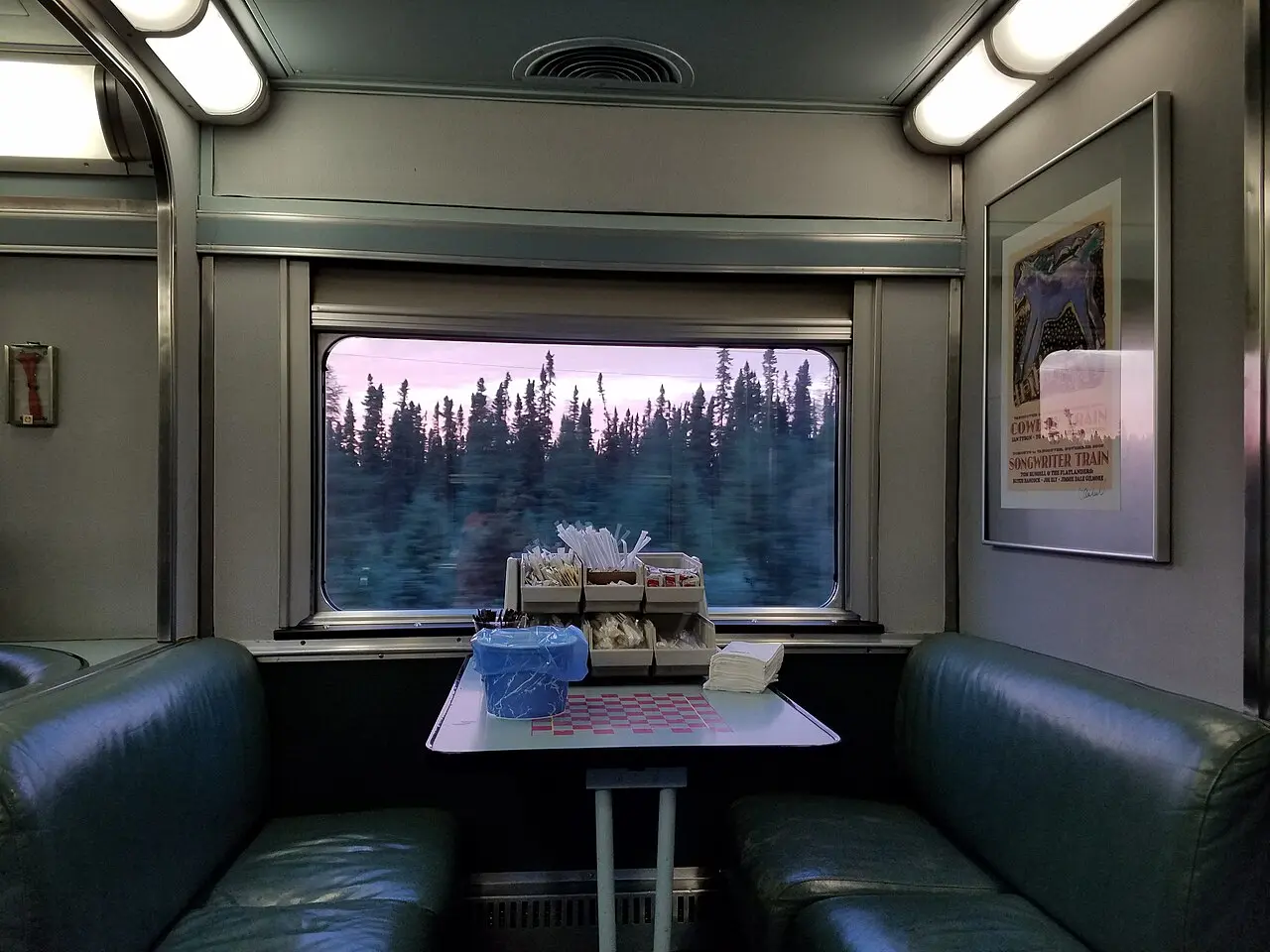
Here’s what VIA publishes as starting fares for the summer 2026 season, 1 May to 31 October, one way per person and before sales tax:
| Segment | Economy seat | Sleeper Plus berth | Cabin for two (each) | Prestige (each) |
|---|---|---|---|---|
| Toronto - Vancouver | C$514 | C$1,750 | C$3,241 | C$7,592 |
| Toronto - Jasper | C$424 | C$1,310 | C$2,425 | C$5,720 |
| Toronto - Winnipeg | C$254 | C$968 | C$1,799 | C$4,241 |
| Winnipeg - Vancouver | C$322 | C$1,187 | C$2,198 | C$5,131 |
| Edmonton - Vancouver | C$210 | C$904 | C$1,672 | not offered |
These are starting fares on a dynamic system, not a price list. VIA says plainly that fares vary by departure day and time and are subject to change, so the number you see when you search a specific date may differ from every figure above. Check the fare on viarail.ca for your dates before you plan a budget around it.
The segment that’s the actual bargain
Look at the table again and the interesting line isn’t the coast-to-coast one. Edmonton to Vancouver starts at C$210 in a seat and C$904 in a berth and covers the Rockies, Jasper and the Fraser Canyon: the scenery everyone books The Canadian for. Toronto to Winnipeg, meanwhile, is the long haul over the Shield and its lakes for C$254 in a seat.
So if the four-night epic doesn’t fit your trip, don’t write off the train. Fly to Edmonton or Jasper, ride the best stretch of the route into Vancouver, and spend the money you saved on a hotel with a bath at the end of it. The people who describe The Canadian as tedious are usually describing day three across the prairies, not the mountains.
Free for kids in summer 2026: how it worked
From 19 June to 7 September 2026, the Canada Strong Pass let children and youth aged 17 and under travel free in Economy class when they were with an adult, and gave a 25% discount on Escape and Economy fares to adults aged 18 to 24. It applied coast to coast, and that summer it was the single best reason for a family to look at the train rather than a rental car. Both the travel and the booking had to fall inside the window - bookings closed on 7 September 2026 too - so from 8 September 2026 it’s standard fares for every age; don’t plan around a repeat unless VIA’s offer page announces one.
If you’re planning several journeys instead of one, VIA’s Canrailpass sells 7, 10 or unlimited one-way trips in Economy, valid 21 consecutive days on the Corridor or 60 across the country. Whether it beats booking Escape fares individually depends entirely on the trips you’d actually take, so price both before you commit.
The Ocean and the Churchill train
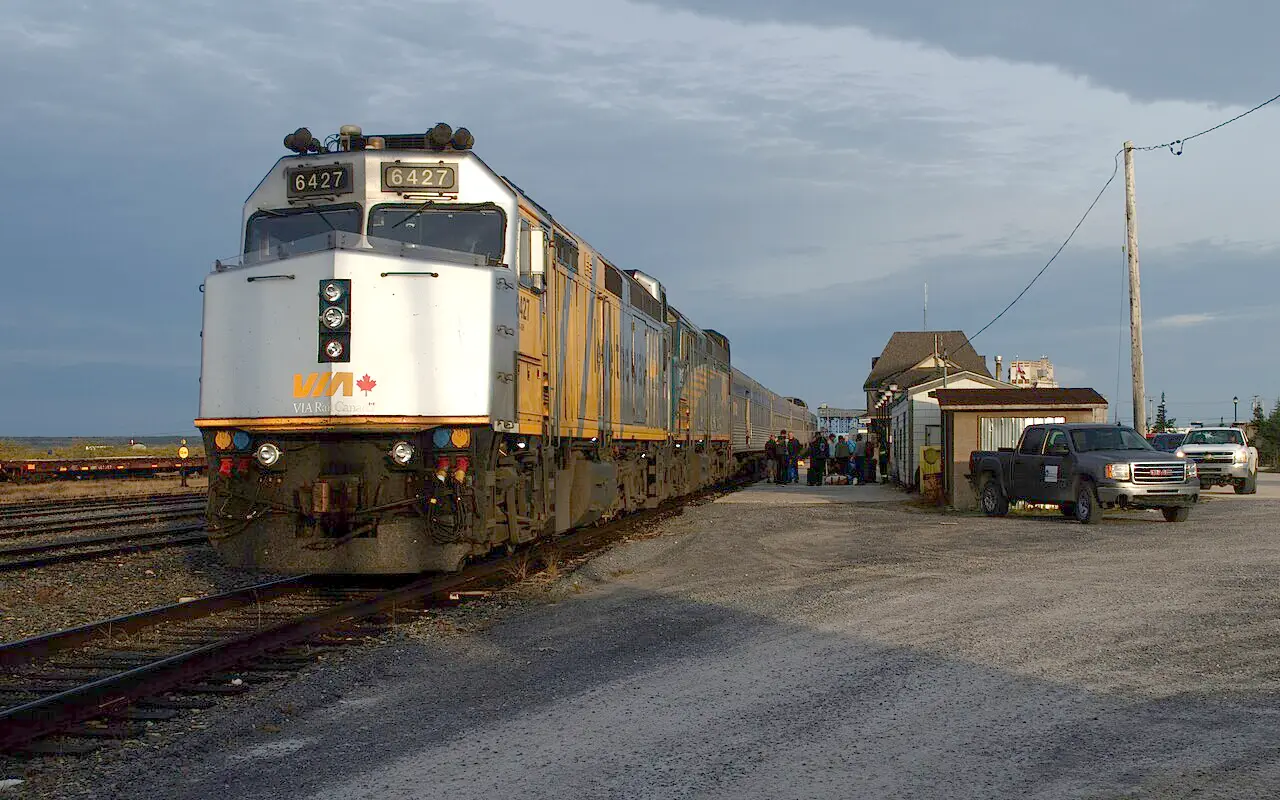
The Ocean links Montreal and Halifax three times a week each way, 1,352 kilometres of it, and VIA times the Halifax-to-Montreal run at 23 hours 23 minutes, which makes it the one long-distance train you can do in a single night. It’s the easy way to bolt the Maritimes onto a Quebec trip without a one-way rental car drop fee. At the western end of the same Corridor, Gare du Palais sits down in the lower town, which is half the argument in where to stay in Quebec City.
Winnipeg to Churchill is the one that isn’t really about the journey. Parks Canada is blunt that no road reaches Churchill, so the choice is the train or a flight. VIA runs it twice a week, 1,694 kilometres in a scheduled 1 day, 20 hours and 55 minutes, with train 693 leaving Winnipeg at 12:05. That’s the cheap way to reach the beluga whales in July and the polar bears in October, and the flight from Winnipeg is the fast one. Either way you start in Winnipeg, so give the city an evening rather than an airport hotel. Bring food you like, because two days is a long time with one dining option.
Out west, the Skeena runs Jasper to Prince Rupert three times a week, 1,177 kilometres timetabled at 1 day 10 hours 40 minutes, and it’s daylight-only: the train stops overnight in Prince George and you sleep in a hotel there, which VIA does not include in the ticket. Budget for that night, and book it early in summer.
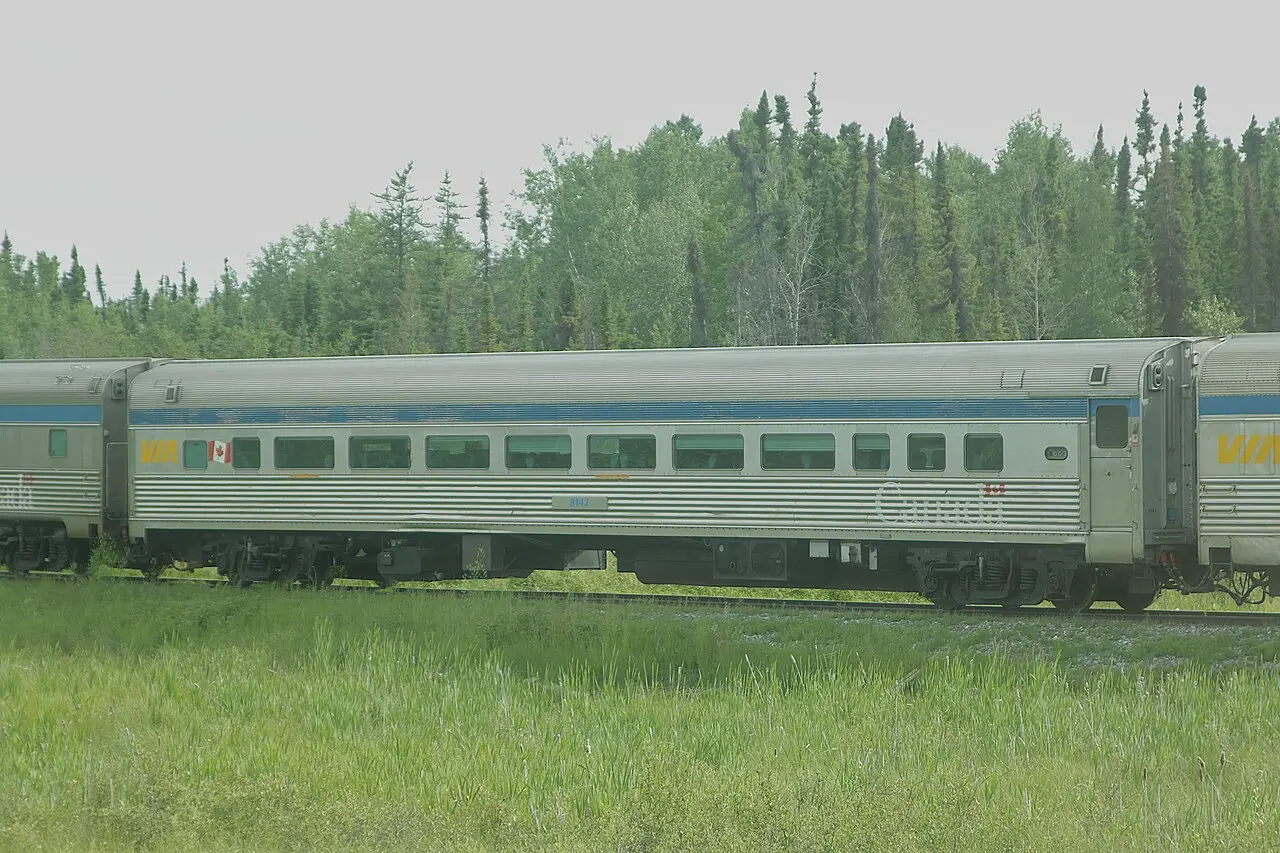
Is the train the right way to see Canada?
For the Corridor, yes, without hesitation: it’s faster than driving once you count parking, cheaper than flying once you count the airport, and it drops you where you want to be. Two weeks of eastern cities can be done entirely on Corridor trains, which is exactly how our 10-day eastern Canada itinerary is built.
For the transcontinental crossing, be honest with yourself about what you’re buying. Four nights on The Canadian is not transport, it’s the vacation itself, and at summer sleeper prices it costs more than flying and staying somewhere nice at both ends. It’s worth every dollar to people who want to watch the country change through a dome window, and it’s a long, expensive sit for anyone who mostly wants to arrive. If what you actually want is two daylight days in a glass-dome coach with a hotel night in Kamloops - not four nights aboard VIA - that is a different product entirely: see whether Rocky Mountaineer is worth it before you mix the two up.
The compromise most travellers end up happy with: fly the long dull legs, ride the good ones, and rent a car only where the rail doesn’t go. Our two-week Canada itinerary mixes all three, and the cost of a trip to Canada puts train fares next to flights and car rental so you can see which one your budget prefers.
Read also
- Where the eastern trains take you: 10-day eastern Canada itinerary
- Mixing rail, flights and driving: two weeks in Canada
- What the whole trip costs: Canada trip cost
- The Rockies stop on The Canadian: Jasper National Park
- Churchill’s province, and when to go: Manitoba travel guide
- Season by season, including the cheap months: best time to visit Canada
- Getting from Pearson to the trains at Union: Toronto airport to downtown
Read also

Transport · 13 min read
Toronto to Montreal: Train, Bus, Flight or Drive
Verified · September 5, 2026Toronto-Montreal 2026: VIA averages 5h13 over 538 km, Megabus runs 8-13 coaches a day from Union, about 545 km to drive, or a 1h20 flight to YUL.

Transport · 9 min read
Ottawa Airport to Downtown: Line 4, Bus 105 and Taxi
Verified · September 4, 2026YOW to downtown: O-Train Line 4 plus Line 2 for C$4.10, Route 105 around the clock, and Ottawa metered taxi rates with the airport pickup fee.

Transport · 12 min read
London to Calgary Flights: The Rockies Shortcut
Verified · August 31, 2026Air Canada and WestJet fly London Heathrow to Calgary nonstop. What the schedule looks like, how fares move, and why this ticket fits a Banff-first trip.

Transport · 10 min read
London to Vancouver Flights 2026: Airlines and Fares
Verified · August 30, 2026Nonstop London-Vancouver runs on BA and Air Canada from Heathrow and Gatwick. What moves the fare, when it softens, and when to book.