Things to Do in Winnipeg: The Forks, CMHR & Museums
What to do in Winnipeg: the Forks, the human rights museum, Qaumajuq and the zoo, with 2026 hours, prices, free days and how long to stay.
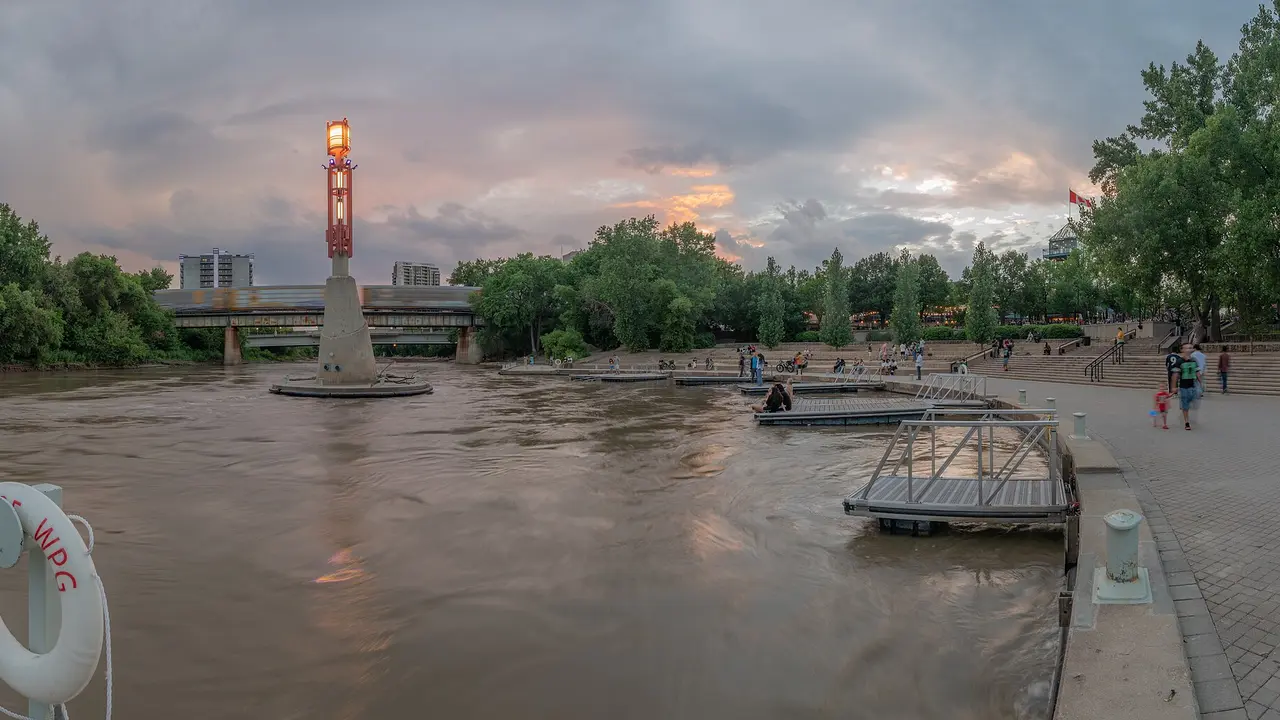
Winnipeg is a two-day city with one good argument for a third: Assiniboine Park, and the polar bears the zoo keeps out there in an arctic enclosure. Everything else clusters at the Forks, where the Red and Assiniboine rivers meet - a market hall, a riverwalk and the Canadian Museum for Human Rights within a few minutes of each other. Add Qaumajuq’s Inuit art and the warehouse blocks of the Exchange District, and you have a city break that costs a fraction of Toronto or Vancouver.
The thing worth knowing before you book is that two of the three big museums have free windows written into the calendar. The human rights museum is free on the first Sunday of every month, and the art gallery is free every Wednesday evening from five. Line your dates up with those and a family visit changes shape entirely.
Three hours west, Riding Mountain National Park pairs prairie driving with a bison loop and Clear Lake beach.
The Forks: start here
Everything in this city orbits the junction of the two rivers. People have gathered here for something like six thousand years, and the result is a National Historic Site turned into a market, a food hall and a stretch of riverbank. It anchors a visit for a dull practical reason: almost everything else downtown is walkable from it.
The Forks Market opens for shopping Sunday to Thursday 10:00-19:00 and until 20:00 on Friday and Saturday, while the food hall runs later, to 22:00 most nights and 23:00 on weekends. The building itself is accessible from 07:00 to 22:00 daily, which is worth filing away for winter. At eight on a January morning it’s the warmest public room downtown.
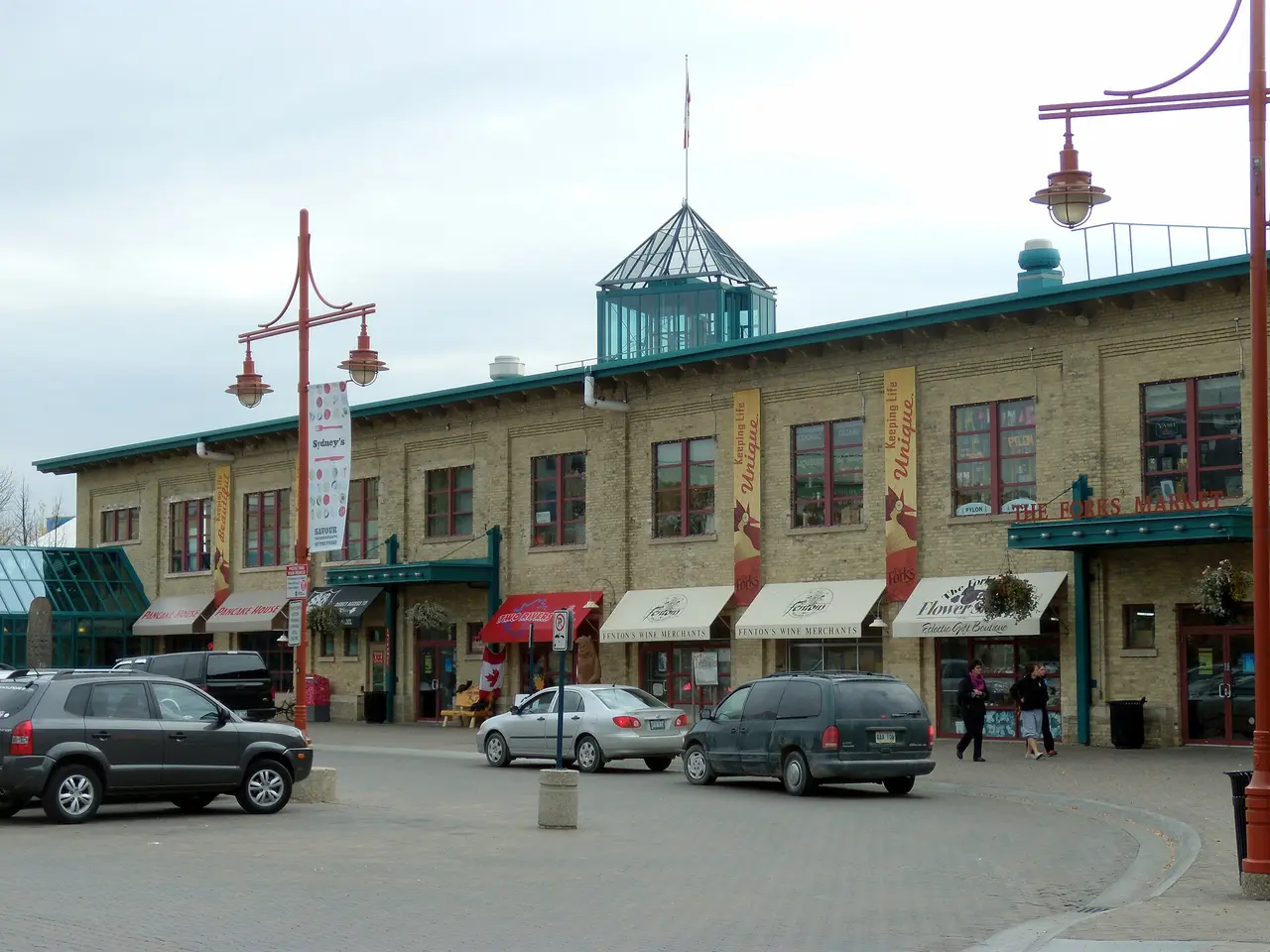
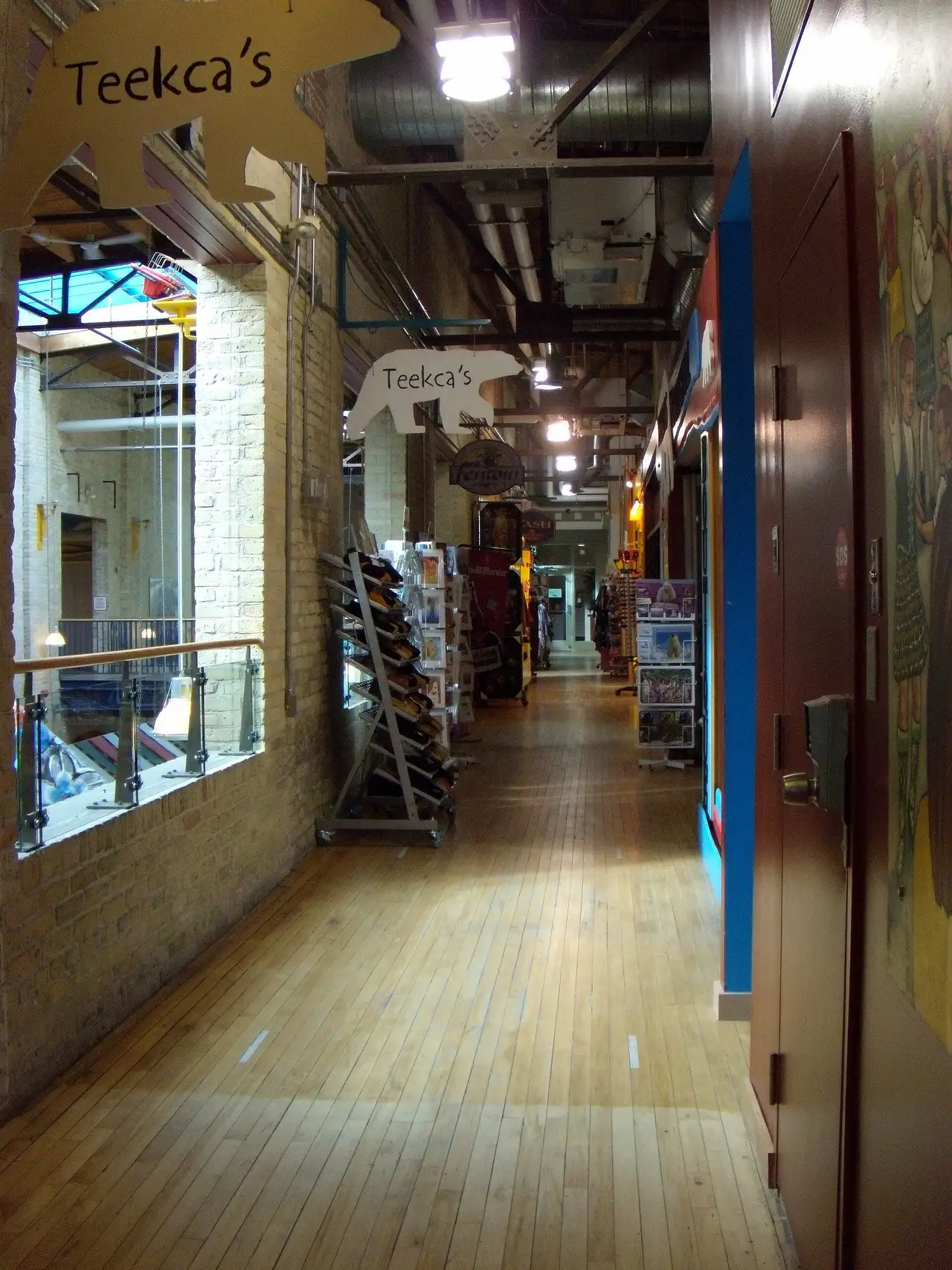
Inside, it’s a working food hall rather than a tourist arcade, with counters covering most of the kitchens that immigration brought to the prairies. You can eat well here for very little, and our guide to Canadian food and what to try covers the prairie half of the menu.
In winter the rivers themselves become the Nestaweya River Trail, skated out from the docks and running to about six kilometres in a good year. Designer warming huts stand along the ice, chosen through an international competition, and they’re the reason anyone photographs a skating trail. It opens only when the ice is thick enough: in 2026 that was New Year’s Day. If the rivers misbehave, the Winter Park rink beside the market runs on land regardless.
The Canadian Museum for Human Rights
The building alone justifies the walk over. Antoine Predock’s design rises out of stone roots into a glass Tower of Hope, and it opened on 19 September 2014 as the first national museum built outside the Ottawa-Gatineau capital region and the first museum anywhere devoted entirely to human rights.
Numbers first. Adult admission is C$23, students and seniors pay C$18, and young adults aged 18 to 24 get a separate C$11.50 bracket worth checking. Anyone 7 to 17 is free, as are children under 6 and Indigenous visitors. It’s closed Mondays and otherwise runs 10:00 to 17:00. And the line worth planning around: free on the first Sunday of every month, plus Canada Day, the National Day for Truth and Reconciliation on 30 September, and Human Rights Day on 10 December.

Don’t rush it, and take the ramps rather than the elevators: the galleries are built as a climb through alabaster-lit walkways, from darkness at the bottom to the tower at the top, and skipping that undoes the argument the architecture is making. The content is heavy in places, particularly the residential schools and Holodomor galleries.
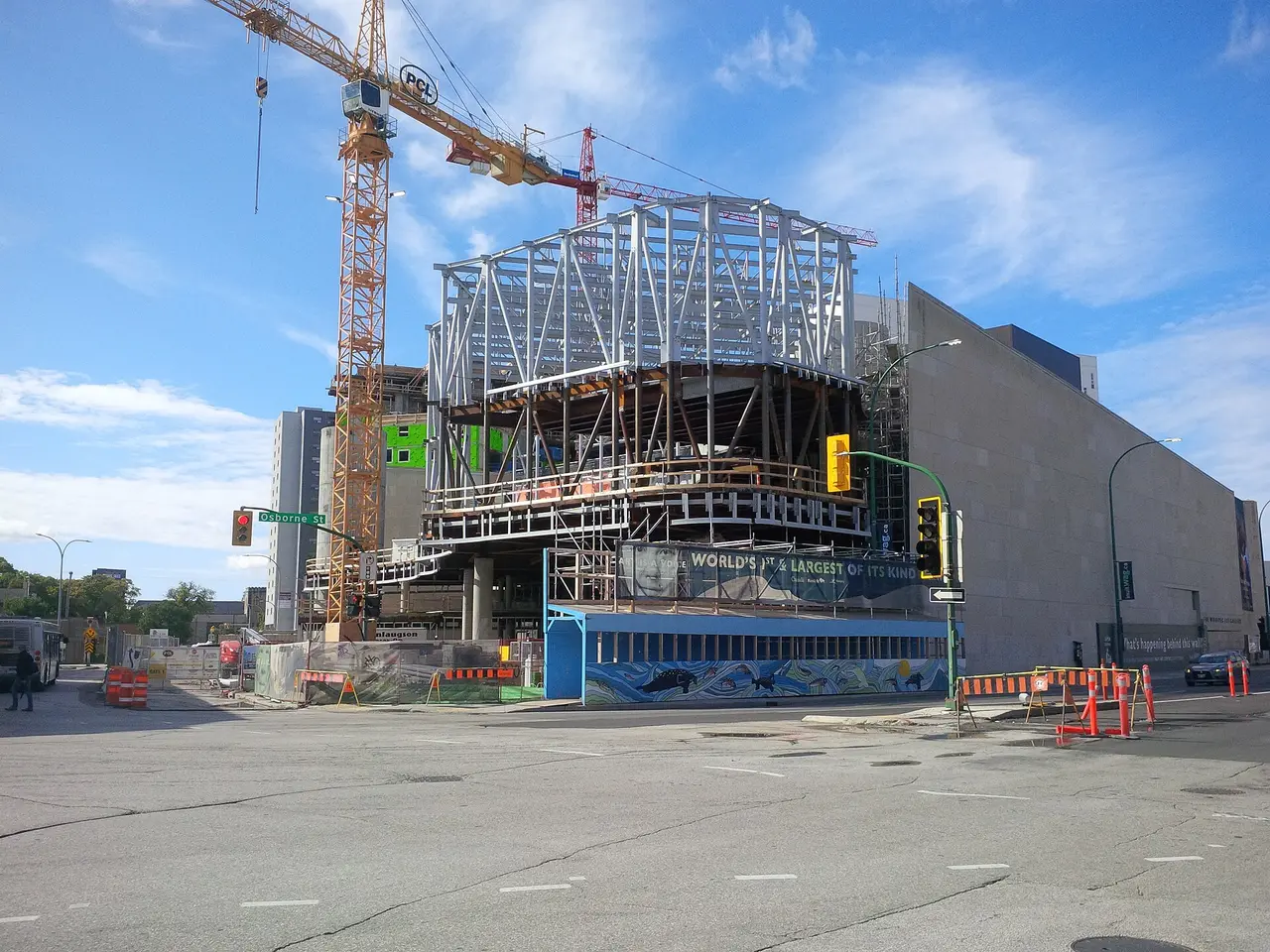
WAG-Qaumajuq: the Inuit art you can’t see anywhere else
Up by the legislature, a walk west from the Forks, the Winnipeg Art Gallery and its Qaumajuq wing hold what the gallery calls the largest public collection of contemporary Inuit art in the world: close to 14,000 pieces held in trust, part of it stacked in a glass vault you can look straight into from the lobby. Most of it will never hang on a wall, which is the point of the Visible Vault: the storage was designed to be looked at. Michael Maltzan’s white stone facade curves like a snowdrift and is worth a photo even if you don’t go in.
Adult admission is C$18, over-65s pay C$15, under-18s are free, and 18 to 24 year olds paid C$9 under the Canada Strong Pass from 19 June to 7 September 2026 (the regular rates apply again from 8 September 2026). It’s closed Monday and Tuesday, open 11:00-17:00 most days and 11:00-21:00 on Wednesdays, when the last four hours are free.
The Manitoba Museum and the Nonsuch
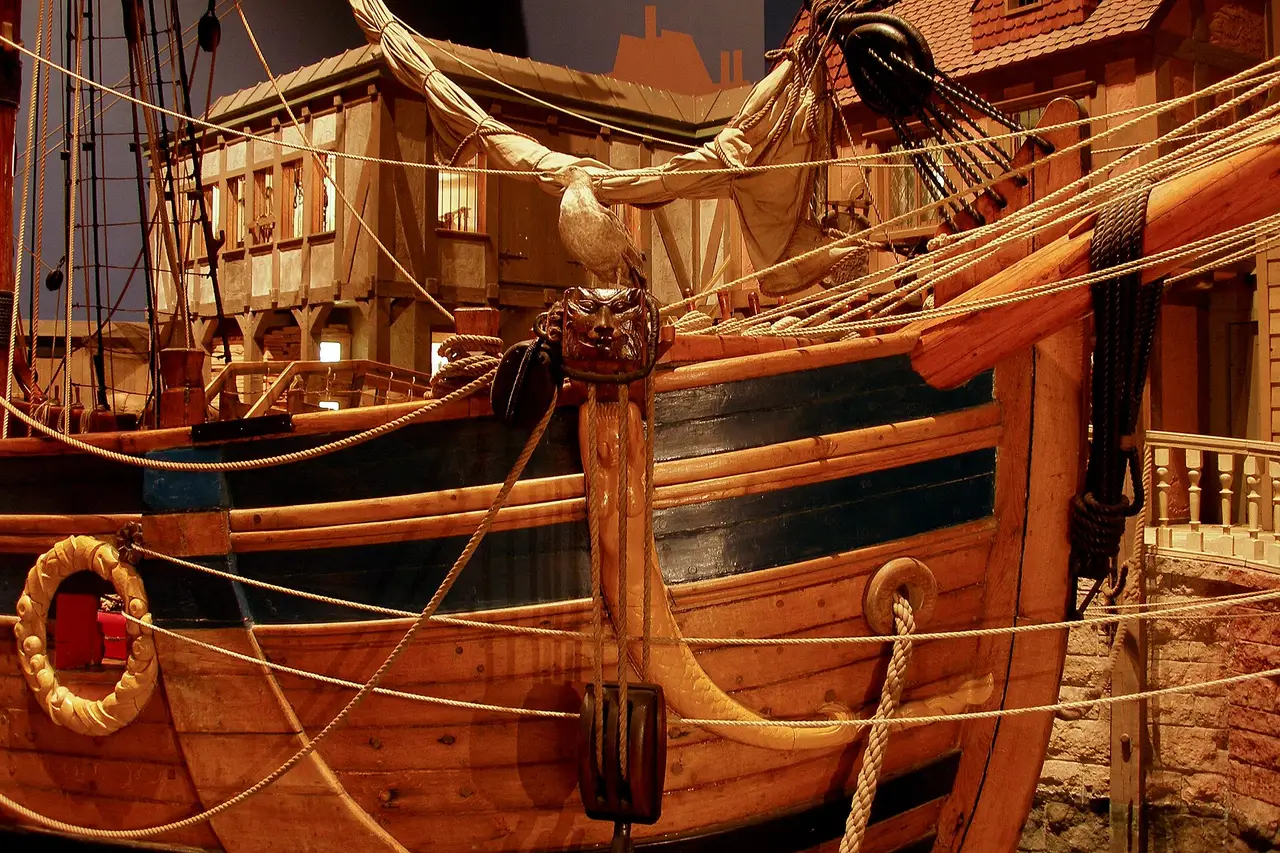
The city’s third museum is the old-fashioned kind, in the best sense: dioramas, a planetarium and a full-size replica of the Nonsuch, the 17th-century ketch that sailed into Hudson Bay in 1668 and came back with enough fur to get the Hudson’s Bay Company chartered two years later. The replica was built in England for the company’s 300th birthday, by shipwrights using period methods and hand tools, and trucked to Winnipeg in 1973. Then the museum built the gallery around it. It can’t be taken out again.
Walking around a wooden ship indoors in the middle of the prairies is a genuinely strange pleasure, and it grounds the fur-trade history the rest of the province keeps referring to - our Manitoba guide picks that story up outside the city. Hours and admission move: check manitobamuseum.ca before you go.
The Exchange District and the legislature
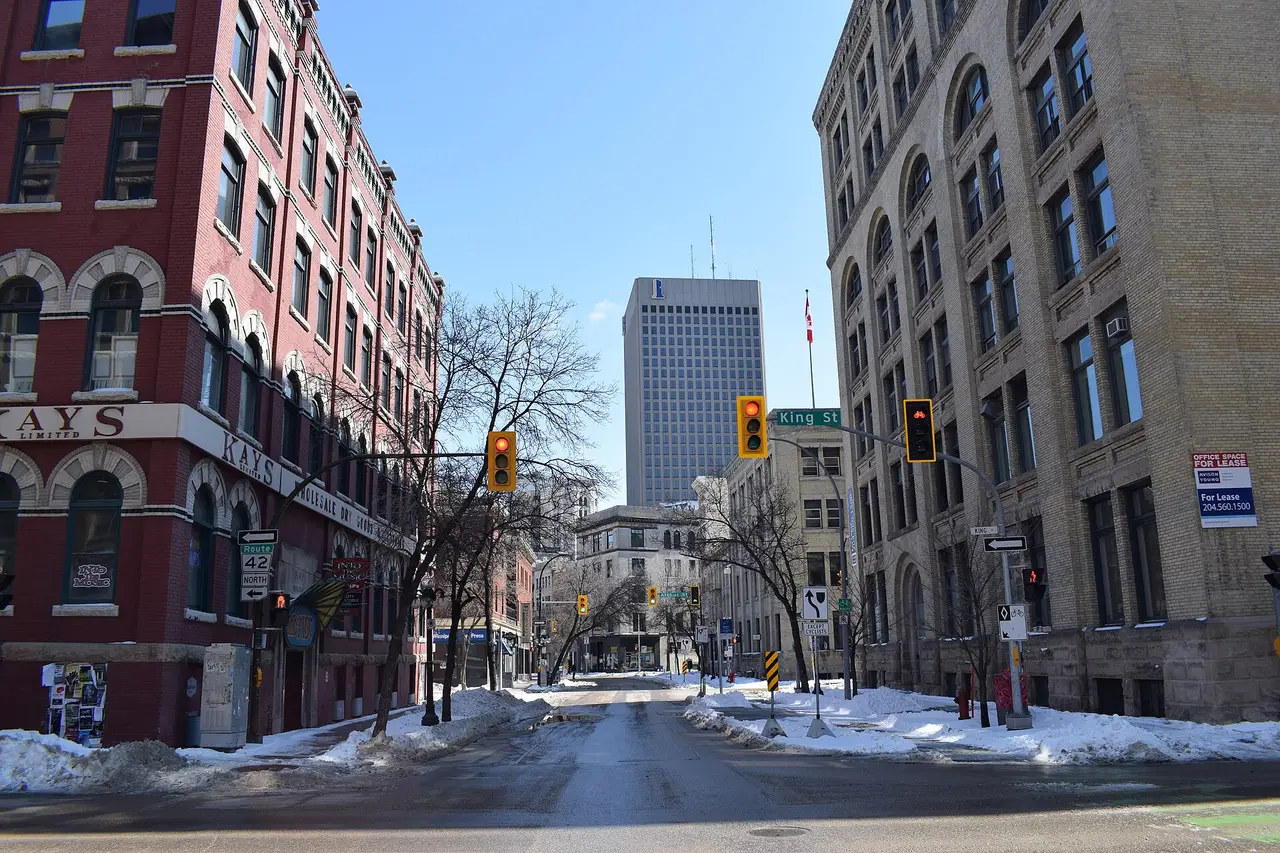
North of Portage Avenue, the Exchange District keeps some 150 banks and warehouses across twenty city blocks, put up between 1880 and 1913 when Winnipeg was the boom town of the West. It became a National Historic Site in 1997. Film crews use it constantly: the streetscape still reads as another century, with very little modern frontage to hide. It’s also where the good coffee, the theatres and a lot of the interesting restaurants are, an easy walk north from the Forks.
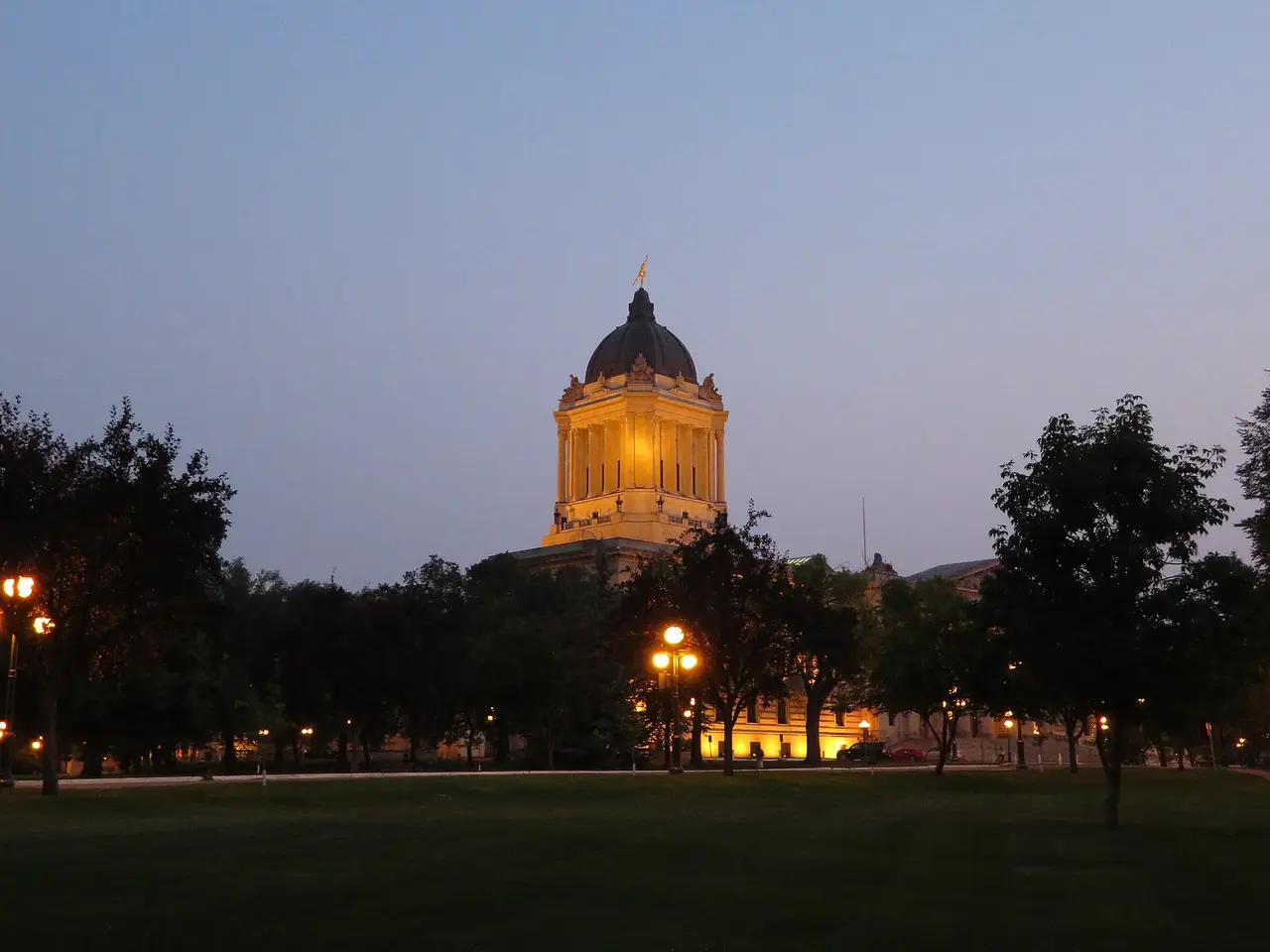
South-west of downtown, the Manitoba Legislative Building is a serious piece of neoclassical stone crowned by the gilded Golden Boy, and the architectural historian Frank Albo reads its decoration as a deliberate programme of classical and masonic symbolism. The privately run “hermetic code” tours built on that reading have become a local cult. You don’t need one to get inside. The building takes self-guided visitors 08:00 to 20:00 daily, and the province’s own tours are free: hourly 09:00-16:00 in summer (1 July to 7 September in 2026), Fridays at 14:00 the rest of the year.
St Boniface: the French side of the river
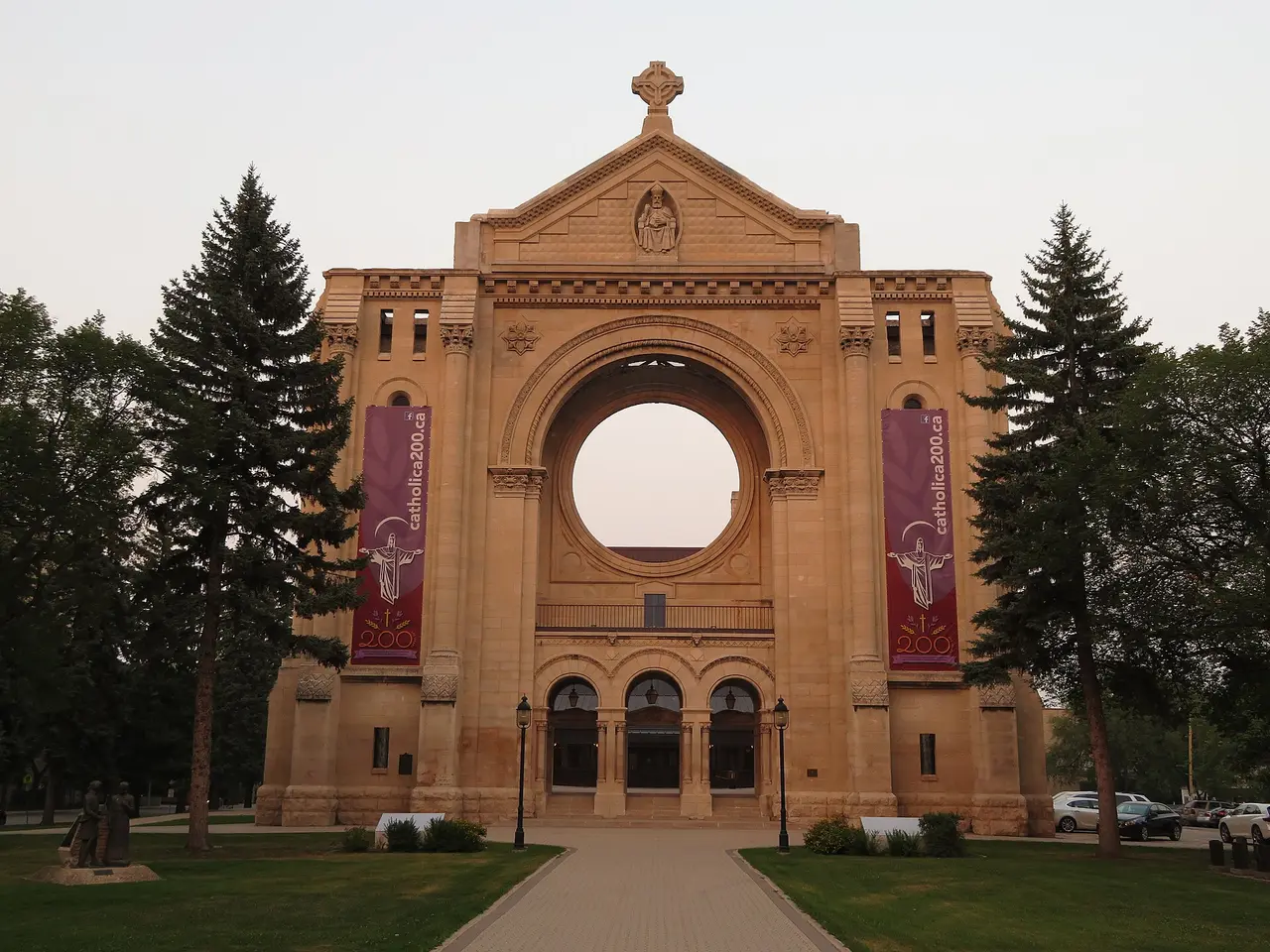
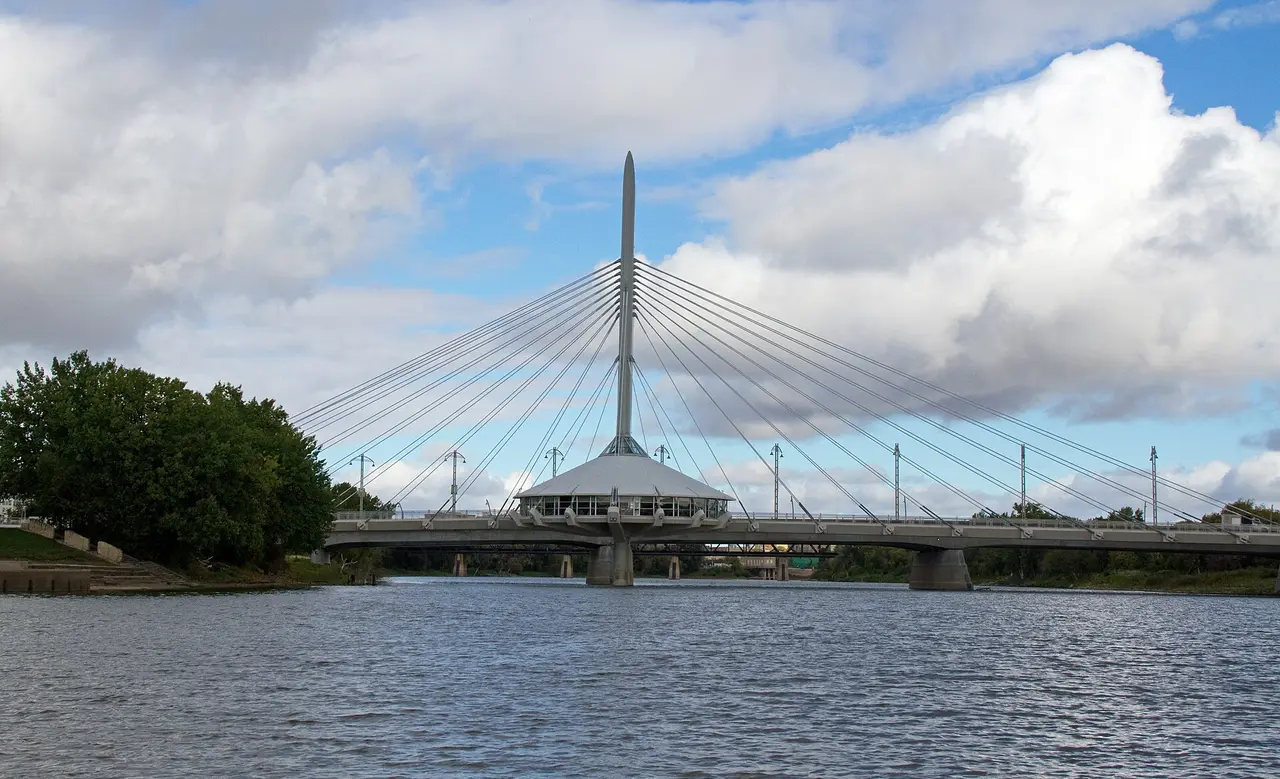
Cross the Red River on the Esplanade Riel, the white-masted pedestrian bridge with a restaurant space built into the middle of it, and you’re in St Boniface, generally reckoned the largest francophone community in Western Canada. Street signs switch to French and the bakeries sell tourtière. The centrepiece is the Saint-Boniface Cathedral, and it isn’t what you expect: the 1905-08 basilica burned on 22 July 1968, leaving the facade and outer walls standing, and a smaller church was built inside them in 1972. So you walk through a roofless ruin to reach a working cathedral. Louis Riel, the Métis leader who founded Manitoba and was hanged for treason in 1885, is buried in the churchyard in front of it.
Assiniboine Park and the zoo
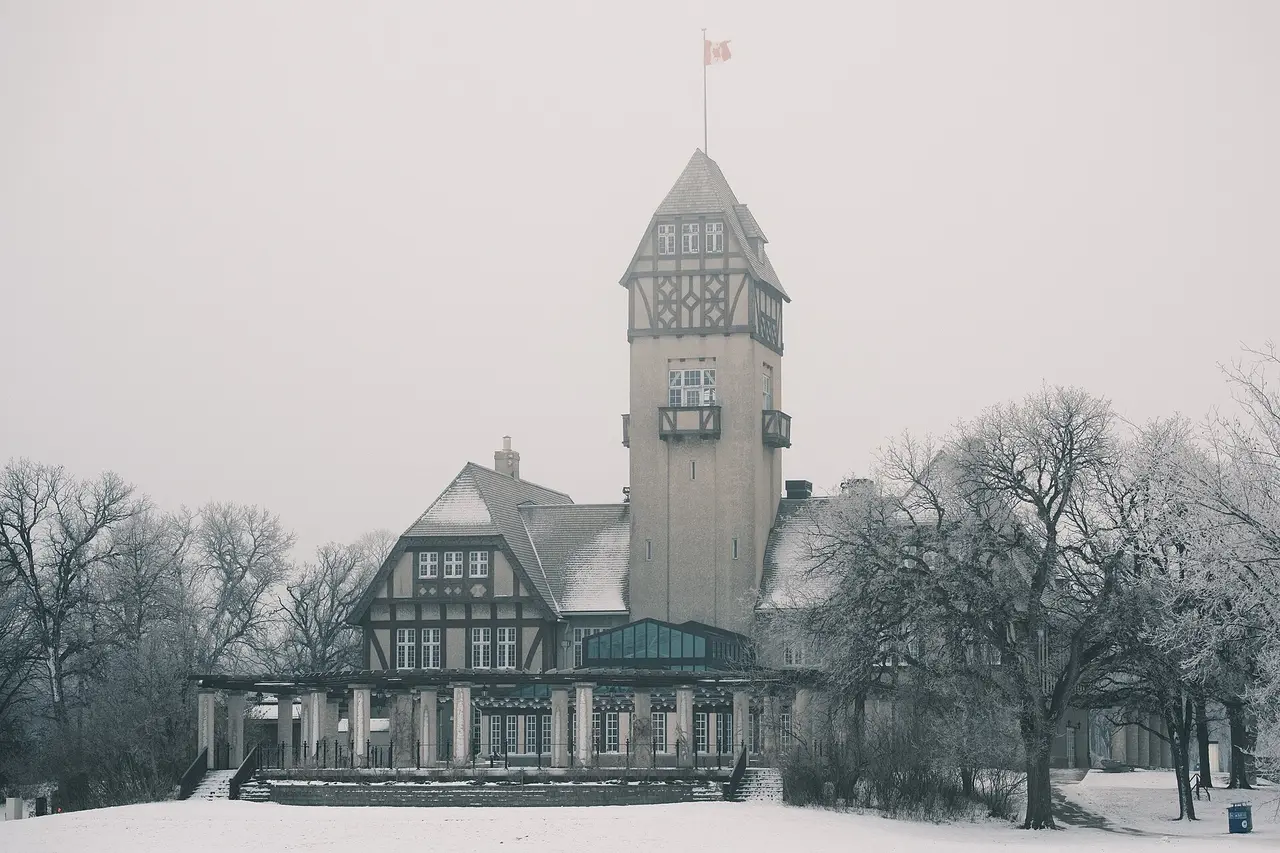
West of downtown, across the Assiniboine River, Assiniboine Park is the city’s back garden: an English garden, the Leo Mol sculpture garden and a grand old pavilion, all free to walk through. You’ll want a car or a bus to get out here. Two things inside it aren’t free.
The first is The Leaf, the indoor biome complex that replaced the park’s old conservatory: C$17.20 at the gate for adults, C$15.60 online, on time-and-date-specific tickets. The outdoor gardens around it stay free and open around the clock.
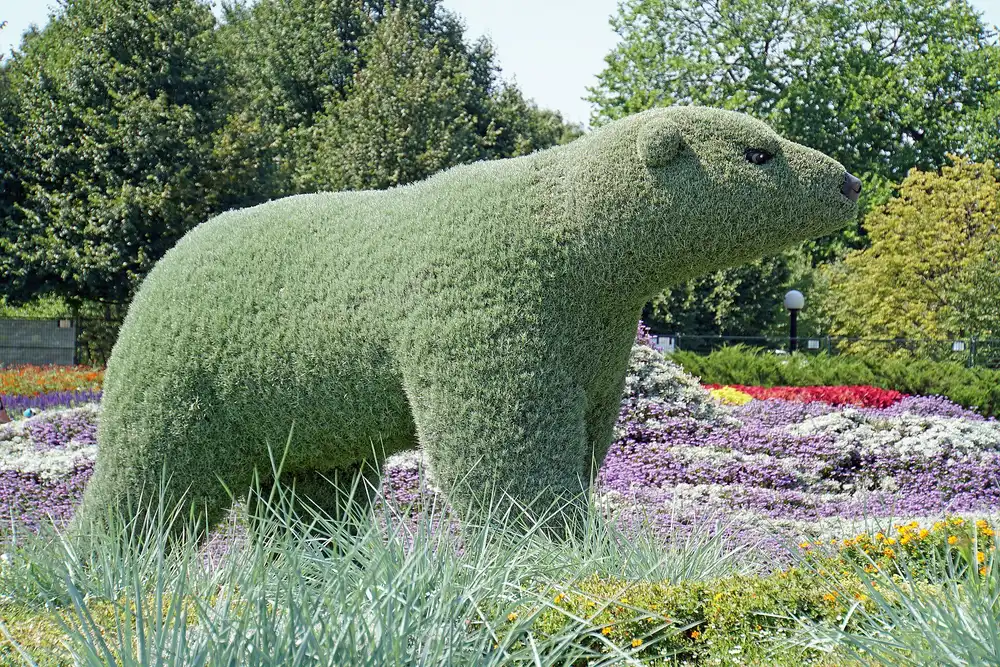
The second is the zoo, at C$25.70 at the gate for adults 18 to 59, or C$23.35 online, plus GST; seniors and students pay C$22.50 or C$20.45, and children 3 to 17 C$14.60 or C$13.25. It opens 09:00-17:00 daily with the gates closing at 16:30, so an afternoon arrival is tighter than it looks. What sets it apart is Journey to Churchill, an arctic exhibit built around polar bears. If you can’t get up to see Churchill’s polar bears in the wild, it’s the closest thing you’ll get, and a decent primer rather than a replacement if you can.
Time your visit to a festival
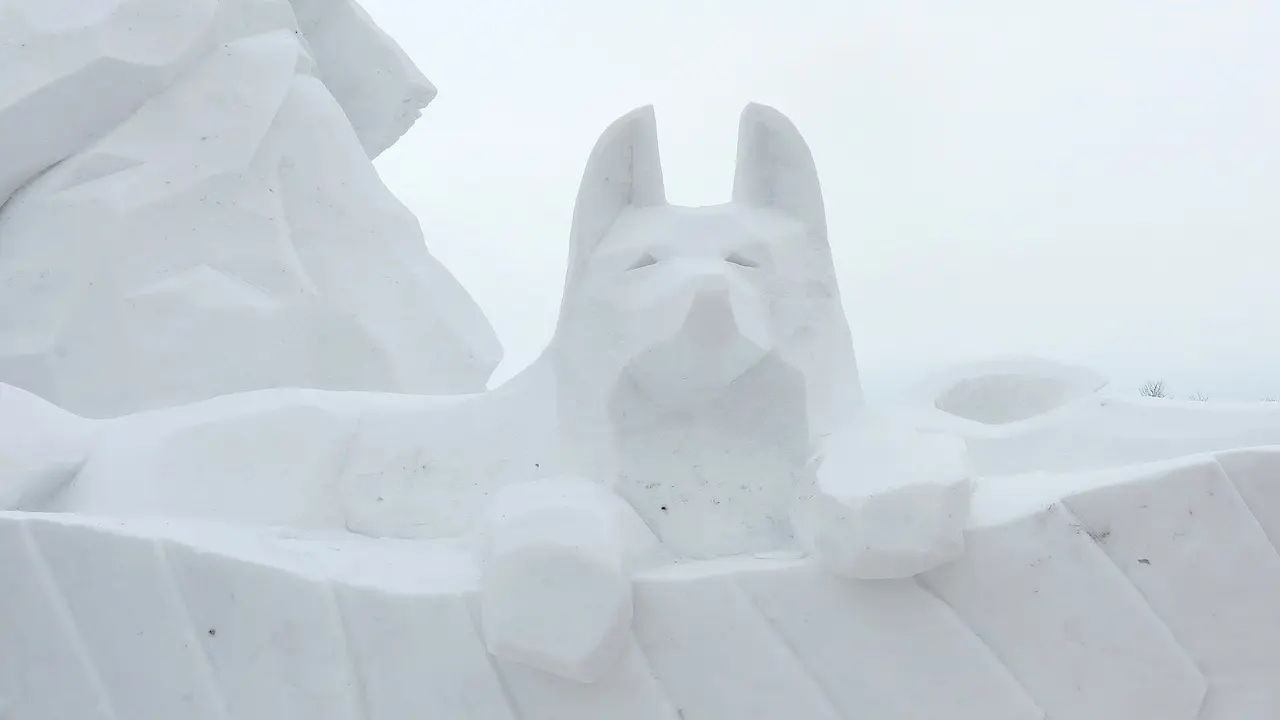
Two events are worth building a trip around, at opposite ends of the year. Folklorama runs 2 to 15 August 2026, its 55th edition, with about 45 ethno-cultural pavilions scattered across the city: you buy into pavilions rather than one venue, and each is a community putting on food, music and dance for two weeks. Festival du Voyageur takes over Voyageur Park in St Boniface from 12 to 21 February 2027, billed as Western Canada’s largest winter festival, all fur-trade history, snow sculpture, fiddle music and maple taffy poured onto snow at minus 25.
Where to stay and how to get around
Downtown near the Forks is the obvious base: market, museum and Exchange District on foot, St Boniface a footbridge away. Rooms out by the airport are cheaper and make sense only if you’re flying north early.
Winnipeg Transit is straightforward. A full-fare cash ride is C$3.45 in 2026, or C$3.10 with a peggo card, which itself costs C$5 once. Transfers are good for 90 minutes in any direction, including return trips, which quietly turns one fare into a short round trip. A 24-hour pass is C$11.45, and children 11 and under ride free with a fare-paying adult.
From Winnipeg Richardson International Airport (YWG), city buses run from 05:24 to 01:17 out of a terminal on the median outside Arrivals Level 1, near Door 3, with weekend and holiday variations. Taxis are handled by Unicity from the same door, under a City of Winnipeg maximum fare schedule that the airport doesn’t publish, so ask the driver what the trip should come to before you set off.
Check the bus route number on the day rather than trusting an old blog post. On 29 June 2025 Winnipeg Transit replaced almost every route in the city at once, the biggest change in 142 years of the service: around 1,700 stops removed, 460 added, the whole system renumbered. Anything written before that date is now wrong, and plenty of what’s online was.
Winnipeg as the gateway north
Nearly everyone who goes to Churchill passes through here, because there’s no other way to do it. No road reaches the town at all, so it’s either a flight north with Calm Air or VIA Rail’s twice-weekly train out of Union Station, timetabled at the better part of two days each way and laid out in our Canada by train guide.
That makes a night or two here less of a detour than it looks. Put the city at the front of a northern trip instead of treating it as a transfer, and you get the museums, a proper meal and a bed before a very long journey. What waits at the other end depends on the month: Churchill’s polar bears in October and November, or the beluga whales of July and August, covered in our guide to whale watching in Canada.
How long to stay, and when
Past three days it’s a base for the province rather than the point of the trip. On timing, don’t kid yourself about the cold. Winter here is severe by any standard, and the January version of this itinerary means the skating trail, a festival and a lot of time indoors. Summer is festival season and long prairie evenings; September and early October are the quiet sweet spot, with the museums empty and the light turning gold over the rivers.
Read also
- The province around the city: Manitoba travel guide
- What waits at the far end of the northern line: Churchill polar bears
- The train north from Union Station: Canada by train
- What the aurora needs, and why the north gets it: northern lights in Canada
- The dishes to look for on a prairie menu: Canadian food and what to try
On the map
The map loads on click - to keep the page lightweight.
The map didn’t load. Check your connection and refresh the page.
Admission and opening hours
- Admission price
- Canadian Museum for Human Rights: adult C$23, 18-24 C$11.50, student and senior C$18, youth 7-17 free; free the first Sunday of every month. WAG-Qaumajuq: adult C$18, 65+ C$15, under 18 free; free Wednesday nights 17:00-21:00. Assiniboine Park Zoo: adult C$25.70 at the gate, C$23.35 online, plus GST.
- Opening hours
- CMHR: closed Mondays, otherwise 10:00-17:00. WAG-Qaumajuq: closed Monday and Tuesday, Wednesday 11:00-21:00, Thursday to Sunday 11:00-17:00. Assiniboine Park Zoo: daily 09:00-17:00, gates close 16:30. The Forks Market: retail from 10:00, food hall until 22:00 or 23:00.
Prices and hours from the operators' own sites, checked 28 July 2026, and they change - confirm before you go.
Details checked: July 28, 2026
Read also

Cities · 11 min read
Regina: Legislature, RCMP Heritage Centre and Prairie Base
Verified · August 29, 2026Wascana Centre, the Legislature, the Mounties' only training depot and a free T. rex - what Regina actually rewards, plus the road to Saskatoon.

Cities · 10 min read
Whitehorse: Yukon Base for Aurora, Rivers and the Klondike
Verified · August 28, 2026Whitehorse in 2026: SS Klondike grounds open but boat closed, MacBride C$12, Beringia C$6, Miles Canyon and aurora season.

Cities · 9 min read
Things to Do in Saskatoon: River Valley, Wanuskewin & Skies
Verified · August 27, 2026Saskatoon in practice: Meewasin trails, Wanuskewin bison, Remai Modern by donation, and a prairie day trip to Riding Mountain.

Cities · 9 min read
Lunenburg: UNESCO Old Town Guide
Updated · September 2, 2026Old Town Lunenburg from Halifax: UNESCO grid of 1753, painted harbour, Fisheries Museum prices, Bluenose II, and when an overnight beats a day trip.