Canadian Food: What to Try
Canadian food is regional, not one cuisine: poutine, butter tarts, Nanaimo bars, the Halifax donair and bannock, and the real story of where each began.
Canadian food isn’t one cuisine but several regional ones stitched loosely together, and the surprise is how precisely the famous dishes can be dated: the butter tart to a 1900 cookbook in Barrie, the Nanaimo bar to 1952, poutine to the late 1950s, the Caesar to a Calgary hotel bar in 1969, the Halifax donair to a city-council vote in 2015. Learn where a handful of them actually come from and you can eat your way across the country with some idea of what you’re ordering and why it matters here.
The listicles that fill a search for Canadian food tend to mix the dishes into one undated heap. The more useful map is regional, because what defines dinner in Newfoundland has almost nothing to do with what defines it in Nanaimo, and the origin stories are better than the myths that have grown over them. Start with the five that genuinely stand for the country, then move province by province.
The five dishes that define the country
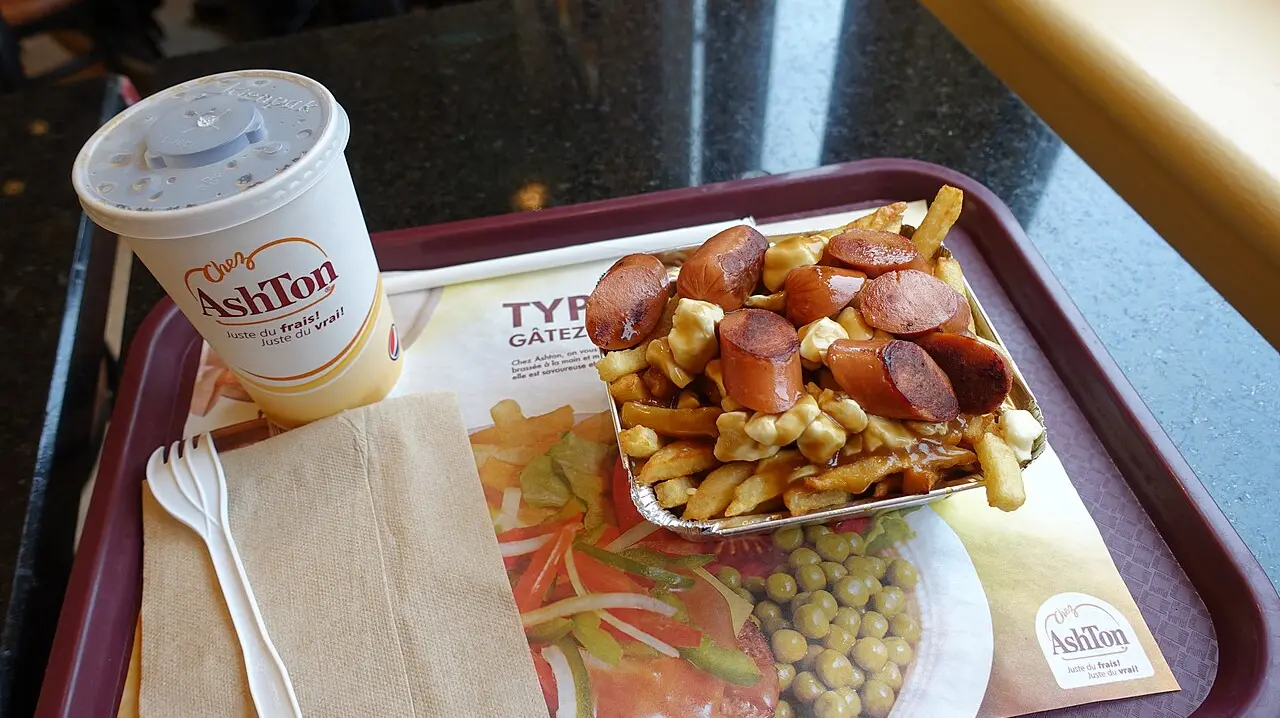
Poutine is the one everybody names, and its story is more specific than the myth. Fernand Lachance, at a restaurant in Warwick, Quebec, is credited with dropping cheese curds onto fries in 1957. The detail nobody mentions is the gravy: Lachance only started serving the dish on a plate in 1963, and poured on gravy to stop the fries going cold. The sauce came after the curds, for a practical reason. Drummondville claims its own inventor in 1964, and several towns still argue about it, but the honest summary is that poutine came out of rural Quebec around 1960. For the modern article, La Banquise in Montreal runs it around the clock with more than 28 versions, and Chez Ashton is the Quebec City chain to try it in.
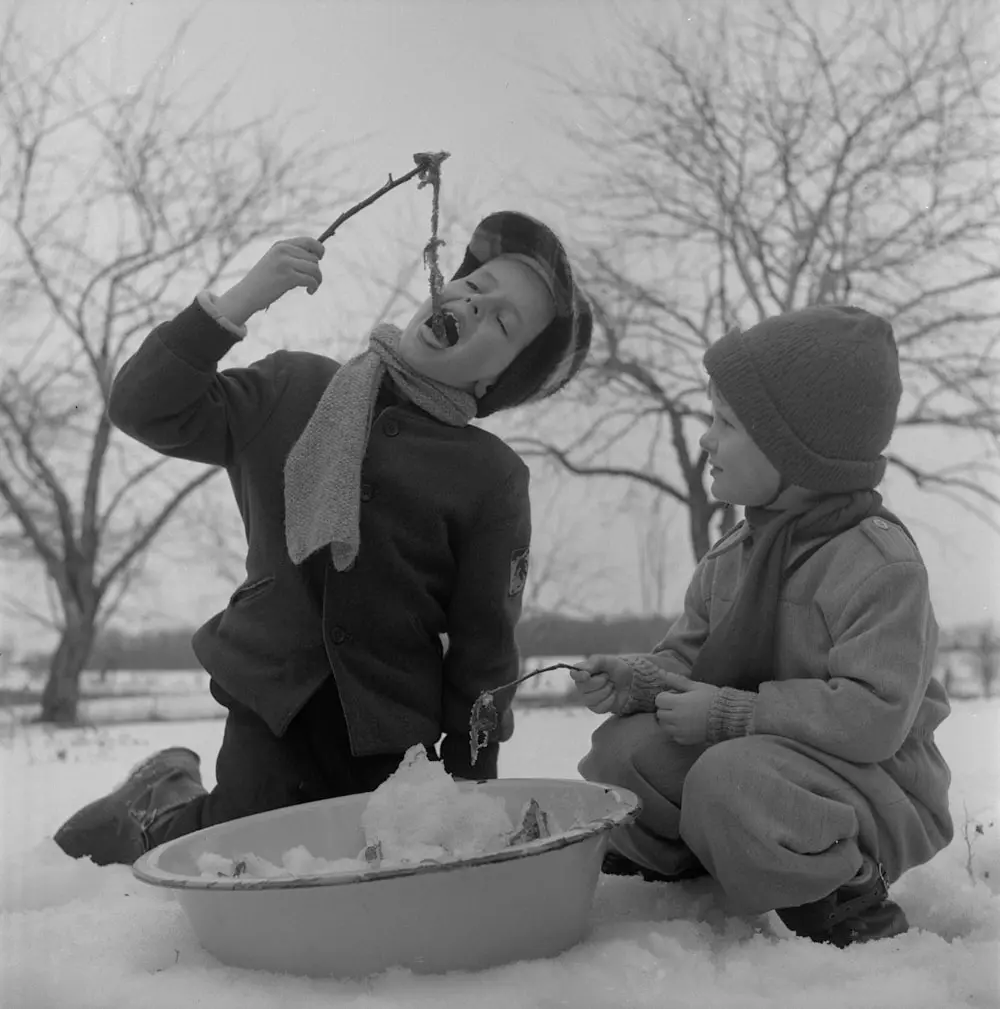
Maple syrup is an industry, not a souvenir. Canada made 18.9 million gallons in 2025, and Quebec alone produced 90% of it, with New Brunswick and Ontario a long way behind. Buy it in a tin from a producer rather than a gift shop, look for a grade label, and if you’re here in March, a sugar shack pouring hot syrup onto clean snow to set into taffy is the way Quebec actually eats it.
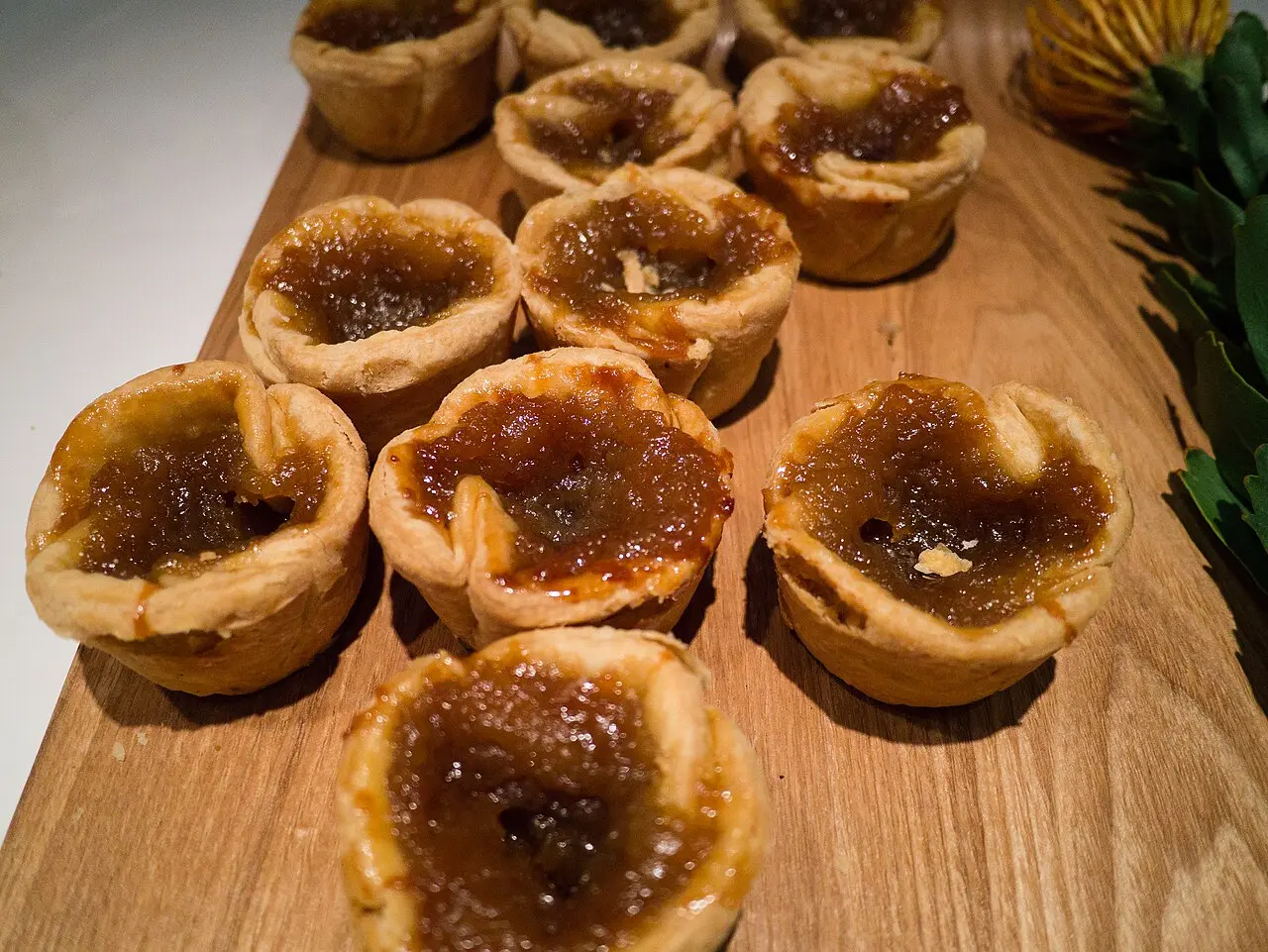
Butter tarts are Ontario’s, and the paper trail is unusually clear. The earliest known recipe was printed in a 1900 cookbook by the women’s auxiliary of the Royal Victoria Hospital in Barrie, submitted by a Mrs MacLeod. It settles the endless raisins-or-not argument in an unexpected way: the original called for currants, neither raisins nor plain. Look for a version with a runny, not set, centre.
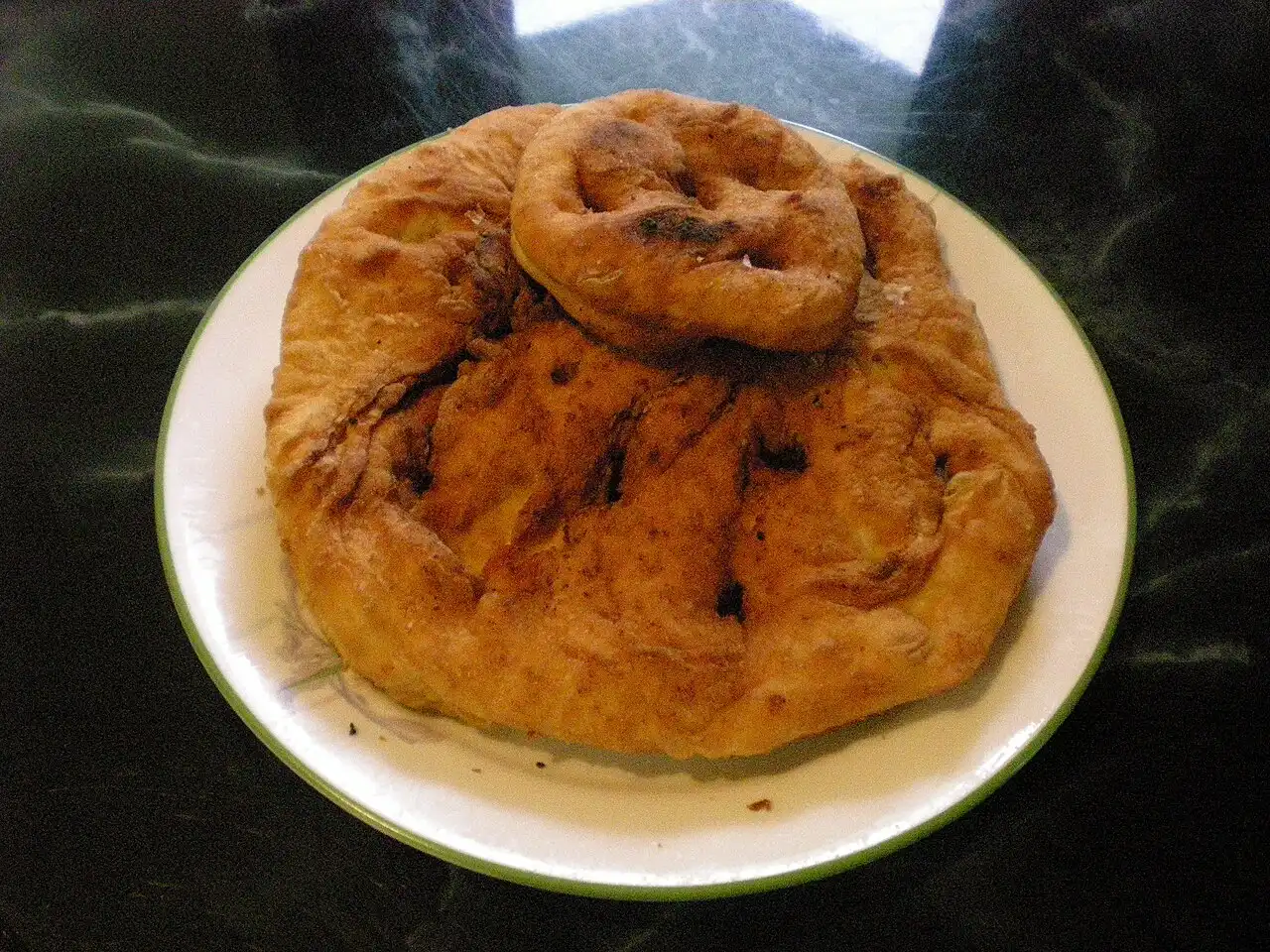
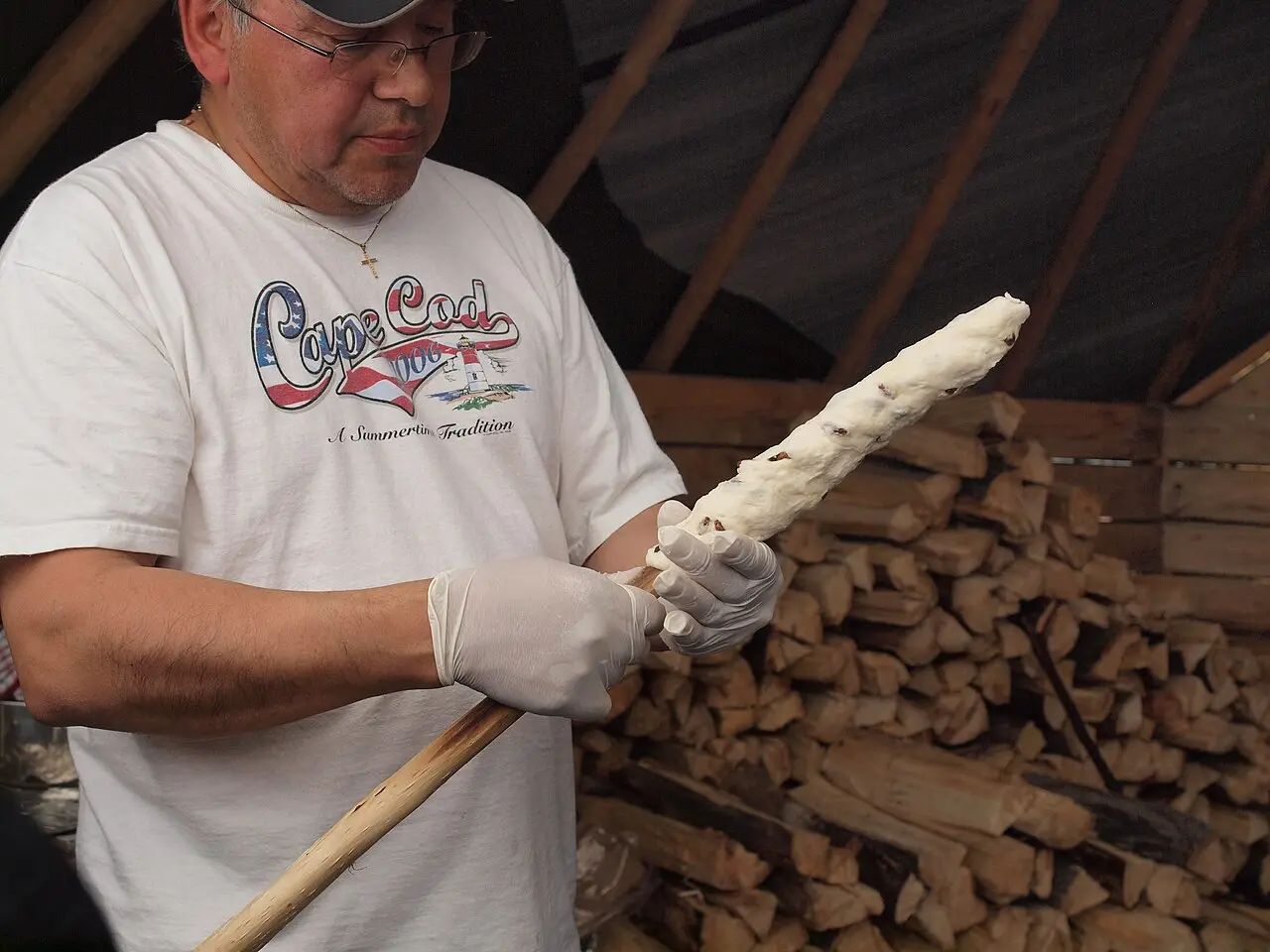
Bannock is where most food writing gets the history backwards. The version eaten across Canada today has a Scottish root, carried inland by fur traders and Selkirk settlers in the 1700s and 1800s and then adopted and reshaped by Indigenous peoples, many of whom have their own name for it: palauga to the Inuit, luskinikn to the Mi’kmaq, ba’wezhiganag to the Ojibwe. It’s not simply an ancient Indigenous bread, and it’s not simply Scottish either; the truth is the exchange between the two. Some nations also baked their own unleavened breads long before contact.
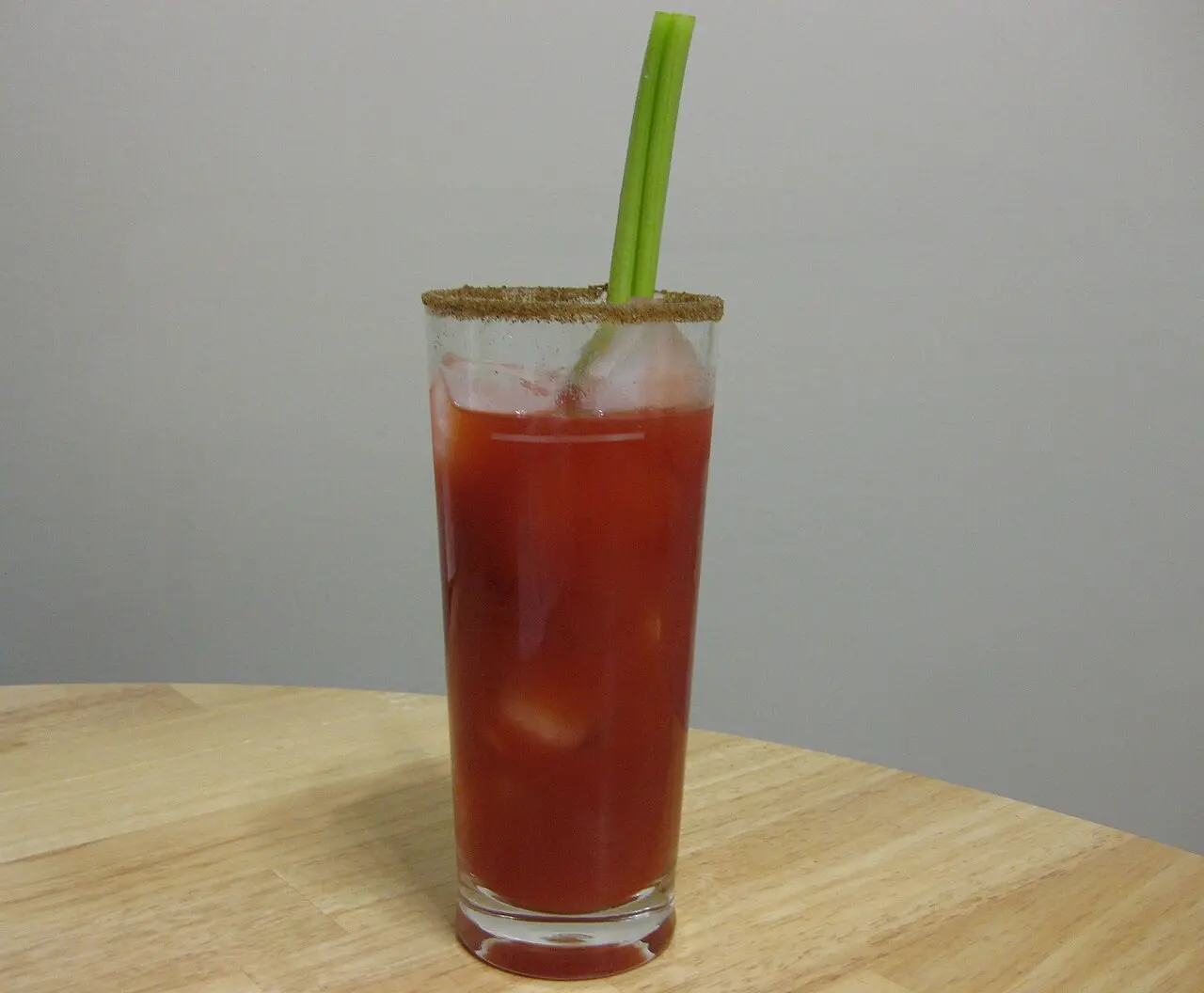
The Caesar is Canada’s own cocktail, and unlike the Bloody Mary it starts with clam. Walter Chell mixed the first one in Calgary in 1969, asked by the Calgary Inn to invent a drink for a new Italian restaurant, and spent three months working backwards from spaghetti alle vongole to get the clam nectar right. Vodka, tomato, that clam nectar, Worcestershire and a celery-salt rim; the same year, Mott’s put out canned Clamato and made it easy. Order one in Alberta, where it belongs, and read more in the Calgary guide.
Quebec: bagels, smoked meat and the meat pie
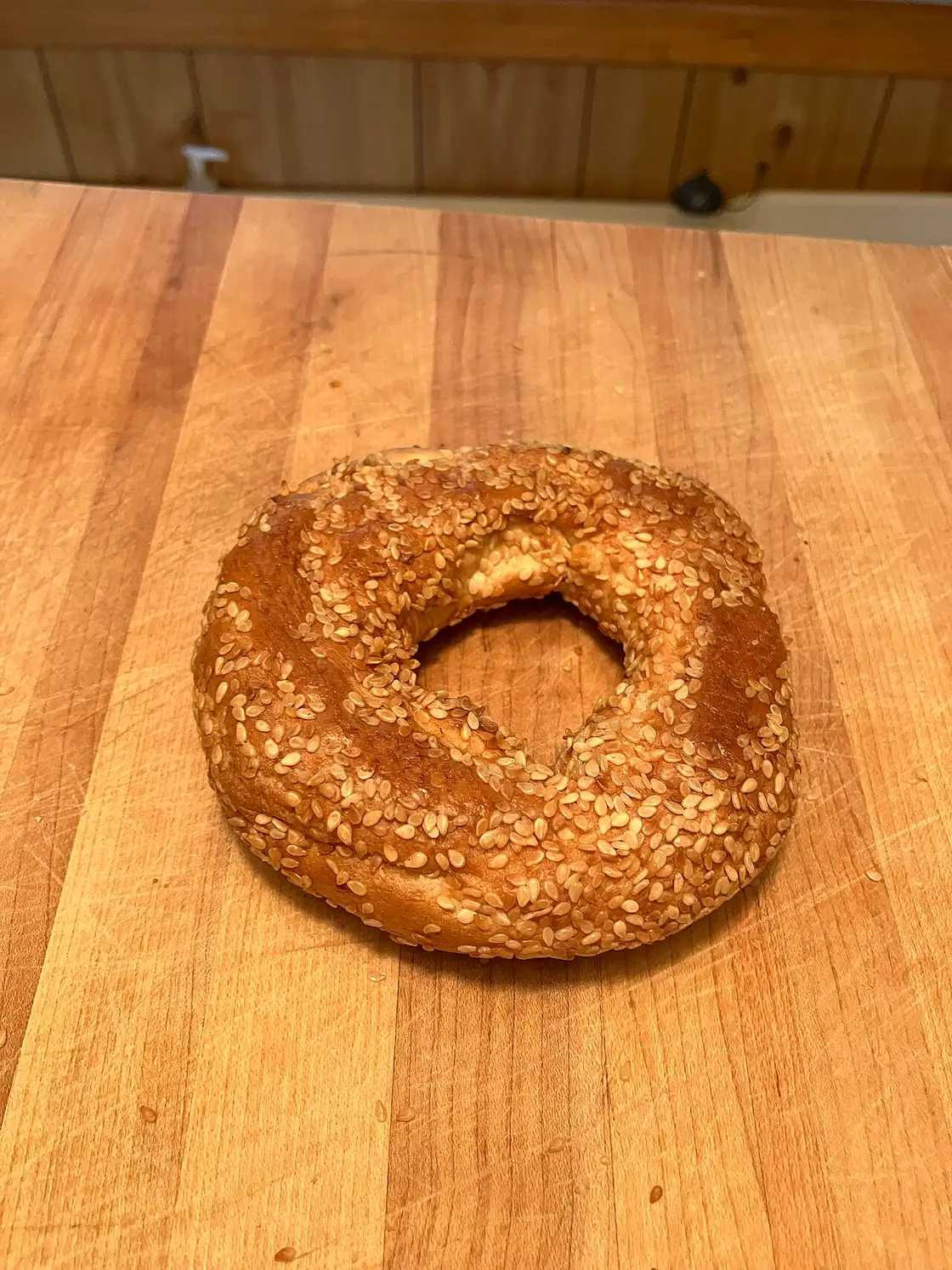
Montreal makes the other great North American bagel, and it’s a different animal from New York’s: smaller, denser, sweeter, hand-rolled, boiled in honey water and baked in a wood oven. The two shops that matter both have long histories, Fairmount Bagel from 1919 and St-Viateur from 1957, and the honest move is to eat one warm from the bag rather than argue about which is better.
Montreal smoked meat is the other landmark, cured brisket piled on rye, and Schwartz’s has served it since 1928. The one thing to know is that you can order it by fat content, from lean up to fat; medium is the safe, and better, answer. The wider walk through the Plateau and Mile End, bagel to smoked meat to late poutine, is laid out in the Montreal guide. In winter, tourtière appears everywhere, a meat pie of the Christmas Réveillon that splits into two schools: the deep, chunky Saguenay-Lac-Saint-Jean version and the flatter, ground-meat Montreal one.
Ontario: the peameal sandwich
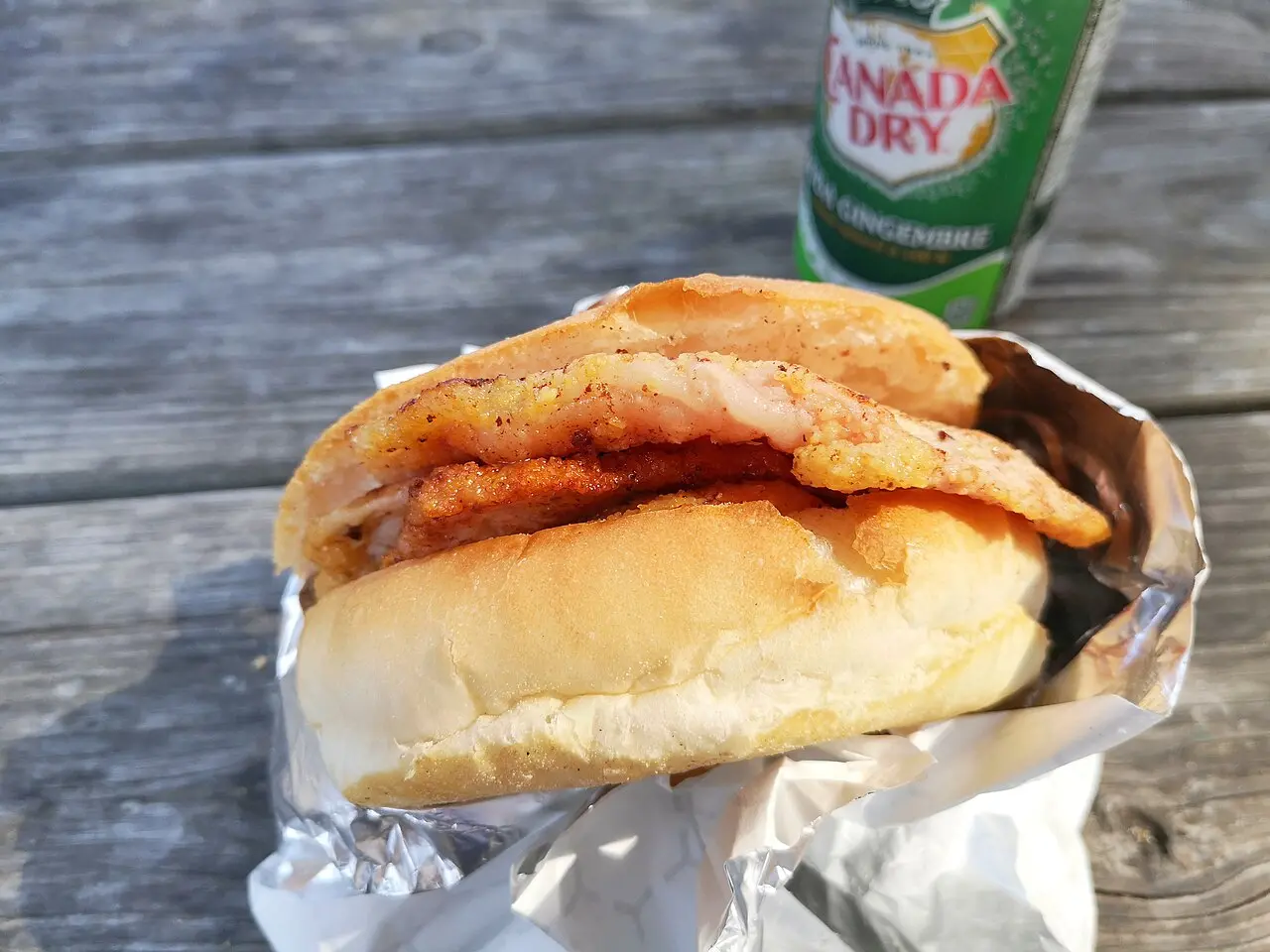
Ontario’s contribution to a market lunch is peameal bacon, boneless pork loin rolled in cornmeal, and its home is the St. Lawrence Market in Toronto, a public market trading since 1803, long before the present 1904 hall. The sandwich to get is at the counter that made it famous; the family who ran it for decades stepped back in 2025 and were handed the key to the city on the way out, and the new owners have kept the recipe.
British Columbia: the Nanaimo bar and the salmon
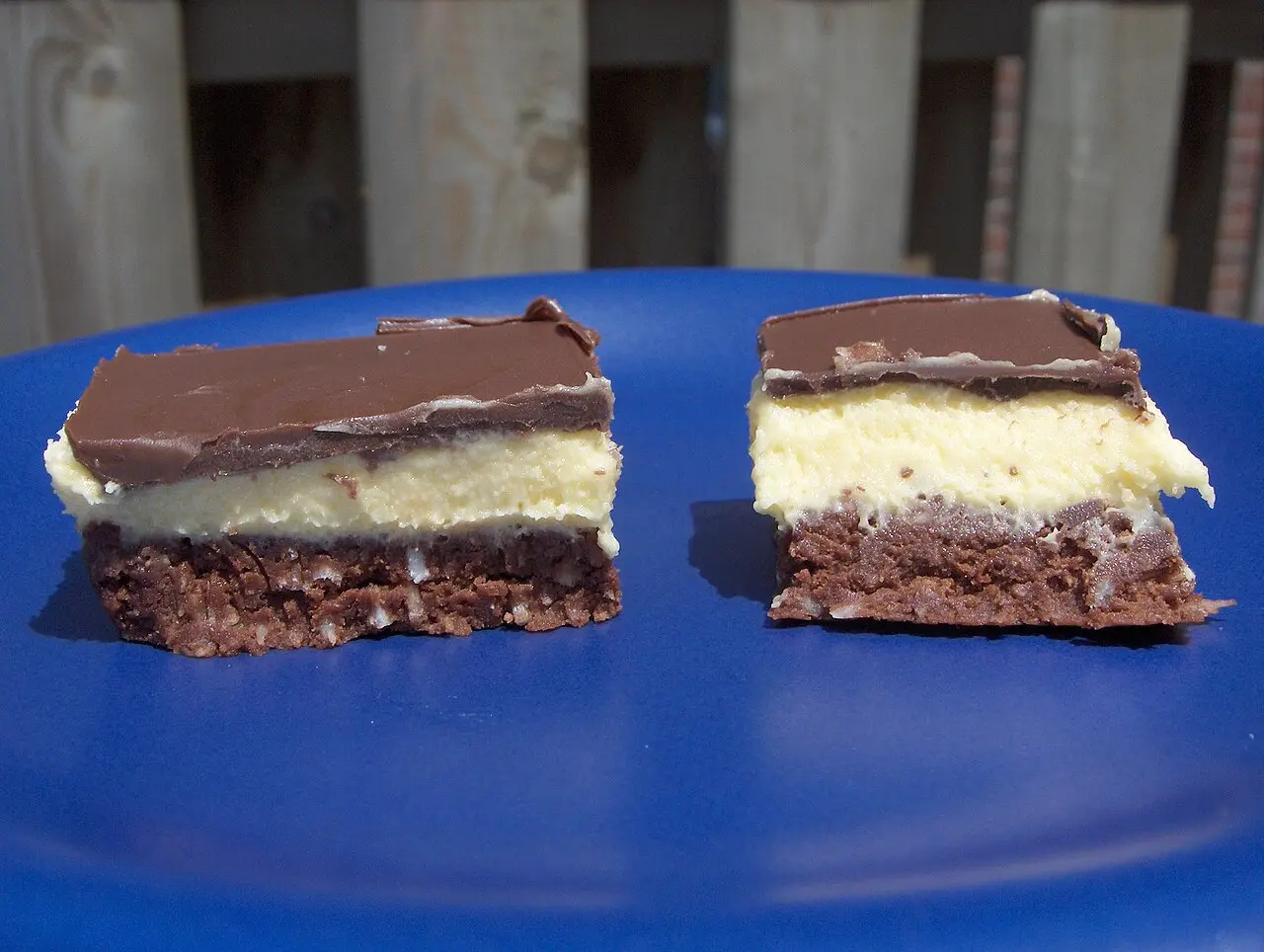
The Nanaimo bar is the province’s sweet: a no-bake three-layer square of crumb base, custard-flavoured middle and chocolate top, first written down in a 1952 hospital cookbook on Vancouver Island and named in print the year after. There’s a nice rhyme in that, since the butter tart came from the same kind of hospital women’s-auxiliary cookbook half a century earlier and a country away. The savoury side of British Columbia is salmon, wild and Pacific, at its best cedar-planked the way the coastal First Nations cook it, and worth a detour in the British Columbia guide and around Vancouver.
The Prairies and the North
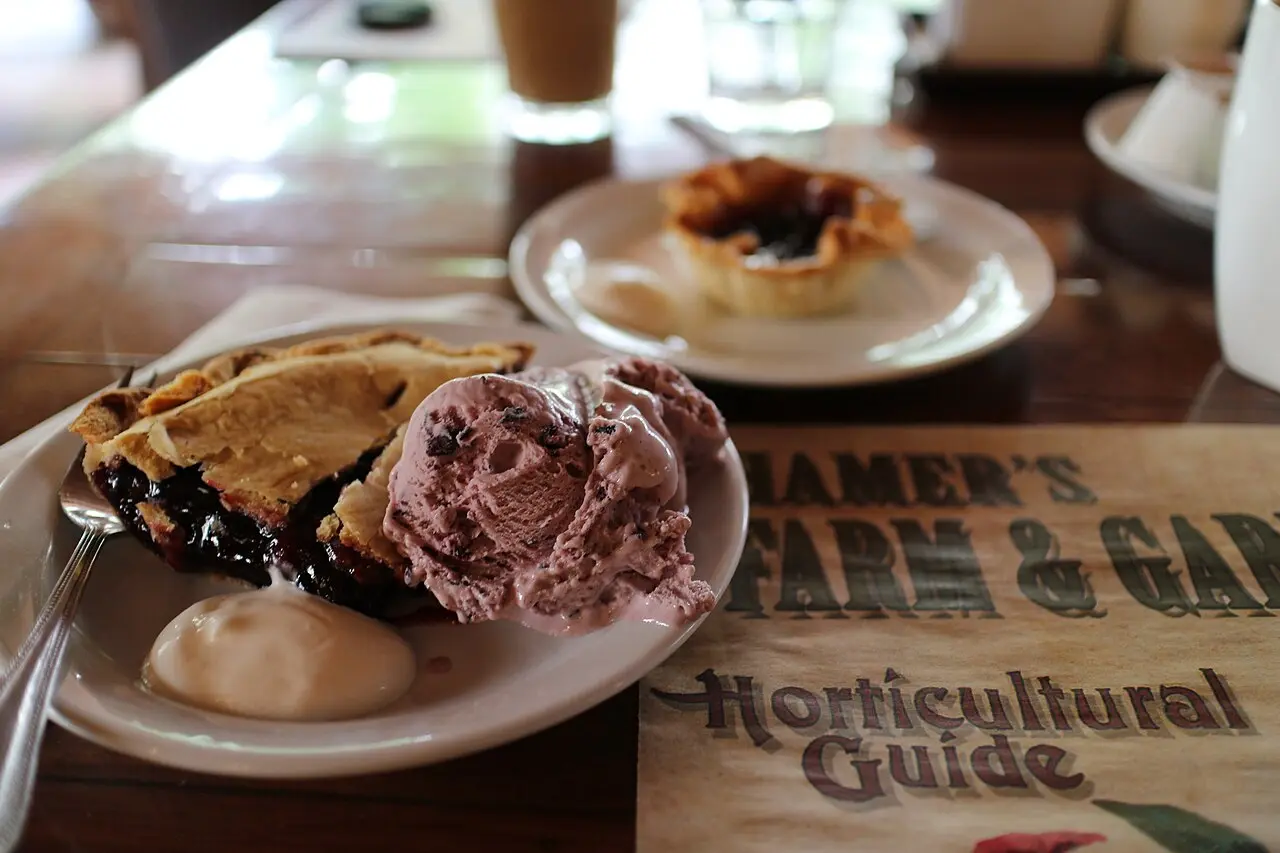
The Prairies grow the Saskatoon berry, Amelanchier alnifolia, which looks like a blueberry but tastes almondy and goes into pies and, in a neat loop, into butter tarts. Don’t read the name as a reference to the city; the city is named for the berry. Further north, in Yukon, the Northwest Territories and Nunavut, the plate turns to game, caribou and muskoxen and Arctic char, and to bannock again under its northern names. This is also the food you might eat on a winter trip chasing the northern lights.
Atlantic Canada: the donair, the lobster roll and Jiggs’ dinner
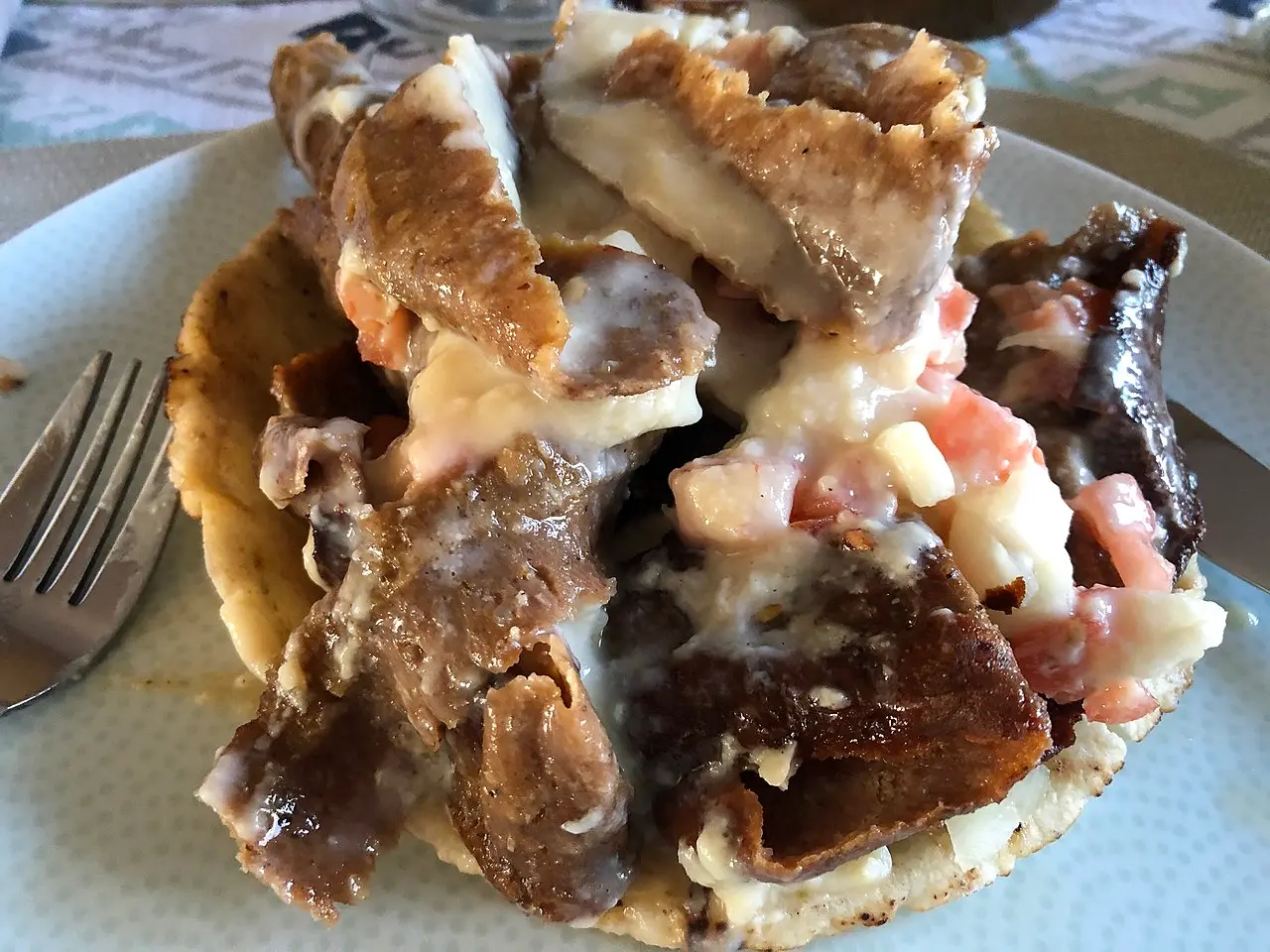
The east coast has the most local food identity of all, and the Halifax donair is the proof: spiced beef off a spit with a sweet, garlicky, condensed-milk sauce, a world away from a Turkish doner. It’s so local that in 2015 the city council voted it the official food of Halifax, on a tie broken by the mayor. King of Donair on Quinpool Road, going since 1973, claims to be the first donair shop in the country.
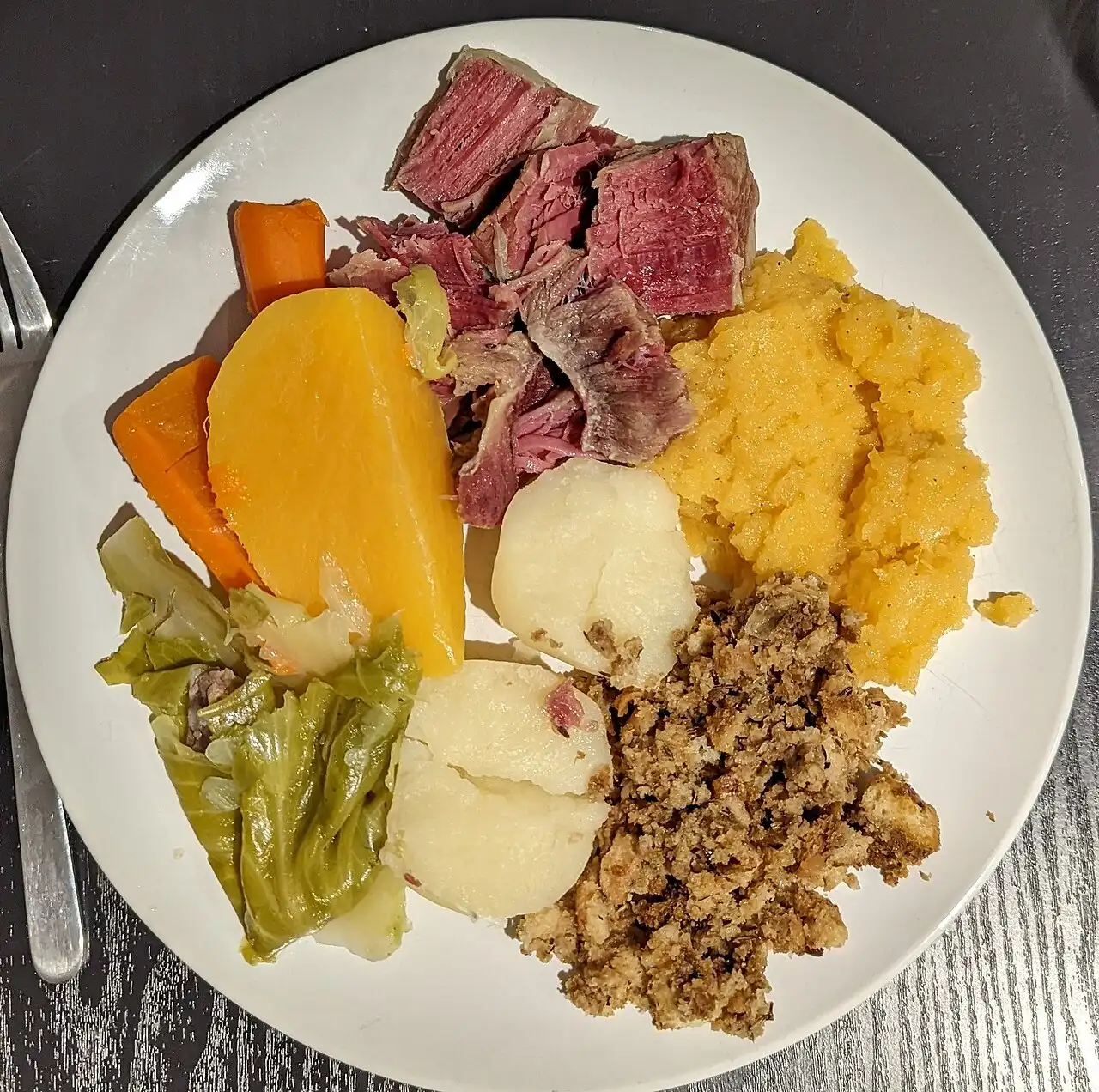
A Maritime lobster roll is the simple pleasure, the meat lightly dressed on a soft split bun, and worth ordering wherever it’s landed fresh. In Newfoundland the Sunday plate is Jiggs’ dinner, a boiled dinner of salt beef, cabbage, turnip, carrot, potato and pease pudding, named after a corned-beef-loving character in an old newspaper comic and rooted in the island’s Irish past.
How to tell a real recommendation from a listicle
If you want to eat well beyond the classics, three tools do the sorting, and each has a limit worth knowing. The MICHELIN Guide covers only three parts of Canada, Toronto, Vancouver and the province of Quebec, so a great restaurant in Halifax or Calgary isn’t un-starred, it’s simply outside the map; the 2026 Quebec list, announced in May, ran to 13 starred rooms. Canada’s 100 Best is a national ranking decided by 160 voters, each naming a personal ballot rather than an inspection, and topped in 2026 by Restaurant Pearl Morissette in Niagara wine country. Air Canada’s Best New Restaurants, the list once called enRoute, judges only places that opened inside a fixed recent window, which is why its 2025 number one, Mystic in Halifax, is a new name and not an old institution.
That framing is also why the addresses above are counters and delis rather than tasting menus. The best of Canadian food is cheap and specific, eaten standing up, and it rewards knowing the one true thing about each dish more than it rewards a star.
A few practical notes
Menu prices are quoted before tax and, in a sit-down place, before a tip of fifteen to twenty percent, so the number on the board isn’t the number you pay; tax rates differ by province, so check locally. Vegetarians do fine in the cities and can struggle in the rural east, where salt beef and seafood run deep. And if you’re planning the meals around a wider trip, the two-week Canada route threads most of these regions together, and visitors should confirm the Canada eTA rules before they book.
Read also
- Eat your way across the country: two weeks in Canada
- The Montreal food walk in full: things to do in Montreal
- Where the Caesar was born: things to do in Calgary
- The coast and its salmon: British Columbia travel guide
Read also

Food · 13 min read
Okanagan Valley: Wineries, Lakes & Kelowna
Verified · August 3, 2026Canada's biggest wine region, practically: 196 wineries, tastings you now book from C$80, BC's 0.05 driving rule and what the 2024 freeze changed.

Food · 9 min read
Montreal Food Guide: What to Eat and Where
Updated · July 24, 2026A Montreal food guide to where the icons are: St-Viateur and Fairmount bagels, Schwartz's smoked meat, La Banquise poutine and two great markets.

Car rental · 12 min read
Car Rental at Calgary Airport (YYC): Counters, Tires, Fees
Verified · October 22, 2026Renting a car at Calgary Airport (YYC): where the Rental Car Centre is, counter hours from 7 am, winter tire rules west of the city and return fees.

Car rental · 9 min read
Car Rental at Vancouver Airport (YVR): On-Site or Downtown
Verified · October 17, 2026Renting a car at Vancouver Airport (YVR): the eight on-site brands, off-airport shuttles, downtown branch hours and how the BC winter-tire rule works.