
Montreal Food Guide: What to Eat and Where
A Montreal food guide to where the icons are: St-Viateur and Fairmount bagels, Schwartz's smoked meat, La Banquise poutine and two great markets.
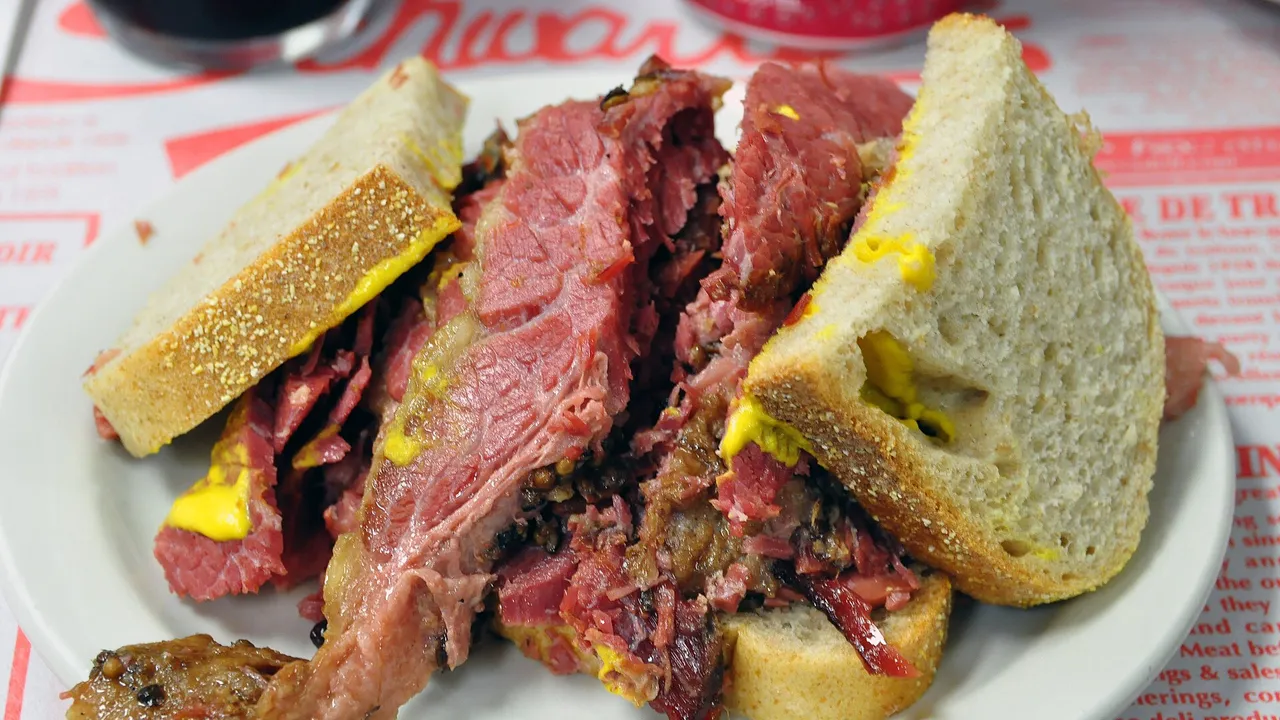
Three things make a Montreal food trip: a bagel in the Mile End, a smoked meat sandwich at Schwartz’s, and a late-night poutine, with a morning at one of the two big markets to round it out. This is a guide to where those icons actually are and how to order them like you’ve done it before, not an explainer on what poutine is; for the history of each dish, the Canadian food guide does that job.
The mistake visitors make is treating Montreal food as a checklist of forty addresses. It’s really a short list of institutions plus two markets and two eating streets, and the useful knowledge is the small stuff: which bagel shop keeps late hours, how to ask for your smoked meat, and which places still want cash. Get those right and you eat well for very little money, standing up, the way the city actually eats.
The Montreal bagel, and the Mile End bagel war
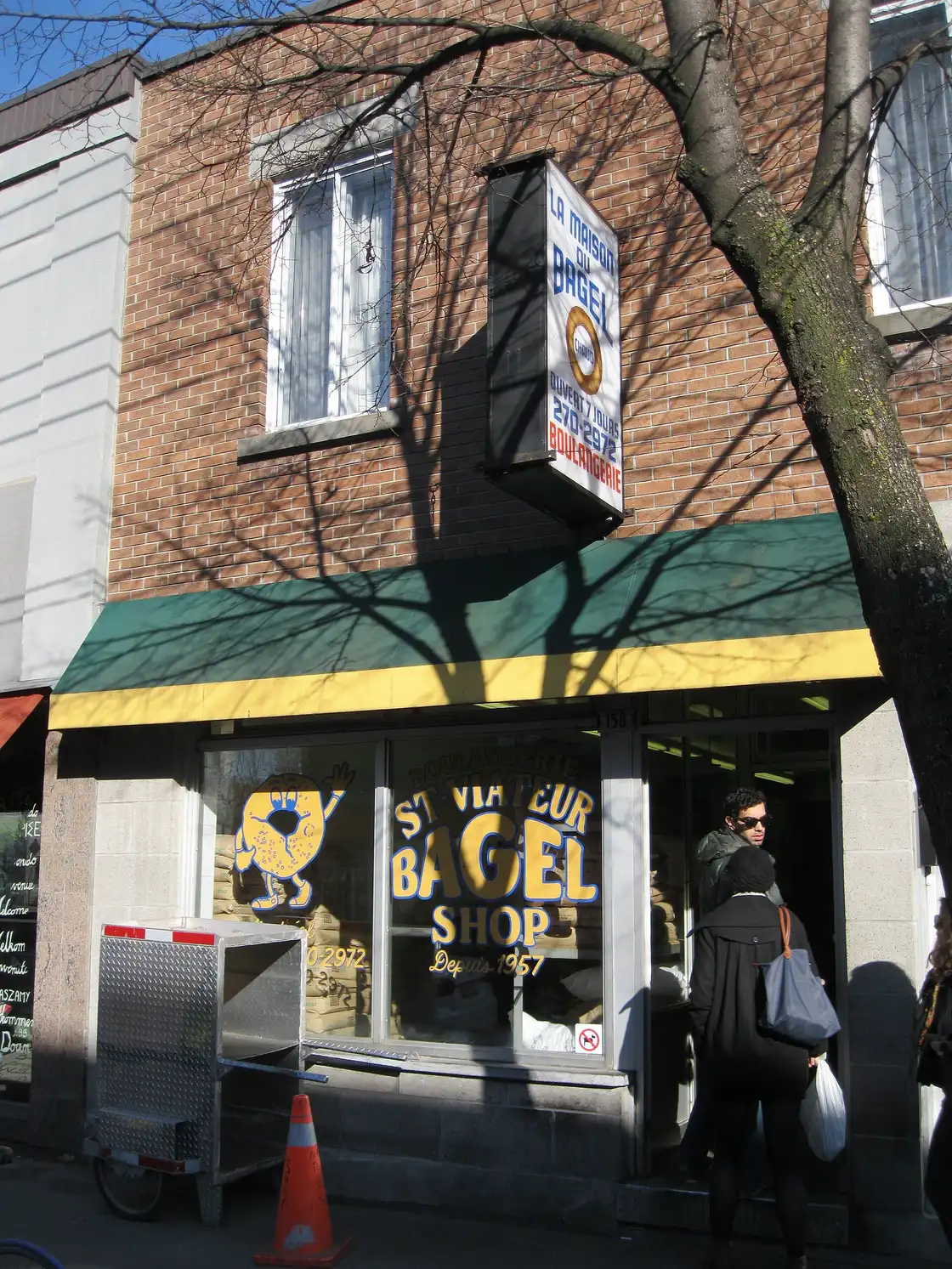
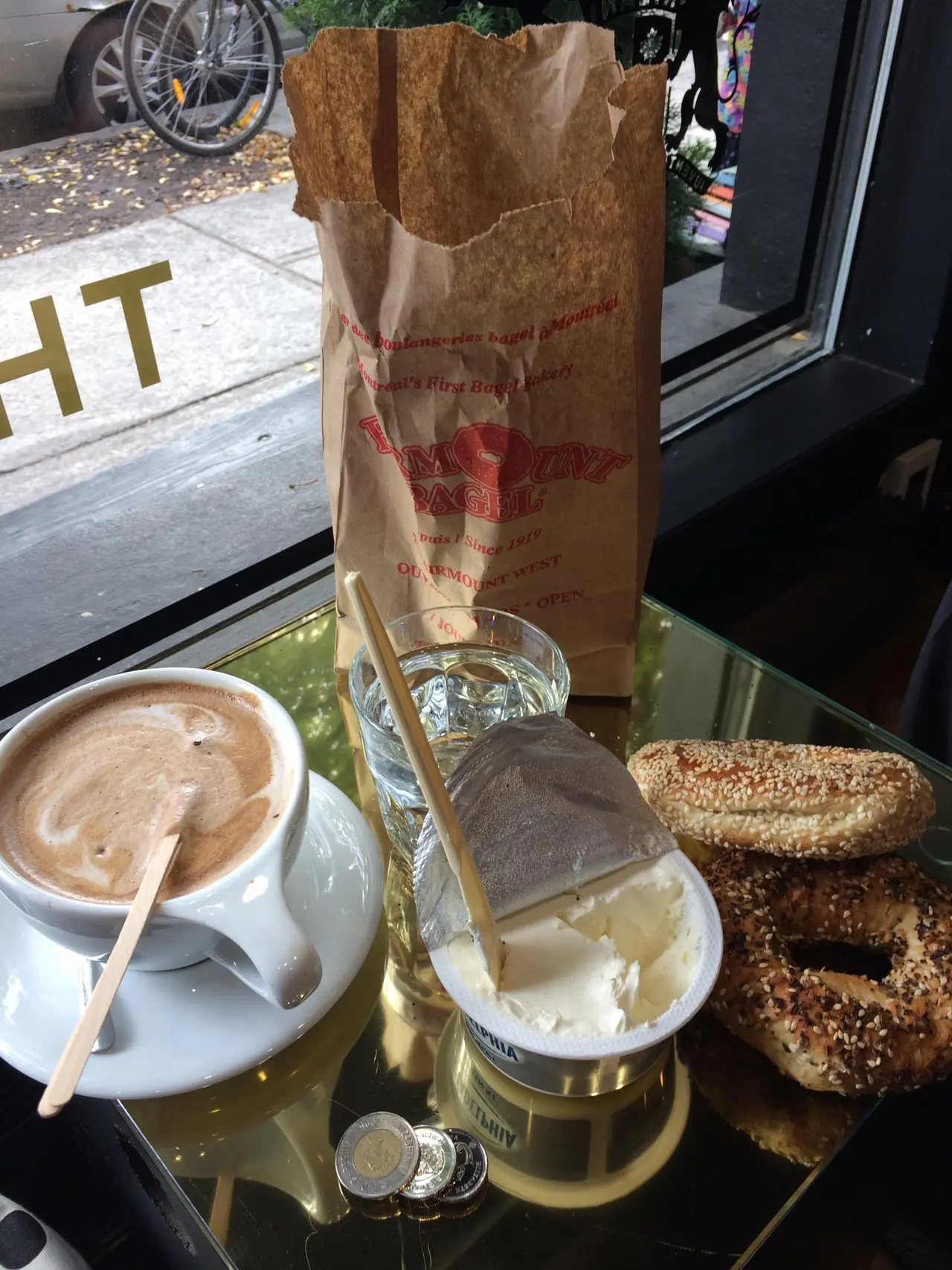
The Montreal bagel is its own thing, and the argument over the best one is a genuine neighbourhood rivalry played out over two shops a five-minute walk apart in the Mile End. Fairmount Bagel, going since 1919, and St-Viateur, since 1957, both hand-roll, boil in honey water and bake in a wood-fired oven, and locals hold their loyalties like a religion. The honest answer to which is better is that you shouldn’t choose: buy a half-dozen at each, eat one warm from the bag on the sidewalk, and compare sesame against poppy while they’re still hot. Cold, a day later, the magic is gone.
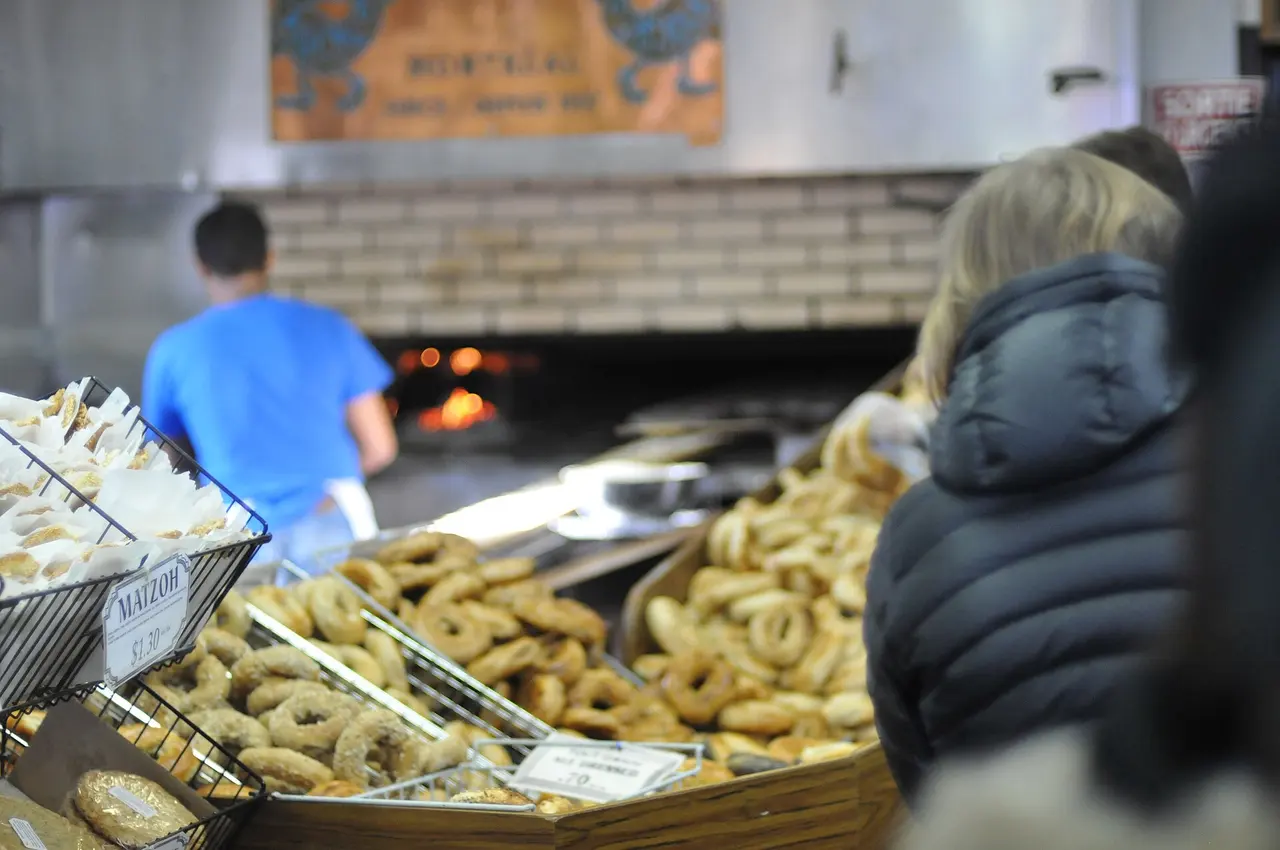
A couple of practical notes save you trouble. St-Viateur’s flagship on rue Saint-Viateur runs from early morning until around midnight, which is late but, despite what some guides say, not 24 hours; the round-the-clock place in this guide is the poutine counter further on. Bring cash or small notes, do not expect a sit-down brunch (these are takeaway counters, not cafes), and order more than you think you need, because a warm Montreal bagel disappears fast.
Smoked meat: Schwartz’s, and how to order it
Schwartz’s Deli on Boulevard Saint-Laurent has been cutting Montreal smoked meat since 1928, and it’s the one address that earns its queue. Here’s the useful part, since the menu does not spell it out: order a smoked meat sandwich “medium.” The meat is cut by hand and sold by fat content, from lean to fat, and medium is the balance that made the place famous; lean is drier than you want. It comes with a pickle and mustard on rye, and the classic sides are fries and a black cherry soda. If the line out the door is too long, there’s a takeaway counter next door that skips the wait.
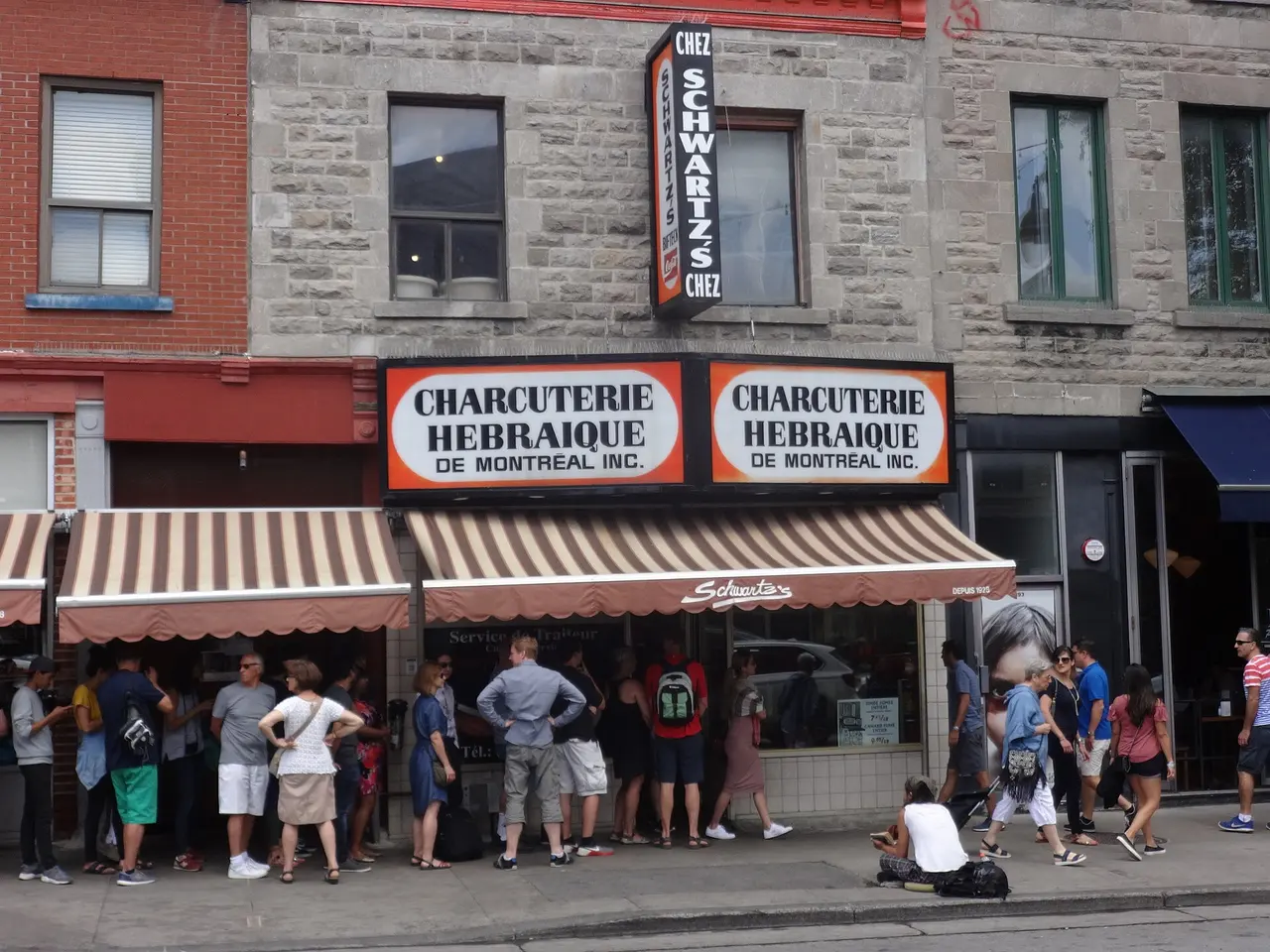
One thing to get straight: Montreal smoked meat isn’t New York pastrami. The cure and the spicing are different, and calling it pastrami in Montreal marks you out as a tourist. Schwartz’s is the icon, but it is not the only good deli in town, and old hands will send you to Lester’s or Snowdon Deli for a quieter version of the same thing. The sandwich is the same idea everywhere: cured brisket, rye, mustard, no fuss.
Poutine: the 3 a.m. plate and the foie gras version
Poutine in Montreal splits neatly into two experiences, and you can have both. La Banquise, near Parc La Fontaine in the Plateau, is the people’s version: open 24 hours, more than 28 combinations on the board, and the default destination for a plate at the end of a night out. Go for a classic first, then judge whether you really need one topped with bacon, sausage and a fried egg at two in the morning.
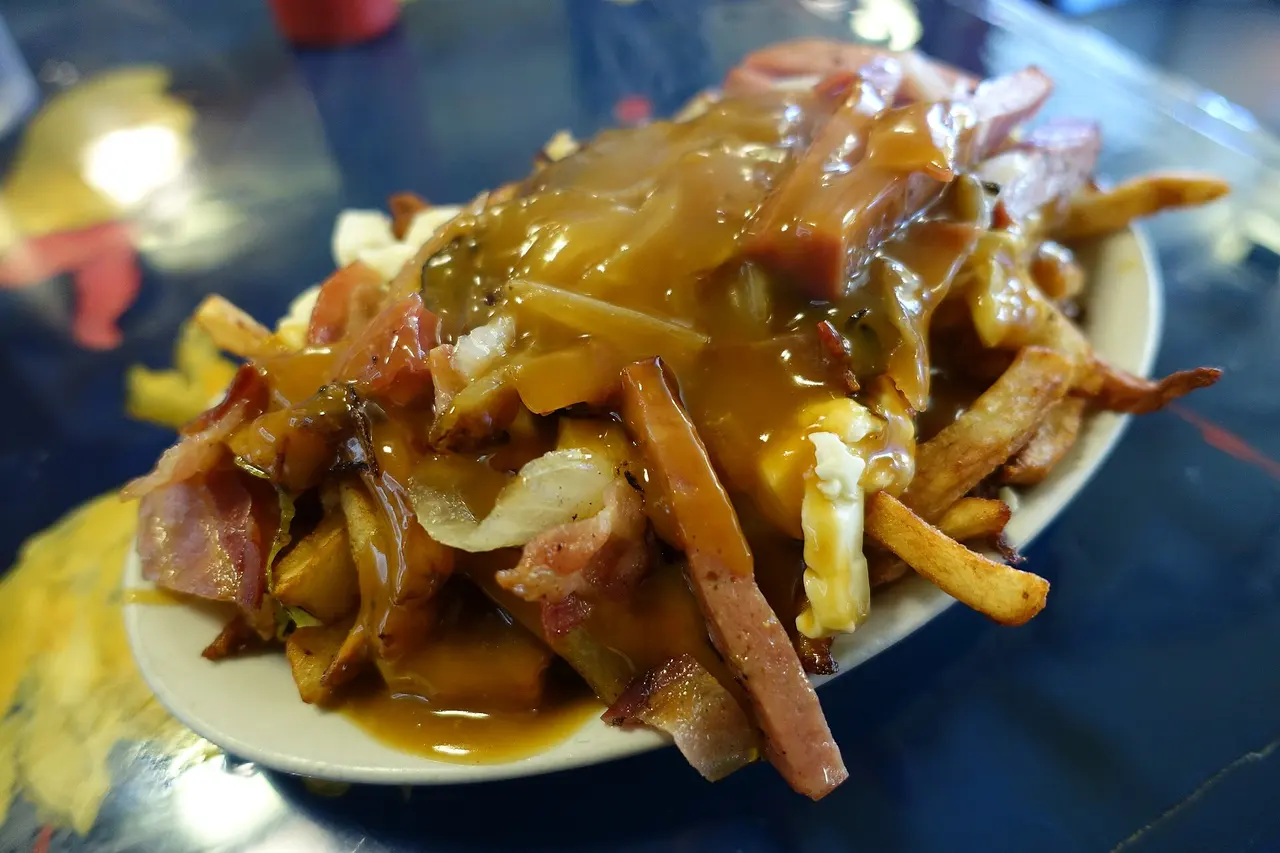
The other pole is Au Pied de Cochon, the restaurant of chef Martin Picard, where poutine goes upmarket and rich: the famous plate here’s crowned with foie gras. This is a sit-down, book-ahead, spend-real-money meal rather than a curbside snack, and it’s not for everyone or every budget, but it’s the most Montreal thing on any tasting list. What poutine is and where it was invented is a story the Canadian food guide tells; here it’s just about where to eat it.
The two great markets: Jean-Talon and Atwater
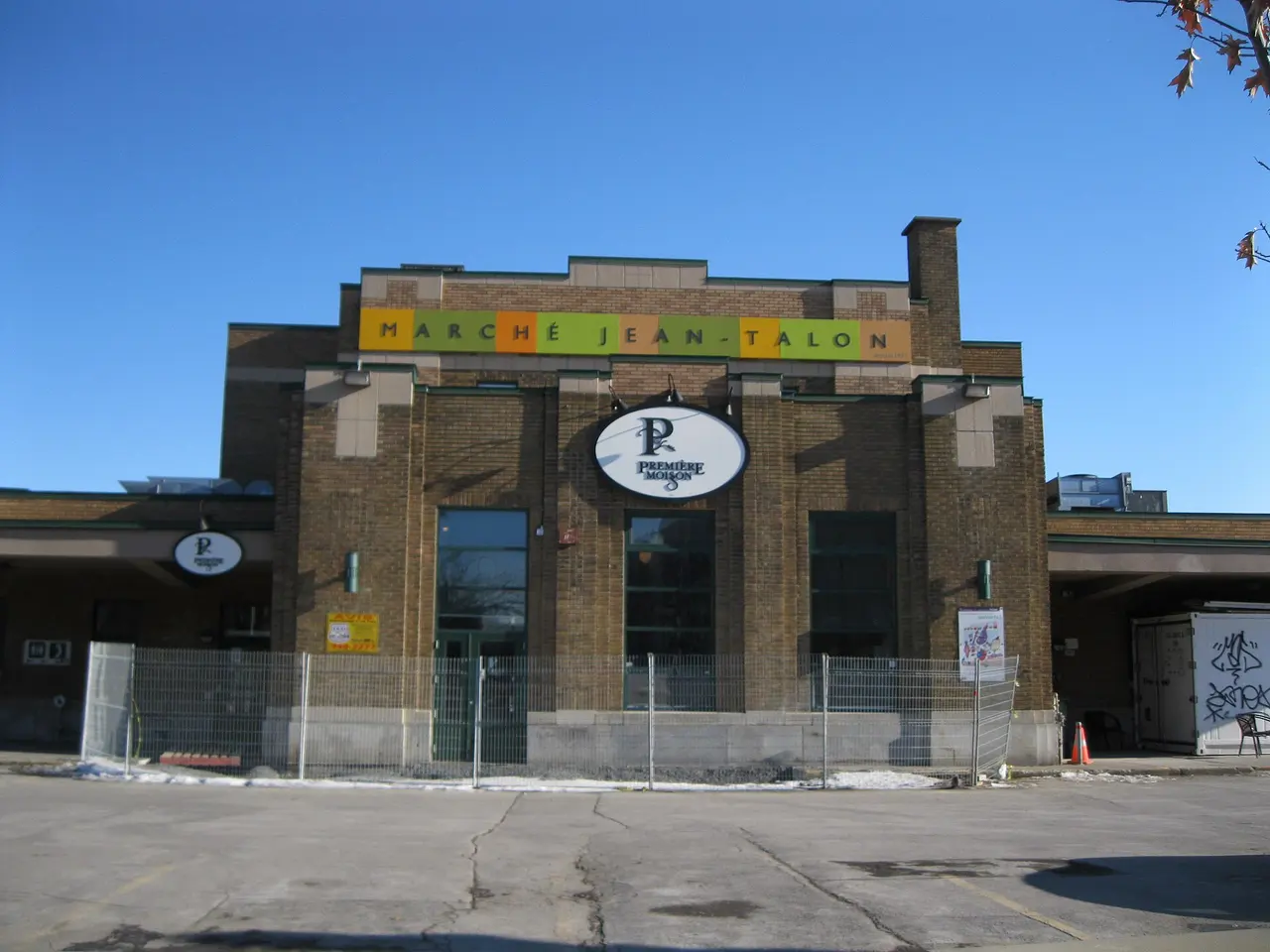
Montreal’s public markets are food destinations in their own right, and the choice between the two comes down to mood. Marché Jean-Talon, in Little Italy, is the big, loud one, an open sprawl of produce stalls that peaks on a summer Saturday when the tables overflow with Quebec strawberries, corn and cheese, and there are enough prepared-food counters to graze a full lunch as you go.
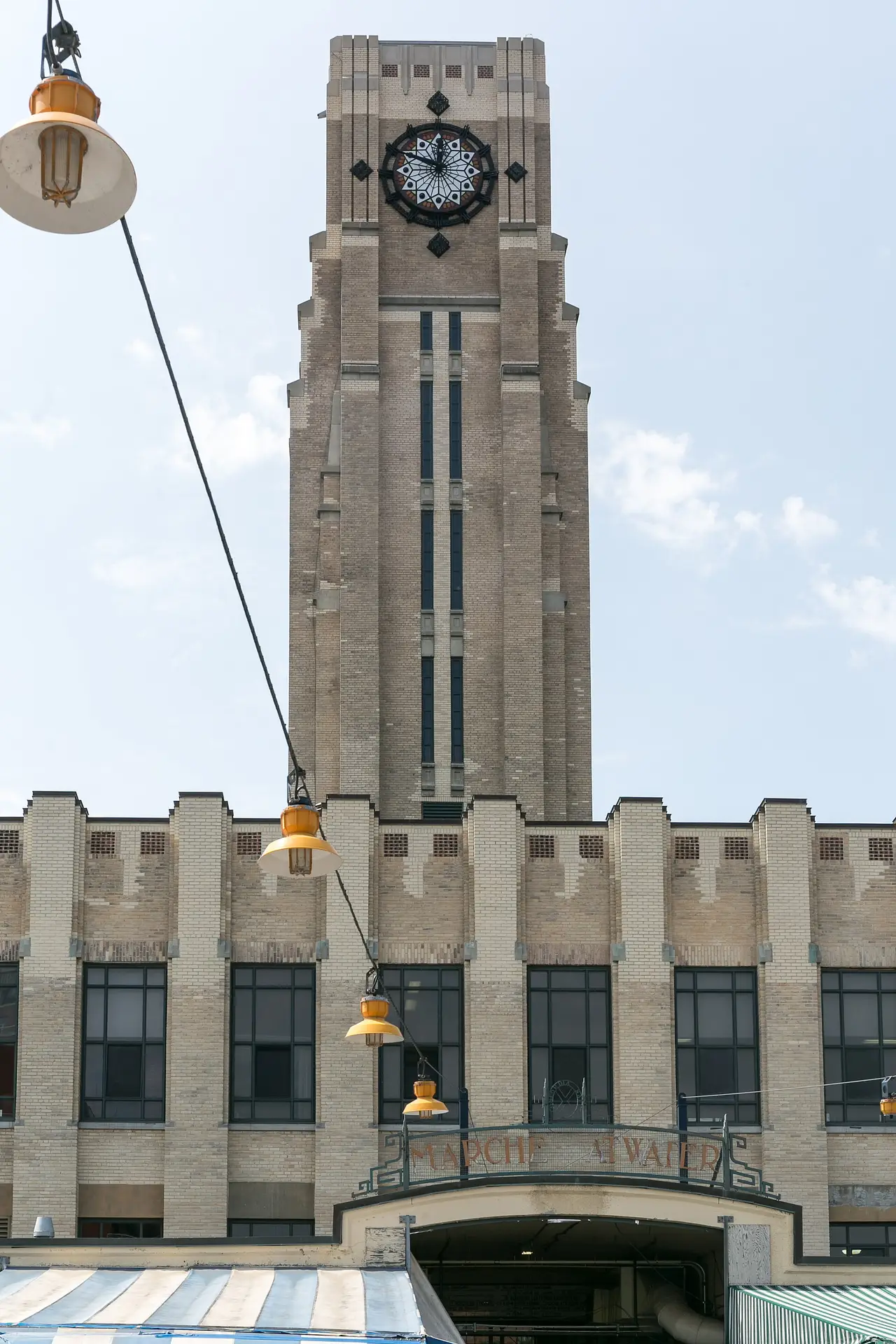
Marché Atwater, beside the Lachine Canal, is the smaller, tidier one, an indoor hall strong on butchers, cheesemongers and bakers. The move here’s to build a picnic, a baguette, some cheese and charcuterie, maybe a rotisserie chicken, and carry it out to the benches along the canal. Jean-Talon for the scale and the buzz; Atwater for a neat lunch by the water. If you can only do one and it’s summer, make it Jean-Talon.
Eating down The Main and through the Mile End
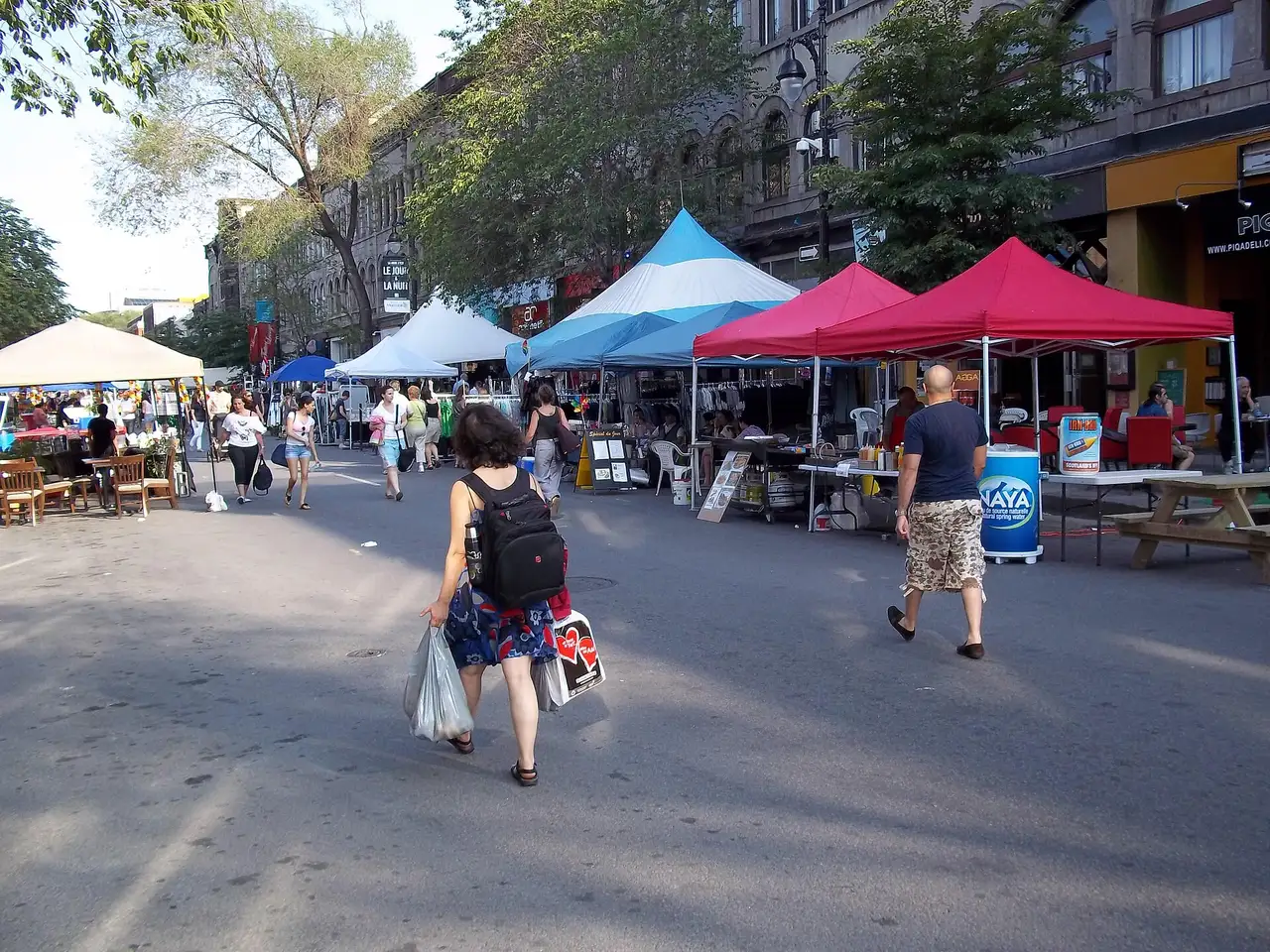
Two streets carry most of the rest. Boulevard Saint-Laurent, “The Main,” is the old dividing line of the city and still its most useful eating axis: Portuguese rotisserie chicken, late-night bars, and a run of restaurants that keeps going long after the delis close. The Mile End around it’s the coffee-and-bistro end, thick with independent cafes, the bagel shops and small rooms doing serious cooking on modest budgets. You do not need a plan for either; walk them and stop where it smells good.
Montreal and the Michelin Guide
The recent shift is that Montreal now has a Michelin selection, part of a province-wide MICHELIN Guide Quebec whose 2026 edition landed on 6 May 2026. As of that selection the city holds five one-star restaurants: Europea, from chef Jerome Ferrer, along with Mastard and Sabayon, and two names added in 2026, Hoogan et Beaufort and Sushi Nishinokaze. The province’s only two-star, Taniere3, is downriver in Quebec City. Two things to keep in mind: the stars are reset every year, so check the current guide before you build a night around one, and a starred tasting menu is a different trip from the counters above. The best of Montreal eating is still cheap, fast and specific; the stars are the extra, not the point.
Cash, queues and the tax on your bill
A few practicalities that catch people out. Several of the institutions lean on cash, especially the older counters, so carry some and confirm before you order. Queues are real at peak times, at Schwartz’s over lunch and the bagel shops on weekend mornings, and they move faster than they look. On the bill, the menu price is not the final number: Quebec adds GST at 5 percent and QST at 9.975 percent on top, and in a sit-down restaurant you also tip 15 to 20 percent, though you don’t tip the same way at a bagel or takeaway counter. None of this needs French, but opening with “Bonjour” and expecting a French-first menu smooths every interaction; the wider picture is in the Montreal city guide.
A one-day Montreal food crawl
If you only have a day and want to hit the icons on foot, string them together like this. Start in the Mile End with a warm bag of bagels from St-Viateur or Fairmount, then walk up to Marché Jean-Talon in Little Italy to graze the stalls and pick up fruit and cheese. Come back down to Boulevard Saint-Laurent for a smoked meat lunch at Schwartz’s, ordered medium, and spend the afternoon working south along The Main. Save the last stop for after dark: a poutine at La Banquise, which is still open whenever you roll in. It is a lot of walking and a lot of eating, so base yourself near the middle of it; our guide to where to stay in Montreal sorts out the neighbourhoods, and if Montreal is one stop on a longer trip, the eastern Canada itinerary and the Quebec City guide carry the food thread down the St Lawrence.
On the map
The map loads on click - to keep the page lightweight.
The map didn’t load. Check your connection and refresh the page.
Read also

Food · 13 min read
Okanagan Valley: Wineries, Lakes & Kelowna
Verified · August 3, 2026Canada's biggest wine region, practically: 196 wineries, tastings you now book from C$80, BC's 0.05 driving rule and what the 2024 freeze changed.

Food · 11 min read
Canadian Food: What to Try
Updated · July 24, 2026Canadian food is regional, not one cuisine: poutine, butter tarts, Nanaimo bars, the Halifax donair and bannock, and the real story of where each began.

Car rental · 12 min read
Car Rental at Calgary Airport (YYC): Counters, Tires, Fees
Verified · October 22, 2026Renting a car at Calgary Airport (YYC): where the Rental Car Centre is, counter hours from 7 am, winter tire rules west of the city and return fees.

Car rental · 9 min read
Car Rental at Vancouver Airport (YVR): On-Site or Downtown
Verified · October 17, 2026Renting a car at Vancouver Airport (YVR): the eight on-site brands, off-airport shuttles, downtown branch hours and how the BC winter-tire rule works.