Things to Do in Montreal: Neighbourhoods and Food
What to do in Montreal: Old Montreal, Mount Royal, the Plateau food walk, the markets and festivals, plus the metro fares and the airport-bus trap.
Montreal is the most European city in North America and the easiest to enjoy on foot, so give it two or three days and walk it in pieces: Old Montreal for the history, Mount Royal for the view, and the Plateau and Mile End for the food. It’s a bilingual city where the default is French and the welcome is in English, which is less complicated than it sounds. Buy a day pass on an OPUS card when you land, because the metro is fast, the stations are worth seeing in their own right, and one fare trick at the airport quietly overcharges people who don’t know it.
The thing that sets Montreal apart from every other Canadian city is that it feels older and looser, built for eating and going out rather than for getting to work. That’s the lens for planning a visit: this is a city you graze across, a bagel here, a market there, a festival in the square at night, rather than one you tick off from an observation deck.
Old Montreal: the part everyone comes for
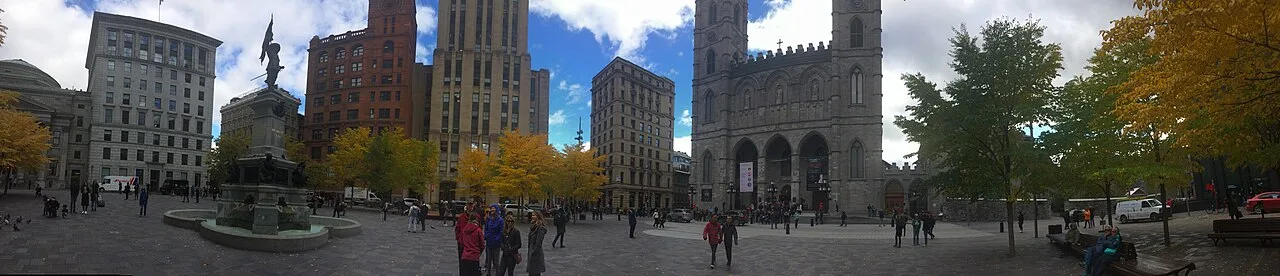
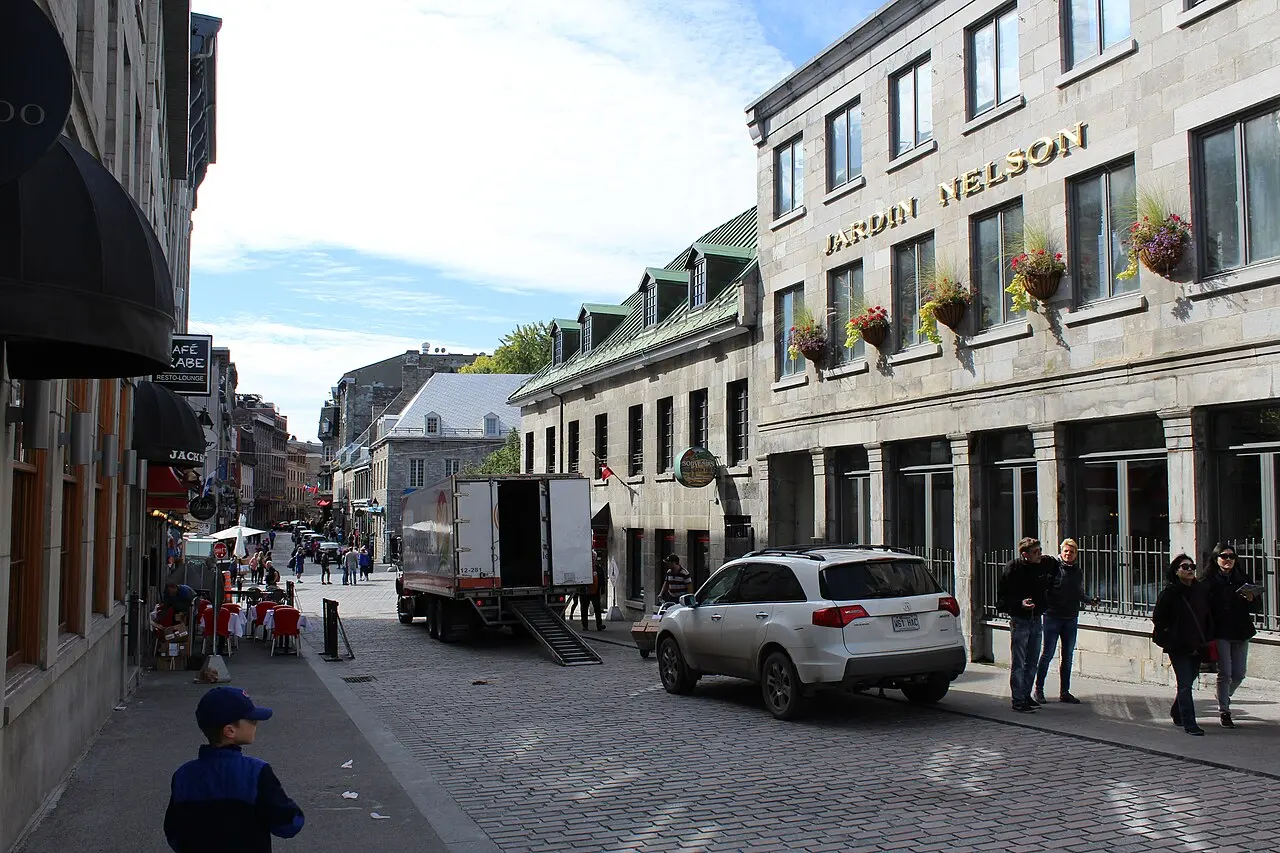
Old Montreal is the walled-feeling old town along the river, and rue Saint-Paul is its spine, a cobbled street of stone warehouses that now hold galleries, restaurants and a lot of souvenir shops. Start at Place d’Armes, give the square a few minutes, and let the lanes pull you down toward the water.
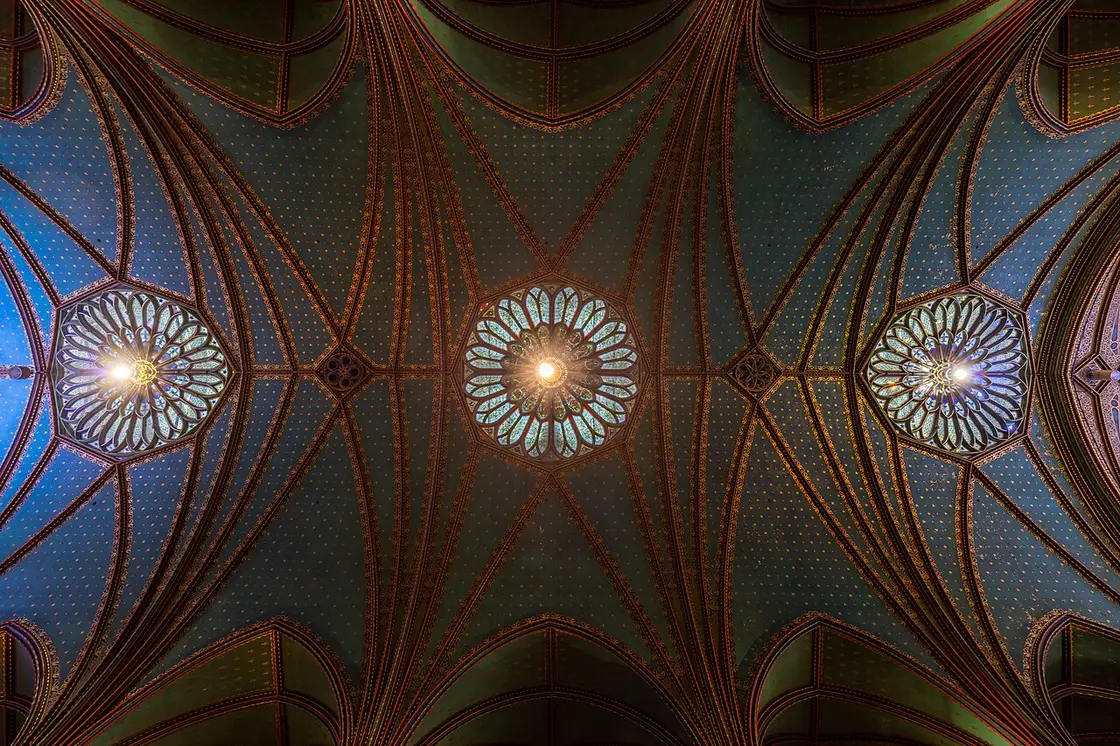
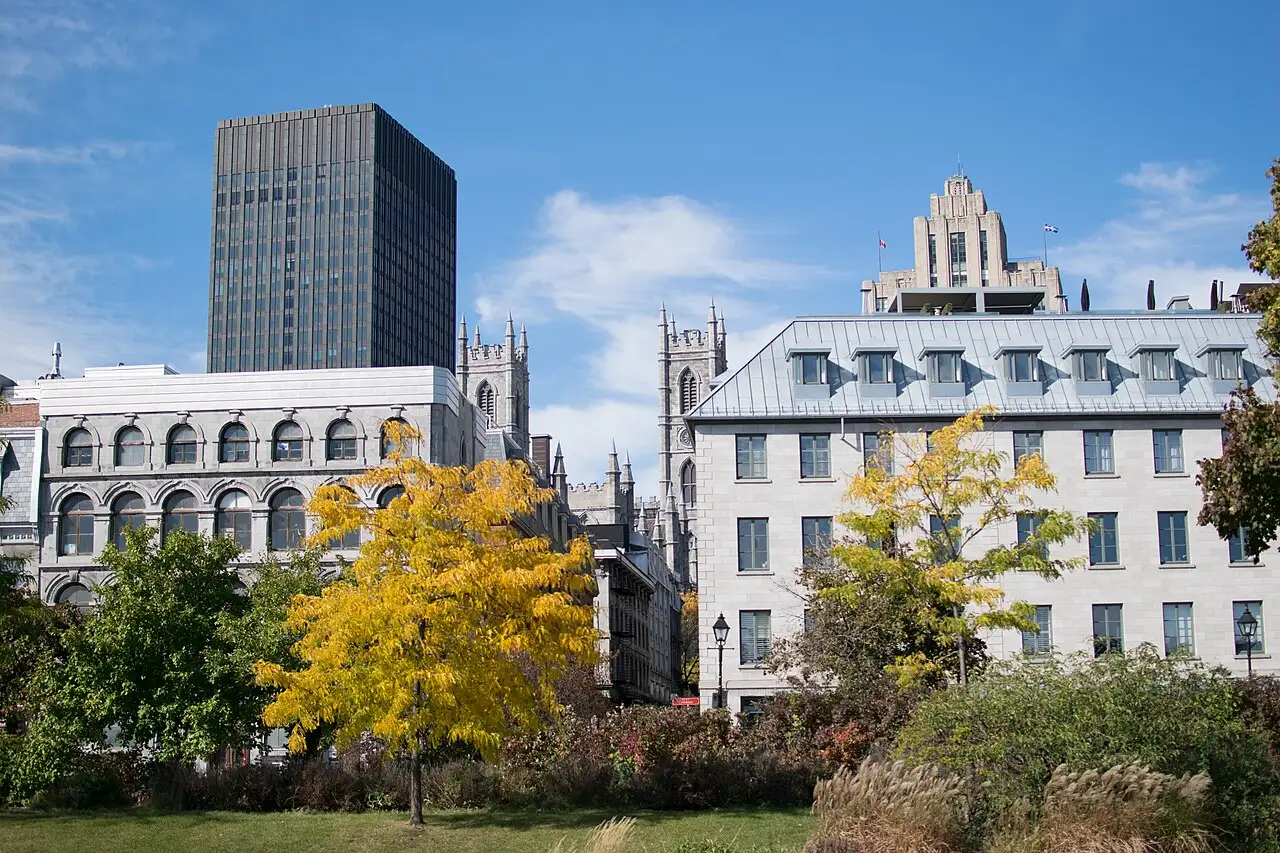
The one paid interior worth the ticket is Notre-Dame Basilica, at 110 Notre-Dame Street West. It’s not the outside that gets people, it’s the deep blue vaulted ceiling picked out in gold and the Casavant organ of some 7,000 pipes; a self-guided visit takes about an hour. If you want the drama doubled, the combined day visit plus the evening AURA light show starts at C$43.50 for an adult (Monday to Thursday; C$45 Friday to Sunday, checked 17 October 2026). The Notre-Dame Basilica guide sets out the day, evening and combined tickets and the hours.
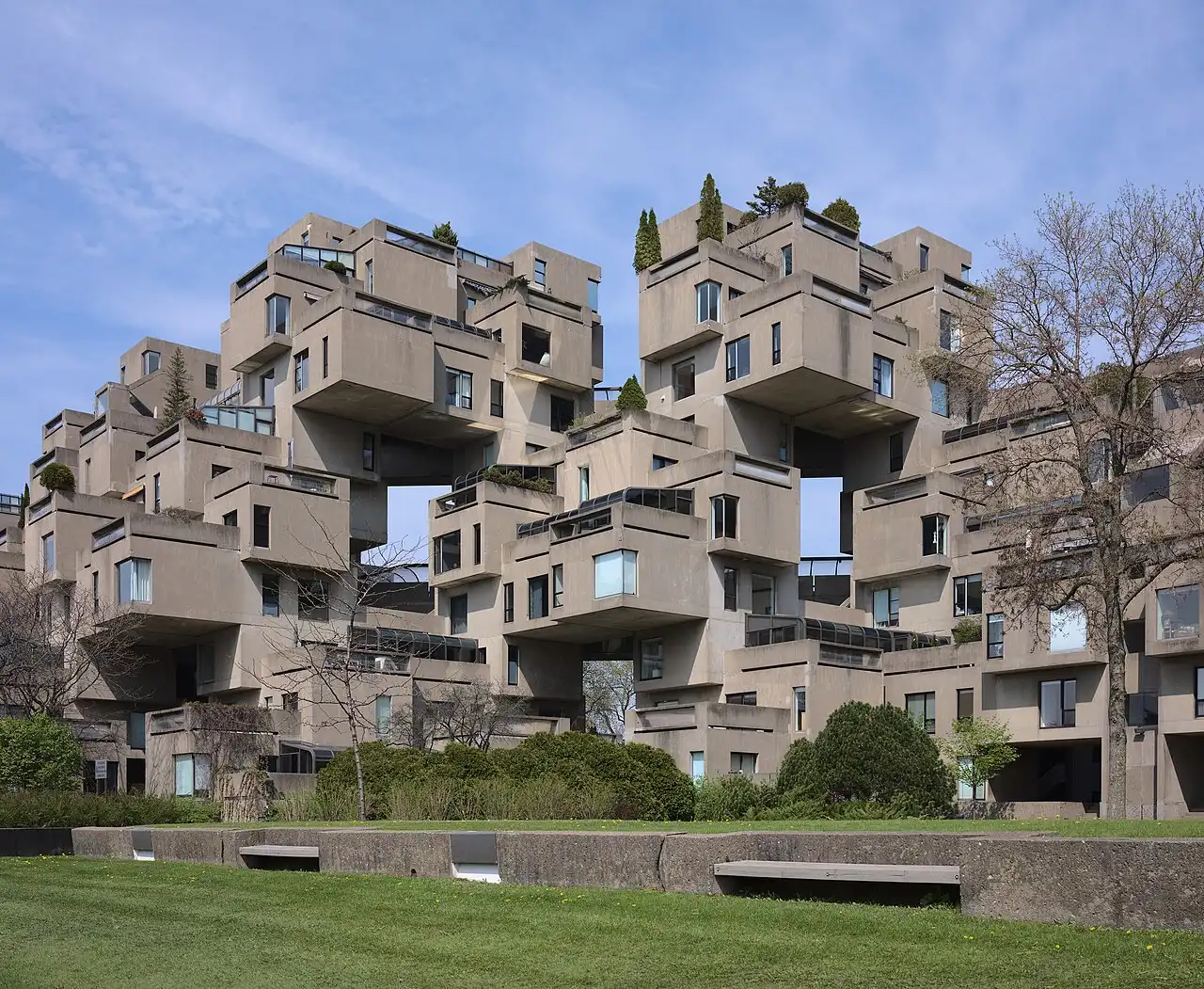
The lanes end at the Old Port, a reworked waterfront good for a walk, an ice cream and a look across the water at Habitat 67, the stacked-box apartment complex built for Expo 67 that still looks like the future somebody expected.
Mount Royal: the view that explains the city
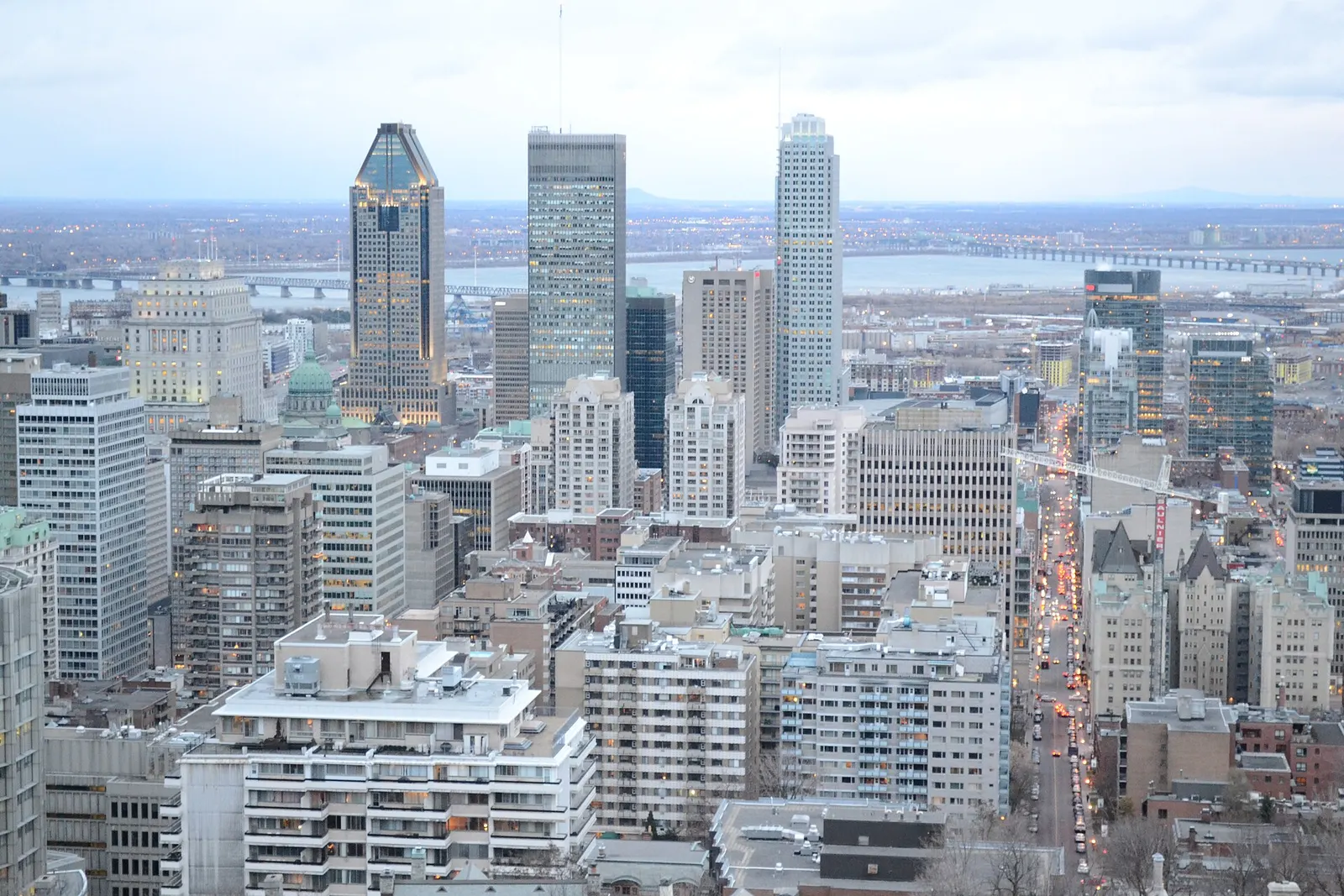
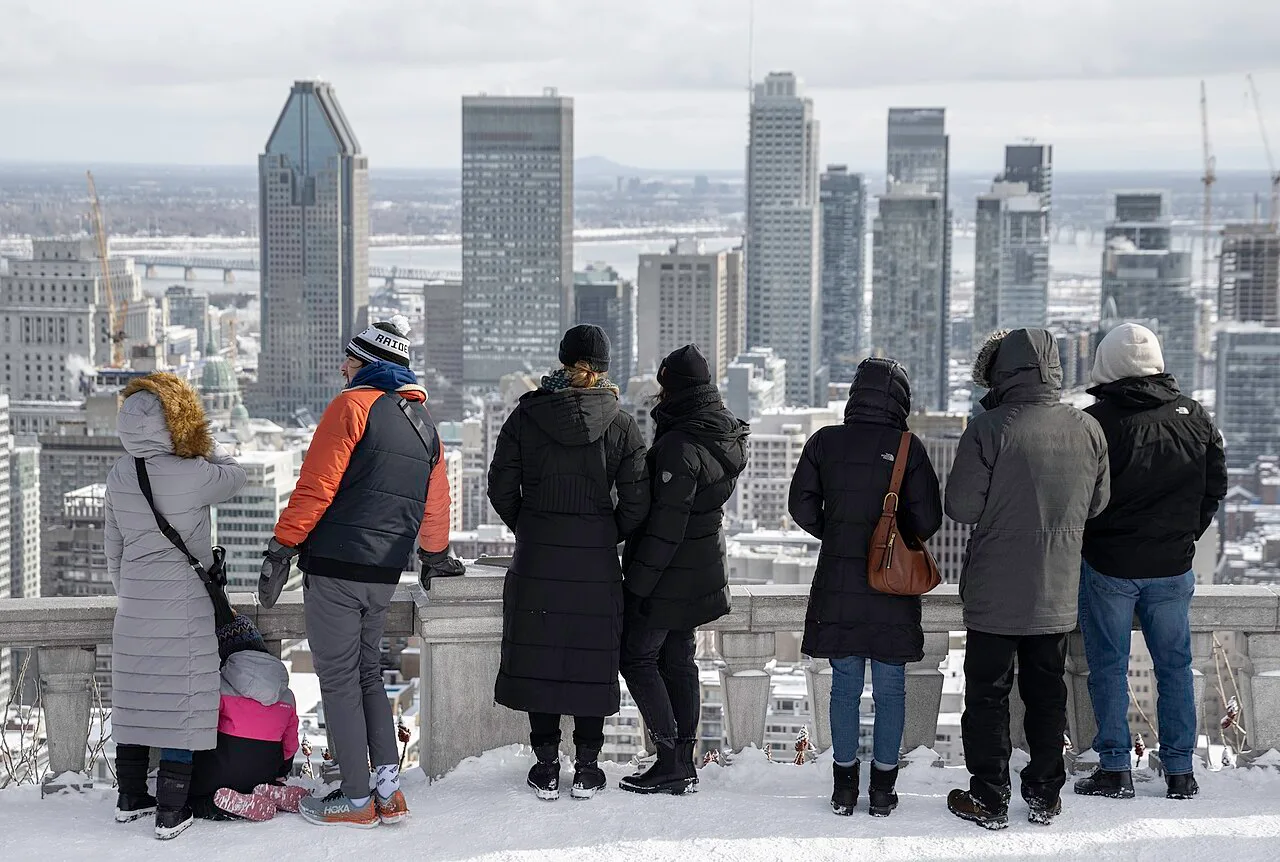
Mount Royal is the wooded hill the city is named for, and its park was laid out by Frederick Law Olmsted, the man behind New York’s Central Park. You can walk up through the trees or take a bus most of the way, but the destination is the same: the Kondiaronk Belvedere, the wide stone terrace beside the chalet, where the whole downtown and the river lay out in front of you. It’s free, and it’s the view that makes sense of everything else you walk.
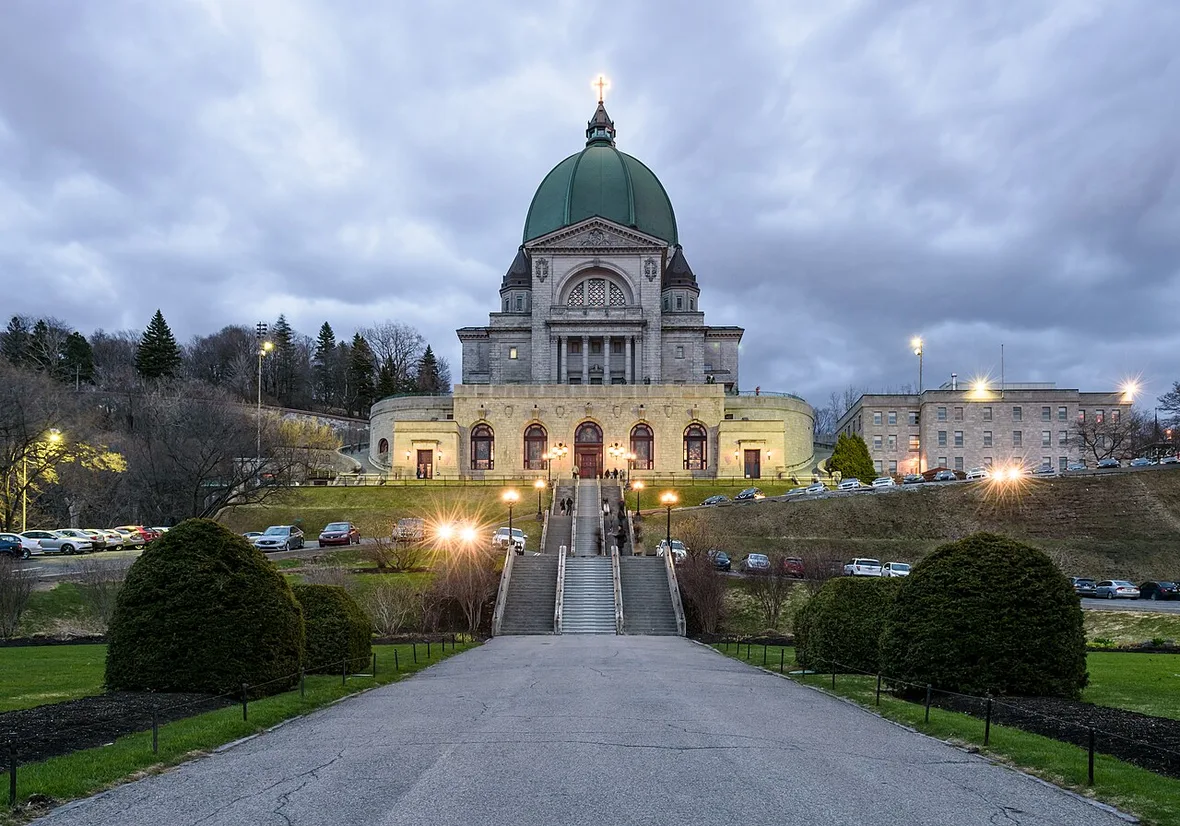
Around the far side of the mountain stands Saint Joseph’s Oratory, a vast green-domed basilica that’s a serious pilgrimage site, not just a landmark. It’s free to enter, the dome view is worth the climb, and the small human detail is that the heart of Saint Brother André, the monk who built the place, is kept here as a relic.
The Plateau, Mile End and a food walk that links them
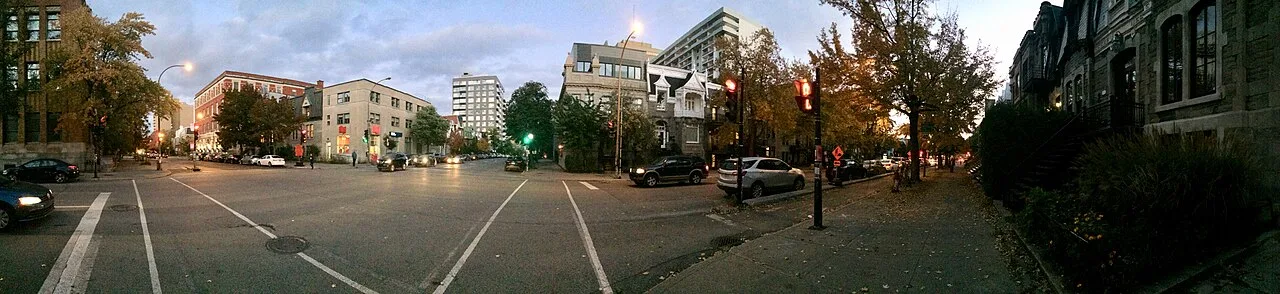
The Plateau and the neighbouring Mile End are where Montreal lives, and their signature is the outdoor staircase: iron steps twisting up to first-floor doors, a quirk of old bylaws that turned into the look of a whole city. Walk the residential streets for them, then eat.
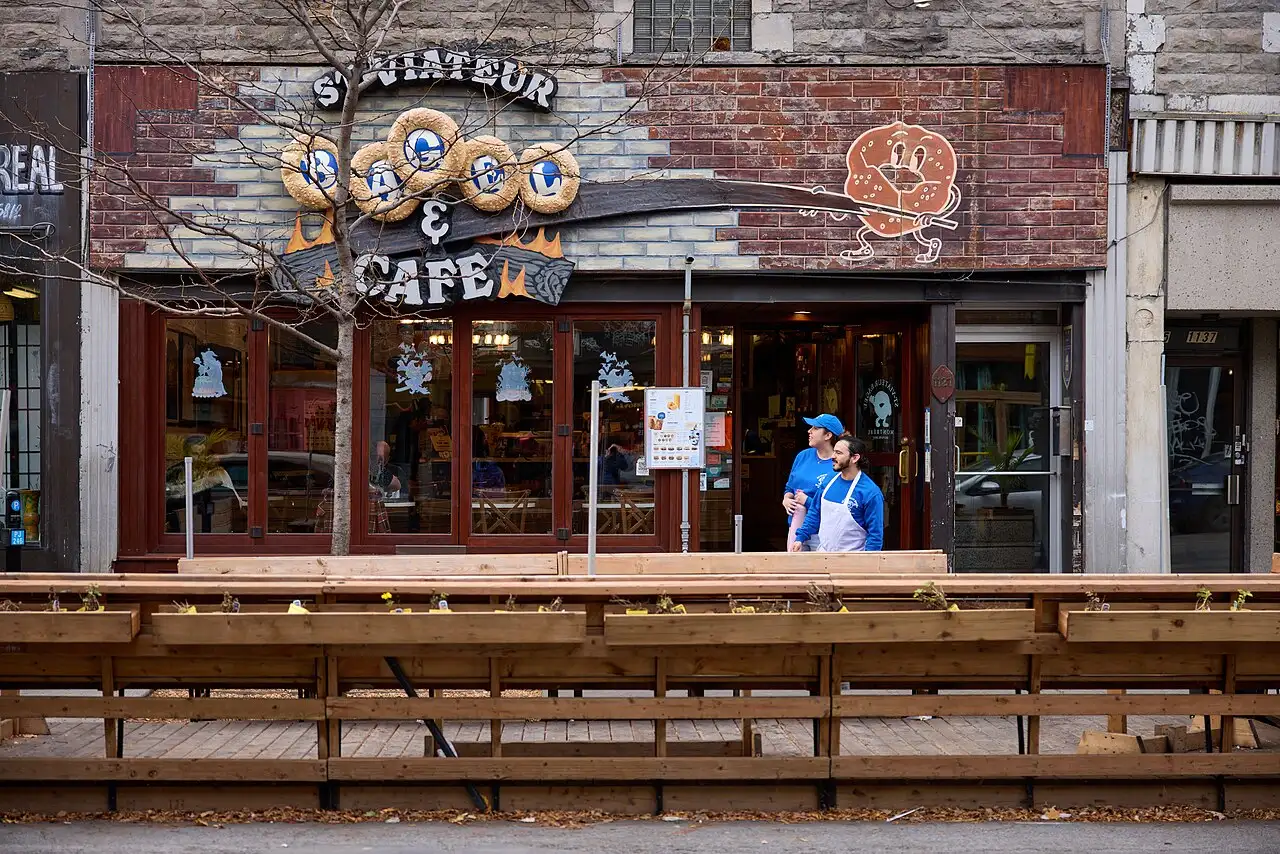
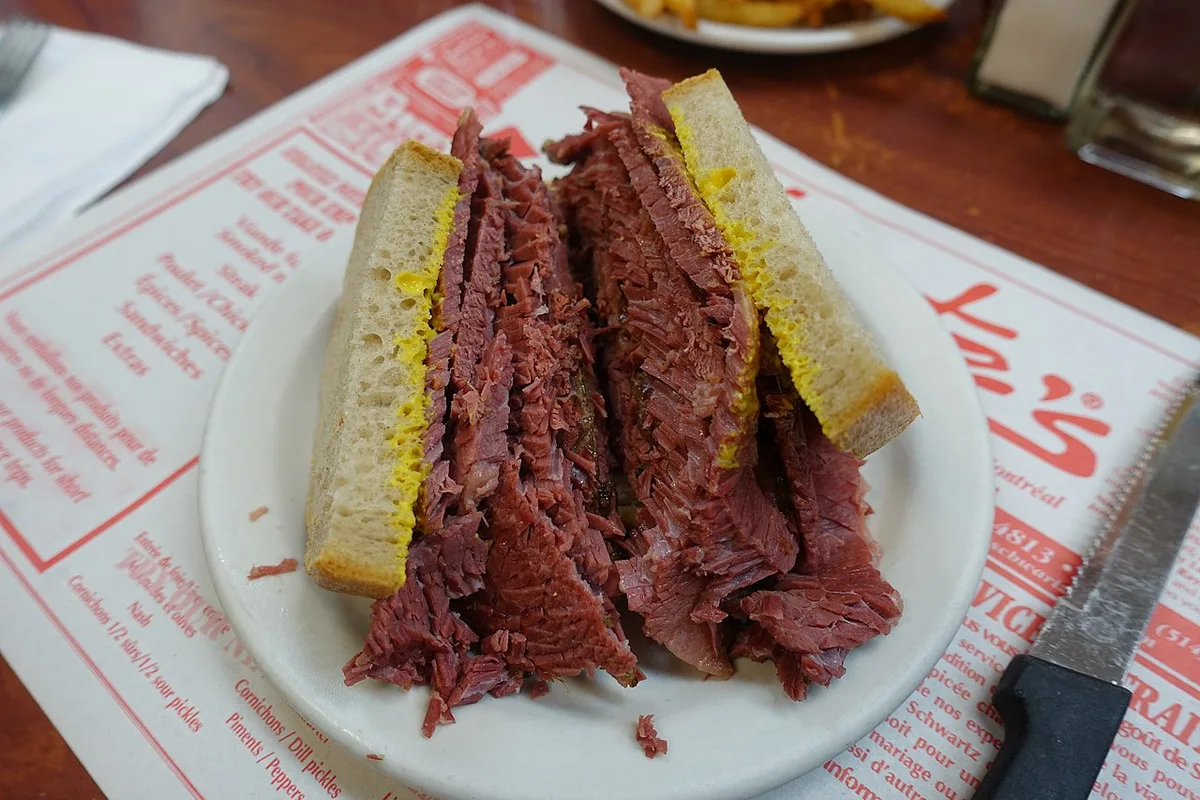
Here’s the non-obvious move that beats a list of restaurants: string the food together into one walk. Start in the Mile End with a Montreal bagel, hand-rolled and wood-fired and smaller and sweeter than a New York one, at a counter like St-Viateur. Walk south into the Plateau for smoked meat at Schwartz’s on Boulevard Saint-Laurent, where the queue is part of the experience. Finish, if you still can, with a late-night poutine at La Banquise. Three of the city’s food icons, one afternoon, on foot.
Markets: Jean-Talon and Atwater
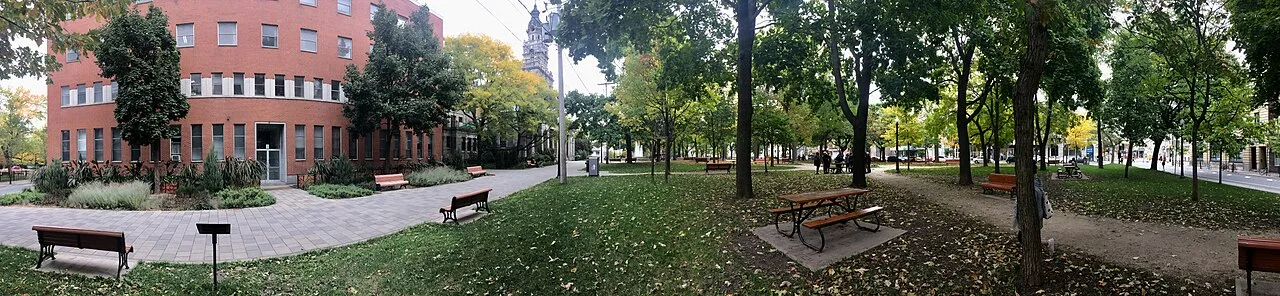
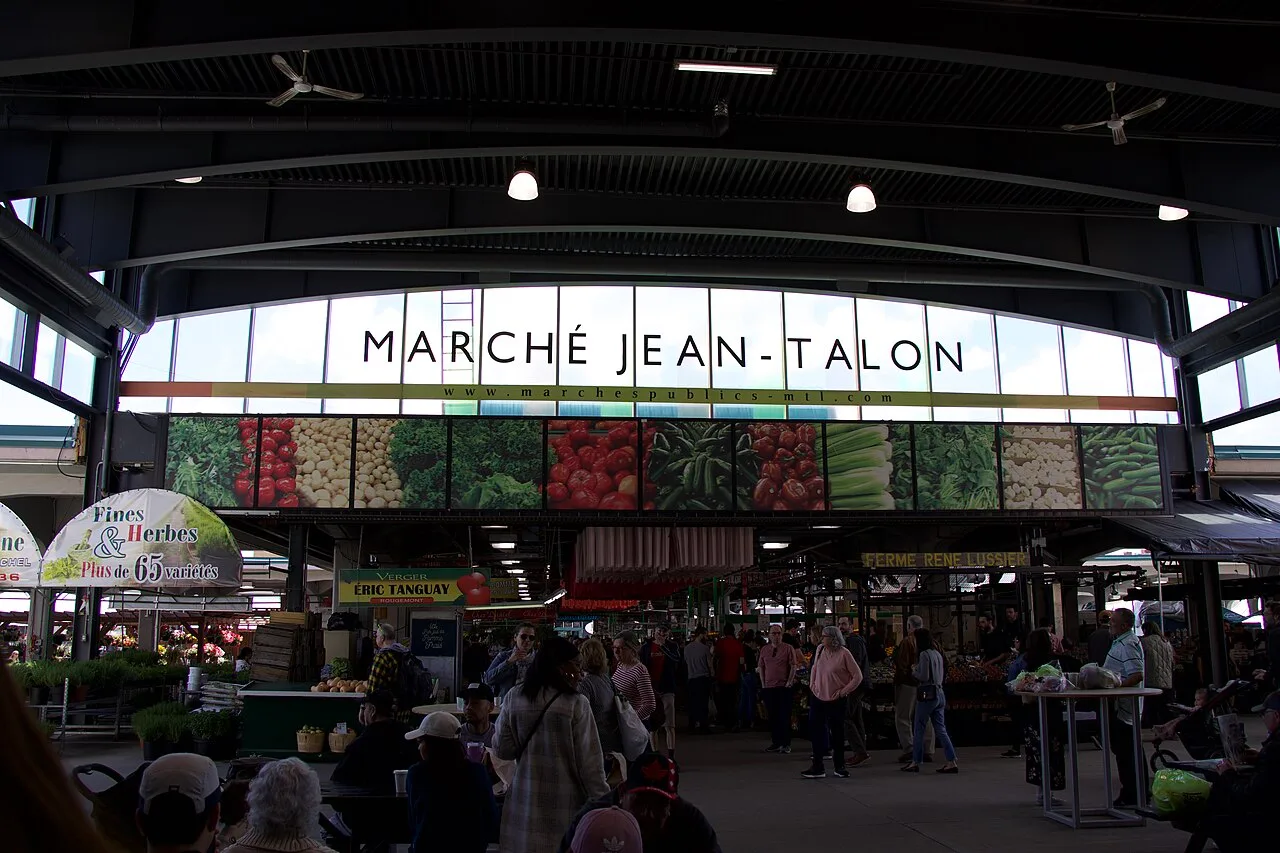
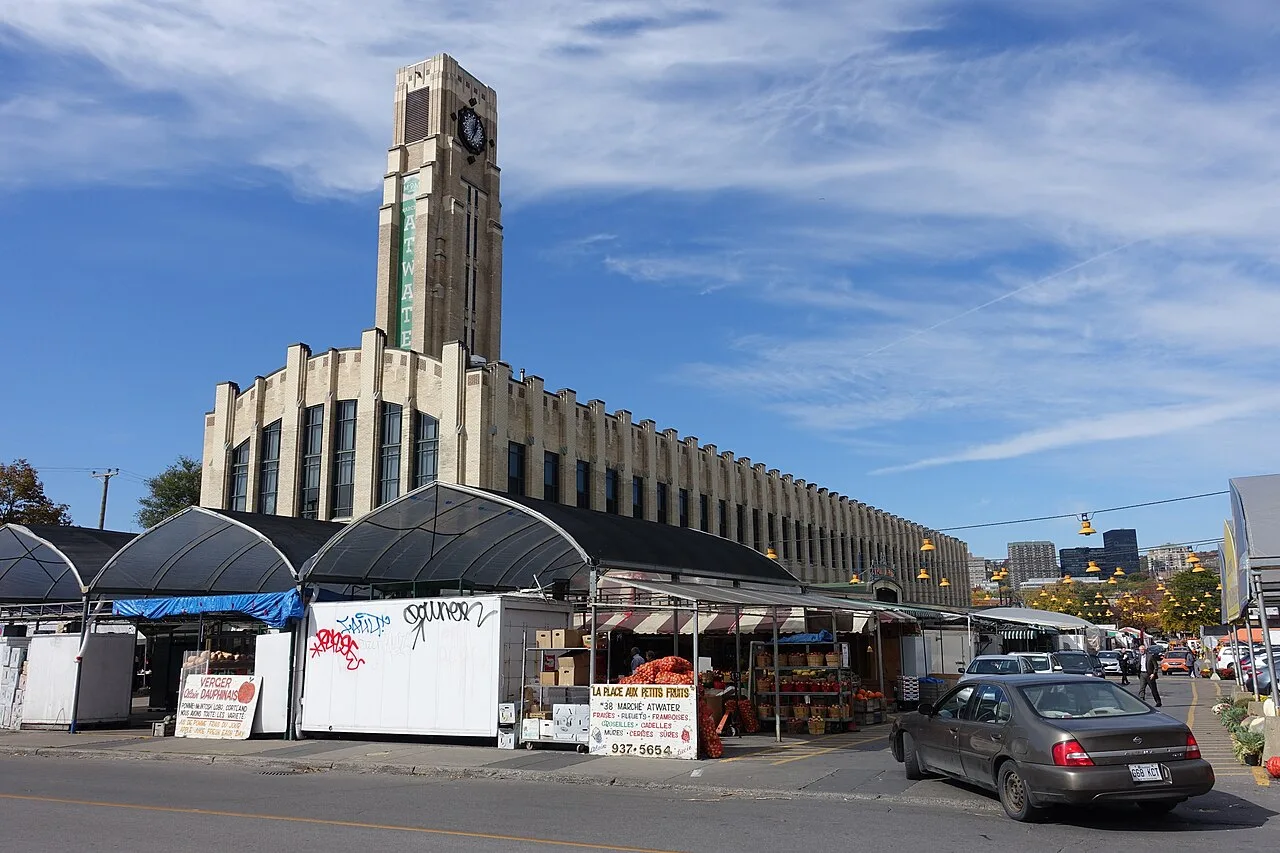
Montreal has two great public markets, and if you only have time for one, the choice is about mood. Jean-Talon, in Little Italy, is the big one, sprawling and produce-heavy, at its best on a summer Saturday when the stalls spill over with Quebec fruit and cheese. Atwater, by the Lachine Canal, is smaller, indoor and handsome, stronger on butchers, bakers and a canal-side bench to eat on. Jean-Talon for scale and buzz, Atwater for a tidy lunch and a walk by the water.
Festivals and the Quartier des Spectacles
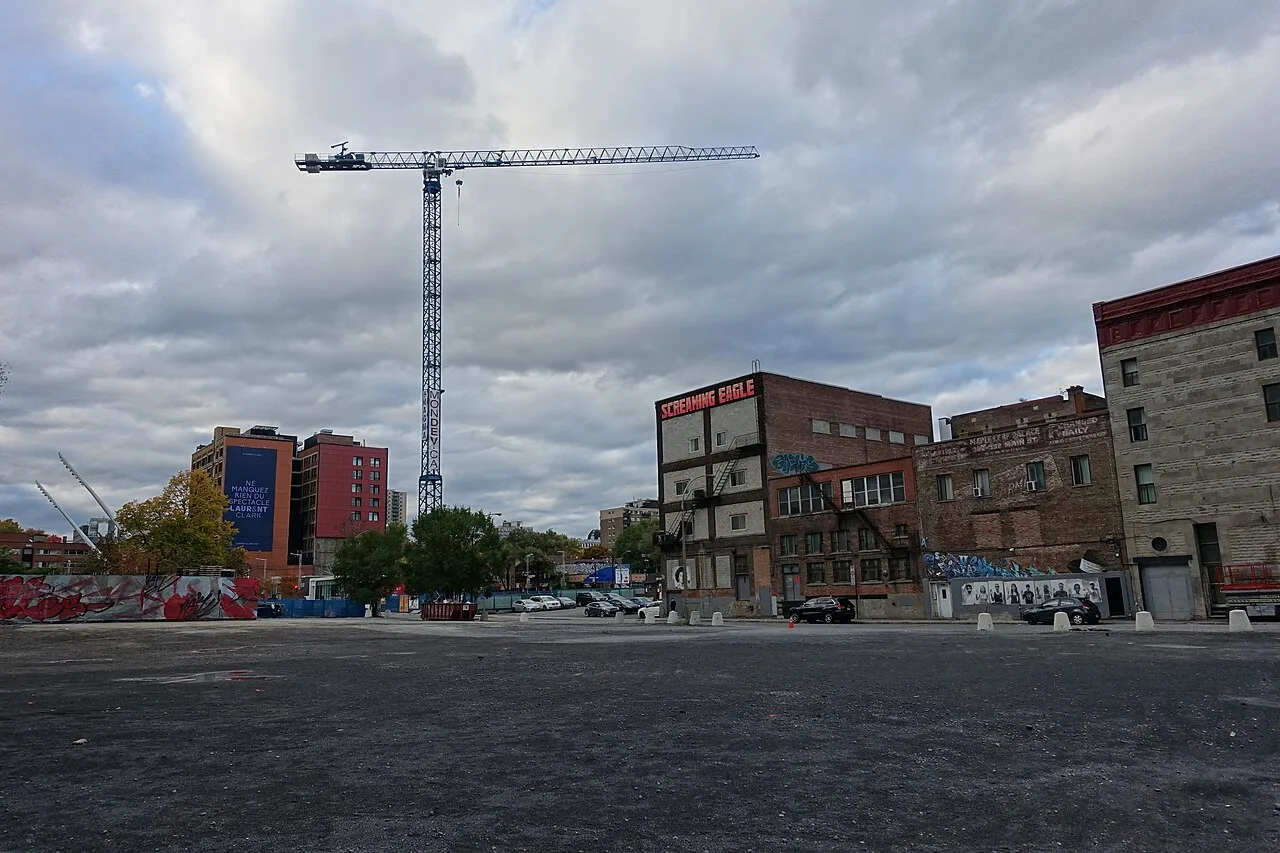
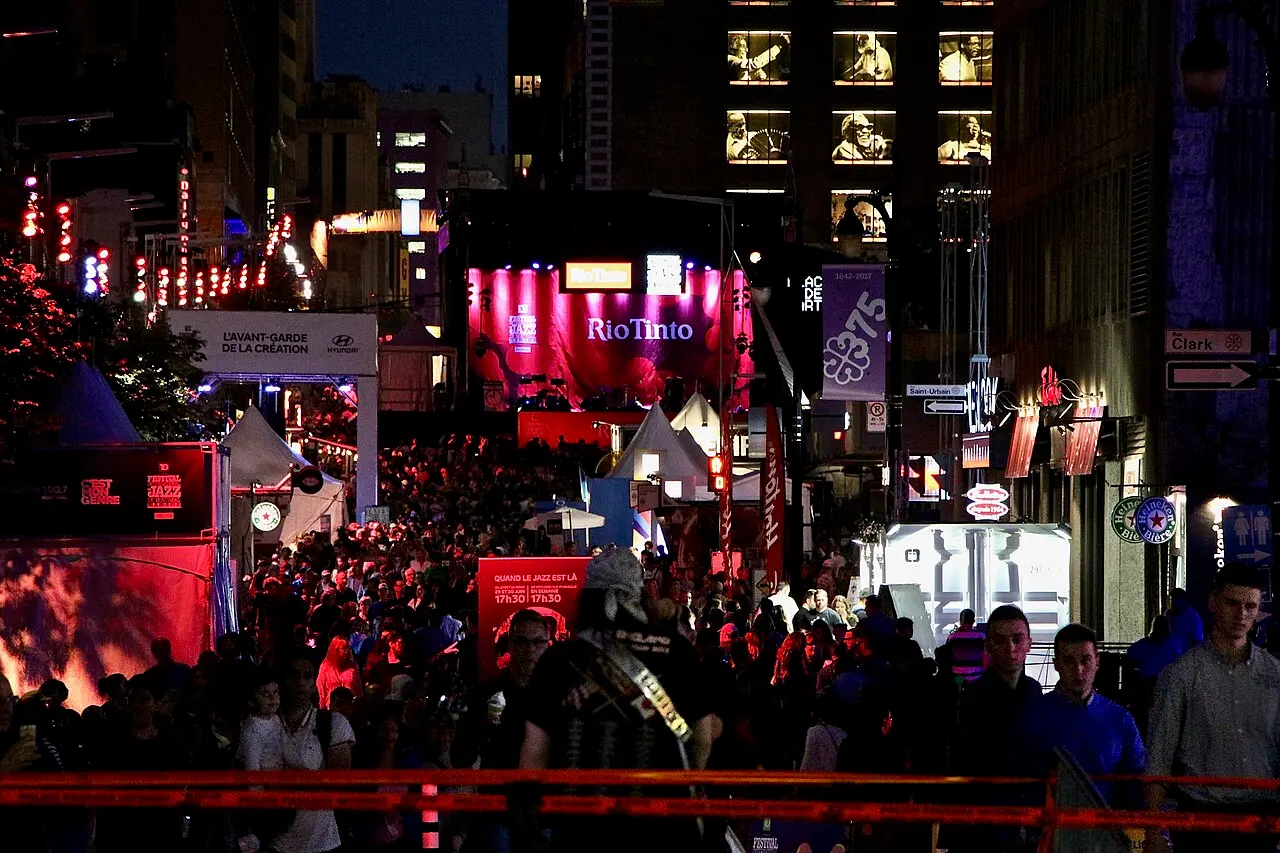
Montreal runs on festivals, and they cluster in the Quartier des Spectacles, the downtown square-and-stage district built for exactly this. The biggest is the Festival International de Jazz de Montreal, which in 2026 ran from 25 June to 4 July; a lot of the program is free, played on outdoor stages to crowds in the street. If you’re reading this after early July, that edition is over and the 2027 dates weren’t yet set when we checked, but the district stages something most of the summer, so it’s always worth walking through after dark.
The metro, the OPUS card and the 747 airport catch
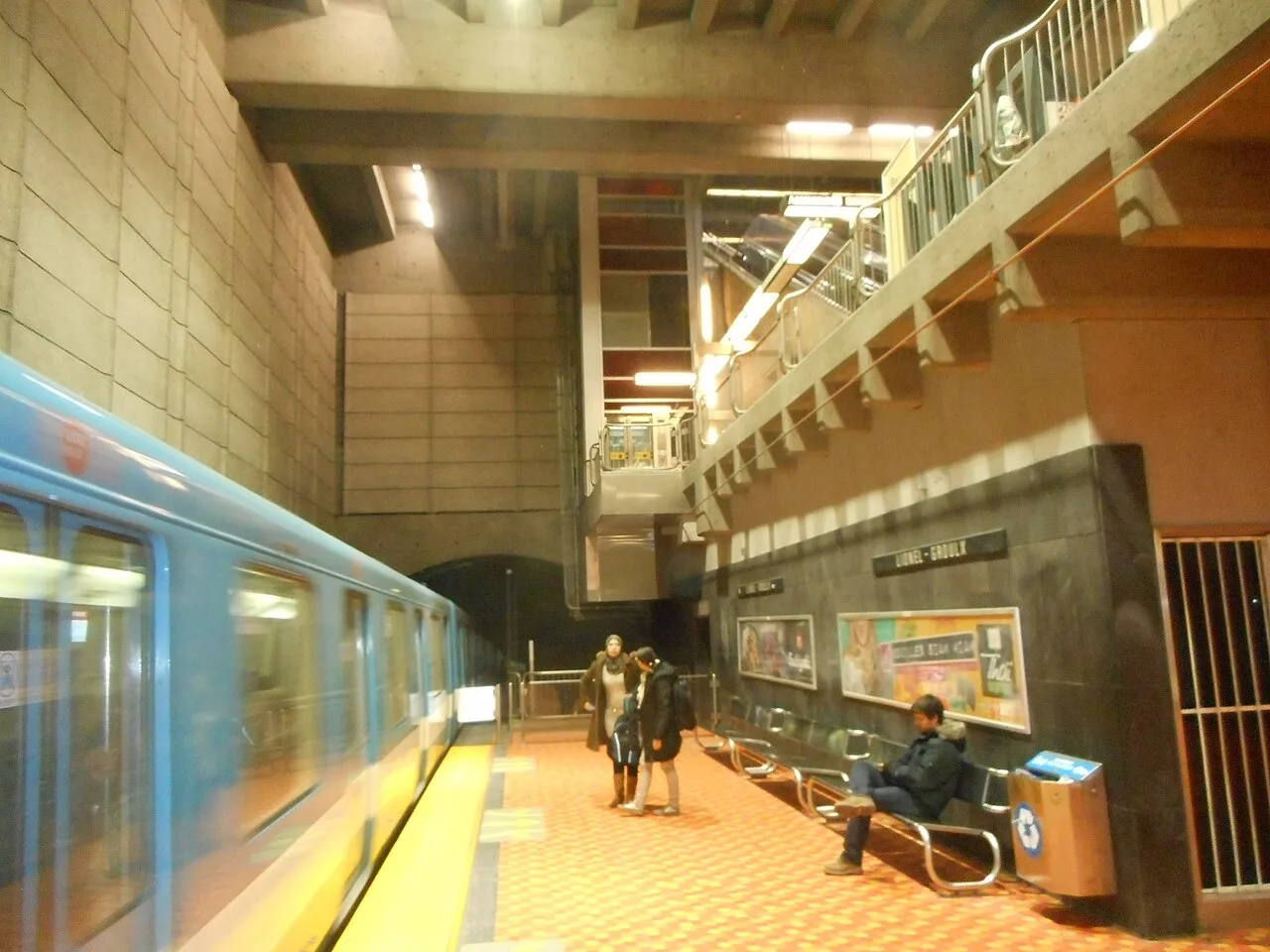
The metro is fast, clean and, unusually, worth looking at: each station was designed as its own piece of architecture. For fares, you’re almost always in zone A, the Montreal agglomeration, and the smart move for a short stay is a multi-day title rather than single fares.
| Zone A title | Price |
|---|---|
| Single fare | C$3.75 |
| 24 hours | C$11.25 |
| 3 days | C$21.75 |
| Weekly (Mon-Sun) | C$33.25 |
One more thing to get right at the airport. The STM 747 bus runs between the airport (YUL) and downtown, and the 24-hour, 3-day, weekly and monthly zone A titles are all valid on it, but a single zone A fare isn’t. So don’t tap a C$3.75 single at the airport expecting it to work; buy the C$11.25 day pass instead and it covers both the ride into town and your first day of sightseeing. If you’re heading to Laval or Longueuil you cross into zone AB, where the single fare is C$5.00. Our guide to Montreal airport to downtown weighs the 747 against the flat-rate taxi and where to meet an Uber.
A note on French for English-speaking visitors
You don’t need French to visit Montreal. In the tourist areas, the hotels and the restaurants, service in English is routine, and both the city and the province run full English websites. What’s true is that the default is French: signs and menus lead in it, and you’ll hear it first. The easy habit that smooths everything is to open with “Bonjour,” let the other person switch to English if they prefer, and treat it as good manners rather than a test. The full, practical answer to the language question is in our Quebec travel guide, because it matters more once you leave the city.
When to visit
Summer is the headline: warm, loud with festivals, terraces open and the markets at their peak, though it’s also the busiest and most humid stretch. Late spring and September are the easiest weeks to be here, comfortable and a good deal less crowded. Autumn is crisp and good for the mountain. And winter, which would sink a lot of cities, is a genuine season here, not a write-off: Montreal leans into it with underground walkways, indoor markets and winter festivals, so a cold-weather trip works if you dress for it and plan around the indoors.
What to skip
A few cuts worth making. If you’ve stood on Mount Royal, you don’t also need the paid observation deck at the Olympic Tower for another high view. The horse-drawn calèches in Old Montreal are overpriced and, to many locals, a welfare question best avoided. And the souvenir shops thickest along rue Saint-Paul sell the same maple-and-moose trinkets you’ll find cheaper elsewhere; spend the money on a meal instead.
What a day in Montreal costs
Add up a day and it stays small. Transit is C$11.25 on a 24-hour title, one paid interior like Notre-Dame runs into the tens of dollars, and a proper casual meal, smoked meat or a market lunch, is around C$15 to C$25. Because so much of the best of the city, Mount Royal, the Old Port, the markets, the festival stages, is free, a full and happy day, moving on the metro and eating well, comes in modestly. The city rewards grazing and walking more than ticket-buying, which is the cheapest kind of good advice.
Read also
- The province around the city, and the language question in plain terms: Quebec travel guide
- The walled old capital downriver: things to do in Quebec City
- How to get there by train, bus or Highway 20: Montreal to Quebec City
- The national capital, two hours west: things to do in Ottawa
- Every city we cover: the cities hub
On the map
The map loads on click - to keep the page lightweight.
The map didn’t load. Check your connection and refresh the page.
Admission and opening hours
- Admission price
- Much of Montreal is free to walk: Old Montreal, the Old Port promenade, Mount Royal, the two big markets, the Lachine Canal. Paid highlights checked 24 July 2026: Notre-Dame Basilica day visit plus the AURA evening show from C$43.50 combined for an adult Monday to Thursday, C$45 Friday to Sunday (checked 17 October 2026); Saint Joseph's Oratory free to enter (a candle from C$6). Museum, Biodome and Olympic Tower prices are sold by date online and are not quoted here.
- Opening hours
- Notre-Dame Basilica self-guided visit lasts about an hour. Jean-Talon and Atwater markets trade daily, busiest late morning. Most museums close Mondays.
Transit fares are ARTM zone A, checked 24 July 2026. Basilica combo price from basiliquenotredame.ca. The 2026 jazz festival (25 June to 4 July) is over at publication; 2027 dates were not yet set. Checked 24 July 2026.
Details checked: July 24, 2026
Read also

Cities · 11 min read
Regina: Legislature, RCMP Heritage Centre and Prairie Base
Verified · August 29, 2026Wascana Centre, the Legislature, the Mounties' only training depot and a free T. rex - what Regina actually rewards, plus the road to Saskatoon.

Cities · 10 min read
Whitehorse: Yukon Base for Aurora, Rivers and the Klondike
Verified · August 28, 2026Whitehorse in 2026: SS Klondike grounds open but boat closed, MacBride C$12, Beringia C$6, Miles Canyon and aurora season.

Cities · 9 min read
Things to Do in Saskatoon: River Valley, Wanuskewin & Skies
Verified · August 27, 2026Saskatoon in practice: Meewasin trails, Wanuskewin bison, Remai Modern by donation, and a prairie day trip to Riding Mountain.

Cities · 9 min read
Lunenburg: UNESCO Old Town Guide
Updated · September 2, 2026Old Town Lunenburg from Halifax: UNESCO grid of 1753, painted harbour, Fisheries Museum prices, Bluenose II, and when an overnight beats a day trip.