
Montreal to Quebec City: Train, Bus or Drive
Montreal to Quebec City in about three hours: VIA Rail 270 km, Orléans Express buses or Autoroute 20, plus the hop from Gare du Palais into Old Quebec.
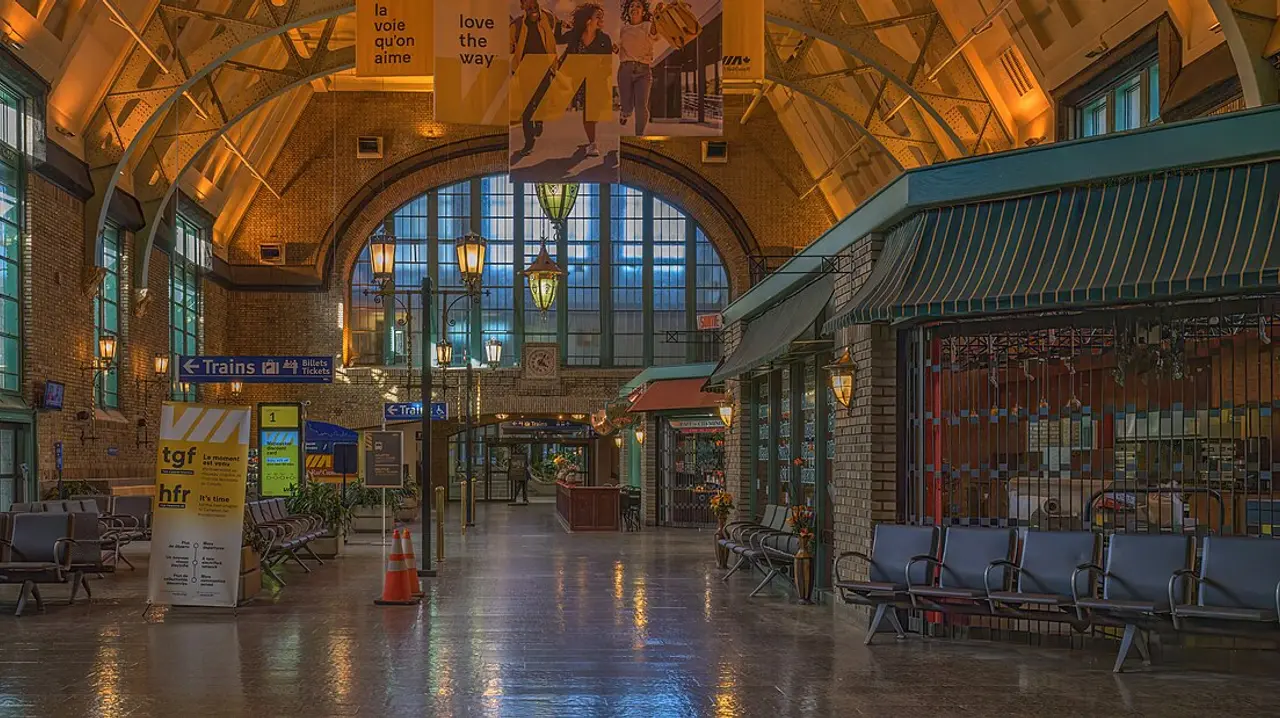
Montreal to Quebec City is a short Corridor hop, not a travel day. VIA publishes the rail leg at 270 km and an average 3 hours 26 minutes with 34 departures a week. Orléans Express lists 15 buses a day on the downtown-to-downtown pair, averaging 3 hours 15 minutes (fastest 3 hours). Visit Québec City puts the road distance at about 250 km on Autoroute 20 - highway 20 in the DMO’s English wording - usually 2 hours 45 minutes to 3 hours when traffic behaves.
Pick the mode that matches your bags and your check-in, then stop re-optimising. Same-day round trips are possible if you travel light and keep the Quebec City walk short - but most visitors are happier overnight. The longer Toronto corridor is a different product - see Toronto to Quebec City if you’re starting farther west. City context sits in Montreal and Quebec City.
Three hours that aren’t interchangeable
On paper every option looks like “about three hours.” In practice they buy different mornings.
| Mode | Clock | What you actually buy |
|---|---|---|
| VIA Rail | about 3h26 average | Gare Centrale to Gare du Palais, seat, Wi-Fi culture, no highway weather |
| Orléans Express | about 3h00-3h15 | Highest frequency, the same two downtown buildings as the train, usually the cheapest seat when booked ahead |
| Drive (Autoroute 20) | about 2h45-3h | Door-to-door control, stops, luggage, and parking once you’re inside the walls |
Fares move with the calendar on both train and bus. Treat any fixed CAD screenshot as already stale - price your date on viarail.ca and orleansexpress.com, then compare all-in door-to-door rather than headline seats.
VIA - station to station
VIA is the calm version of the corridor. You board at Gare Centrale in downtown Montreal and you step off at Gare du Palais in Quebec’s lower town, walking distance from the Old Port if your bags cooperate. There is no airport security theatre and no change of train on this city pair - unlike the Toronto-Quebec itineraries that almost always connect in Montreal.
Worth knowing before you weigh train against bus: Gare du Palais is also the coach terminal. The Orléans Express stop sold as “Québec (centre-ville)” is the Terminus d’autobus de la Gare du Palais at 320 rue Abraham-Martin, under the same chateau roof as the VIA platforms. Whichever ticket you buy, you finish the trip on the same block.

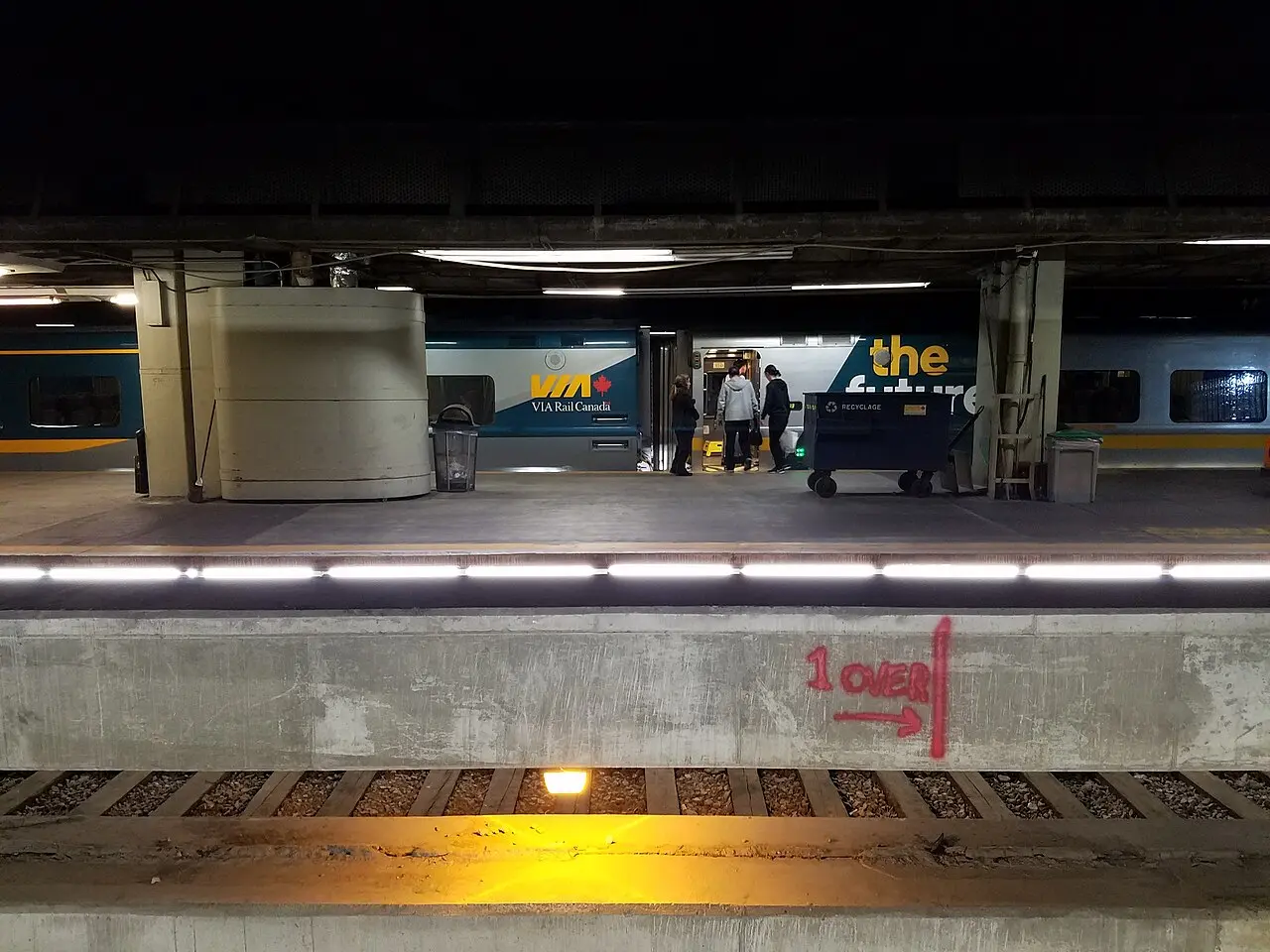
Thirty-four weekly departures sounds turn-up-and-go until a holiday weekend empties the cheap Escape inventory. Book Escape only if your dates are locked; step up if plans might move.
Families had a dated break in summer 2026. Under the Canada Strong Pass, VIA carried children and youth 17 and under free in Economy when they travelled with an adult, and gave 18 to 24 year olds 25% off Escape and Economy fares. It applied to travel from 19 June to 7 September 2026, and both the travel window and the ticket-purchase window shut on 7 September 2026; from 8 September 2026 it’s standard fares for every age. It rewrote the cost of a late-summer family run and does nothing for an October trip - check VIA’s offer page before you count on any repeat.
Winter is when the train’s fixed schedule looks wisest. Freezing rain along the south shore turns a 2h45 drive into a two-handed afternoon, and there is no scenic detour to wait it out on - the 20 is the route. The Corridor, meanwhile, still leaves on the printed minute. Summer’s risk is different: full trains around festival weekends in both cities. If your Quebec City hotel check-in is hard at 15:00, don’t book the mid-afternoon departure and hope - leave morning margin.
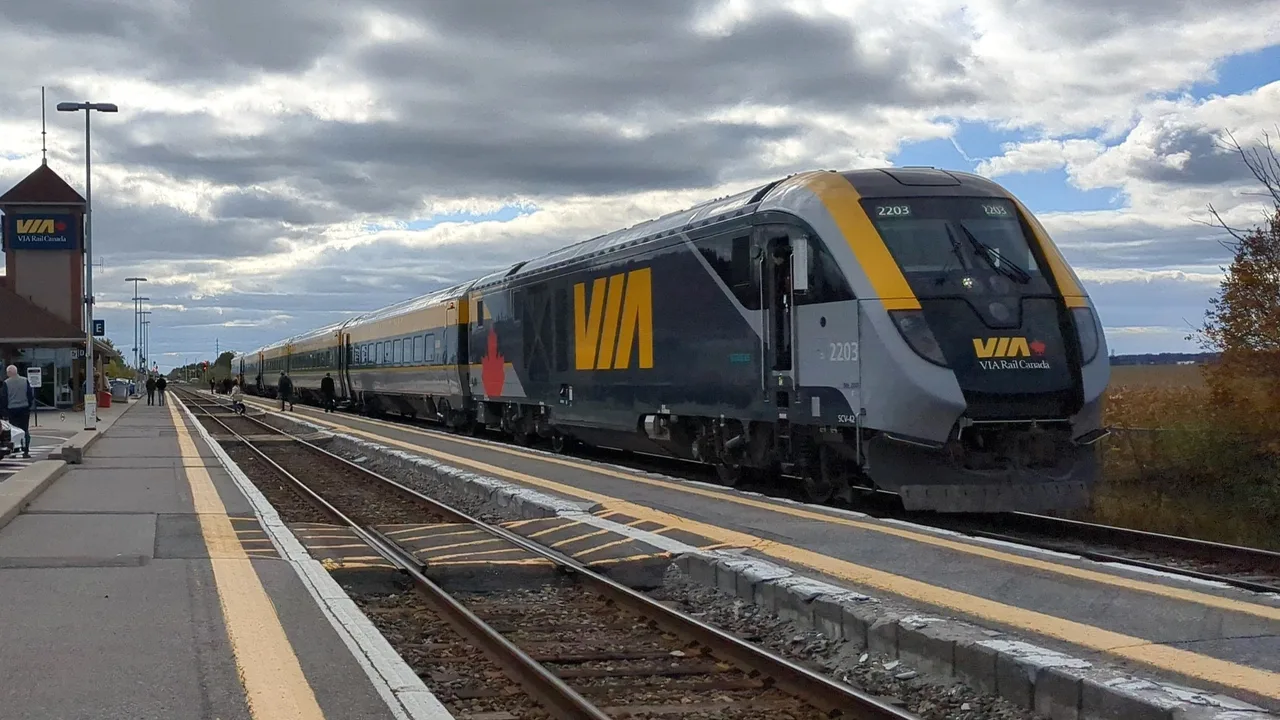
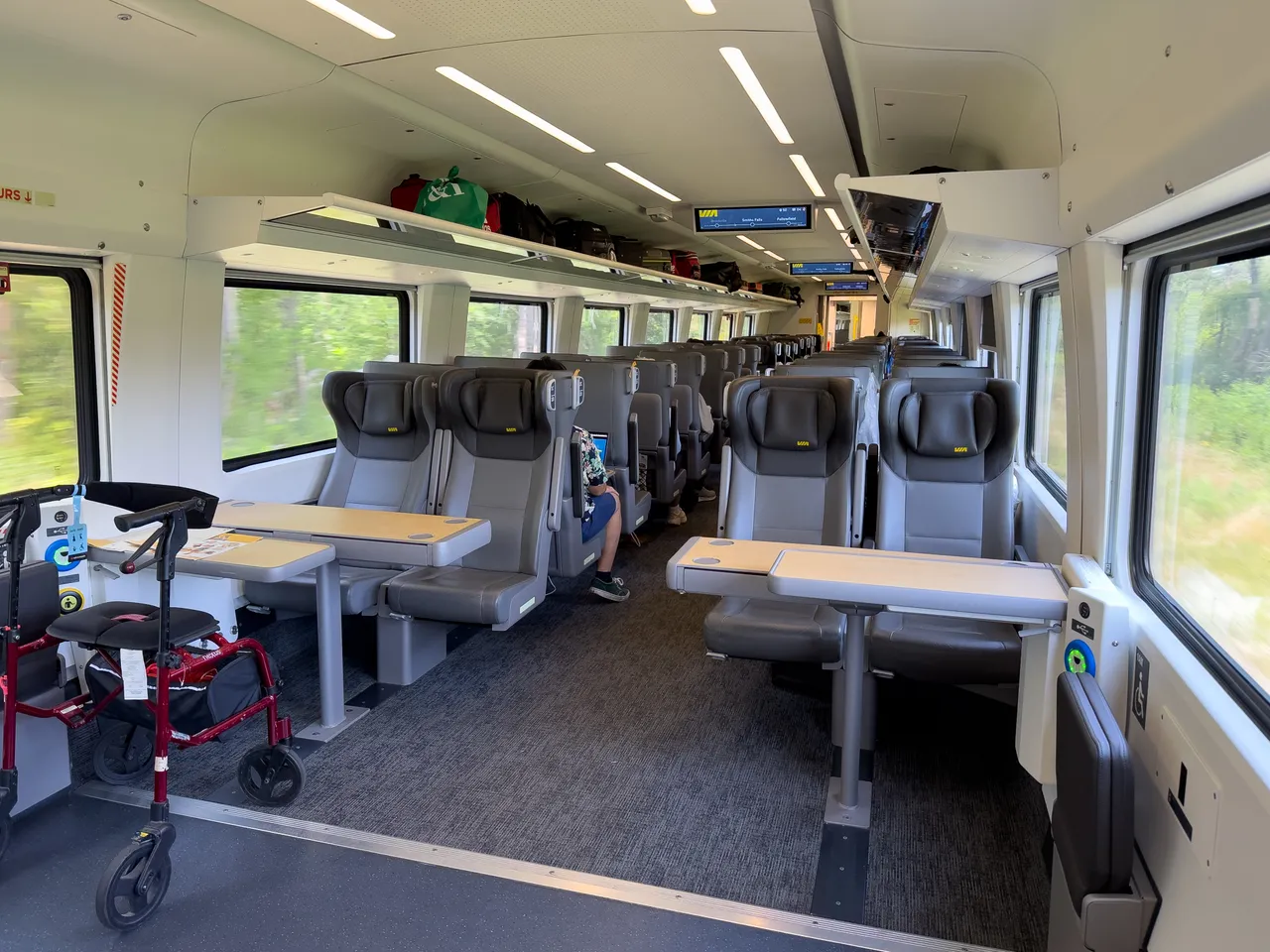
Some services call at intermediate stations such as Sainte-Foy on the Quebec side. If your hotel is west of the walls, that stop can save a taxi - check the timetable for your train, not assuming every departure is Palais-only.
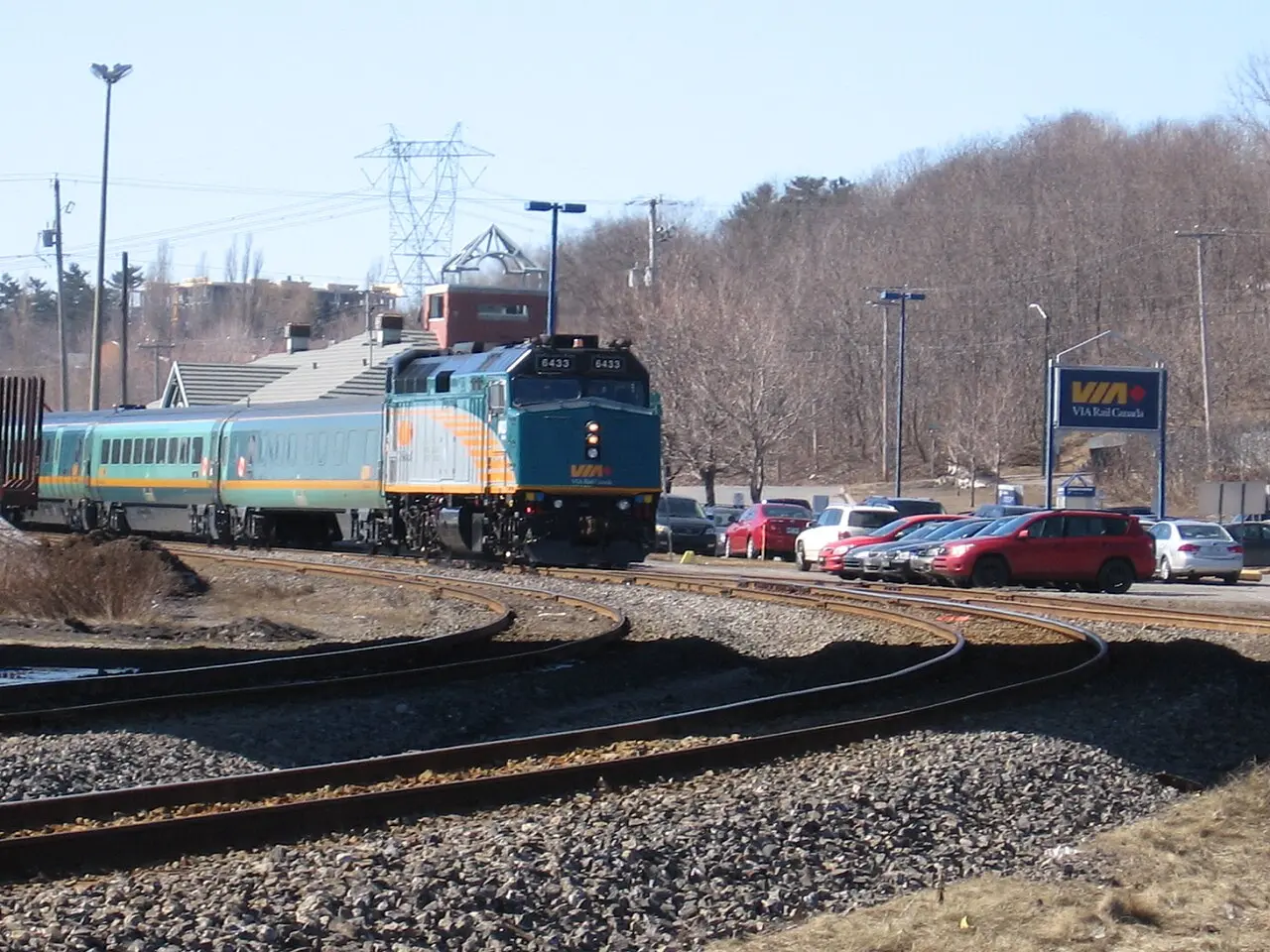
Orléans Express - turn-up frequency
The bus wins on frequency and often on price. Orléans Express publishes fifteen daily departures on the Montreal centre-ville to Quebec centre-ville pair. Average running time is 3 hours 15 minutes; the fastest listed hop is 3 hours flat.
Read the timetable edges carefully, because they are departure times, not arrival times. The first coach leaves Montreal at 06:00 and the last one leaves at 22:00 - which puts that final service into Quebec City somewhere around 01:00 to 01:15, on the operator’s own durations. Book it only if your hotel takes late check-ins and you have a plan for the last kilometre.
That schedule density is why solo travellers and students default here. You miss an 11:00 and there’s another before lunch. Wi-Fi and power are part of the pitch on the operator site; treat both as bonuses, not guarantees on every coach.
The trade is not the address. It never was: the coach pulls into the Gare du Palais building, the same one the train uses, so nobody is being dumped on a ring road. What you give up is the road itself - a fixed seat for three hours with no aisle to wander, Autoroute traffic instead of a timetable, and a schedule that bends when the Montreal bridges do. Book Flexible only if your plans wobble; the cheapest buckets behave like train Escape - cheap because they punish change.
Visit Québec City also frames the bus as the budget default at roughly three hours downtown to downtown. When the DMO and the operator disagree on first and last departure wording, trust the live Orléans booking calendar for the day you’re travelling.
Luggage rules matter more on the bus than people admit. Two large suitcases plus a stroller can turn a “cheap” coach into a wrestling match at the bay. If you’re moving apartments or carrying ski bags, price the train or the car before you congratulate yourself on a C$ promo fare.
Autoroute 20 when a car still wins
Driving the south-shore Autoroute 20 is the fastest when nothing goes wrong: Visit Québec City’s planning figure is about 250 km and 2 hours 45 minutes to 3 hours. Montreal Friday outbound and the bridges rewrite that clock. Winter ice and summer construction rewrite it again.
The useful question on a hop this short is not what the drive costs. It is what the car does for the next three days. Old Quebec is a walled walking town where almost nothing you came to see needs wheels, so a car booked for the weekend spends most of it parked and metered while you cover the old city on foot. Rent for the days you will actually drive it, not for the whole stay.
That flips the answer completely when the city is only one stop. Île d’Orléans is a loop nobody does well by bus. Côte-de-Beaupré and the Montmorency falls sit on the way in. Charlevoix starts where the day trips end. La Mauricie National Park on Highway 55 is the halfway Parkway-and-lakes stop if you’re splitting Montreal and Quebec City over two days - see La Mauricie National Park. Any of those and the car pays for itself in access, not in fare arithmetic. Picking up at Jean Lesage on the morning you leave the walls is usually cheaper than three nights of garage.
If the rental is already sitting at YUL from an earlier Quebec road day, keep driving. If not, don’t invent a car just to “see the countryside” on the 20 - most of the run is highway scenery, not postcard stops. Save Chemin du Roy (Highway 138) for the day when the road itself is the itinerary.
The first kilometre after you arrive
Gare du Palais looks glamorous in photos because it is - a chateau-style station sitting under the cliffs of the upper town. It does not magically roll your suitcase up Côte de la Montagne.
Walk it if you’re travelling light and sleeping in the lower town or the Old Port. Take a taxi, a rideshare or a pre-booked car if you’re heading inside the walls with luggage, small children, or a coach that landed after midnight. Coach passengers face exactly the same hill, because they get off in the same building.
Be clear about what pre-booking buys here, because it isn’t a rescue from sharp practice. The taxi stand outside runs on a meter, and nobody is going to haggle with you in the rain. What a booked car buys is the boring stuff: a driver who is already there when a late coach lands, a trunk big enough for the bags you actually packed, and somebody else taking Côte de la Montagne while you look out of the window. On a family arrival that’s worth more than the fare difference. The same logic runs in reverse when you leave for a morning Montreal flight - build the station hop into the alarm clock, not into hope.
Which mode fits the three hours
Transport is the easy half of this pair - the hard part is matching arrival time to where you’re sleeping.
Train when you want the calmest three hours, a table to open and a step-free door. Bus if Orléans frequency and a lower fare matter more than atmosphere - fifteen daily runs forgive a late lunch in Montreal. Car only if the corridor is one stop on a wider Quebec loop, not the whole weekend.
What the choice is not about is where you end up, because train and coach share the same roof at Gare du Palais. It is about the hour on the clock when you get there, what you’re carrying up the hill afterwards, and whether Friday traffic on the 20 is a price worth paying for door-to-door speed. Sort the bed and the arrival time first; the ticket is the easy part.
On the map
The map loads on click - to keep the page lightweight.
The map didn’t load. Check your connection and refresh the page.
Read also

Transport · 13 min read
Toronto to Montreal: Train, Bus, Flight or Drive
Verified · September 5, 2026Toronto-Montreal 2026: VIA averages 5h13 over 538 km, Megabus runs 8-13 coaches a day from Union, about 545 km to drive, or a 1h20 flight to YUL.

Transport · 9 min read
Ottawa Airport to Downtown: Line 4, Bus 105 and Taxi
Verified · September 4, 2026YOW to downtown: O-Train Line 4 plus Line 2 for C$4.10, Route 105 around the clock, and Ottawa metered taxi rates with the airport pickup fee.

Transport · 12 min read
London to Calgary Flights: The Rockies Shortcut
Verified · August 31, 2026Air Canada and WestJet fly London Heathrow to Calgary nonstop. What the schedule looks like, how fares move, and why this ticket fits a Banff-first trip.

Transport · 10 min read
London to Vancouver Flights 2026: Airlines and Fares
Verified · August 30, 2026Nonstop London-Vancouver runs on BA and Air Canada from Heathrow and Gatwick. What moves the fare, when it softens, and when to book.