
Montreal Airport to Downtown: 747 Bus, Taxi and Uber
YUL to downtown Montreal: the STM 747 bus for C$11.25, flat-rate taxis at C$49.45-56.70, and where Uber and Lyft actually pick up in 2026.
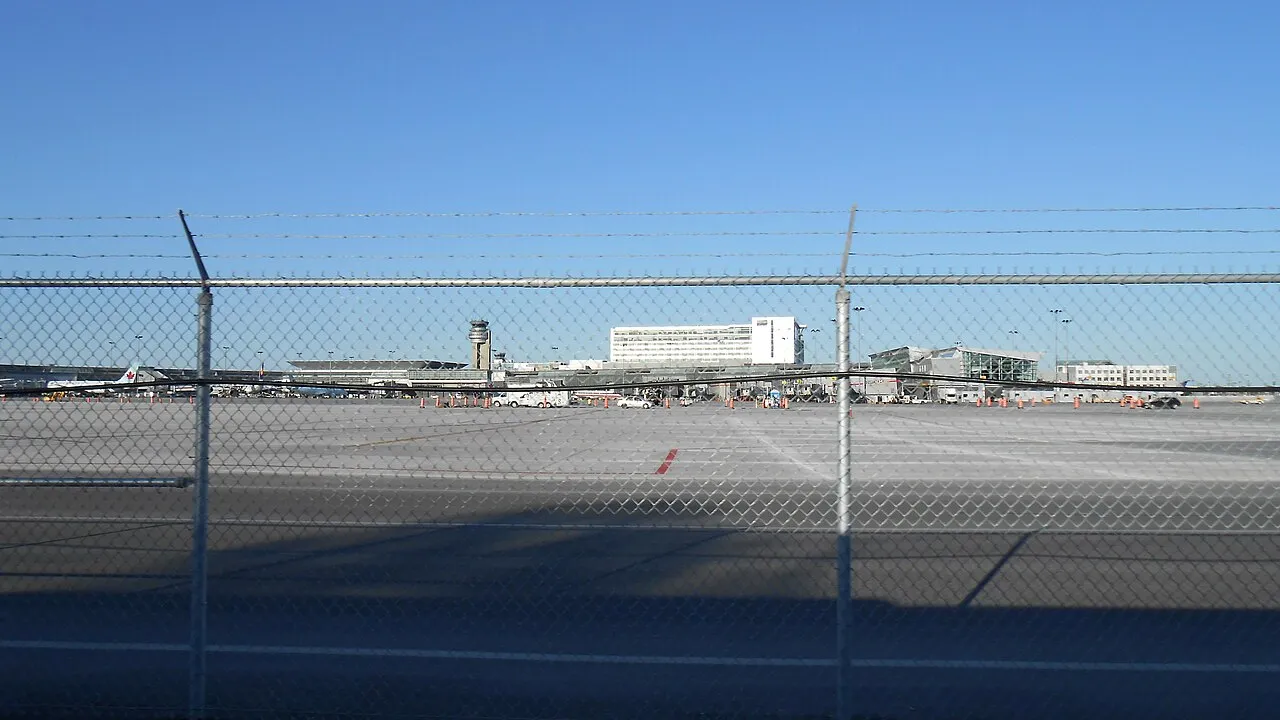
Three ways get you from Montreal-Trudeau (YUL) into the city, and the cheapest one has a catch that trips up a lot of first-time arrivals. The STM 747 bus runs around the clock for C$11.25, a taxi is a flat C$49.45 by day or C$56.70 after 11 p.m. whatever the traffic does, and Uber picks up from a marked zone a short walk from the doors. Pick based on your luggage and your patience for a bus stop, not on the map - all three cover the same distance in roughly the same time.
Here’s the catch: that C$11.25 isn’t really a bus fare, it’s a 24-hour pass for the whole STM network - bus, metro, the works. A single zone-A fare bought elsewhere in the city isn’t valid on this route, so turning up with the wrong ticket in hand means paying again at the farebox. Land jet-lagged with no idea what an OPUS card is, and the bus is still right there outside the terminal; the only thing that goes wrong is paying for it the wrong way.
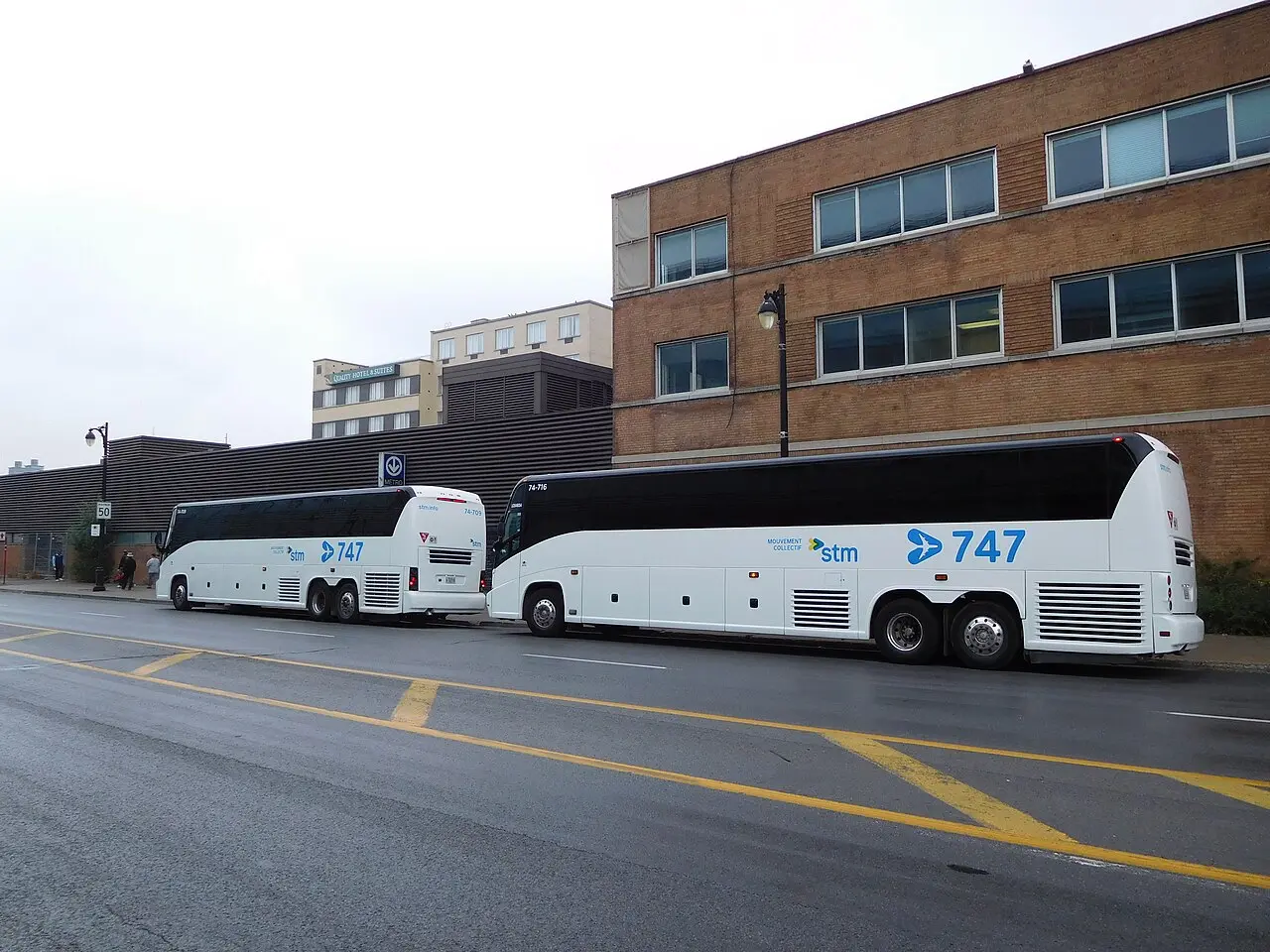
Three ways from YUL, compared
| Way | Time to downtown | Price | Best for |
|---|---|---|---|
| STM 747 bus | 30-70 min, depends on your stop | C$11.25 (24h transit pass) | light packers who don’t mind a bus stop |
| Taxi | roughly 25-35 min | C$49.45 day / C$56.70 night, flat | groups, luggage, late or rough flights |
| Uber / Lyft | roughly 25-35 min | dynamic, changes by the hour | when the app quote beats the taxi |
| Private transfer | roughly 25-35 min | fixed, booked ahead | zero guesswork, driver waiting with a sign |
Road time barely changes between the last three - they’re all cars on the same highway. What actually separates them is whether you’d rather pay per person, per car, or per convenience.
What your C$11.25 actually buys, and how to pay it
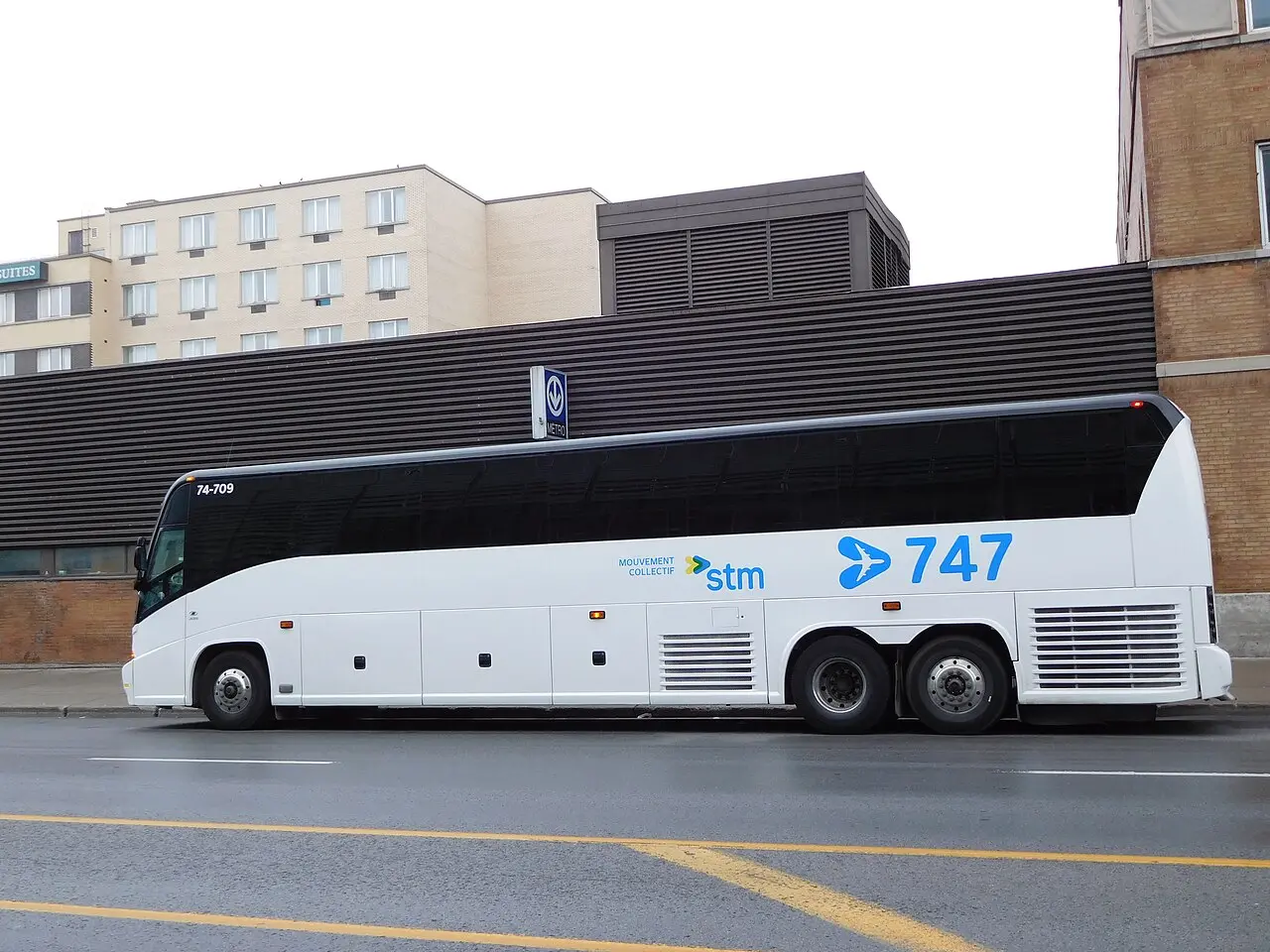
The 747 runs two route patterns, and which one shows up decides how the ride feels. A shorter run shuttles between the airport and Lionel-Groulx metro station in about 30 to 35 minutes - your fastest option if you’re staying somewhere on the orange or green line near there. The fuller run continues on to the Gare d’autocars de Montreal at Berri-UQAM, 11 stops in total including Lionel-Groulx along the way, and takes 45 to 70 minutes depending on traffic and how many of those stops you sit through. Both run 24 hours a day, seven days a week - there’s no last bus to worry about, which matters more than it sounds like after a transatlantic red-eye. Read the destination on the bus itself rather than assume; if Lionel-Groulx is close to where you’re staying, you don’t need the longer run at all.
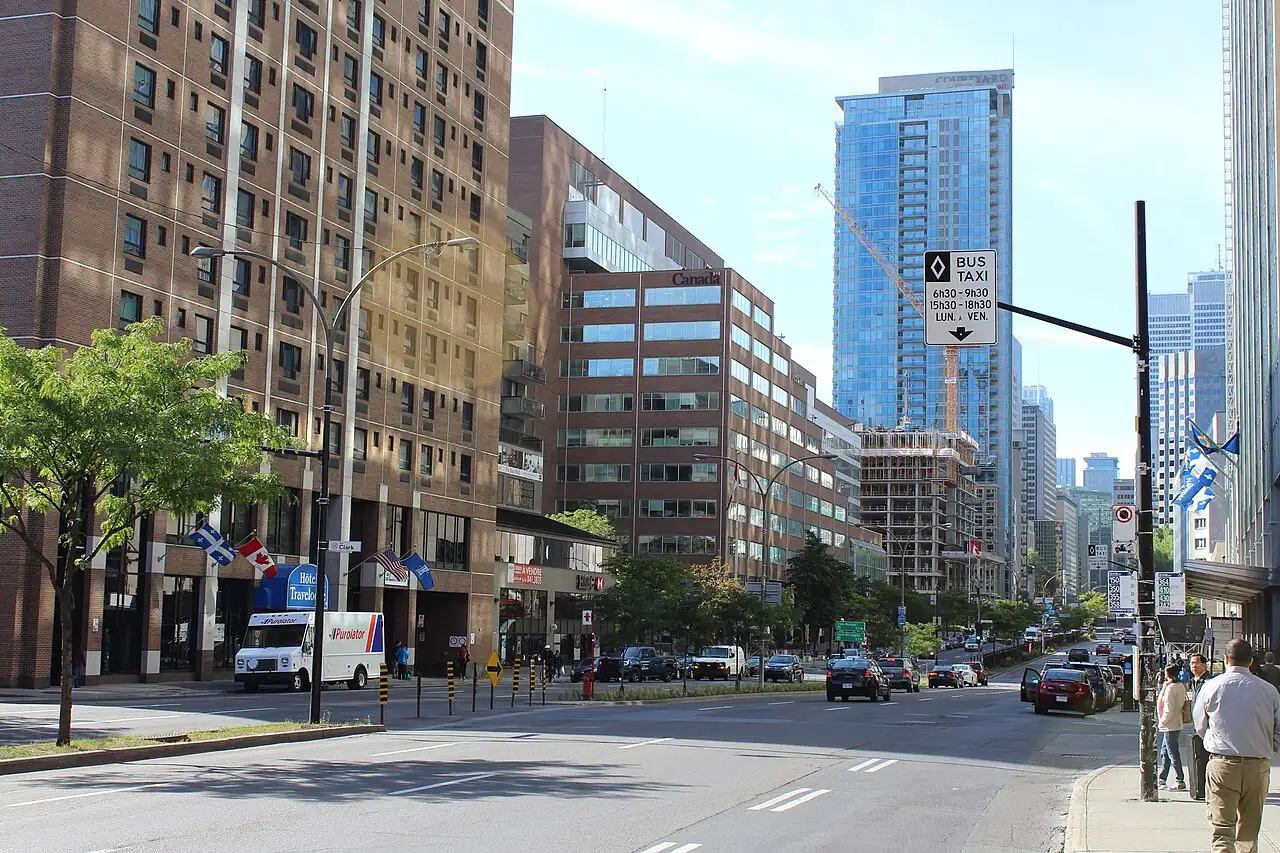
Pay in coins at the farebox - STM’s cash fare wants exact change only, no bills and no change given, so a bus driver is not the place to break a twenty after a long flight. Tap a pre-loaded OPUS card instead if you have one, or buy through the Chrono app before you land so a fistful of coins isn’t the first thing you’re hunting for at the curb. Whichever way you pay, the transfer you get back is good for 24 hours across the whole STM network - bus, metro, commuter train and the REM light rail - not just the ride into town, which is what makes the C$11.25 worth doing right rather than just doing. Downtown, the bus serves stops strung along Rene-Levesque Boulevard between Berri and Guy streets, with dedicated fare machines at each one for the return trip: punch in 0747, take the receipt, and hand it to the driver.
When the bus isn’t worth the walk
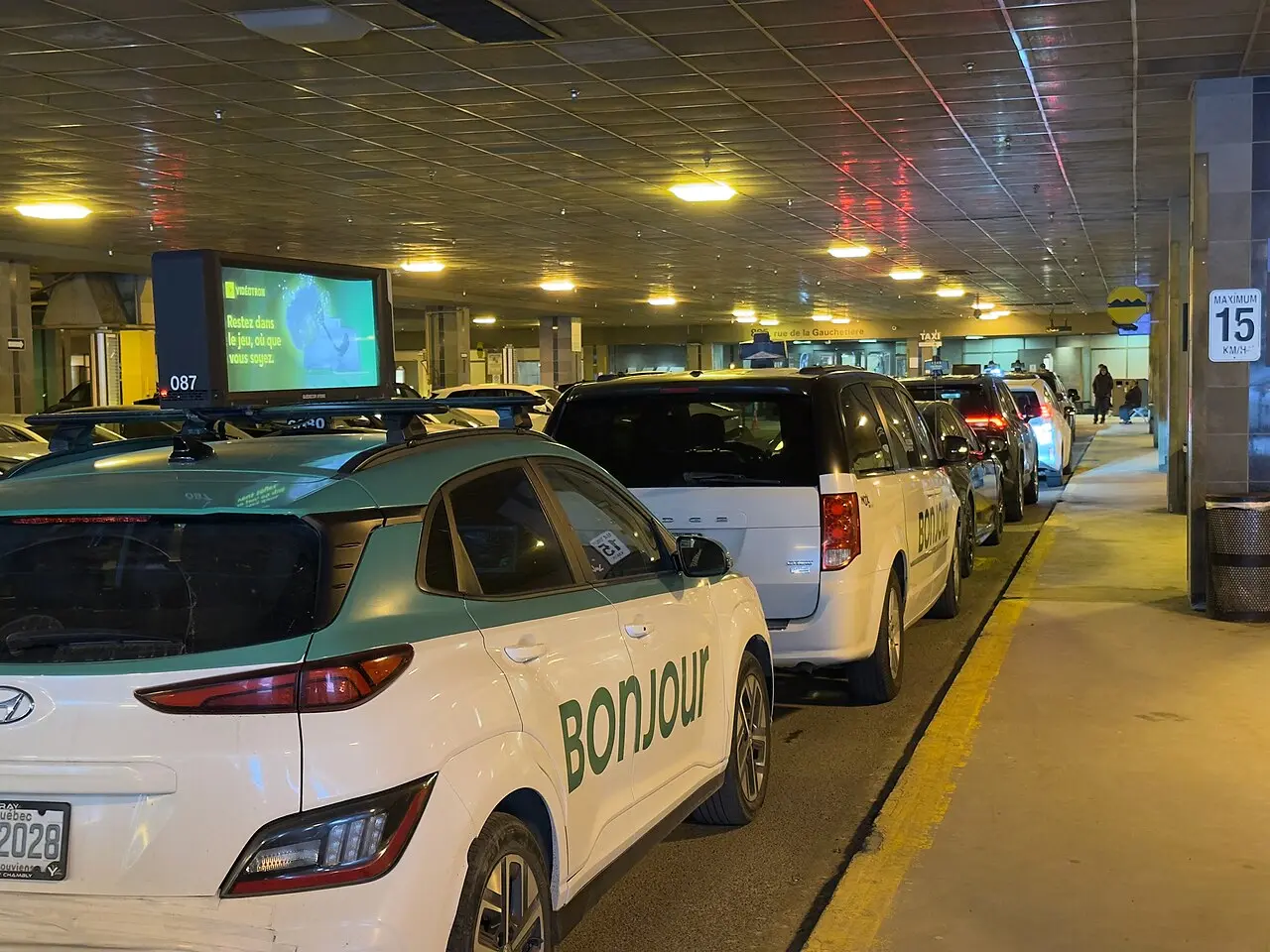
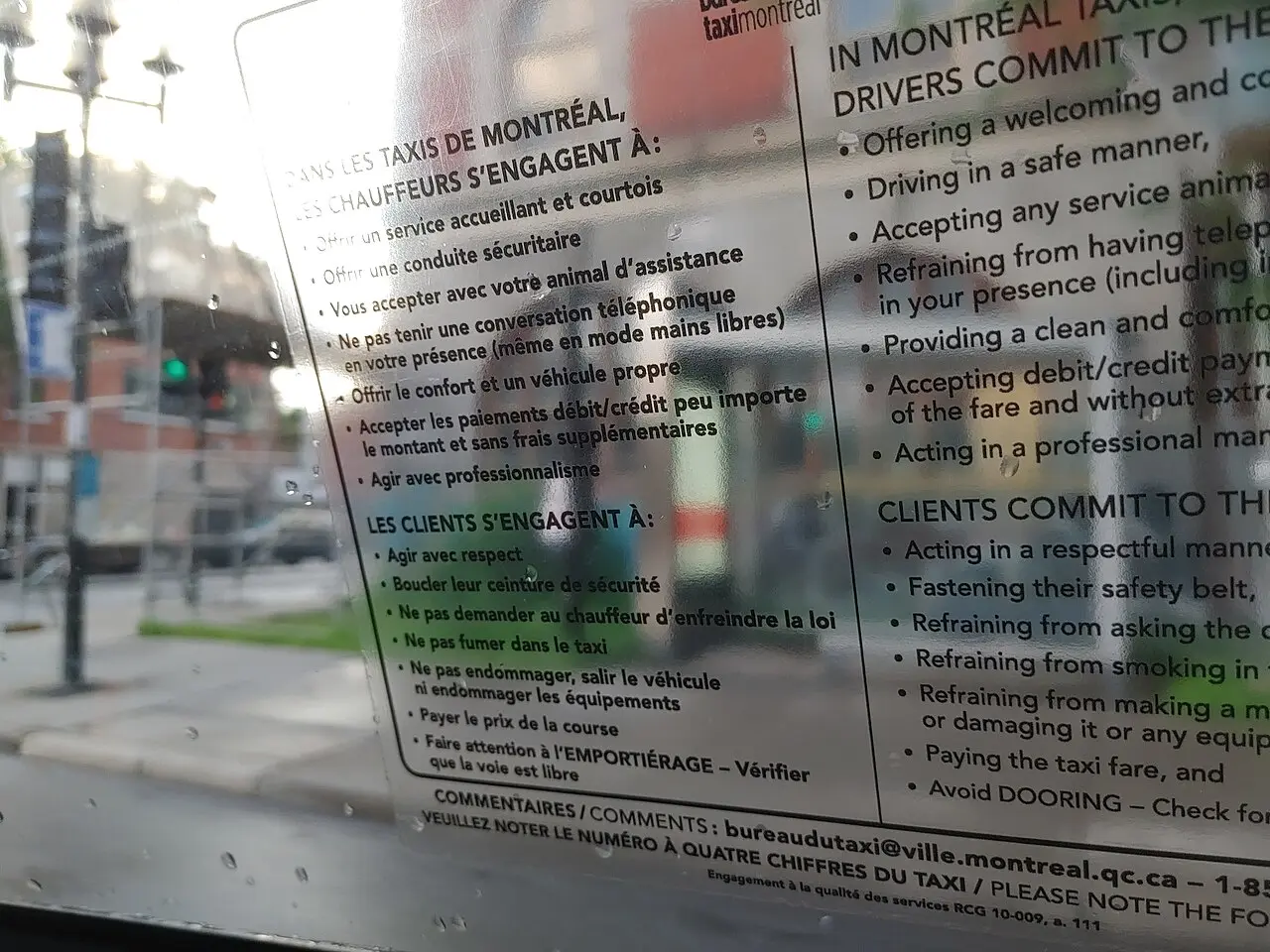
The bus’s whole advantage is price - everything else here beats it on convenience, at a cost. A taxi runs a posted flat rate, not the meter: C$49.45 from 5 a.m. to 11 p.m., C$56.70 overnight, whether the Ville-Marie tunnel is empty or backed up to the exit ramp. That’s per car, not per person, so run the numbers before you assume it saves a group money: two people splitting C$49.45 still pay more than double what two 747 fares would cost them, and even a family of four comes out slightly ahead on the bus - four tickets run C$45.00 against one C$49.45 taxi. What the taxi actually buys is the walk you skip: no dragging bags to a stop, no reading route signage, a car waiting right at arrivals at 1 a.m. Head somewhere outside the flat-rate zone and the driver switches to the meter instead - a C$4.10 flag plus C$2.05 a kilometre by day - so if your hotel sits right on the edge of downtown, ask up front which fare applies.
Uber and Lyft add a second variable on top of price: which door. Uber Black riders head to door 25 on the arrivals level; everyone booking a standard Uber goes to door 28, to the Leigh-Capreol drop-off area, where there’s a marked pickup zone. Lyft works the same way through its own area - check the pin the app gives you rather than assume it matches Uber’s. Pricing here is dynamic, so check the app at the baggage belt rather than assume it beats or loses the C$49.45 taxi benchmark; a quiet weekday afternoon usually undercuts the flat fare, a Friday night with three flights landing together usually doesn’t.
If you’d rather not gamble on surge pricing at all, a pre-booked private transfer locks in a price before you leave home and puts a driver at arrivals holding a sign with your name on it - it costs more than either a good Uber quote or the taxi, in exchange for one less thing to think about after a long flight.
Heading out of Montreal
Montreal itself doesn’t need a car - the metro and the 747’s own transfer cover the city better than a rental ever would, and downtown parking eats into any savings a car might offer. Where a rental earns its keep is what comes after: Quebec City, the Eastern Townships wine country, or a loop through the Laurentians, none of which the transit network touches. Pick the car up on the day you actually leave the city rather than the day you land, and skip paying for a parking spot you’re not using while you walk Old Montreal on foot.
Picking without the spreadsheet
Landing solo or as a couple with a carry-on, the 747 is the easy call - cheapest by a wide margin, and that 24-hour transfer means your first day of sightseeing is already covered. The taxi is never actually cheaper than the bus, at any group size - but the gap does shrink from a lot to not much: four 747 tickets still beat one taxi, just by less than five dollars, which is the point where paying for the taxi is a conscious trade for the walk and the luggage you skip, not a false economy. Arriving as a family, with a stroller, or after midnight when a bus stop and a metro transfer sound like too much, that’s worth paying for. Somewhere in between, check the Uber quote against C$49.45 before you commit either way; it swings both directions depending on the hour.
Read also
-
Arriving from Toronto by train, coach, flight or car: Toronto to Montreal
-
Picking a base near the 747’s stops: where to stay in Montreal
-
What to do once you’re downtown: things to do in Montreal
-
Comparing YUL, YYZ and YVR before you book the flight: which airport to fly into Canada
-
Renting for the province beyond the city: renting a car in Canada
-
The wider province: Quebec travel guide
On the map
The map loads on click - to keep the page lightweight.
The map didn’t load. Check your connection and refresh the page.
Read also

Transport · 13 min read
Toronto to Montreal: Train, Bus, Flight or Drive
Verified · September 5, 2026Toronto-Montreal 2026: VIA averages 5h13 over 538 km, Megabus runs 8-13 coaches a day from Union, about 545 km to drive, or a 1h20 flight to YUL.

Transport · 9 min read
Ottawa Airport to Downtown: Line 4, Bus 105 and Taxi
Verified · September 4, 2026YOW to downtown: O-Train Line 4 plus Line 2 for C$4.10, Route 105 around the clock, and Ottawa metered taxi rates with the airport pickup fee.

Transport · 12 min read
London to Calgary Flights: The Rockies Shortcut
Verified · August 31, 2026Air Canada and WestJet fly London Heathrow to Calgary nonstop. What the schedule looks like, how fares move, and why this ticket fits a Banff-first trip.

Transport · 10 min read
London to Vancouver Flights 2026: Airlines and Fares
Verified · August 30, 2026Nonstop London-Vancouver runs on BA and Air Canada from Heathrow and Gatwick. What moves the fare, when it softens, and when to book.