Where to Stay in Montreal: Best Neighbourhoods
Where to stay in Montreal by neighbourhood: Old Montreal, Downtown, the Plateau, Mile End and Griffintown, plus the roughly 18% hotel taxes and transit.
For a first visit to Montreal without a car, stay in Old Montreal for the atmosphere or Downtown for the value and the transit; both put you a short walk or metro ride from most of what you came for. To live like a local, base in the Plateau or the Mile End, where the stock is apartments and small B&Bs more than hotels, and for newer rooms by the canal look at Griffintown. Skip the airport unless you have a dawn flight to catch.
The thing almost nobody budgets for is the tax. Montreal adds roughly 18 to 19 percent to the room rate in three separate taxes, so an advertised C$200 room is really about C$237 once you’ve paid, and that gap can matter more than the choice between two neighbourhoods. Sort the tax and the transit into your comparison before you fall for a photogenic address, because a cheaper-looking room in the wrong spot often isn’t cheaper at all.
Which area for which trip
Match the kind of trip you are taking to a base, then read the section that fits.
| Area | Best for | Tier | The catch |
|---|---|---|---|
| Old Montreal | atmosphere, couples, first visit | C$$-C$$$ | dearest per night, quiet after the day crowds leave |
| Downtown / Centre-Ville | value, transit, business | C$$ | less characterful, empties at night |
| Plateau / Mile End | living like a local, food, longer stays | C$-C$$ | few real hotels, noisier streets |
| Griffintown / Sud-Ouest | new rooms, quieter, near the canal | C$$ | thin on metro, some blocks feel unfinished |
| Near YUL airport | an early flight only | C$$ | nothing to walk to, a commute into town |
The tiers are relative because nightly rates swing hard by date. Read them as how the areas compare with each other, not as prices.
Old Montreal: the atmosphere, and the highest rates
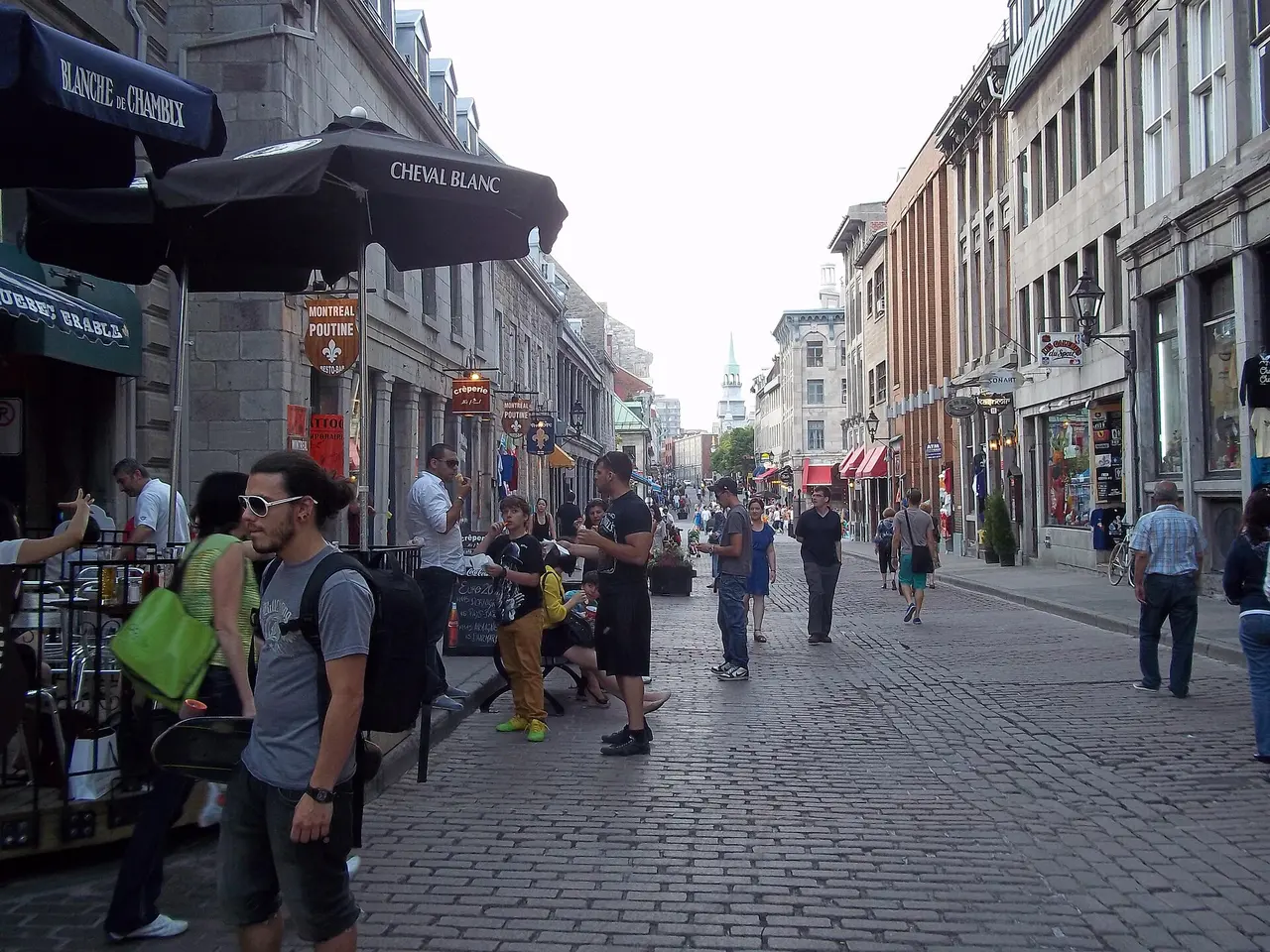
Old Montreal is the cobblestoned old town by the river, where stone warehouses have become boutique hotels and you step out of the lobby straight into the postcard. It’s the pick for a couple, a short first visit or anyone who wants the most photogenic base and does not mind paying for it, and it’s well served by the metro at Place-d’Armes and Square-Victoria-OACI, and the evening AURA show at Notre-Dame Basilica is inside the quarter, so the walk back is short. Two honest caveats: it’s the most expensive area per night, and it goes quiet in the evening once the day-trip crowds thin out, so it trades nightlife for looks.
Downtown: the best-value base, and the train station
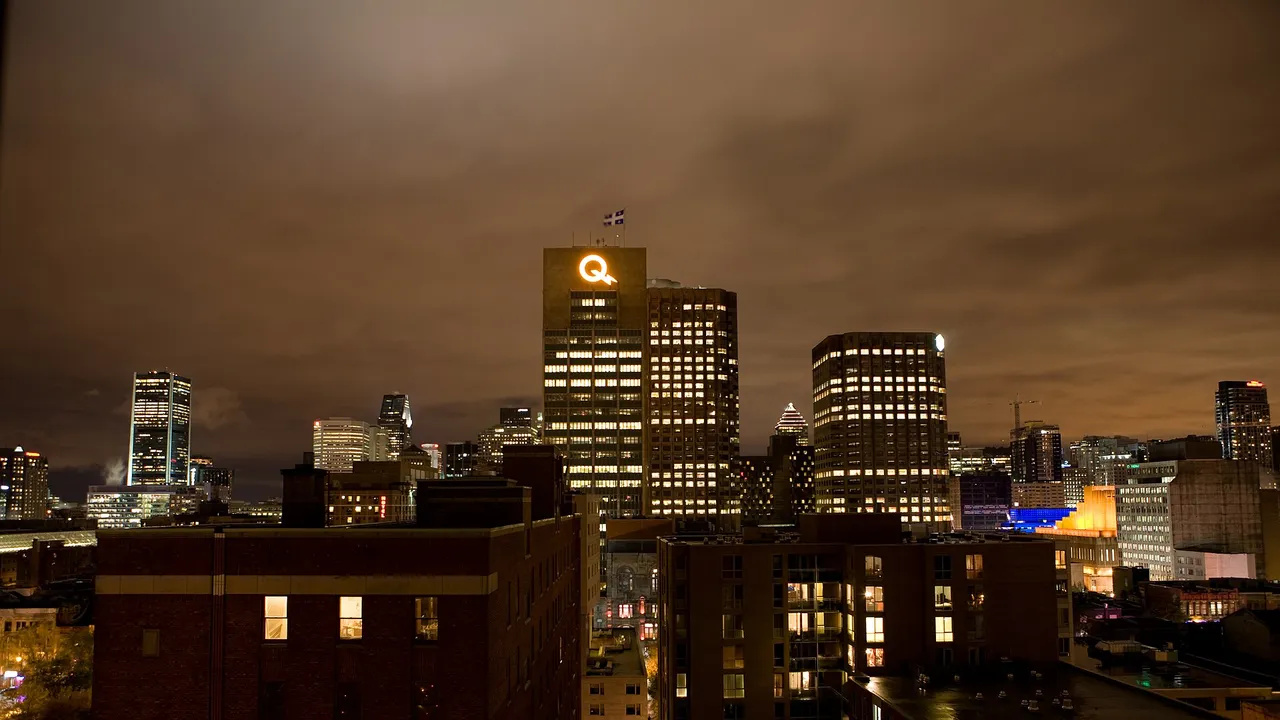
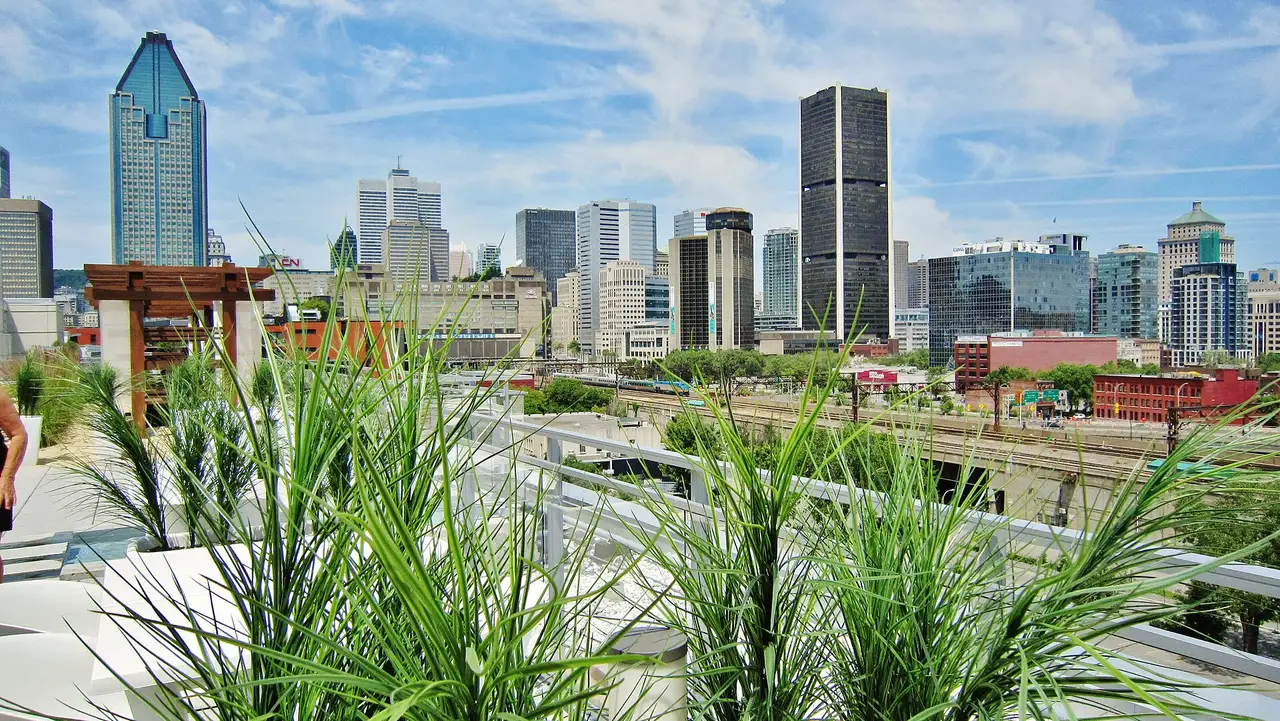
For most first-timers, Downtown is the smart choice and the one I would book first. This is where the chain hotels cluster, which means the widest range and usually the best value for a reliable room, and it’s the transit heart of the city, with the metro at Peel, McGill, Bonaventure and Guy-Concordia putting the rest of Montreal within easy reach. There’s a practical bonus for anyone travelling on: Gare Centrale is here, so if Montreal is a stop on a wider trip, VIA Rail to Quebec City or Ottawa leaves from your doorstep. The trade is character. The business core empties out at night and it’s not the Montreal of the brochures, but for convenience and price it’s hard to beat, and the skyline above is what you’re sleeping under.
The Plateau and Mile End: staying where locals live
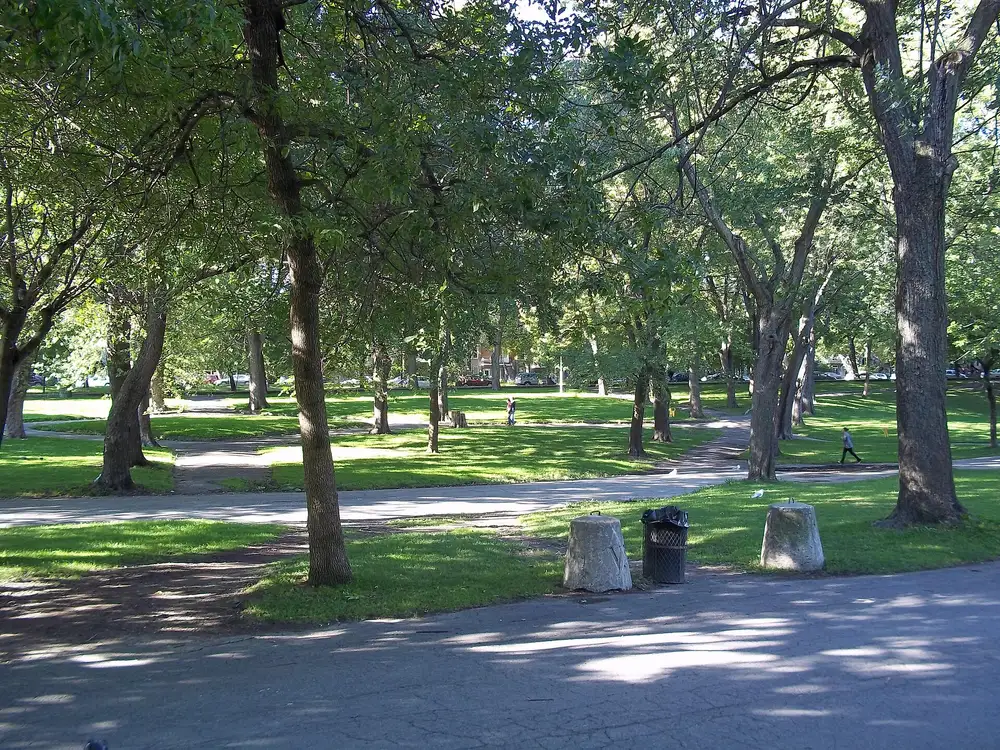
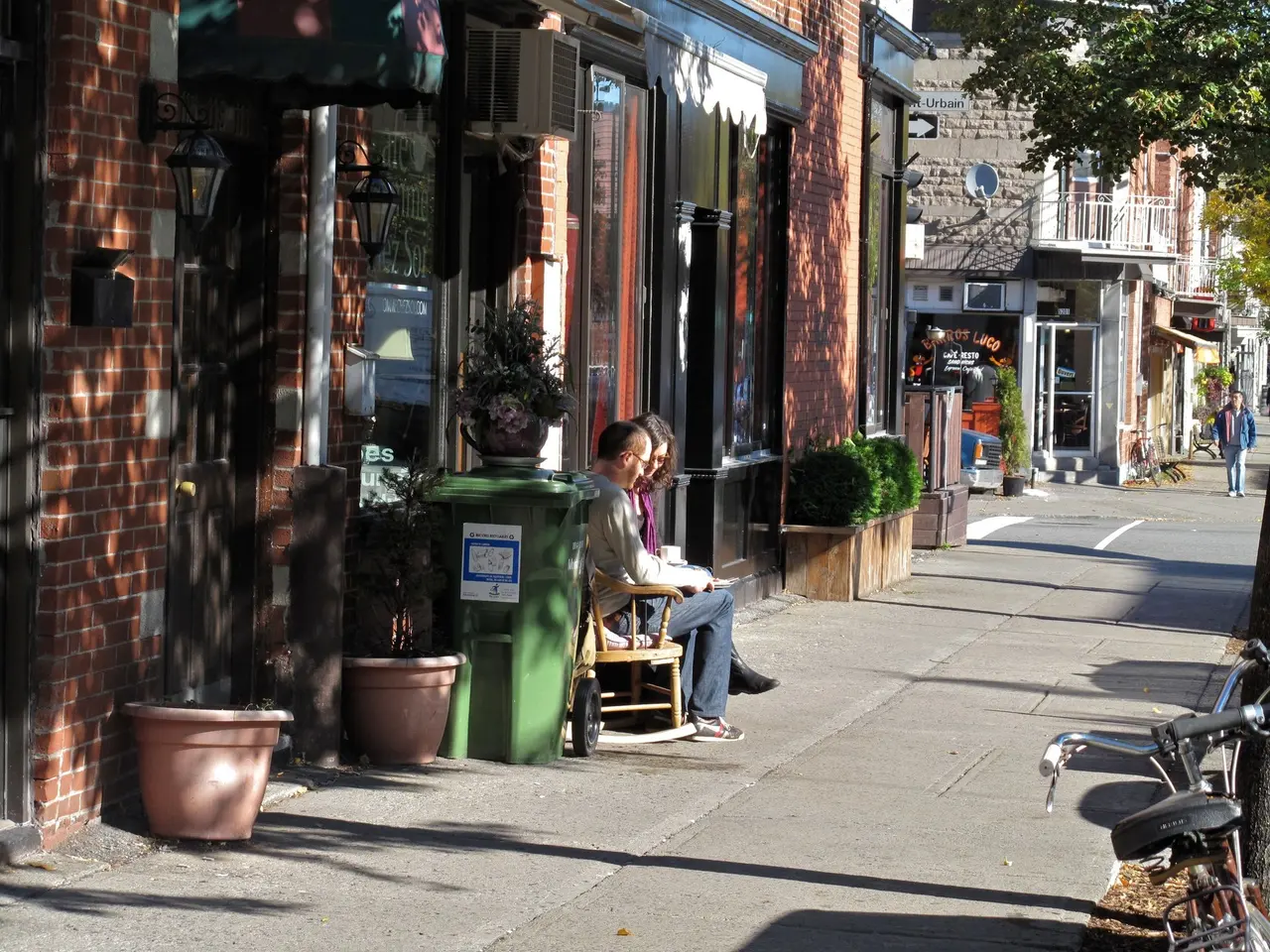
The Plateau-Mont-Royal and the neighbouring Mile End are where Montreal actually lives, all painted staircases, corner cafes and the food you came for, and they’re the right base for a second visit or anyone who would rather feel resident than touristed. The important thing to know before you book is that these aren’t hotel districts: the stock is apartments, guesthouses and small B&Bs, so plan on a rental more than a front desk. The metro runs along the orange line at Mont-Royal, Laurier and Sherbrooke, though parts of the Mile End sit a walk or a short bus from a station, and the lively streets can be noisy at night. Base here for the life of the place, not for the convenience.
Griffintown and the Sud-Ouest: new rooms by the canal
Griffintown is the former industrial strip southwest of Downtown that has filled with condo towers, loft apartments and apart-hotels, and it suits travellers who want newer, quieter rooms within walking distance of the centre. It sits by the Lachine Canal and Atwater Market, it’s an easy stroll into Downtown, and it’s a good fit for a couple or a remote worker who wants space over character. The catches are real, though: the metro thins out at the edges here, so many people lean on walking or the BIXI bike share to get around, and some blocks still feel like a building site rather than a neighbourhood. For new and calm near the water, it works; for atmosphere on your doorstep, it doesn’t.
Near the airport: only for an early flight
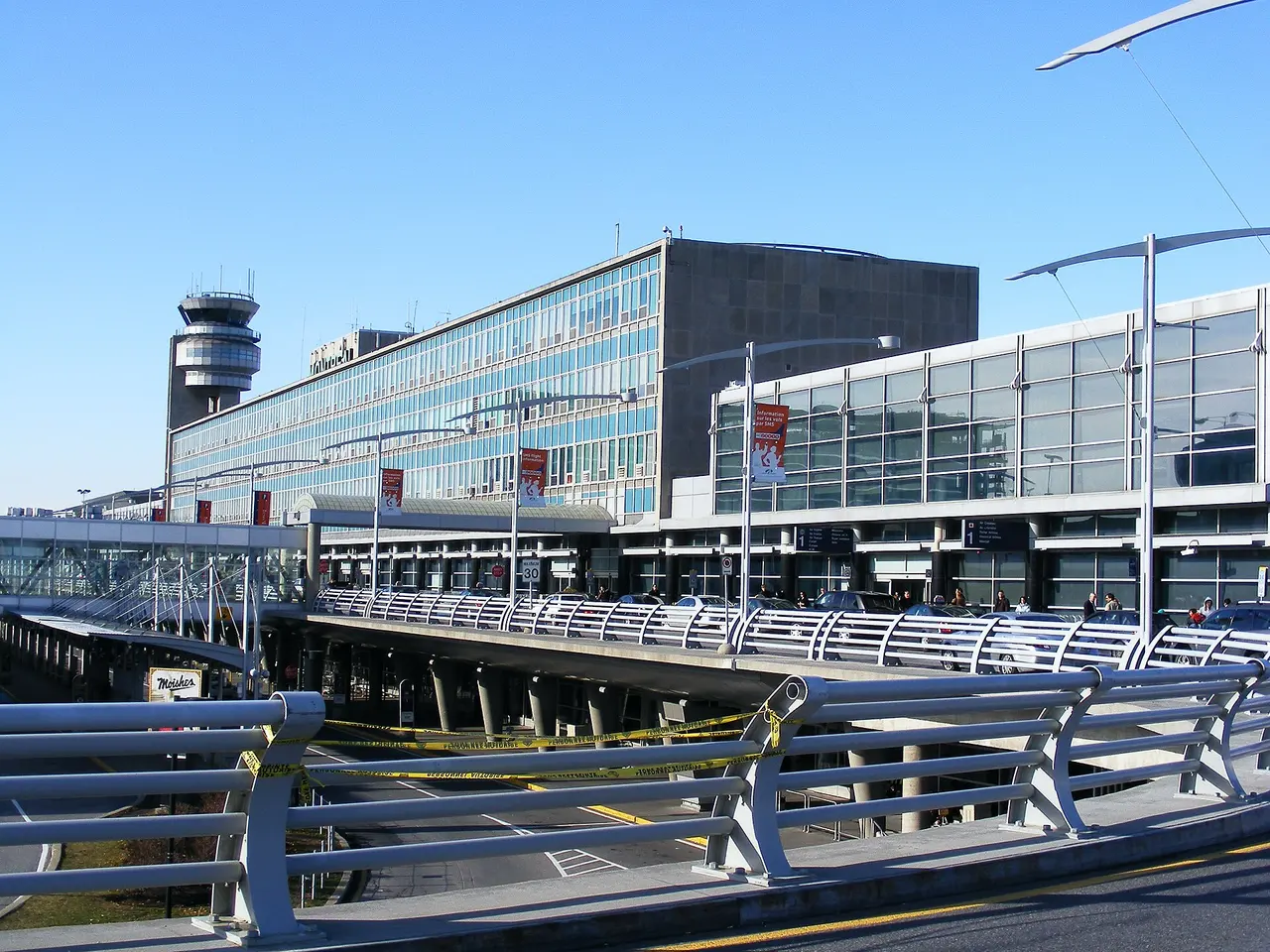
An airport hotel at Dorval earns its place in exactly one situation: a departure so early, or an arrival so late, that going into the city makes no sense. The STM 747 bus runs between Montreal-Trudeau and downtown around the clock, so a night out here need not strand you, but there is nothing to walk to and every trip into town is a bus ride and a chunk of your day. For sightseeing, a downtown room wins on time even before it wins on atmosphere. Stay near YUL for the logistics of a flight, not for the vacation.
What a Montreal hotel actually costs: the taxes on your bill
The advertised rate isn’t the number you pay. On top of the room, a Montreal bill carries three taxes: Quebec’s tax on lodging at 3.5 percent, federal GST at 5 percent and Quebec’s QST at 9.975 percent, which together come to roughly 18 to 19 percent. In plain money, a room shown at C$200 a night lands around C$237 once the taxes are on, so build that into every price you compare rather than getting a shock at checkout.
A few things worth knowing so the tax does not confuse you. The 3.5 percent lodging tax is a provincial tax collected by Revenu Quebec, not a municipal city tax, and it’s a percentage now rather than the old flat per-night charge some guides still describe. It applies to short stays under 31 days and, importantly, to rentals booked through Airbnb or Booking as well as to hotels, so you don’t escape it by choosing an apartment. It has been steady since 2019, so it’s not a temporary surcharge you can wait out. That said, taxes do change, so treat these as the rates at the time of writing and let the booking screen show you the final figure.
Getting around from your base
Wherever you land, the metro is the argument for Downtown and Old Montreal and the small catch for the Plateau’s edges and Griffintown. Fares are ARTM zone A almost everywhere a visitor goes, and the sensible buy for a short stay is a multi-day title on an OPUS card rather than singles: a single is C$3.75, a 24-hour pass C$11.25, three days C$21.75 and a week C$33.25. One airport catch is worth repeating, because it quietly overcharges people: on the STM 747 bus from YUL, the day pass and the longer titles are valid but a single zone A fare isn’t, so buy the C$11.25 day pass at the airport and it covers both the ride into town and your first day of sightseeing.
When rooms are hardest to find
Montreal has weeks when the whole city is booked out and rates jump, and they’re worth planning around. The Canadian Grand Prix in June and the jazz festival in late June and early July are the big two, along with summer weekends generally; in those windows you book early or you overpay. The 2026 jazz festival ran from 25 June to 4 July, and dates like it move a little each year, so check the calendar for your travel year before you assume a week is a bargain. Outside the festival stretch, late spring and September are the easy, better-value times to find a room.
Booking without French, and the questions people ask
A few last things travellers worry about, answered straight. Is Old Montreal too touristy to sleep in? No, it’s lovely and central; it just goes quiet at night, so book it for looks and walk out for nightlife. Do you need a car? Not in the city, and it is a liability with paid parking and one-way streets, so base on the metro and skip it. Is the Plateau safe and is it noisy? Safe, yes, and lively rather than rough, but the busy streets can be loud on weekends, so ask for a room off the main strip. What about the language? You do not need French to stay here; hotels and rentals serve visitors in English as a matter of course, and opening with “Bonjour” and letting the other person switch is all the etiquette you need. For what to actually do once you have a base, see the Montreal city guide and the Montreal food guide; if the city is one stop on a bigger trip, the eastern Canada itinerary runs the train down to Quebec City, and the format here matches our guide to where to stay in Toronto.
On the map
The map loads on click - to keep the page lightweight.
The map didn’t load. Check your connection and refresh the page.
Read also

Before you go · 11 min read
Canada eTA for UK Citizens: Entry Requirements
Verified · September 1, 2026UK air travellers need a CAN$7 eTA. Cost, validity, land exception, refusals and British passport types - checked on canada.ca, 1 Sep 2026.

Before you go · 9 min read
Calgary vs Vancouver: Which Airport for the Rockies
Verified · August 29, 2026Calgary puts Banff 140 km up the road; from Vancouver it's 850 km. What the drop fee, the domestic hop and the thinner route map actually cost you.

Before you go · 10 min read
Quebec City in Winter: Carnival, Ice Hotel, What to Wear
Verified · August 16, 2026Quebec City in winter: Carnival 5-14 Feb 2027, ice hotel from January, February nights -16 C, and what to pack.

Before you go · 8 min read
Canadian Rockies vs Vancouver Island: Which Trip to Take
Verified · August 14, 2026Rockies or Vancouver Island for one week: lakes and Icefields Parkway vs ferry, Victoria and Tofino - pick by trip shape, not Instagram.