
Where to Stay in Toronto: Best Neighbourhoods
Where to stay in Toronto: the best areas for a first visit, a frank word on safety, the hotel tax back at 6% since 1 August 2026 and the transit links.
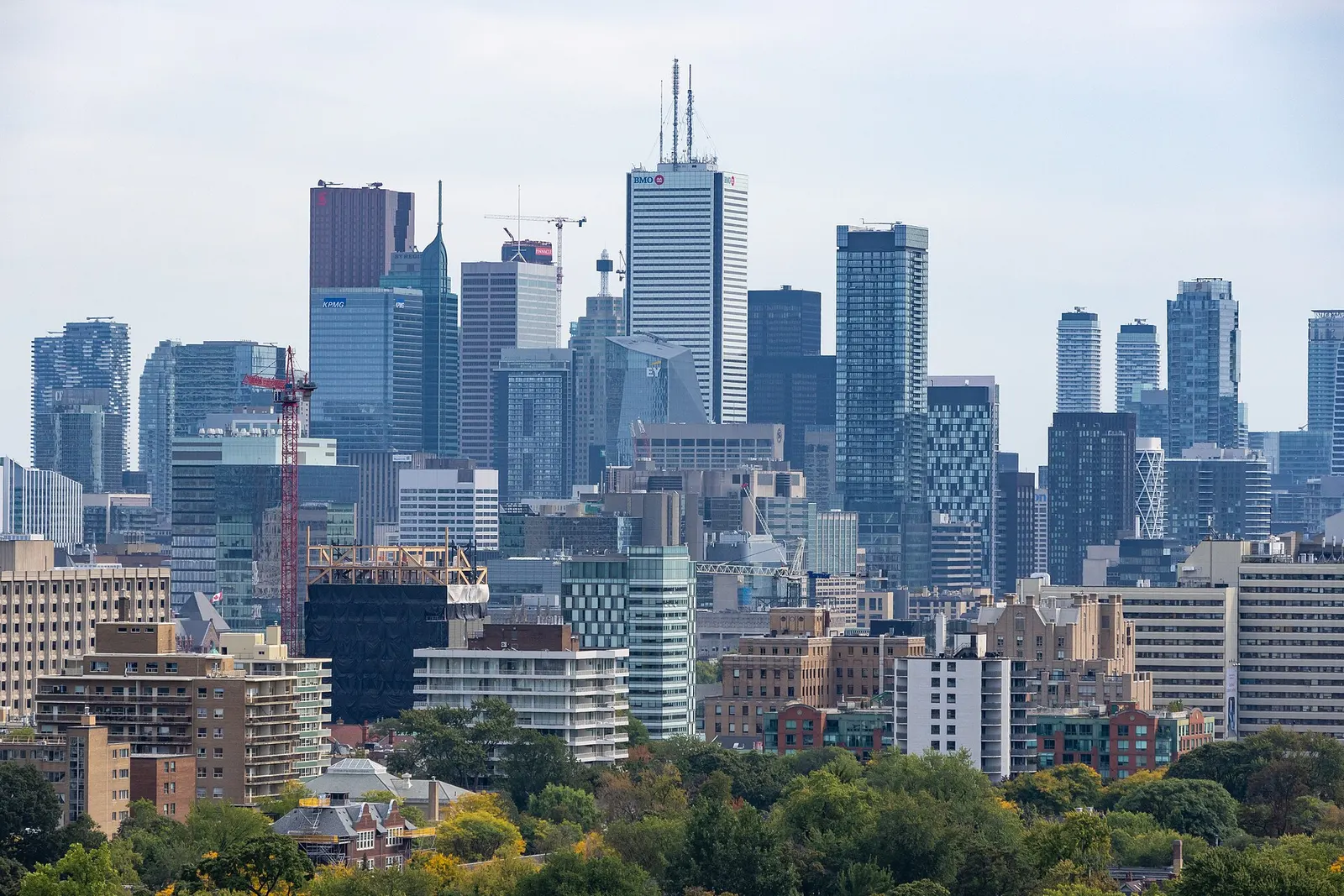
For a first visit to Toronto without a car, stay downtown, either in the Entertainment District or in the Financial District around Union Station. Both put you within walking distance of the CN Tower, the waterfront and the arenas, both sit on the subway and streetcar network, and the Financial District has the extra trick of sitting on top of the airport train and the underground PATH walkways. Yorkville is the quieter, pricier uptown option, Queen West is the one for a younger crowd, and the airport hotels are cheaper for a reason that’s always a longer commute.
Toronto’s real trap isn’t the room rate but two things sitting just outside it. One is the accommodation tax, which the city bolts onto every bill and which fell back to 6% on 1 August 2026. The other is the calendar: rates here lurch by event, so the identical room can cost double the week a festival or a convention is in town and fall back to a bargain the week after. Sort both out before you compare a single price.
The neighbourhoods at a glance
| Area | Best for | Tier | The catch |
|---|---|---|---|
| Downtown / Entertainment District | first visit, no car | $$-$$$ | dear and full on TIFF and big-event days |
| Financial District / Union Station | transit, business, winter | $$-$$$ | quiet and empty at night |
| Yorkville | couples, shopping, calm | $$$ | little that’s cheap |
| Queen West | design, nightlife, younger crowd | $$ | fewer chain hotels |
| Distillery / east waterfront | atmosphere, walking, couples | $$-$$$ | few hotels inside, not by the subway |
| Liberty Village / west end | longer stays, value | $-$$ | sights are a transit ride away |
| Near Pearson airport | early flights, a car | $-$$ | nothing to do in the evening |
The tiers are relative on purpose. A dollar figure would be out of date by the next big event on the calendar, so read them as how the areas compare with each other rather than as a price.
The Entertainment District: the obvious first base
For a first two or three nights without a car, this is the pick that needs no defending. From the Entertainment District you walk to the CN Tower, Ripley’s Aquarium, the Rogers Centre and Scotiabank Arena, and the theatres and nightlife are on your doorstep. It’s well served by the subway and the King and Queen streetcars, so the rest of the city is easy from here.
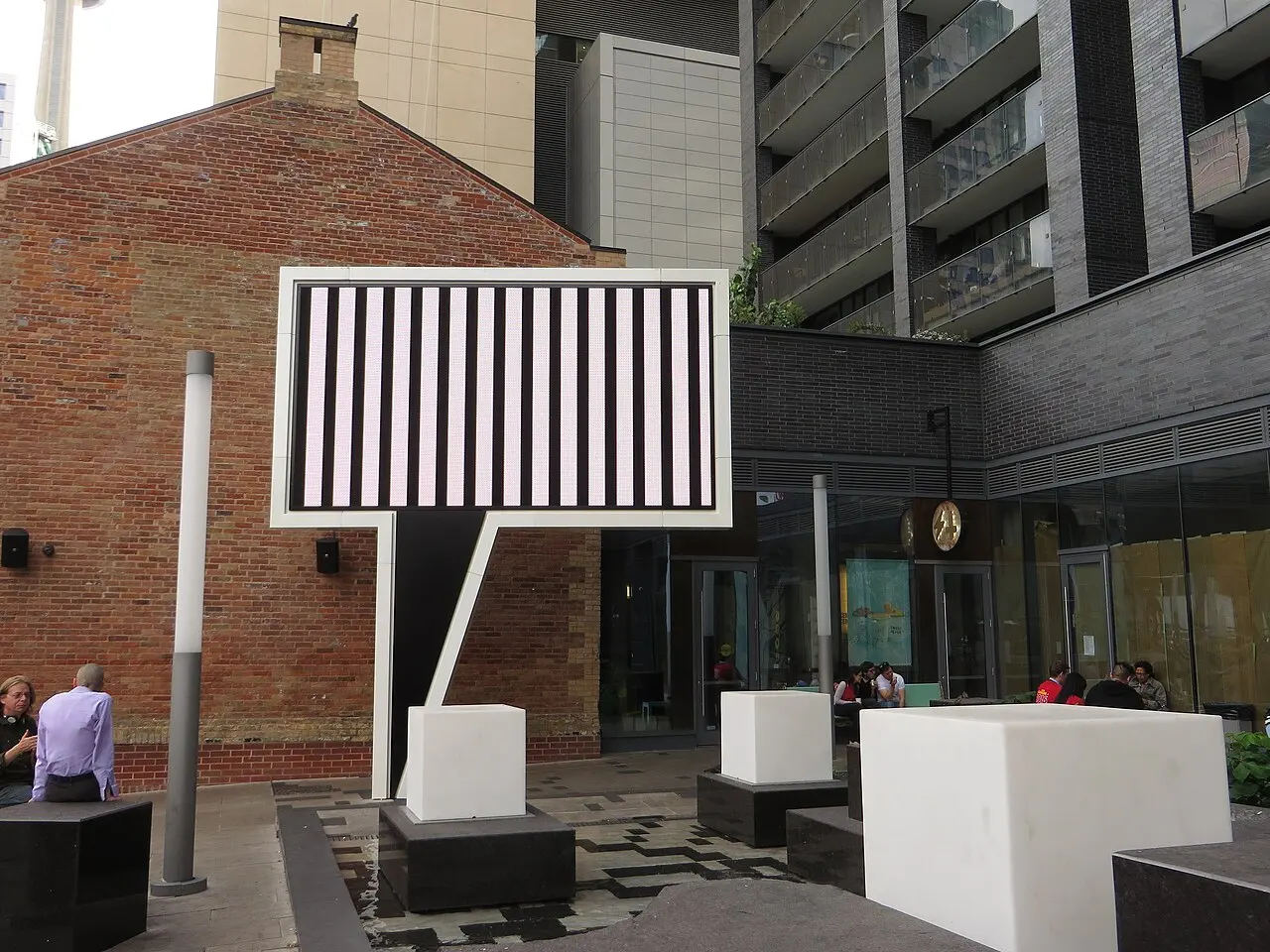
The cost is exactly that convenience. This is where prices spike hardest during the film festival and big events, and it’s loud on weekends. If you want the location without the peak, book well ahead and avoid festival and big-event dates, TIFF in September above all (covered below).
Financial District and Union Station: the transport play
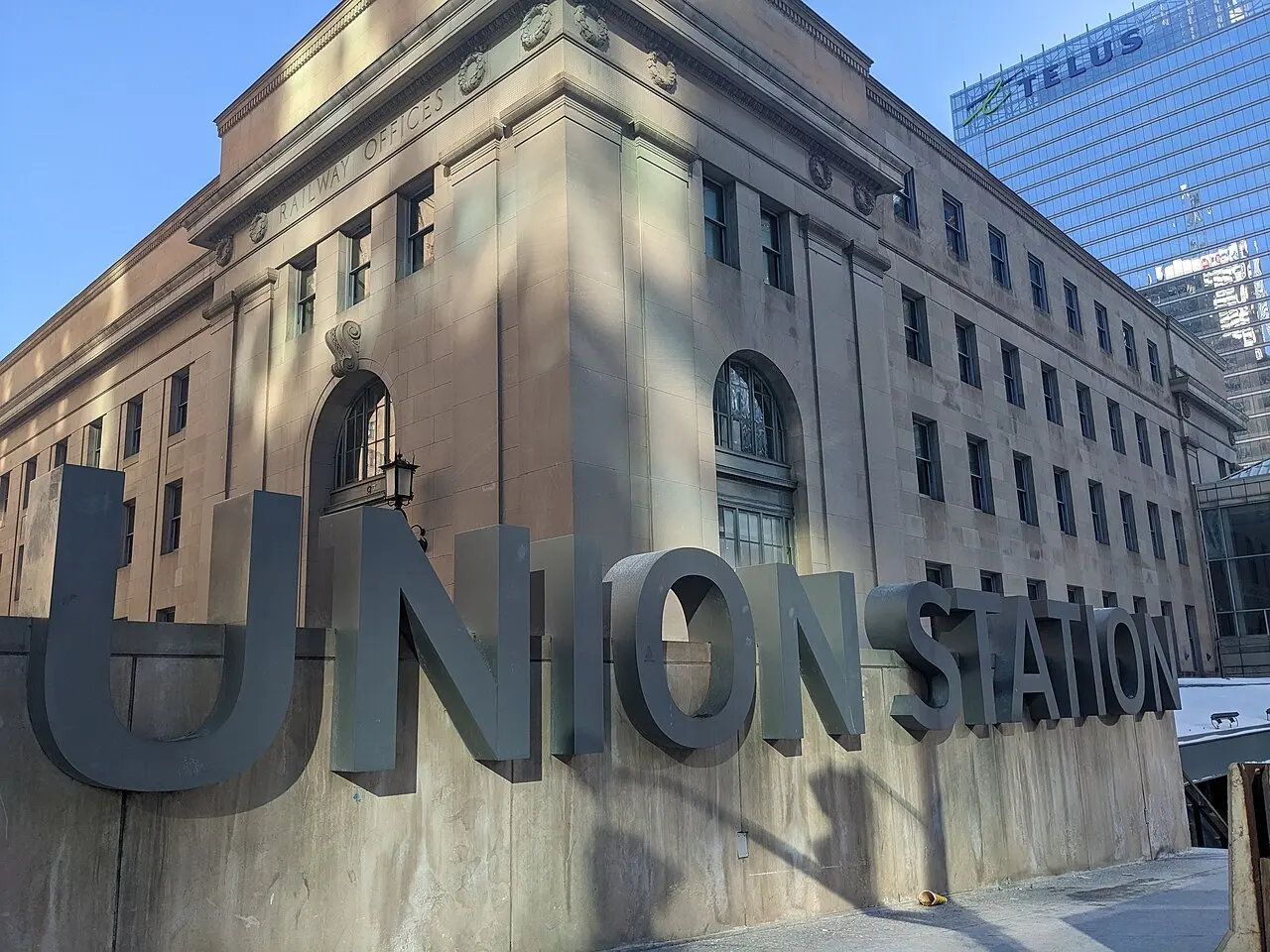
For a winter trip, a transit-heavy itinerary or a stopover, the blocks around Union Station beat the Entertainment District on one measure that matters: connection. Union Station is the airport train, the GO trains, VIA Rail, the subway and the streetcars all in one building, and the hotels here sit on the PATH. St. Lawrence Market, on our Toronto eating list, is a short walk from the station.
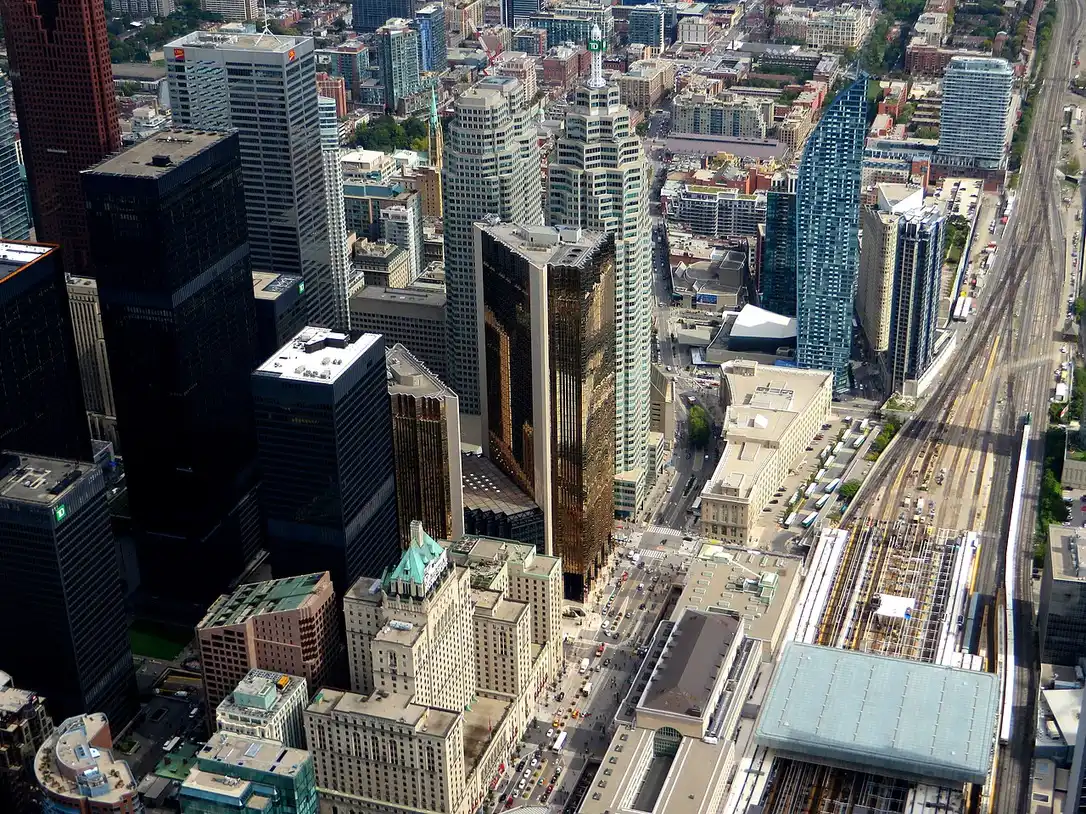
The PATH is the underrated part. It is a mostly underground pedestrian network of more than 30 km and around 1,200 shops that links six subway stations, nine hotels and Union Station, so a hotel plugged into it means you can reach the trains and half of downtown in January or in the rain without going outside. The trade is atmosphere: the Financial District empties out at night and on weekends, so it’s a base, not a scene. Its upside is the midweek deal, when the business crowd leaves and rooms soften.
Yorkville: the upscale, quieter option
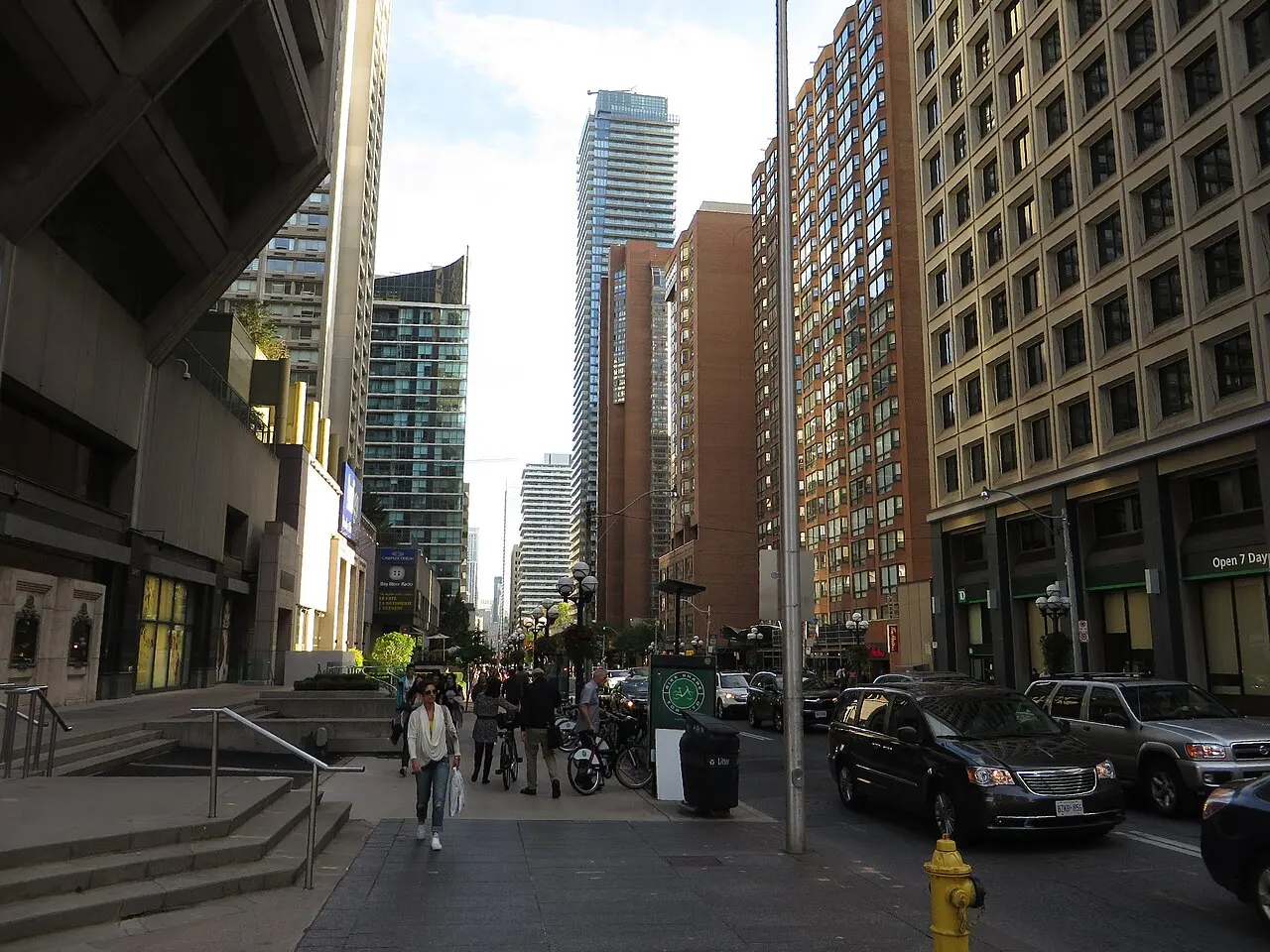
North of the centre, Yorkville is the luxury quarter: the “Mink Mile” of designer shops on Bloor Street, the ROM and the calmer, leafier streets of a once-bohemian district gone upmarket. It sits on two subway lines, so it is still well connected, and it suits couples, shoppers and anyone who wants a quieter evening than the Entertainment District offers. It’s the most expensive base in the city and short on budget rooms.
Queen West: design, coffee and a younger crowd
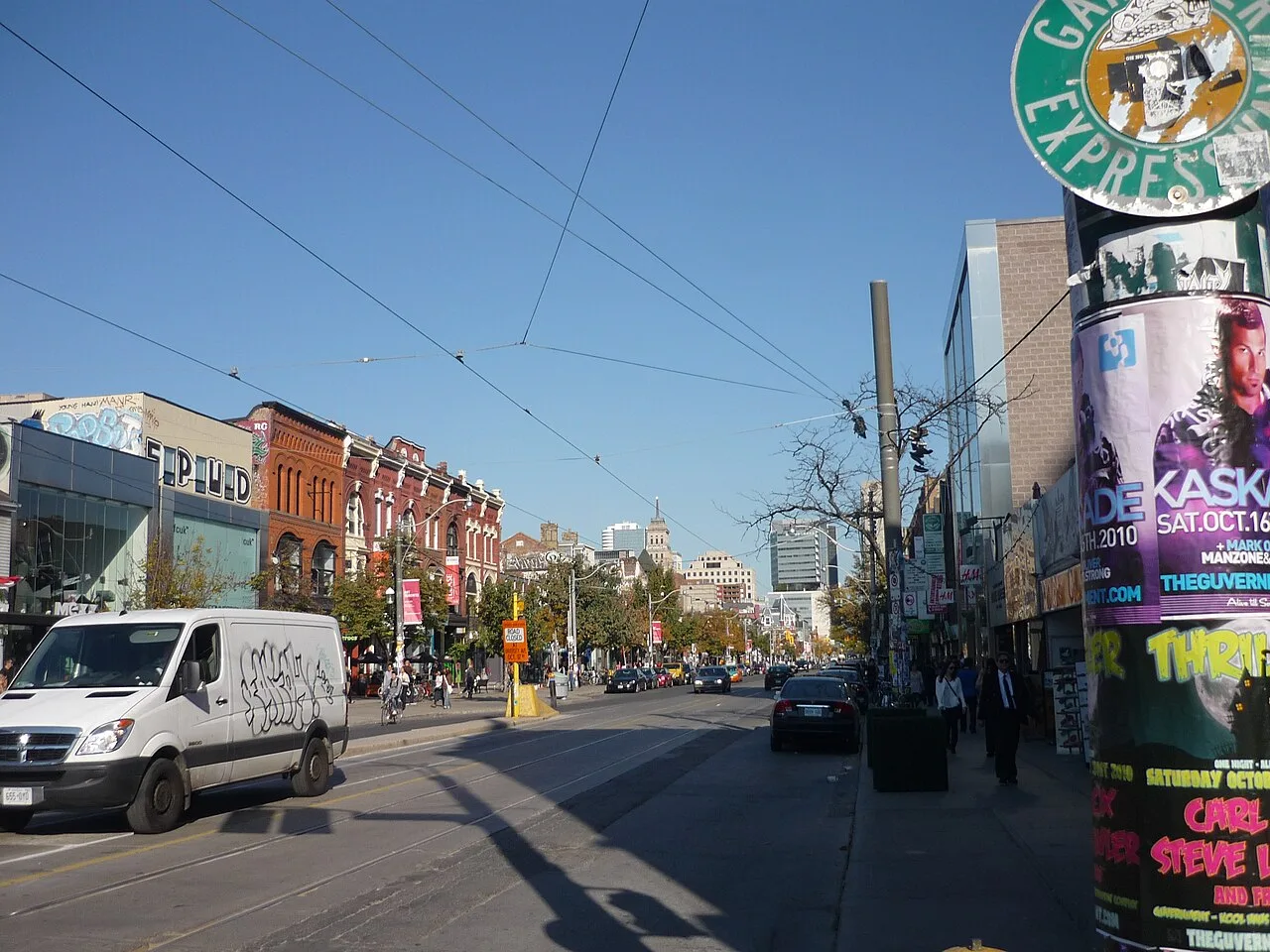
For character over convenience, Queen West is the pick: galleries, independent shops, bars and coffee running along the 501 streetcar, sliding into the nightlife around Ossington and toward Parkdale in the west. It has fewer big-chain hotels and more boutique and design stays, and it puts you in a livelier, more local part of town than the tower district. The 501 gets you downtown, though it’s a streetcar ride rather than a walk.
The Distillery District and the east waterfront
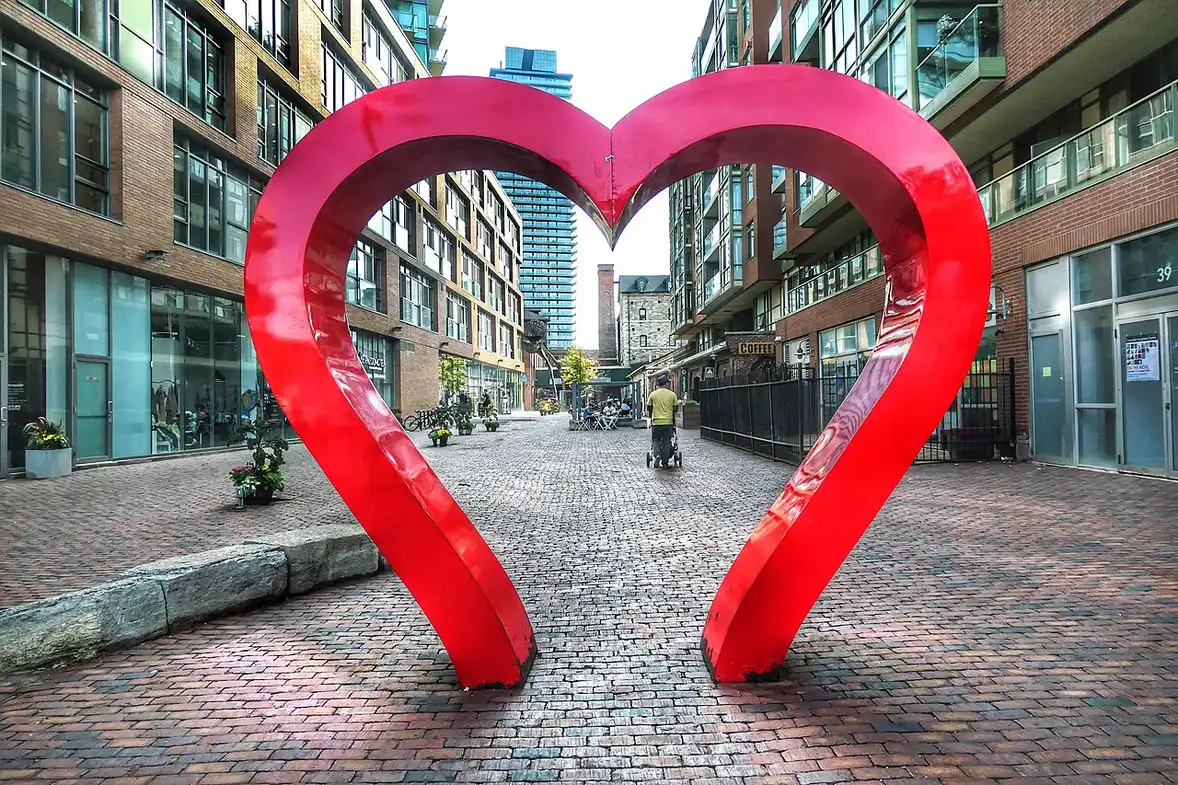
The Distillery District, a pedestrian block of Victorian brick east of downtown, is the prettiest place to stay in the city and the most atmospheric for a couple, with cobbled lanes, galleries and restaurants and no cars. The catch is supply and access: there are very few hotels actually inside it, and it’s not on the subway, so you lean on the 504 and 514 streetcars and taxis. Book here for the setting, not the convenience.
Liberty Village and the west end: longer stays, better value
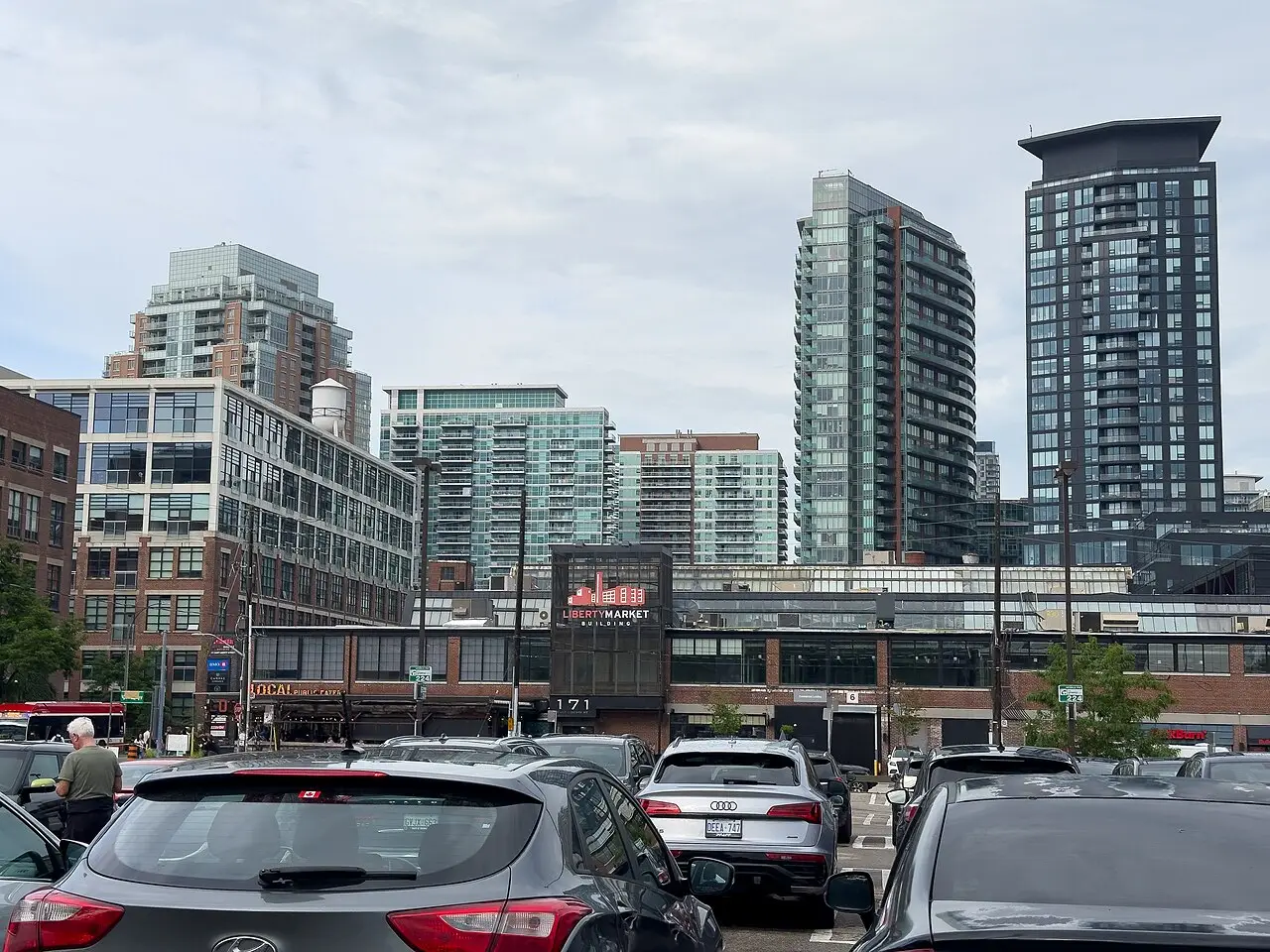
If you’re staying a week, travelling on a budget or want a local base over a tourist one, the west end pays off. Liberty Village is a converted-warehouse condo district with cafes and a calmer feel, cheaper than the core and served by the 504 King streetcar and the GO train at Exhibition. The catch is simple: the big sights are a transit ride away, and the neighbourhood itself has no attractions of its own. For value and a lived-in feel over a front-row location, it’s the smart trade.
Near Pearson airport: when it actually makes sense
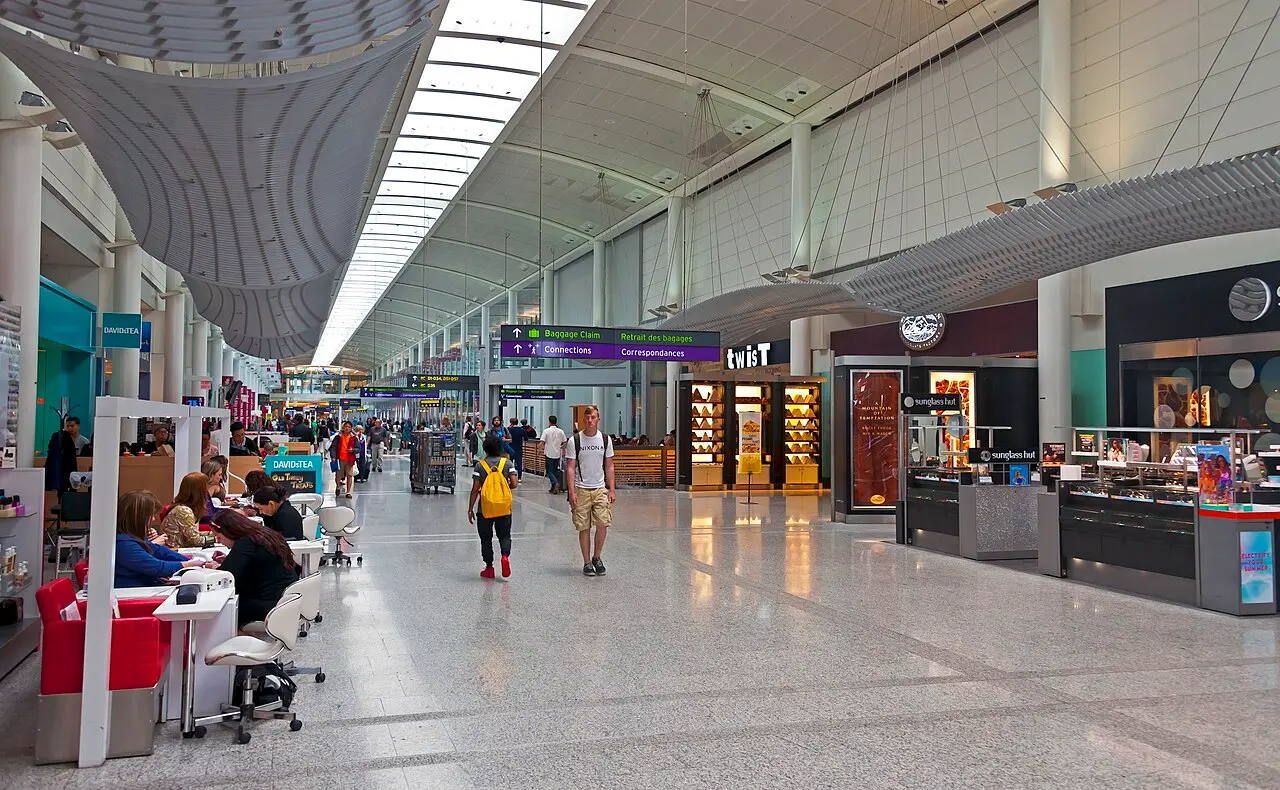
An airport hotel earns its place in exactly three situations: a dawn departure, a flight that lands late, or a trip you are driving out of the city to begin. The UP Express train runs Pearson to Union Station in 28 minutes, so a night out here need not strand you, but the evenings are the giveaway: there’s nothing to walk to, and every trip into the city is a train fare and a chunk of time. Stay near Pearson for the logistics, not the vacation. Every way in and out of the airport, priced, is in our Toronto airport to downtown guide.
The streets to read before you book a bargain
Toronto is a big, generally safe city for a visitor, and the main risk in crowded places, the subway and the squares, is a pickpocket or a distraction theft rather than anything worse. The tourist corridors most people book near, the waterfront, the Distillery, the Entertainment and Financial Districts and St. Lawrence, are busy and patrolled.
The parts people ask about are the eastern edge of downtown around Moss Park, from Queen East toward Sherbourne and Parliament, and the Dundas and Yonge corner after dark, where visible poverty, homelessness and open drug use are concentrated. This is not a no-go zone; it’s a stretch where people are having a hard time. The sensible, respectful approach is the same one that works in any big city: know which blocks they are, read the specific address rather than the neighbourhood name when a downtown room looks unusually cheap, and keep your wits after dark.
The tax on the bill, back at 6% since August 2026
One line on the bill is worth understanding before you book, because the rate you see quoted may be out of date. Toronto charges a Municipal Accommodation Tax on the room, and since 1 August 2026 it is back to its permanent 6%; the 8.5% rate you may still see quoted was a temporary top-up tied to the 2026 World Cup and ended on 31 July 2026. On top of that, HST applies, and it’s charged on the bill including on the MAT itself, so the total tax is a little more than simply adding the percentages. The practical upshot: any stay from 1 August 2026 on is taxed at 6%, so a quote that still shows 8.5% is out of date, and the MAT applies to short-term rentals such as Airbnb as well as to hotels.
Getting around from where you stay
Wherever you land, the TTC subway, streetcars and buses are the way around, and one fare rule saves tourists money. An adult fare is C$3.30 by PRESTO or contactless card and C$3.35 in cash, but only the tapped fare includes the free two-hour transfer that lets you make a round of trips on one fare; cash doesn’t. Children 12 and under ride free. A Day Pass is C$13.50. Most monthly passes were discontinued on 31 August 2026 and monthly fare capping took their place, but only for tapped cards - cash fares and PRESTO tickets don’t count toward it - so a short-stay visitor need not think about passes at all. From the airport, the UP Express reaches Union Station in 28 minutes, C$9.25 if you tap a PRESTO or contactless card and C$12.35 on a printed ticket, and its Bloor station is the quiet hack: stay near Bloor and Dundas West and you get a lively neighbourhood and a direct, transfer-free train to the airport.
When to book (and why one week can cost double another)
The single most useful booking tip for Toronto is to check what’s in town before you judge a price. Three things reliably send rates up. The Toronto International Film Festival fills the Entertainment District and King West every September (the 51st edition ran 10 to 20 September 2026; confirm the next edition’s dates on tiff.net before you book). Big conventions at the Metro Toronto Convention Centre push up midweek rates near Union Station. And the summer of 2026 was distorted by the World Cup, so do not read June and July 2026 rates as normal. One more name to know: the square once called Yonge-Dundas Square is now Sankofa Square, renamed in 2025, so do not be thrown when maps and hotel listings disagree. If a week looks strangely expensive, check the calendar before you blame the hotel.
Read also
- Everything to do once you have a base: things to do in Toronto
- The classic day trip from the city: Niagara Falls on the Canadian side
- The province around the city: Ontario travel guide
On the map
The map loads on click - to keep the page lightweight.
The map didn’t load. Check your connection and refresh the page.
Read also

Before you go · 11 min read
Canada eTA for UK Citizens: Entry Requirements
Verified · September 1, 2026UK air travellers need a CAN$7 eTA. Cost, validity, land exception, refusals and British passport types - checked on canada.ca, 1 Sep 2026.

Before you go · 9 min read
Calgary vs Vancouver: Which Airport for the Rockies
Verified · August 29, 2026Calgary puts Banff 140 km up the road; from Vancouver it's 850 km. What the drop fee, the domestic hop and the thinner route map actually cost you.

Before you go · 10 min read
Quebec City in Winter: Carnival, Ice Hotel, What to Wear
Verified · August 16, 2026Quebec City in winter: Carnival 5-14 Feb 2027, ice hotel from January, February nights -16 C, and what to pack.

Before you go · 8 min read
Canadian Rockies vs Vancouver Island: Which Trip to Take
Verified · August 14, 2026Rockies or Vancouver Island for one week: lakes and Icefields Parkway vs ferry, Victoria and Tofino - pick by trip shape, not Instagram.