Ski Travel Insurance for Canada: Off-Piste and Heli-Skiing
Skiing in Canada on travel insurance: what SafetyWing Nomad Essential covers on-piste, why off-piste and heli-skiing are excluded, and who pays the bill.
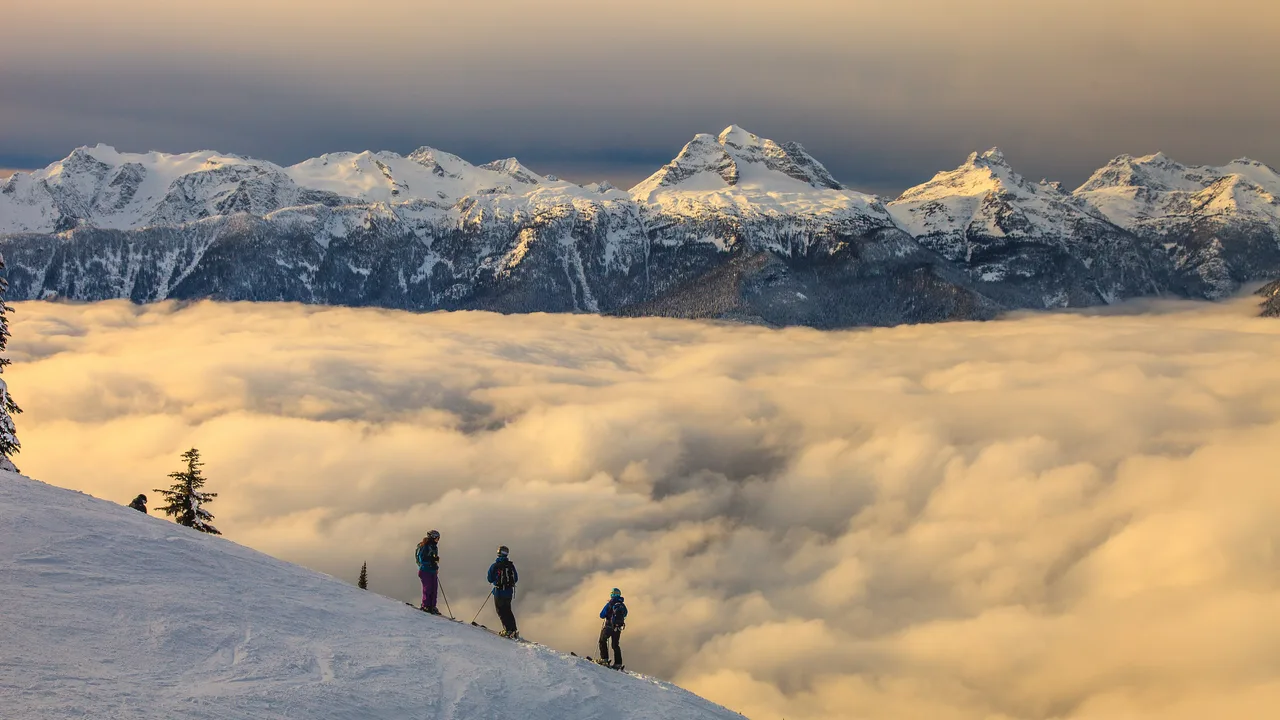
A standard travel policy may not mention skiing at all, and the one we link to draws its line at “prepared and marked in-bound territories”: SafetyWing’s updated Essential plan covers on-piste skiing and snowboarding, but off-piste skiing and heli-skiing aren’t eligible even with its Adventure Sports add-on. In the UK, Which? reported in January 2026 that only 6% of single-trip policies and 11% of annual ones include winter sports cover as standard, according to Go.Compare analysis of Defaqto data. A foreign visitor is also outside Canadian public health care by law, so an injury on the hill is a private bill, as the Canada travel insurance guide explains with real hospital rates.
So the question isn’t “should I be insured?” but “does this policy treat what I’m about to do as skiing?” The wording of one real policy shows how fine the line is.
Where the line sits: the rope first, then the policy’s wording
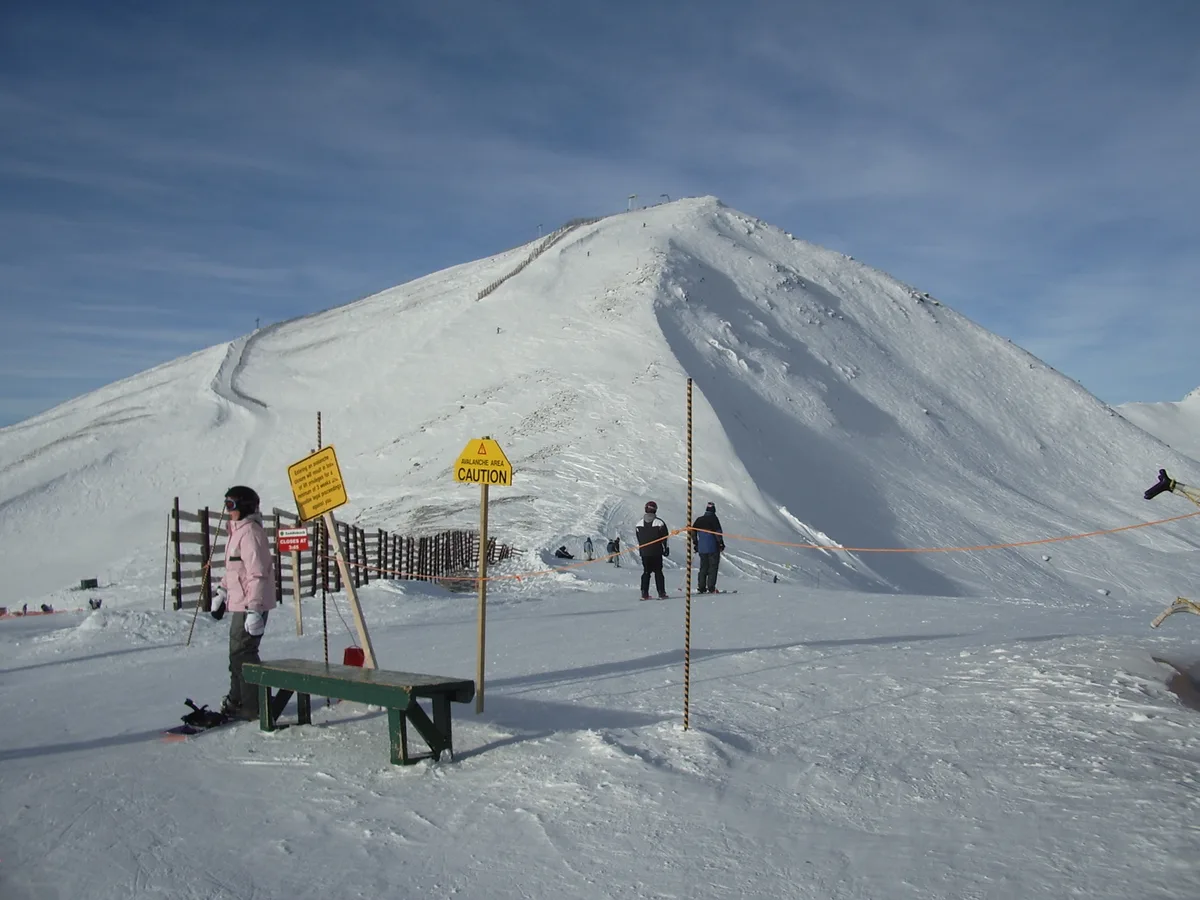
A ski policy draws a line between covered and uncovered terrain, and the one we link to starts from the one ski areas draw themselves. Parks Canada, whose mountain parks hold the Lake Louise and Sunshine ski areas, defines out-of-bounds areas as “everything outside a ski area’s boundary line”. Slopes inside that line are controlled for avalanches. Terrain beyond it isn’t, and Parks Canada tells anyone heading into it to carry a transceiver, shovel and probe and to leave the trailhead only if “everyone in your group” is equipped.
SafetyWing’s boundary uses the same idea in different words. SafetyWing’s sports list calls it “outside prepared and marked in-bound territories”. Other policies draw the line elsewhere: Which? notes that UK winter-sports policies can reject off-piste claims when you ski “without a qualified guide”, so some cover off-piste with one. Step across the rope and you’re clearly outside both maps. Inside the rope it’s less tidy: Canadian resorts hold a lot of ungroomed tree runs and alpine bowls within their boundaries, and the help article doesn’t say whether those count as “prepared”. If that’s the terrain you came for, ask SafetyWing in writing before you ski it, and keep the reply. Lift-served terrain that looks like it belongs to the resort can fall on the wrong side of that line, which is why a slackcountry gate is an insurance decision as much as a safety one. The resort pages in our skiing in Canada guide cover the mountains; this page covers what the policy does when you leave their boundaries.
What the SafetyWing Essential plan says about skiing
SafetyWing is the insurer we link to, so here’s its published wording as read on 21 November 2026. Its help centre says the sports list applies to the updated Nomad Insurance Essential plan effective February 2026, and the page itself is dated 6 October 2026. An older plan version has its own page, and the company says which one applies depends on the plan you hold. If you’re unsure, ask its Customer Care before travelling.
| Activity | On the updated Essential list |
|---|---|
| Skiing, snowboarding | Covered in the base plan, but “not covered off-piste and/or against the advice of the local ski school or local authoritative body” |
| Free-style skiing, ski and snowboard jumping, snowmobiling, tobogganing | Not in the base plan; eligible with the Adventure Sports add-on |
| Skiing or snowboarding off-piste, outside “prepared and marked in-bound territories” | Not eligible for coverage at all, with or without the add-on |
| Heli-skiing | Not eligible for coverage at all, with or without the add-on |
Two more lines in that help article matter to a skier. First, for any high-altitude sport, “helicopter evacuation from the mountain is not included in the coverage”. Second, the activity must not be organized, meaning regular or scheduled practice or any intention to compete, and must be done with “reasonable safety precautions”, including supervision and the proper safety equipment. That removes club racing and gate training from an ordinary visitor policy. The article adds a caution: an activity missing from the list may still be ineligible.
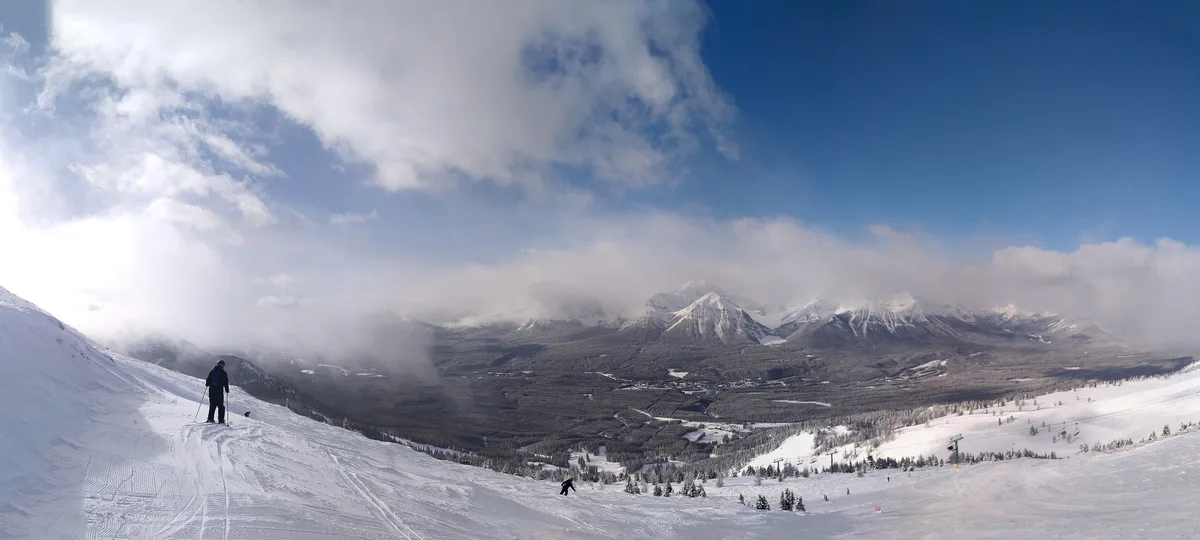
Read that as a policy for recreational skiers. It fits a week at a resort on groomed and marked runs. It doesn’t fit a heli-ski package, a guided backcountry tour or the unmarked bowl behind a resort lift.
Heli-skiing and guided backcountry: bring a different policy
Heli-skiing is a named exclusion in this plan, so it’s not a case of paying extra: the Adventure Sports add-on doesn’t reach it. Anyone booking it should buy a policy that lists it by name and read the limits for evacuation. We don’t recommend a specific insurer here, because policy wording changes and we’d rather you read the text. Look for three phrases in the schedule: the sport you’re doing, the word “helicopter” in the evacuation section, and the maximum payout against it.
Guided ski touring and cat-skiing sit in the grey zone between “off-piste” and “backcountry”, and insurers treat them differently. If a policy says “off-piste excluded”, a guided day outside the boundary is probably excluded too. Ask the insurer in writing before you pay, and keep the reply.
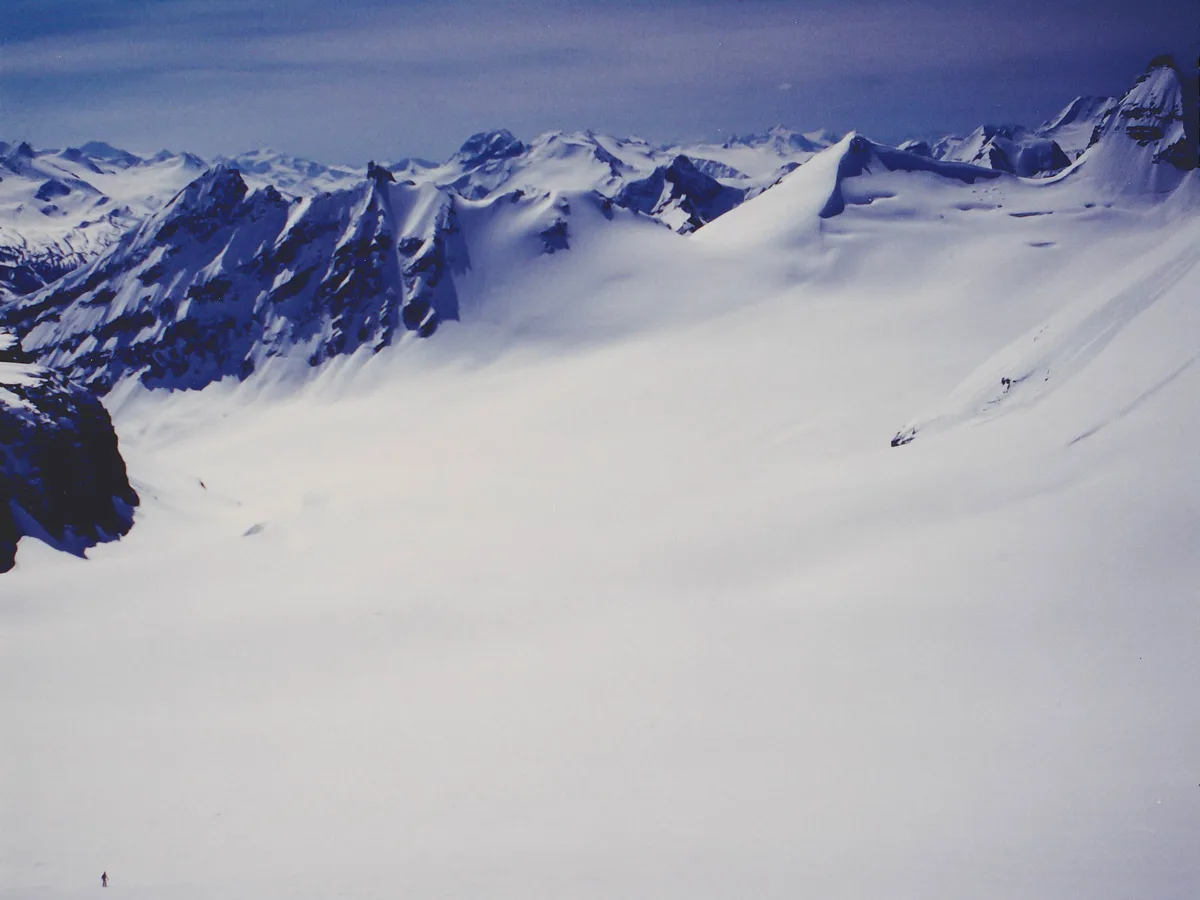
Who pays when you’re hurt on a Canadian ski hill
Inside the boundary, ski patrol is who reaches you first. After that, the usual path is an ambulance to a hospital, and the figures sit in the travel insurance guide: hospital rates differ for non-residents, and BC’s ambulance and helicopter fees are published by its emergency health service. Those prices are the reason a ski policy matters more than the lift ticket. Who pays for a mountain rescue depends on who comes. In British Columbia, the BC Search and Rescue Association says its member groups don’t charge anyone for search or rescue, whatever the reason; the ambulance or air ambulance that takes you on to hospital is a separate service with its own fees.
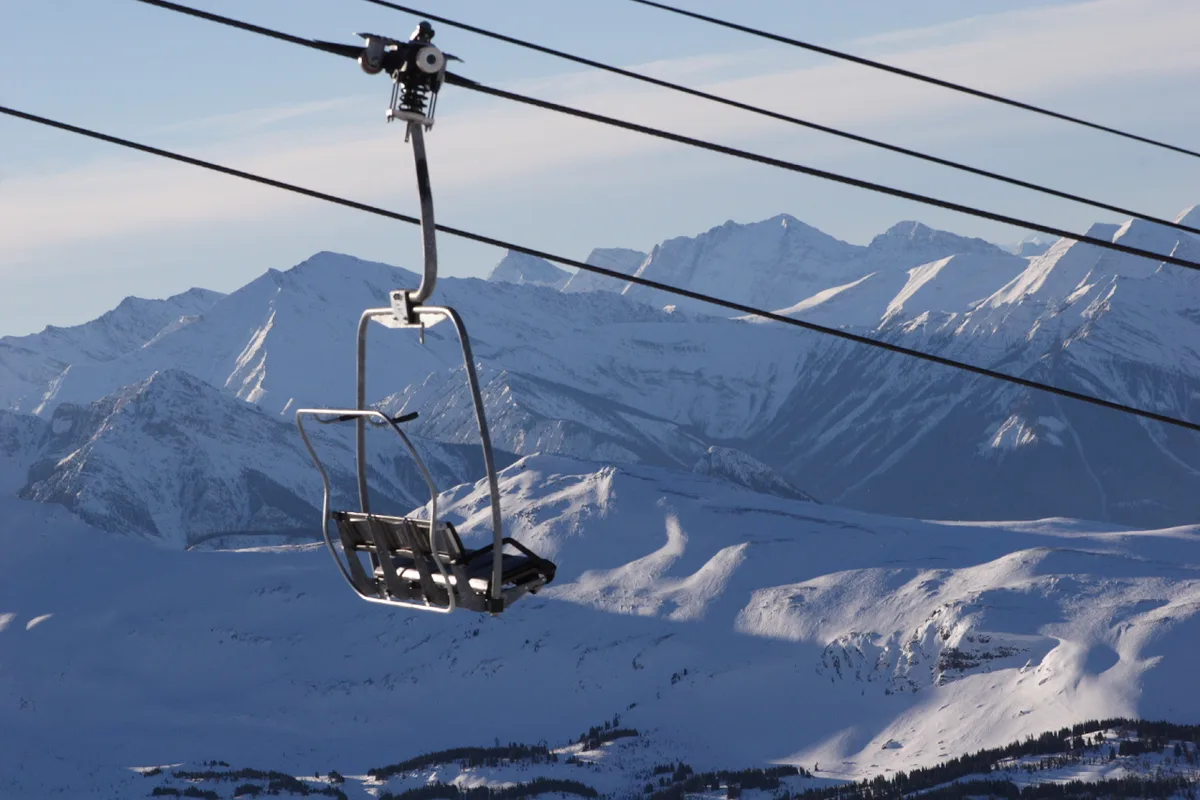
If you live in Canada and ski in another province
Residents have a different question. Health Canada says you “will continue to be covered for emergency hospital and physician services” when you leave your home province for a short time. Non-emergency care usually needs approval from your plan. And ambulance and prescription drugs are “highly subsidized for residents of a province or territory but not for visitors”. Ambulance is one of the extras, so a skier from Ontario heading to Banff or Whistler should check how their own province treats ambulance and evacuation outside it, and whether a private policy fills the gap. The same page recommends adequate cover, which may include private insurance, when you travel within Canada. A nomad-style policy such as SafetyWing Essential won’t fill that gap: SafetyWing says the plan “is designed to cover you outside your home country, with limited emergency coverage during short visits home”, so it isn’t a policy for a ski trip inside Canada.
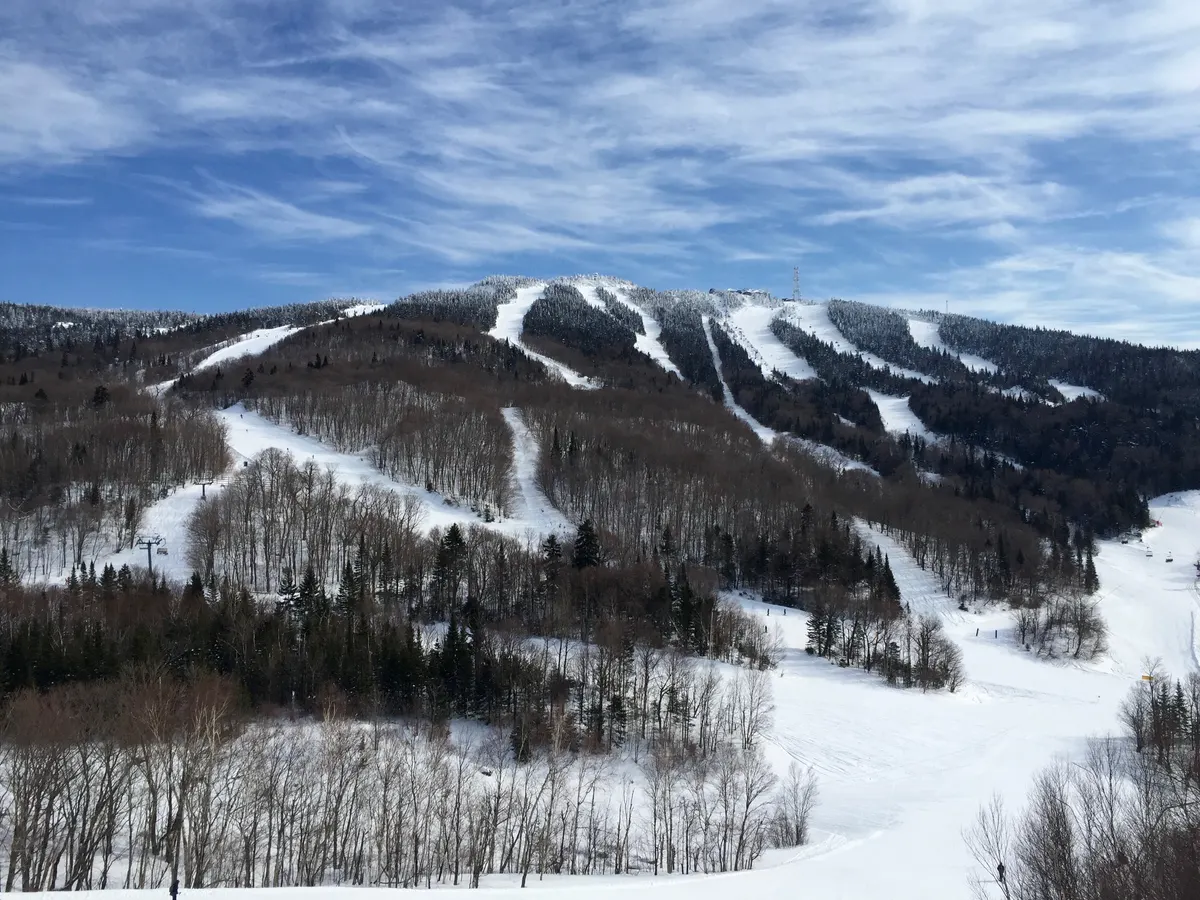
If you’re buying at home
UK-based skiers should treat the Which? finding as a prompt to read the schedule, not a verdict on any one insurer: check that skiing is named, that off-piste is defined the way you ski, and that mountain rescue, repatriation, equipment and piste-closure terms are listed with limits. Which? names the same checklist. Buy the cover before the flights are non-refundable, not after. If you’re American, start from whether your own health plan works outside the US at all; the travel insurance guide covers it.
Match the policy to the trip
| Your trip | What to check | Likely action |
|---|---|---|
| Resort week on marked runs | Skiing named; marked-run wording | Base cover is the fit; carry the policy document on your phone |
| Resort week, with terrain park jumps or tobogganing | Whether jumping or snow sports sit in the base or an add-on | Read the add-on list before buying |
| Lift-served terrain outside the boundary | The word “off-piste” and “in-bound” definitions | Treat as uninsured unless the policy names it |
| Heli-skiing, cat-skiing, guided touring | The sport by name, helicopter evacuation, payout limit | Different policy; confirm in writing |
| Racing or club training | ”Competition”, “organized” exclusions | Not an ordinary visitor policy |
What the resort side looks like is in the Whistler guide.
Important: This article is general travel information, not insurance, medical or legal advice. It quotes the SafetyWing Nomad Insurance Essential sports list as published on its help centre and read on 21 November 2026; policy wordings, plan versions and exclusions change, and SafetyWing publishes an older (September 2025) and an updated (February 2026) version of the list, so ask its Customer Care which one your plan is under. Coverage under any policy depends on its own terms and your circumstances, so read the full wording and confirm with the insurer in writing before you ski. In an emergency in Canada, call 911.
Read also

Insurance · 9 min read
Travel Insurance for a Canada Trip
Updated · July 24, 2026Canada's health system excludes visitors by law. What a hospital night really costs a non-resident, why evacuation is the big risk, and what to insure.

Car rental · 9 min read
Car Rental at Ottawa Airport (YOW): One-Way to Toronto
Verified · November 21, 2026Renting at Ottawa airport (YOW): seven counters in the P1 parkade, hours, one-way to Toronto, the 407 toll road and the drive into Quebec.

Entertainment · 8 min read
New Year's Eve in Canada 2026: What's Confirmed by City
Verified · November 21, 2026New Year's Eve 2026 in Canada: Niagara Falls is confirmed (Riley Green, fireworks 8 pm and midnight); Montreal is dated, Toronto and Whistler not yet out.

Car rental · 8 min read
Car Rental at Quebec City Airport (YQB): Winter Tires
Verified · November 21, 2026Renting at Quebec City airport (YQB): six brands on the ground floor, Avis and Budget hours, the winter-tire fee and rule, and the drives to the ski hills.