
Where to Stay in Whistler: Village, Creekside or Upper
Whistler Village, Upper Village or Creekside: which base puts you closest to which gondola, how they compare for cost and quiet, and where it all began.
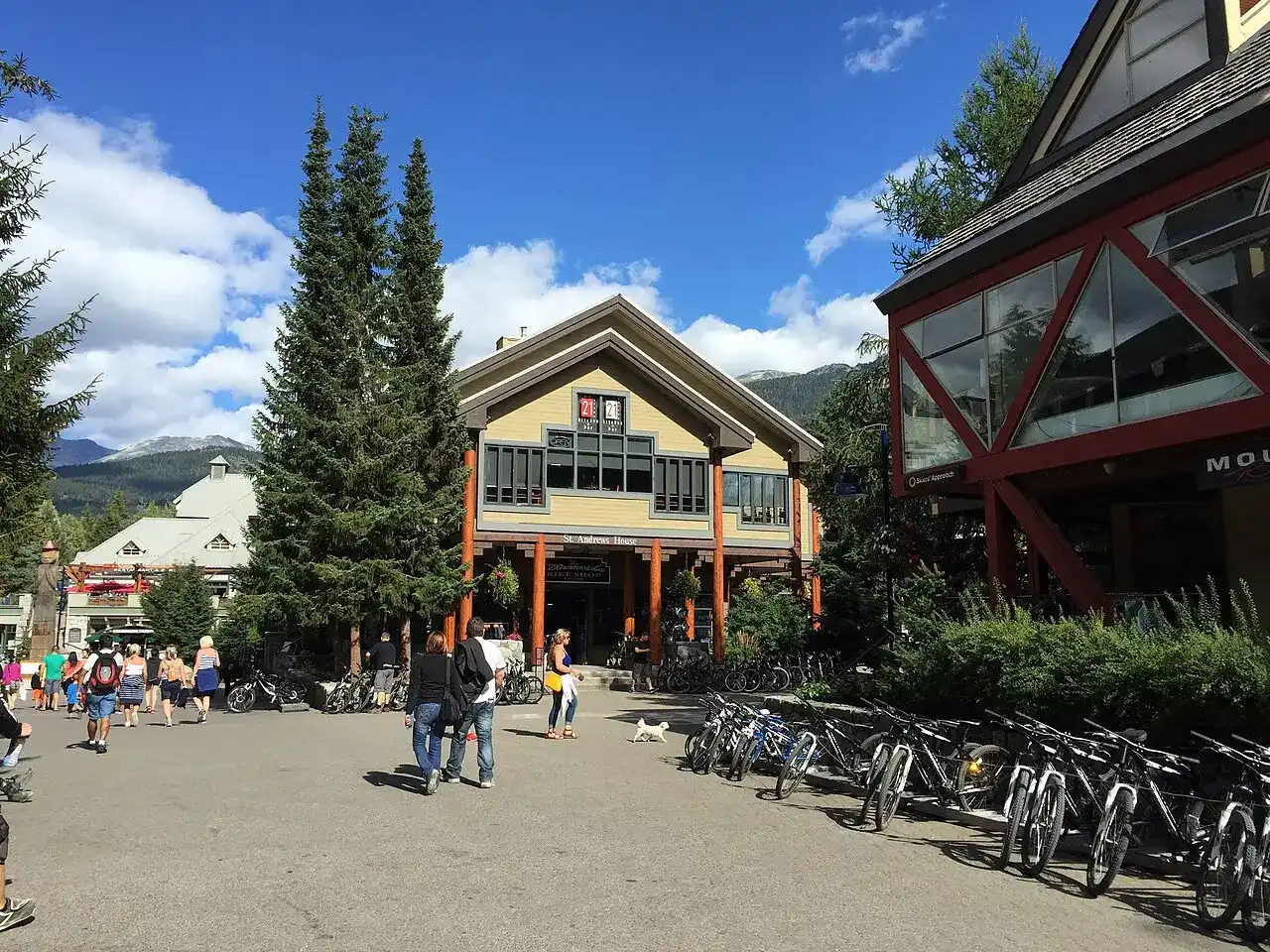
Three neighbourhoods split the whole resort between them, and the right one depends on how much walking you’ll tolerate versus how much quiet you want back at the end of the day. Whistler Village puts its own gondola, most restaurants and the nightlife within a few minutes on foot - the easy, busy choice for a first visit without a car. The Upper Village, at the base of Blackcomb, gives you the same no-car convenience with a calmer street outside your door, about ten minutes further on foot. Creekside trades that convenience for value and quiet: you’ll want to have been to Whistler before, and you’ll need to accept that its own gondola only reaches Whistler Mountain in winter - and switches to Bike Park riders only, not sightseers, once summer arrives.
Whistler Village and the Upper Village connect by a free shuttle and the paved Valley Trail; Creekside is a short paid transit ride or a Valley Trail walk or cycle away. So this isn’t a decision with a wrong answer - it’s a trade between convenience, quiet and price, and the three bases split that trade differently.
The three bases, side by side
| Whistler Village | Upper Village | Creekside | |
|---|---|---|---|
| Distance from the main village | - | About 10 minutes on foot | About 5 minutes by car, 45 on foot, 15 by bike |
| Gondola access | Whistler Village Gondola; Excalibur Gondola to Blackcomb in winter | Blackcomb Gondola (ski-in/ski-out) | Creekside Gondola - winter lift access; summer Bike Park ticket only, not sightseeing |
| Atmosphere | Busiest, most restaurants and nightlife | Quieter, still walkable to everything | Local, low-key, its own small centre |
| Car needed | No | No | Helpful, not essential |
| Best for | First-timers, no car, nightlife | Quiet with the same convenience, Blackcomb skiers | Repeat visitors, bikers in summer, value |
Whistler Village: the default, and why
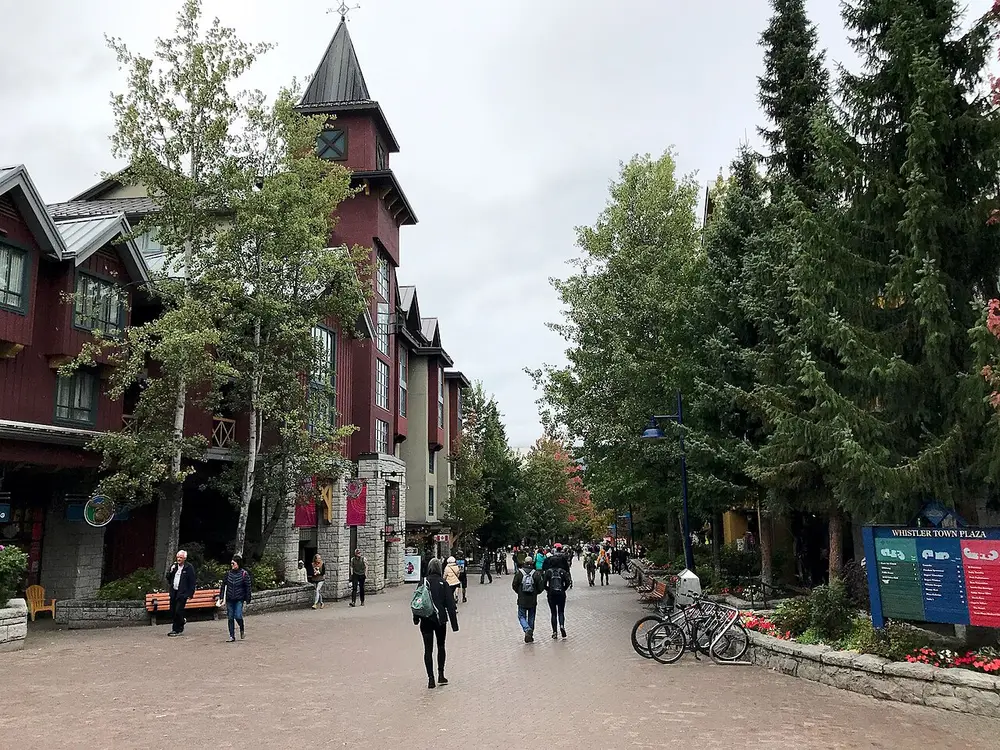
The Village is a purpose-built, car-free pedestrian core: cobbled lanes, a dense cluster of hotels, restaurants and rental shops, and both major gondolas within a short walk. It’s busiest and priciest for exactly that reason - everything you’d want on a first trip is within a few minutes on foot, which is worth paying for if you don’t have a car and don’t want to think about logistics.
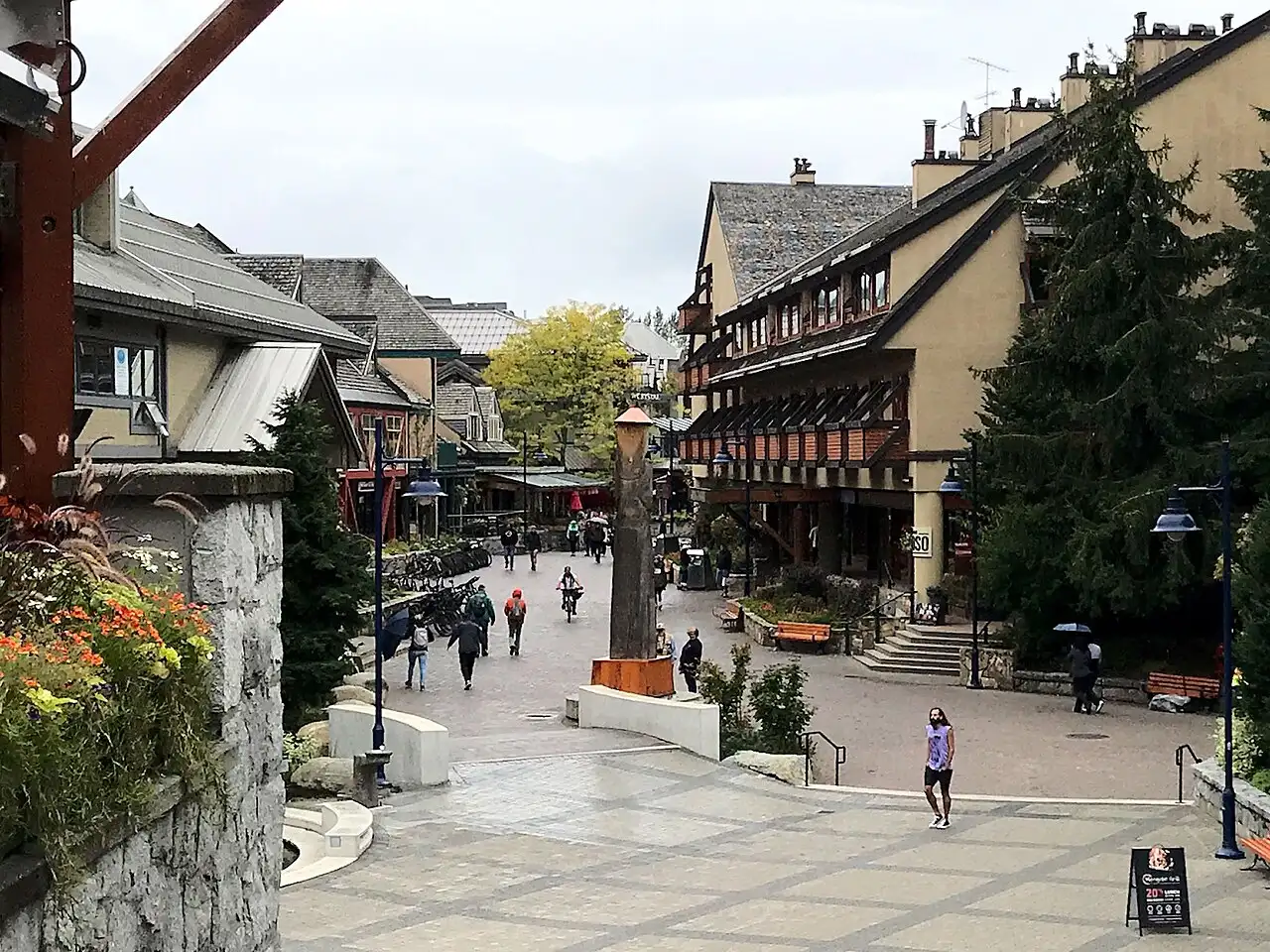
The Whistler Village Gondola starts right here, and the Upper Village - with its own Blackcomb Gondola a short walk away - is close enough that you’re never really locked into one mountain, even without a car. The trade-off is the crowd: this is where the ski-season lines and the summer bike-park queues are thickest, and rooms book out first for the same reason.
Upper Village: the quiet version of the same deal
Sitting at the base of Blackcomb, the Upper Village is close enough to the main village - about ten minutes on foot - that you’re not really giving anything up, but it’s smaller and calmer once you’re back at your hotel for the evening. The Fairmont Chateau Whistler, the landmark property here, sits right at the base of Blackcomb Mountain with ski-in/ski-out access in winter, which is the strongest argument for choosing this base over the main village: you can be on snow, or off it, without a gondola ride each way.
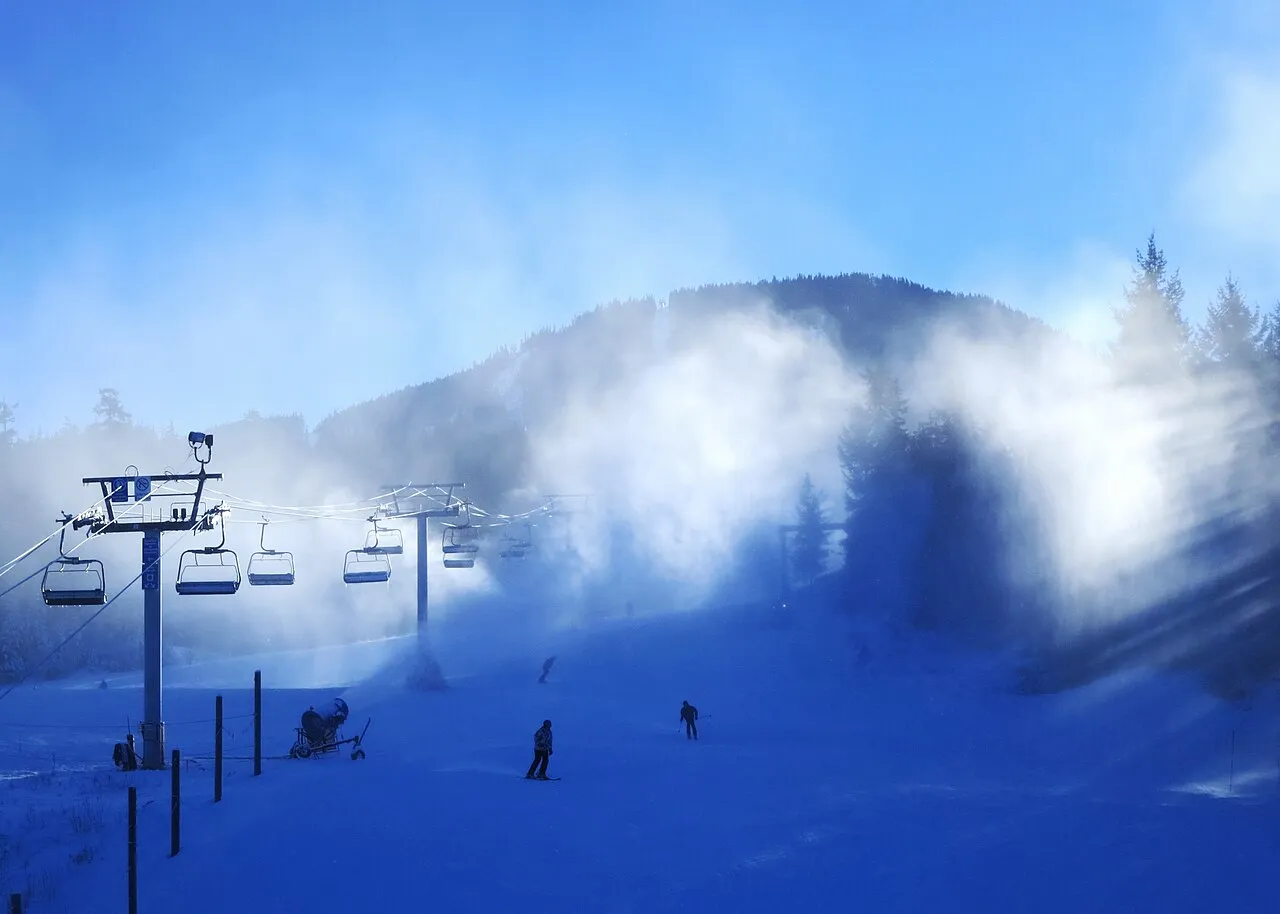
It works best for travellers who want the Village’s convenience without the Village’s density - families in particular, since the shorter walk to a room matters more with kids and gear in tow. Restaurants here are fewer than in the main village, so plan on the free shuttle or the ten-minute walk for variety at dinner, but the payoff is a genuinely quieter street outside your door once the lifts close.
Creekside: quieter, and where Whistler actually started
This is the base most first-time visitors skip past, and the one locals tend to recommend once you ask. Creekside sits about five minutes by car, fifteen by bike, or forty-five minutes on foot south of the main village along the Valley Trail, and it has its own gondola, restaurants and a noticeably lower-key feel than the purpose-built centre up the road.
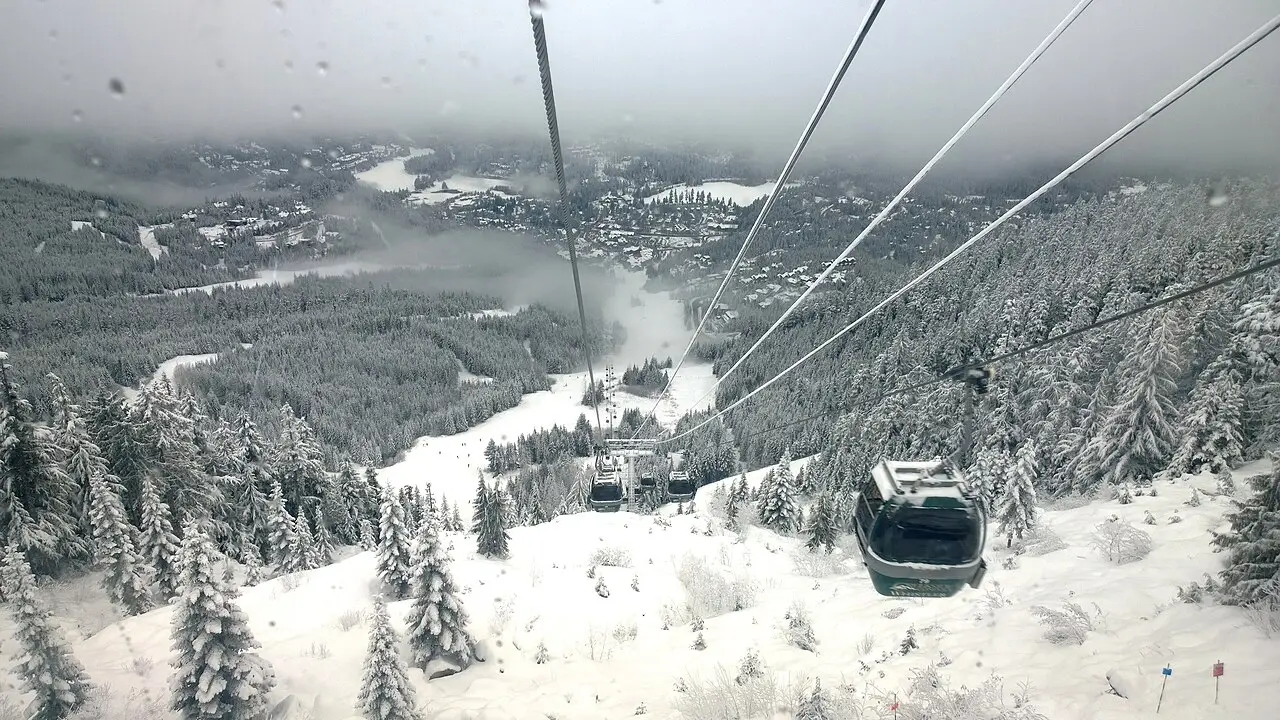
Here’s the detail almost nobody staying in the modern Village knows: Creekside isn’t the overflow neighbourhood, it’s the original town. The Garibaldi Lift Company built the first gondola-accessed ski area in North America right here and opened it in January 1966, on a valley that had previously been known simply as Alta Lake, a summer recreation spot. The postcard-perfect pedestrian Village most visitors picture wasn’t planned until after the Resort Municipality of Whistler was formally established in September 1975, nearly a decade later. Stay in Creekside and you’re sleeping where the resort actually began, not in a themed replica of it.
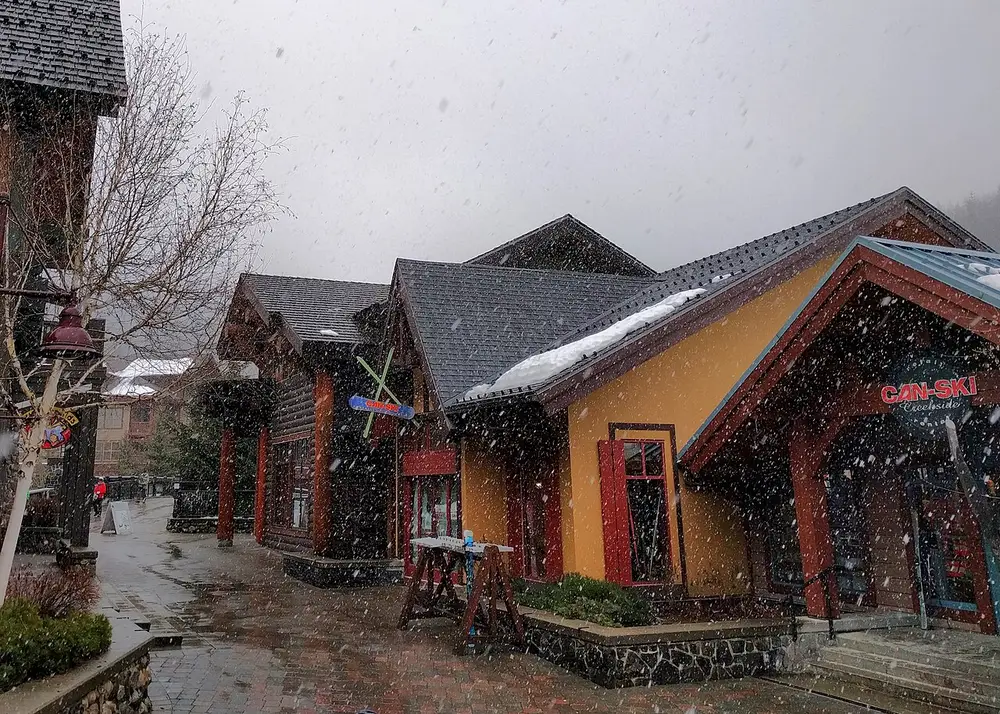
The real limitation changes with the season. In winter, Creekside’s own gondola is a normal lift: ride it up to Whistler Mountain on your regular ticket, cross to Blackcomb on the Peak 2 Peak Gondola, and come back down the same way - no different from basing in the Village. In summer, it’s a different gondola entirely in practice: Whistler Blackcomb runs it for Bike Park ticket holders only, not sightseers, so a Creekside base without a bike park pass leaves you with no direct way up to the alpine or the Peak 2 Peak. You’d need to get yourself to the Village or Upper Village gondolas first, on the WAVE bus or the Valley Trail - worth knowing before you book a summer stay here if riding the alpine gondolas without biking is the point of your trip.
Getting between them without a car
None of the three bases require a car once you’re in Whistler, which is worth knowing before you pay for a rental you won’t use around town. The free shuttle only covers the Village-to-Upper Village leg (Route 5); getting to and from Creekside means the paid Whistler Transit System (WAVE), which connects all three on the same network: an adult single fare is C$2.75, a DayPASS is C$5.50, and children 12 and under ride free. Buses run frequently enough in ski season that staying in Creekside rarely means missing first chair, though you should still build in a few extra minutes over what a Village base would need.
The paved Valley Trail covers the same ground for anyone who’d rather walk or cycle it, and it’s how the five-minute drive from Creekside translates into a fifteen-minute ride if you brought a bike. It’s flat, well maintained, and doubles as the easiest way to see the resort’s lakes without a lift ticket at all - useful on a rest day wherever you’re staying.
If you are renting a car - for the wider Sea-to-Sky trip rather than for getting around the resort itself - our Whistler guide covers the drive up from Vancouver and the winter-tire rule that catches visitors out between October and March.
When you go changes the calculus
Ski season (roughly December to April) pushes demand and price hardest toward the Village and Upper Village, since both put you closest to first chair. Summer bike-park weekends flip that logic for one specific group: bikers get their own gondola right in Creekside, so a Creekside base is a genuine advantage if biking is the plan - but a non-biking summer sightseer does better in the Village or Upper Village, since Creekside’s gondola won’t carry them to the alpine at all that time of year. Shoulder season, in late spring and autumn, is when the price gap between the three narrows the most, and it’s the easiest time to pick Creekside purely for the history and the quiet rather than as a budget compromise.
So which one, really
If this is your first trip and you haven’t got a car, the Village removes every source of friction and that’s worth the premium on its own. Travelling with kids and gear, the Upper Village gives you the same ease with a shorter, calmer walk back to the room. If you’ve done Whistler before and know you’ll ride the Peak 2 Peak most days anyway, the base matters less than you’d think in winter - all three get you there on a normal lift ticket - so let price and quiet make the call, and that usually points to Creekside. In summer that logic only holds if you’re also there for the Bike Park; a non-biking summer visitor based in Creekside needs to add a bus or bike ride to the Village gondolas before the day even starts. The only visitor who should rule Creekside out entirely year-round is someone who wants to be on Blackcomb’s snow within five minutes of waking up; for that specific want, nothing beats the Upper Village.
Read also
- The resort in both seasons, and the drive up from Vancouver: Whistler
- Full 2026 bike park and summer sightseeing prices: Whistler in summer
- The ride that connects Whistler and Blackcomb: Peak 2 Peak Gondola
- The region this all sits in: British Columbia travel guide
On the map
The map loads on click - to keep the page lightweight.
The map didn’t load. Check your connection and refresh the page.
Admission and opening hours
- Admission price
- Whistler Transit System (WAVE) adult single fare C$2.75, DayPASS C$5.50, children 12 and under free.
- Opening hours
- Creekside Gondola: general lift access in winter (roughly late November to mid-April); Bike Park ticket holders only, not sightseers, in summer (roughly mid-June to September).
WAVE fares from bctransit.com/whistler/fares/, checked 2026-08-08. The free Route 5 shuttle covers Village-Upper Village only and does not reach Creekside - bctransit.com route map, checked 2026-08-08. Hotel rates are dynamic and are not quoted here, consistent with where-to-stay-in-banff.
Details checked: August 8, 2026
Read also

Before you go · 11 min read
Canada eTA for UK Citizens: Entry Requirements
Verified · September 1, 2026UK air travellers need a CAN$7 eTA. Cost, validity, land exception, refusals and British passport types - checked on canada.ca, 1 Sep 2026.

Before you go · 9 min read
Calgary vs Vancouver: Which Airport for the Rockies
Verified · August 29, 2026Calgary puts Banff 140 km up the road; from Vancouver it's 850 km. What the drop fee, the domestic hop and the thinner route map actually cost you.

Before you go · 10 min read
Quebec City in Winter: Carnival, Ice Hotel, What to Wear
Verified · August 16, 2026Quebec City in winter: Carnival 5-14 Feb 2027, ice hotel from January, February nights -16 C, and what to pack.

Before you go · 8 min read
Canadian Rockies vs Vancouver Island: Which Trip to Take
Verified · August 14, 2026Rockies or Vancouver Island for one week: lakes and Icefields Parkway vs ferry, Victoria and Tofino - pick by trip shape, not Instagram.