
Old Quebec: What to See in a Day & Where the Crowds Go
A one-day walking order for Old Quebec: the ramparts and Petit-Champlain before the cruise crowds land, and what to do instead when a ship's in.
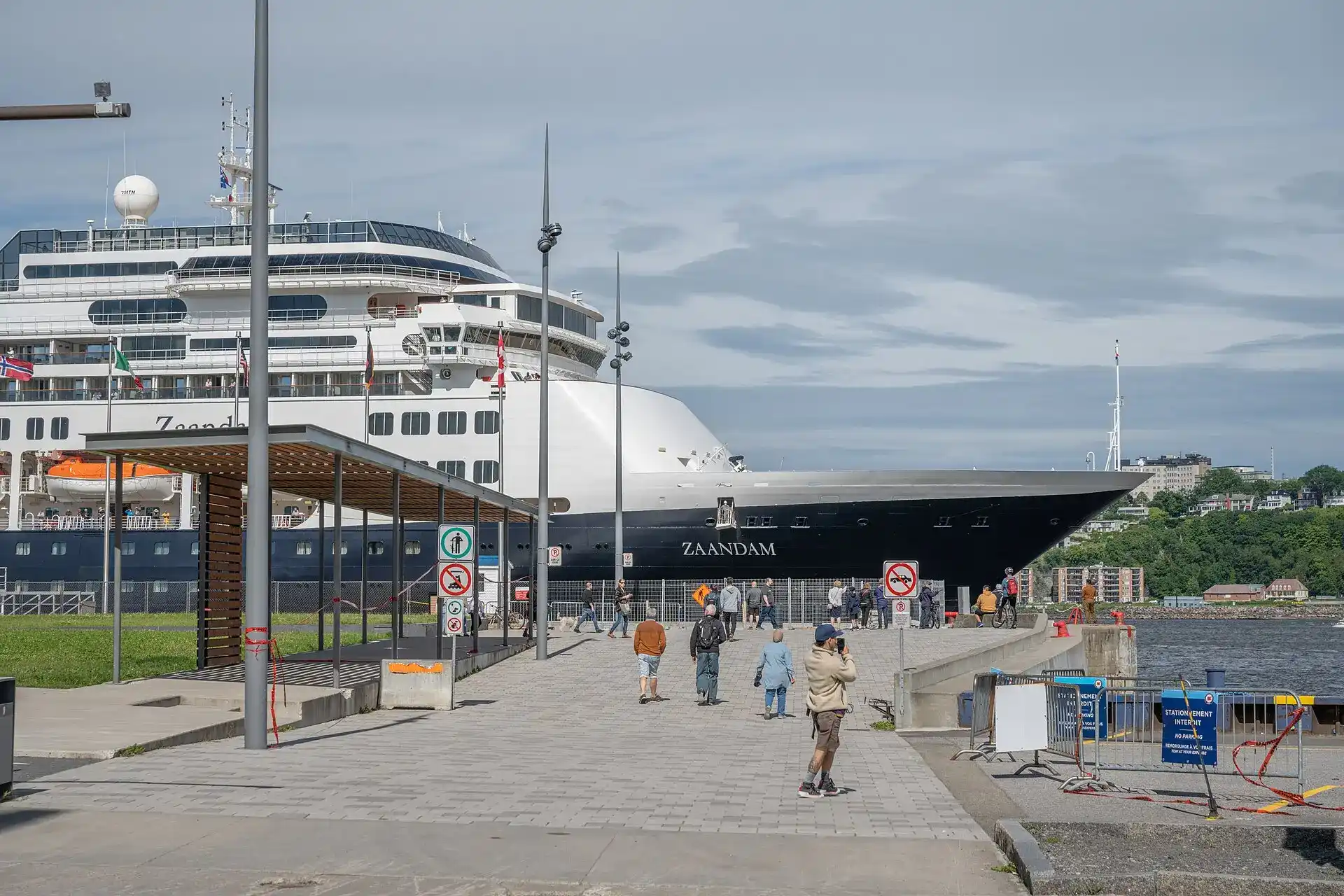
Old Quebec fits into a single day if you walk it in the right order, and the order matters more here than in most historic centres because of what happens at the waterfront. The Ross-Gaudreault cruise terminal sits right against the Petit-Champlain district, and Quebec City isn’t a minor stop: the Port of Québec says it’s the most popular of the 400 ports served by the Holland America Line, and one of Royal Caribbean International’s top ten destinations anywhere. When a big ship is in, a few thousand people can appear in the Lower Town within the hour. Time your walk around that instead of around opening hours and you’ll have a genuinely different day than everyone stepping off the gangway at ten.
Start high, finish low, and treat the waterfront as something to visit early or late rather than at midday. That’s the whole trick, and it holds up whether you arrive by cruise yourself, by train, or after a night in a hotel inside the walls.
The order that keeps you ahead of the crowds
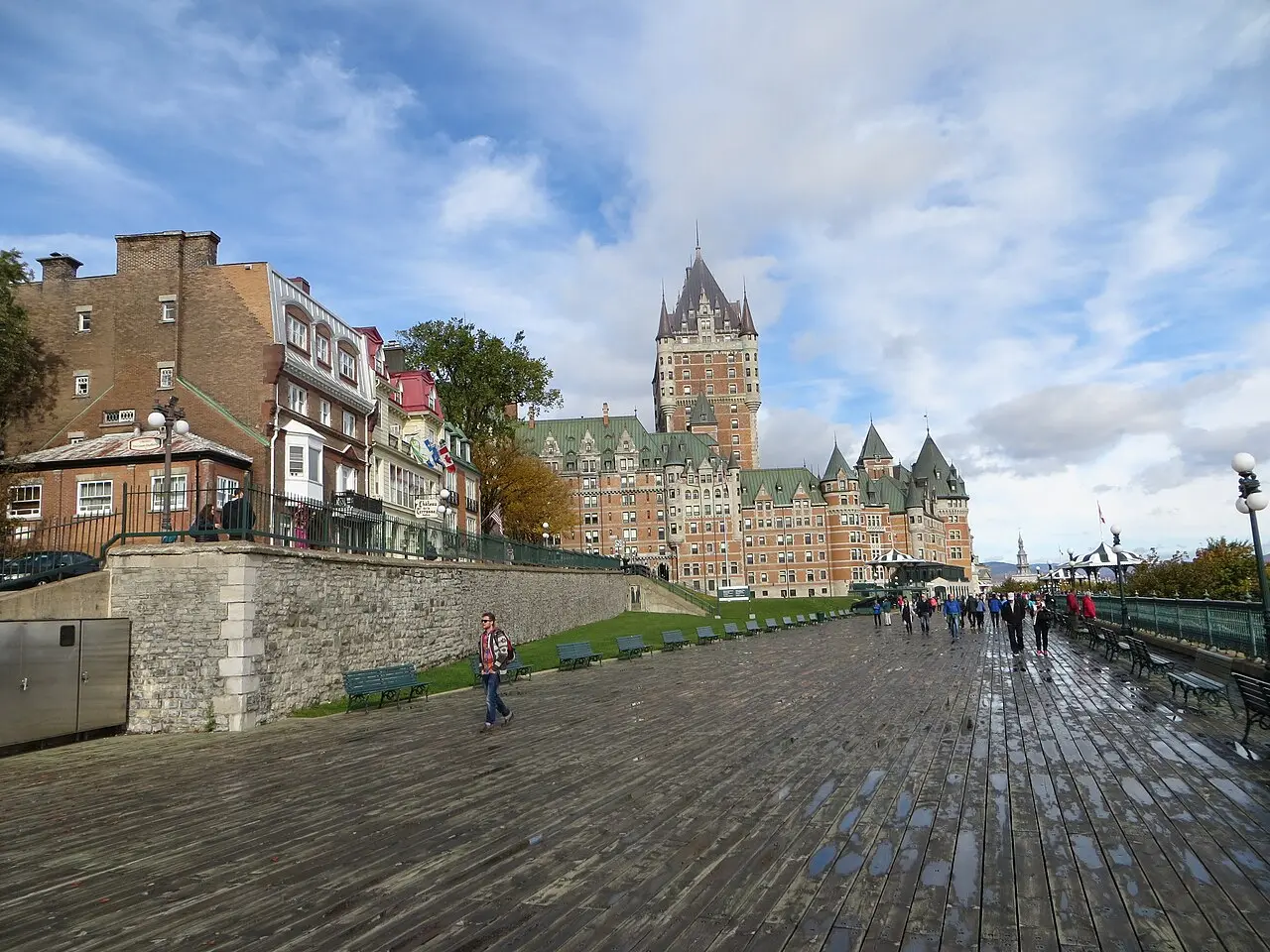
Begin at the Dufferin Terrace, in front of the Château Frontenac, before 9 a.m. if you can manage it. The boardwalk is nearly empty at that hour, the light on the St. Lawrence is better than it will be all day, and you get the classic view without fifty people in the frame. From there it’s a short walk to the ramparts.
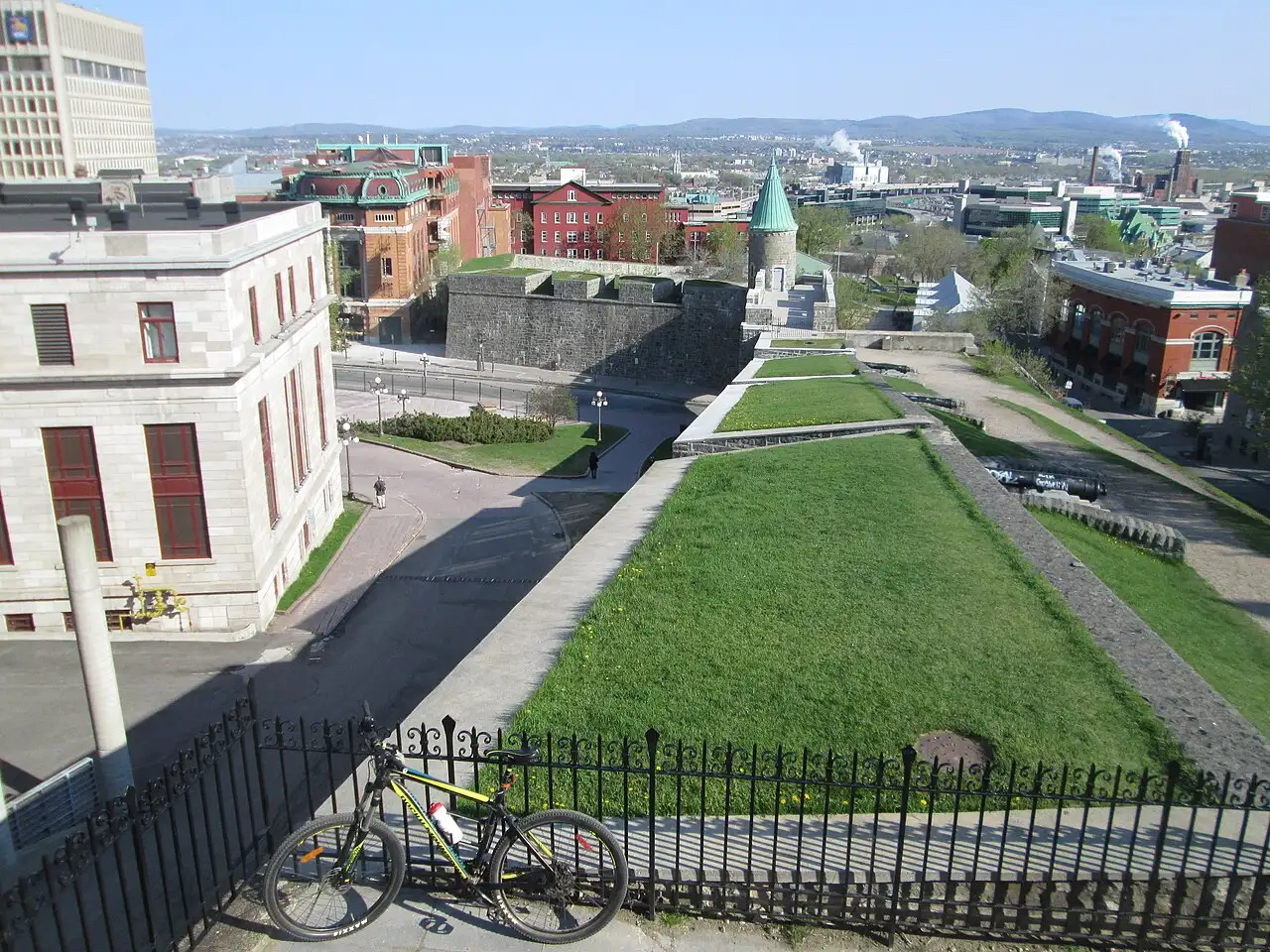
Spend the mid-morning on the walls - the fortifications ring the Upper Town, and walking a stretch of them costs nothing and takes an hour or so at an easy pace. This is also the point in the day where most first-timers skip straight down to Petit-Champlain, which is exactly the mistake you want to avoid: it means you’ll arrive in the Lower Town right as the day’s cruise passengers do.
Come down to the Lower Town by early-to-mid afternoon instead, once the first wave has thinned out for lunch back on their ships or scattered into the Château’s neighbourhood. Petit-Champlain and Place Royale are worth the crowds if you have no choice, but they’re worth far more with room to actually look at the buildings.
Finish the day back up top, at the Plains of Abraham, for the quiet close described further down. Our Quebec City guide covers what each of these stops actually looks like and why they matter; this page is about the order you hit them in and the one variable - the cruise schedule - that most day-planning advice ignores completely.
Where the cruise crowds actually go
This is worth understanding in some detail, because it changes how you plan the day more than any opening-hours table does. The Port of Québec runs two cruise terminals, and their own numbers tell you how large the crowds can get. The Ross-Gaudreault Terminal is, in the port’s own words, “located near Old Québec and the Petit-Champlain district” - it’s not a shuttle-bus-away dock, it’s essentially at the foot of the Lower Town, with room for up to 500 people in its waiting area alone. Cruise Terminal 30, built in 2020 specifically to handle the biggest ships now sailing, seats up to 1,000 in its own waiting area. Do the math on what “biggest ships now sailing” means in passengers, and you’ll understand why a single afternoon can feel completely different from the one before it.
The season runs roughly May to October. Six lines - Cunard, Crystal Cruises, Holland America, Norwegian, Pearl Seas and Princess - use Quebec City as a starting or ending point for full 2026 itineraries, and more ships than that call in as a stop along the way, so that six-line list undercounts the actual crowd rather than overstating it. What we can’t responsibly hand you is a day-by-day count of which ships are in on your specific dates; that changes constantly and any list printed in an article like this one would be stale within weeks. What you can do is check the port’s own public schedule before you travel and treat a heavy cruise day as a reason to flip your itinerary: walls and Upper Town first thing, Lower Town in the late afternoon or after dinner instead of at 11 a.m.
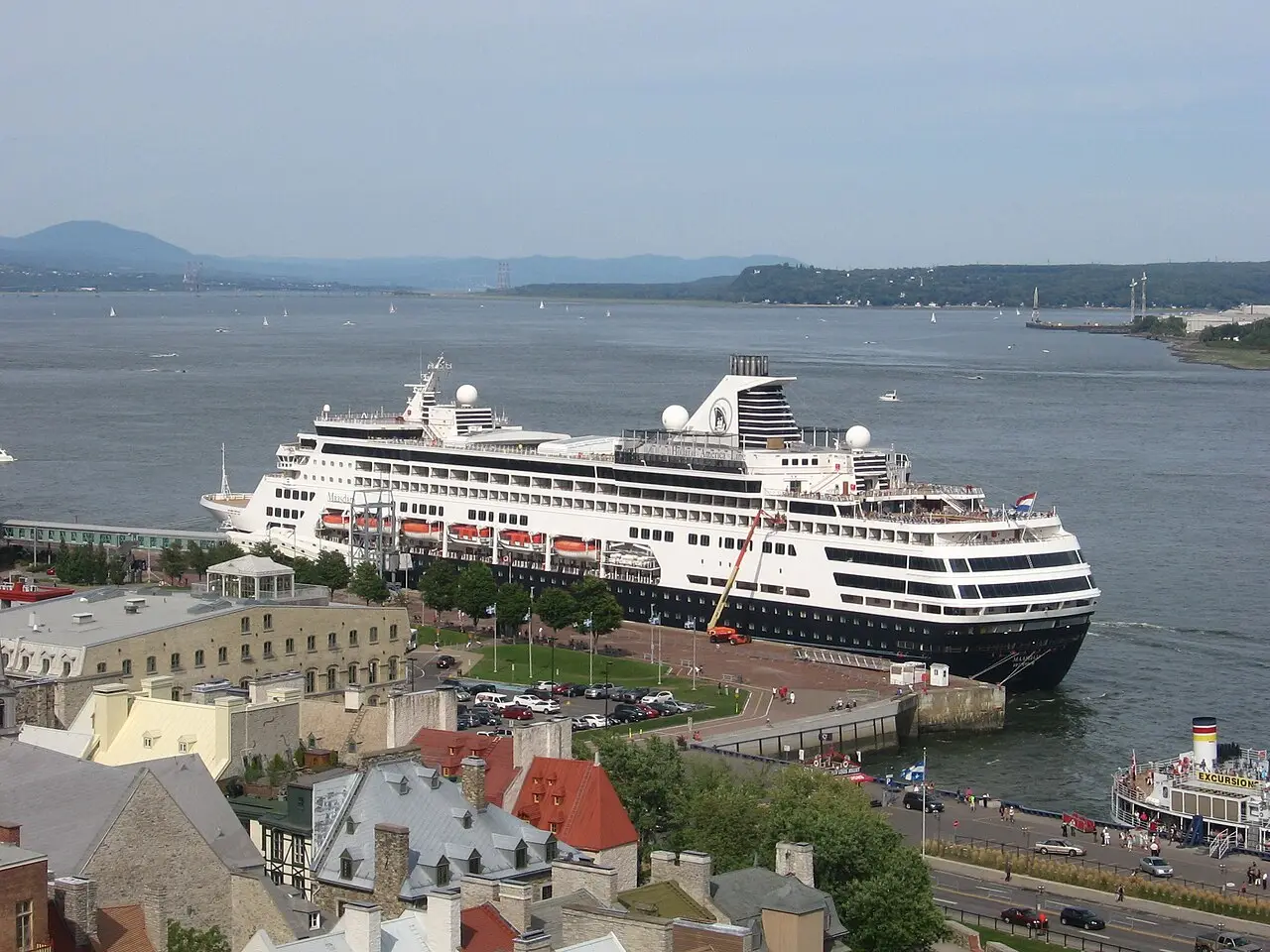
None of this is a reason to avoid the Lower Town - Petit-Champlain and Place Royale are the prettiest part of the walk, and skipping them because a ship might be docked would be overcorrecting. It’s a reason to hold them back until later in the day rather than making them your first stop, which is what most visitors do by habit.
Up on the walls: the hour most visitors skip
Quebec still has its complete ring of ramparts, and walking a stretch of them is free, outdoors, and rarely crowded even when the streets below are full. Parks Canada also runs a seasonal guided walk of the fortifications with a costumed presenter, a paid add-on separate from the free ramparts walk above: C$22.75 for an adult, C$21.25 for a senior, C$12.75 for a youth. The main welcome point, the Frontenac Kiosk on Dufferin Terrace, runs daily from 16 May to 12 October 2026 and closes for the winter after that, 9:30 a.m. to 5 p.m. in season. - useful if you want the history explained rather than pieced together from plaques, though check on site for the exact tour times, since those move within the season. Between 19 June and 7 September 2026 Parks Canada also waived general admission at its sites nationwide under the Canada Strong Pass; from 8 September 2026 the regular admission applies again.
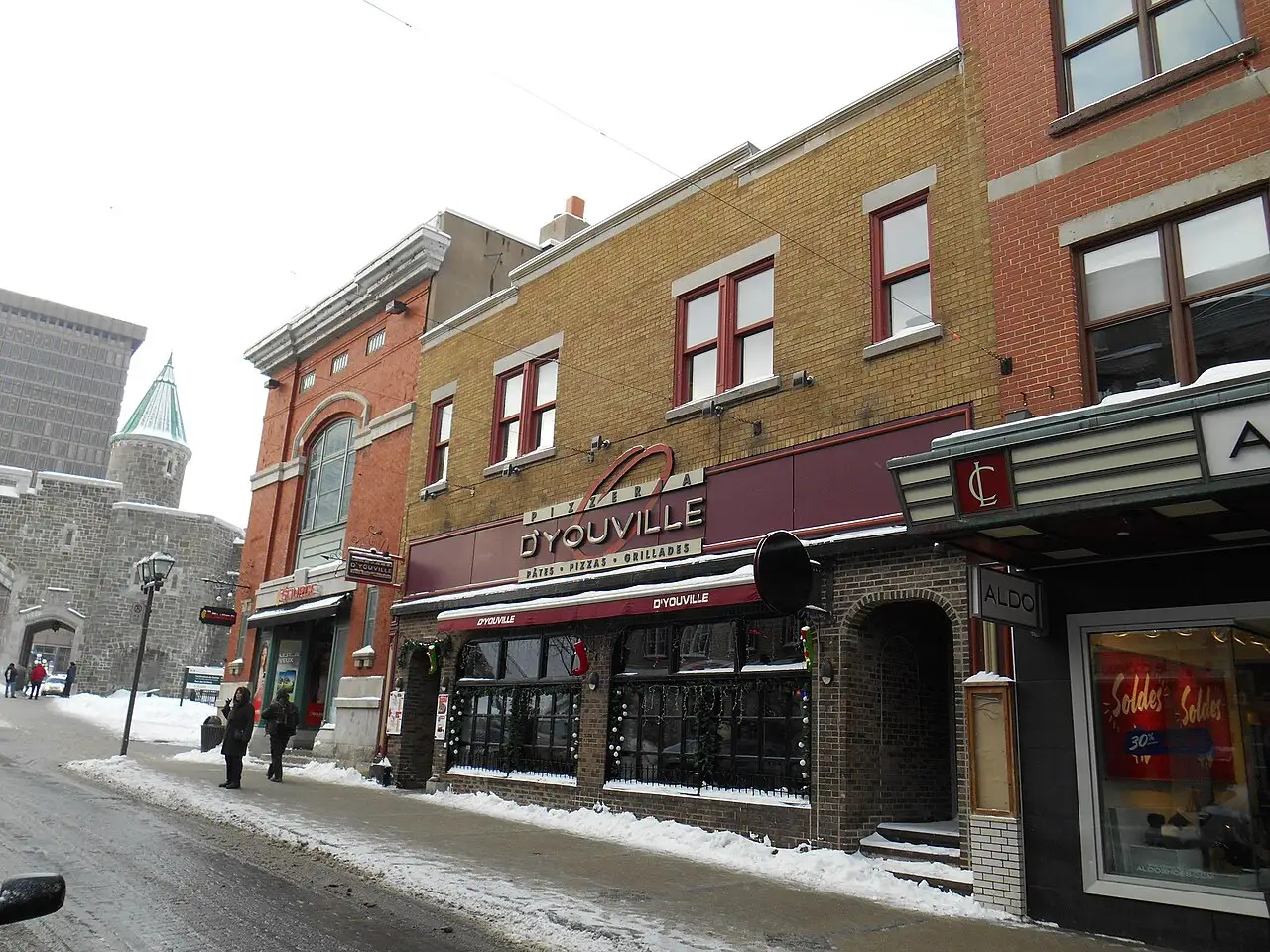
If you’d rather stay inside the walls than walk the fortifications themselves, cut east from the Terrace onto Rue Saint-Jean. It runs through the Porte Saint-Jean gate and keeps going into the newer part of the Upper Town, and it’s where a fair number of locals actually eat and shop, rather than a street built entirely for visitors. It’s not a detour that needs a whole hour, but ten minutes here tells you something Petit-Champlain won’t: that people live and work behind these walls too.
Down to the Lower Town: stairs or the funicular
There are exactly two ways down the cliff from the Dufferin Terrace area to Petit-Champlain, and they suit different moods. The Escalier Casse-Cou - the “breakneck stairs” - is free and does exactly what the name promises; take it if your knees are fresh and you want the workout. The Funiculaire du Vieux-Québec runs beside the Château year-round and covers the same 59.4-metre drop over a 64-metre track at a steep 45-degree angle, for a small posted fare. Neither option is the “wrong” one - the stairs are quicker if there’s a queue for the funicular, which happens on the busiest afternoons, so glance at the line before you commit.
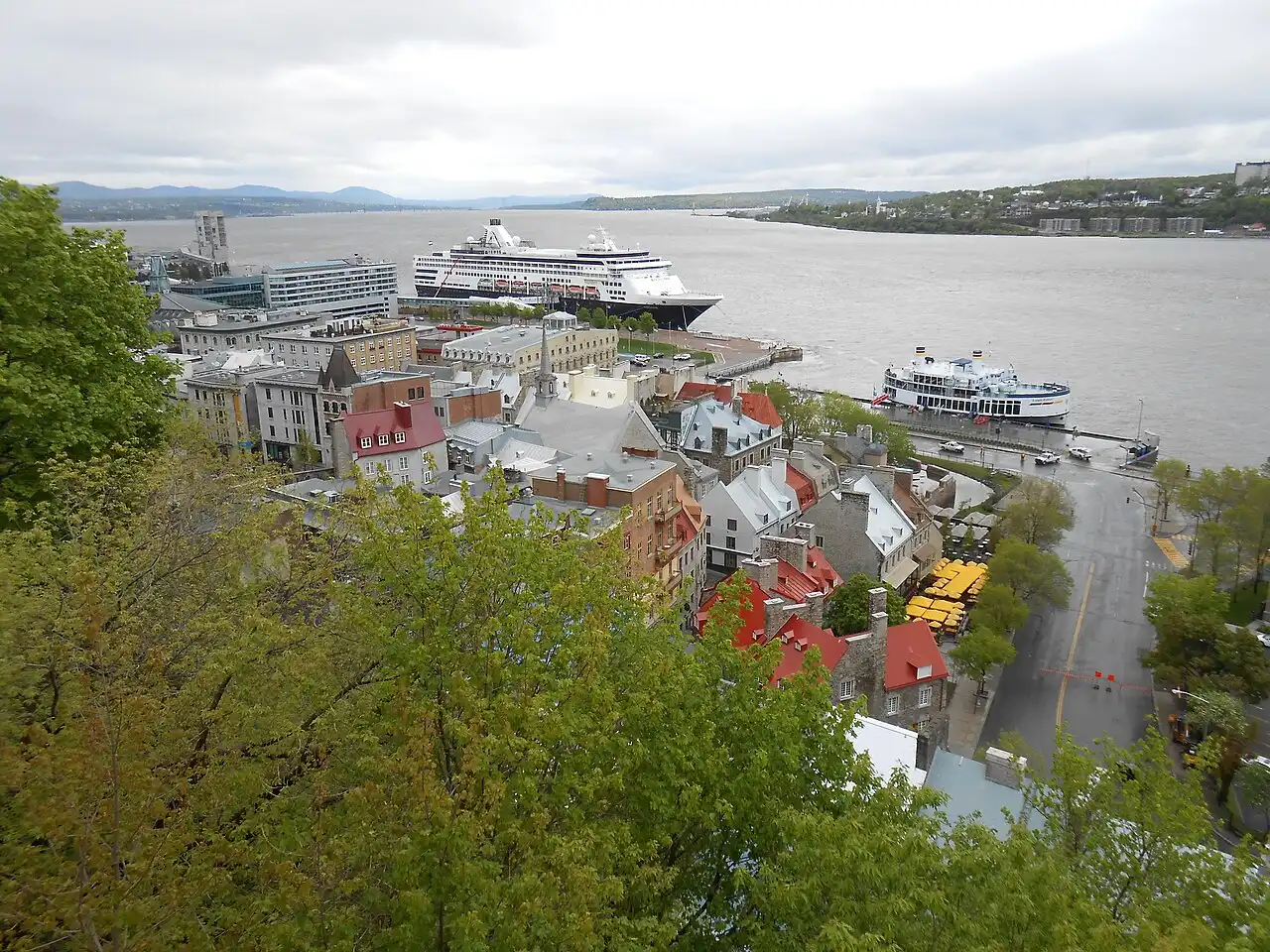
Either way, you’ll land close to Place Royale and the Petit-Champlain shops - covered properly in the Quebec City guide, so we won’t re-walk that ground here. The point for a one-day visit is simply which door you use and when, not what’s behind it.
The quiet finish: Plains of Abraham
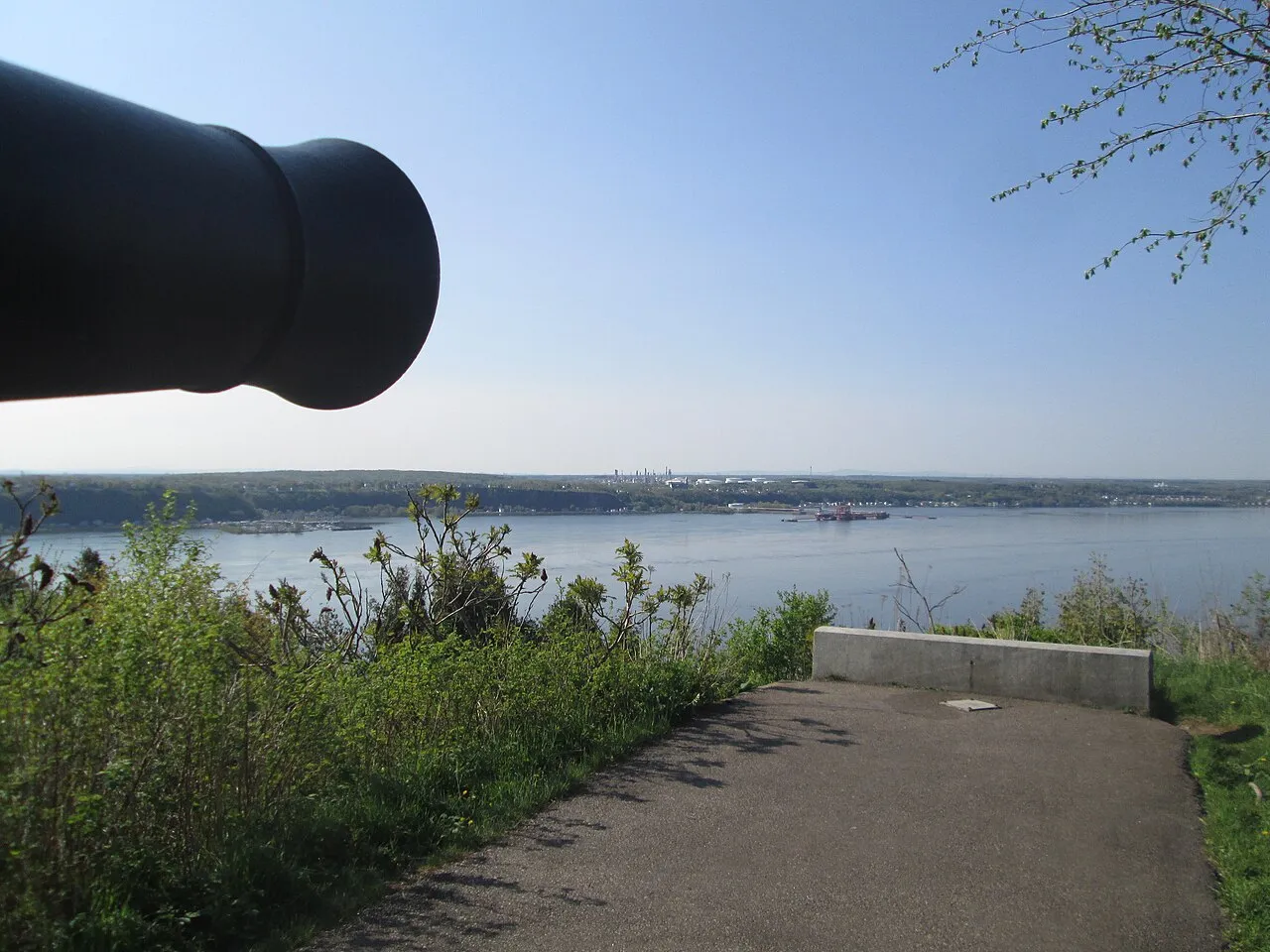
End the day back up on the clifftop, at the Plains of Abraham, just outside the walls. It’s a wide, open park rather than a single sight, which is precisely why it works as a closer: after a day of narrow streets and ramparts, the space to actually see the sky and the river again resets you before dinner. There’s a cannon-lined lookout near the cliff edge with one of the better unobstructed views of the St. Lawrence in the whole city, and unlike almost everywhere else on this list, it’s rarely crowded - with one exception worth diarising: for eleven days each July (9-19 July in 2026) the Festival d’ete de Quebec puts a 100,000-capacity stage on the Plains, and the quiet close does not exist that evening.
Short on time, or it’s raining
If you’ve genuinely only got half a day, cut the walls walk down to the stretch nearest the Terrace rather than skipping it outright - it’s costs nothing and rarely disappoints and rarely disappoints, rain or shine. Petit-Champlain and Place Royale still work in the rain, arguably better, since the crowds thin and the wet cobblestones photograph well. What doesn’t work in bad weather is the Plains of Abraham finish; swap it for extra time inside the walls and save the clifftop for a clear afternoon.
If you’re building a longer Quebec City stay around this one day, our where to stay in Quebec City guide breaks down staying inside the walls against the cheaper options just outside them, and a short drive east brings you to Montmorency Falls, the natural next stop once you’ve done the old town on foot.
Getting there and around
Old Quebec sits at the top of a cliff above the St. Lawrence, and once you’re inside the walls a car is a liability, not a convenience: streets are narrow, parking is scarce, and everything on this page is within walking distance of everything else. If you’re coming from Montreal, that’s roughly a three-hour drive or train ride, covered along with the rest of the region in our Quebec travel guide. If you’re arriving by cruise ship, you’re already steps from the Lower Town when you disembark - which is exactly why the timing advice above matters most for you.
Read also
- The full walking-around guide to the city, beyond a single day: Quebec City
- The half-day trip most people pair with the old town: Montmorency Falls
- Picking a base inside or outside the walls: where to stay in Quebec City
- The province around it, and the language question: Quebec travel guide
On the map
The map loads on click - to keep the page lightweight.
The map didn’t load. Check your connection and refresh the page.
Admission and opening hours
- Admission price
- Fortifications of Québec guided walk (Parks Canada, paid add-on): adult C$22.75, senior C$21.25, youth C$12.75. Walking the ramparts yourself and the Escalier Casse-Cou stairs are both free.
- Opening hours
- Frontenac Kiosk welcome point, Dufferin Terrace: daily 16 May-12 October 2026, then Wednesday-Sunday 13-25 October, 9:30 a.m.-5 p.m. Artillery Park welcome point: daily 19 June-7 September 2026, 9:30 a.m.-5 p.m.
Fortifications guided-tour price and welcome-point hours from parks.canada.ca/lhn-nhs/qc/fortifications, replacing an earlier 2022-dated page that had no current figures. General admission to Parks Canada sites nationwide, including the Fortifications, was free from 19 June to 7 September 2026 under the Canada Strong Pass and is charged again from 8 September 2026; the guided tour itself is a separate paid program, never covered by the waiver.
Details checked: August 8, 2026
Read also

What to see · 13 min read
Skylon Tower: Tickets, Observation Deck and Dining
Verified · October 3, 2026Skylon Tower from C$18 per adult online before tax (October 2026): deck or dinner, day or night, and when eating upstairs beats buying the ride.

What to see · 12 min read
Jasper SkyTram: Tickets, Season and the Summit Trail
Verified · October 2, 2026Is the Jasper SkyTram worth it? Seven minutes up to 2,263 m, the 1.4 km summit trail, cloud and cold at the top, and how the 2026 season ends.

What to see · 7 min read
Saguenay Fjord 2026: Cliffs, Ferries & Two Parks
Verified · August 26, 2026Saguenay Fjord: Sépaq park from C$10.30, Marine Park lookouts, Baie-Éternité trails, Tadoussac ferry. Whale boats in our other guide.

What to see · 10 min read
Thousand Islands: Boat Cruises, Boldt Castle and the Border
Verified · August 24, 2026Thousand Islands cruises from Gananoque or Rockport: scenic hours without a passport, or Boldt Castle on Heart Island with US entry docs.