Kelowna: Okanagan Wine, Beaches and Big White Base
Kelowna in practice: YLW as your base, more than thirty lake beaches, Knox Mountain's free trails, honest wildfire-smoke odds, and Big White an hour away.
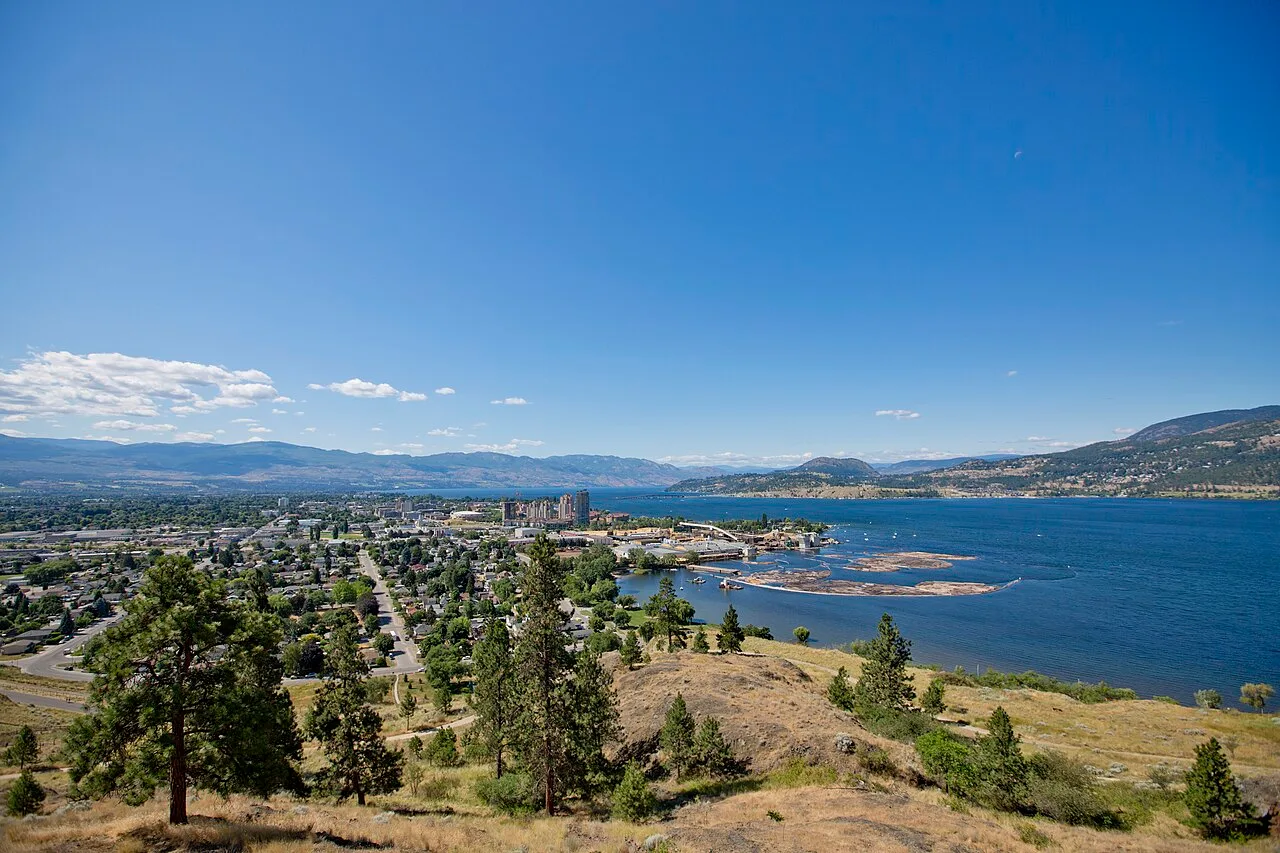
Kelowna International Airport carried 2,315,432 passengers in 2025, more than any year before it, and most of them weren’t landing for a conference. YLW sits close enough to downtown that a lunchtime flight still leaves time for a swim before dinner, which is the real case for basing a British Columbia trip here instead of just passing through on the way to Big White or the wine country.
The city wraps around Okanagan Lake at its narrowest useful crossing, which is why the William R. Bennett Bridge, a toll-free floating bridge finished in 2008, works almost like the spine of the place: downtown and the beaches sit on the east bank, and most of the wineries people actually came for sit across the water in West Kelowna, a fact that surprises visitors who assume “Kelowna wine country” means a five-minute walk from their hotel.
YLW makes Kelowna work as a base, not just a stopover
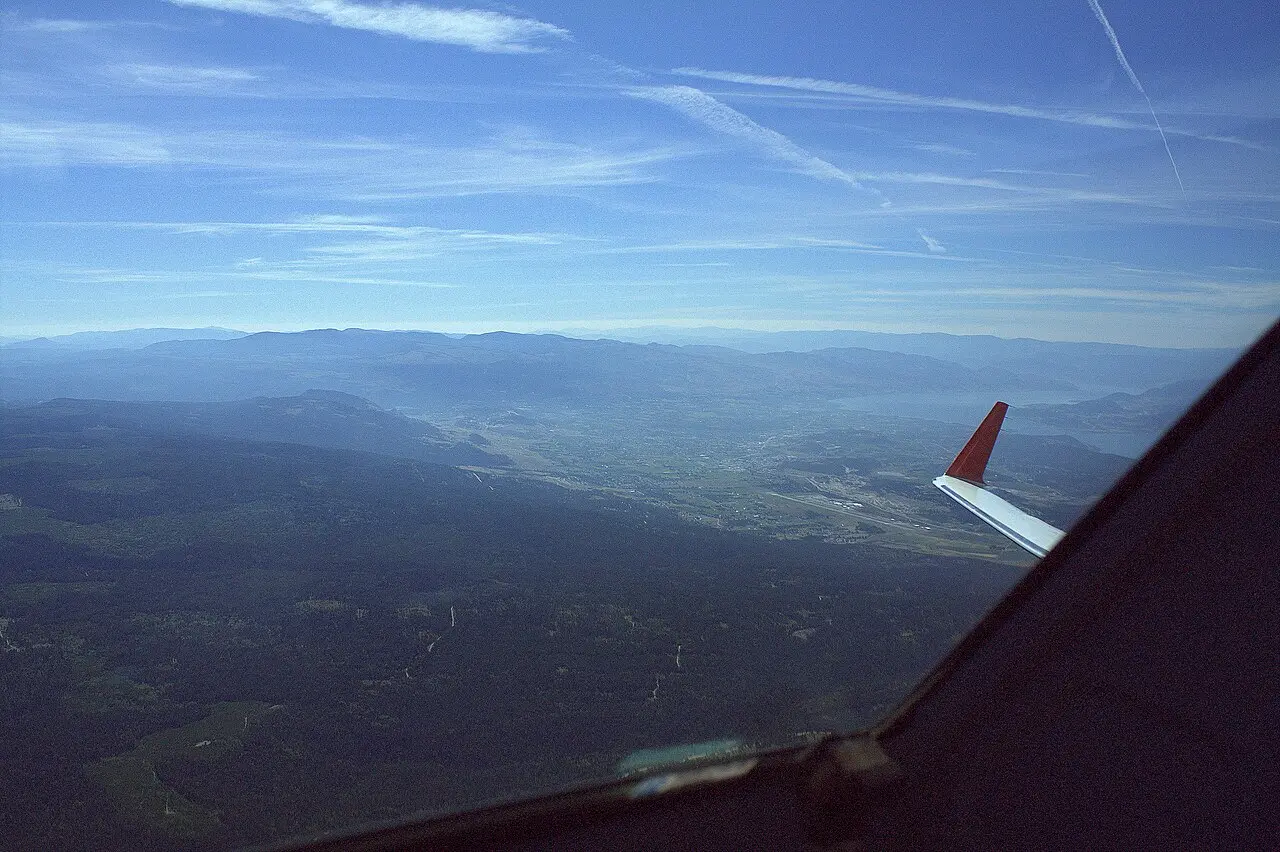
Flying in beats driving for most trips. YLW has grown into a real regional hub, with direct routes from across Western Canada, and the terminal sits close enough to downtown that a rental car or a short taxi ride gets you to a lake view within twenty minutes. If you’re renting rather than relying on hotel shuttles, our renting a car in Canada guide has the licence rules that apply the moment you leave the lot. Driving from Vancouver is the scenic option rather than the fast one - about 390 km over the Coquihalla, a proper mountain highway that demands winter tires from 1 October to 30 April; the fine and the full winter-driving detail are in our Okanagan Valley guide. The dry Okanagan heat at your destination doesn’t tell you anything about conditions on the pass.
Downtown and the lakefront
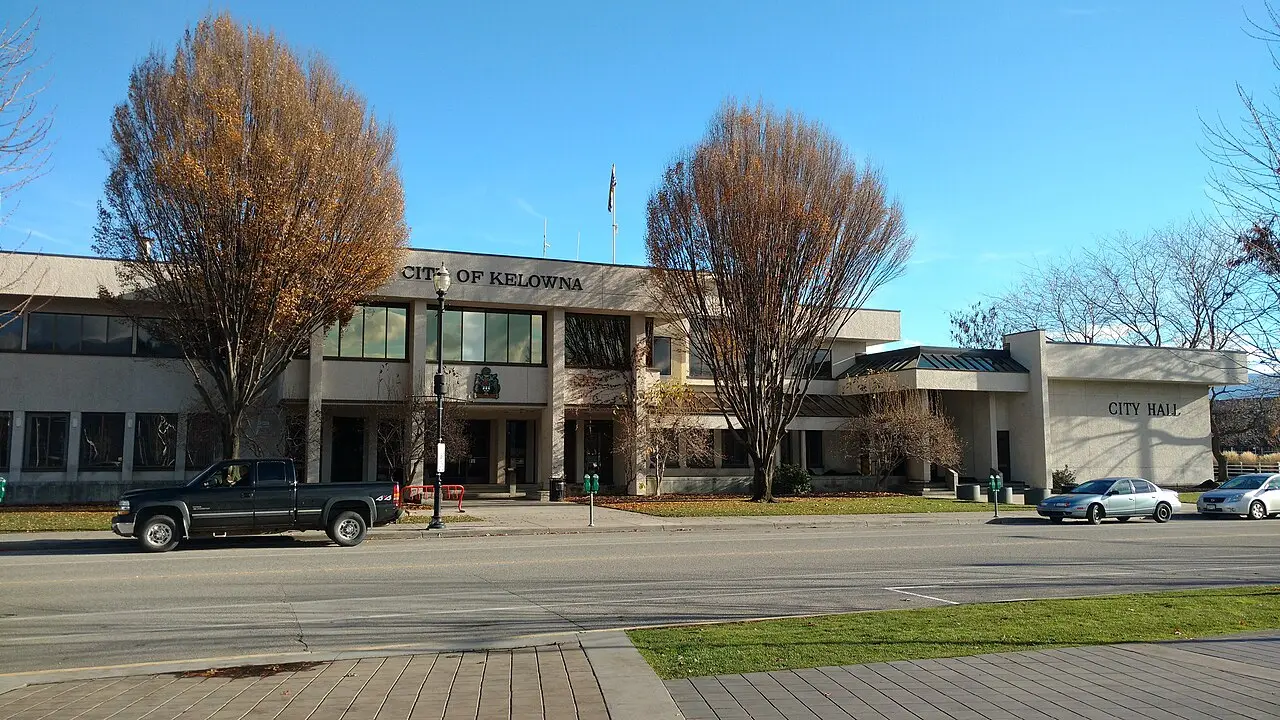
Bernard Avenue is the city’s main downtown strip, and from 12 May to 7 September 2026 the 200 and 300 blocks close to cars for a seasonal pedestrian corridor, reopening to regular traffic by 11 September. That’s the window lined with the restaurants that earned Kelowna its unusual 2025 title, Canada’s first UNESCO Creative City of Gastronomy and only the fifth Canadian city named to a UNESCO Creative Cities category at all - outside those months, Bernard is a normal street with cars back on it, so don’t plan a February trip around the patio photos. City Hall, a short walk further on, doubles as a handy landmark if you’re finding your feet downtown on foot for the first time.
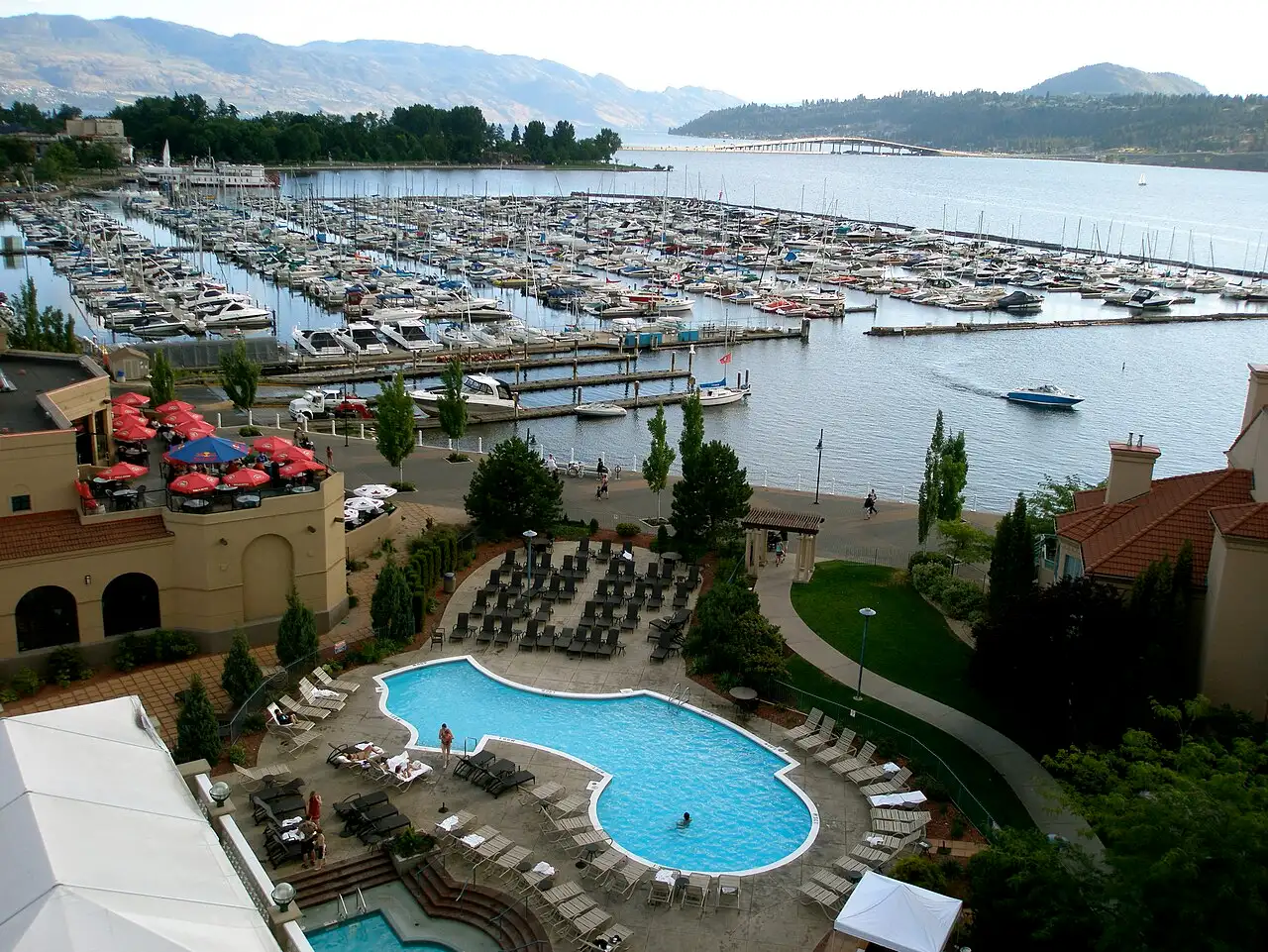
Walk five minutes further and you’re at the water. The lakefront boardwalk runs past City Park, the marina and a run of hotels that back directly onto the beach, and it’s where most visitors end up in the evening regardless of what they planned during the day. The William R. Bennett Bridge crosses the lake right at this point, carrying Highway 97 and a pedestrian and cycling path over to West Kelowna - it’s longer than it looks from the boardwalk, about 1,060 metres end to end and roughly 12 to 14 minutes on foot, which is why most people drive or cycle it rather than stroll across on a whim.
More than thirty beaches: three that matter
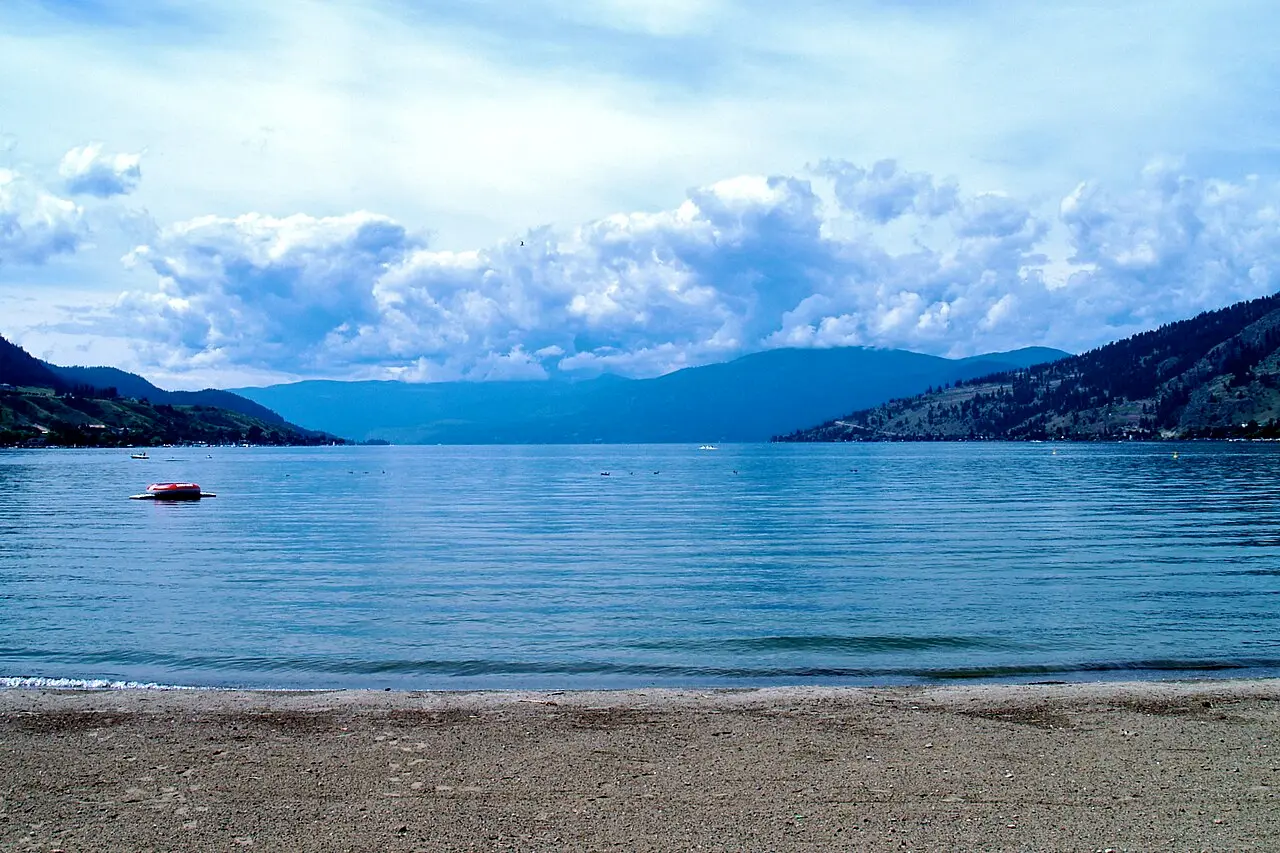
Tourism Kelowna counts more than thirty public beaches on the city’s stretch of Okanagan Lake, which is more choice than most visitors need to sort through. Three cover the range. City Park’s Hot Sands Beach is the downtown option, walkable from most hotels and busiest because of it. Boyce-Gyro Beach, in the Pandosy neighbourhood a short drive or bike ride south, is the family favourite, with paddleboard rentals and shallow water that suits small children. Rotary Beach, just past it, is the quieter sibling for anyone who wants the same stretch of lake without the crowd. Sarsons Beach, further south again in Mission, is the pick for a low-key afternoon away from downtown traffic.
Those three neighbourhoods double as the real answer to where to base yourself - it comes down to walking versus driving. Downtown puts the restaurants, the boardwalk and Hot Sands Beach within a few blocks of most hotels, no car needed for a short visit. Pandosy works on foot or by bike if you don’t mind the extra twenty minutes, easier with a car. Mission is really a car neighbourhood, and that trade-off is what keeps it quiet. None of that changes once Big White or the wineries join the itinerary - budget for a rental or a reliable taxi app regardless of which beach you pick.
Knox Mountain and Mission Creek: green space without a wine tour
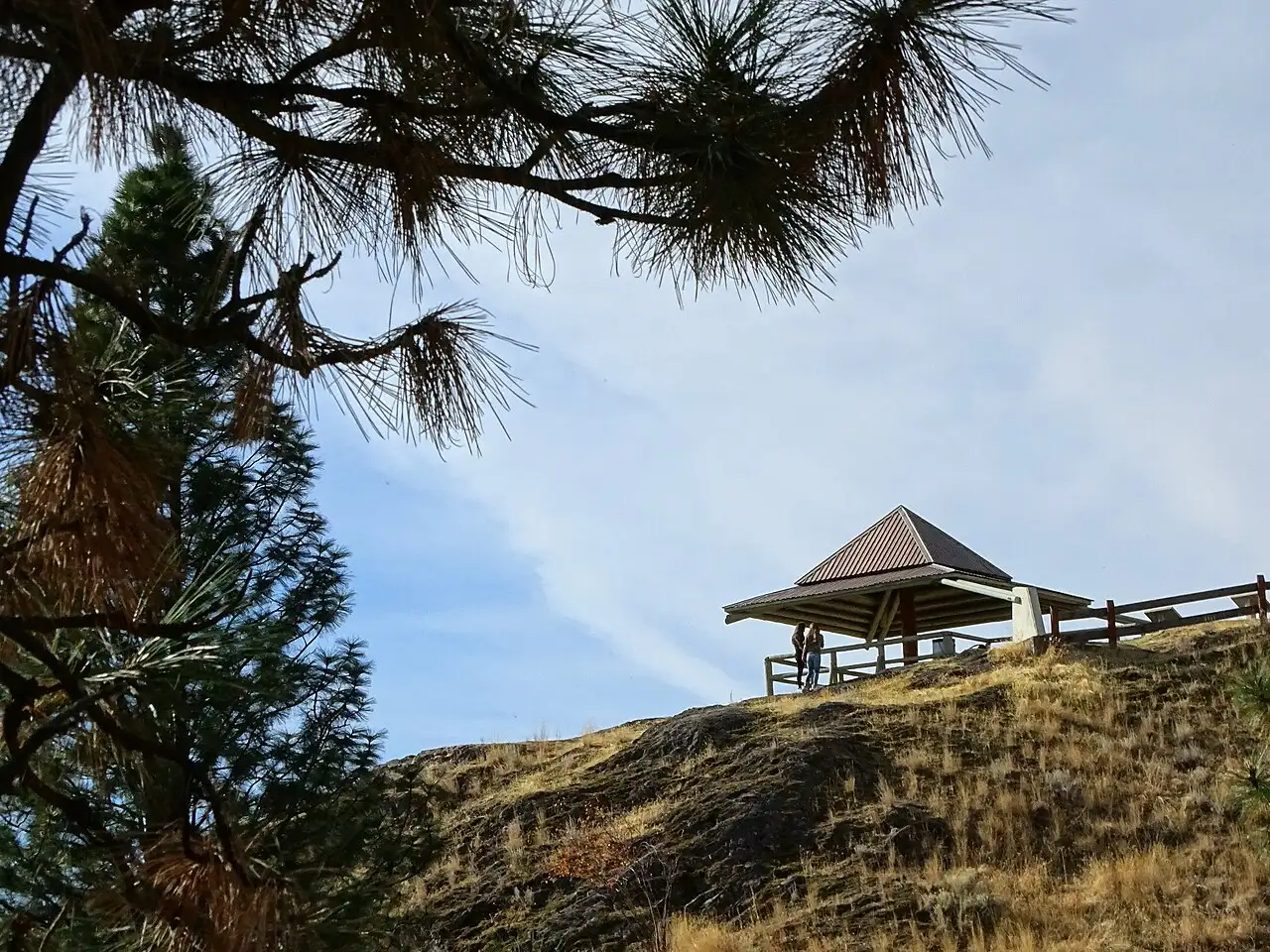
Knox Mountain Park sits right at the north edge of downtown, and its summit rises about 300 metres above the lake with roughly 1,400 metres of shoreline along its western boundary, making it the biggest natural park inside city limits. A network of marked trails climbs to lookouts over the lake and the bridge, and it’s popular with runners and cyclists as well as hikers. The park is open 6 a.m. to 10 p.m. daily, and most of the year it isn’t only a hiking summit: from noon to 8 p.m. in the frost-free season, the city normally allows vehicles to drive Knox Mountain Drive up to the first lookout, which is the easy way to catch the view without the climb. That road is currently closed to vehicles due to extreme wildfire danger, reopening once the danger drops - check the city’s page before you plan on driving up rather than walking. For anyone bringing a dog, keep it on-leash through most of the park; there’s also a designated off-leash area where dogs can run free.
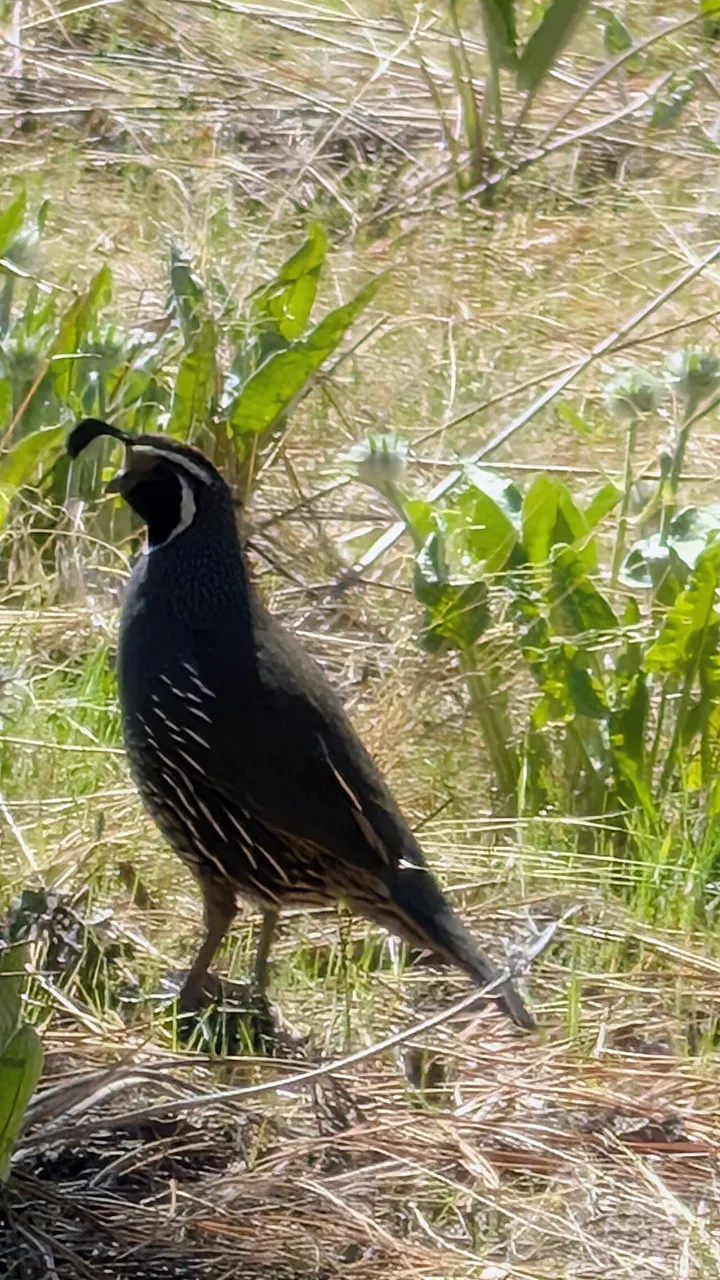
South of downtown, the Mission Creek Greenway offers the flatter alternative: a shaded path along the creek that suits an easy walk or a family bike ride without the climb Knox Mountain asks for.
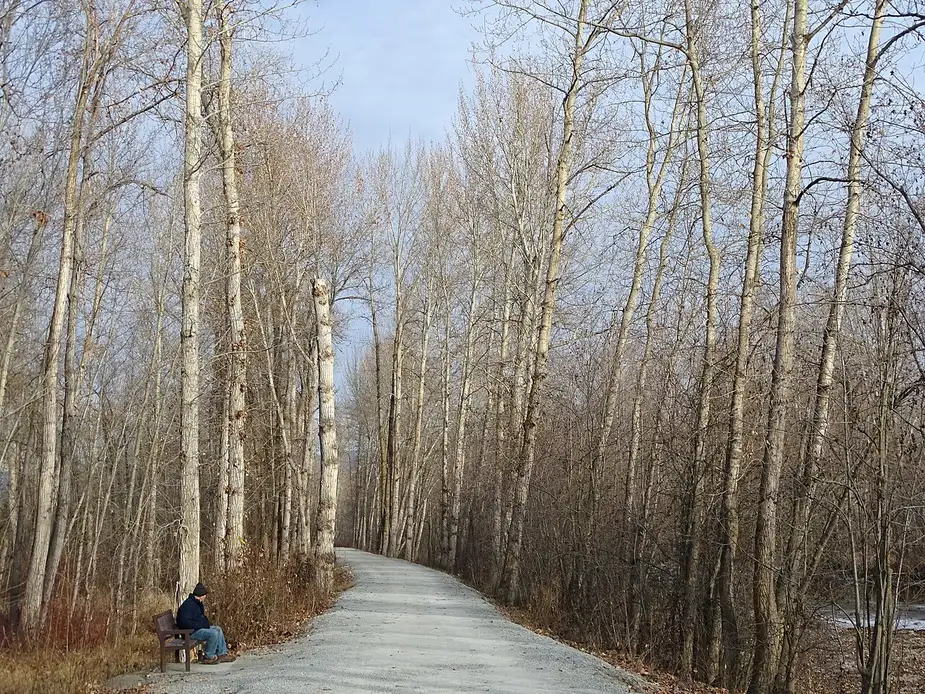
Wine country is across the bridge, not downtown
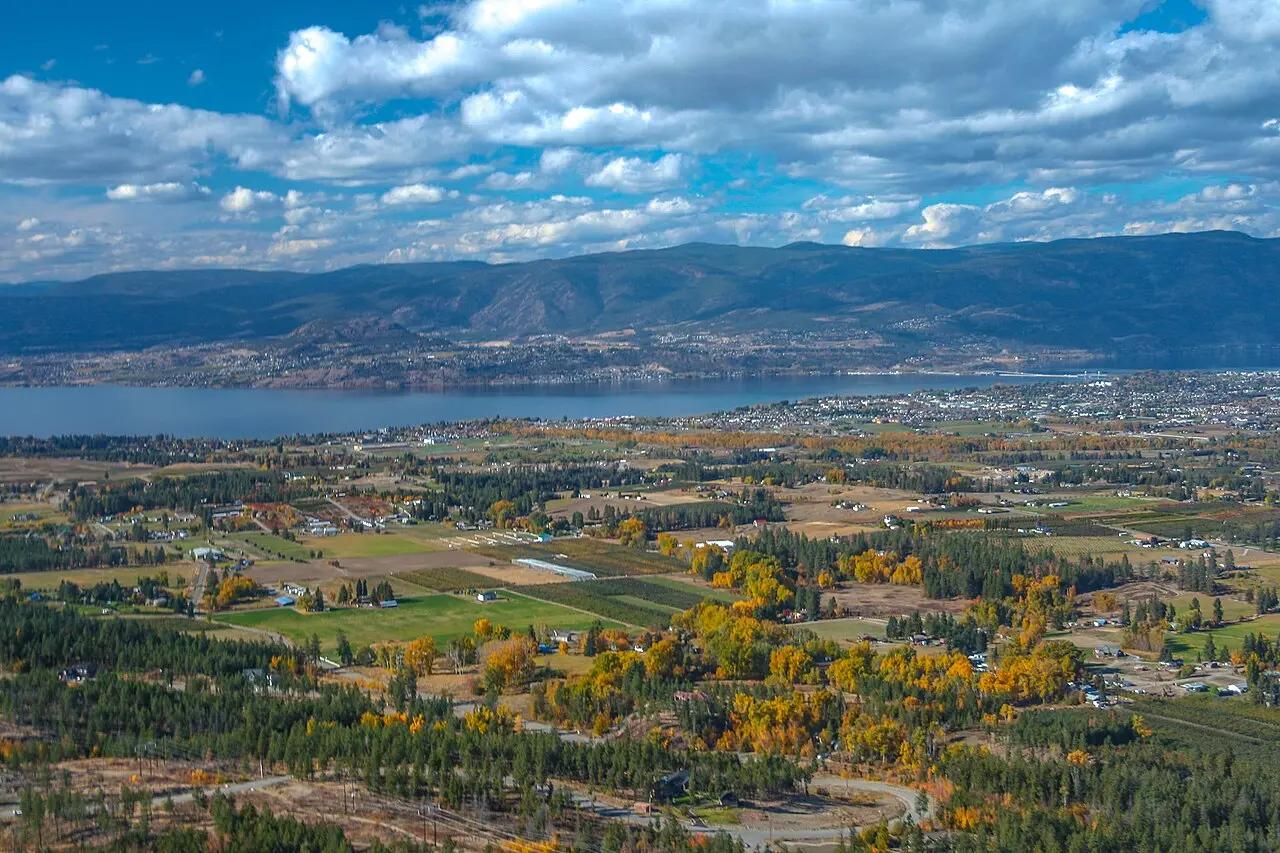
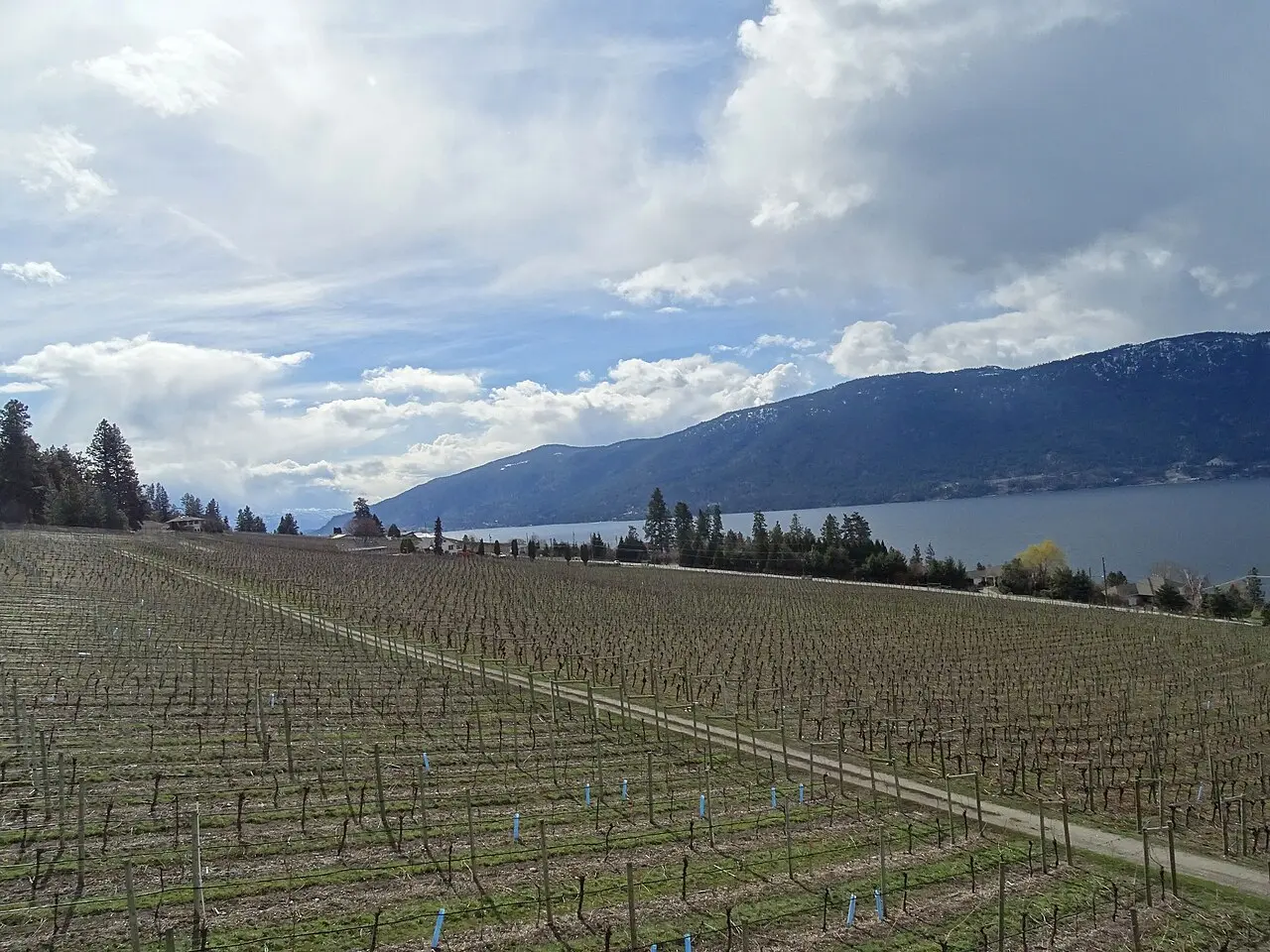
This is the point that trips up first-time visitors: Kelowna sits inside the Okanagan Valley, but the valley’s famous wineries aren’t in the city. Most of the closest tasting rooms are in West Kelowna, over the bridge, with the rest of the valley’s 196 wineries strung out along the lake to the north and south. Our Okanagan Valley guide has the full picture - current tasting fees, which sub-region grows what, and BC’s 0.05 roadside rule, tighter than the 0.08 most visitors expect. Staying in Kelowna and want to taste seriously rather than drive-and-sip? A taxi or rideshare covers a couple of wineries without a fixed schedule, a hired driver keeps you in your own rental for the day, and a guided tour bundles the driving with a planned route if you’d rather not sort it out yourself.
What the August wildfire smoke means for your trip
Late summer in the Okanagan carries a real risk that most guides skip past: wildfire smoke. It’s a normal part of an Okanagan August, not a freak event - individual warnings typically run a day or two before lifting or being updated, and the region can see several separate ones come and go across a single month. As this page goes up in late August 2026, a wildfire smoke warning covering the Okanagan, Kelowna included, happens to be active - which is the point, not a hypothetical for some other week. That doesn’t mean every day of the month is smoky; plenty of August days here are clear, and warnings lift about as often as they’re issued. It does mean you shouldn’t assume clear skies on faith. The province’s own guidance during a warning is straightforward: postpone strenuous outdoor plans and spend time somewhere with cleaner air until it lifts.
That’s easier advice to follow here than most places: a smoky afternoon is a fair excuse to work through tasting rooms instead of a beach day, or the Bernard Avenue restaurants instead of Knox Mountain - both work regardless of what the sky is doing.
The scale this can reach isn’t hypothetical: the 2023 McDougall Creek fire near West Kelowna forced a provincewide state of emergency and damaged or destroyed 189 Okanagan homes - the full account is in our Okanagan Valley guide. That’s the extreme end, not the typical one, but it’s why checking conditions before an August trip is worth the two minutes it takes - check the province’s air quality warnings page for your travel dates rather than trusting last year’s photos, or this article’s.
Big White: Kelowna’s second season
The city runs on two very different seasons, and winter is the one summer visitors rarely picture. Big White Ski Resort sits 56 km southeast on Highway 33, the opposite direction from the bridge and the wineries, a short 55-minute drive or shuttle by the resort’s own reckoning. It’s a serious hill: a 777-metre vertical drop, 119 marked trails across 105 km of terrain, and the largest night-skiing area in Western Canada. What makes it a Kelowna trip rather than a separate one is the fly-in logistics - land at YLW and the shuttle can have you on snow inside the hour, no overnight stop between airport and mountain. Our skiing in Canada guide sets Big White against the Rockies resorts and Whistler for anyone deciding where a ski week belongs. Downtown doesn’t go quiet for winter either - Bernard’s restaurants keep running past the end of the pedestrian season, just with cars back on the street outside.
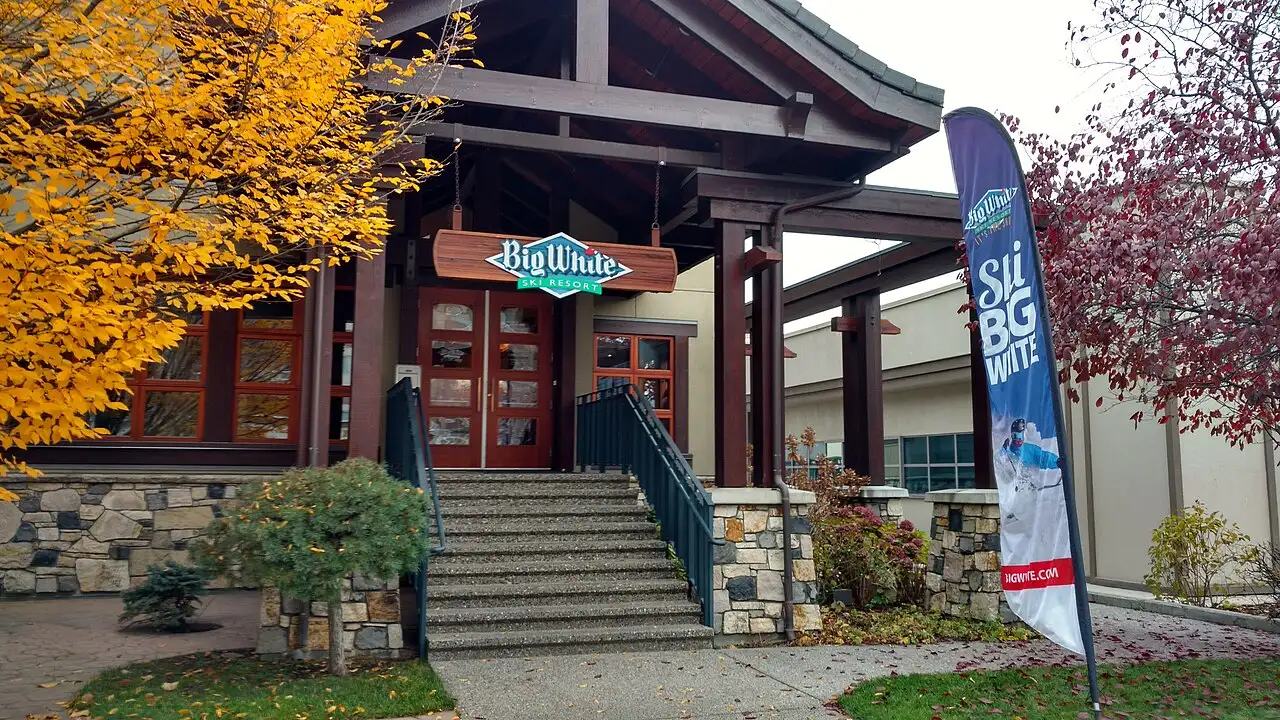
Kelowna works because it doesn’t force a choice between those two seasons; it just asks you to pick which one you’re visiting for. Land at YLW, cross the bridge for wine or stay on the east bank for the beaches, and if you’re back in December, the same airport puts you on snow within the hour. For the rest of British Columbia’s interior and how Kelowna fits a longer route through it, our British Columbia guide lays out the province’s other road trips around this one.
On the map
The map loads on click - to keep the page lightweight.
The map didn’t load. Check your connection and refresh the page.
Admission and opening hours
- Admission price
- Downtown, the lakefront boardwalk and more than thirty public beaches are free to walk. Knox Mountain Park costs nothing beyond parking. Wine tastings run separately - our Okanagan Valley guide has current prices - and so do Big White lift tickets, covered in our skiing in Canada guide. Wildfire smoke, not money, is the thing to check before an August trip.
- Opening hours
- A year-round city with two distinct high seasons: the lake and wine season from roughly May to September, and the Big White ski season from December into April.
Beach and park facts from tourismkelowna.com and the City of Kelowna, fetched directly 20 August 2026. Air quality changes day to day - a wildfire smoke warning is in effect for the Okanagan as this page goes up, so check the current warning before you plan an August visit, not this page's snapshot of it.
Details checked: August 20, 2026
Read also

Cities · 11 min read
Regina: Legislature, RCMP Heritage Centre and Prairie Base
Verified · August 29, 2026Wascana Centre, the Legislature, the Mounties' only training depot and a free T. rex - what Regina actually rewards, plus the road to Saskatoon.

Cities · 10 min read
Whitehorse: Yukon Base for Aurora, Rivers and the Klondike
Verified · August 28, 2026Whitehorse in 2026: SS Klondike grounds open but boat closed, MacBride C$12, Beringia C$6, Miles Canyon and aurora season.

Cities · 9 min read
Things to Do in Saskatoon: River Valley, Wanuskewin & Skies
Verified · August 27, 2026Saskatoon in practice: Meewasin trails, Wanuskewin bison, Remai Modern by donation, and a prairie day trip to Riding Mountain.

Cities · 9 min read
Lunenburg: UNESCO Old Town Guide
Updated · September 2, 2026Old Town Lunenburg from Halifax: UNESCO grid of 1753, painted harbour, Fisheries Museum prices, Bluenose II, and when an overnight beats a day trip.