Prince Edward Island Guide: Anne, Sand, Bridge
Prince Edward Island in a long weekend: the Confederation Bridge toll trick, Green Gables, red-sand beaches, Charlottetown and oysters.
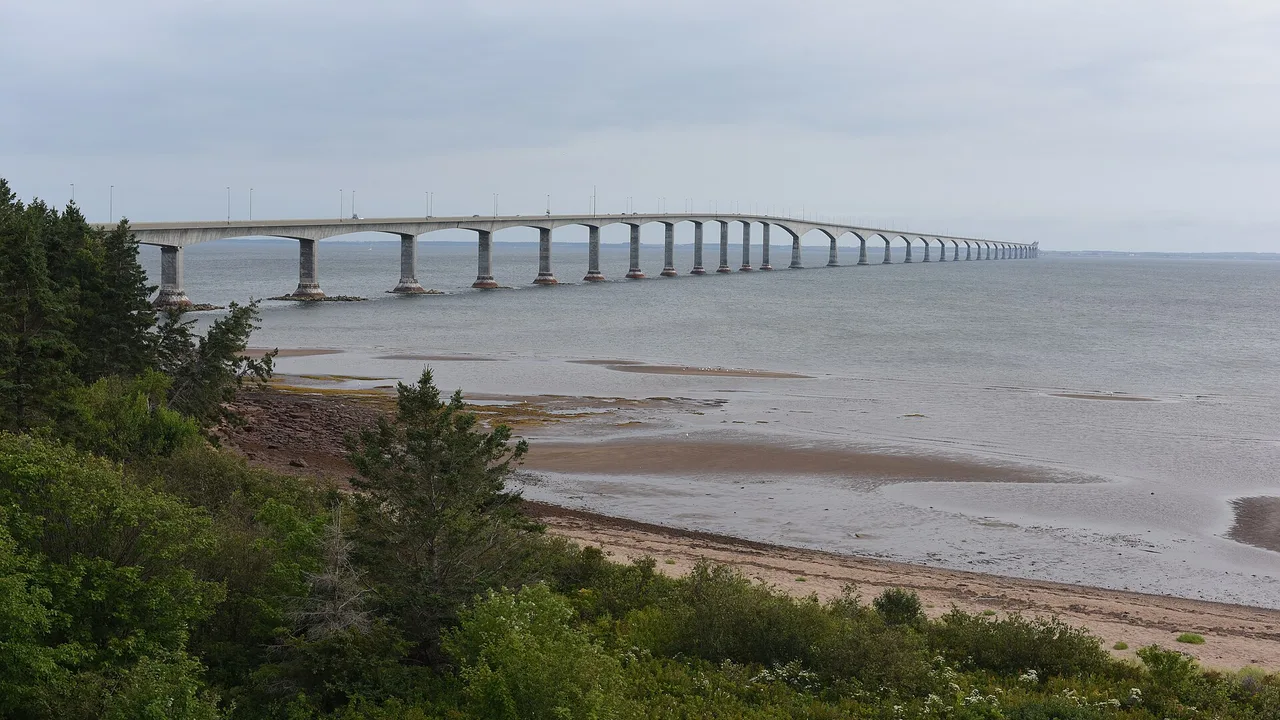
Prince Edward Island is Canada’s smallest province and its easiest to loop: red-dirt roads, red-sand beaches and green farmland, the whole of it within a two- to three-hour drive end to end, so three to five days is plenty. It’s the setting of Anne of Green Gables, the birthplace of Canadian Confederation, and, by its own billing, the oyster capital of the world. You reach it across the 12.9 km Confederation Bridge, and here’s the quirk worth knowing before you plan a budget: the toll is charged only on the way out.
That single fact reshapes the trip. Because you pay to leave rather than to arrive, and because the island is small enough to cross in an afternoon, the smart move is to pick one base and day-trip everything from it rather than pack and repack. Distances that would be a morning’s drive on the mainland are twenty minutes here.
Getting there, and the toll trick
The Confederation Bridge carries the Trans-Canada Highway 12.9 km across the Northumberland Strait, the longest bridge in the world over ice-covered water, open since 31 May 1997. The crossing takes about twelve minutes, and driving onto the island is free. You settle up only when you leave: the 2026 toll is C$20.00 for a car or a motorcycle, with nothing extra per additional axle, collected at the Borden-Carleton plaza on the way off. The seasonal Wood Islands ferry to Caribou, Nova Scotia works the same way and is the neat option if you want to arrive by bridge and leave toward Cape Breton, or the reverse.
How many days you need
Three days covers the essentials: Charlottetown, the Cavendish and Green Gables corner, and one north-shore beach. Five days adds the quieter coastal loops without ever feeling rushed. The island is helpfully carved into three signposted touring routes - the Green Gables Shore across the centre, Points East to the lighthouses and cliffs of the far east, and North Cape up the sandy western arm - and each is a comfortable day out from a single base. The island rewards slowness precisely because it’s small: you can have a beach morning, an oyster lunch and a Charlottetown dinner in one unhurried day, then swap the beach for a different shore tomorrow without moving hotels.
Green Gables and Anne country
The island’s literary pull is real and, in Cavendish, inescapable. Green Gables Heritage Place is the farmstead that inspired Lucy Maud Montgomery’s 1908 novel Anne of Green Gables, and the green-and-white farmhouse, the Haunted Wood and Lover’s Lane are the actual places behind the story. Keep the distinction in mind - the farm inspired the book, it was never literally a red-haired orphan’s home - but the setting is genuine, and the book is a global phenomenon, beloved in Japan to the point of pilgrimage.
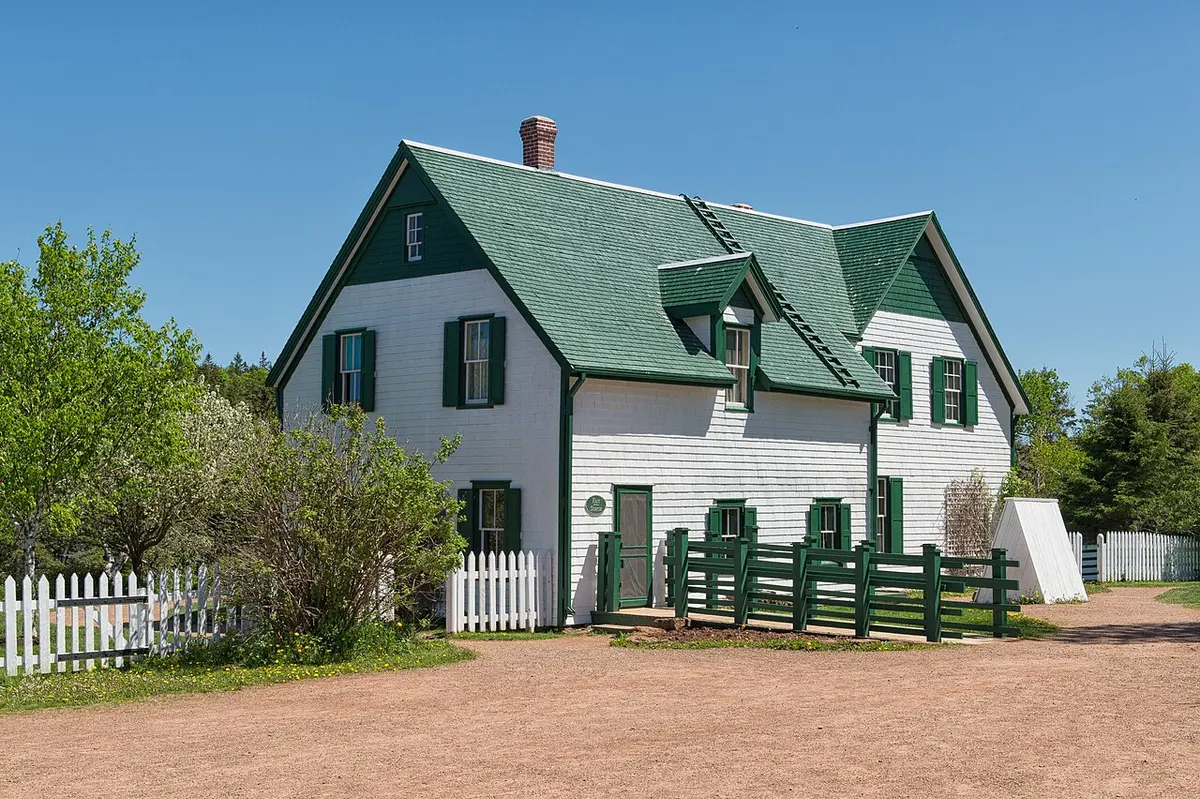
It’s open May to October; admission was free from 19 June to 7 September 2026 under the Canada Strong Pass and is charged again from 8 September 2026. Cavendish around it has leaned hard into the theme, so expect the fictional character to share the village with go-karts and gift shops; the house and its wooded trails are the part that stays with you.
Charlottetown and the birthplace of Canada
Charlottetown is the capital and the reason the country exists in its current shape. In September 1864 its Province House hosted the conference where delegates from the Maritime colonies first sat down with the Province of Canada and set the road to Confederation in 1867; the city’s motto, Cunabula Foederis, means “Birthplace of Confederation.”
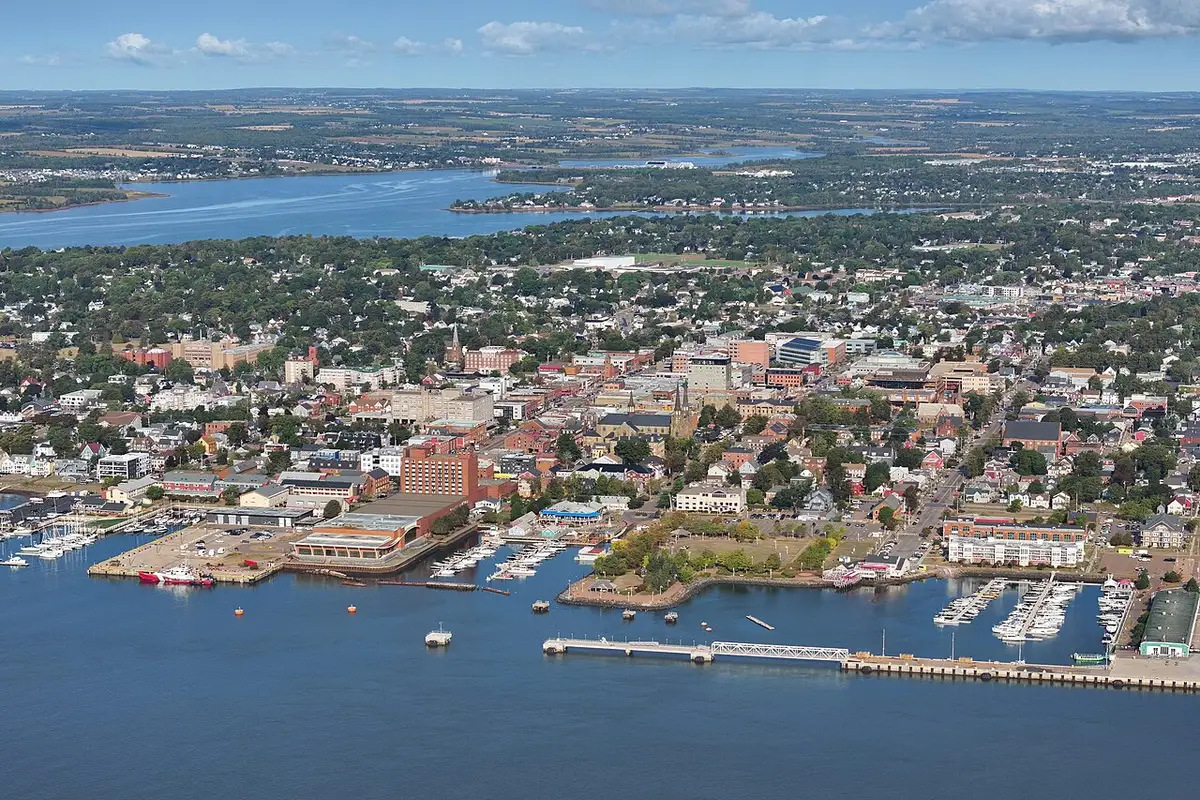
One thing to correct before you build a day around it: the actual Province House has been closed to the public since 2015 for a major conservation project and won’t reopen for the summer of 2026 - Parks Canada is aiming for late 2026 with no firm date. Don’t plan to step inside the historic chamber; you can still see the building from outside and get the Confederation story nearby. What’s open regardless is the Confederation Centre of the Arts, home of the long-running Anne of Green Gables musical, along with Great George Street, the pedestrian cafe strip of Victoria Row and the walkable waterfront. The historic core is small enough to see on foot in a morning, which is exactly the pace the city is built for; give it an afternoon and an evening and you’ve Charlottetown covered.
Red beaches and dunes
The colour is the signature. Prince Edward Island National Park strings along the north shore, protecting red sandstone cliffs, sand beaches and wind-sculpted dunes at Cavendish, Brackley and Greenwich; the red comes from iron oxide in the rock, the same iron that stains the soil and the back roads. Admission was free from 19 June to 7 September 2026 under the Canada Strong Pass; from 8 September 2026 the standard Parks Canada fees apply again.
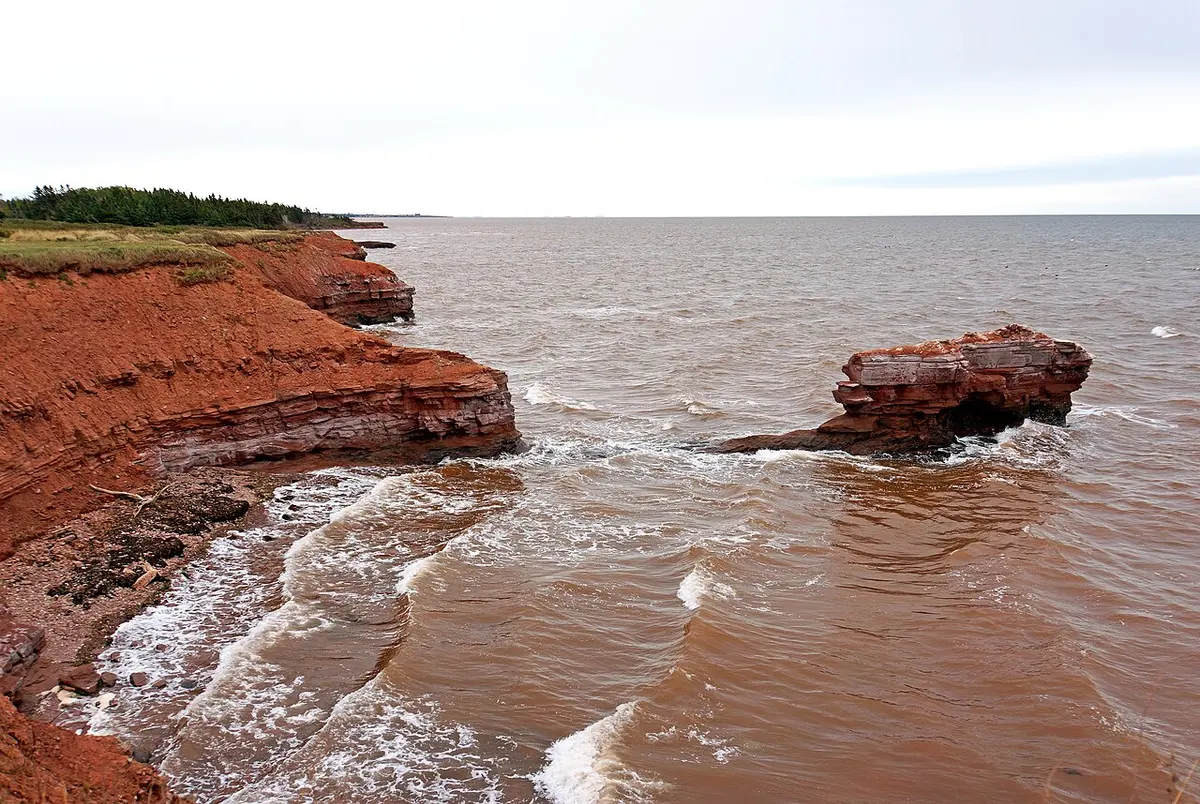
There’s a real split worth planning around: the south side has warmer water and red sand, the north side white sand and open surf, so pick your beach for the swim you want. The standout walk is the Greenwich dunes, reached by a floating boardwalk over a pond to a wall of shifting sand.
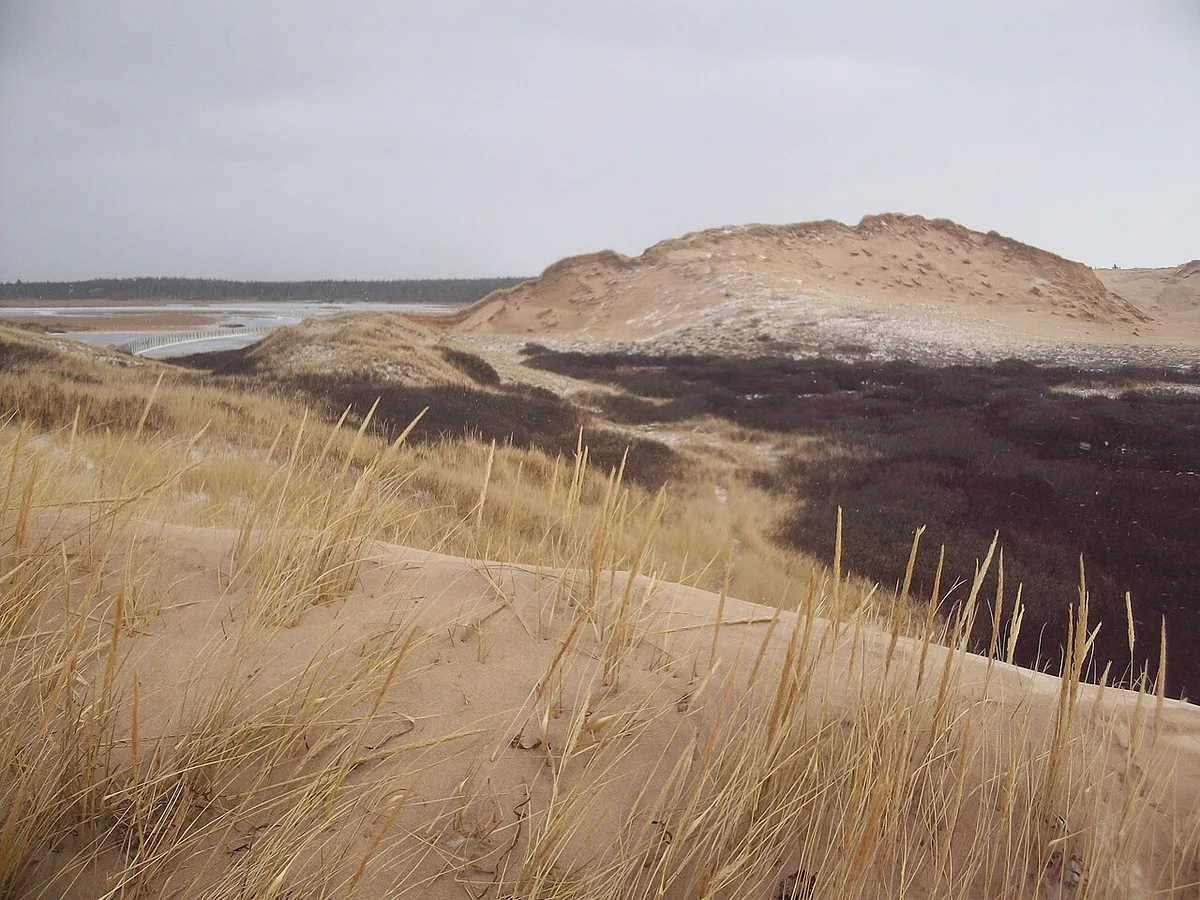
One rule to respect: piping plover nest on these beaches, and sections are roped off in season. The closures aren’t suggestions - the birds are endangered - so walk around them.
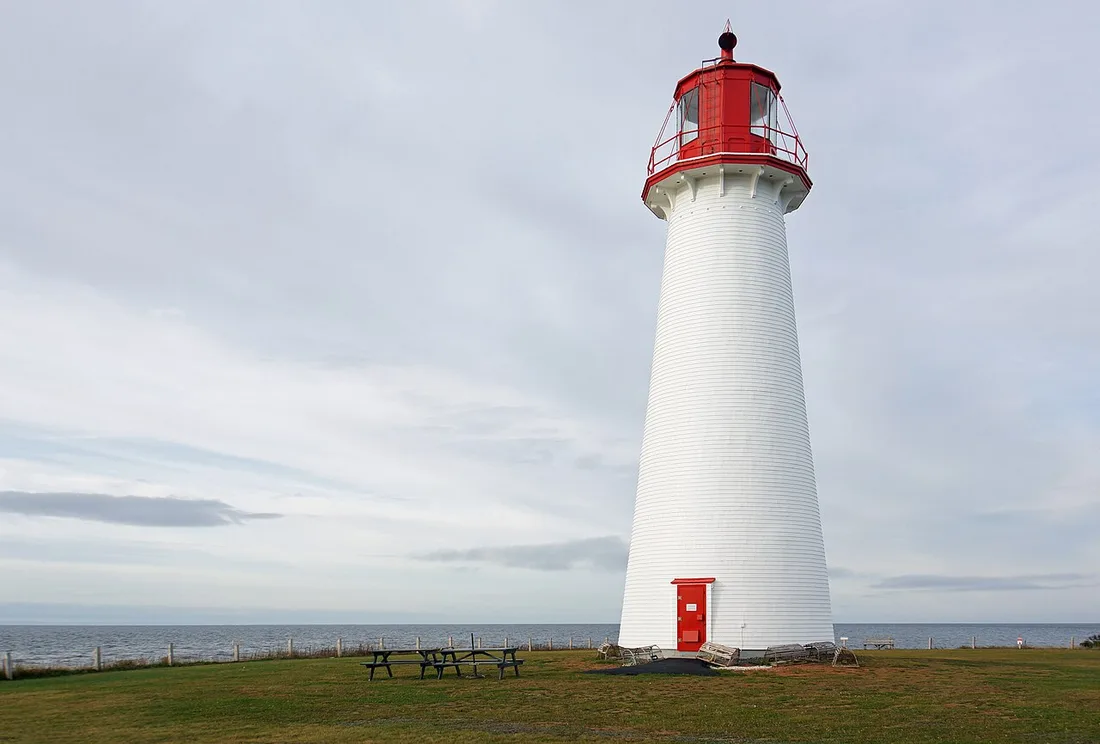
Away from the park, the coastline is a string of small harbours and lighthouses; Point Prim, the oldest lighthouse on the island, makes a good excuse for a drive down a red clay road.
Oysters and mussels
PEI calls itself the oyster capital of the world, and it has the licence: Malpeque is the famous name, cold-water and briny, and the island grows a large share of Canada’s cultivated blue mussels. Winter is the peak for flavour, but they’re served all season, shucked at the wharf, pulled straight from the bay on a boat tour, or piled on a plate in a Charlottetown dining room. If you only do one food thing here, sit at a shellfish bar and work through a dozen oysters from different bays - the taste changes noticeably from one shore to the next. The wider Maritime table, lobster rolls and all, is in our Canadian food guide.
When to go and getting around
The island runs on a short calendar. From late June to early September everything is open at once: warm water on the south shore, every beach and Green Gables in full swing; in 2026 the Canada Strong Pass free-entry window was layered on top as well. September stays warm on the water and thins the crowds, with the added draw of shellfish festivals as the harvest peaks. The island effectively closes down in winter beyond Charlottetown.
You want a car, and most people bring one across the bridge - transit barely exists outside the capital, and the whole appeal is pottering along the coastal roads. If you’re flying, Charlottetown Airport (YYG) is small and central. Our guide to renting a car in Canada covers the drop fees if you’re looping PEI into a wider Maritimes trip.
Read also
- The province the bridge launches from: New Brunswick travel guide
- Across the strait by ferry: Nova Scotia travel guide
- Where the oysters and lobster fit: Canadian food, what to try
- Every province and territory: the provinces hub
On the map
The map loads on click - to keep the page lightweight.
The map didn’t load. Check your connection and refresh the page.
Read also

Provinces · 12 min read
Alberta Travel Guide: What to See and How Long
Updated · September 14, 2026Alberta beyond the Rockies: six UNESCO sites, the badlands, park fees after the 2026 free-entry window, the pass rental cars still need, and when to go.

Provinces · 9 min read
British Columbia Travel Guide: The Five Trips
Updated · September 14, 2026British Columbia is bigger than France and Germany combined: the five realistic trips, how many days each needs, the ferry to the island and when to go.

Provinces · 10 min read
Manitoba Travel Guide: Bears, Belugas and Winnipeg
Updated · July 24, 2026Why Manitoba is two trips: walkable Winnipeg and the Forks, and Churchill, the fly-in north for polar bears, belugas and the northern lights.

Provinces · 8 min read
New Brunswick Travel Guide: Fundy and Two Tongues
Updated · September 14, 2026New Brunswick, the Bay of Fundy province: Hopewell Rocks and record tides, Saint John, Fredericton and Canada's only bilingual province.