
Whistler or Banff for Skiing: Which Trip Fits (2026/27)
Whistler or Banff for a ski trip: terrain, snow, passes and the road from each airport, with the 2026/27 opening dates and where each date comes from.
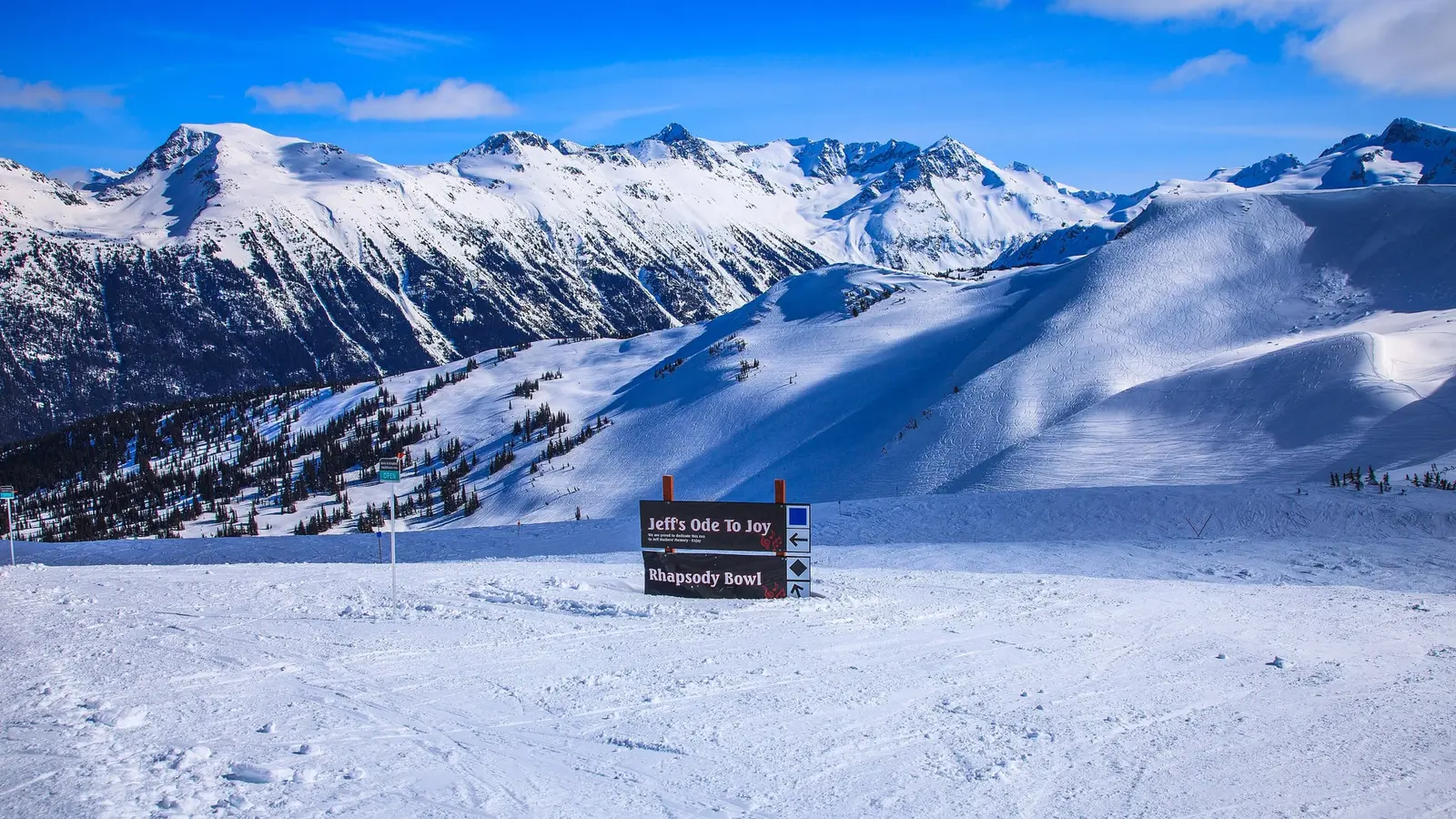
Pick Whistler for one very large resort, a walkable village and Vancouver’s bigger route map for the flight in. Pick Banff for three smaller hills on one ticket, a town with its own restaurants and buses to come back to, and drier, colder snow. Both work for a first Canadian ski trip, and the real question is which kind of week you’re buying: one mountain to get lost in, or three to rotate between.
The dates matter in the second half of November 2026. Whistler Blackcomb set 20 November 2026 as its target opening day, which its own tourism office marks as subject to change, so check the snow report before you lock flights. In the Rockies, Lake Louise opened on 1 November 2026 and Banff Sunshine on 7 November with a soft opening (a magic carpet and a hike-in terrain park, with the Strawberry chairlift following on 14 November), so the Banff side was running before Whistler’s target date.
Snow: coastal weight against Rockies dryness
The two regions make different snow, and that shapes the whole trip. Whistler averages about 10.2 m a year by its own tourism count, falling in a coastal climate: plenty of it, heavier, and now and then arriving as rain in the village while the alpine gets the real thing. So on a Whistler forecast, the number to watch is the freezing level: a big storm total means less if the lower mountain got it as rain.
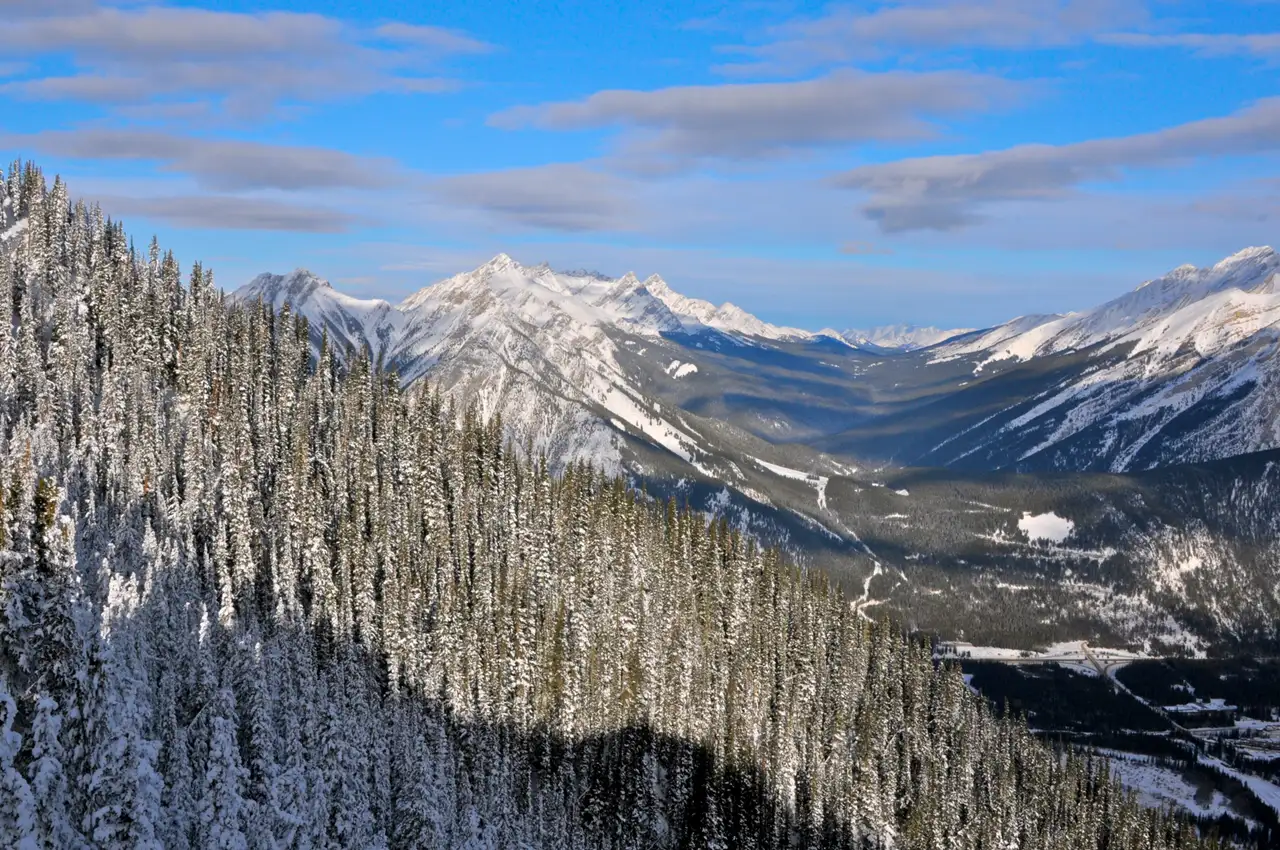
The Rockies run colder and drier, and it’s noticeable. Powder there tends to be lighter, days are crisper, and the cold is the price: a still February morning at Lake Louise can be bitterly cold. Neither is better in the abstract. If you ski mainly for soft, deep days, ask what’s likely in your dates at the resort’s own report; if you hate sleet, the Rockies’ cold is usually an easier trade than coastal slush. For the wider field of Canadian resorts, Skiing in Canada lines up all five names.
When in the season
Whistler describes its season as typically running from late November into May, conditions permitting, and Lake Louise sells its 2026/27 season pass for skiing through 2 May 2027. So both cover a March trip, and the start of the season is where they part ways: in 2026 the Rockies opened first, while Whistler’s target date was 20 November. The coastal village is also the one that can turn to rain in a warm spell, which is worth remembering before you book the shoulder weeks at either end. A mid-winter week, roughly January to early March, is the safest window for both.
Terrain: one big resort or three smaller ones
| Whistler Blackcomb | Banff (SkiBig3) | |
|---|---|---|
| What it is | Two linked mountains, one resort | Lake Louise, Sunshine, Norquay on a joint ticket |
| Size | 8,171 acres, 200+ runs | Lake Louise 4,400 acres, Sunshine 3,358, Norquay 190 |
| Base | Whistler Village, on foot | Banff town, 7 minutes from Norquay by the resort’s own count |
| Feels like | A destination, busy at weekends | A small-town ski week with a bus ride to work |
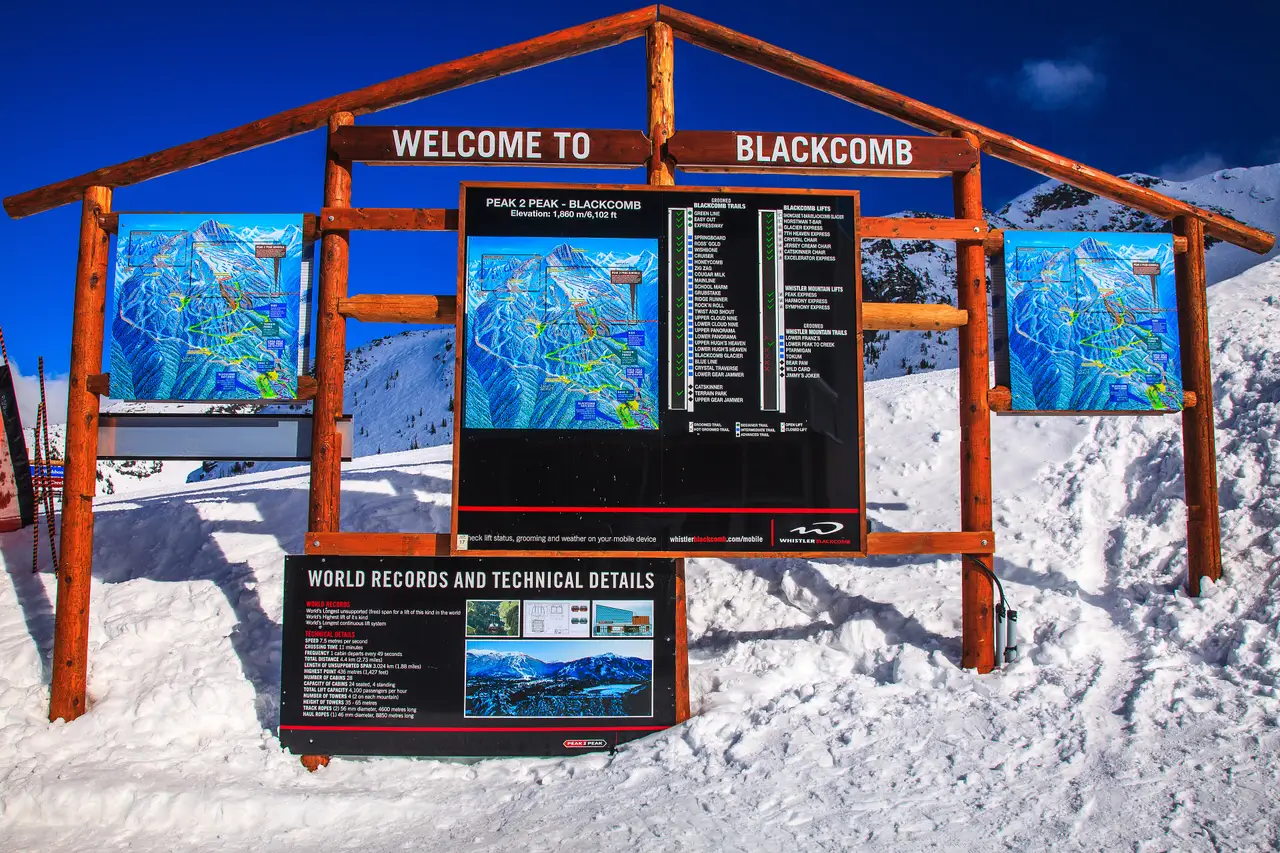
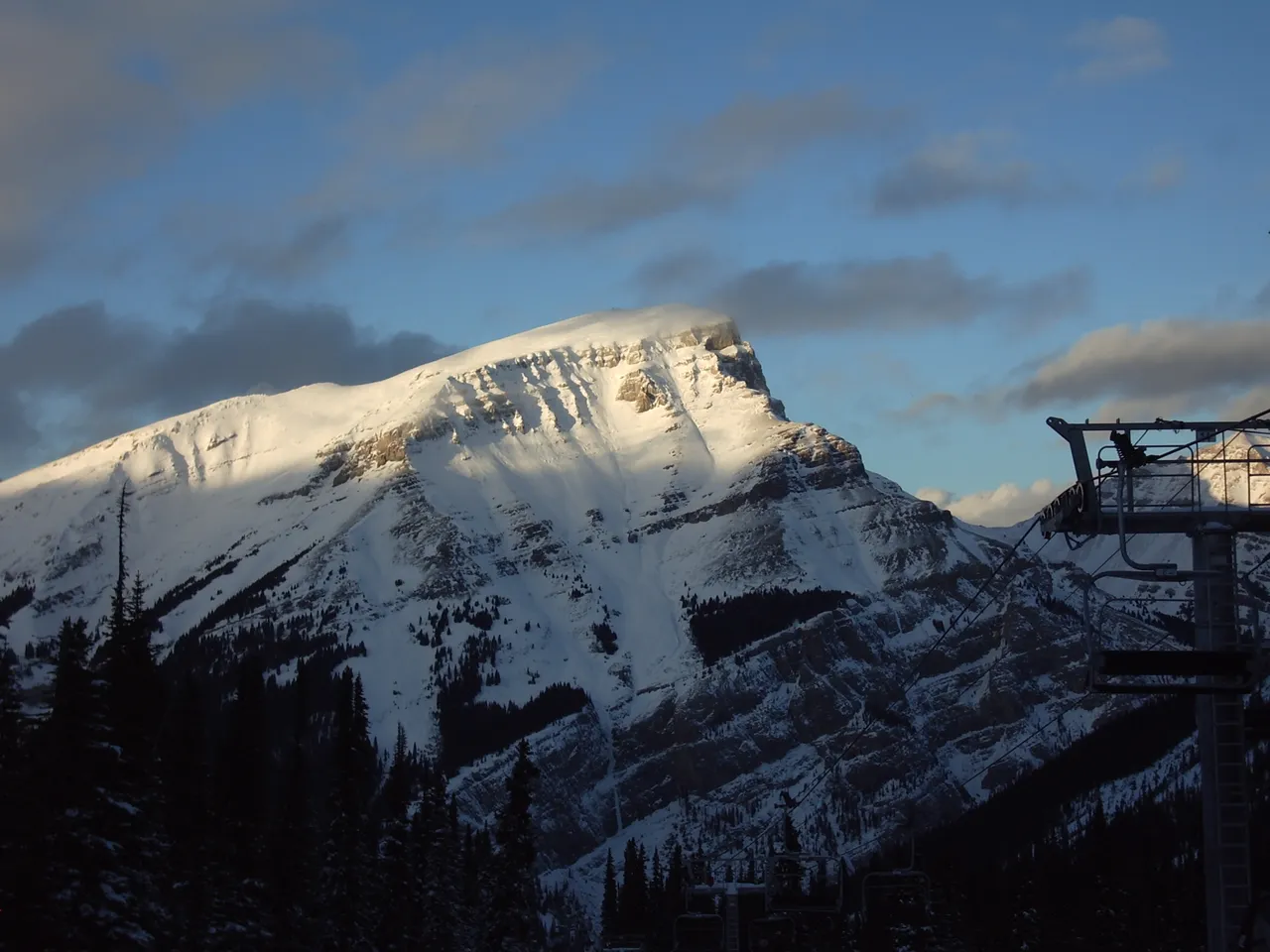
Whistler’s roughly twice the size of Lake Louise, the biggest of the Banff three, but over a week the joint ticket closes most of that gap: Sunshine and Norquay add 3,358 and 190 acres. The real difference is that Whistler’s terrain is linked lift to lift, so you can ski different zones every day and still skip whole sectors without a bus ride between hills. The trade-off is crowds, and you’ll meet them on peak weekends in the lift lines at the village base; a coastal storm can also close the top. Banff’s edge is variety by character rather than size. Lake Louise is the big open one, Sunshine sits high on the continental divide, and Norquay is the quick local hill that suits a half day or a group with mixed abilities. Our Banff in winter guide covers what a week there looks like off the hill.
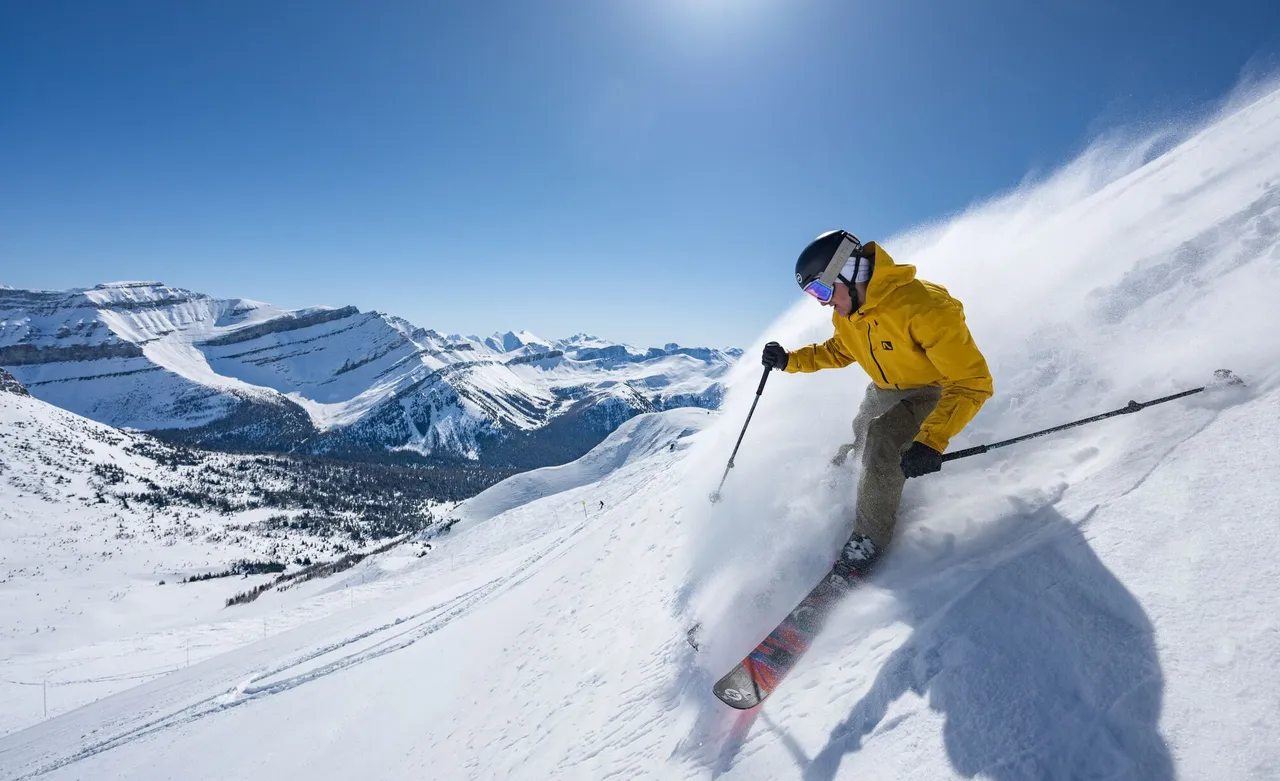
Beginners and families tend to do better at Banff: Norquay sits seven minutes from town on the same ticket as the two big hills, so a short, easy day starts close to the hotel and costs nothing extra. Strong skiers who want a week of new terrain without a daily bus ride between hills should lean to Whistler.
Passes: this decides more than the mountain
If you already own a pass, the choice can make itself. The full Epic Pass includes unlimited access to Whistler Blackcomb, according to Vail Resorts’ August 2026 release. The Ikon Pass gives 7 days in total across the three SkiBig3 resorts with no blackout dates, and the Ikon Base Pass 5 days with blackouts on 26-30 December 2026, 16-17 January and 13-14 February 2027, per SkiBig3’s own pass guide: a cap, not a season of Banff skiing. That’s the whole reason Epic holders lean to Whistler and Ikon holders lean to the Rockies.
Pass prices and the early-bird calendar change by the week, so they live on one page: Epic vs Ikon in Canada has them dated. If you hold neither, price day tickets for the days you’ll actually ski against a limited-day pass before you buy either: the SkiBig3 price calendar and Whistler’s cart both move by date, so a Tuesday in January and a Saturday in February can be priced very differently.
Getting there: two airports, two roads
Whistler sits about 120 km north of Vancouver, roughly 1.5 to 2 hours on the Sea-to-Sky Highway. Banff is 130 km west of downtown Calgary and about 140 km from the airport, roughly 90 minutes on the Trans-Canada. In both cases the road is the real winter risk, not the flight.
Flying from Britain, you’ll find direct service to both cities: see flights from London to Vancouver and flights from London to Calgary. Choose by the mountain first and the airport second, since the fare gap is smaller than the cost of a week at the wrong resort.
Without a car, both trips are easy, and you won’t need one in either village. Calgary has the airport shuttle described in Calgary to Banff, and Vancouver has coach and bus options in Vancouver to Whistler. Once there, Whistler Village is walkable and Banff has its own bus network. With a car, two rules apply:
- Tires. BC requires winter tires or chains on most routes from 1 October to 30 April, and the government notes that select lower-snowfall highways end on 31 March. The Sea-to-Sky dates are in our Vancouver to Whistler guide. A cheap airport compact on summer tires is the classic mistake, and it’s an expensive one.
- The park pass. All three Banff hills are inside Banff National Park. Sunshine’s policy says visiting by personal vehicle, rental vehicles included, requires a valid Canada National Park Pass, and a lift ticket isn’t that pass. Buy it before you drive in.
Where to sleep
Whistler offers a choice of bases: the village for restaurants and walking, Upper Village for the quickest lift access, Creekside for a quieter feel. Where to stay in Whistler sorts them. In Banff you sleep in town and ride out, so where to stay in Banff is about walking distance to the bus stops. Book peak weeks early in either place. Rates in both places are dynamic and move with the calendar, so compare the same dates in two or three tabs, and remember that a cheaper bed in Banff town means a daily bus or drive to Sunshine or Lake Louise, which is time and a little money you should count in.
Three things to settle before you book
- Opening day. Whistler’s 20 November 2026 date was published as a target, subject to change, so check what’s actually open before a late-November trip. In the first weeks of the season, Banff is the safer bet: Lake Louise opened on 1 November and Sunshine on 7 November 2026.
- Your pass. Epic points to Whistler, Ikon to Banff, and with no pass, price dated day tickets against a limited-day pass at either.
- The road. Tires for BC, park pass for Alberta, and a daytime arrival on the first day. For the town itself, our Whistler guide and Banff park guide pick up where this one stops.
Read also

Before you go · 10 min read
Niagara Falls in Winter: Festival of Lights and What's Open
Verified · November 8, 2026Niagara Falls in winter 2026-27: the free Festival of Lights from 14 November, fireworks nights, what's open or shut, and how to see the ice.

Before you go · 11 min read
Canada eTA for UK Citizens: Entry Requirements
Verified · September 1, 2026UK air travellers need a CAN$7 eTA. Cost, validity, land exception, refusals and British passport types - checked on canada.ca, 1 Sep 2026.

Before you go · 9 min read
Calgary vs Vancouver: Which Airport for the Rockies
Verified · August 29, 2026Calgary puts Banff 140 km up the road; from Vancouver it's 850 km. What the drop fee, the domestic hop and the thinner route map actually cost you.

Before you go · 10 min read
Quebec City in Winter: Carnival, Ice Hotel, What to Wear
Verified · August 16, 2026Quebec City in winter: Carnival 5-14 Feb 2027, ice hotel from January, February nights -16 C, and what to pack.